Key Takeaways
- “Hypoallergenic” isn’t a regulated bedding term—look at materials and construction, not just the label.
- The best allergy-friendly toppers stay breathable and manage moisture, helping discourage dust mites and microbial growth.
- Avoid heat-trapping synthetic foams if you’re sensitive; some can off-gas VOCs and irritate airways.
- Wool is an ideal option for allergy sufferers because it regulates temperature, buffers humidity, and stays drier.
- Woolroom’s wool toppers use traceable British wool and avoid synthetic materials and chemical additives—ideal for creating a cleaner sleep space.
Adding a mattress topper is a great way to change the firmness or temperature regulation of your existing bed. But allergy-friendly mattress toppers have a different job: creating a cleaner, less irritating sleep space. They’re made with materials that breathe well, manage moisture effectively, and resist irritants and allergens. Here’s what to understand about what really works in allergy-friendly mattress toppers—and what’s just marketing.
What Makes a Mattress Topper Hypoallergenic?
The term hypoallergenic sounds medical-adjacent, but in the mattress world, it’s really just marketing. It technically means “less likely to cause an allergic reaction,” so it’s often used to describe materials that naturally resist common allergens (like dust mites and mold) or aren’t treated with harsh chemicals that could cause irritations. For allergy sufferers searching for long-lasting relief in the form of hypoallergenic bedding, toppers and mattresses, this can be a nightmare.
But because there’s no official definition for hypoallergenic mattresses and mattress toppers, specific definitions can vary from one company to another. To truly be considered hypoallergenic, you need to look beyond the claim to the materials and construction.
Resistance to dust mites, mold, and irritants
Allergens thrive in warm, humid conditions, and that’s often what’s created with plush, dense bedding materials. Mattress toppers that promote airflow and wick moisture, like those made with wool, tend to offer the most benefit for those with allergies because they simply aren’t hospitable to these kinds of contaminants.
Low odor and off-gassing
Some toppers, especially those made with synthetic foams, can off-gas volatile organic compounds (VOCs) when they’re new. That “new foam smell” can contribute to airway irritation, headaches, and sleepless nights, especially for sensitive sleepers. If you're prone to allergies or easily irritated by chemicals, it’s best to look for low-VOC materials and third-party certifications that verify safe indoor air quality.
Excellent breathability
When a mattress topper traps heat and moisture, allergens naturally accumulate. Worse, they do so in the surface layers—right next to your face and airways! That’s why breathability means so much more than comfort alone. It’s a key feature for allergy relief.

A better night sleep for an allergy sufferer starts with allergy-free bedding.
5 Common Causes for Sleep-Related Allergies
Nighttime allergies usually have less to do with what’s in the air outside your window, and more to do with what’s lurking in your bed. That’s where you’ll find the most common triggers:
1 - Dust mites are microscopic organisms that live off dead skin cells and pet tender. It’s estimated that 10% of the world’s population is allergic to these little buggers—their waste is actually the most common allergen in household dust. Dust mites thrive in soft, warm, moist environments, like bedding.
2 - Mold and mildew can develop in bedding that holds onto moisture, especially in humid climates. If you sweat a lot at night, your bed has a higher risk of developing mold or mildew. Even small amounts of this kind of microbial growth can mean congestion and coughing.
3 - Heat and humidity create ideal conditions for allergens. The warmer and damper your bed, the more likely it is that dust mites and microbial growth can accumulate.
4 - VOCs are common in petroleum-based synthetic materials, like polyurethane foam, memory foam, polyester, and rayon. These materials can emit chemicals into the air, which poses very real health and environmental risks. Those with chemical sensitivities tend to notice throat irritation, headaches, and congestion.
5 - Chemical treatments, adhesives, and flame retardants can trigger reactions in some people, including respiratory and skin irritation. That’s worsened when materials keep heat and moisture against the skin.
It’s not just materials, either. Poor airflow traps allergens, which means they’re concentrated in the surface layers of your topper—right where you sleep.
Best and Worst Mattress Topper Materials for Allergies
If you’re dealing with allergies, asthma, or chemical sensitivities, your mattress and bedding materials matter more than you might think. Some options stay cooler and drier (which helps discourage dust mites and mold), while others can trap heat, hold humidity, or release odors that irritate sensitive airways. Use the table below to learn how common materials typically perform, but remember that construction, covers, adhesives, and room humidity can also make a big difference.
|
Material |
Key Allergy Benefits |
Potential Drawbacks |
Best for/Avoid if |
|
Wool |
Naturally resistant to dust mites Naturally regulates temperature, reducing sweating Wicks moisture, preventing mold and mildew Naturally hypoallergenic Breathable fiber structure discourages allergen buildup |
Lanolin sensitivity is rare but possible |
Best for: Dust allergies, asthma, chemical sensitivities, those who are prone to overheating |
|
Latex |
Can be hypoallergenic Regulates temperature, reducing sweating Breathable |
Heavy Synthetic blends can trigger sensitivities Some notice rubber odor |
Best for: Allergy sufferers who prefer the buoyancy of latex Avoid if: Known latex allergy |
|
Memory Foam |
None |
VOC off-gassing can cause respiratory irritation |
Avoid if: Allergy, asthma, or chemical sensitivity concerns, in mold-prone environments |
|
Down |
None |
Traps irritants like dust mites, pollen and animal dander |
Avoid if: Allergies, especially if dust/animal related, moisture concerns |
|
Synthetic |
May be marketed as hypoallergenic |
Traps heat and moisture Potential VOC issues |
Avoid if: Allergies, heat issues, chemical sensitivities |
How to Choose the Right Hypoallergenic Mattress Topper
Choosing the right allergy-friendly topper means ticking a lot of boxes. Comfort still matters, but you need a topper that creates a cooler, drier sleep environment. Naturally derived materials that are also free of chemical coatings and synthetics are a good starting place.
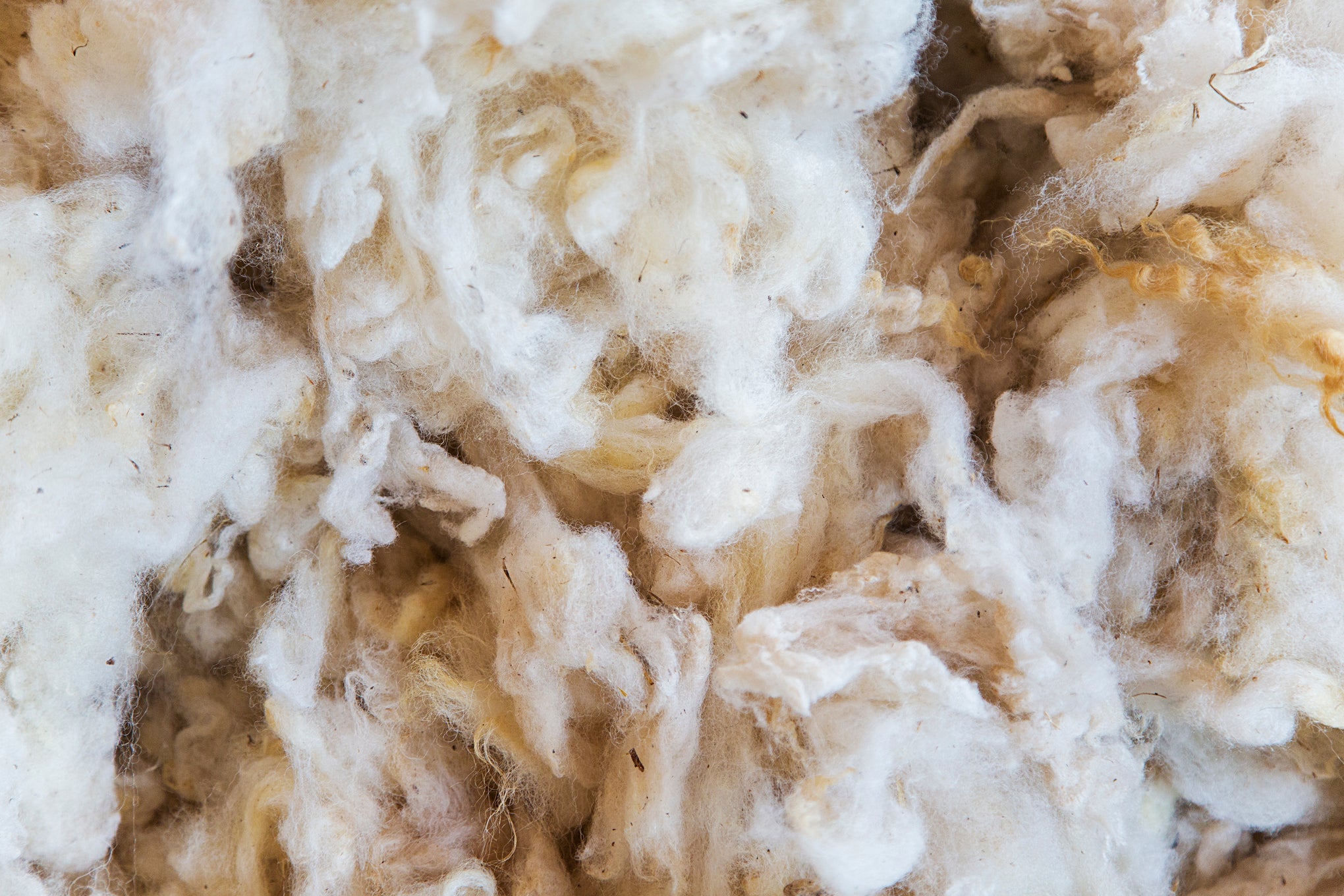
Wool’s natural characteristics make it particularly well-suited to bedding staples like mattress toppers. The fiber is crimped, which creates tiny air pockets that insulate for warmth and allow air to circulate. What’s more, wool fibers can absorb up to 30% of their weight without feeling damp or heavy. As the environment dries, that moisture is slowly released, helping you—and your bedding—stay dry.
Because wool mattress toppers help support a drier, cleaner sleep space, they’re a good choice for alleviating the symptoms of different allergies and sensitivities. Plus, when you choose a wool topper from Woolroom, you can rest easy knowing you’re getting a safe, chemical-free product.

Mattress Topper vs Mattress Pad: What’s the Difference?
While they’re both designed to go over existing mattresses, toppers and pads serve different purposes. A mattress topper is thick and intended to change the comfort level of an existing mattress. At Woolroom, our wool toppers are generously sized, which means more wool to regulate temperature and wick moisture. Our toppers vary in height from about 1-2 inches for our Deluxe Wool Mattress Topper and Organic Wool Mattress Topper to roughly 3-4 inches for our Wooly Sprung Mattress Topper.
Mattress pads are much thinner and primarily serve as a protective layer, so they don’t change the feel of a mattress like a topper does. Woolroom’s mattress pads have a thin layer of wool, so they also help regulate body temperature and boost breathability.
If you’re debating between a mattress topper and a pad to help improve allergy symptoms, consider any other needs as well. A topper is the better choice if your mattress runs hot, feels uncomfortable, or traps heat and moisture, which tends to make allergies worse. A pad is a fine option if you like how your mattress feels but want to upgrade breathability.
Why Woolroom’s Wool Mattress Toppers Work for Allergy Sufferers
At Woolroom, we’re proud to use 100% British wool that’s both ethical and fully traceable. We partner with English arms that abide by the five freedoms in the UK Animal Welfare Act of 2006. That’s how we know that our wool comes from healthy, happy animals, and you can see for yourself thanks to our Wool ID program. All of our natural wool bedding, toppers included, come with a unique QR code that shows you the farm and the sheep behind the wool.
They’re also made without synthetic materials and down, and they’re naturally antimicrobial, with no chemical additives of any kind. We’re proud to have certifications that speak to the safety and quality of our natural wool bedding. Our wool bedding is certified by OEKO-TEX Standard 100 (the first and only wool bedding retailer with that designation!), while our farms and production facilities have earned GOTS (Global Organic Textile Standard) certifications. Plus, Woolroom products have the Allergy UK Seal of Approval as well.

Originating the UK, Woolroom still holds the renounced Allergy UK Seal of Approval - a go-to bedding provider for allergy, ashtma and eczema (dermatitis) sufferers.
Wool is the Smartest Choice for Allergy-Free Sleep
When you’re dealing with allergies, asthma, or chemical sensitivities, a mattress topper isn’t just a comfort upgrade, it can be a meaningful part of creating a cleaner sleep environment. The most allergy-friendly toppers are the ones that stay breathable, manage moisture, and avoid materials or treatments that trap heat, harbor allergens, or irritate sensitive airways.
That’s why wool is such a smart choice. It helps regulate temperature, buffers humidity, and naturally resists the warm, damp conditions that dust mites and microbial growth prefer. Pair the right topper with thoughtful maintenance (and, if needed, a breathable protector), and you can make your bed feel better while also supporting fewer nighttime flare-ups—without relying on marketing claims to do the heavy lifting.
Frequently Asked Questions
What is the best hypoallergenic mattress topper?
The best hypoallergenic mattress topper is made with wool. Wool naturally resists allergens, breathes well, and wicks moisture. Woolroom’s mattress toppers are also chemical free.
Is wool a good anti-allergy mattress topper?
Yes, wool resists allergens like dust mites and mold without synthetic treatments, so it’s a great choice in a mattress topper.
Can a mattress topper help with allergies?
Yes, the right mattress topper can reduce exposure to allergens and improve sleep quality. Wool is a good choice because it regulates temperature and wicks moisture, promoting a drier sleep space.
What causes an allergy to foam mattress toppers?
VOC off-gassing, heat retention, and chemical treatments in foam can all trigger allergies.
Is a wool mattress topper good for dust mites?
Yes, wool naturally repels dust mites by staying dry and cool. Dust mites prefer warmer, damper conditions.
Do mattress toppers work for asthma?
Hypoallergenic mattress toppers, especially wool, can reduce asthma triggers in bed. That’s because wool naturally regulates temperature and wicks moisture, contributing to a drier sleep space that isn’t hospitable to allergens.
Should I choose a topper or just a mattress cover for allergies?
Both can help improve allergies, but the benefits are greater with a topper. Toppers also change the comfort level of your existing mattress. A mattress cover is designed to protect the mattress from spills and stains.
Is wool safe for sensitive skin?
Yes, high-quality, chemical-free wool is gentle and safe for most sensitive sleepers. Woolroom’s wool bedding products also have certifications that speak to their safety and quality.


