Key Takeaways
- A bedroom that's too hot interferes with your body's natural pre-sleep temperature drop, making it harder to fall—and stay—asleep.
- Overheating specifically disrupts deep sleep and REM, the stages responsible for physical recovery and memory consolidation.
- Signs your bedroom is too hot include kicking off the covers, waking up sweating, taking longer than 20 minutes to fall asleep, waking up groggy despite a full night's sleep, tossing and turning, morning headaches, and restless or vivid dreams.
- Materials like down and memory foam trap heat against your body, while naturally breathable materials like wool wick moisture and help regulate temperature.
When you aren’t sleeping well, we tend to blame things like stress, caffeine, or late-night scrolling. And while it’s true that all of those can spell trouble for restorative rest, there’s something else that’s especially common in the summer: your bedroom temperature. A room that’s too hot sets up a major hurdle to deep sleep because it directly interferes with your body’s own thermoregulation process. In anticipation of sleep, core body temperature naturally drops. It’s a signal to the brain to shift into sleep mode. A bedroom environment that prevents this from happening makes it next to impossible to fall and stay asleep.
It gets worse. An overheated bedroom is particularly disruptive to deep sleep and REM, the stages responsible for recovery, memory consolidation, and feeling genuinely rested the next day. Your body needs that overnight temperature drop to move through the full sleep cycle uninterrupted. When it can’t cool down, you’re pulled back into lighter stages, even if you don’t fully wake up. That’s why you can sleep for eight hours and still wake up groggy and unrested.
If you suspect heat is sabotaging your deep sleep, here are seven signs that you’re right—plus what you can do about it.

Signs Your Bedroom Is Too Hot for Deep Sleep
Your body actually sends pretty clear signals that your bedroom temperature is a problem. Have you noticed any of the following?
You Keep Kicking Off the Covers at Night
One of the most obvious indications that your bedroom is too hot is that you routinely kick off the blankets. Maybe you wake up with limbs sticking out from under the covers, or find yourself sprawled spread eagle on top of the sheets entirely. All three point to the same thing—your body is subconsciously trying to release excess heat.
You Wake Up Sweating or Clammy
Between respiration and perspiration, your body releases moisture while you sleep. But if you find damp spots or you wake up feeling sticky, clammy, or drenched, you probably have a bedroom temperature and/or humidity issue. That interferes with natural sweat evaporation—your body’s system for cooling down can’t do its job properly.
You Can't Fall Asleep, Even Though You're Exhausted
It’s known as “tired but wired.” You’re exhausted, but you just can’t unwind enough to fall asleep. Taking longer than 20 minutes to fall asleep, especially when it’s accompanied by a racing mind or a physically amped-up feeling, can be a sign that your body can’t facilitate its natural cooling process.
You Wake Up Groggy Even After a Full Night’s Sleep
Waking up feeling unrefreshed is very often a clue that your brain spent too much in light, interrupted sleep and missed on the restorative deep sleep and REM cycles. A bedroom that’s too hot keeps you from reaching those deeper sleep stages.
You Frequently Change Positions
Tossing, turning, and constantly readjusting your sleeping posture during the night? That’s not uncommon when your body tries to escape localized hot spots on your mattress or pillows—and some materials are more likely to trap heat than others. Down pillows and comforters may be airy and luxurious, but down is incredibly insulating. An elevated bedroom temperature and rising body temperature creates a lot of heat that down will trap, which only makes you hotter. And if you’re sleeping on synthetic materials like memory foam, the same thing is happening under you. Memory foam responds to heat and pressure to mould closely to your body. It’s an incredibly dense material that holds heat and limits airflow, setting you up for feeling sweaty and overheated—especially in an already-hot bedroom.
You Wake Up with a Headache or Feel Dehydrated
An overheated room can leave a physical mark, too. Sleeping in an overheated room can cause mild dehydration overnight—the body loses more fluids through sweat and respiration when it’s working hard to cool down. That dehydration, combined with the heat-related dilation of blood vessels, is a common trigger for dull morning headaches that seem to have no obvious cause. If you’re waking up thirsty or reaching for painkillers, your bedroom temperature—and the materials holding that heat against your body—are probably playing a big role.
You Have Restless Sleep or Vivid, Disruptive Dreams
During REM sleep, something interesting happens. Your body’s internal thermostat basically turns off, which makes this sleep stage especially vulnerable to a hot bedroom. An elevated core temperature often shows up as fragmented sleep with unusually vivid, even disturbing dreams—the kind that wake you with a jolt. It can be a sign that your body never settled into the stable, cooler state that REM sleep needs.
How to Cool Down Your Bedroom: Start with Your Bedding
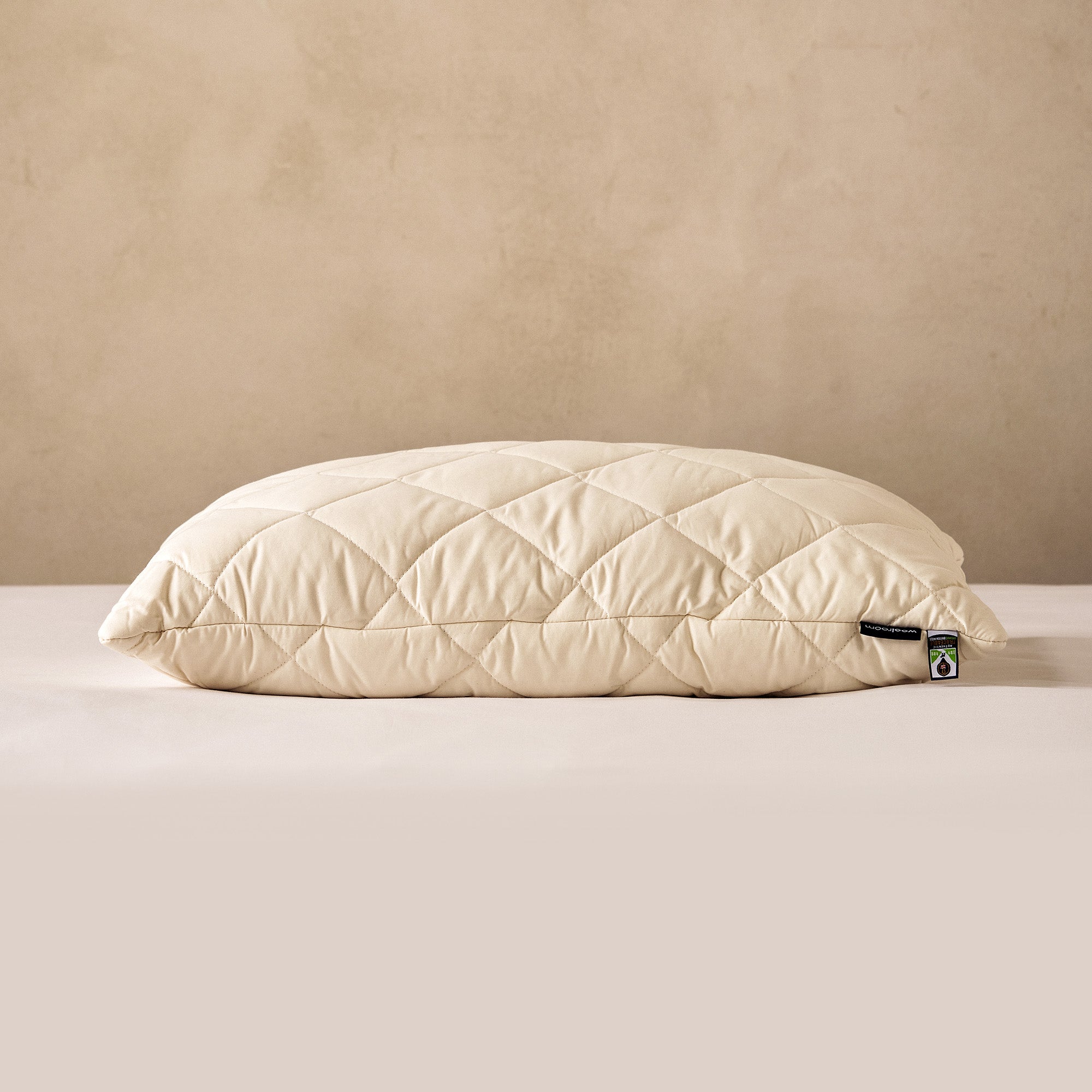
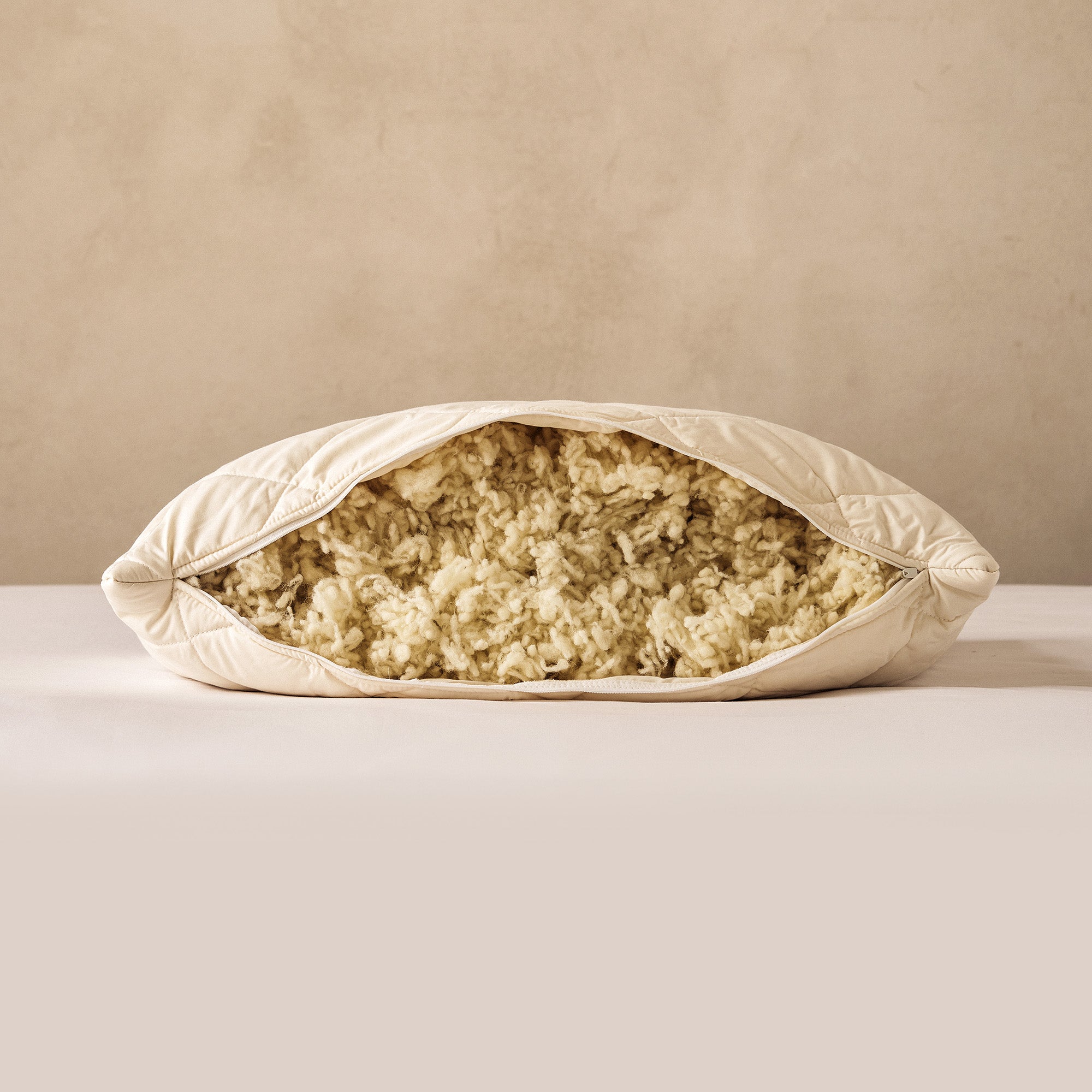
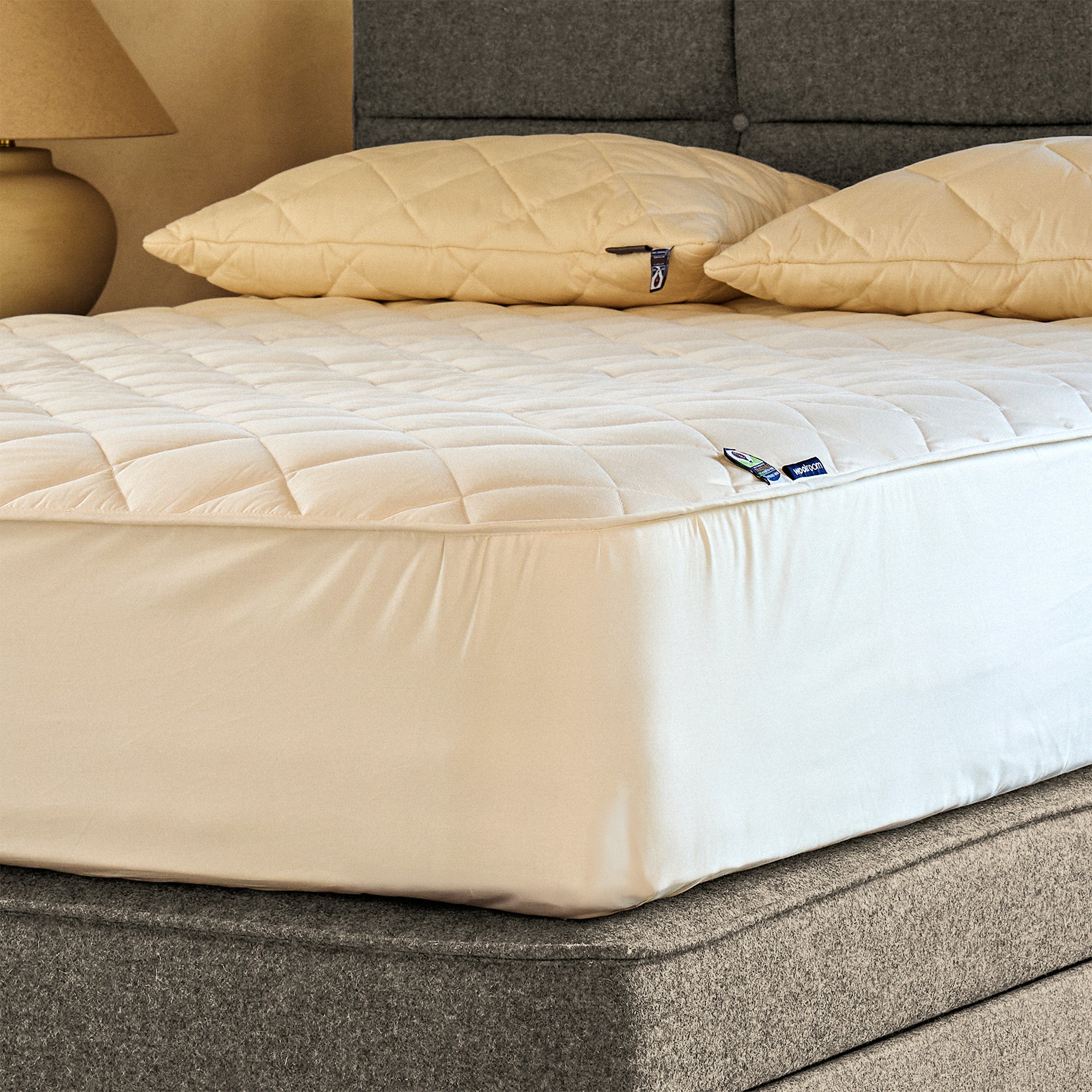
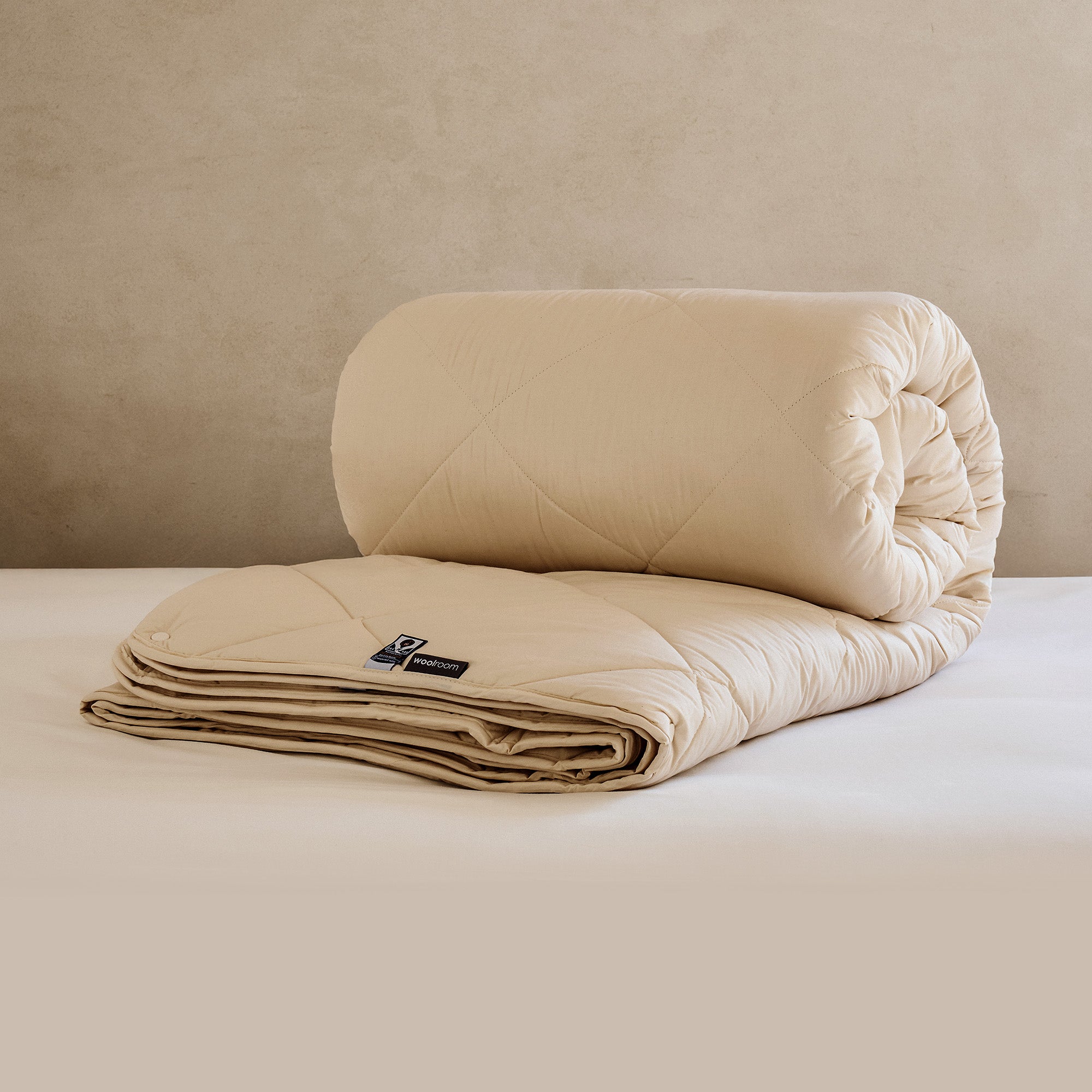
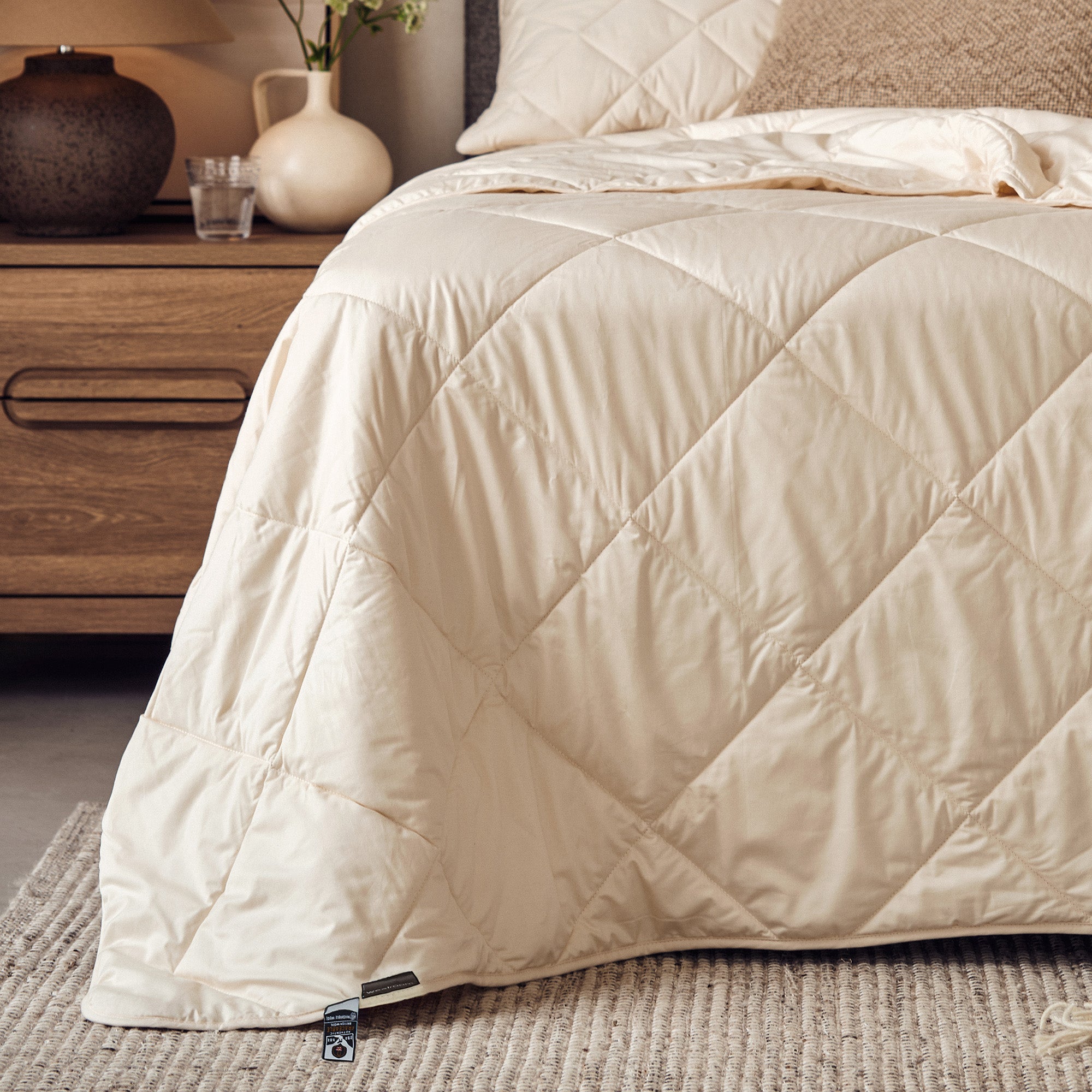
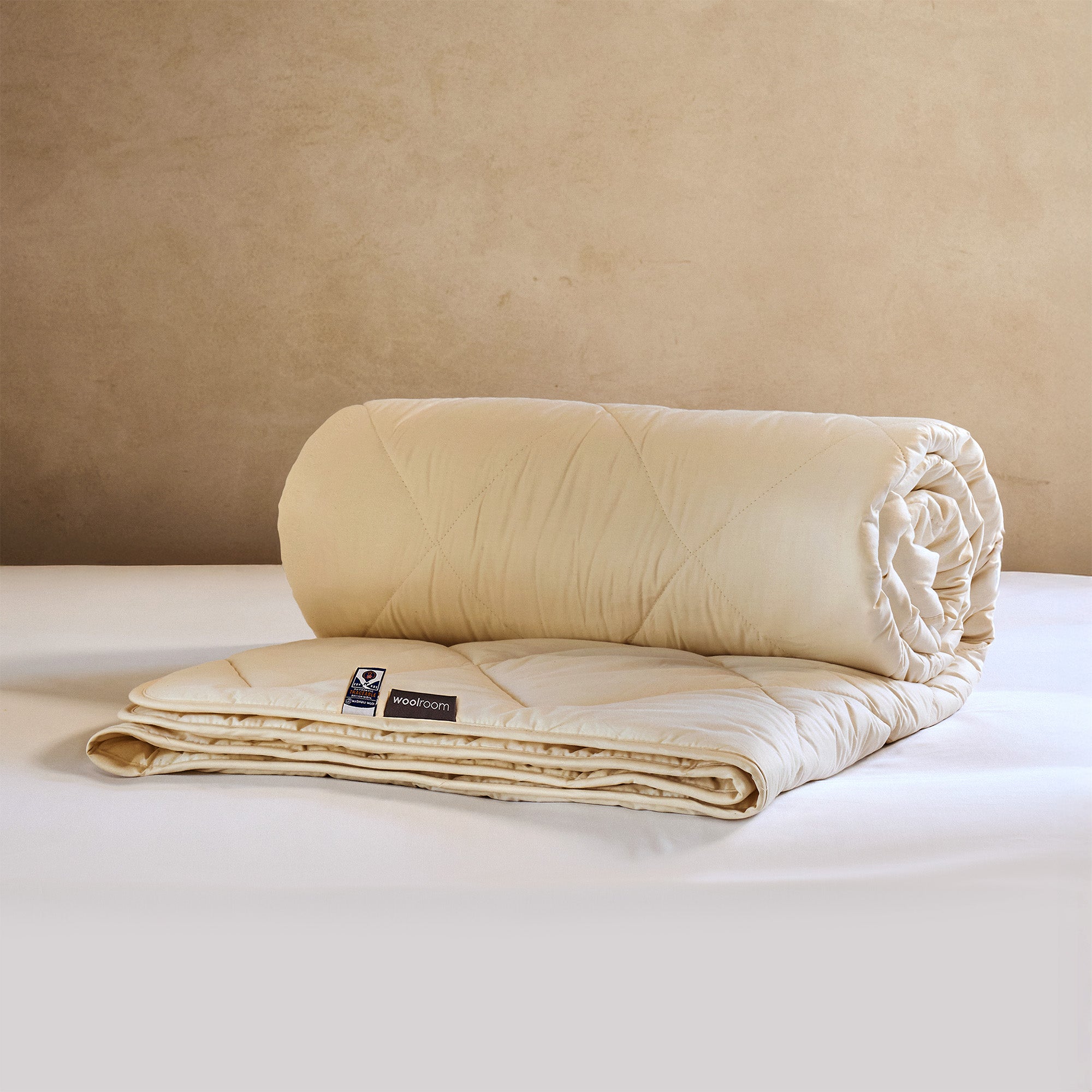
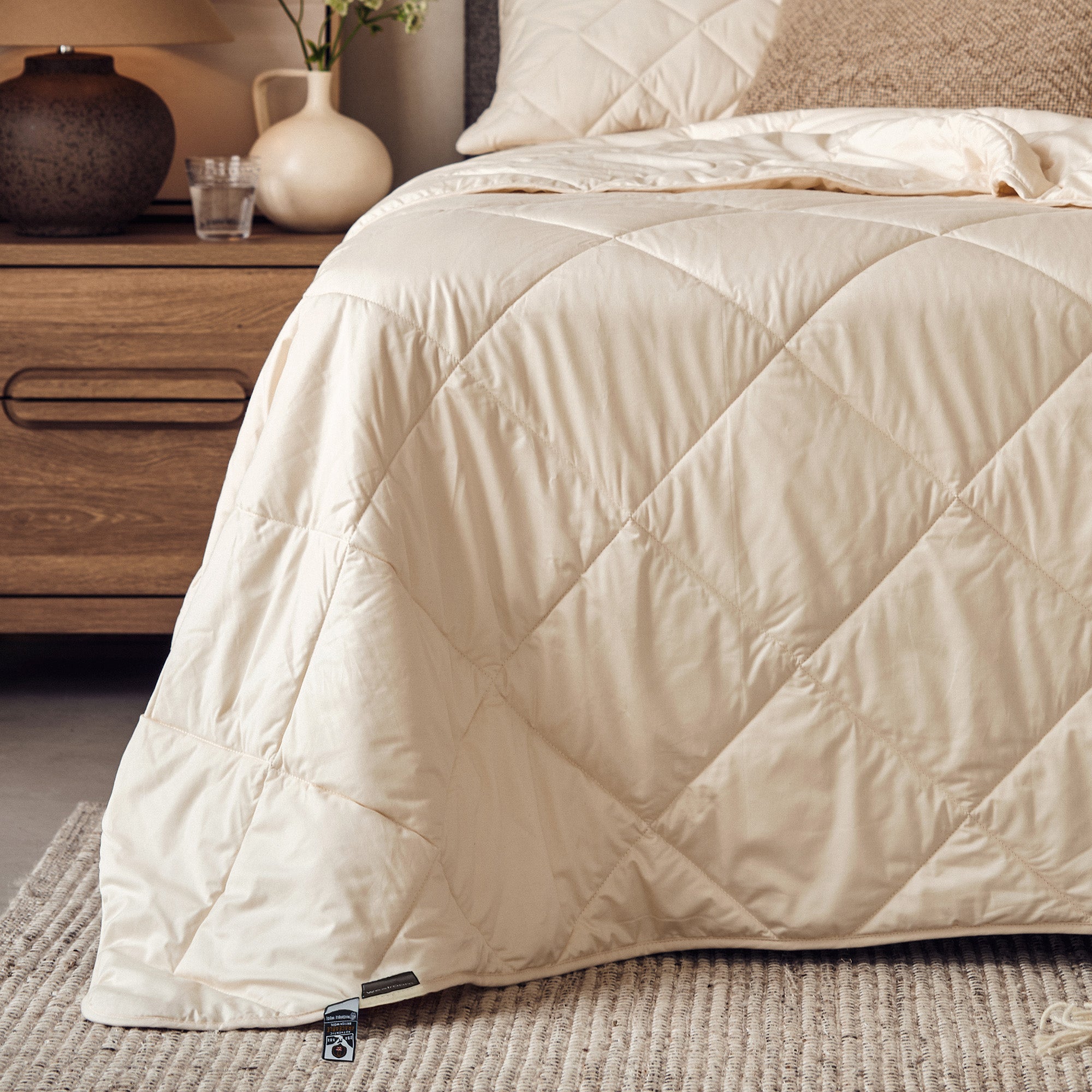
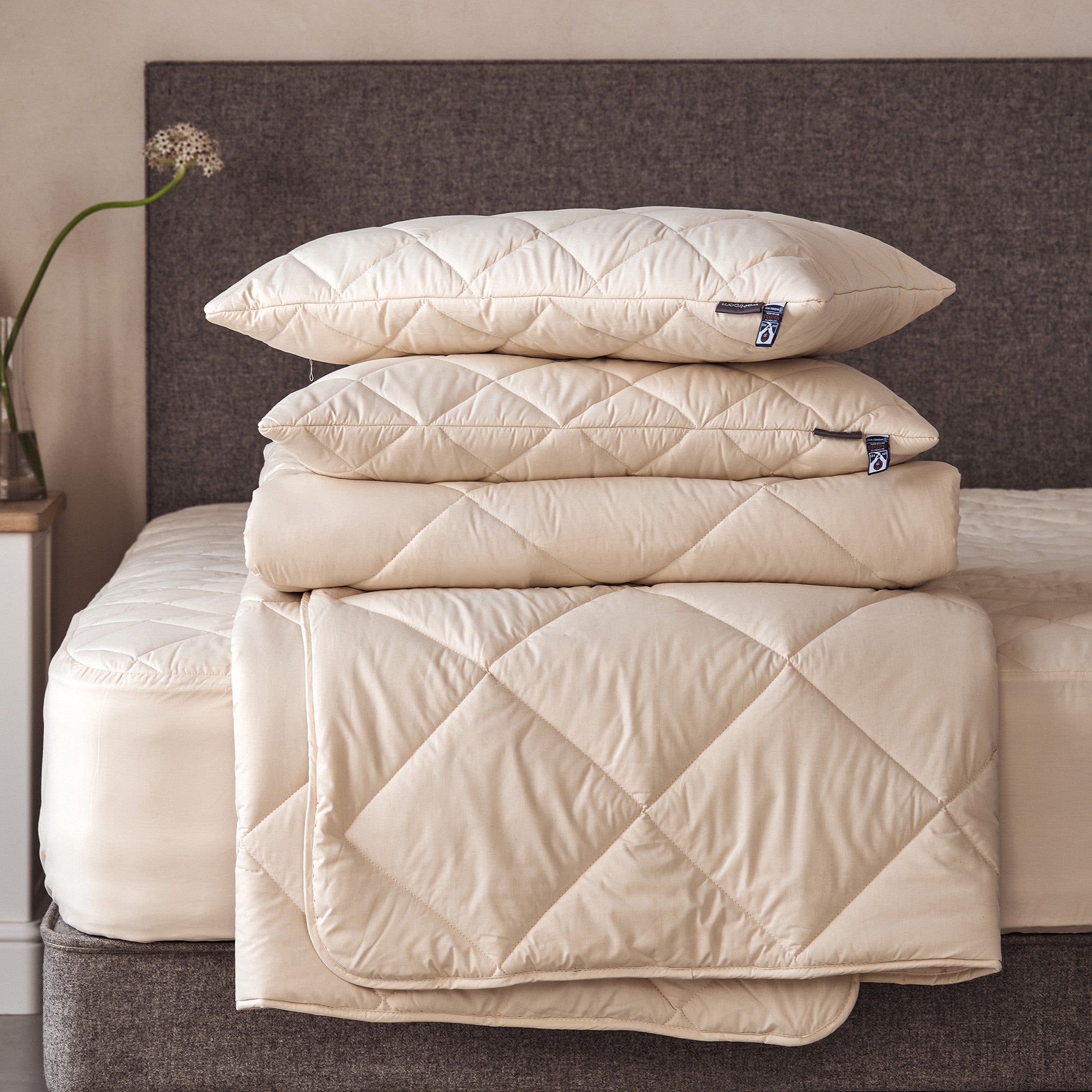
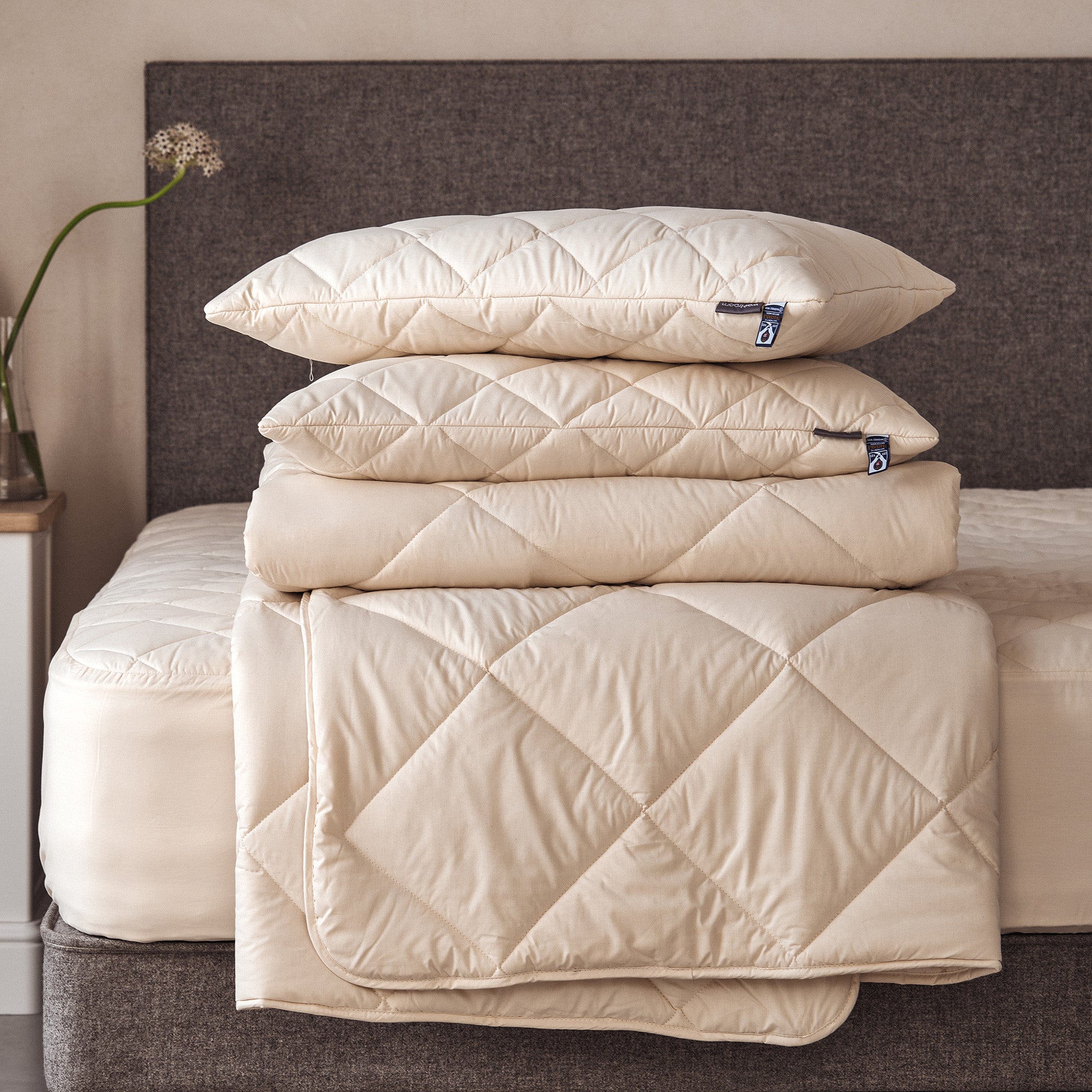
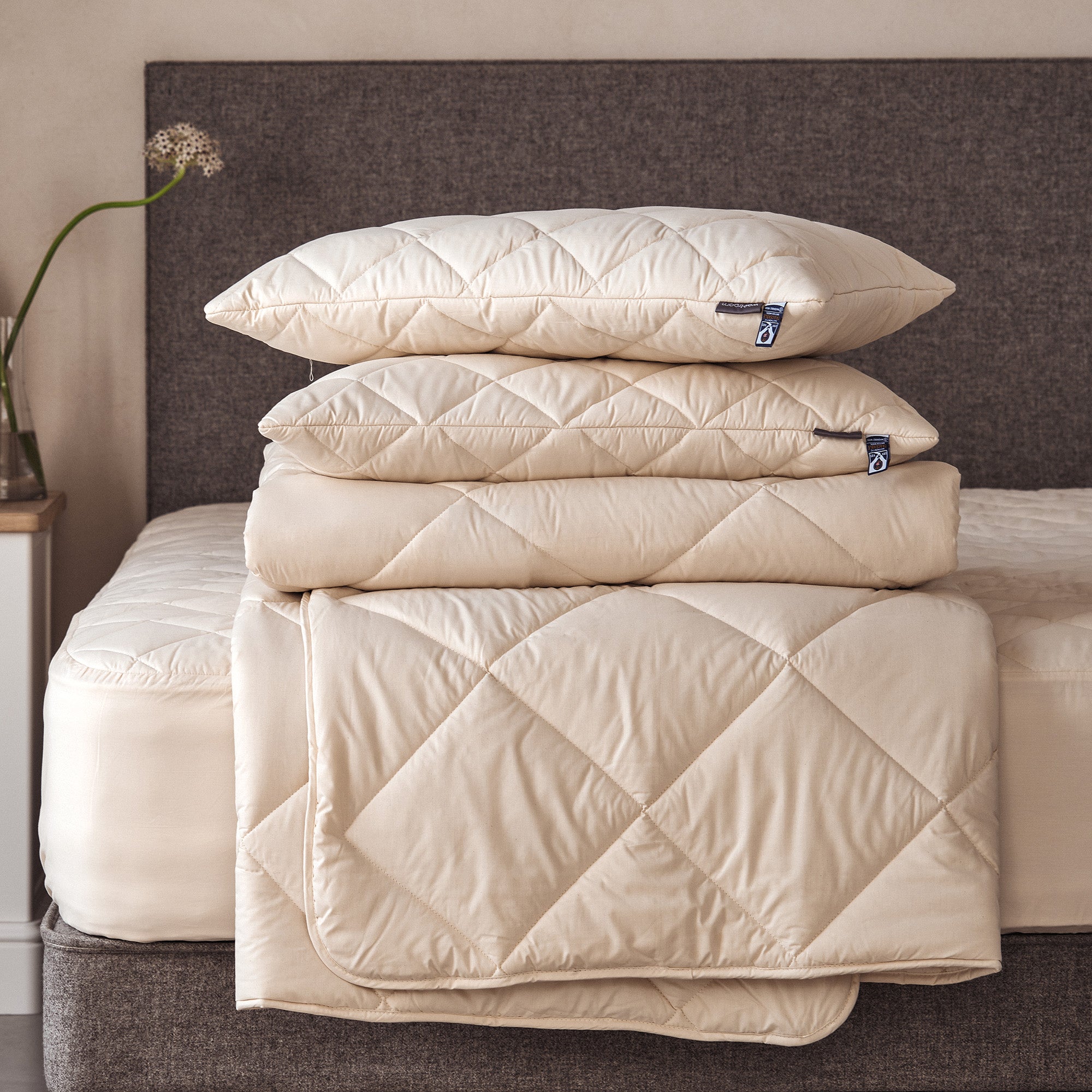
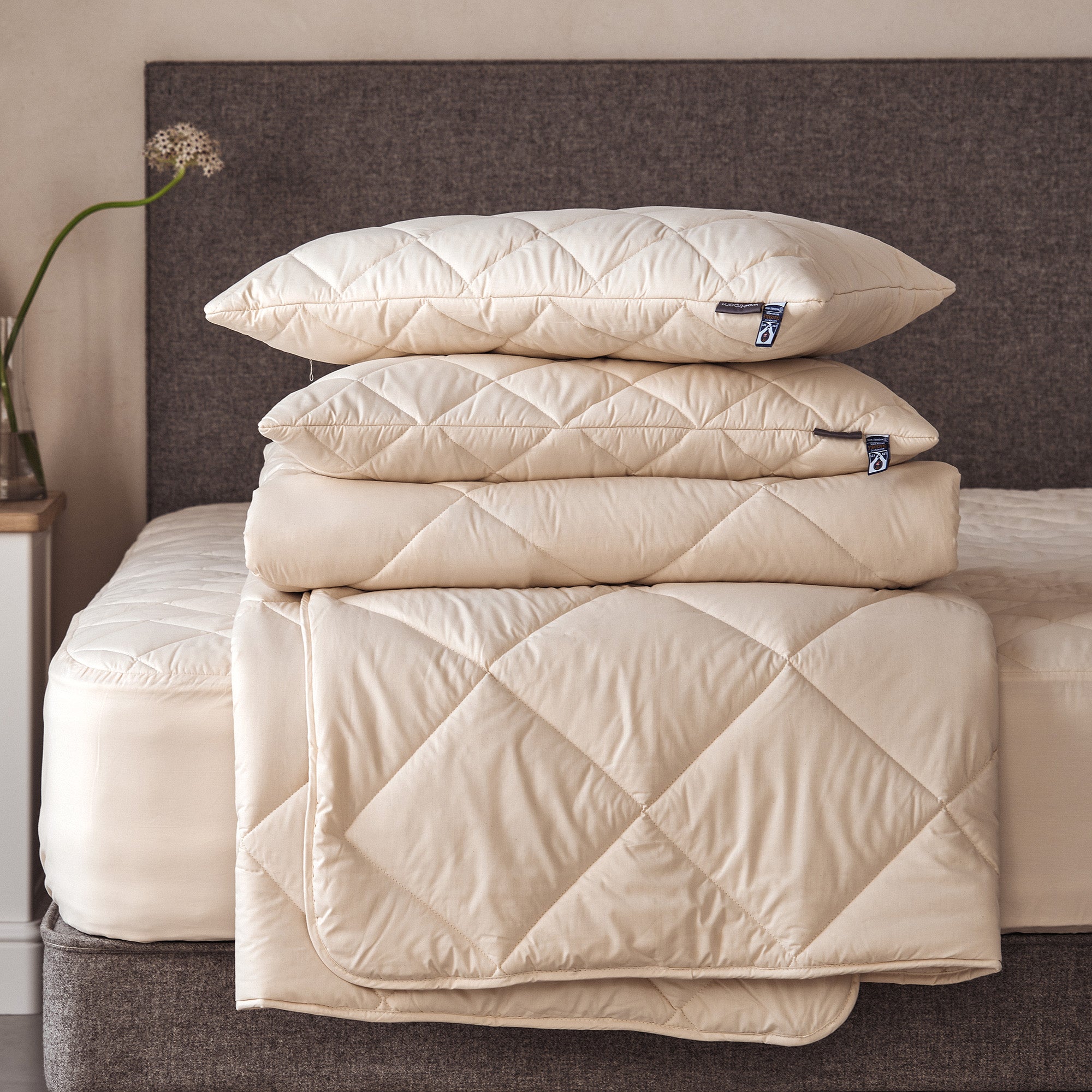
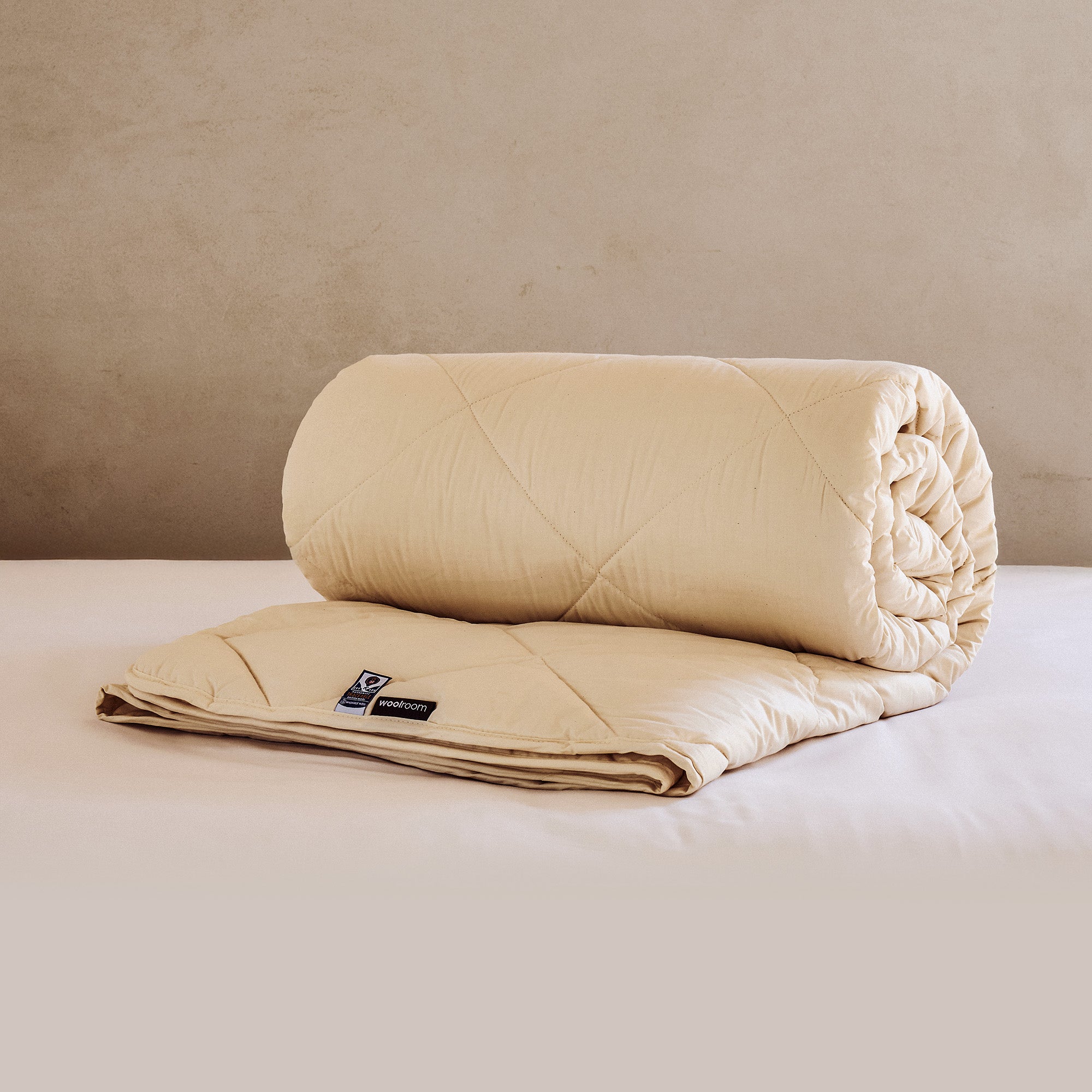
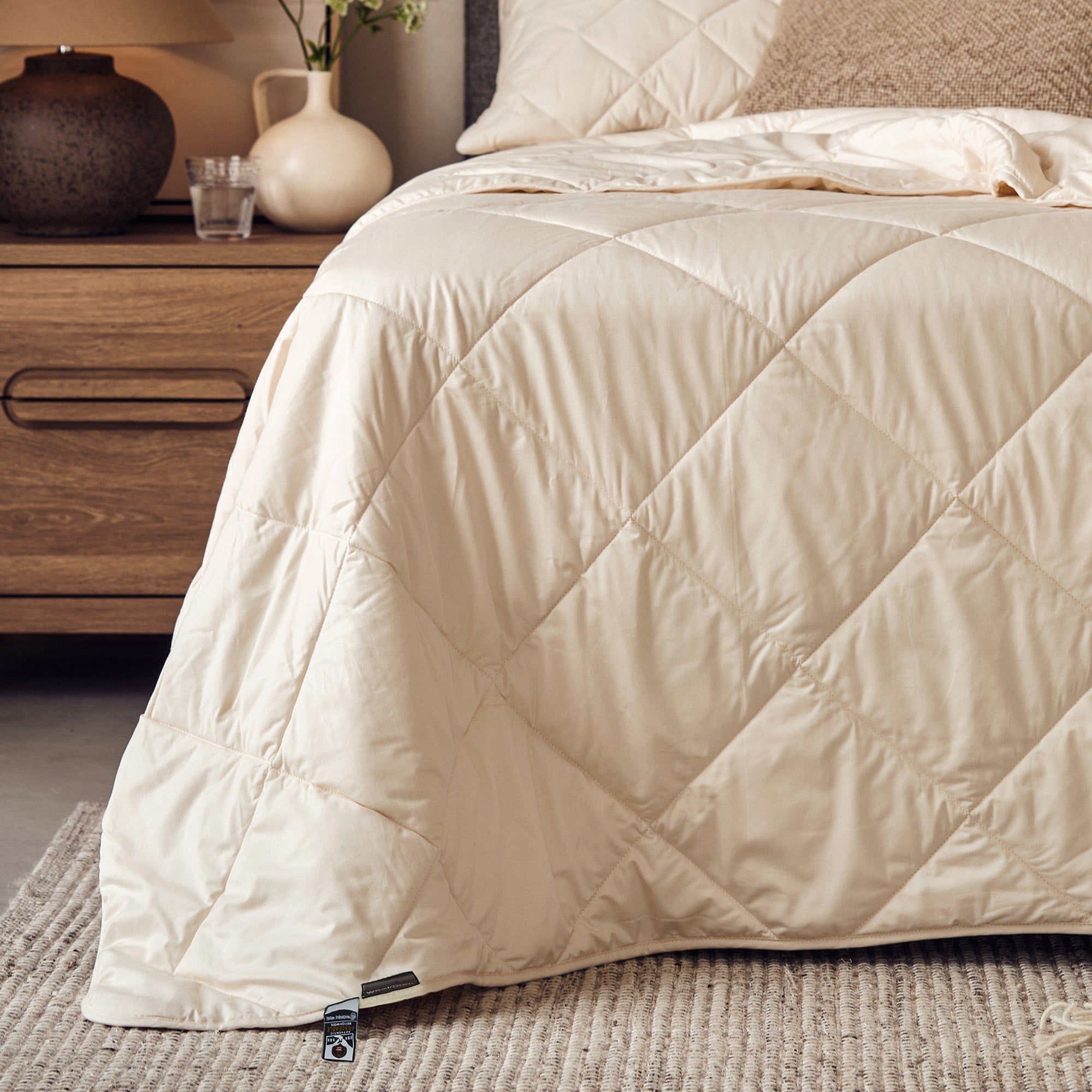
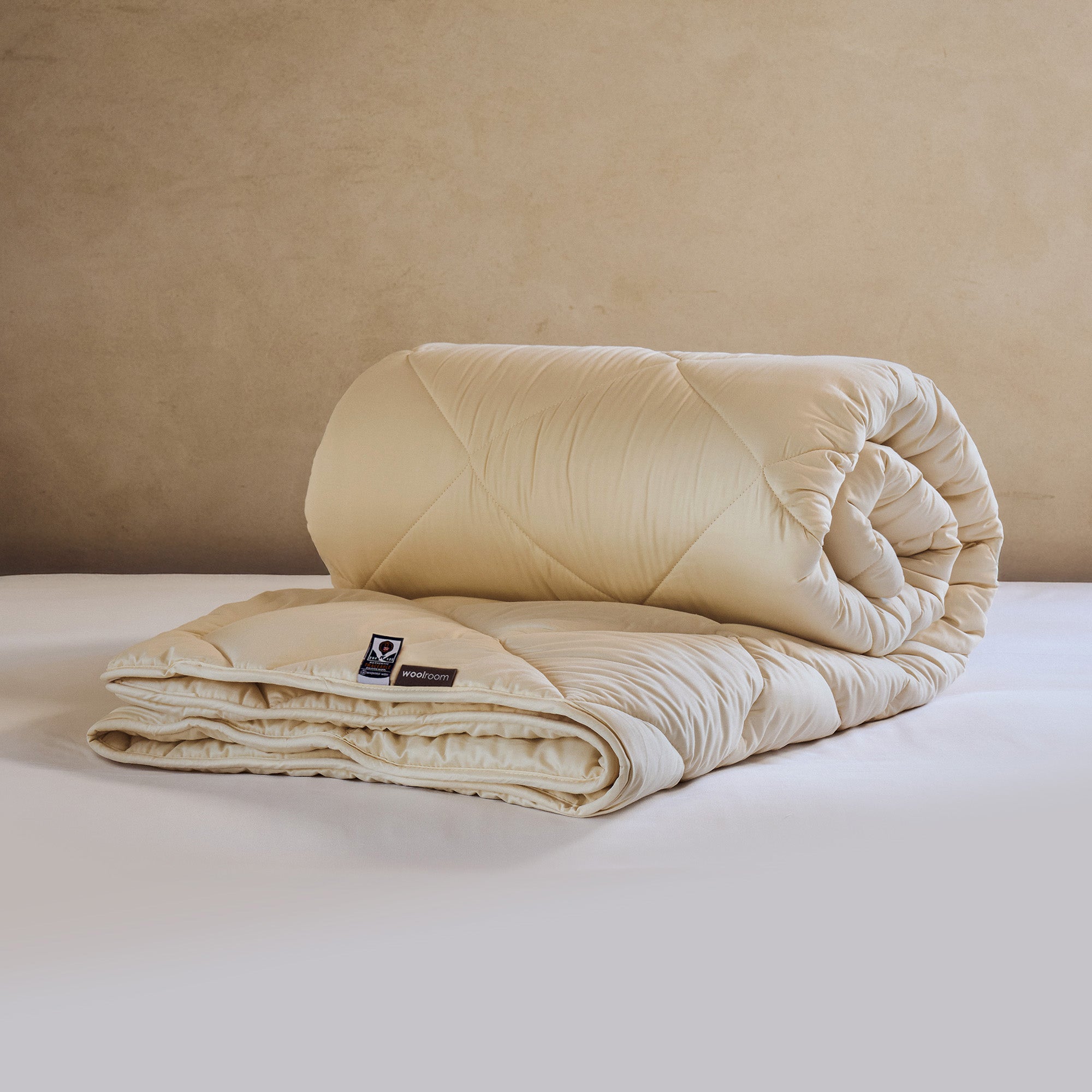
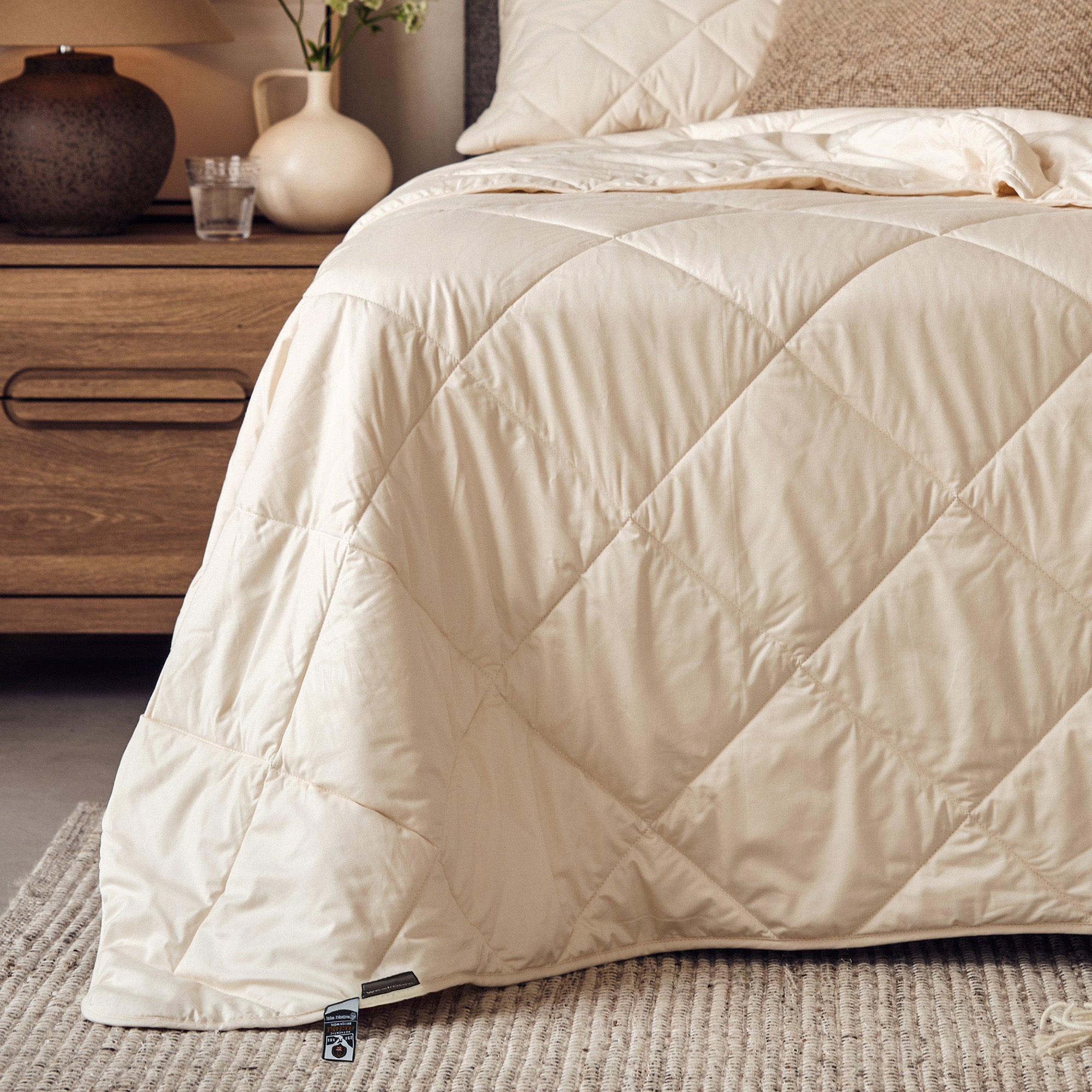
Here’s the good news: once you know that heat is the issue, there’s a lot you can do about it. Start with a close look at what’s actually touching your skin every night. Down comforters, memory foam toppers or mattresses, and synthetic sheets all trap heat in different ways—insulating you, moulding to your body, or blocking airflow entirely. Swapping these out for naturally breathable materials like wool, which actively wicks moisture away from your body and helps regulate temperature instead of trapping heat, can make a surprising difference in how hot you feel at night.
Of course, even nature’s wonder fibre can only do so much in a bedroom that’s simply too hot for sleep. If your bedroom temperature is above 27°C, you’ll need to address that alongside what you’re sleeping in. Try these tips:
- Set your thermostat to 15-19°C, the range sleep experts generally recommend for optimal deep sleep.
- Run a fan or portable AC unit to keep air circulating, especially if central air isn't an option.
- Close blackout curtains during the day to block solar heat gain before it builds up in the room.
- Crack a window in the evening once outdoor temperatures drop, if it's cooler outside than in.
- Avoid heat-generating electronics near the bed—phones, laptops, and even some lamps generate more ambient warmth than people expect.
-
Take a warm (not hot) shower before bed. Counterintuitively, this helps: it brings blood to the skin's surface, which then cools rapidly once you're out, helping trigger your body's natural temperature drop.

Sleep Cooler, Sleep Deeper
If you’re overheating at night, you already know that it’s affecting your sleep quality. Deep sleep isn’t optional. You need it to reset for the day ahead, and a bedroom that’s too hot makes that impossible. Luckily, the fix doesn’t have to be complicated. Start by swapping heat-trapping materials for something breathable and temperature regulating, like wool, and you’ll give your body a real chance of regulating its own temperature the way it’s designed to do.
Just remember that bedding isn’t the entire equation. If your bedroom is simply too hot, make sure you’re taking steps to remedy that as well: a cooler thermostat setting, an open window, or smarter bedtime habits.
Frequently Asked Questions
Is 22°C too hot to sleep in?
It’s definitely on the warmer side for most adults, but it’s not necessarily too hot for sleep. Sleep experts usually recommend a bedroom temperature of 15 to 19°C for optimal deep sleep. If you can’t make your bedroom cooler than 22°C, make sure you’re sleeping on breathable, moisture-wicking, temperature-regulating bedding, like wool.
Is it bad to sleep in a room that is too hot?
Sleeping in a room that’s too hot can interfere with normal sleep cycles and limit time spent in deep sleep and REM sleep, which is essential for feeling restored in the morning. If you’re waking up groggy or spend the night kicking off blankets, tossing and turning, or feeling clammy or sweaty, it’s important to take steps to cool down your sleep space.
Does a hot room prevent deep sleep?
Yes. To fall into deep sleep, your core body temperature needs to drop a few degrees. A hot room disrupts this process, leading to much less time in deep sleep and REM sleep.
What is the healthiest temperature to sleep at night?
Sleep experts generally recommend a bedroom temperature between 15 and 19°C. That range supports the body’s natural core temperature fluctuations, which are necessary for moving through all of the sleep stages.