Key Takeaways
- The best bedding for allergy season helps control heat, moisture, and airflow, all of which influence allergen buildup.
- Dust mites thrive in warm, humid environments, making traditional bedding a common source of indoor allergens.
- Synthetic materials like polyester and foam tend to trap heat and retain moisture, creating ideal conditions for dust mites.
- Natural fibers like wool are better suited for allergy season because they regulate temperature and actively manage moisture.
- Breathable construction is just as important as materials—good airflow helps prevent the warm, damp conditions allergens prefer.
With longer, warmer spring weather comes budding trees, blooming flowers—and a big uptick in allergens. It’s not just pollen counts, either. Dust mites love warm environments. Rising temperatures in spring mean an increase in dust mite populations in soft surfaces, which likely includes your mattress, pillow, and duvet.
For many people, the combination of rising outdoor allergens and those in your bedding often leads to sleep-disrupting symptoms like congestion, sinus pressure, itchy eyes, and nighttime coughing and sneezing.
While you can’t do much to control pollen levels, there are simple ways to improve your indoor sleep setup. Swapping out synthetic materials for natural fibers like wool adds breathability, moisture control, and temperature regulation. It contributes to a more balanced sleep environment that’s less inviting to common allergens—something especially appealing in the spring.
Quick answer: The best bedding for allergy season is made from natural fibers like wool. It’s a natural fiber that helps regulate temperature and wick away moisture, which creates a drier sleep environment that’s less hospitable to dust mites and other common allergens.

The Problem with Synthetic Bedding
Synthetic bedding is a huge category that includes polyurethane mattresses, polyester pillows and comforters, microfiber sheets. They’re readily available and often inexpensive. The problem, aside from their poor sustainability grade, is that these petroleum-based materials trap heat and moisture. When temperatures warm in the spring, that’s a scenario that quickly becomes uncomfortable.
Not only does it disrupt core body temperature fluctuations, which are a natural part of sleep cycles, it also creates an ideal environment for dust mites. They’re drawn to warm, moist environments. As you sleep, a combination of respiration and perspiration means your bedding creates the very conditions in which dust mites thrive, along with bacteria and even mold and mildew. Over time, that leads to allergen buildup—right where you sleep.

Why Natural Fibers like Wool Are Better for Allergies
Wool fibers are naturally resistant to allergens, and it’s all thanks to their crimped structure. The wool fiber is like a tiny spring, which creates countless air pockets that allow air to circulate freely. That breathability keeps heat from building the way it does with synthetic materials.
Alongside wool’s ability to promote airflow is its impressive moisture control. Individual wool fibers can absorb up to 30% of their own weight in moisture without feeling damp or heavy. That moisture is released into the environment in a classic example of passive evaporation. This is what helps wool bedding stay drier and far less appealing to dust mites, which need humidity to survive.
It’s this one-two punch of temperature and moisture control that makes natural wool bedding ideal for sensitive sleepers, those with allergies, and anyone interested in a cleaner, more comfortable sleep space.

Choosing Allergy-Friendly Bedding
To find allergy-friendly bedding, pay close attention to materials and construction. During allergy season in particular, the most important detail is how well bedding manages heat, moisture, and airflow. Aside from the impact on your sleep quality, that’s the difference between a sleep environment that accumulates allergen or not.
Materials with natural sources, like wool, cotton, and linen, tend to shine here. They’re inherently breathable and regulate moisture far better than their synthetic counterparts.
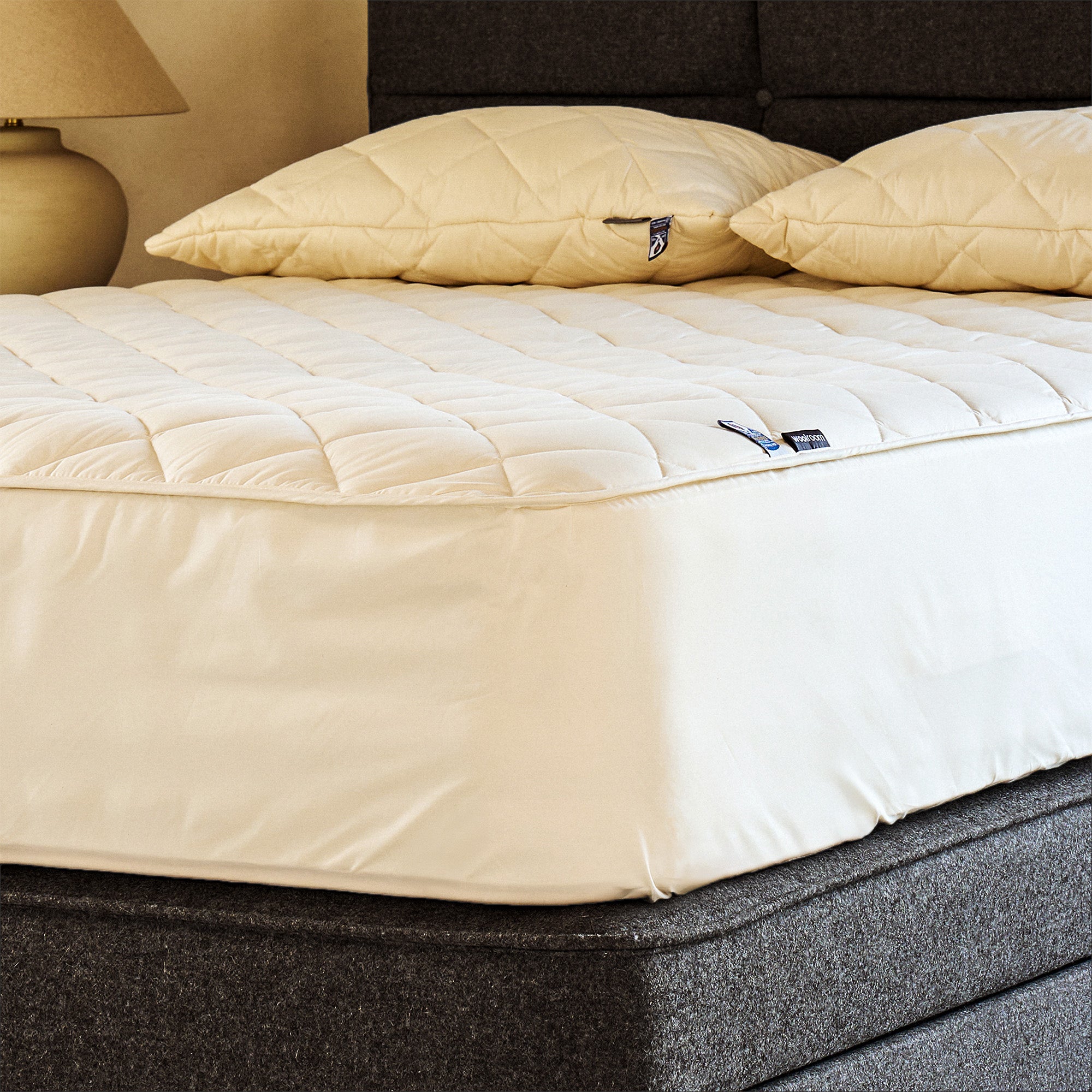
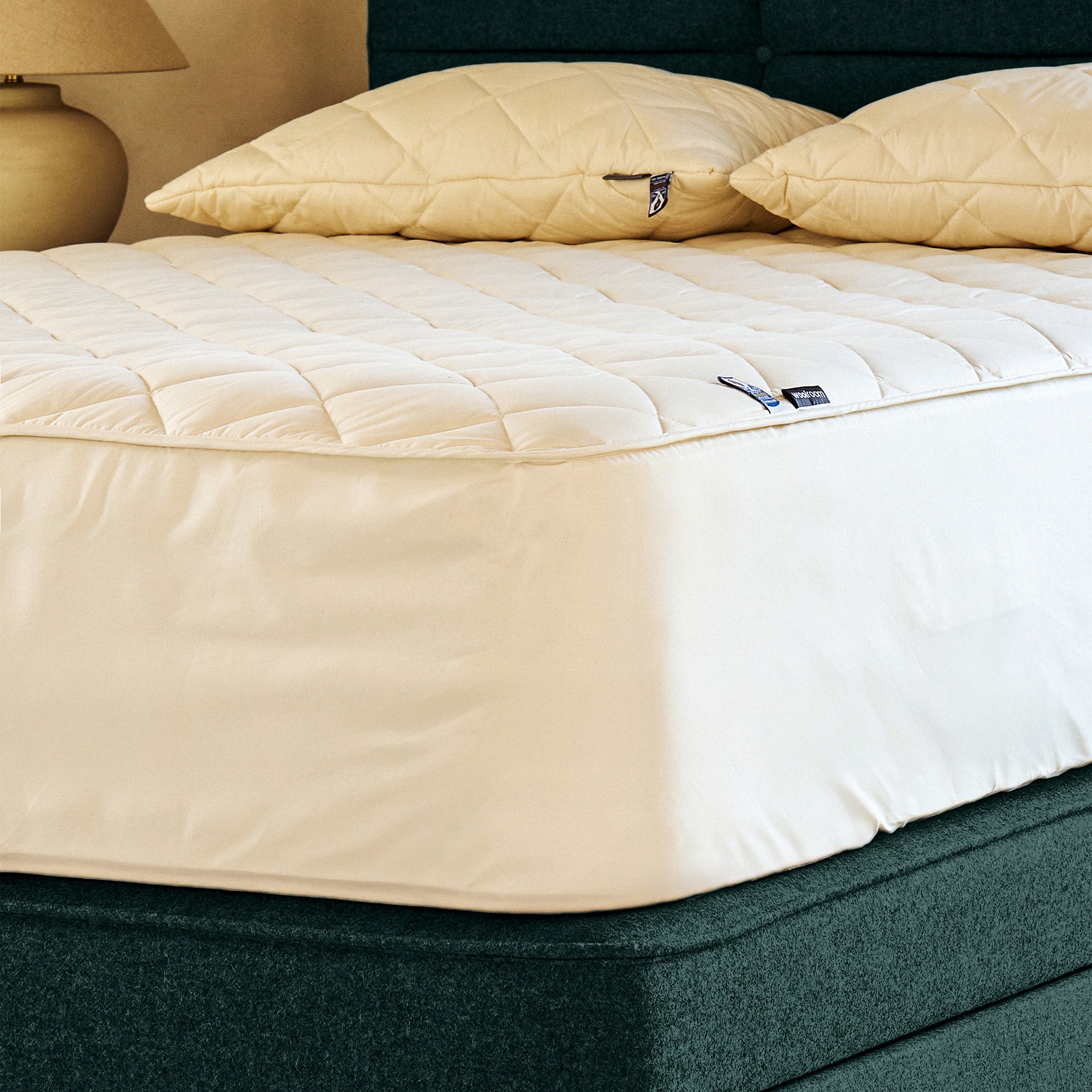
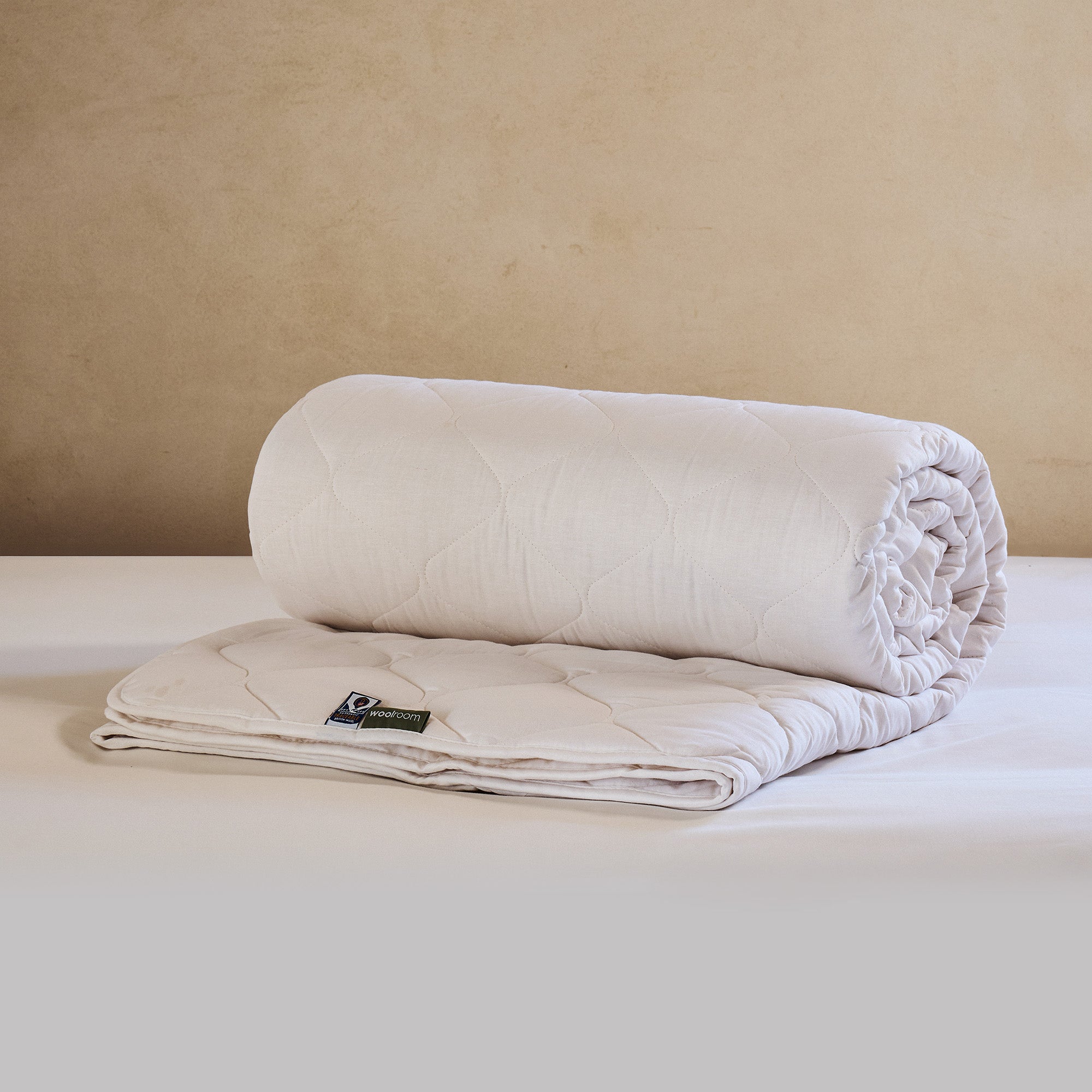
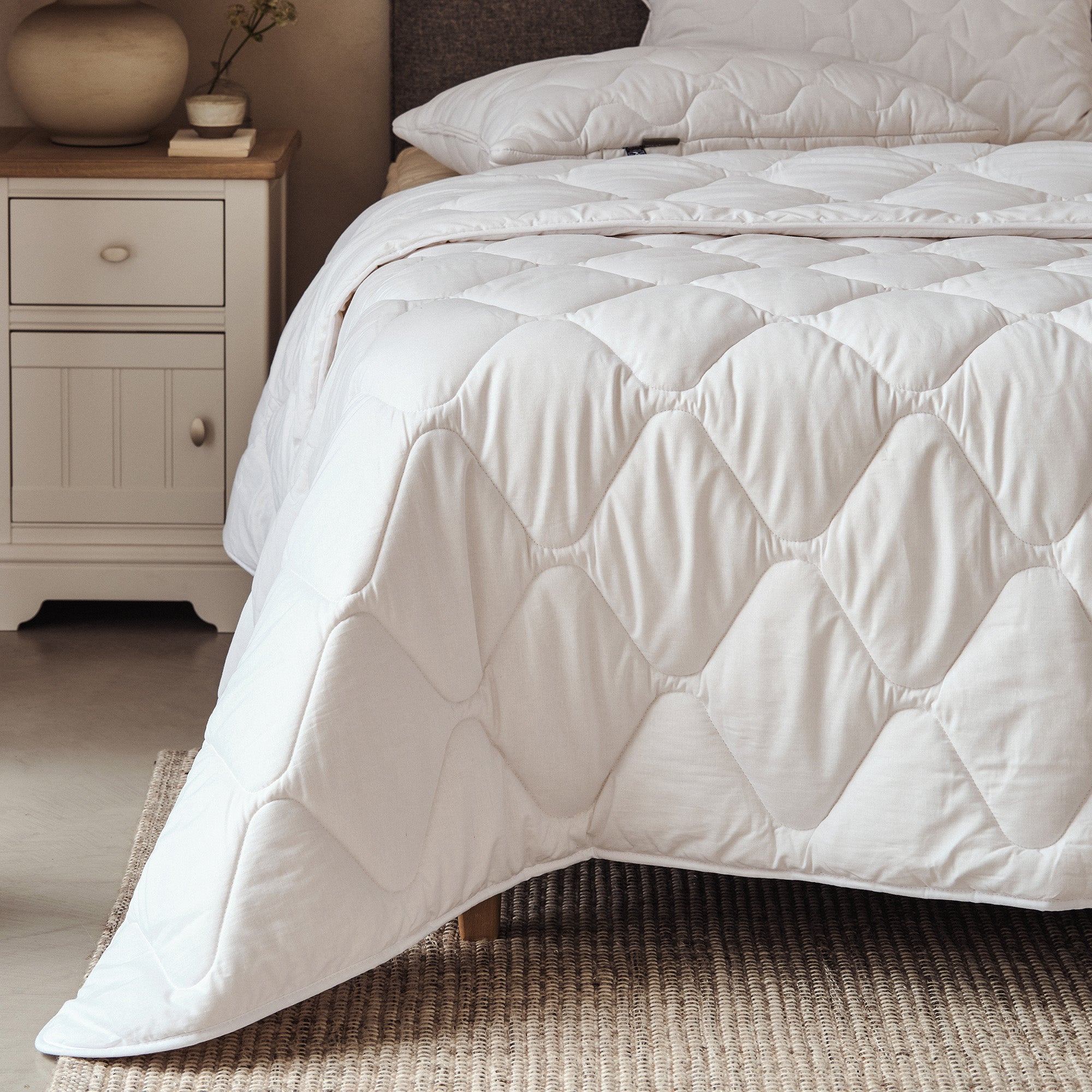
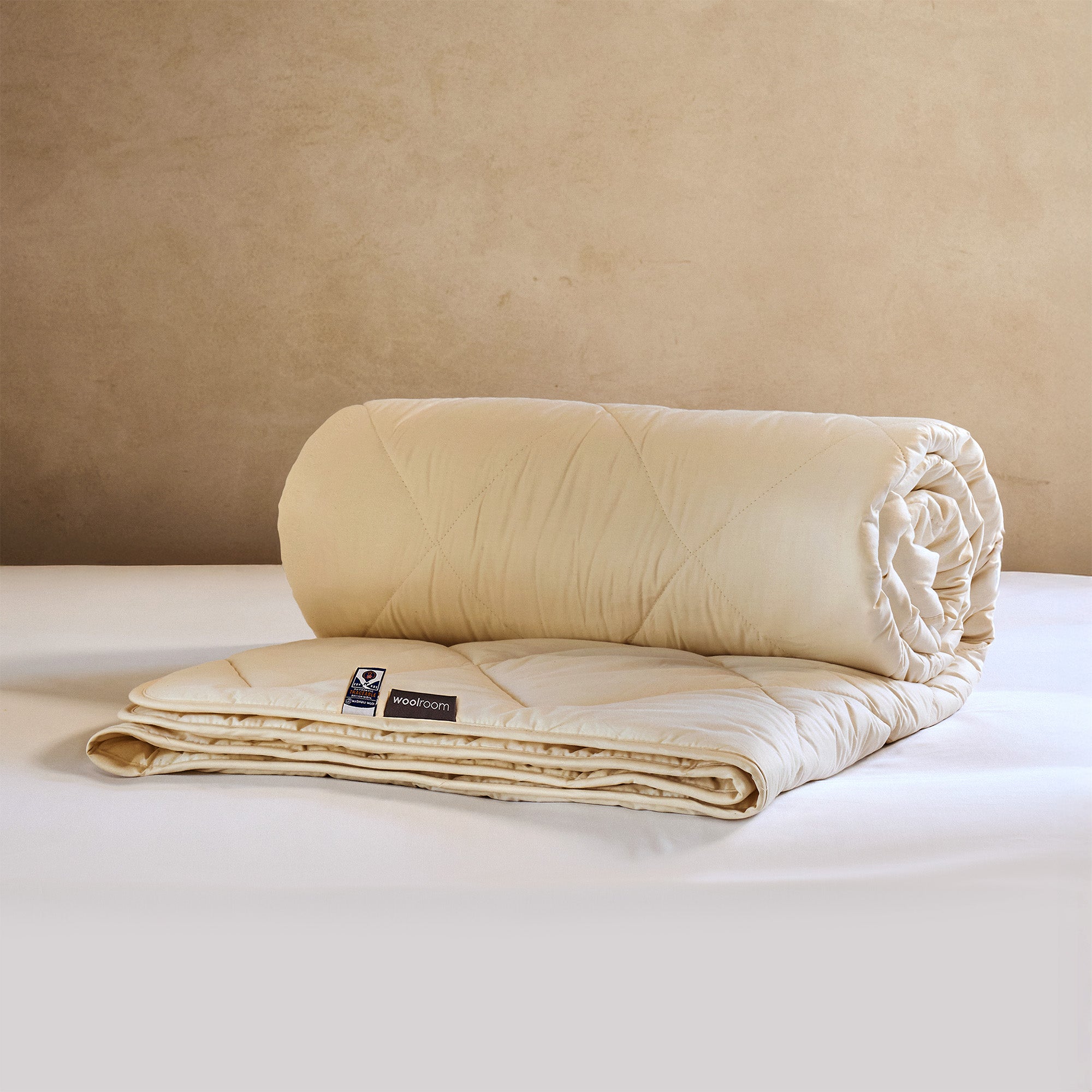
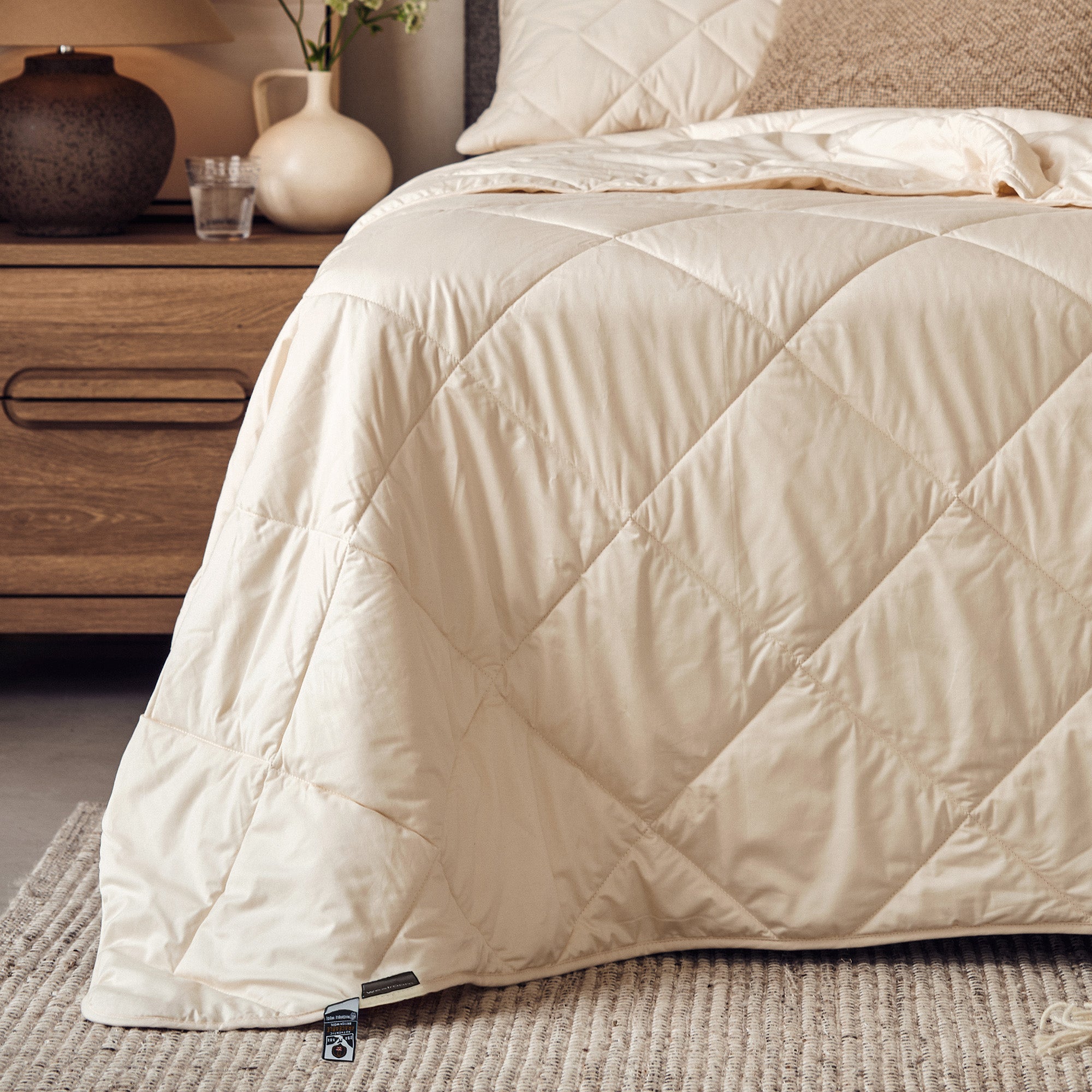
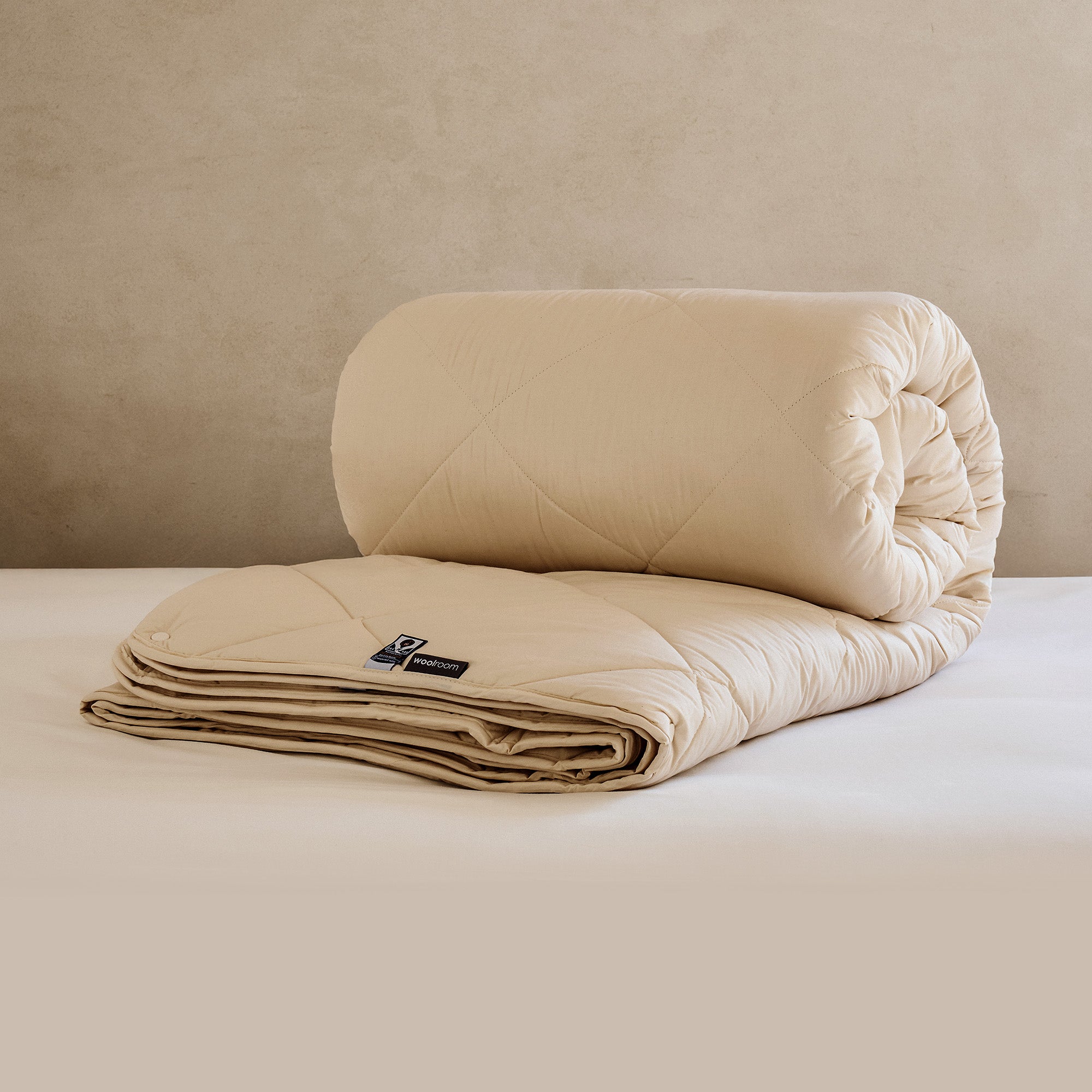
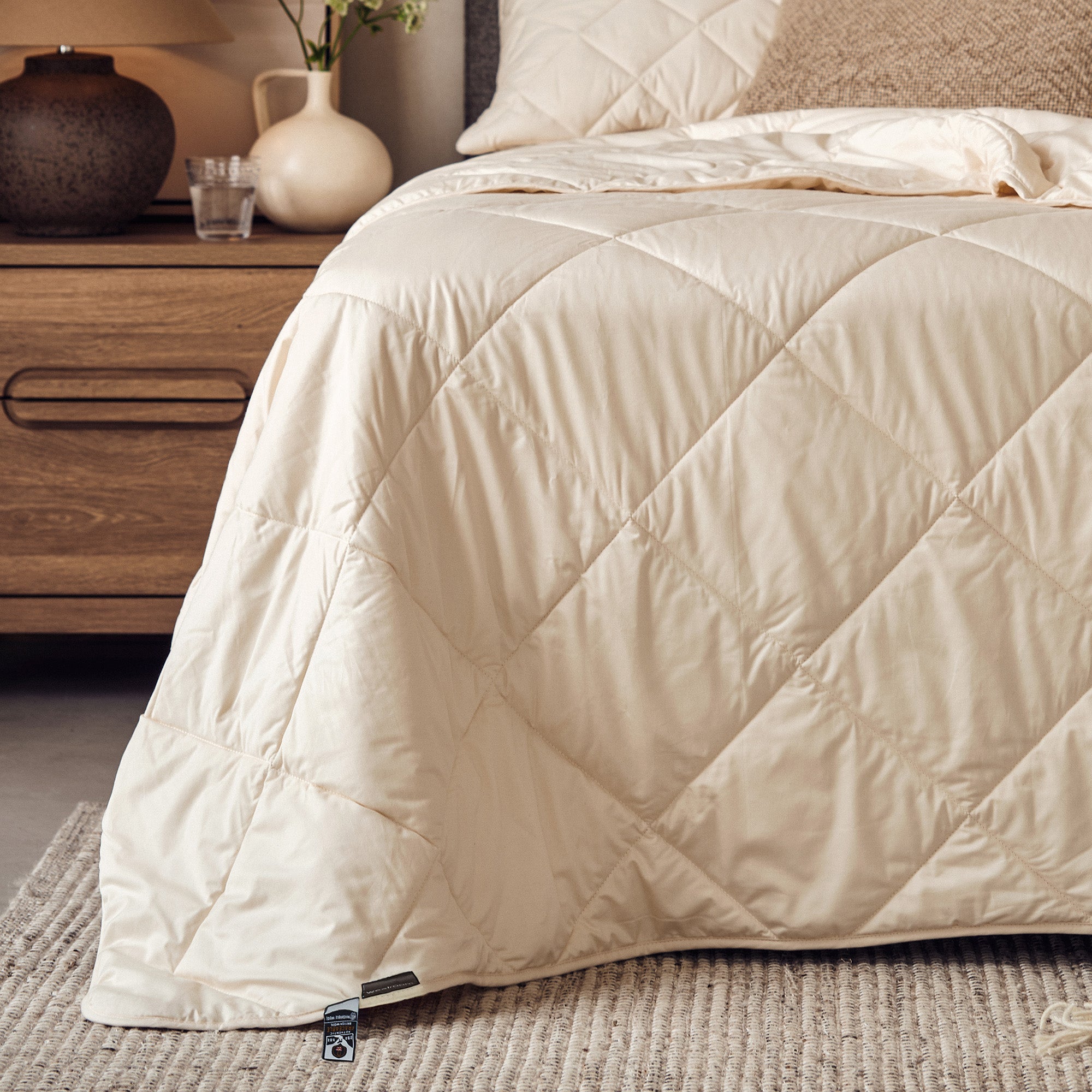
Construction can play a role here too. Mattresses, toppers, duvets, and pillows that allow for consistent airflow can help minimize the kind of warm conditions allergens prefer. The combination of natural fibers with breathable constructions, found in Woolroom’s collection of wool bedding products supports temperature balance for cleaner, more comfortable sleep.
It’s something synthetic bedding simply can’t match. Materials like foam and polyester tend to trap heat and humidity. It creates the kind of hot, clammy conditions that support allergens, especially as the weather warms.
Woolroom: Natural Wool Bedding Designed for Healthier Sleep
If you’re sniffling or rubbing your eyes when you climb into bed, especially as the weather warms, it may not be because of higher pollen counts alone. Synthetic bedding materials can be part of the problem, harboring allergens that can be more active in the spring.
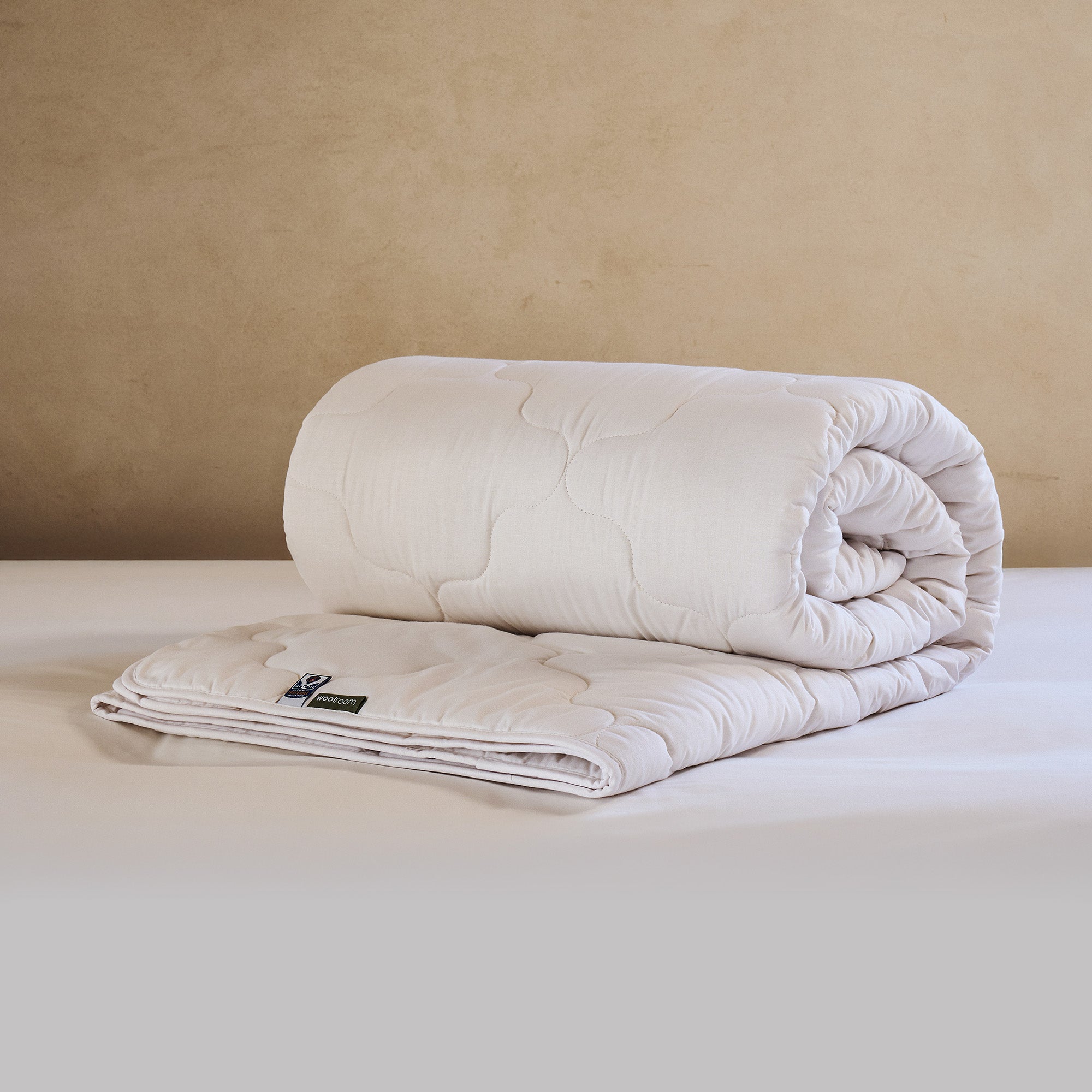
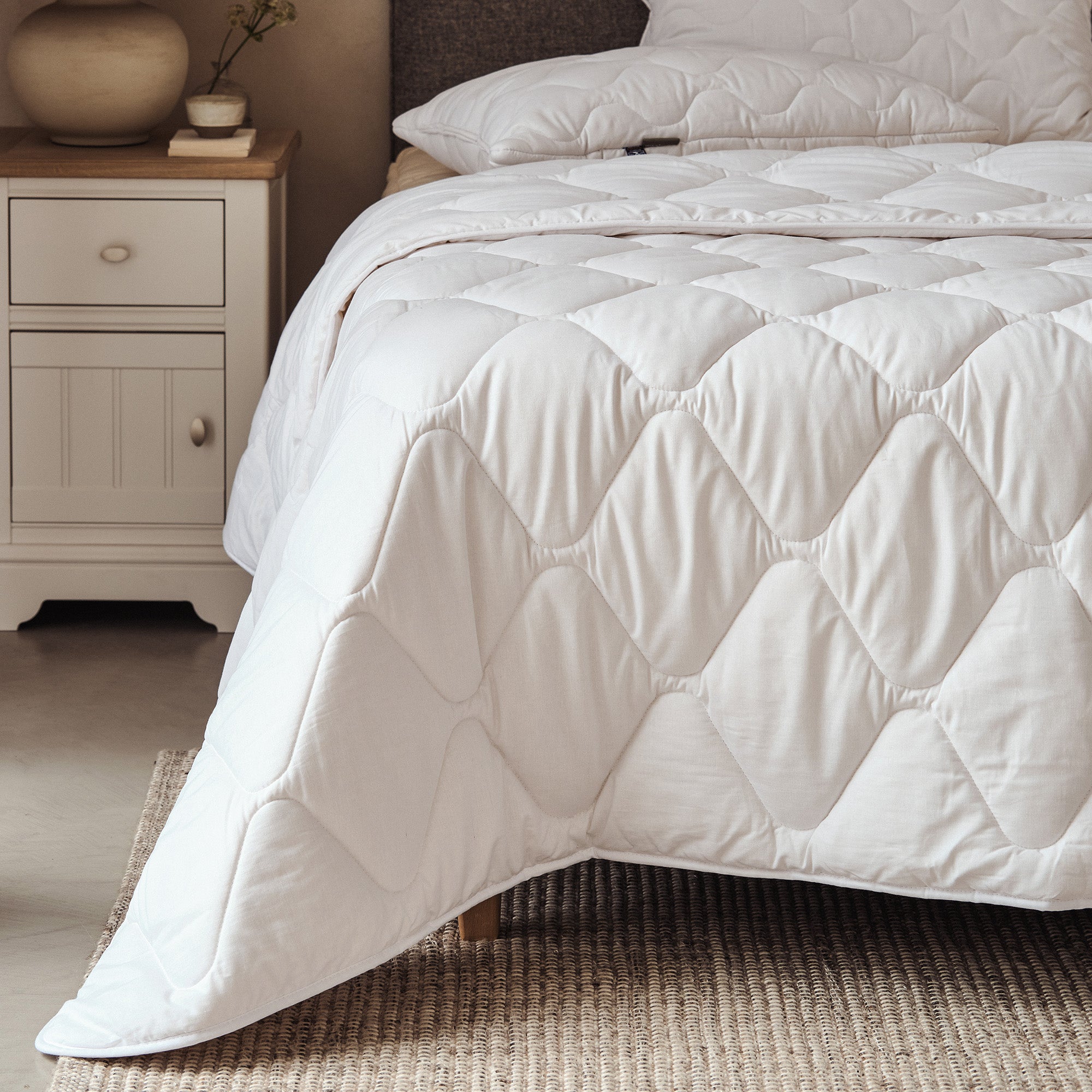
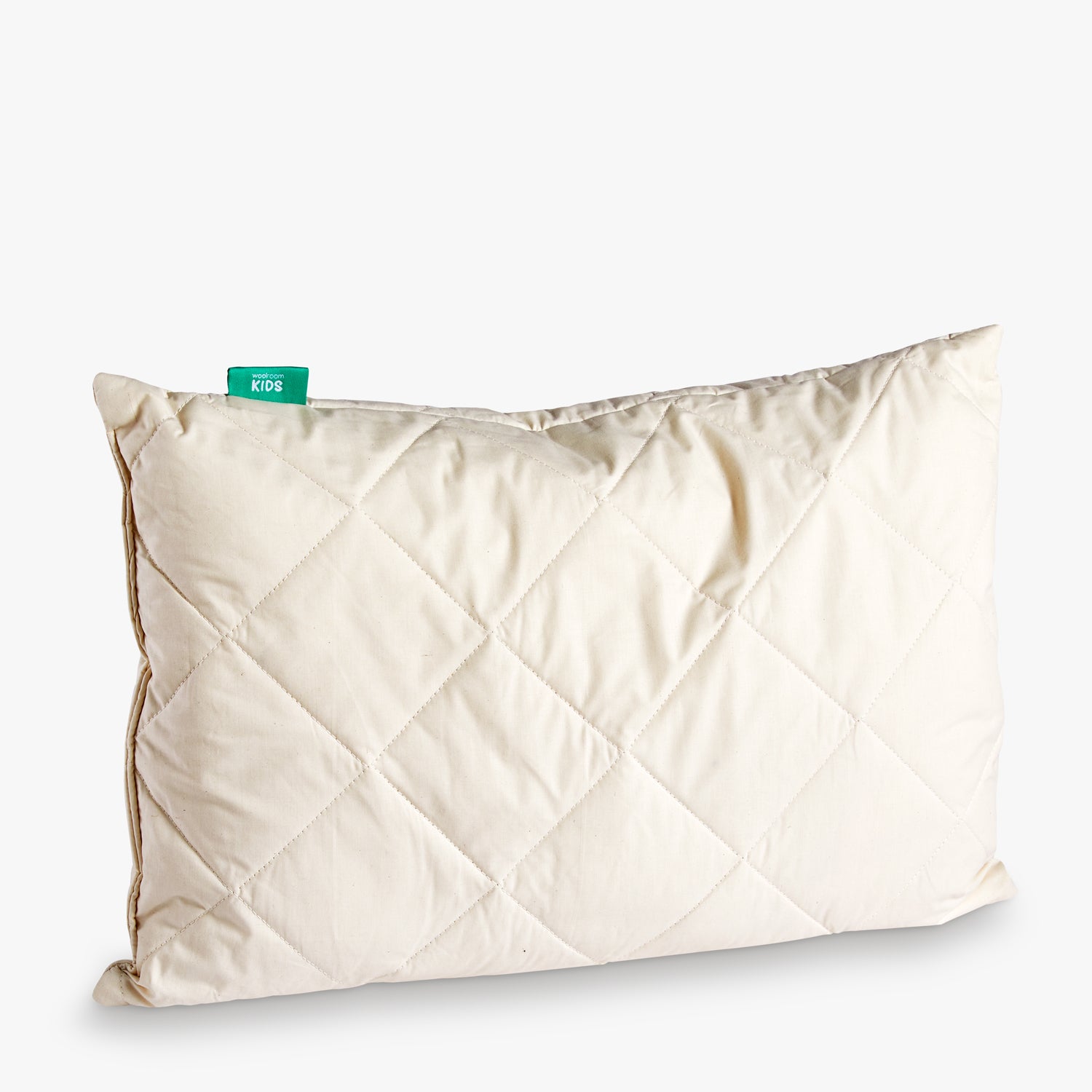
Fortunately, creating a more allergy-friendly sleep space comes down to mindful swaps. Bedding that actively manages heat and moisture, like Woolroom’s natural wool comforters, pillows, and mattress covers, can make a noticeable difference in sleep quality and comfort.
Our wool is ethically sourced and fully traceable thanks to our Wool ID® program. It’s part of our commitment to transparency, so you can feel good about what you’re sleeping on. Our entire collection is designed for performance and comfort, and we’re as passionate about sustainability and fair farming practices as we are about a great night’s sleep.
As the weather warms, remember that upgrading your bedding with naturable, breathable materials can make a huge difference in sleep quality, especially if you’re struggling with spring allergies. It’s about more than comfort alone. Wool bedding from Woolroom really is a practical step toward healthier sleep.

Frequently Asked Questions
What type of bedding is best for allergies?
Bedding made from natural, breathable fibers like wool and organic cotton is best for people with allergies. It reduces moisture and regulates temperature better, which limits dust mite buildup.
What fabrics do dust mites not like?
Dust mites need warm, humid conditions to survive. Materials like wool are naturally breathable and moisture wicking, so they aren’t hospitable to dust mites and other allergens.
Are dust mites worse in spring?
Dust mites thrive in warm, humid environments, and their populations can increase as temperatures rise in spring.
Is synthetic bedding bad for allergies?
Synthetic bedding, like polyurethane foam and polyester fabrics, traps heat and humidity. That creates the kind of conditions where allergens, especially dust mites, thrive.