What is REM Sleep and How Much Do You Need?
REM sleep supports important functions such as memory and emotional processing. Healthy adults typically spend around 20–25% of their total sleep time in REM, but there’s no single amount everyone needs. Want better sleep tonight? Read on.
It’s no secret that sleep is an integral part of our daily routines. We all spend a third of our lives in bed, so it’s important to know a little about it. But what you might not know is that there are different stages of sleep that all have different functions.
The two basic types of sleep are rapid eye movement (REM) and non-REM sleep, which in itself contains three further stages. But what does REM sleep mean exactly? And how much REM sleep do you need to wake up feeling revitalised and fresh? We’ll talk you through why REM sleep is important, how much you typically get and the habits that can support healthy sleep.
What is REM sleep?
REM sleep, or ‘rapid eye movement’ sleep, is the final of the four stages of sleep that we all experience throughout the night. It’s a stage of sleep where brain activity increases and is thought to play an important role in learning, memory and emotional processing. Because brain activity during REM is closer to waking levels, this is also when many of our most vivid dreams occur.
In REM sleep:
- Your eyes rapidly move behind your eyelids - hence its name
- Your heart rate and blood pressure levels rise to near waking levels
- Your breathing becomes faster and irregular
- Your brain activity increases
- Your face and body may move or twitch slightly, but your arm and leg muscles become temporarily paralysed which helps prevent you from acting out your dreams
Understanding the sleep stages before REM sleep
To understand where REM sleep fits into your night, it helps to look at the three stages of non-rapid eye movement (NREM) sleep that come before it
- Stage one NREM sleep: the lightest of the four stages. It usually only lasts a few minutes right after you initially fall asleep.
- Stage two NREM sleep: light but deeper than stage one. Your body starts to relax, your body temperature drops and your heart and breathing rates slow. You return to this stage several times throughout the night.
- Stage three NREM sleep: the deepest of the stages, also known as ‘slow-wave sleep’ or ‘deep sleep.’ Your heart rate and breathing slow further and it can be more difficult to wake up during this stage.
Deep sleep supports physical recovery, tissue repair and the release of growth hormone. You generally spend more time in deep sleep during the earlier part of the night.
When does REM sleep occur?
REM sleep usually first occurs around 90 minutes after you fall asleep. Rather than progressing through each sleep stage once, though, you cycle through NREM and REM sleep several times throughout the night.
A typical sleep cycle lasts around 80 to 100 minutes, with most people experiencing four to six cycles each night. The balance of those stages changes as the night progresses: deep sleep tends to be concentrated earlier in the night, while periods of REM sleep generally become longer later on.
That means REM sleep isn't one continuous period. Instead, you experience a number of REM periods throughout the night, with more REM typically occurring towards the morning.

What’s the difference between REM sleep and deep sleep?
They’re two different stages of the sleep cycle, so they complement one another in helping you get the best night’s rest.
We outlined earlier that when your body enters deep sleep (stage three NREM sleep), your heart rate and breathing slow and your muscles relax. This is important for physical recovery and restoration. You’ll generally experience more deep sleep during the first half of the night.
During REM sleep, brain activity increases and can resemble activity seen while you’re awake. Your heart rate and breathing become less regular, your eyes move rapidly behind your eyelids, and most of your muscles become temporarily relaxed or inactive. REM sleep is associated with functions such as learning, memory and emotional processing.
They also differ in when they occur. Deep sleep tends to make up more of your earlier sleep cycles, while periods of REM sleep generally become longer as the night progresses.
Why is REM sleep important?
REM sleep is an important part of a healthy night's sleep and has been associated with a number of brain functions. Research has explored its role in areas including memory and emotional processing, although scientists are still working to understand exactly what happens during REM sleep and how it works alongside the other stages of sleep.
Learning and memory
Sleep plays an important role in learning and memory. According to the National Institute of Neurological Disorders and Stroke (NINDS), memory consolidation most likely involves both REM and non-REM sleep. While REM has been associated with aspects of memory processing, it doesn't work alone, with other stages of sleep also playing an important role.
Emotional processing
REM sleep may be particularly important when it comes to emotional memories. A review published in the Annual Review of Clinical Psychology highlights research linking REM sleep with the processing and consolidation of emotional memories. The authors also propose that REM sleep may help the brain process emotional experiences while reducing some of the emotional intensity associated with them, although this remains an area of ongoing research.
How much REM sleep do you need?
There’s no set amount of REM sleep that everyone needs each night. Your sleep pattern can vary depending on a number of factors. These include your age and how long you sleep for. The amount of time you spend in each sleep stage won’t necessarily be the same every night.
As a general guide, REM sleep typically accounts for around 20-25% of the total sleep time in healthy adults. So, based on this range, someone sleeping for a total of eight hours might spend approximately 96 to 120 minutes in REM sleep during the course of the night.
However, it’s important not to treat this as a nightly target you need to achieve.
You don’t experience all of your REM sleep at once. According to the National Heart, Lung and Blood Institute (NHLBI), we typically move through four to six sleep cycles each night, with each cycle lasting around 80 to 100 minutes. Periods of REM sleep tend to become longer later in the night.
Rather than focusing on hitting a particular number of minutes of REM sleep, it’s more valuable to focus on getting enough good-quality sleep overall. This gives your body the opportunity to naturally move through the sleep stages throughout the night.

How does a lack of REM sleep affect you?
REM sleep is linked to important functions like memory, learning and emotional processing, but scientists are still working to fully understand what happens when we don’t get enough of it.
We do know that not getting enough sleep in general can affect how we think, feel and function. According to the National Heart, Lung, and Blood Institute (NHLBI), sleep deficiency can affect learning, concentration, memory and our ability to manage emotions and cope with change.
However, it’s much harder to isolate the effects of missing REM sleep specifically, because sleep works as a whole system. When your sleep is cut short or disrupted, it can affect your overall sleep pattern, rather than REM alone. Research in this area is still developing.
Rather than focusing on hitting a specific amount of REM sleep, it’s better to aim for consistent, good-quality sleep overall. If you’re regularly struggling with sleep or feeling very tired during the day, it’s a good idea to speak to your GP.
How to support healthy REM sleep
If you’re wondering how to improve REM sleep, there’s no proven way to directly increase the amount you get each night. Instead, the best approach is to focus on habits that support good-quality sleep overall, giving your body enough time to naturally move through each stage of the sleep cycle.
- Keep a regular sleep routine: going to bed and waking up at roughly the same time each day can help support a consistent sleep pattern. The NHS recommends keeping regular sleeping hours and avoiding sleeping in after a poor night’s sleep.
- Create a comfortable sleep environment: noise, light and an uncomfortable bedroom temperature can all disrupt sleep. Try to keep your bedroom quiet, dark and comfortably cool, and make sure your mattress, pillows and bedding feel comfortable.
- Limit alcohol and caffeine before bed: both can interfere with sleep. Research published in the Journal of Biological Rhythms found that caffeine intake affected the timing of REM sleep in a small study of healthy young men. NHS guidance also recommends avoiding caffeine and alcohol in the hours before bedtime.
- Give yourself time to wind down: relaxing activities before bed can help you switch off. The NHS recommends taking some time to relax before sleeping, whether that’s having a warm bath, listening to calming music or reading a book. It’s also worth avoiding phones, tablets and other bright screens immediately before bed, as they can make you feel more awake.
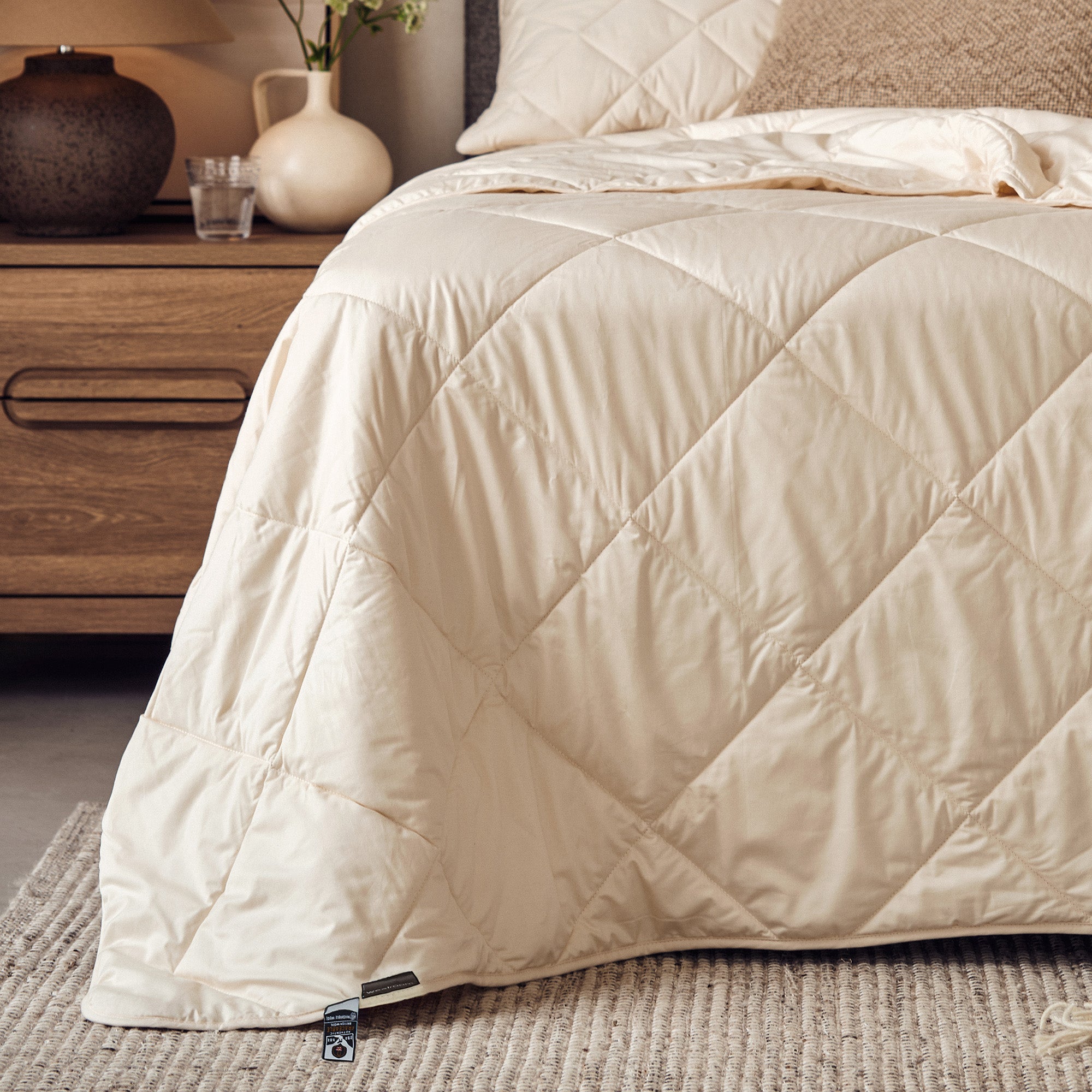
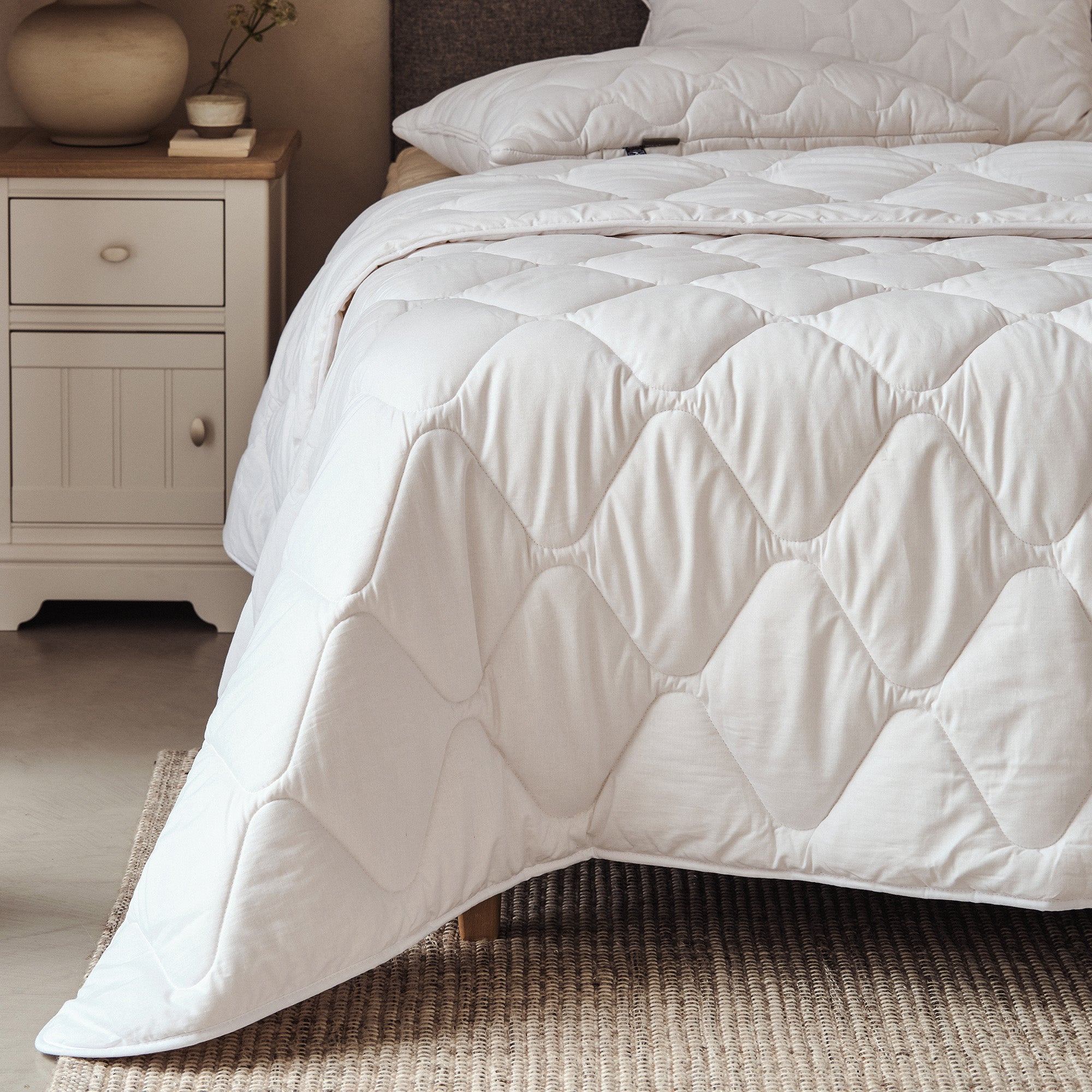
What role can wool bedding play in getting a good night’s sleep?
Wool bedding can help to set you up for a better night’s sleep by creating a more comfortable sleep environment.
One of wool’s key benefits is its ability to help regulate temperature. Wool fibres can absorb and release moisture, helping to manage heat and humidity around the body while you sleep. This can help your bedding feel more comfortable as your temperature changes throughout the night.
Wool is also naturally breathable, allowing air and moisture to move through the fibres rather than becoming trapped close to the body. For people who tend to sleep hot, this can help create a drier, more comfortable sleep environment.
While the type of bedding you use won’t directly determine how much REM sleep you get, maintaining a comfortable temperature and reducing potential sleep disruptions can support good-quality sleep overall. That, in turn, gives your body the opportunity to move naturally through each stage of the sleep cycle.
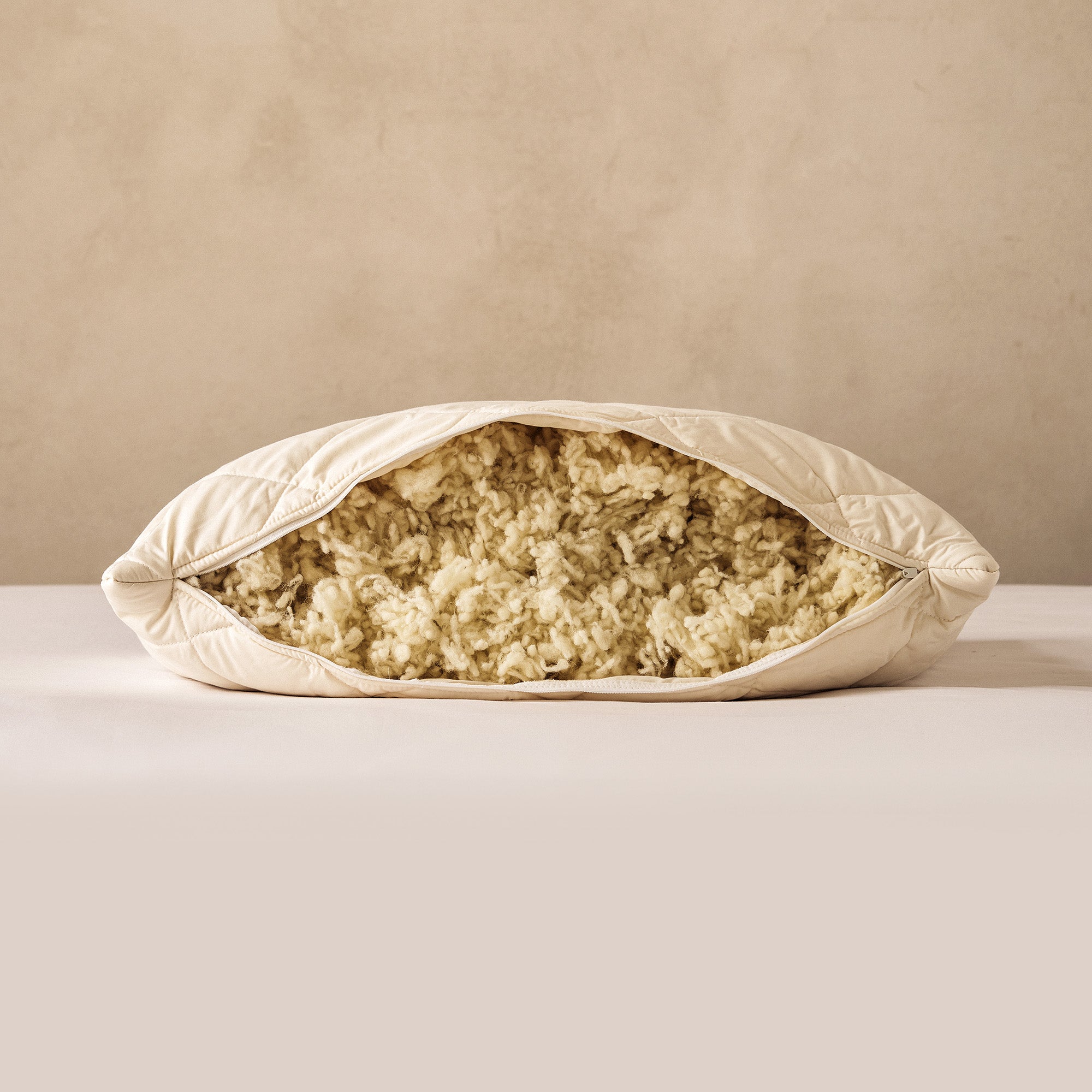
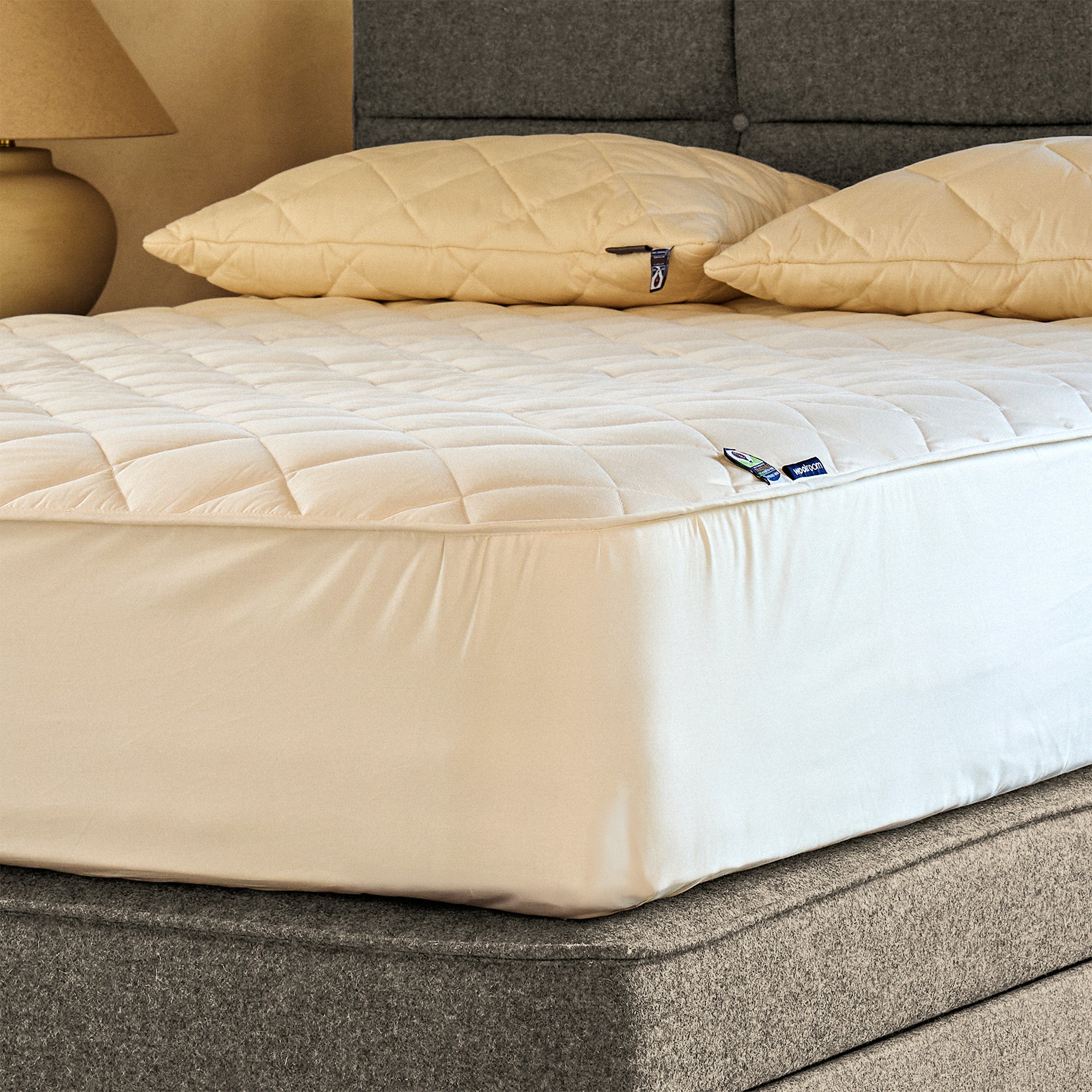
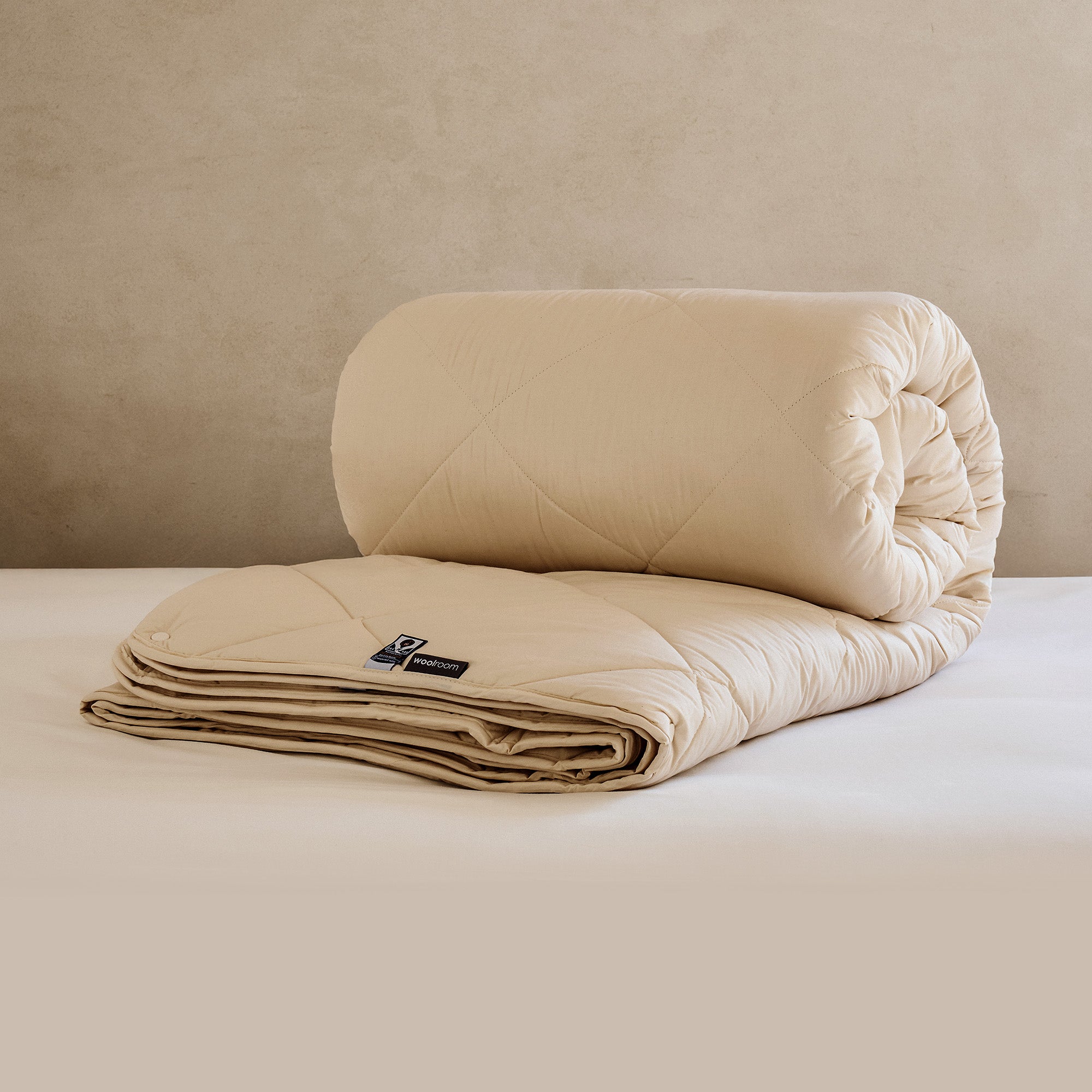
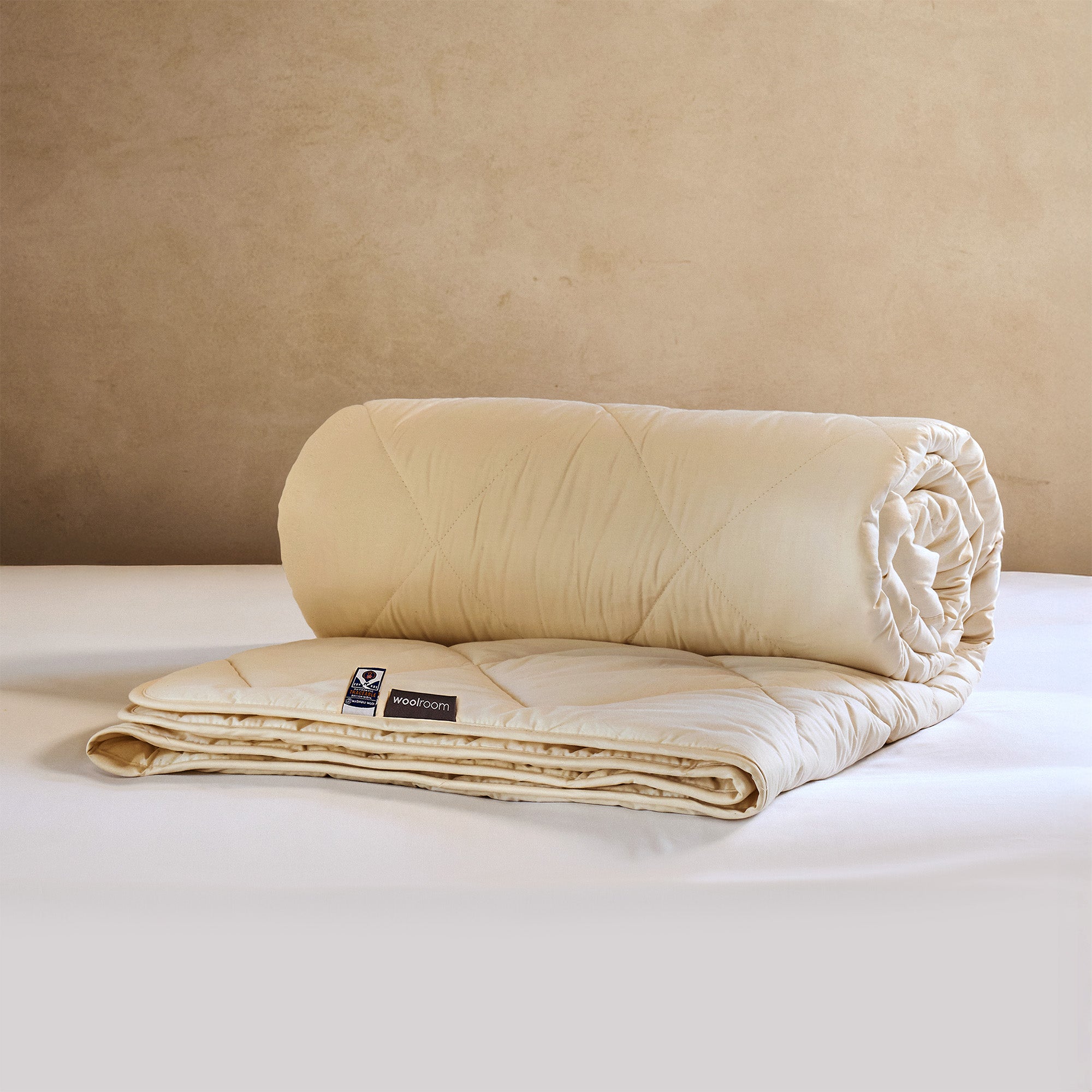
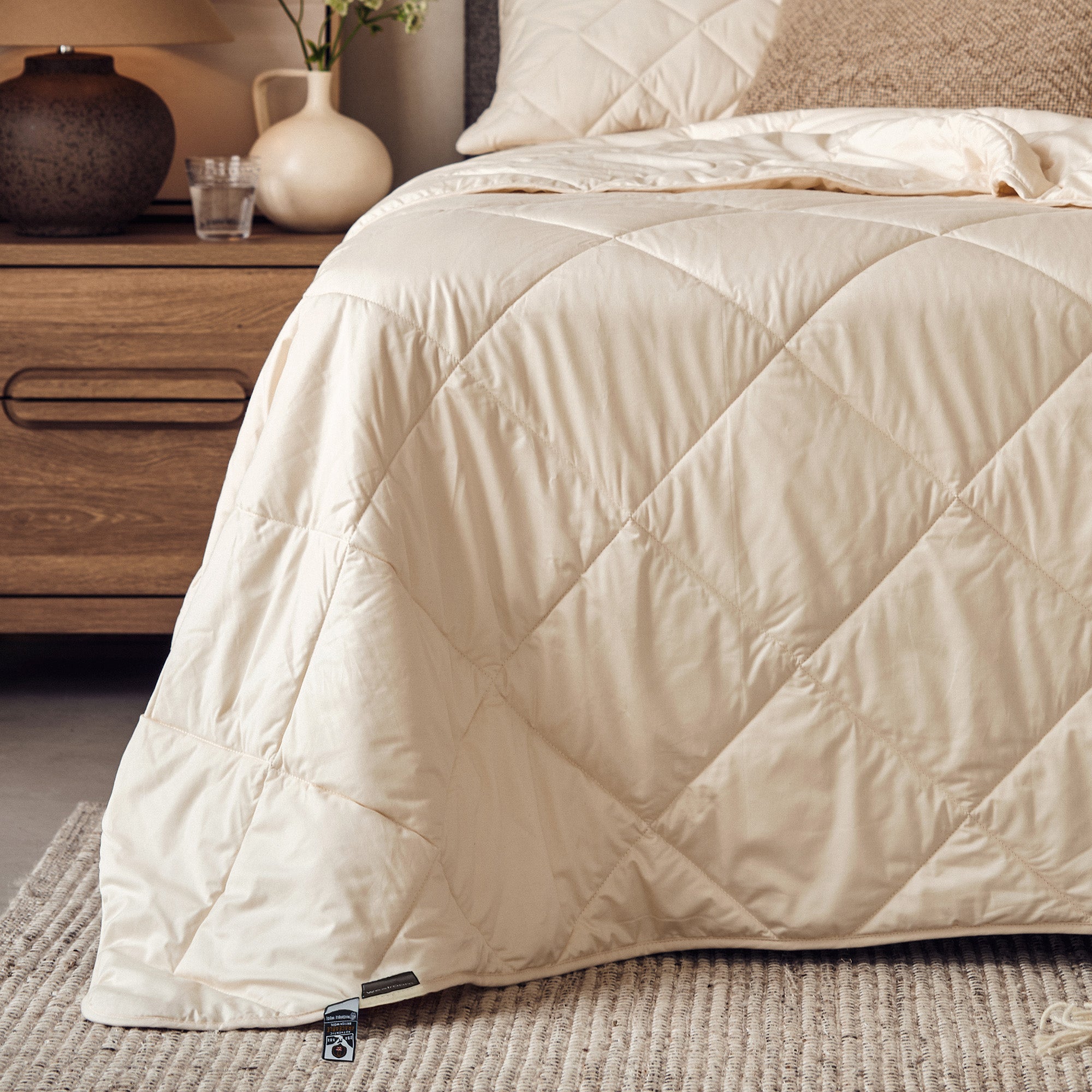
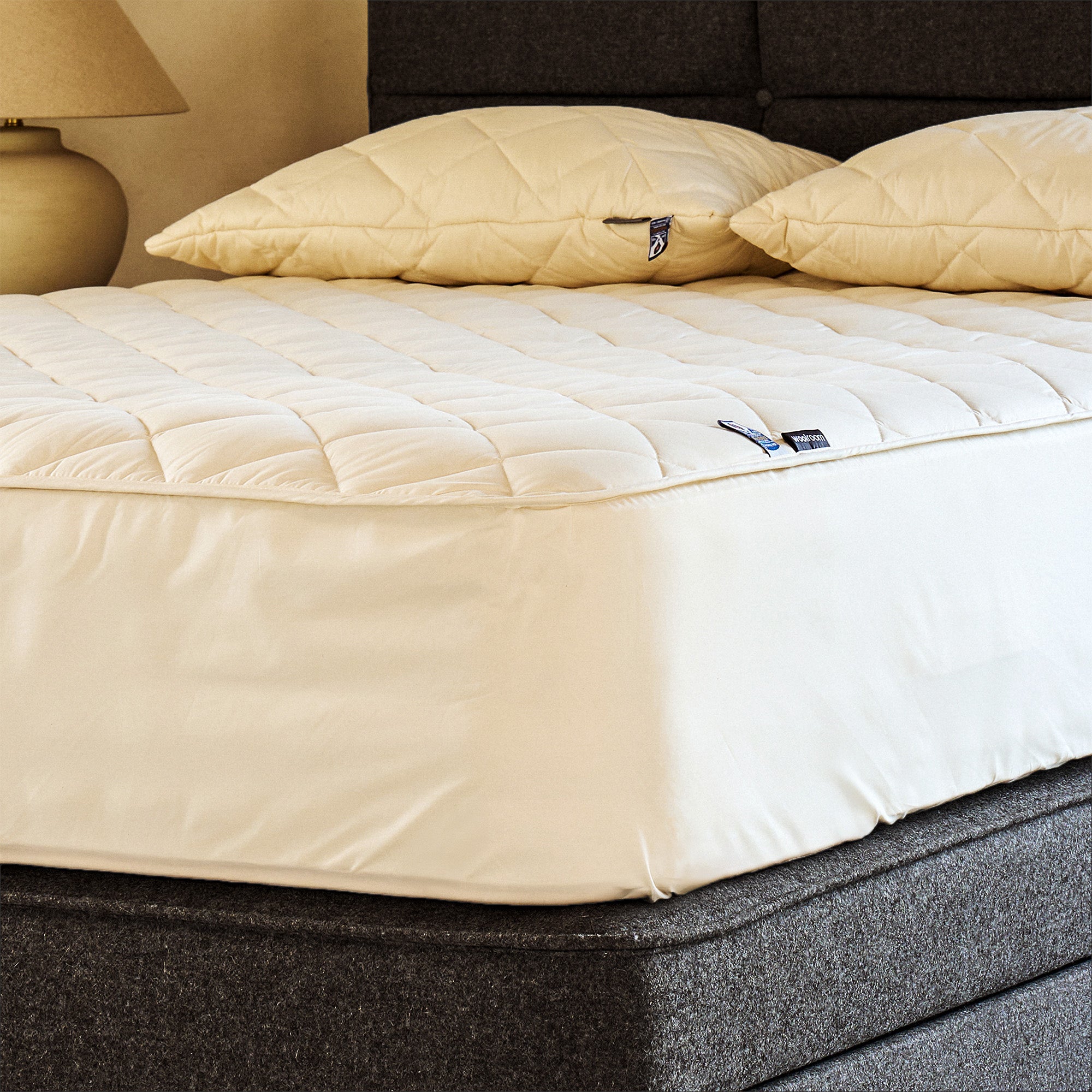
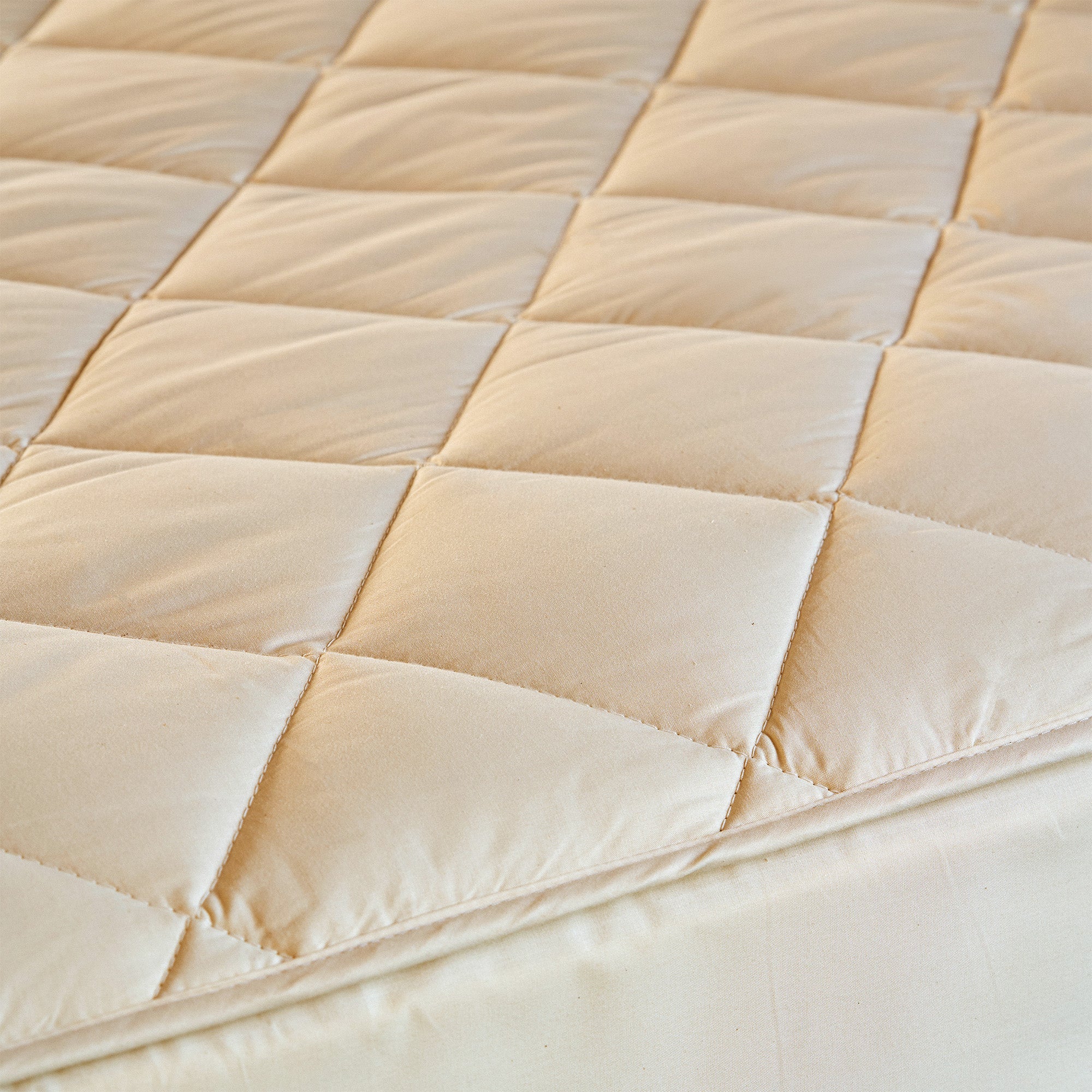
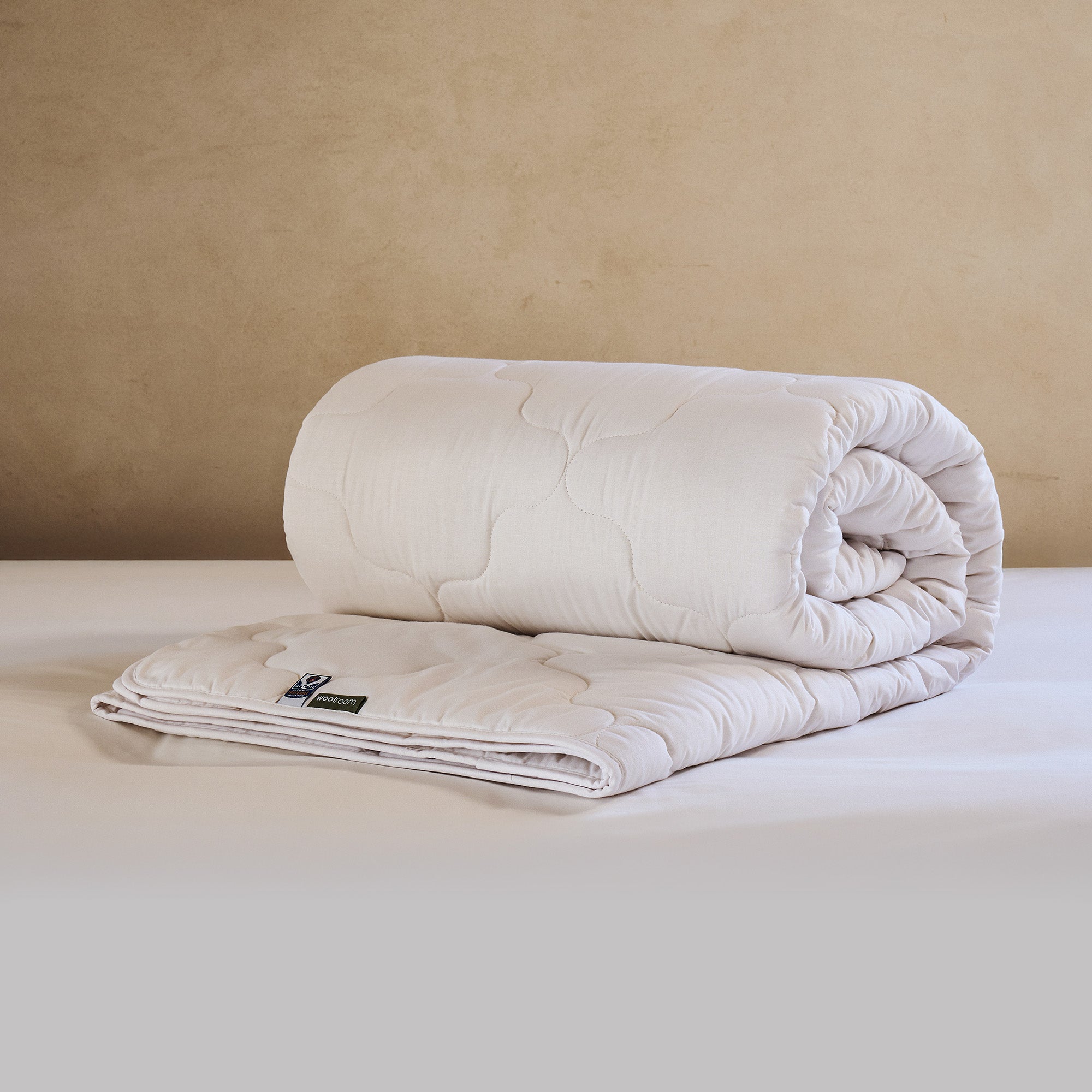
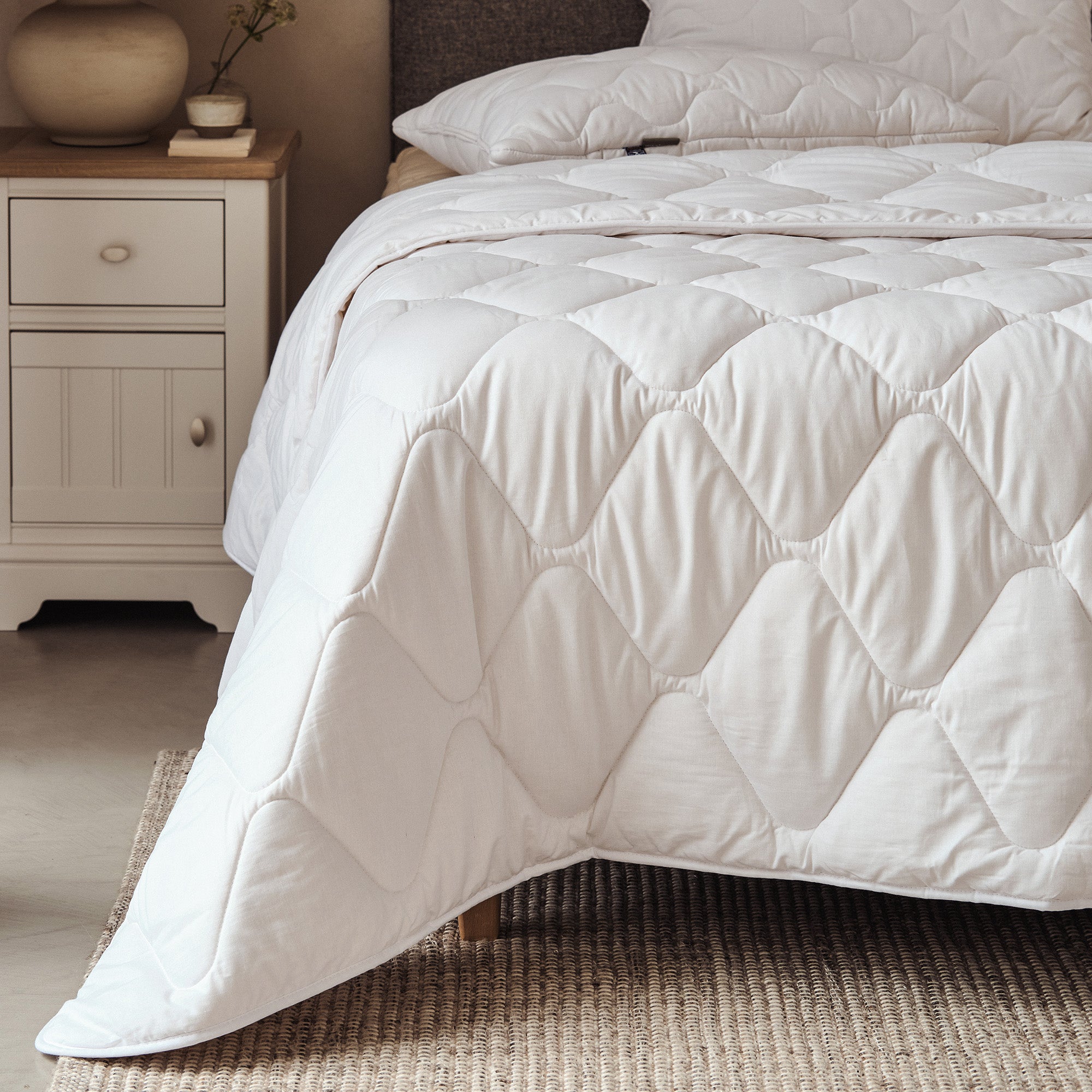
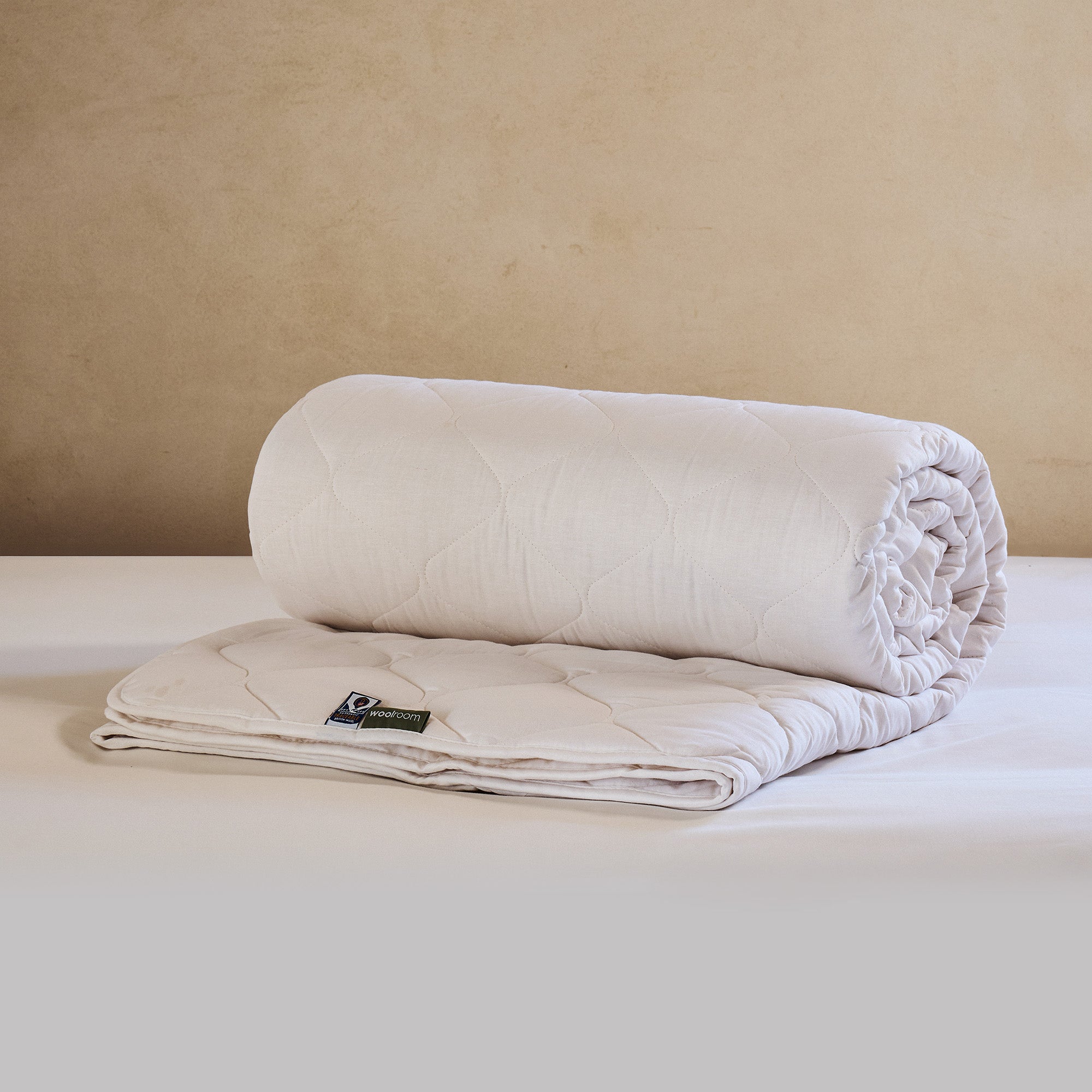
Set yourself up for healthier, natural sleep with our range of 100% British wool duvets, pillows, mattress toppers and protectors.