
Poor sleep has become increasingly common in modern life. Whether it's struggling to switch off at night, waking during the early hours or simply never feeling fully rested in the morning, many people regularly experience disrupted or poor-quality sleep.
The scale of the issue was highlighted in The Sleep Charity’s Dreaming of Change: A Manifesto for Sleep report. According to its research, 9 in 10 adults reported experiencing sleep issues. It's easy to see how poor sleep gradually becomes normalised - a barrier that can be pushed through with another strong coffee the next day.
There's rarely a single cause for disrupted sleep. Stress, inconsistent routines, screen time, busy schedules and overstimulating environments can all affect sleep quality. Physical comfort matters too. Overheating, humidity, noise and uncomfortable bedding can all contribute to disrupted sleep throughout the night.
This is where sleep hygiene comes in.
Despite the name, sleep hygiene doesn't simply mean putting your sheets on a hot wash or airing out your duvet. Instead, it refers to the habits, routines and environmental factors that help support healthy, consistent sleep. That includes everything from maintaining a regular bedtime to creating a cooler, calmer and more comfortable sleep environment.
Improving sleep hygiene alone won't solve every sleep challenge. However, any small changes to your daily routine and bedroom can help create better conditions for deeper, more restorative rest.

What Is Sleep Hygiene?
Sleep hygiene is the term used to describe the everyday habits and environmental conditions that affect sleep quality.
Good sleep hygiene helps to support more consistent, uninterrupted sleep. Poor sleep hygiene can make it harder to properly relax, switch off, and rest comfortably at night.
Sleep hygiene practices can include:
- Keeping a regular sleep schedule
- Reducing screen time before bed
- Managing caffeine intake later in the day
- Creating a calming evening routine
- Keeping your bedroom cool, quiet and dark
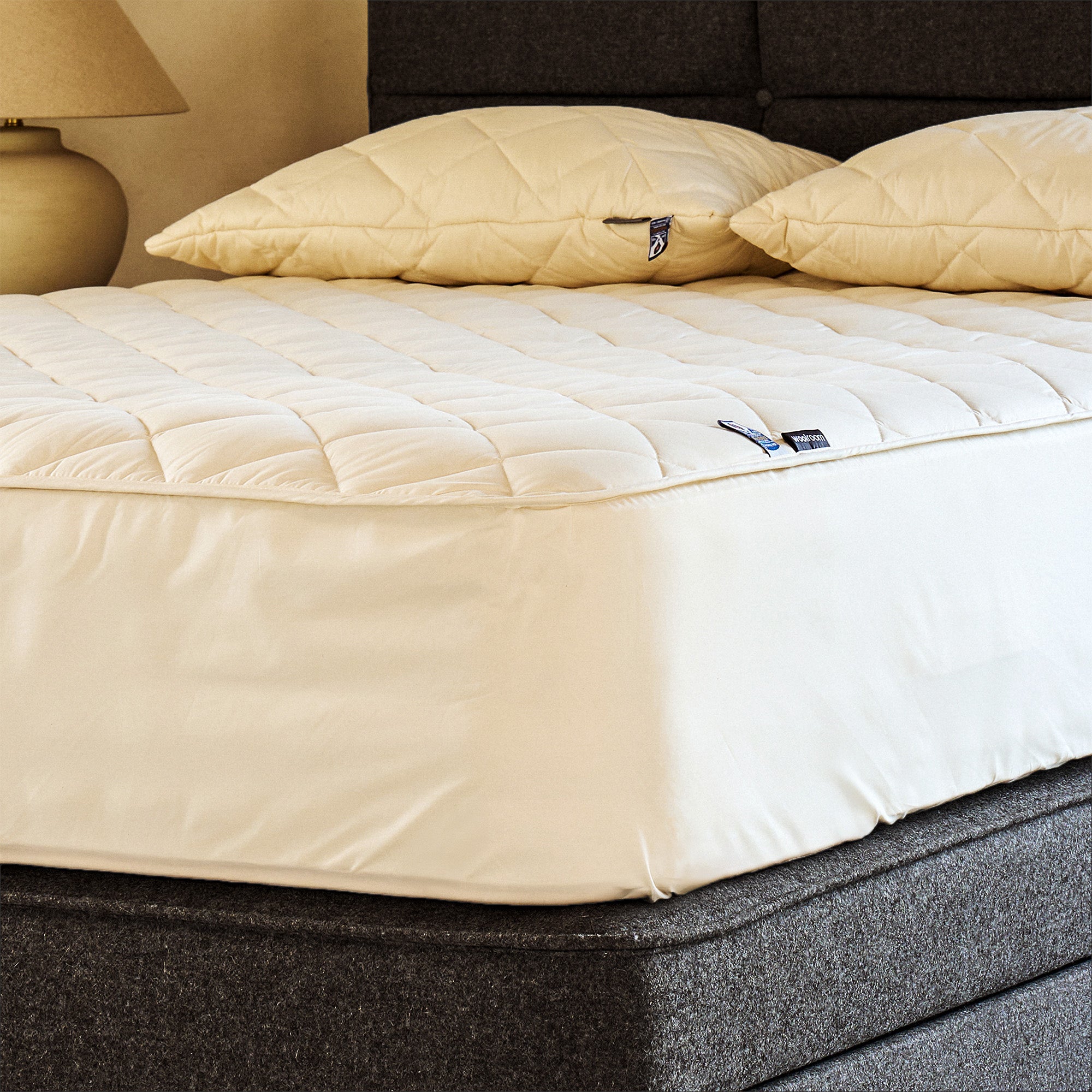
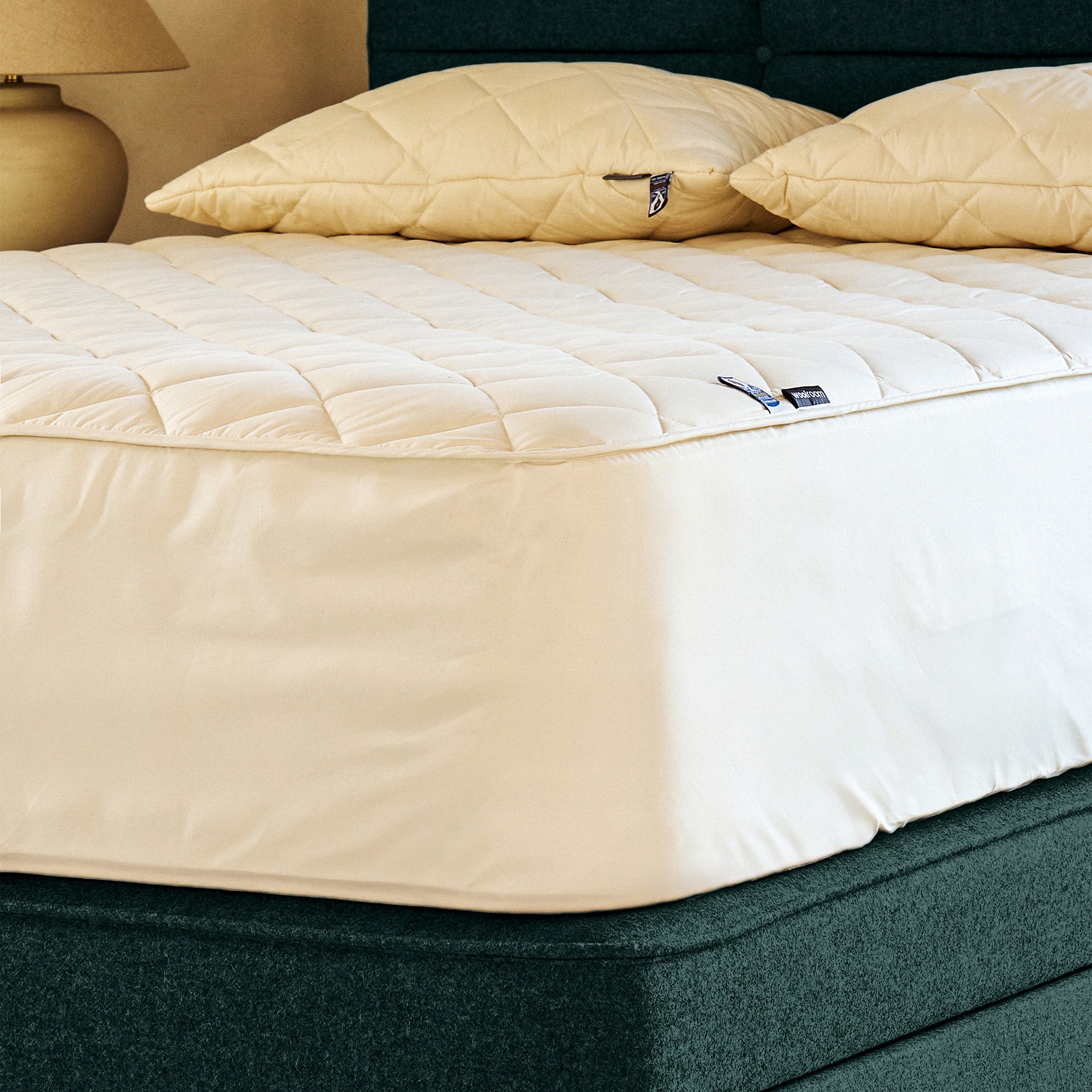
- Choosing comfortable, breathable bedding
It's important to remember that sleep hygiene isn't about creating a 'perfect' routine. Every day is different, throwing up impromptu events and unexpected moments. Rather, sleep hygiene is about building habits and surroundings that help your body and mind feel prepared for rest.
Why Is Sleep Hygiene Important?
Sleep affects far more than simply how tired we feel the next morning. And it's not something that can simply be resolved with a ristretto or a fiery ginger shot either. When sleep feels fragmented or inconsistent, it leaves us feeling sluggish, irritable and mentally drained through the following day.
Occasional disrupted sleep is completely normal, but long-term habits and environmental factors can gradually shape the quality of our rest over time. Our busy modern lifestyles don't always help. Many of us spend large portions of our evenings looking at screens, replying to messages, or trying, with the best of intentions, to mentally switch off long after the workday has ended.
Bedrooms have evolved, too. They're no longer spaces primarily designed for rest. Now, they're multi-purpose spaces - doubling up as places to work, scroll and stream, rather than somewhere purely associated with rest. At the same time, the sleep environment can have a significant impact on overnight comfort.
If your bedroom is too warm, noisy or overstimulating, it's harder to settle comfortably and stay asleep through the night.
Good sleep hygiene helps create conditions that allow sleep to feel more natural, comfortable and consistent.

Our Sleep Hygiene Checklist
Improving sleep hygiene doesn't need to involve drastic lifestyle changes. Often, small adjustments made consistently over time can help support better sleep habits and a more comfortable sleep environment.
1. Keep Your Sleep Schedule Consistent
Our bodies naturally respond well to routine. Going to bed and waking up at similar times each day helps support your circadian rhythm - your internal body clock. Constantly changing your sleep and wake times can make it harder for your body to establish a natural pattern.
Even small improvements in consistency can help create a stronger sense of routine around sleep.
2. Create a Relaxing Wind-Down Routine
A calming evening routine helps create a clearer separation between the busyness of the day and time for rest. This doesn’t need to be overly structured. In fact, the most effective routines are often the simplest and easiest to maintain consistently.
That might include:
- Reading
- Stretching
- A warm bath or shower
- Lower lighting in the evening
- Relaxation or breathing exercises
The aim isn’t to force sleep, but to create an environment that feels naturally calmer before bed.
3. Reduce Evening Screen Time
Phones, tablets and laptops can make it more difficult to properly unwind before sleep. Partly, this comes down to stimulation. Emails, social media and fast-moving content can keep the mind active long after we intend to relax. Creating a screen-free wind-down period before bed can help create a gentler transition into sleep.
4. Watch Your Caffeine and Alcohol Intake
Caffeine can remain in the body for longer than many people realise, which means late afternoon or evening coffees may still affect sleep later at night. Alcohol can also contribute to more fragmented sleep, even if it initially makes you feel drowsy. Paying attention to how certain habits affect your sleep can help you identify patterns over time.
5. Make Your Bedroom a Space for Rest
Bedrooms are increasingly used for everything from working and scrolling to watching television late into the evening. Over time, this can make it harder for the mind to associate the bedroom with rest and relaxation. Creating a calmer, less stimulating bedroom environment can help reinforce healthier sleep habits. Where possible, try to keep work and screen time outside the bedroom - especially before bed. Small changes can help your mind better associate the space with rest and relaxation.
6. Keep Your Bedroom Cool, Quiet and Dark
Your bedroom environment plays an important role in overnight comfort. A room that feels too warm, bright or noisy can make it harder to fully relax and stay asleep comfortably throughout the night. Many sleep experts recommend keeping bedrooms slightly cooler for sleep. Blackout curtains, reduced noise and softer lighting can also help create a more restful environment.
7. Choose Breathable Bedding
Sleep hygiene advice often focuses on routines and behaviours, but the environment inside your bed matters too. Some bedding materials, particularly those that retain more heat and humidity around the body, can contribute to overheating and overnight discomfort.
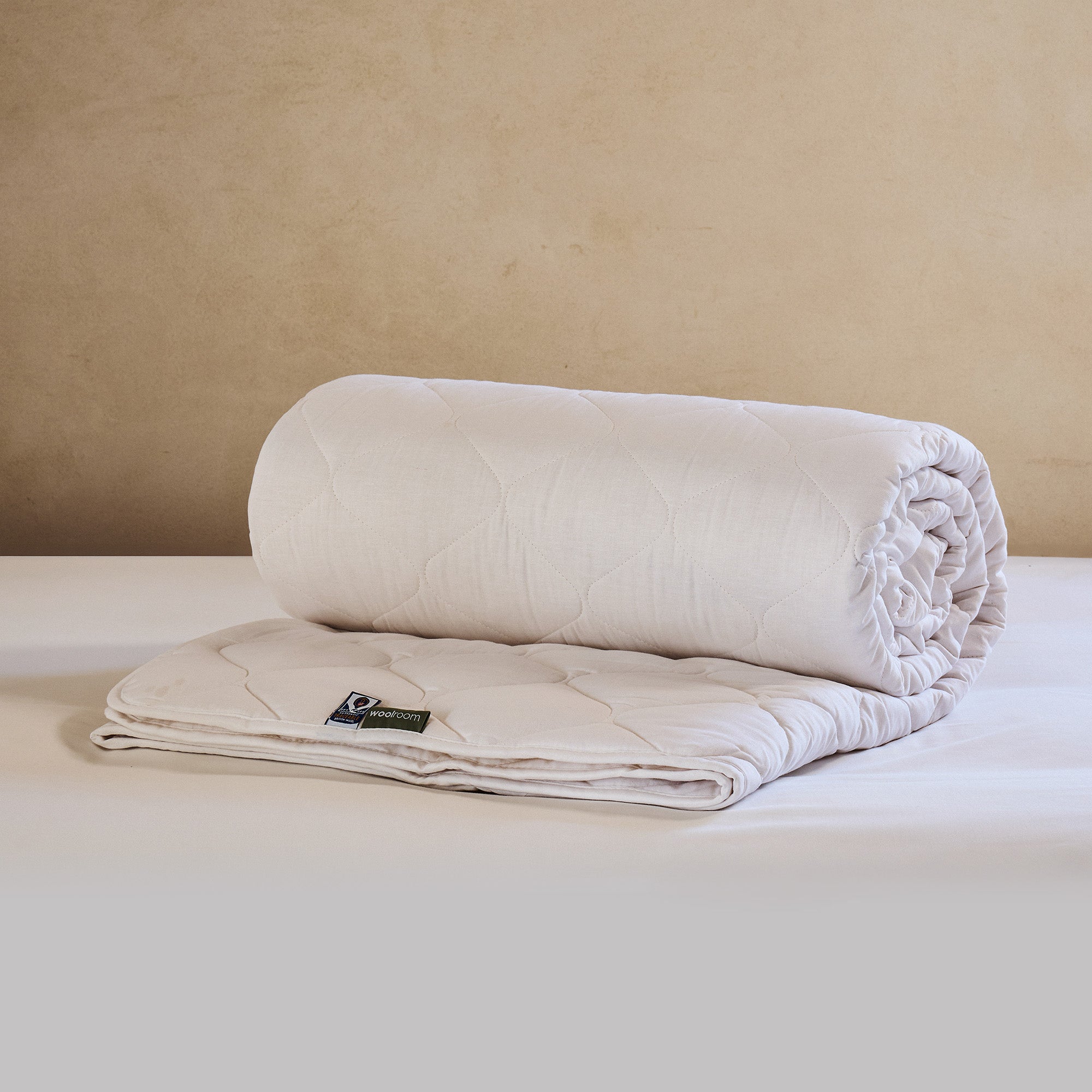
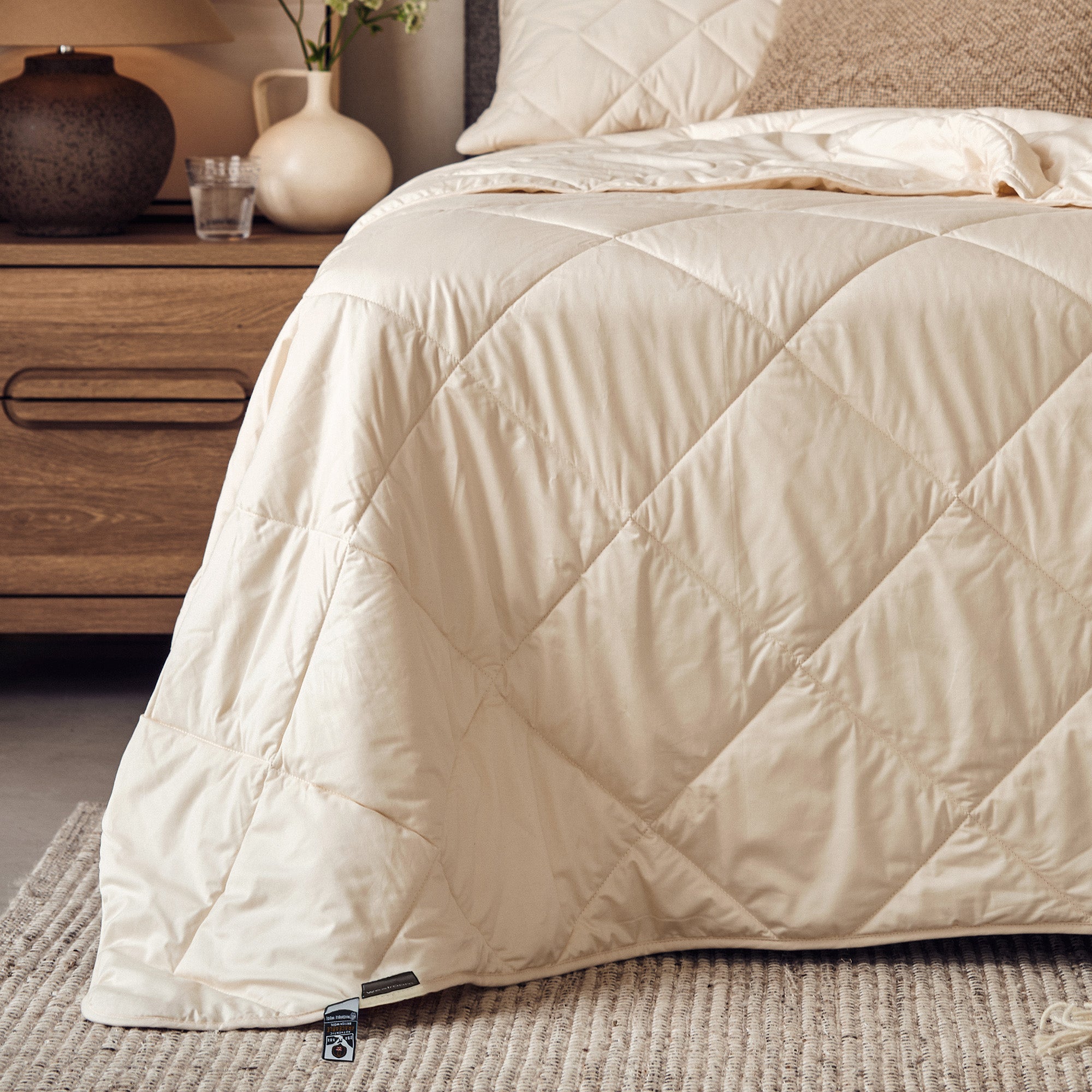
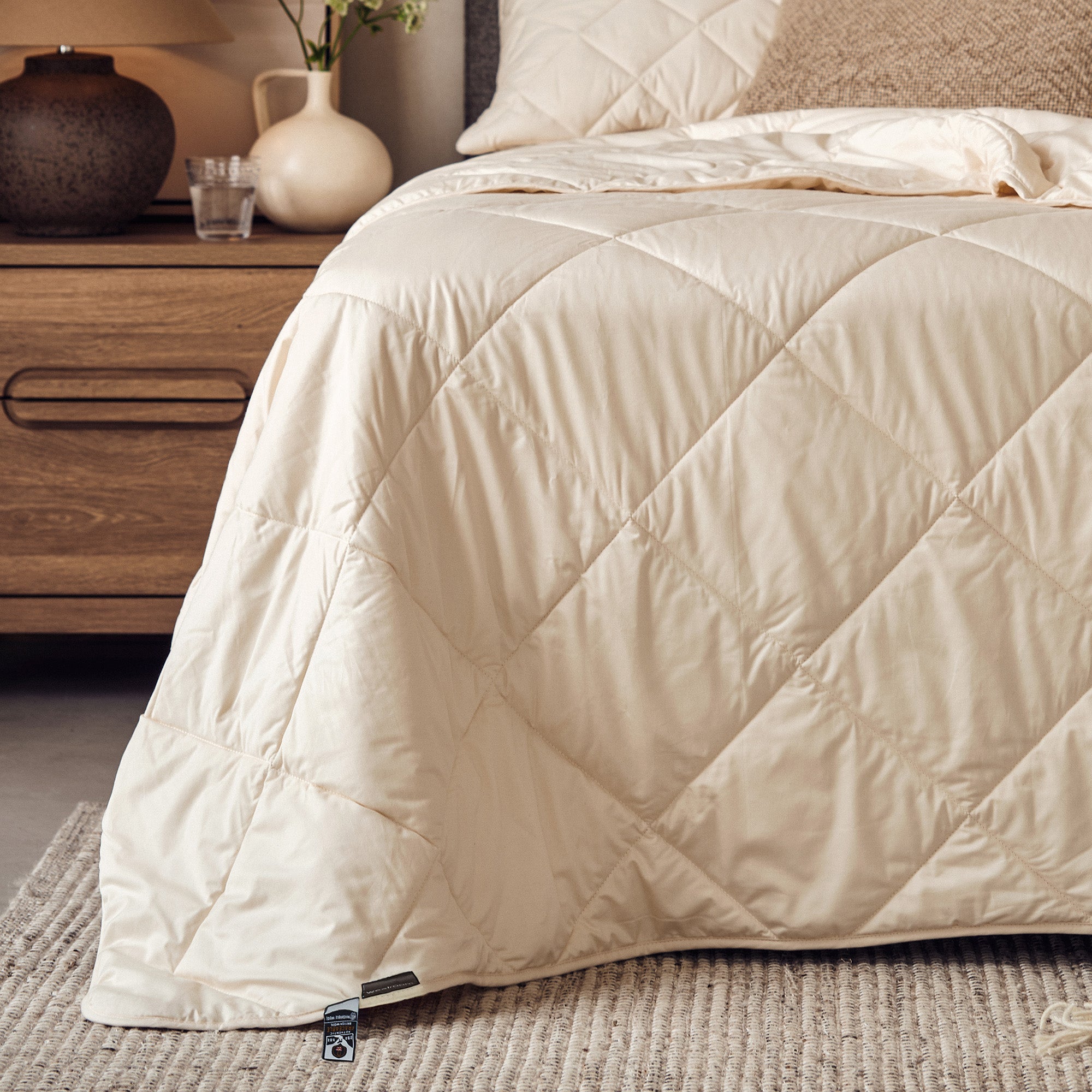
Breathable bedding can help create a more balanced sleep environment throughout the night. Wool bedding is particularly valued for its breathability and moisture-wicking properties. It naturally helps to manage temperature and humidity around your body, helping sleepers enjoy better rest across all seasons.
While no bedding alone can fix poor sleep, creating a more comfortable environment may help reduce unnecessary overnight disruption.
8. Get Natural Daylight During the Day
Natural daylight helps regulate the body’s sleep-wake cycle and supports feelings of alertness during waking hours. Even short periods of daylight exposure, particularly earlier in the day, can help support healthier sleep patterns over time.
9. Stay Active
Regular movement and exercise can support overall sleep quality and wellbeing. This doesn’t necessarily mean intense workouts or rigid routines. Even moderate daily activity and time outdoors can help support healthier sleep habits. However, it’s important to make sure you time it right - exercising late in the day can cause restlessness when it comes to getting to sleep.

Can Bedding Affect Sleep Quality?
It can certainly influence your overall sleep environment. Sleep hygiene is often associated with routines and behaviours, but physical comfort also plays an important role in how restful and uninterrupted sleep feels throughout the night.
Research from The Sleep Charity found that 1 in 3 people experience sleep poverty - where poor living conditions, noise pollution and uncomfortable sleep environments reduce sleep quality.
Temperature, breathability and moisture management all affect overnight comfort. If bedding traps excess heat or humidity, sleep may feel more restless and disrupted - especially for those who naturally sleep warm.
It's why many people are paying closer attention not just to factors like tog or firmness, but also to the materials used inside their bedding. No two fibre types are the same - they react differently when exposed to moisture, allergens and heat.
This is why wool’s reputation is growing as a material for creating a more breathable, comfortable sleep environment. It’s hypoallergenic, breathable and naturally effective at managing temperature and moisture throughout the night.
Want to learn more about how your bedding can influence your sleep environment? Read our guides on How Wool Bedding Can Naturally Improve Bedroom Air Quality, Night Sweats and Sleep, and What is the Best Temperature for Sleep?
FAQs
What does sleep hygiene mean?
Sleep hygiene refers to the habits, routines and environmental factors that help support healthy, consistent sleep.
What are examples of good sleep hygiene?
Examples include maintaining a regular sleep schedule, limiting screen time before bed, creating a calming evening routine and keeping your bedroom cool and comfortable.
What causes poor sleep hygiene?
Poor sleep hygiene can be caused by inconsistent routines, excess screen time, late caffeine intake or environmental factors that disrupt overnight comfort.
Can bedding affect sleep quality?
Your bedding can influence comfort, breathability and temperature regulation during sleep, all of which may affect how restful and uninterrupted your sleep feels throughout the night.