Key Takeaways
- It’s true that down is soft and warm, but it traps heat, holds onto moisture and can aggravate allergies.
- Wool naturally regulates temperature, wicks away moisture and creates a cleaner, healthier sleep environment.
- Woolroom’s traceable wool bedding is durable, sustainable and designed for year-round comfort.
- Choosing wool over down is better for your health, your sleep, and the planet.
Down has long been marketed as a luxurious pick in the bedding world, and it’s true that it imparts both softness and warmth. But there are very real drawbacks to this ubiquitous bedding material—and they can affect more than just comfort. An unassuming alternative? Wool! Between its natural breathability, temperature regulation, moisture control, eco-friendly credentials, and suitability for those with allergies and sensitivities, wool has benefits that down simply can’t beat. If you’ve ever woken up feeling hot, stuffy or sweaty with your down bedding, you’ll probably want to learn why wool is better than down for bedding and overall sleep health.

Wool vs Down: Which Bedding Fibre is Better for Sleep?
It’s easy to assume that both down and wool are cosy options come bedtime. And there certainly are a few similarities. Both are considered natural fibres. Both deliver warmth. Both have a premium vibe. But it’s the real-world performance that really highlights the differences between wool and down.
While down is rightly prized for its loft and insulating properties, wool still manages to outperform it in every category that matters for sleep. It’s naturally temperature regulating, keeping you warm when it’s cold out and cool when it’s warm. It efficiently manages moisture so you stay dry. It resists allergens, which makes your sleep surface cleaner. It’s incredibly durable, and it far outlasts down bedding with less upkeep. Plus, it’s one of the most sustainable bedding fibres you can get.
The Problems with Down Bedding
Hop into bed with a lofty down comforter, mattress topper, or pillow, and its drawbacks can become apparent.
- Heat retention. Down is an excellent insulator. And that can actually create a problem. Down clusters are three dimensional, with fine, fluffy filaments that radiate out. That’s what creates miniscule air pockets, which trap body heat to keep you warm. But down doesn’t regulate temperature, and that cosy little microclimate can rapidly become stuffy or downright stifling.
- Lack of breathability. The same structure that makes down so good at trapping heat is what limits its ability to move away heat and humidity. That’s why overheating is such a common issue.
- No moisture management. Down can’t wick moisture. It just holds onto it. Night after night, down bedding absorbs moisture from your breath and your body. In time, that contributes to clumping and impacts down’s ability to retain warmth. Plus, once it gets wet, down takes a really long time to dry. That makes it susceptible to mould and mildew growth.
- Allergy triggers. There are other contaminants that thrive in down’s warm, moist environment, including dust mites and allergens. People with asthma, seasonal allergies, or sensitive skin often find that down aggravates symptoms.
- Maintenance and durability. Beyond regular fluffing to maintain its loft and insulating power, down bedding can require special or careful cleaning. Many down products are dry clean only. And in time, it’s normal for down bedding to develop flat spots and clumping. Plus, wayward down clusters and features are pretty typical.
- Ethical considerations. While you can find down products that are responsibly sourced, that’s not the case across the board. If you prioritize animal welfare and sustainability, this can be a deal breaker.
- Sustainability concerns. It may come from birds, but down used in bedding typically isn’t biodegradable because it’s been treated with chemicals. Plus, many down products are blended with synthetic materials. Traceability can be tricky, so it’s not always easy to understand the true environmental footprint of your bedding.

Why Wool is a Superior Fibre for Sleep
Wool truly is nature’s wonder fibre. It’s impressively adaptive to both your body and the ambient environment, so it creates a sleep surface that supports your comfort and health in ways down simply can’t replicate.
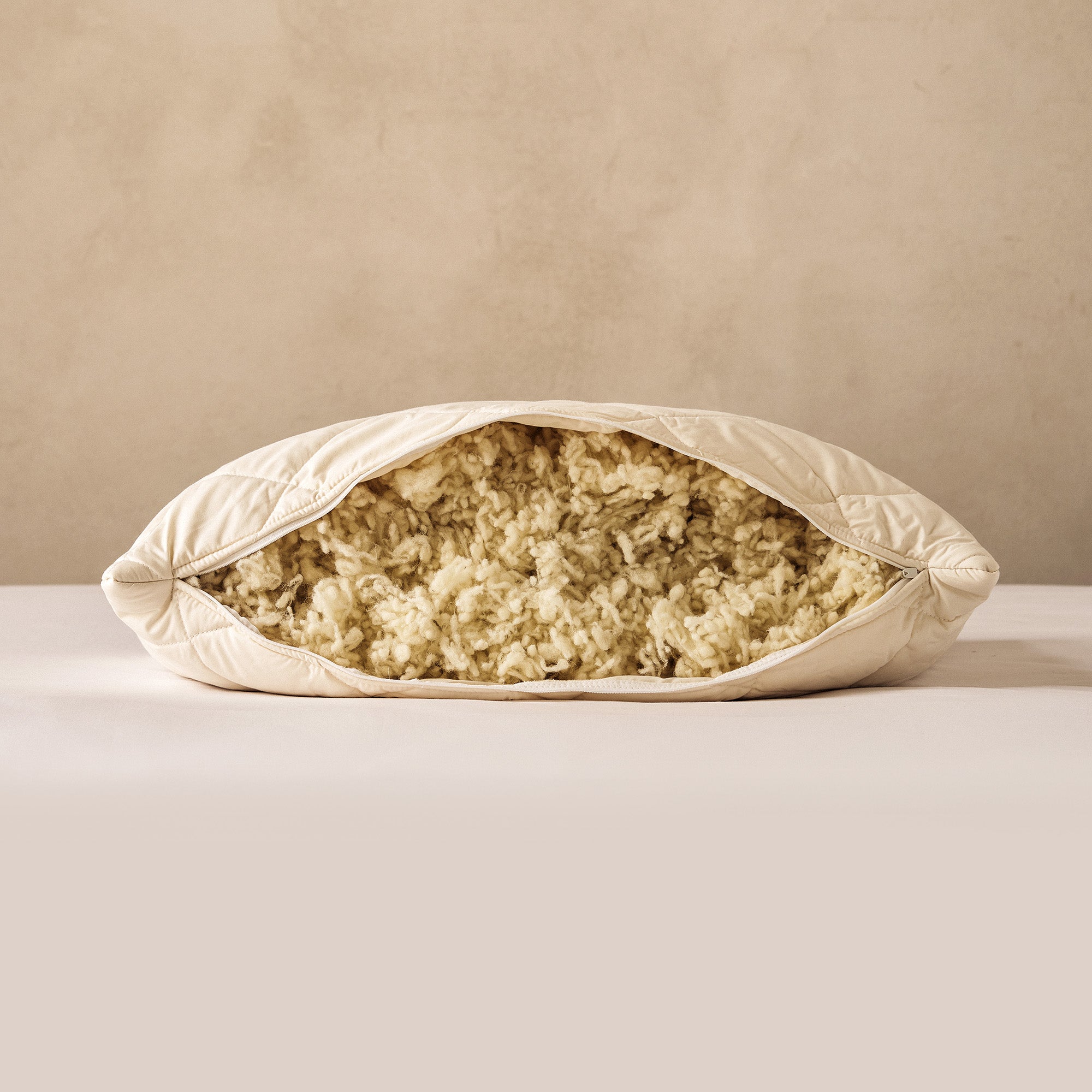
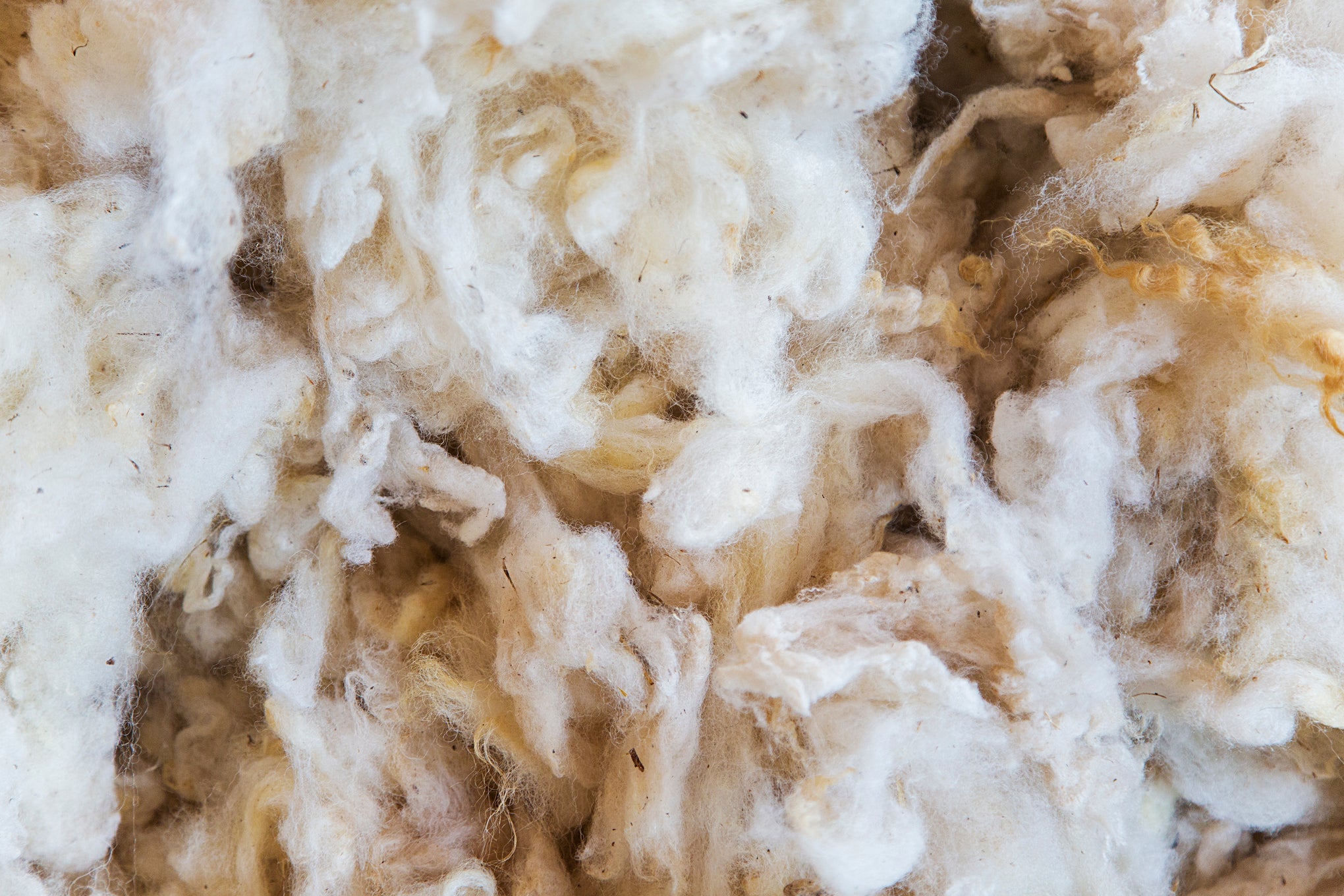
- Temperature regulation and breathability. Wool has a uniquely crimped structure. Like down, it creates tiny little air pockets that can hold onto heat. But the crimped nature of wool fibres also allows for airflow. That’s why wool is able to release excess heat when your body warms. Instead of waking up hot and sweaty, you stay in that “just right” temperature range all long, all year long.
- Moisture management. Wool fibres can absorb up to 30% of their weight in moisture without feeling damp or heavy. And they don’t just hold onto that moisture—they release it into the air. When you sleep with wool bedding, it keeps you drier and more comfortable. In fact, its ability to regulate temperature and moisture so well directly contributes to more restful sleep.
- Naturally hypoallergenic. That dry environment has another benefit. It creates an inhospitable setting for allergens, dust mites, bacteria, and contaminants in general. That makes it a really great option for people with allergies and sensitivities.
- Maintenance and durability. Wool is surprisingly resilient. Its fibres bounce back night after night, maintaining their springiness and resisting clumping and flat spots. It’s appealingly low maintenance and can last for years longer than down, even with minimal upkeep.
- Sustainable and ethical considerations. Wool is naturally renewable, biodegradable, and recyclable. And here at Woolroom, it’s also ethical and fully traceable. Our Wool ID® program shows you the people, farms, and sheep behind our wool, which means you can feel good about what’s on your bed.

Why Woolroom’s Wool Bedding Works Better
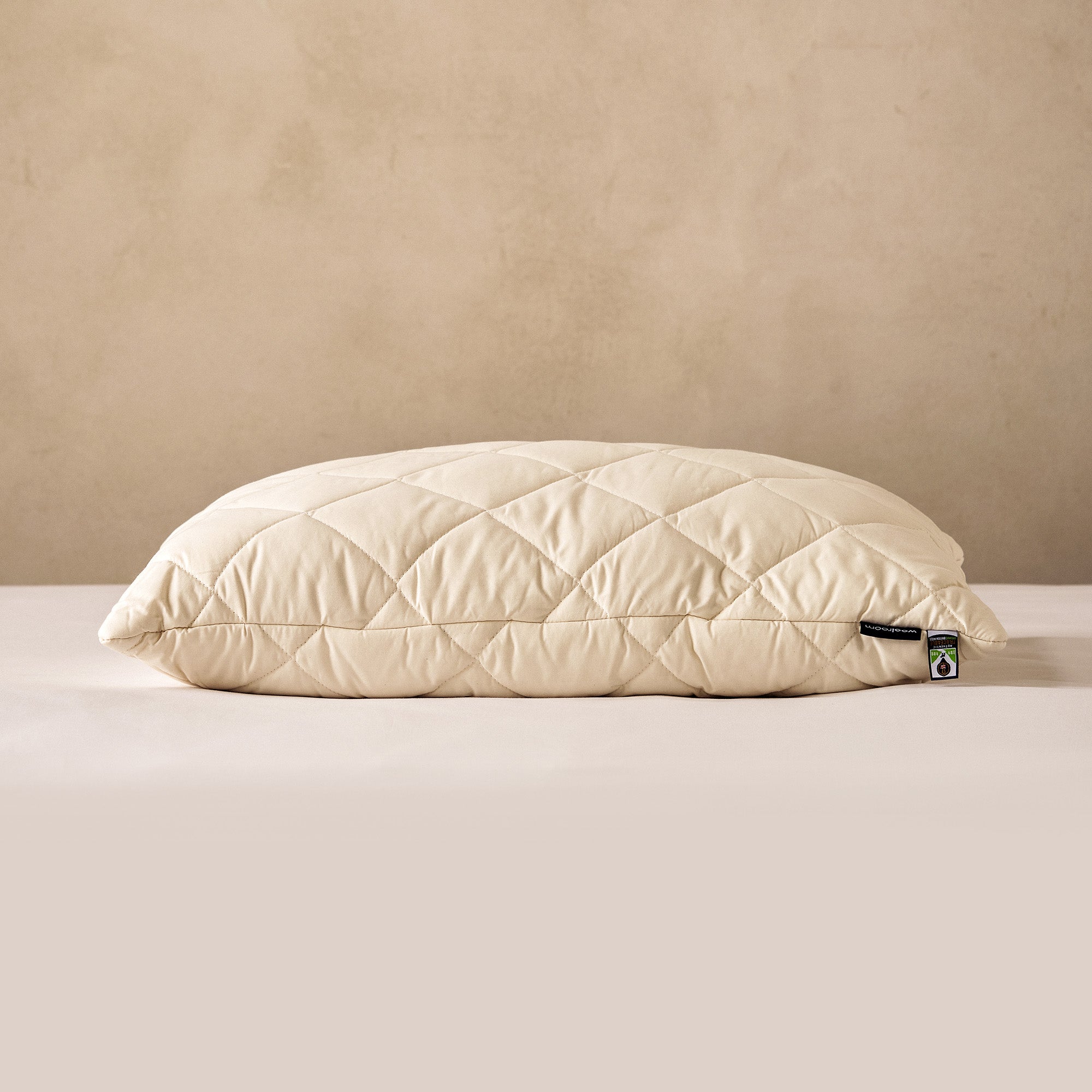
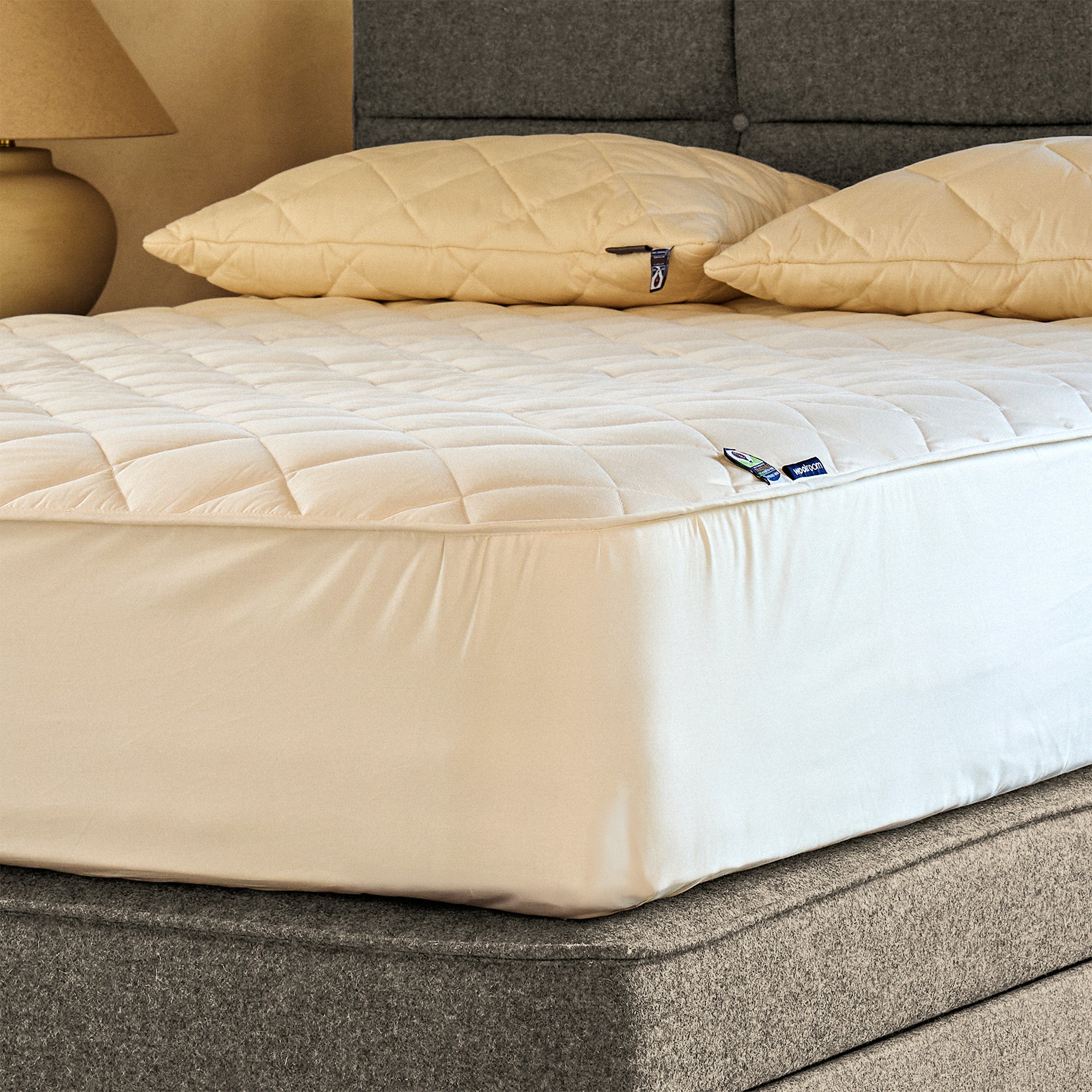
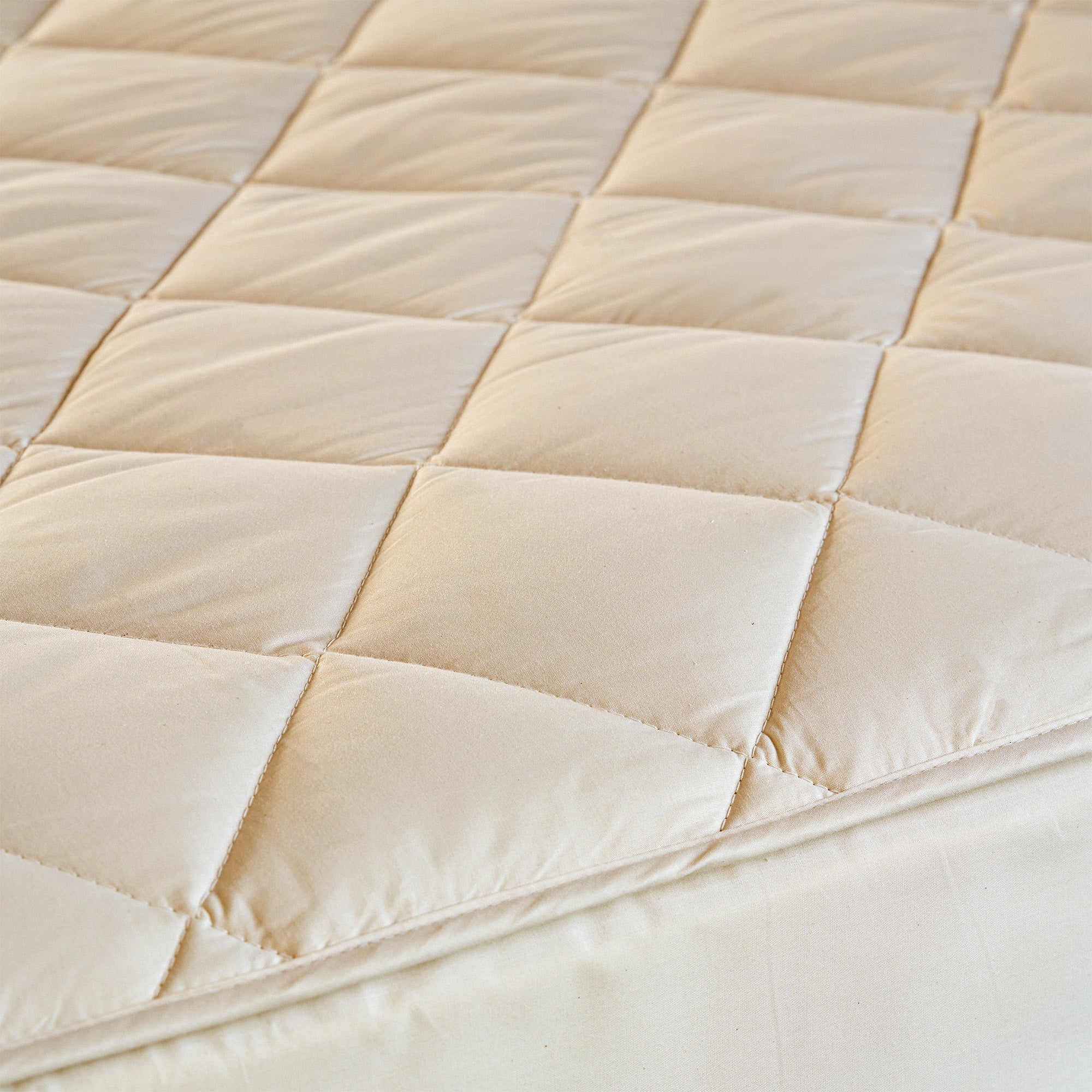
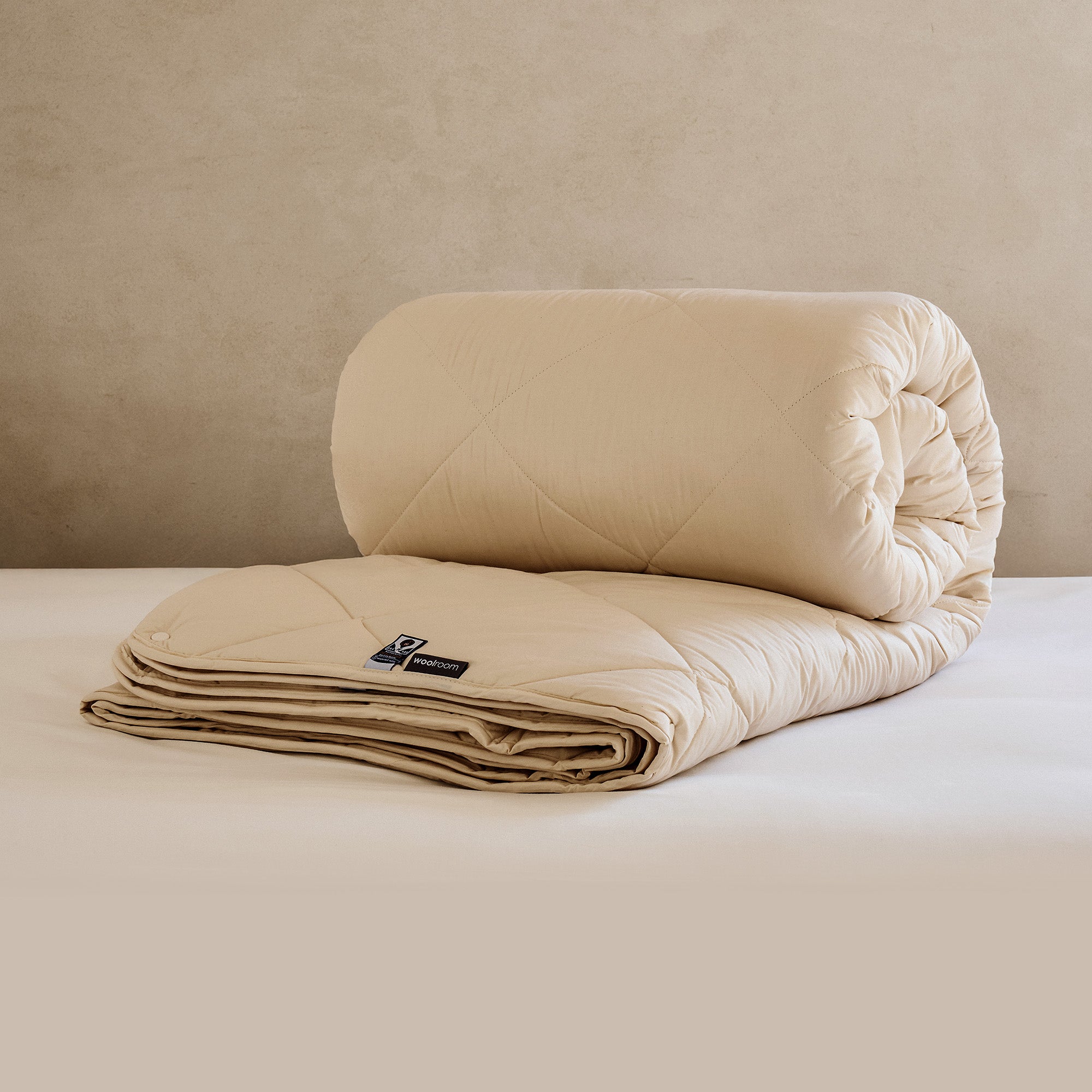
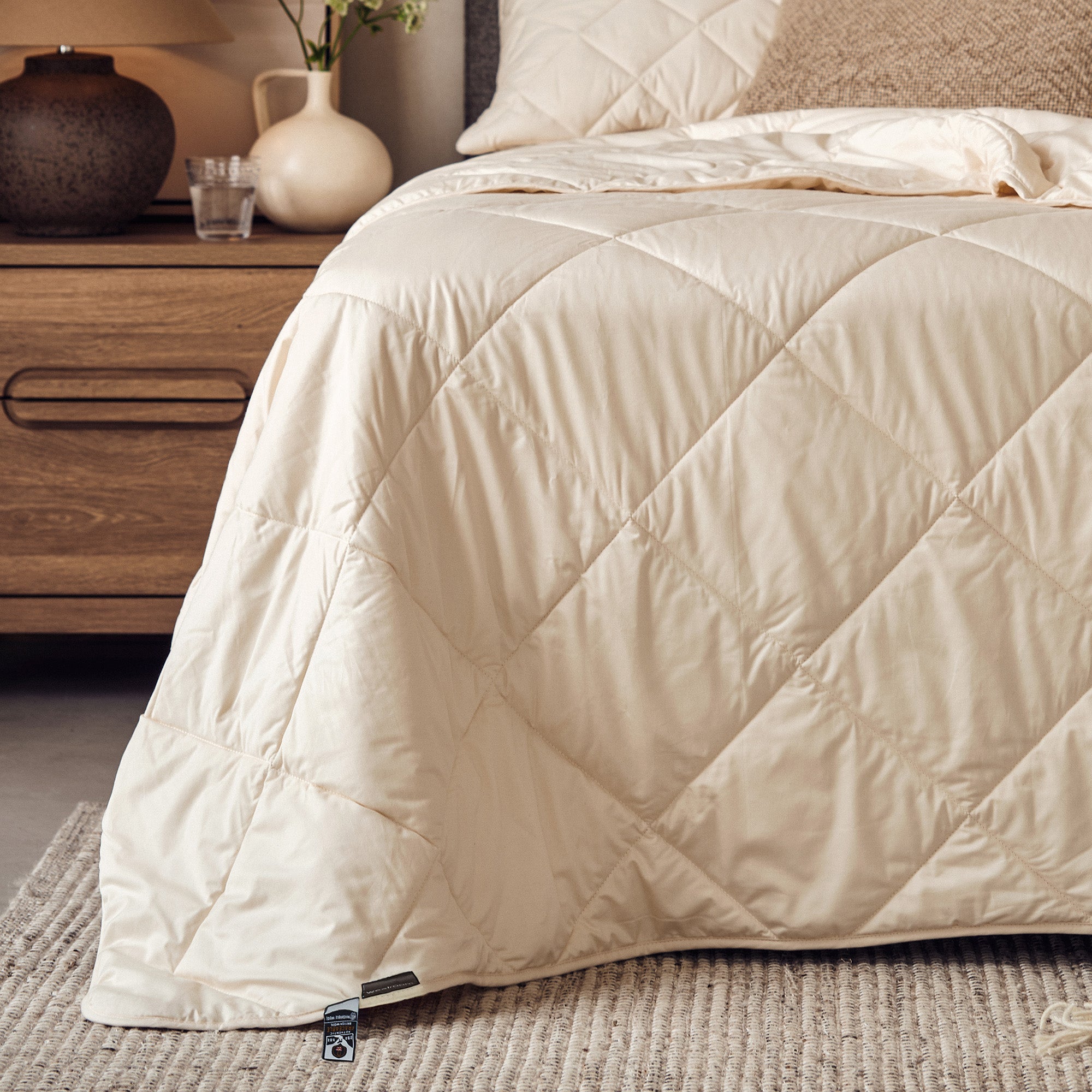
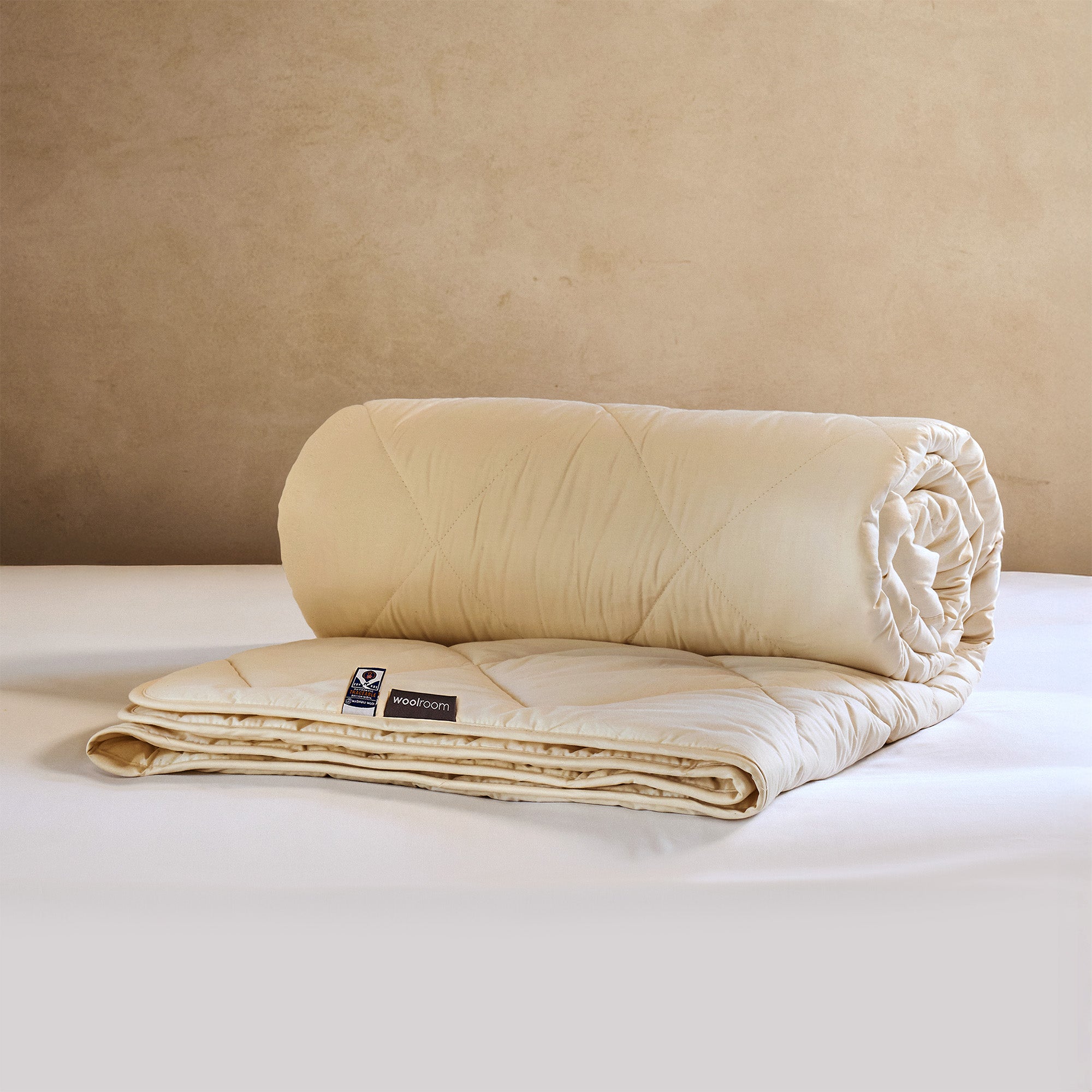
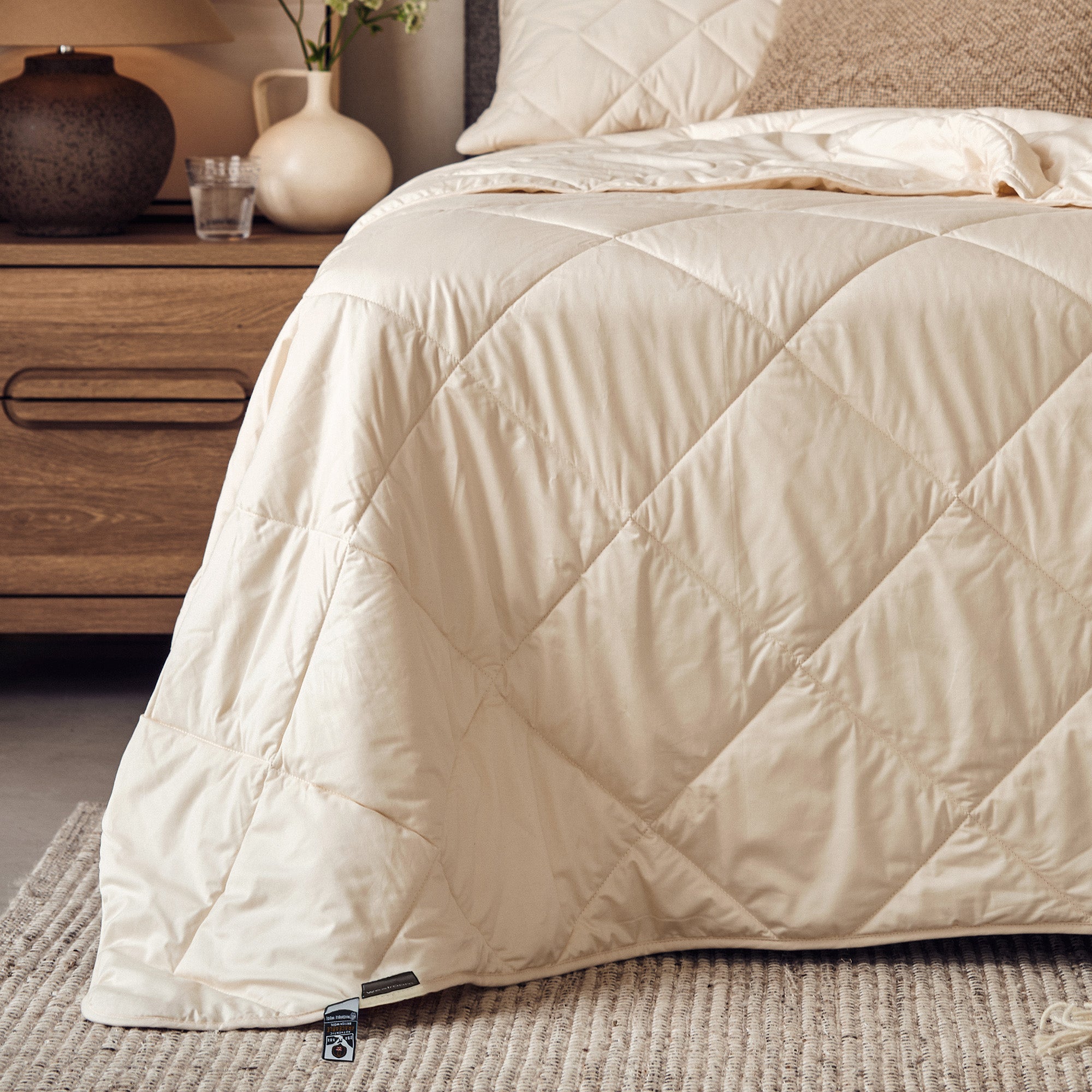
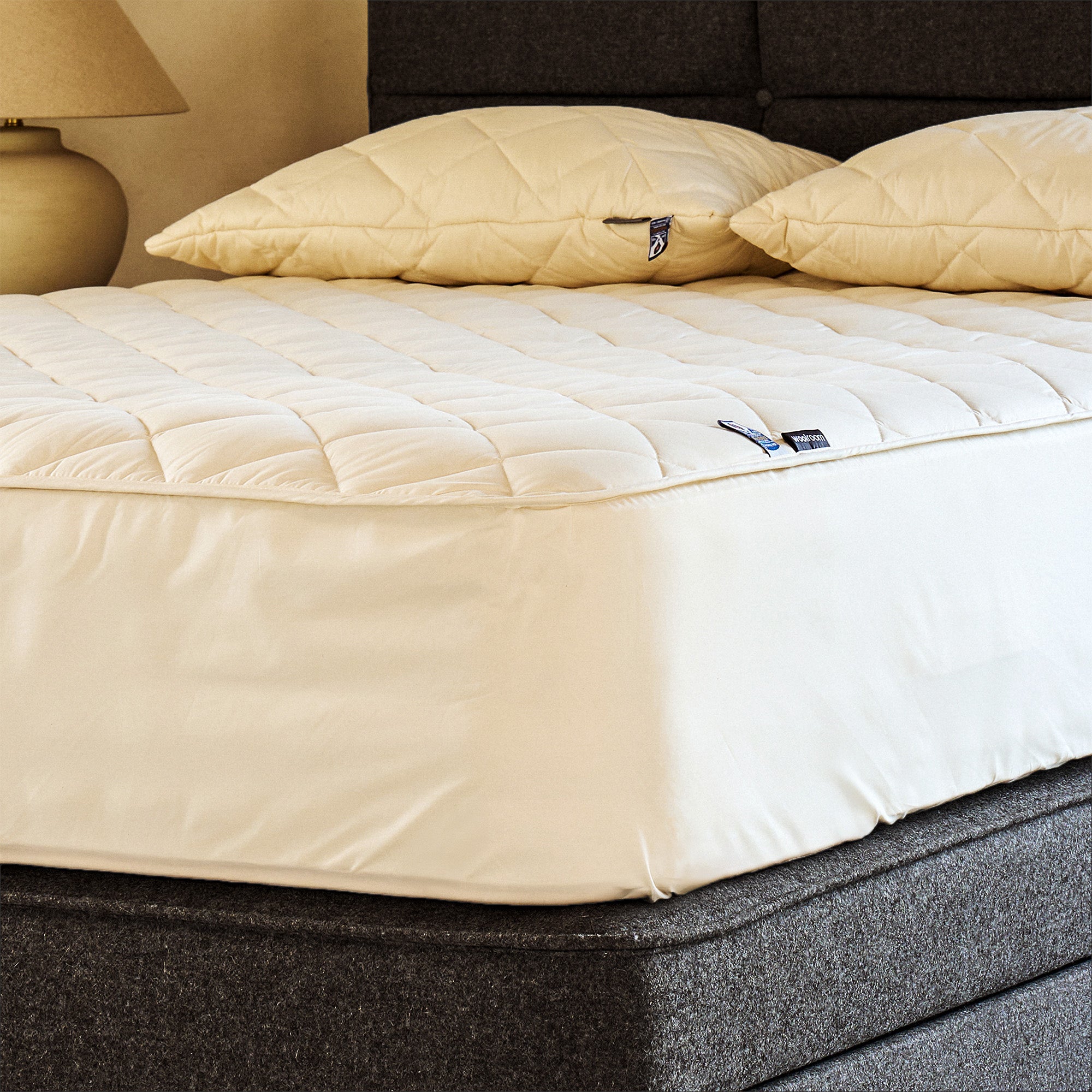
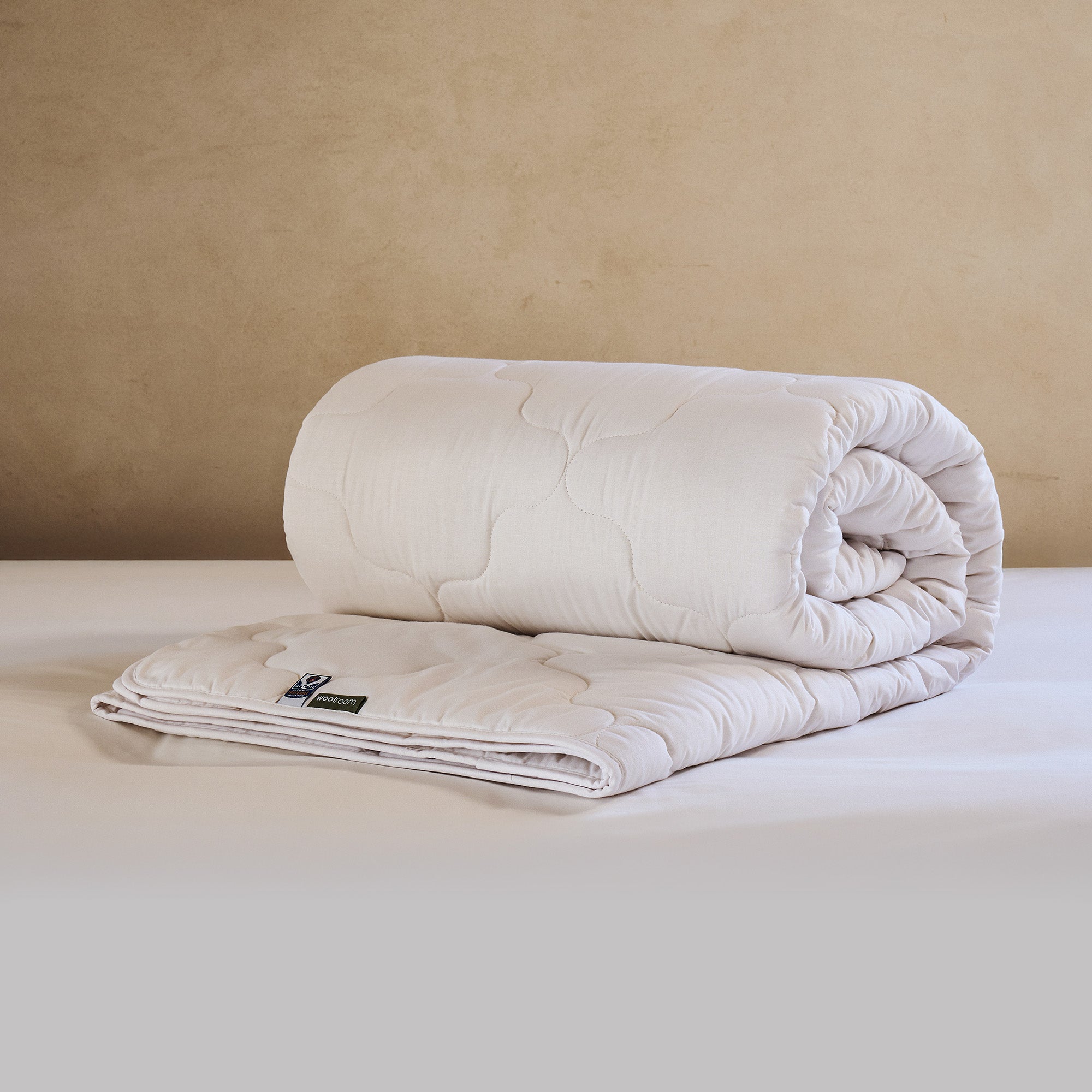
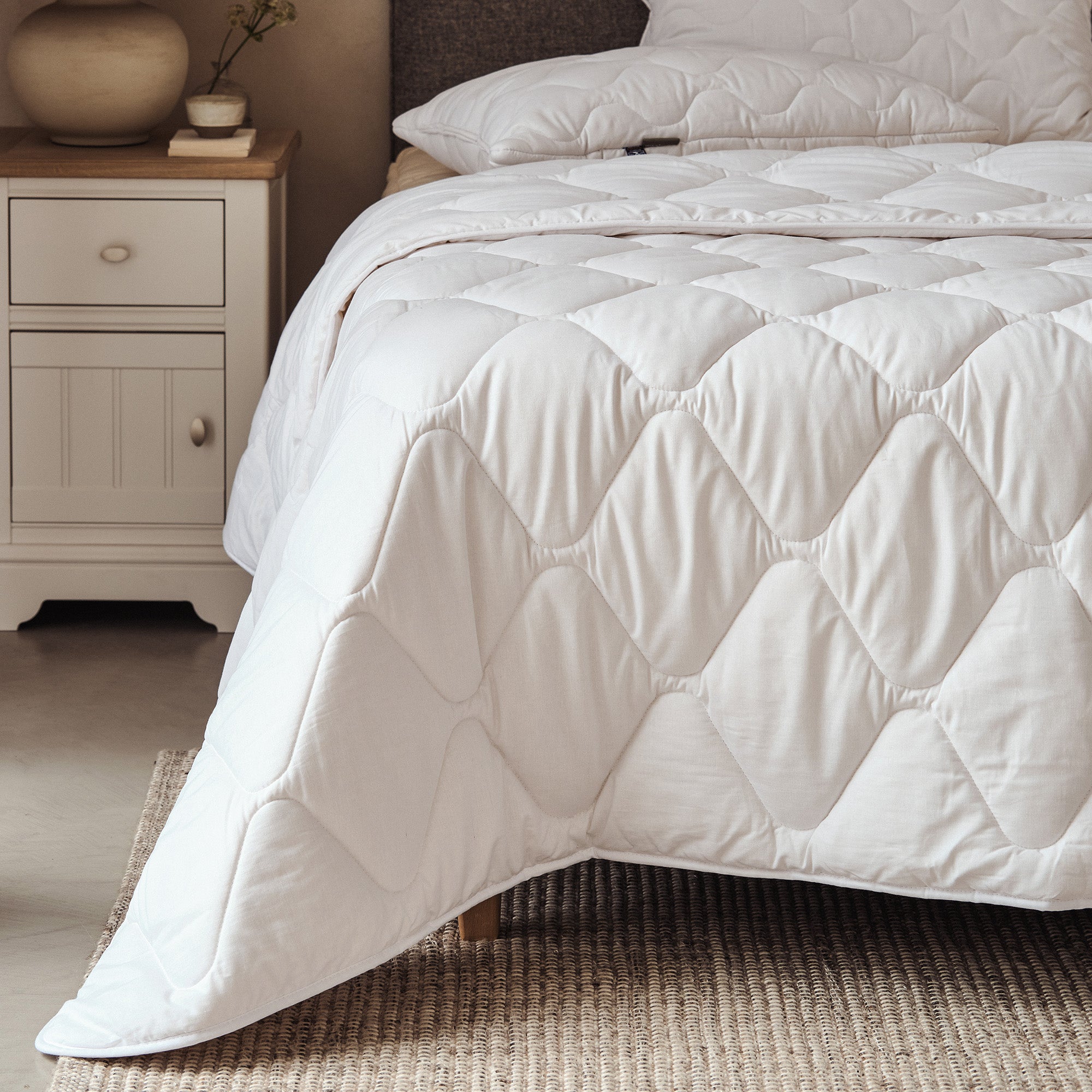
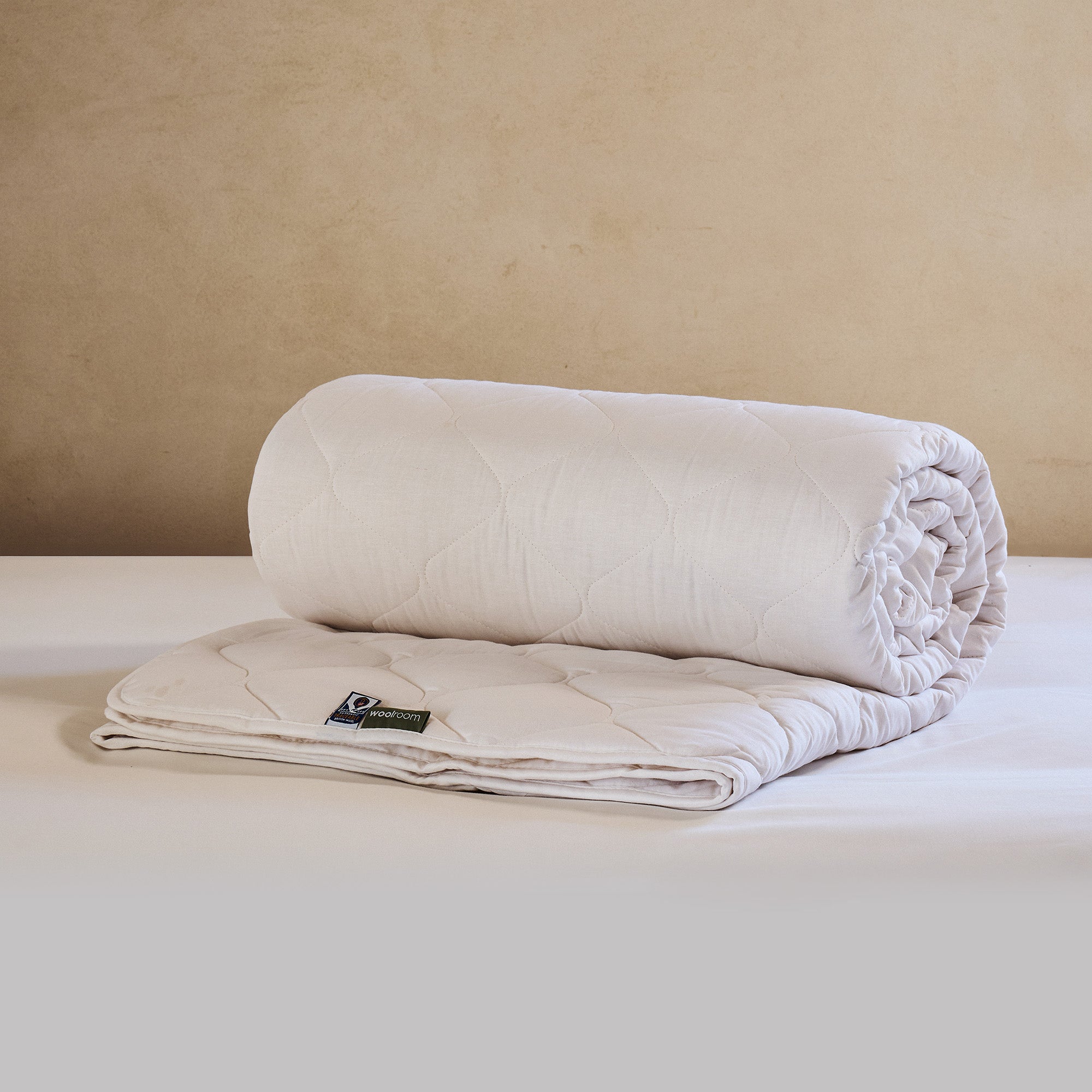
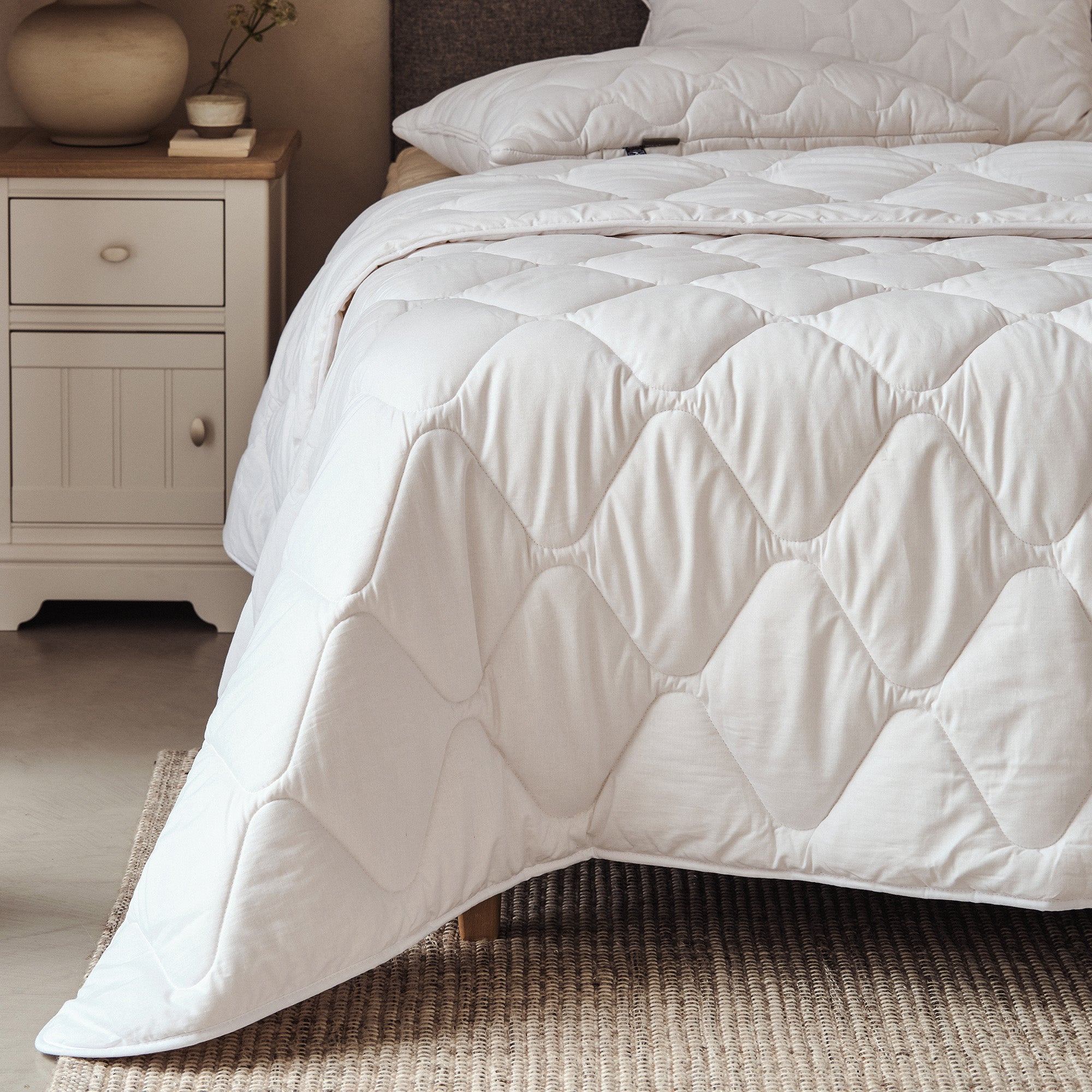
It’s one thing to recognize that wool is the smarter fibre for sleep. But the real test is, well, sleeping with it. And that’s where Woolroom comes in. Our natural wool bedding, which includes mattresses, mattress toppers, comforters, and pillows, is designed for year-round comfort. We use traceable British wool so you know exactly where your bedding began, and we’re proud to have a lengthy list of certifications that showcase our commitment to doing things the right way.
The Bottom Line on Wool vs Down for Better Sleep
Down may have a reputation for luxury, but wool delivers on what really matters for better sleep. It’s scientifically proven to promote better sleep, and it outperforms down in comfort, breathability and sustainability. If you’re ready to upgrade your down bedding, take a good look at what wool has to offer. Because at Woolroom, we think better nights begin with better bedding—and wool is simply the smarter, healthier choice.
Frequently Asked Questions
Which is better, wool or down comforter?
Wool is better for overall sleep health because it regulates temperature and manages moisture. While down is soft and warm, it traps heat and moisture, leading to overheating. Down isn’t as resilient as wool either, so it doesn’t last as long.
Is wool more breathable than down?
Wool is far more breathable than down, which isn’t particularly breathable at all. Down clusters trap air for insulation—that’s what makes down bedding so warm—but wool fibres are crimped. That allows for natural ventilation and keeps heat and humidity from building. It’s why wool bedding works so well all year round.
What are the cons of wool comforters?
The main drawback is aesthetic. Wool comforters lack the cloud-like loftiness of down. Otherwise, there’s a persistent misconception that wool is always heavy or scratchy, which isn’t true for modern bedding. Woolroom’s wool bedding is lightweight, soft and designed for comfort all year long.
Is wool or down better for hot sleepers?
Wool is the better choice by far. Its ability to regulate temperature and manage moisture keeps hot sleepers cool and dry. Down, on the other hand, is so insulating that it traps heat and sweat. If you’re prone to overheating at night, down bedding is only going to make things worse.