Key Takeaways
- Fabric matters more than thread count. Natural fibers like organic cotton outperform synthetics in breathability, durability, and skin comfort.
- Feel is personal. Your sleep style, climate, and weave preference matter far more than the number on the label.
- Function is the long game. The best sheets fit your bed, your lifestyle, and your values, and work well alongside the rest of your bedding.
Buying new sheets may seem simple, but it’s easy to get overwhelmed when you start considering thread counts, weave types, and marketing claims that seem too good to be true. The truth is, only three things really matter when it comes to finding great sheets: what they’re made of, how they feel against your skin, and whether they’ll hold up for a respectable timeframe.
If you’re shopping for new sheets, here’s how to factor in the three things that actually matter—fabric, feel, and function—so you can choose sheets that will help you sleep better for years to come.
Fabric: The Foundation of Your Sheet Set
Sheets are only as good as the fabrics with which they’re made. This is what determines features like breathability, durability, softness, and skin friendliness. In the hierarchy of what matters, fabric sits at the very top—well above thread count or brand name, which tend to get more focus than they deserve.
Here are the most common materials in sheets today:
- Cotton is the most popular choice—for good reason. It’s breathable, soft, and works well across all four seasons. While conventional cotton is environmentally taxing and treated with chemicals, pesticides, and harsh finishes, organic cotton sidesteps those issues. It makes for a more sustainable manufacturing process and a cleaner finished product.
- Linen is known for its outstanding breathability and ability to wick moisture, which makes it popular in hot, humid climates. But it has a textured feel, especially when it’s new, that doesn’t appeal to everyone. It also has a casually rumpled look that again, not everyone likes.
- Bamboo (viscose) is often marketed as an eco-friendly alternative, but the actual manufacturing process is chemically invasive. It means the eco claims don’t always hold up under scrutiny.
- Microfiber (polyester) is the most budget-friendly option, and it’s also known for wrinkle resistance. While polyester sheets are generally easy to care for, they don’t offer long-term durability. Worse, polyester traps heat and lacks the breathability of natural fibers. That makes it a poor option for those who run warm at night. It’s also a petroleum-based product, meaning it’s not environmentally conscious.
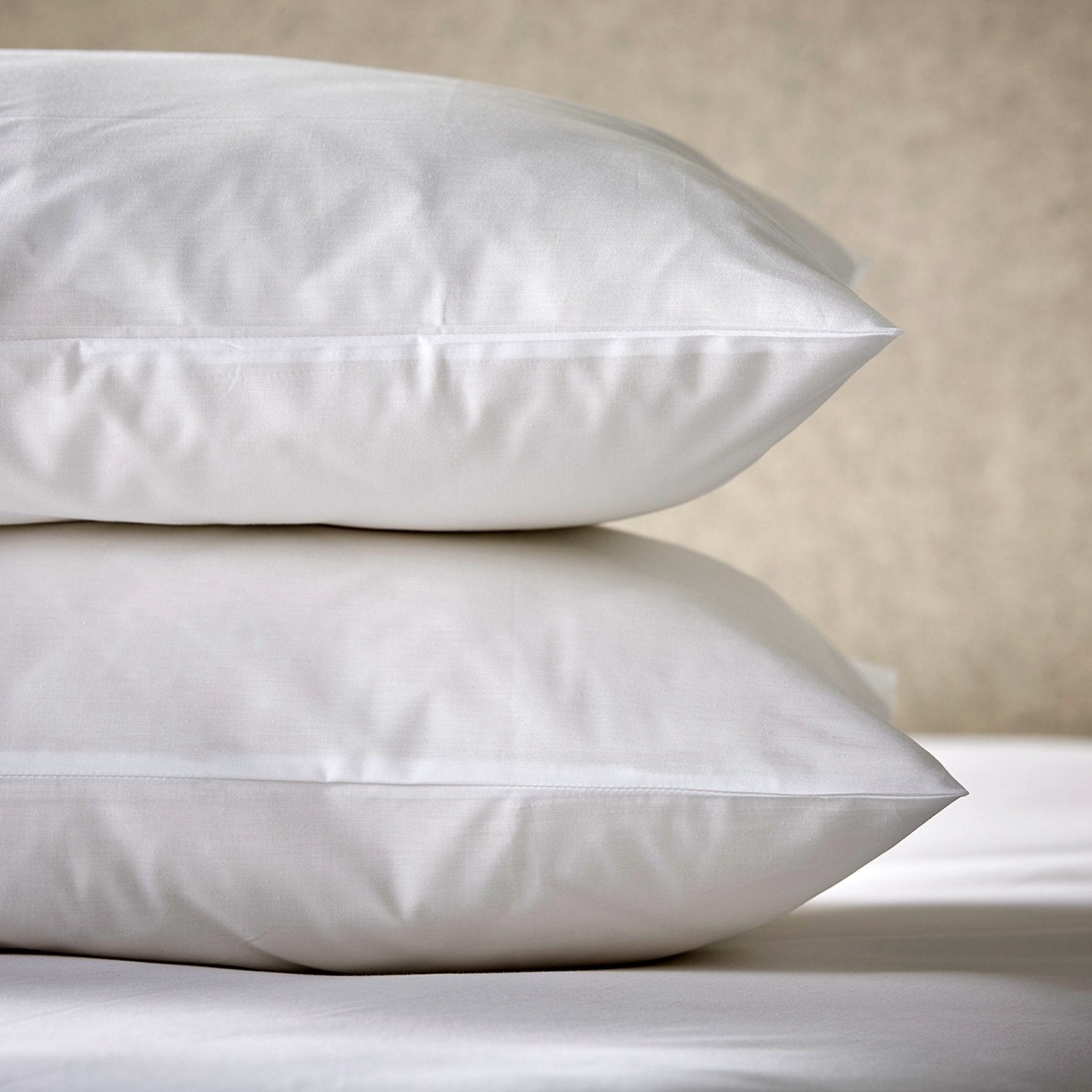
Cotton is a versatile material for sheets because different weave patterns impart different features. Percale is known for its crisp, matte finish. It feels lightweight and cool to the touch, so it’s ideal for warm months and hot or sweaty sleepers. Sateen is smoother and heavier, with a subtle sheen. Because it has a closer drape, it works well when it’s cooler and those who like a softer, more sumptuous feel.
From where we stand, the best bed linens maximize breathability and enhance the benefits of our natural wool bedding collection for the most restorative sleep. That’s why our sheets are made with organic cotton certified by the Global Organic Textile Standard (GOTS), which means they’re responsibly and ethically made without the use of harmful chemicals or finishes at any stage of production. They’re naturally breathable, hypoallergenic, and designed to soften with every wash, without pilling or degrading the way cheaper fabrics often do.
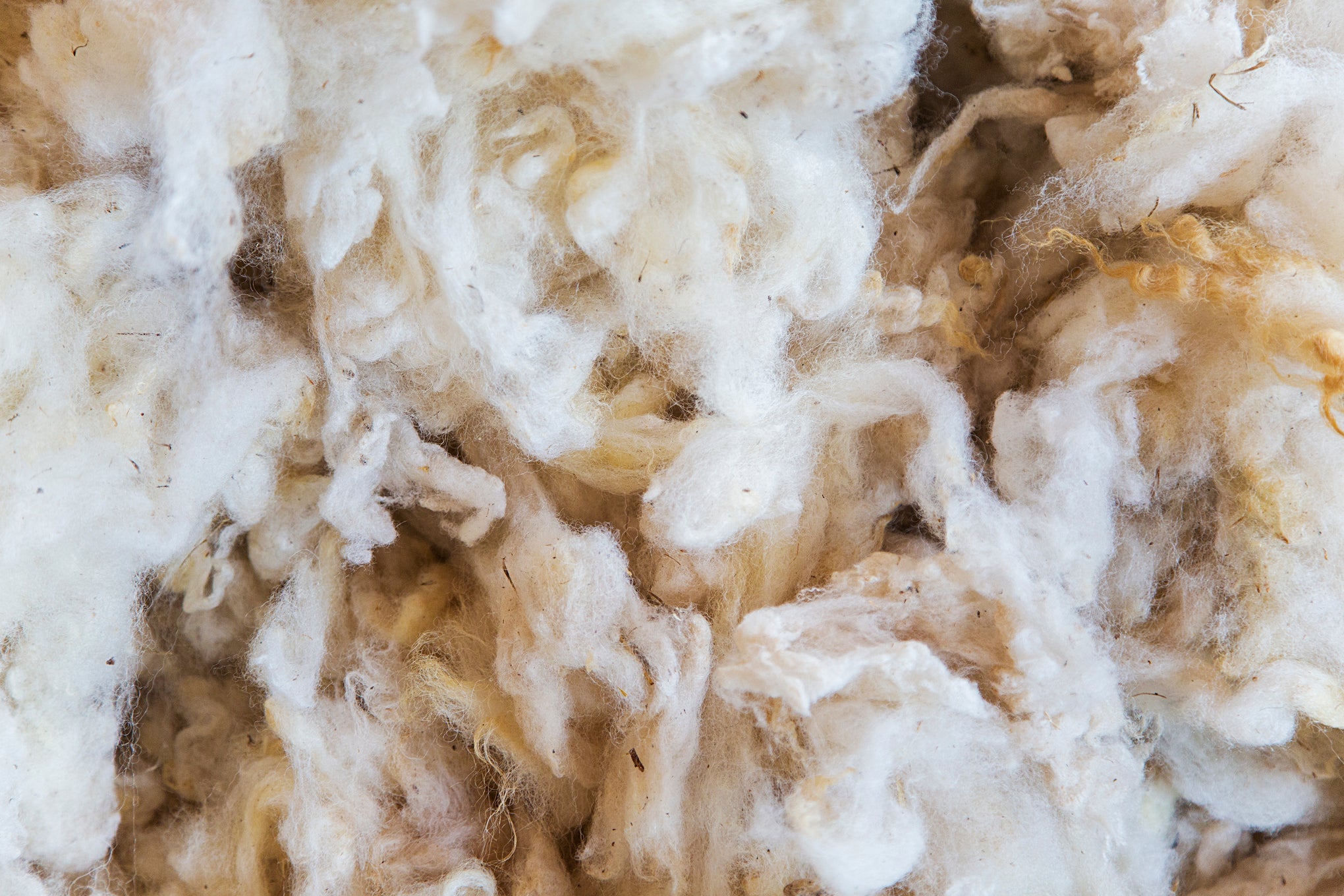
If the goal is bedding that supports your body’s natural rhythms, remember to think in layers. Pairing cotton sheets with a wool comforter or mattress topper supports temperature regulation across the entire bed. It creates a complementary system for a naturally-derived sleep environment—and more restful nights.
Feel: What Comfort Really Means for Your Sleep
At some point, thread counts became shorthand for quality and the general assumption was that the higher the thread count, the softer and better the sheets. That’s an inaccurate take on this number, which is simply a measure of the number of threads in a single square inch of material.
Thread count does influence feel to some degree. For instance, sheets with a thread count of 180 will usually feel a little rougher than those at 300. But a thread count over 400 often means the weave is too dense to allow air to circulate well, which creates sheets that feel heavier and sleep hotter.
For cotton sheets, appropriate thread counts depend on the weave. A good percale (which is a one-over-one-under weave) is often 200 to 300, which keeps it light and crisp. For a sateen weave, which has a four-over-one-under pattern, 300 up to 500 is appropriate. That’s what creates the denser, smoother feel and makes sateen feel so much softer and heavier than a percale, even when they have a similar thread count.
Still, the better focus is on fiber quality, not thread count. Long-staple organic cotton, for instance, produces a smoother, more durable yarn that shorter, cheaper fibers, regardless of how they’re woven.
How sheets feel is also personal, and individual factors that affect how you sleep are worth considering ahead of time.
- Hot sleepers often do best with percale. Because it’s so light and crisp, it doesn’t trap heat or drape too closely.
- Cold sleepers usually find sateen sheets feel slightly warmer. Pro tip: Pairing them with wool bedding supports temperature regulation without bulky weight.
- Those with sensitive skin or sustainability concerns should opt for organic cotton. Unlike synthetic fabrics that can cause irritation, organic cotton sheets are free from chemical residues and finishes, and they’re manufactured with the environment in mind.
Woolroom’s organic cotton sheets are made without synthetic softeners and finishes. Instead, the cotton itself softens with every washing, which is the natural fiber simply doing what it’s supposed to do. To keep them performing their best, here’s how to maintain your Woolroom sheets:
- Wash on a gentle cycle with a mild detergent. Skip the fabric softener, which coats natural fibers and impacts breathability over time
- Line dry or use a low heat setting. High heat weakens natural fibers and shortens their lifespan.
- For that hotel-like crispness, use an iron while the sheets are still slightly damp.
Function: Sheets That Fit Your Lifestyle and Values
Fabric and feel are a major focus, but function is what determines whether you’ll still love a particular sheet set a few years down the road. Function covers a lot of territory: performance across different seasons, how well it fits on the bed, ease of care, long–term durability, and sustainability.
To that end, it can be helpful to consider the following before you make a purchase:
- Will the sheets regulate my temperature throughout the year?
- Are they easy to care for and long-lasting?
- Are the materials safe for my skin and the planet?
- Do they work with other bedding I already own?
There are a few practical tips that aren’t always suggested. Check that fitted sheets included in a set are deep enough to fit your mattress. Sheets that don’t fit properly can lead to corners slipping off at some point in the night—an annoyance best avoided. Look for well-finished seams and quality stitching, which are useful clues into how sheets have been constructed. This is what separates sheets that might last six months versus six years. Finally, small but helpful features like directional tags go a long way when you’re making the bed, and it’s a thoughtful addition that often suggests a high level of care went into constructing a particular set of sheets.
Sheets aren’t always constructed with an eye to the environment. But that’s something we take very seriously here at Woolroom. Our sheets are made with GOTS-certified organic cotton, meaning they aren’t exposed to synthetic pesticides and use significantly less water than conventional cotton farming. GOTS certification also serves as reassurance that the people growing and processing the fiber work under ethical conditions. Choosing organic materials also means you sidestep the microplastic pollution that comes with every wash of polyester or microfiber sheets.
Better Sheets, Better Nights
When you’re buying new sheets, it’s easy to fixate on the wrong details, like the highest thread count or the lowest price. But once you know what actually matters, choosing new sheets is pretty straightforward. Focus on fabric first: natural fibres like organic cotton outperform synthetics in breathability, durability, and skin comfort every time. Let feel guide your choice from there, based on your sleep style, your climate, and your personal preference for crisp or smooth. Then think about function: how the sheets fit the bed, but how they fit your life, your values, and the rest of your sleep setup.
At Woolroom, our organic cotton sheets are designed to do exactly that — perform well, last well, and work comfortably alongside the rest of your natural sleep setup. If you're ready to make the switch, our sheet collection is a good place to start.