Key Takeaways
- Percale’s crisscross weave allows air to circulate and heat to escape, while organic cotton naturally wicks moisture—together they prevent the overheating and clamminess synthetic or sateen sheets can cause.
- Higher thread count isn’t better for hot sleepers: percale’s ideal range (200–400) stays breathable, while tighter, higher-count weaves trap more heat.
- Woolroom’s GOTS-certified organic cotton percale is processed without harsh chemicals, so the fabric stays light and airy instead of relying on coatings that trap heat and off-gas VOCs.
If you normally sleep hot, soaring summer temperatures can make your nights downright uncomfortable—unless you’re sleeping with percale sheets. Between the one-over-one-under weave and cotton’s natural breathability, organic percale sheets are airy and lightweight. But the best part is that they don’t trap heat. If you’re bracing yourself for a few months of sweaty, uncomfortable nights, here’s how Woolroom’s organic cotton percale sheets can keep you cool all summer.
What Makes Percale Different from Sateen (and Why It Matters for Heat)
The fundamental difference between percale and sateen is the weave. Percale has a crisscross pattern (one-over-one-under) that maximizes airflow and breathability. It makes the fabric feel crisp, lightweight, and cool to the touch. Sateen runs multiple vertical threads over a single horizontal thread, which makes the finished fabric denser and a little heavier. The tighter weave means sateen sheets have a silky feel with a subtle sheen and elegant drape, but it also means they trap more heat. For hot sleepers, that insulating quality can spell trouble.
How Percale Regulates Body Temperature
The secret to percale’s temperature regulation is twofold. First is the weave. The grid pattern creates tiny gaps in the fabric, so air can pass through instead of getting trapped against your skin. That constant airflow lets heat escape as your body temperature fluctuates through the night, preventing the overheating and clamminess that comes with denser weaves.
Second is the fiber itself. Organic cotton is hydrophilic, meaning it absorbs moisture instead of repelling it. As a natural cellulose fiber, cotton helps pull moisture away from the skin into the fabric, where it can evaporate. Synthetic or tightly-woven fabrics insulate, but percale’s weave and fiber structure don’t. That’s why it feels noticeably cooler even when the room temperature is the same.
Why Organic Cotton Outperforms Synthetic Blends for Hot Sleepers
Synthetic fabrics, like polyester and microfiber, are petroleum-based. While they might feel soft at first, they’re notorious for trapping heat and humidity—which only makes you hotter and sweatier. Worse, that out-of-the-package softness or features like wrinkle resistance often come courtesy of chemical coatings that can compound heat retention (not to mention, off-gas volatile organic compounds).
Organic cotton is different. It does a much better job of wicking moisture, for one, and in a percale weave, it allows air to move around. Plus, certified organic cotton is grown and processed without harsh chemicals, which means the finished fabric stays light and airy. Plus, it’s much better from an environmental perspective since organic cotton farming skips the synthetic pesticides and fertilizers used in conventional cotton production.
Thread Count Myths: Why Higher Isn’t Always Cooler
Thread count describes the number of vertical and horizontal threads in a square inch of fabric, which can give you a sense of a fabric’s texture, weight, feel, and appearance. The common misconception is that a higher thread count is automatically better. For hot sleepers especially, that’s inaccurate. Higher thread counts mean a tighter weave and more heat retention. Percale has a thread count between 200 and 400, which is what contributes to its crisp feel and excellent breathability. For hot sleepers, that’s an ideal thread count range.
Woolroom’s Percale Sheets vs. Traditional Cotton Sheets: Key Differences
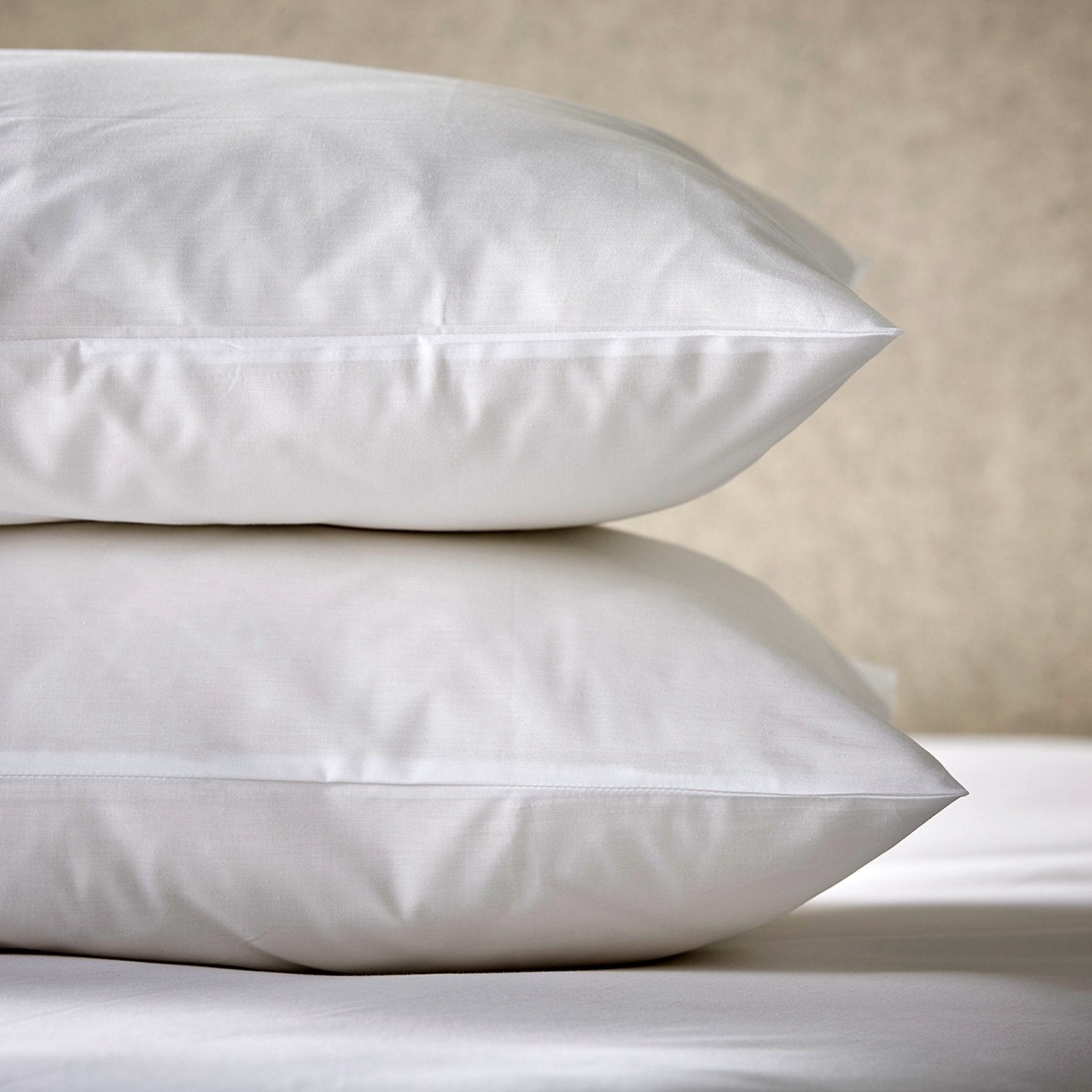
Cotton sheets are easy to find. But the difference in quality between conventional cotton sheets and a premium option like the organic cotton percale sheets from Woolroom is dramatic. Our single-ply, 200-thread-count organic cotton is naturally breathable and luxurious—the perfect pairing to our natural wool bedding. Our sheets (which include bed sheets, pillowcases, and comforters) are lightweight and airy, but the long-staple fibers mean they’re incredibly durable and resistant to pilling. They’re garment dyed and stone washed, and they come in a choice of eight stylish yet muted colors, with thoughtful upgrades like deep pockets, envelope-style pillowcases, and button closures. We make our percale sheets with cotton certified by the Global Organic Textile Standard (GOTS).
Care Tips to Keep Your Percale Sheets Cool and Crisp All Season
For hot sleepers, the goal is keeping percale sheets crisp and cool, so a little care is in order. Percale sheets should be washed in cool to warm water (never hot, which can cause shrinking). Use a gentle detergent and avoid fabric softeners and dryer sheets, which coat the fibers and can affect breathability. Tumble dry on low heat, removing while they’re still slightly damp, and finish by hanging to fully dry or putting them directly on the bed. That can help smooth wrinkles.
Is Organic Cotton Percale Right for Your Sleep Style?
If overheating is a nightly struggle, organic cotton percale bedding is worth considering. The combination of an airy weave and moisture-wicking cotton addresses the two biggest culprits behind hot, sweaty nights—trapped heat and trapped humidity—without relying on the chemical coatings or synthetic fibers that make the problem worse.
For most hot sleepers, organic cotton percale is a straightforward, low-maintenance way to stay cool without sacrificing durability or comfort. Woolroom's GOTS-certified percale sheets pair that breathability with the same natural, chemical-free approach we bring to our wool bedding. It makes for a full sleep system built around staying cool and comfortable through the warmest months.
Frequently Asked Questions
Are percale sheets cool in summer?
Yes, percale has a one-under/one-over structure that allows air to circulate and gives the fabric a crisp, cool feel. That makes percale sheets a great option during hot summer months.
Is organic percale good for hot sleepers?
Percale sheets have excellent breathability thanks to their plain weave, which allows air to move freely. Hot sleepers will find organic percale sheets, like those from Woolroom, don’t trap heat.
What are the disadvantages of percale sheets?
Percale sheets, while light and breathable, can be prone to wrinkling and often need a break-in period to soften. Cold sleepers may find they feel too cool.
Is organic cotton percale breathable?
Yes. Percale has a one-over/one-under pattern that allows air to circulate. Percale sheets have a crisp, cool feel and excellent breathability.