Key Takeaways
- The best temperature for sleep is typically between 16°C and 18°C (60°F and 65°F, as this supports your body’s natural cooling process.
- Sleep quality depends on more than room temperature - your body also needs to release heat and moisture throughout the night.
- This creates a microclimate within your bed, which can become too warm or humid if not properly regulated.
- Bedding materials play a key role in maintaining a stable sleep temperature, not just how warm or cool your room feels.
- Materials that trap heat or moisture can lead to overheating and disrupted sleep, even in a cool bedroom.
- Breathable, moisture-regulating fibres such as wool can help maintain a more consistent and comfortable sleep environment.
You’ll already know how much temperature can affect your sleep - especially if you’ve ever kicked off the duvet in the middle of the night or woken up feeling too cold to settle.
Most sleep experts agree that the best temperature for sleeping is . This is generally the range that supports your body's natural cooling process, helping you fall asleep faster and stay asleep longer.
But does that mean all you need to do is adjust your thermostat to this sweet spot, and sweet dreams await? Not quite. While this guideline is useful, it's only part of the story. The temperature of your room matters - but so does the environment within your bed.
Why a Good Sleeping Temperature Matters
Sleep isn't something that simply happens when you close your eyes - no matter how many sheep you count. It's a carefully regulated biological process, closely linked to your circadian rhythm - your internal body clock.
As the evening approaches, your body begins to prepare for sleep by lowering its core temperature slightly. This drop signals that it's time to rest. Throughout the night, your temperature continues to decrease before rising again in the early morning to help you wake up. This process, known as thermoregulation, is essential for the onset of sleep.
Your sleep environment plays a direct role in supporting this process:
- If your bedroom is too warm, your body struggles to lose heat
- If it’s too cold, your body works harder to stay comfortable
Either way, this disruption can affect how quickly you fall asleep, how deeply you sleep, and how often you wake during the night.
What Is the Ideal Room Temperature for Sleeping?
For most adults, the recommended bedroom temperature for sleeping sits between 16°C and 18°C.
This supports your body’s natural cooling process, helping you achieve deeper, more restorative sleep. Temperatures above 24°C (75°F) are widely associated with disruption, while temperatures below 12°C (53°F) can make it difficult to stay comfortable. This is why the ideal room temperature for sleep is typically recommended within this range.
However, personal preference does play a part. Some people naturally sleep warmer or cooler than others. Factors such as age, health and bedding all influence what feels comfortable to you as an individual.
Consistency is just as important as the exact temperature. A stable sleep environment night after night helps reinforce your body's natural rhythm.
Room Temperature Doesn't Tell the Whole Story
Setting your thermostat is a good starting point, but it doesn't fully determine how warm or cool you might feel at night.
Your body continuously produces heat as you sleep. At the same time, you release moisture through your skin. Even if you don't wake up sweating, your body will quietly lose a significant amount of moisture overnight – . This creates a small microclimate between your body and your bedding.
If that heat and moisture can’t escape - because your duvet isn't breathable, it begins to build up. This is why you can feel too hot even in a cool room - or too cold despite having heavy layers.
Sleep temperature isn't just about the air in your room. It's about how effectively your bedding manages heat and moisture around your body.
How Your Bedding Affects Sleep Temperature
When heat and moisture can’t escape, your sleep temperature becomes unstable - even if your room is within the recommended range. This is where your duvet plays a crucial role.
Different materials manage heat and moisture in very different ways. Some tend to trap warmth close to the body (such as synthetic fibres like polyester hollowfibre or microfibre), while others allow airflow but struggle to deal with the moisture your body releases overnight (such as feather and down fillings).
In both cases, the result is the same: a gradual build-up of heat that can leave you feeling too warm, or fluctuating between hot and cold.
Wool Duvets Can Help You Reach an Optimal Sleeping Temperature
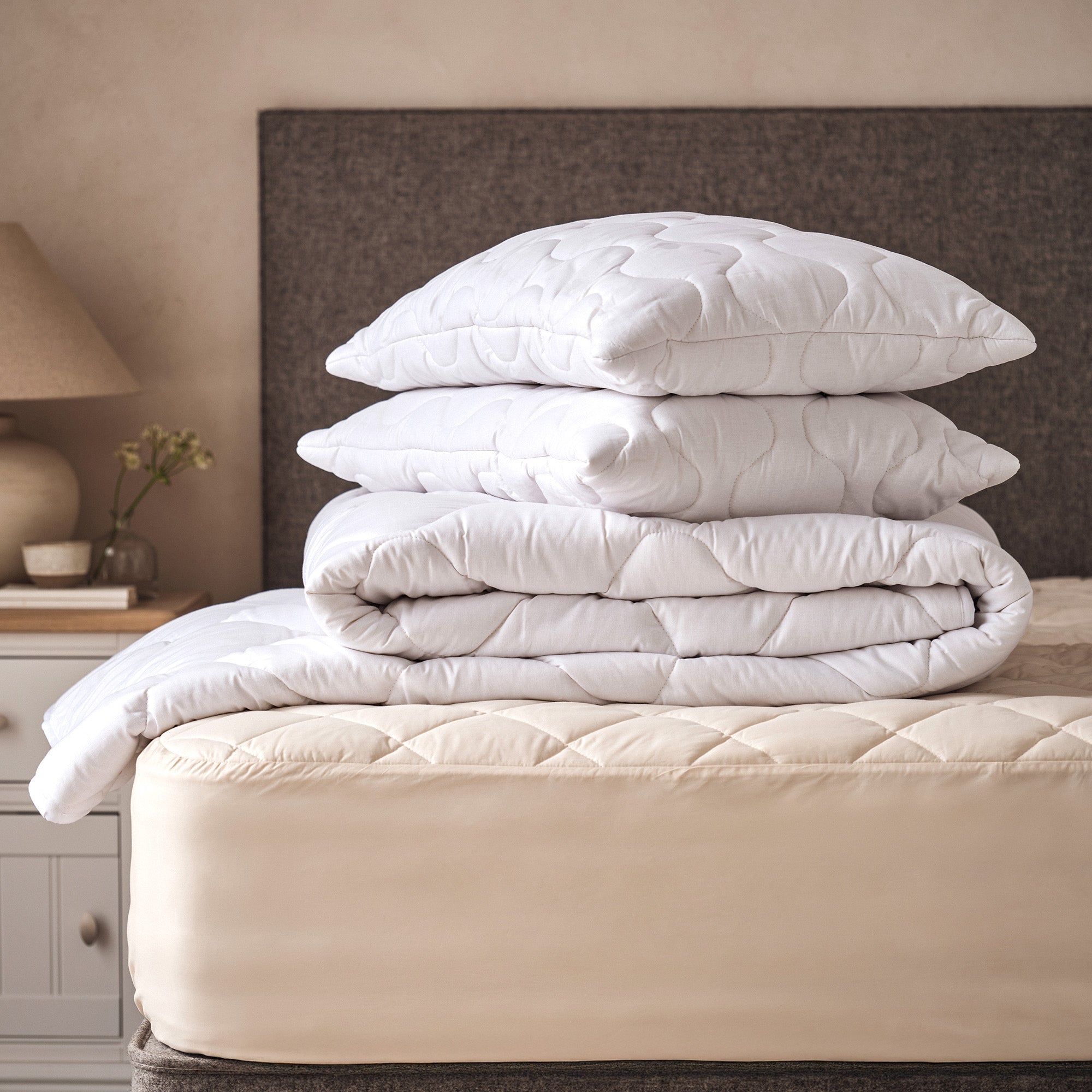
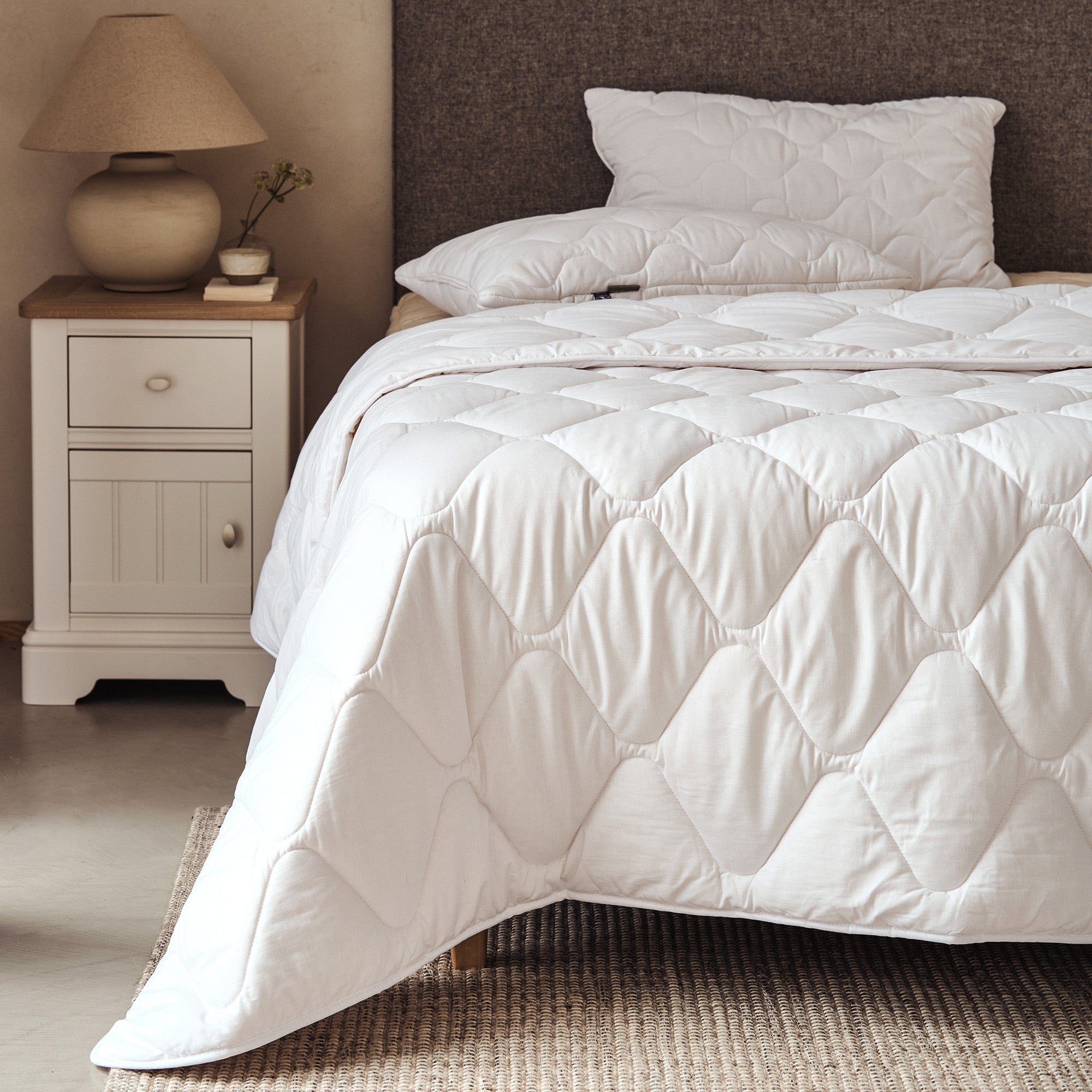
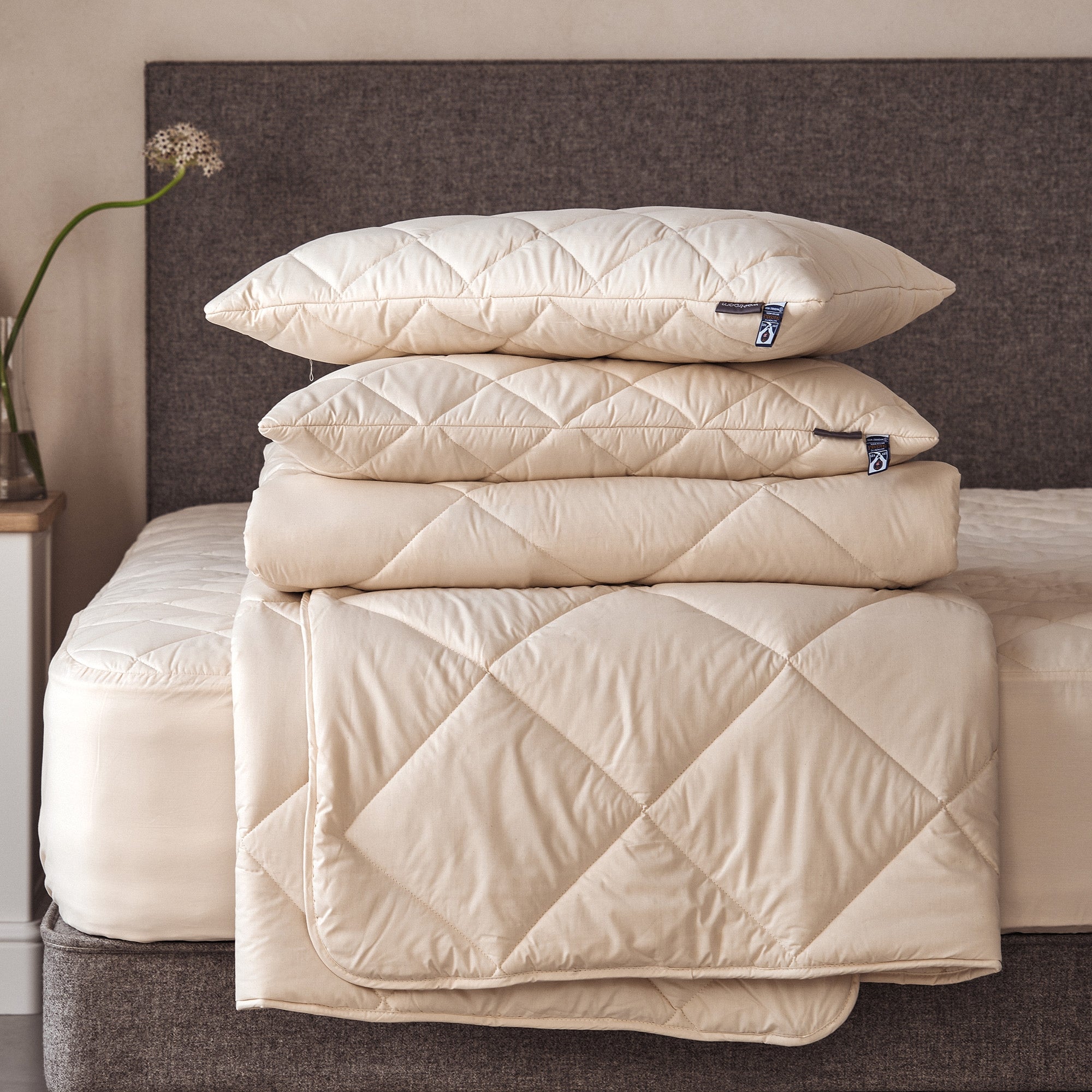
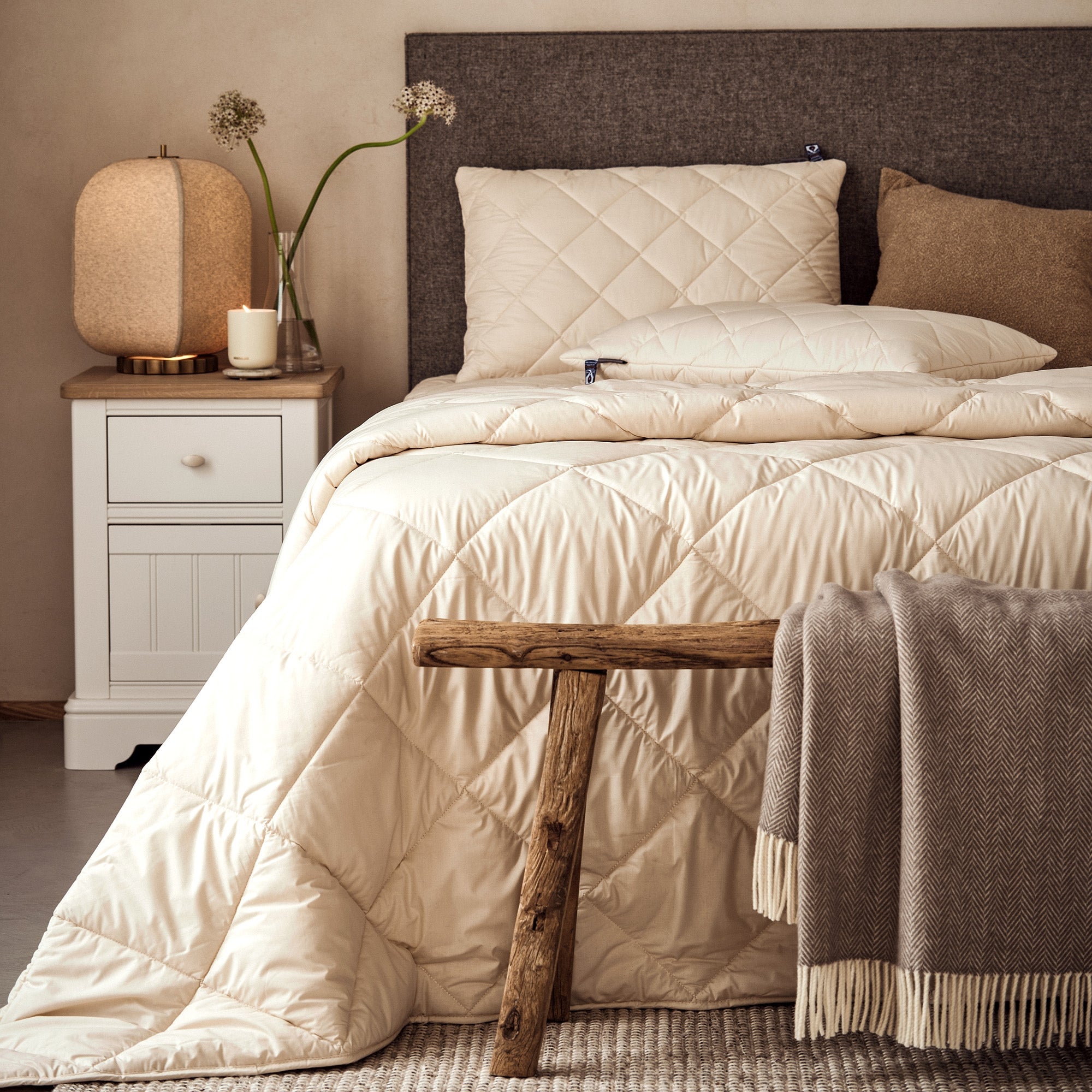
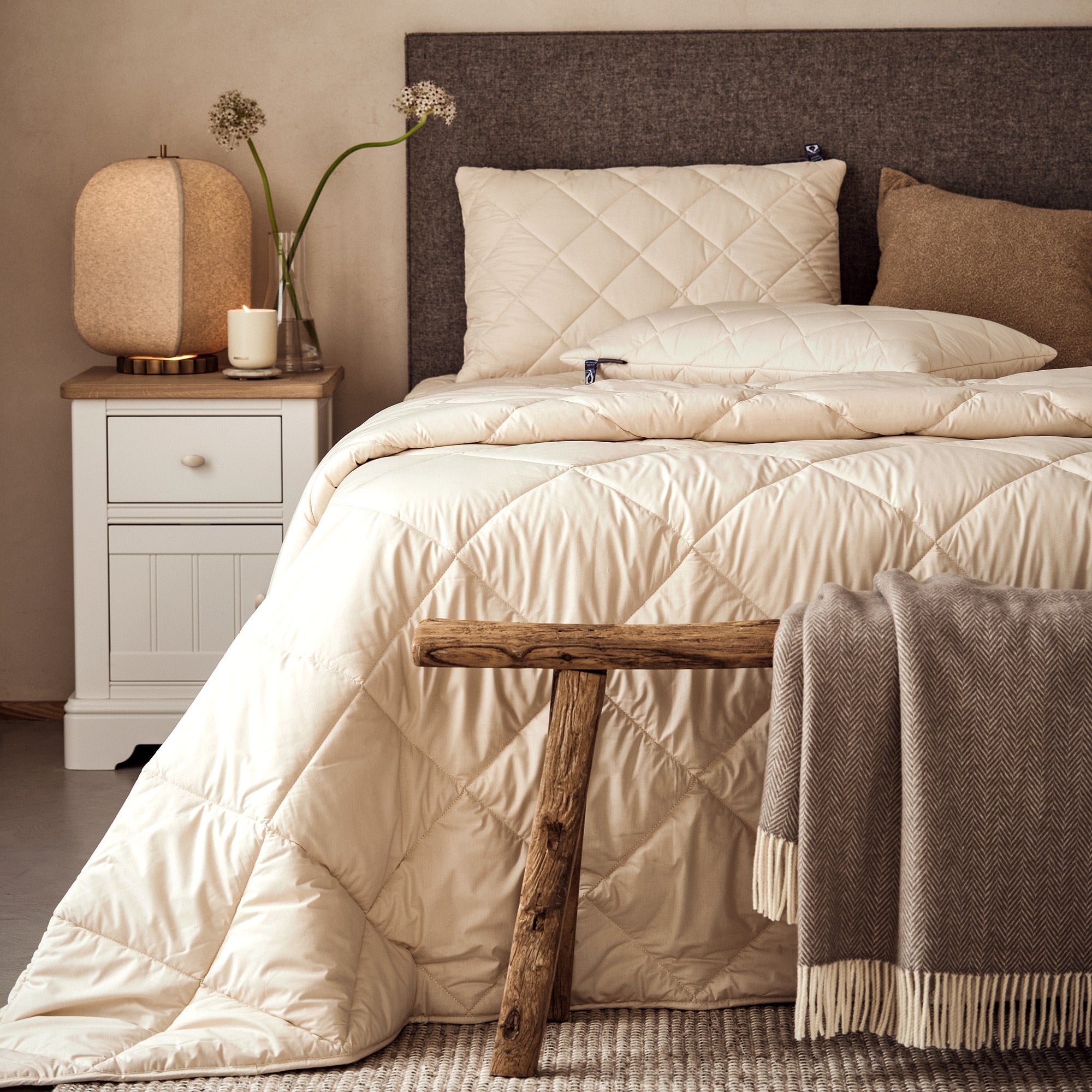
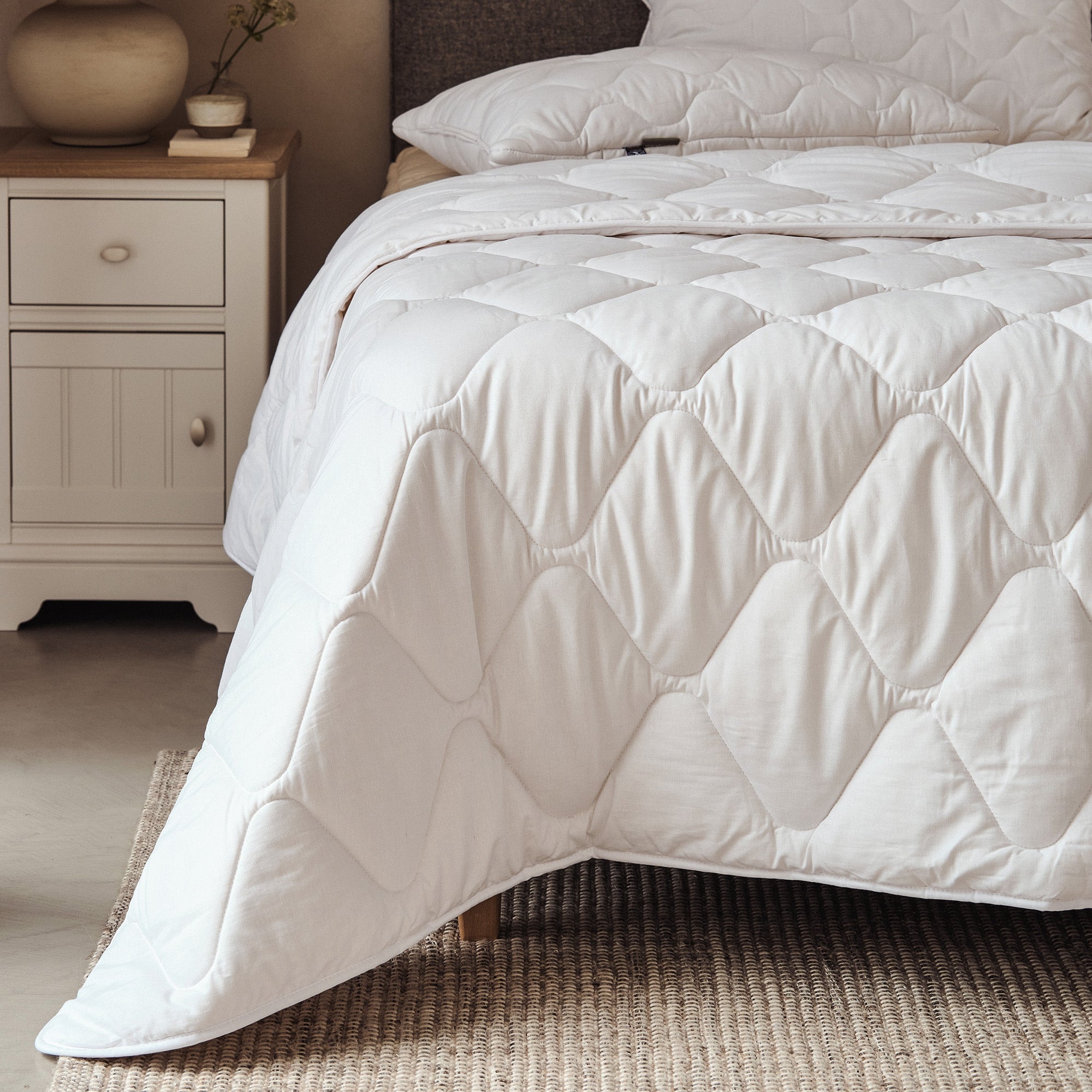
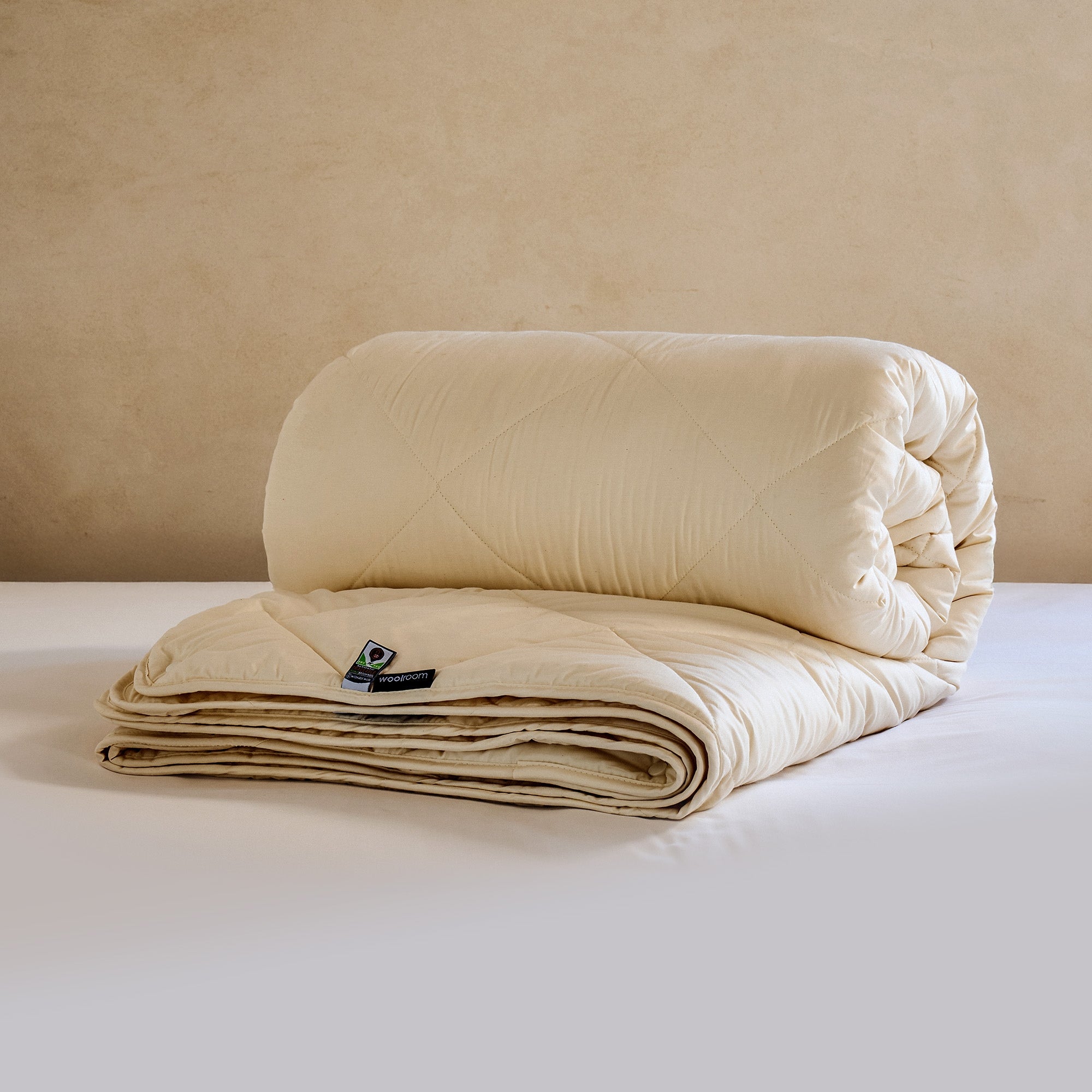
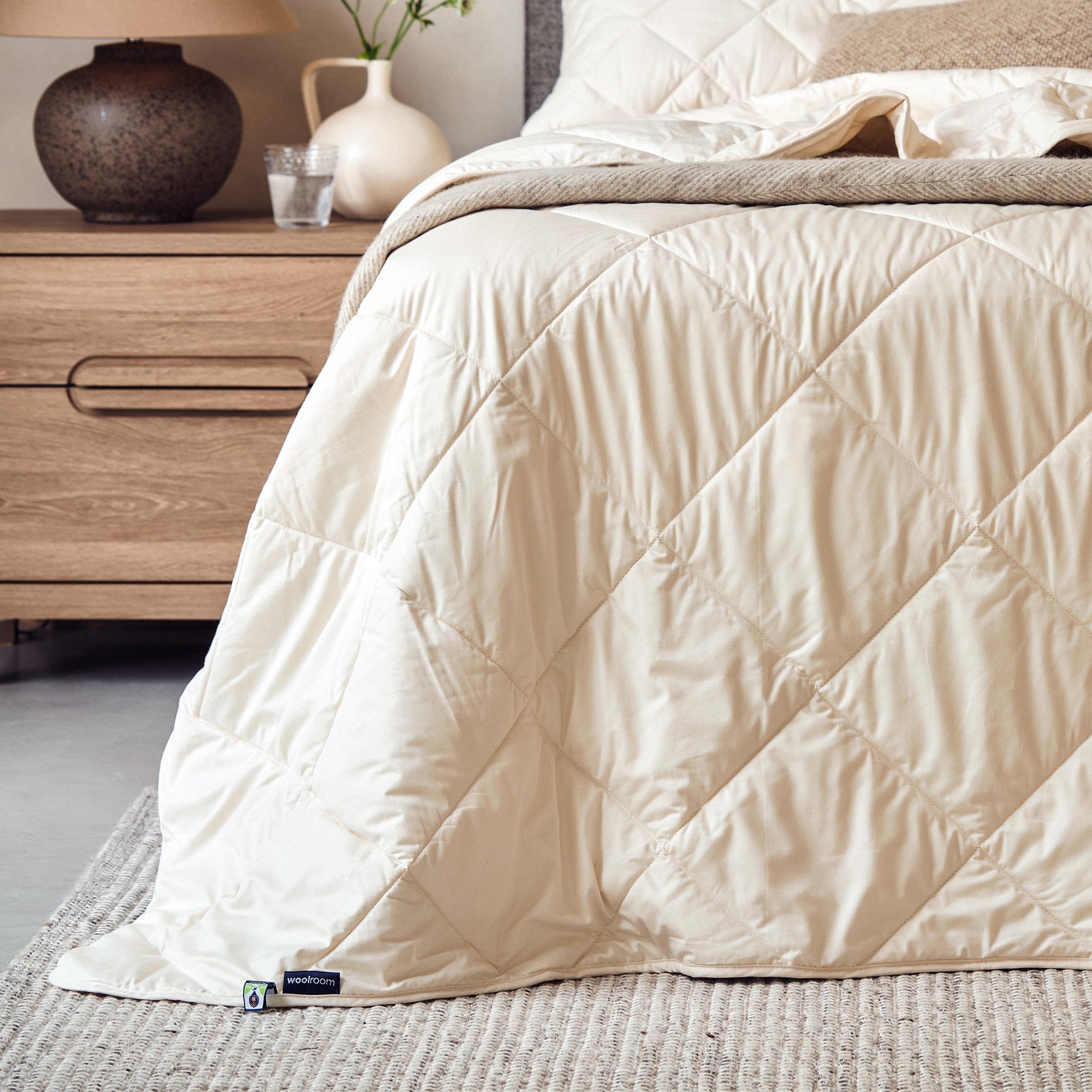
Wool works differently to other materials. Rather than trapping heat, wool duvets help regulate temperature by allowing excess warmth to dissipate while also moving moisture away from the body. This helps maintain a more consistent sleep environment - one that stays closer to your ideal temperature throughout the night.
Independent research, conducted by the International Wool Textile Organisation (IWTO) in partnership with Bangor University, has shown that wool duvets can help regulate temperature more effectively. It also found that wool transfers moisture away from the body more efficiently than synthetic and feather and down alternatives, helping to reduce the build-up of heat and humidity during sleep.
How to Maintain the Ideal Sleep Temperature
Creating the right sleep temperature isn’t about one single adjustment. It’s about how your environment works together to support your body’s natural cooling process.
- Set a consistent room temperature
Aim to keep your bedroom between 16 and 18°C, and avoid large fluctuations overnight. A stable environment helps reinforce your body’s natural rhythm and makes it easier to stay asleep.
- Choose bedding that regulates temperature
Your duvet and bedding should allow heat and moisture to escape, rather than trapping them. Materials that hold onto warmth or humidity can disrupt your body’s ability to regulate its temperature during the night - even if your room is within the recommended range.
Natural fibres such as wool are particularly effective, as they help regulate both temperature and moisture throughout the night.
- Layer your bedding
Using layers allows you to adjust your sleep environment as conditions change, rather than relying on a single, fixed level of warmth.
- Keep your bedroom well ventilated
Airflow helps prevent heat and humidity from building up, particularly in warmer months or well-insulated homes. Even small amounts of ventilation can make a difference.
- Wear breathable sleepwear
Heavier fabrics or synthetic materials can contribute to overheating. Lighter, breathable fibres can help your body maintain a more stable temperature throughout the night.
Small adjustments like these can make a noticeable difference. When your sleep environment supports your body’s natural temperature regulation, it becomes easier to fall asleep, stay asleep, and wake feeling properly rested.
Conclusion: Room Temperature Doesn't Equal Best Sleep Temperature
It’s easy to think that setting your room to the right temperature is enough. While 16°C to 18°C is often recommended, it doesn’t account for what happens once your body begins generating heat and releasing moisture during the night. What you sleep under each night, and what it’s made of, has just as much impact as your thermostat setting. If your sleep environment becomes too hot or too cold, it can make it harder to fall asleep.
As a breathable natural fibre, wool helps regulate both heat and moisture throughout the night. It allows your body to reach that 'just right' sweet spot and stay there for a better night's sleep - whether you sleep hot or cold, or a different temperature from your partner.
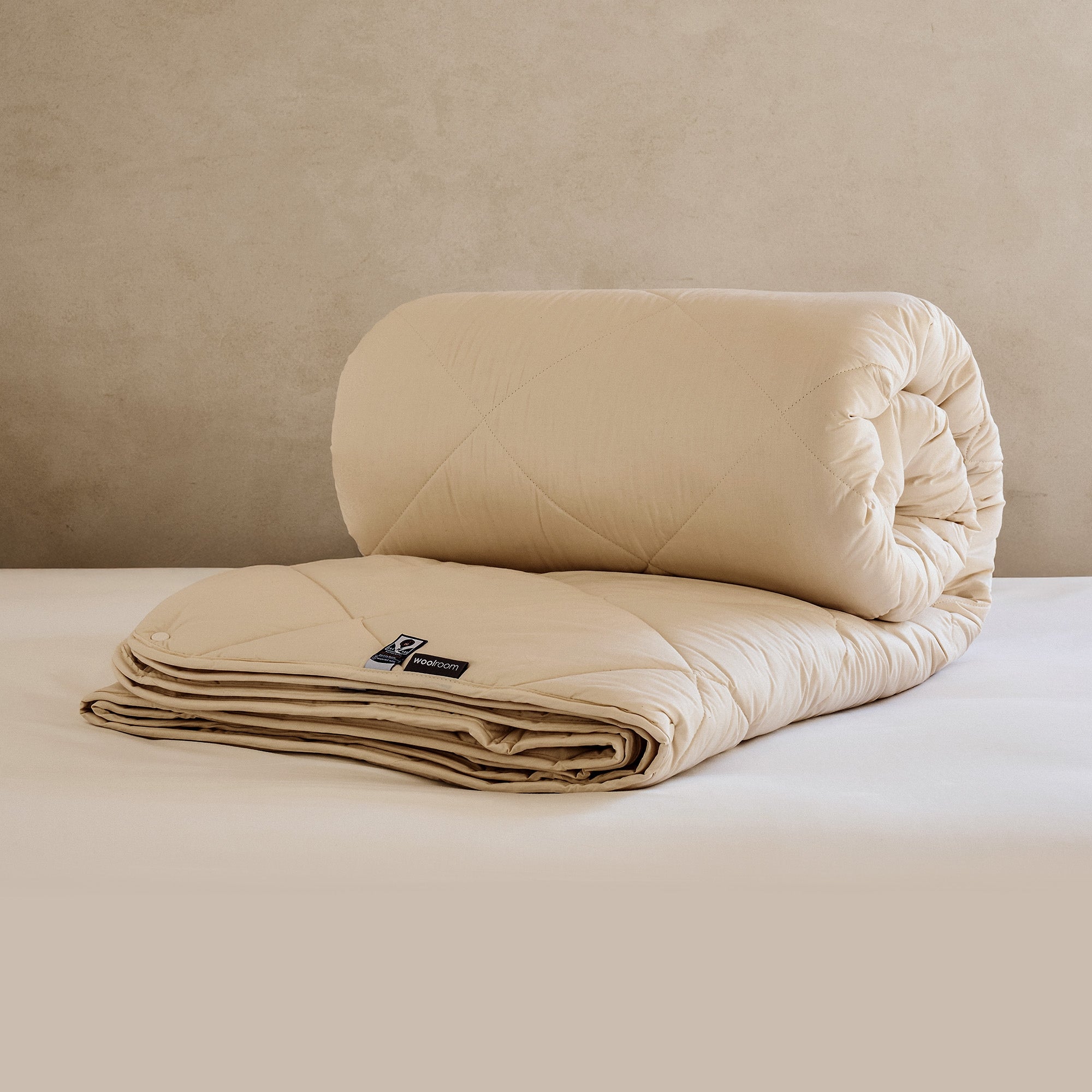
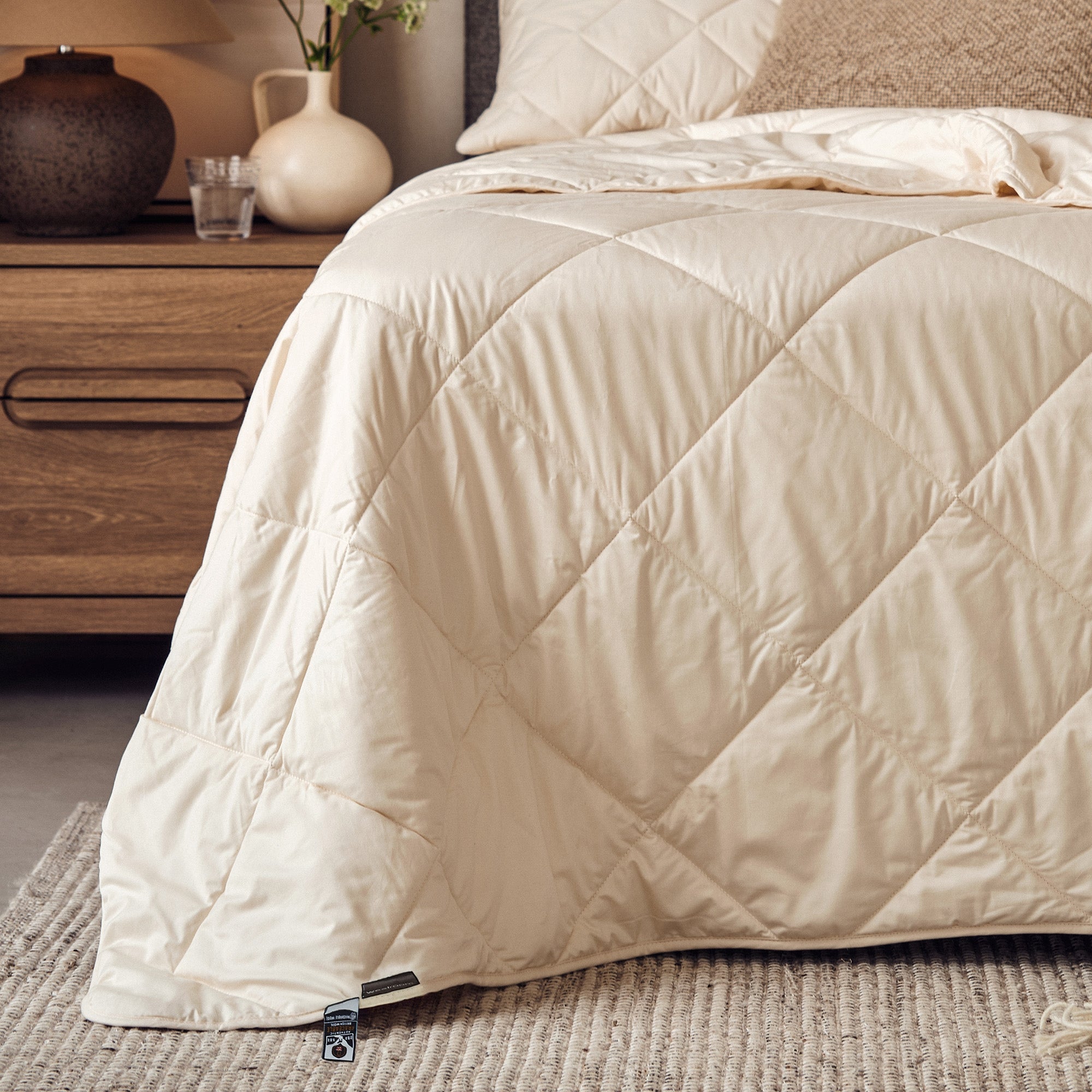
Explore the full range of Woolroom wool duvets, designed to help you reach the perfect sleep temperature, filled with 100% traceable British wool and endorsed by Allergy UK.