When you’re investing in better sleep, choosing the right materials for your bedding is one of the easiest ways to feel the difference night after night. That’s why natural fibres have become the gold standard. They breathe better, regulate temperature more effectively, and feel more comfortable against your skin. But once you move beyond synthetic fills, the comparison usually comes down to alpaca vs wool vs cashmere. Which natural fibre is actually best for your bed?
Let’s break it down in practical terms, so you can choose what works best for how you sleep.
The Contenders: A Quick Introduction
Before comparing performance, it helps to understand what each fibre actually is.
Alpaca
Alpaca fibre comes from alpacas raised primarily in South America. It’s smoother than many wools and has a lower micron count, which gives it a soft hand feel. Alpaca fibres are hollow, making them excellent insulators. That’s why alpaca vs wool comparisons often focus on warmth.

Cashmere
Cashmere is made from the fine undercoat of cashmere goats. It’s extremely soft, lightweight, and prized for luxury garments. Because the fibres are short and delicate, cashmere is less durable, which becomes important when we talk about bedding performance.

Wool
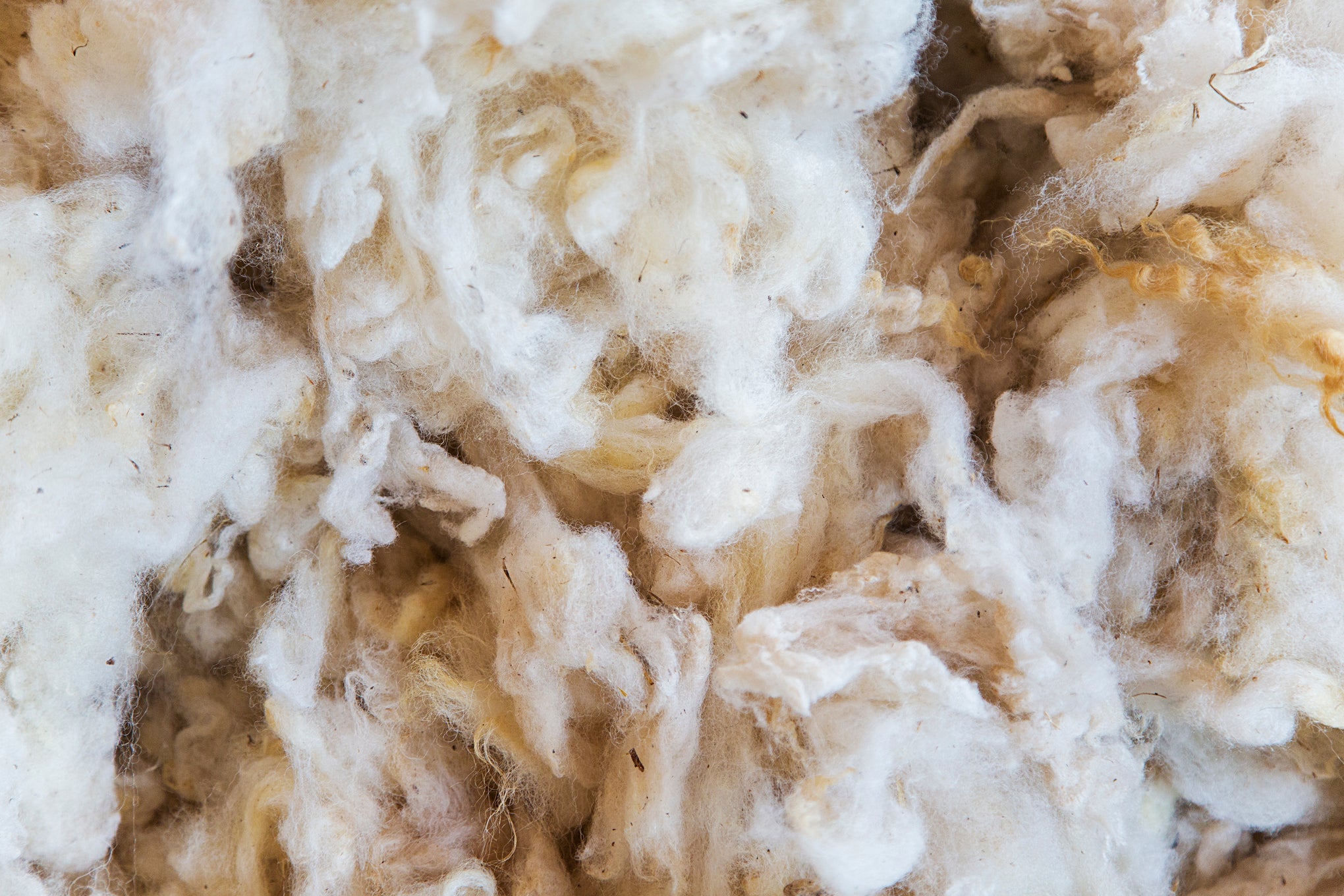
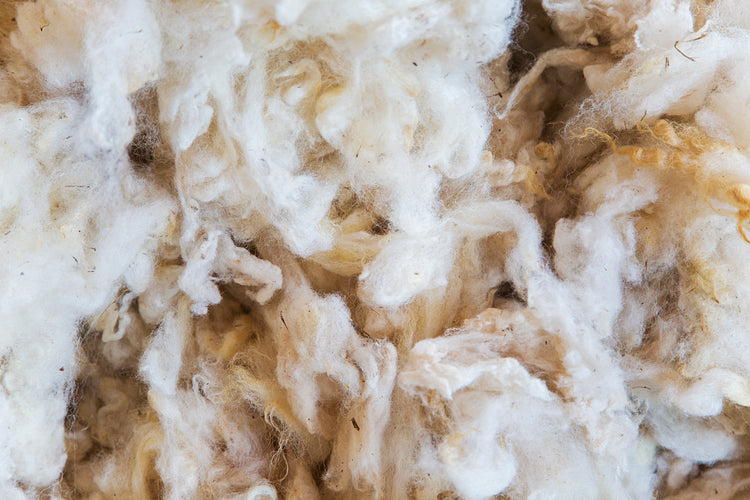
Wool typically comes from sheep and has a naturally crimped structure. That crimp creates spring, loft, and resilience. Wool fibres vary in micron count, but bedding-grade wool is selected for a balance of softness and strength. It’s breathable, moisture-absorbing, and naturally temperature regulating.

Temperature Regulation and Breathability
Sleep comfort depends heavily on how well your bedding handles heat and moisture.
Alpaca and cashmere are both very good insulators. They trap heat efficiently, which is great if you’re cold most of the time. However, for sleepers who run warm, this can be a downside. Cashmere and alpaca don’t release excess heat as effectively, and they don’t absorb as much moisture. That means heat and humidity can build up overnight.
This is where wool stands apart. The natural crimp in wool fibres creates tiny air pockets, which insulate when it’s cold but allow heat to escape when your body warms up. Wool also absorbs significantly more moisture than alpaca or cashmere, pulling humidity away from your skin and releasing it into the air.
The result is a stable sleep “microclimate.” You stay warm without overheating, and dry instead of clammy. In terms of thermal resistance and breathability, wool is designed for fluctuation, not just insulation.
Durability and Maintenance
Bedding isn’t decorative. It’s used every single night, which makes durability and care non-negotiable.
Cashmere is delicate. The fibres are short, which makes them prone to pilling, also known as bobbling. Over time, friction causes the surface to break down. Most cashmere bedding or accessories require dry cleaning, which adds cost and hassle.
Alpaca fibres are stronger than cashmere, but they can still felt or lose structure if washed incorrectly. Maintenance requires care, and repeated washing can reduce loft.
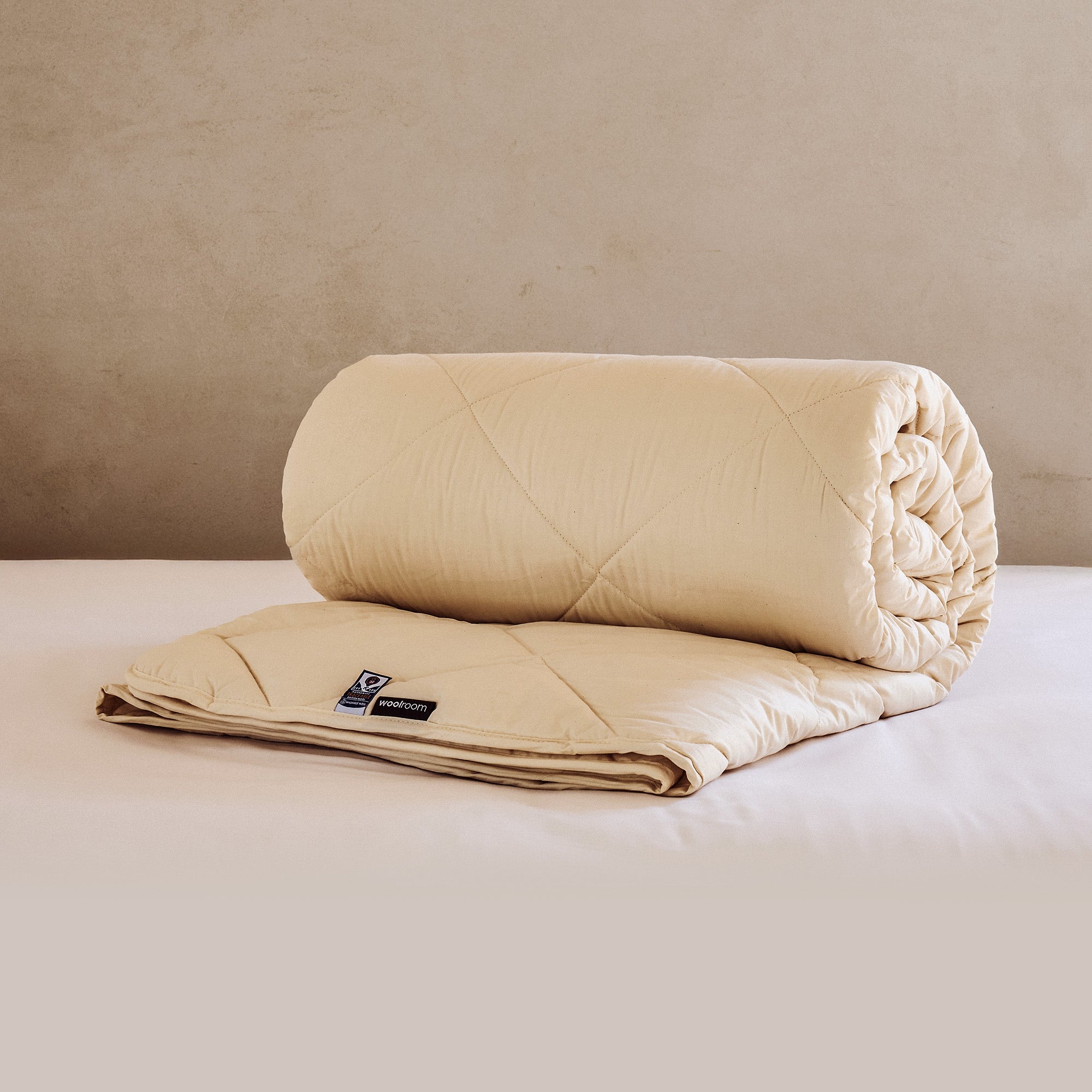
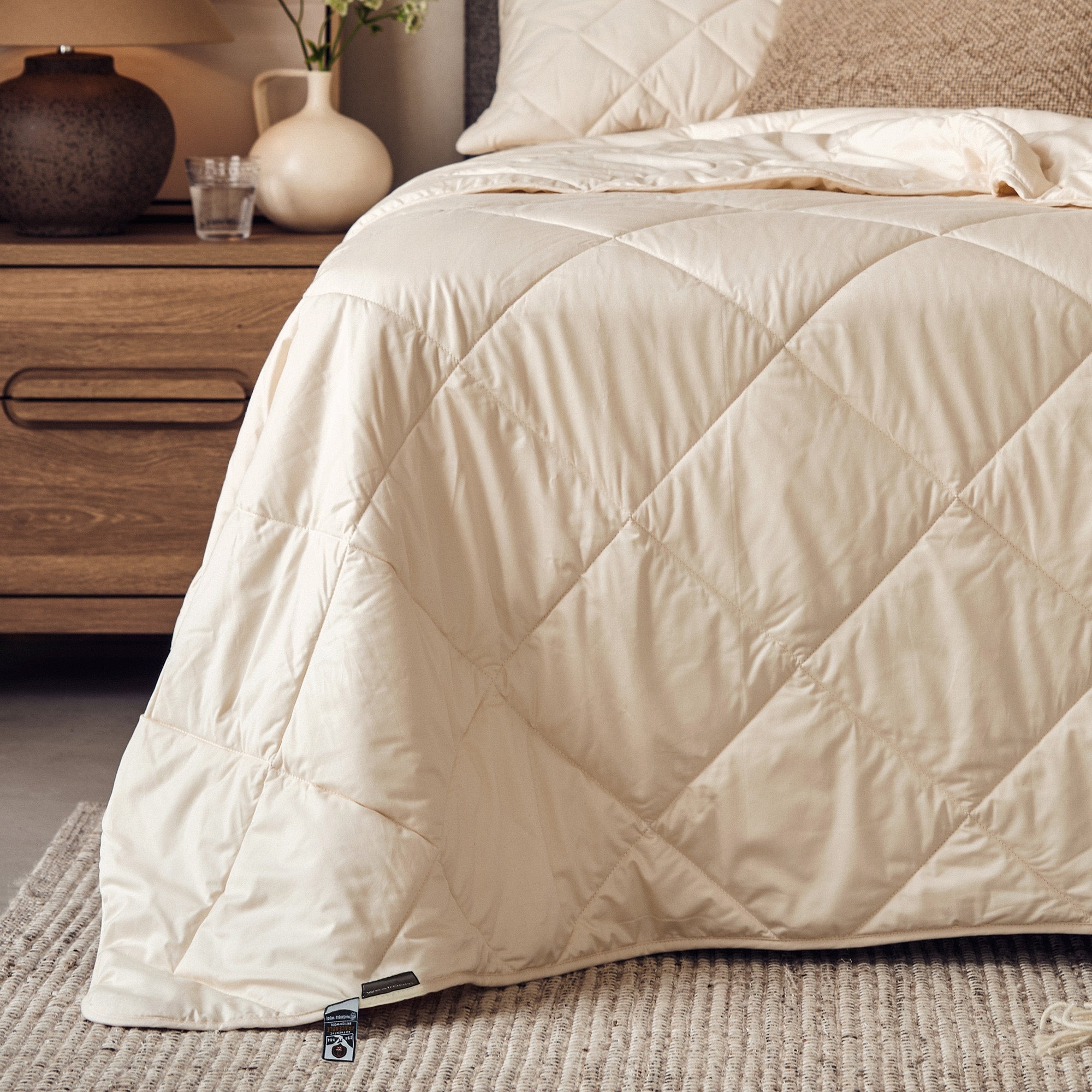
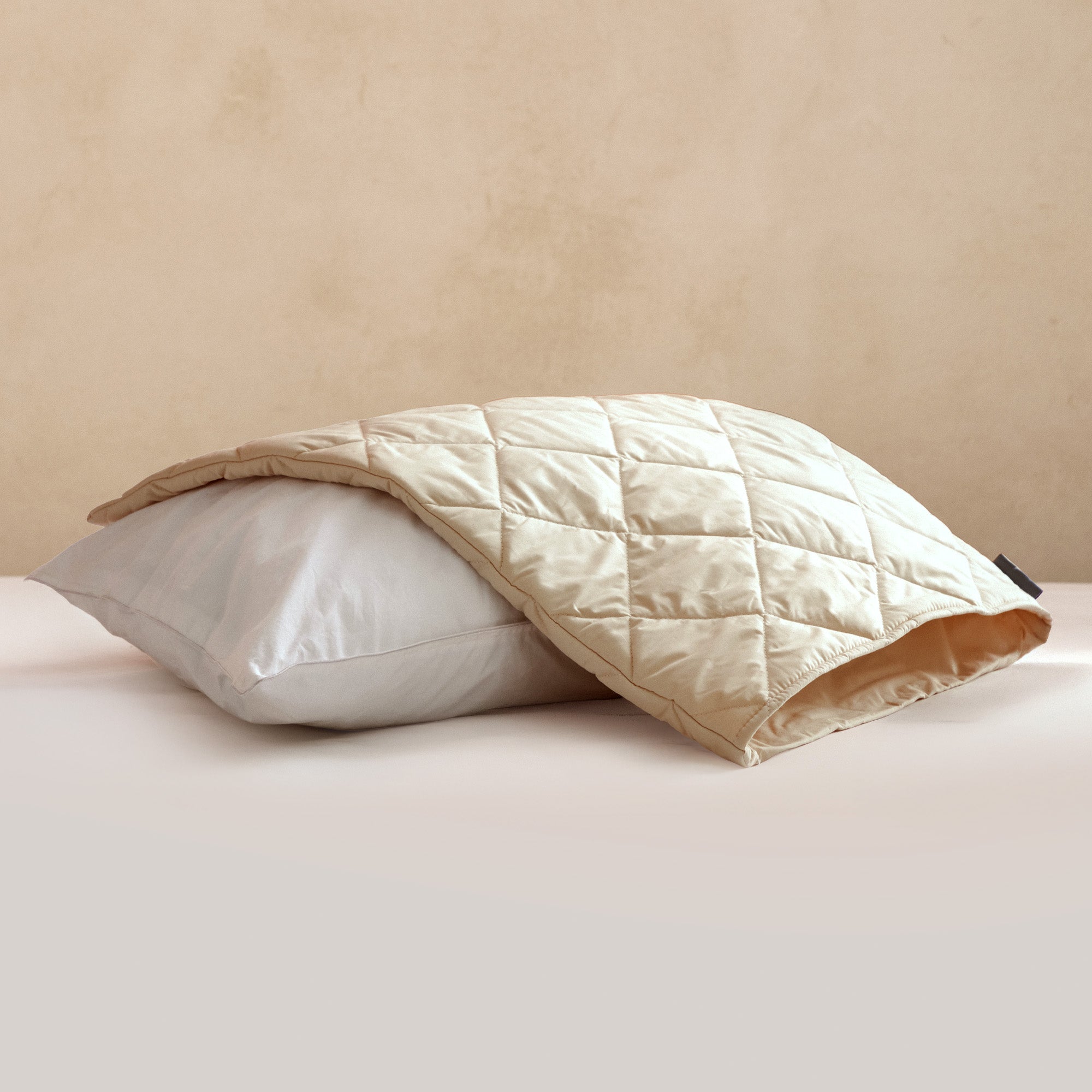
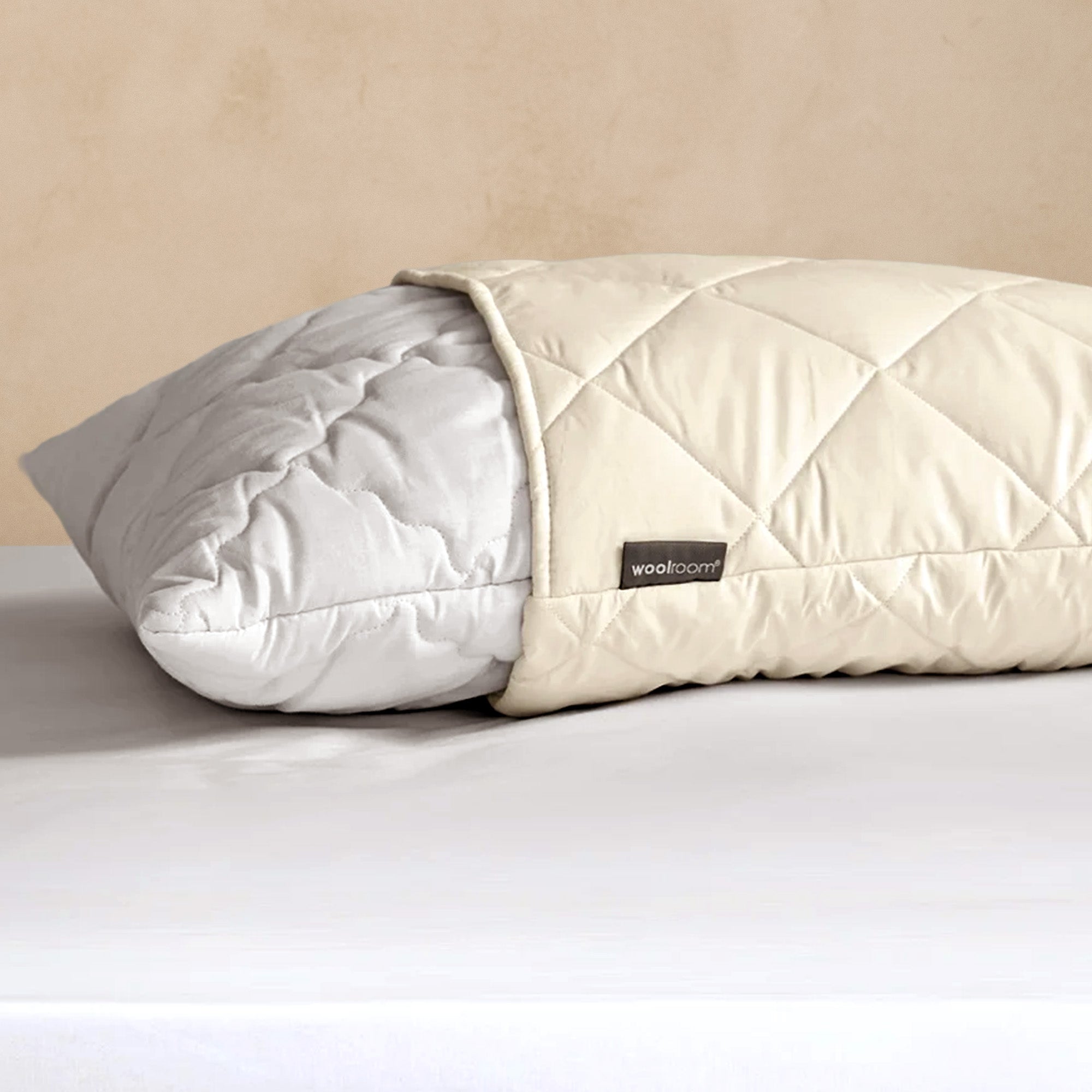
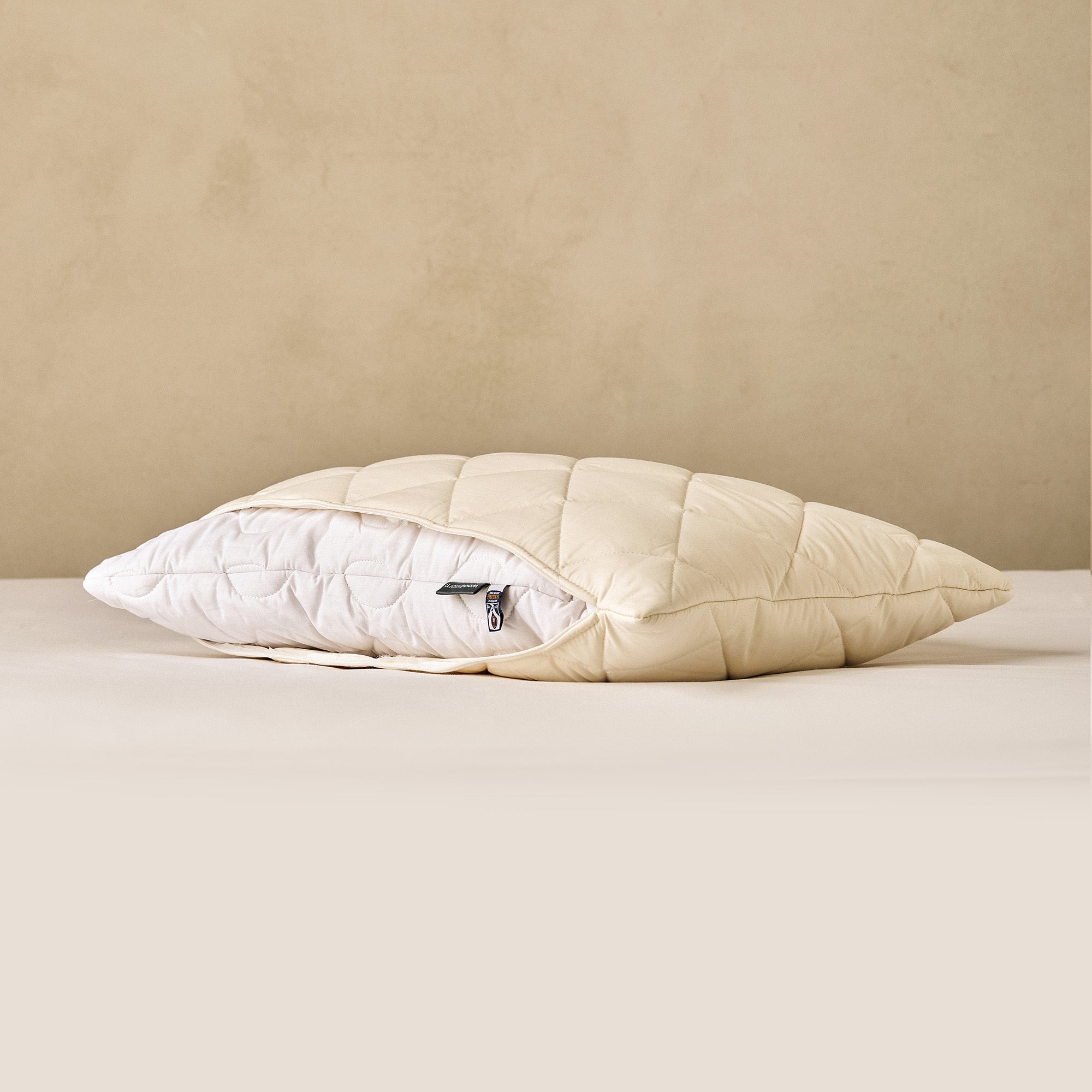
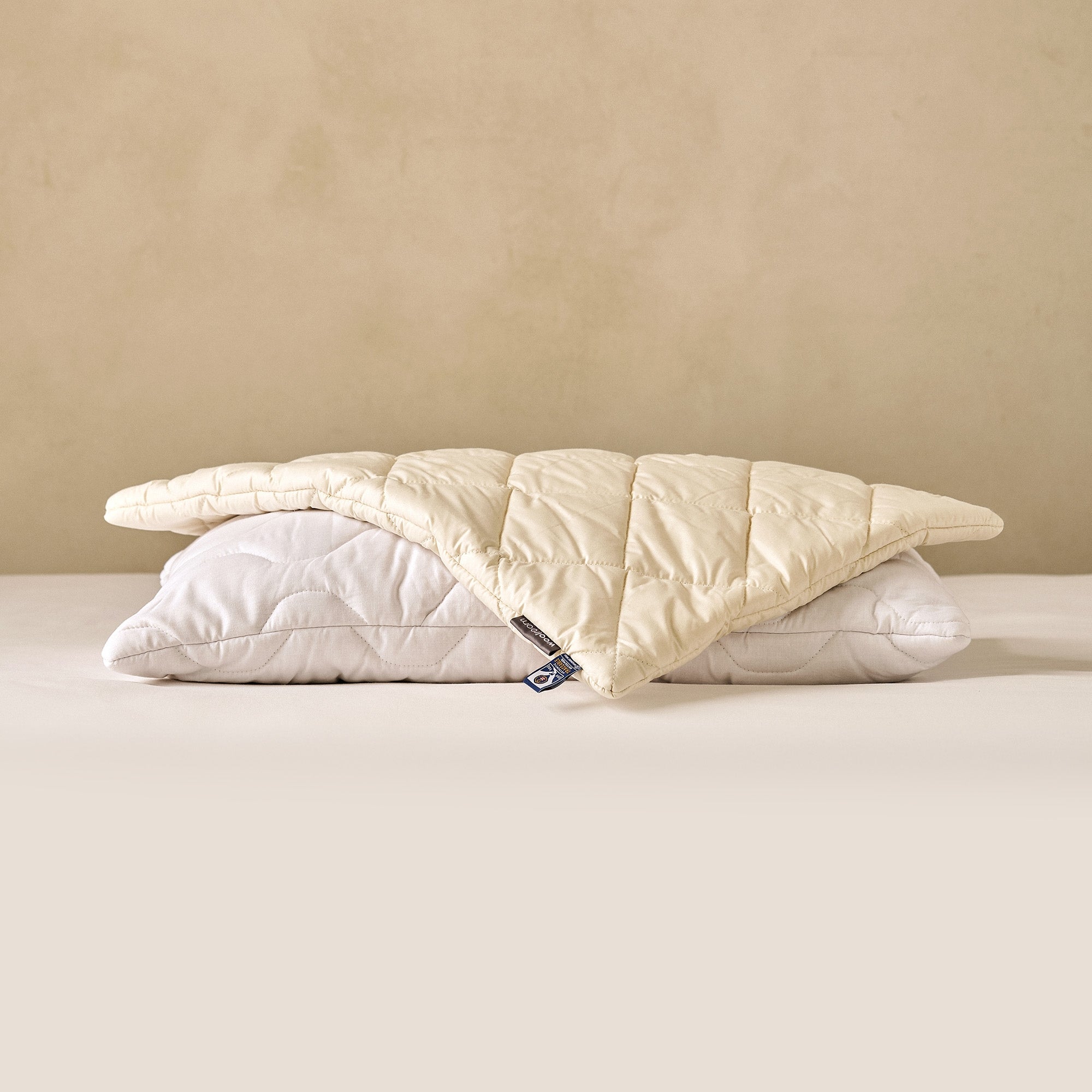
Wool, on the other hand, is naturally elastic and resilient. Fibres stretch and return to shape instead of breaking. That’s why wool resists pilling and holds its loft longer. Woolroom takes this further with bedding designed to be genuinely practical, including machine washable wool.
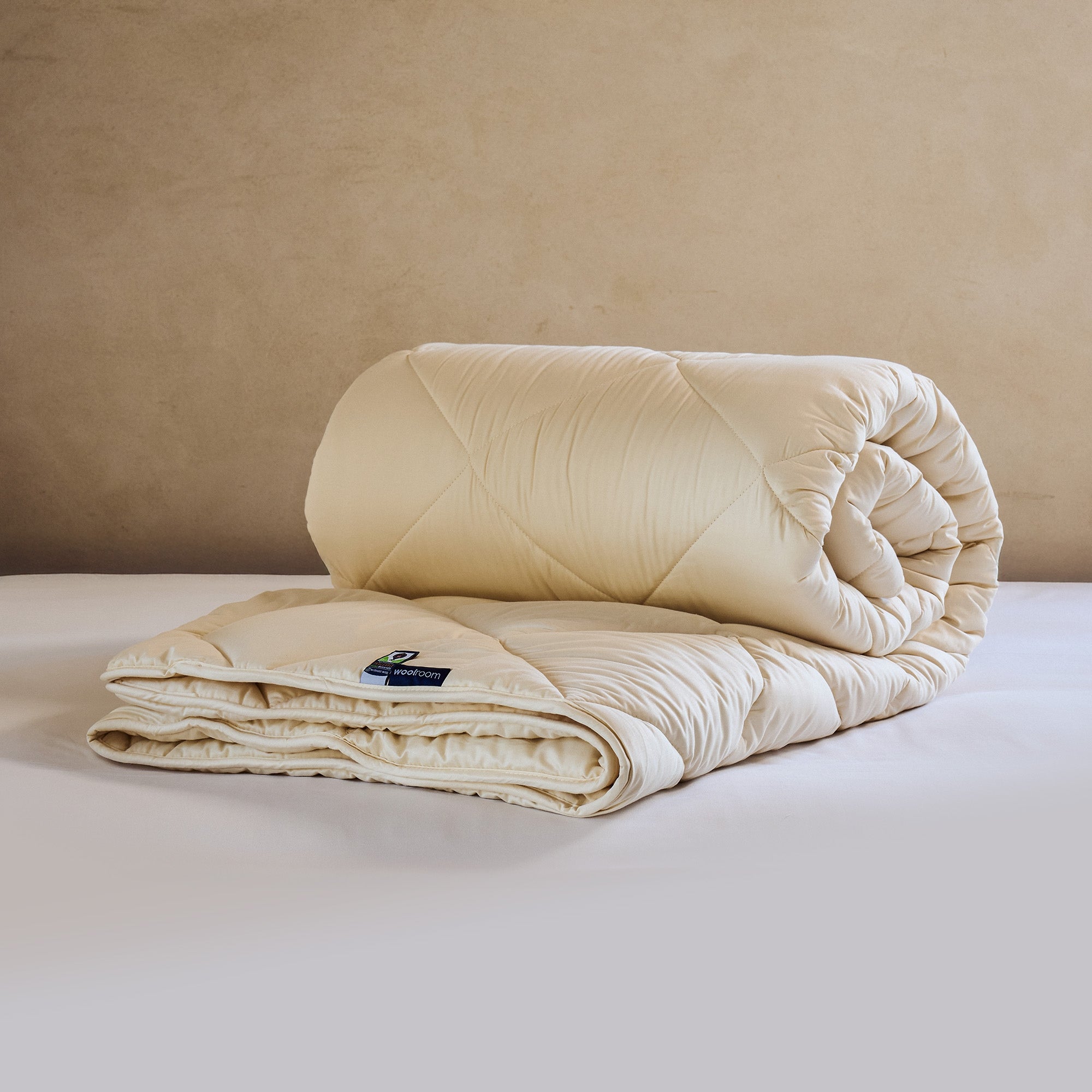
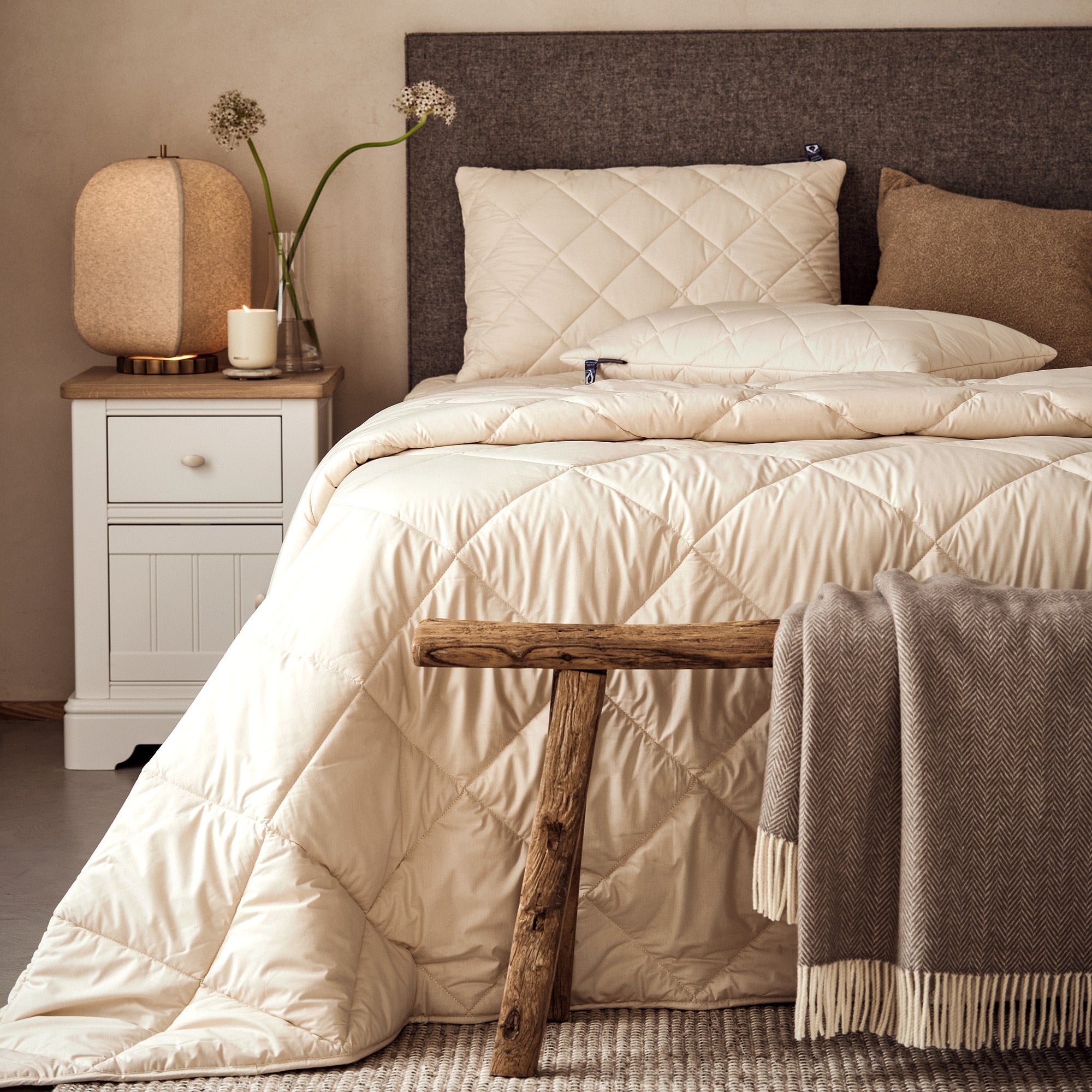
You can see this innovation in products like the Deluxe Washable Bedding Set – Medium, which combines everyday durability with easy care.

Support and Structure
Softness feels nice at first touch, but support is what matters over eight hours of sleep.
Cashmere and alpaca drape beautifully, which makes them ideal for throws and decorative blankets. However, they lack structural spring. In pillows and duvets, this means they tend to flatten over time, losing loft and support.
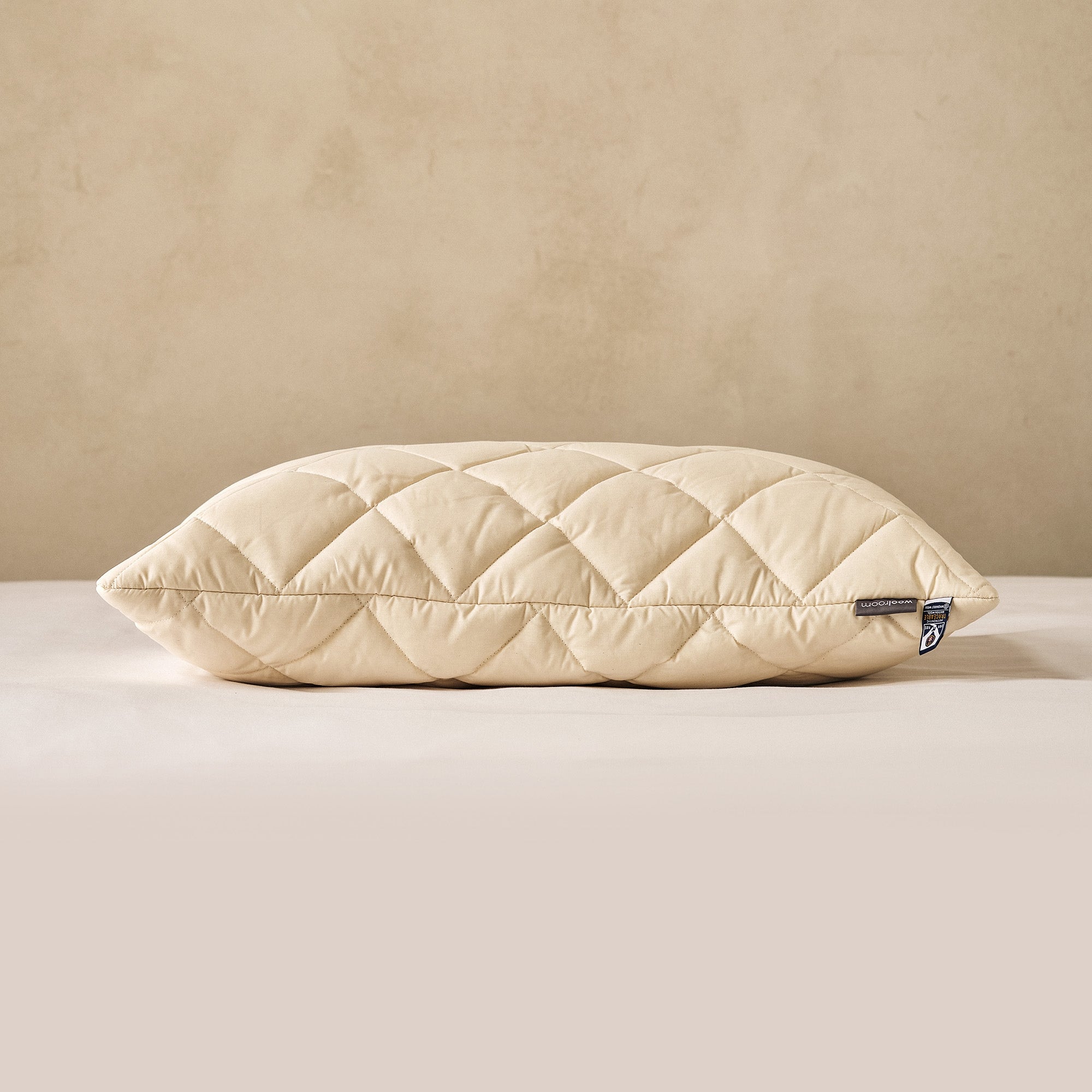
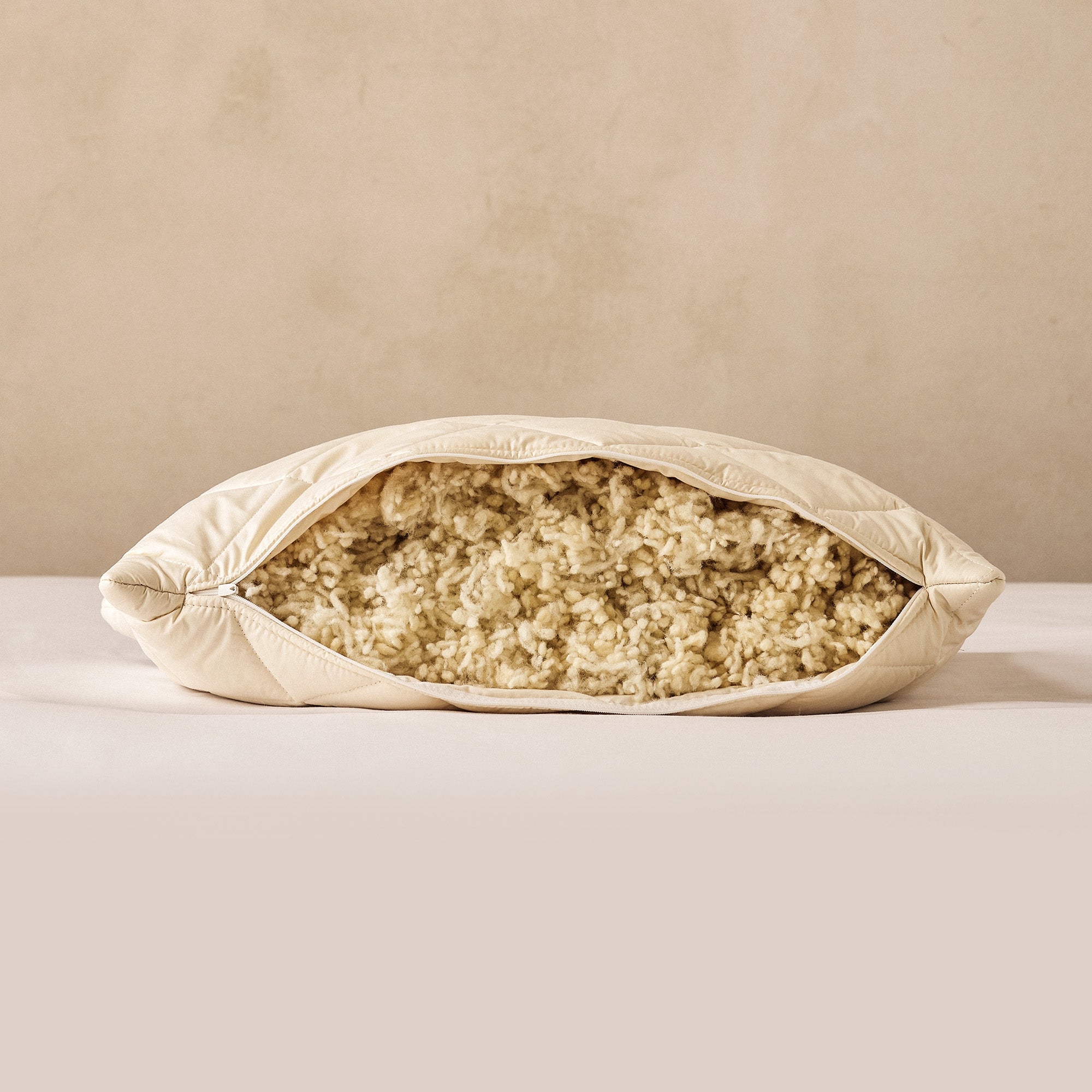
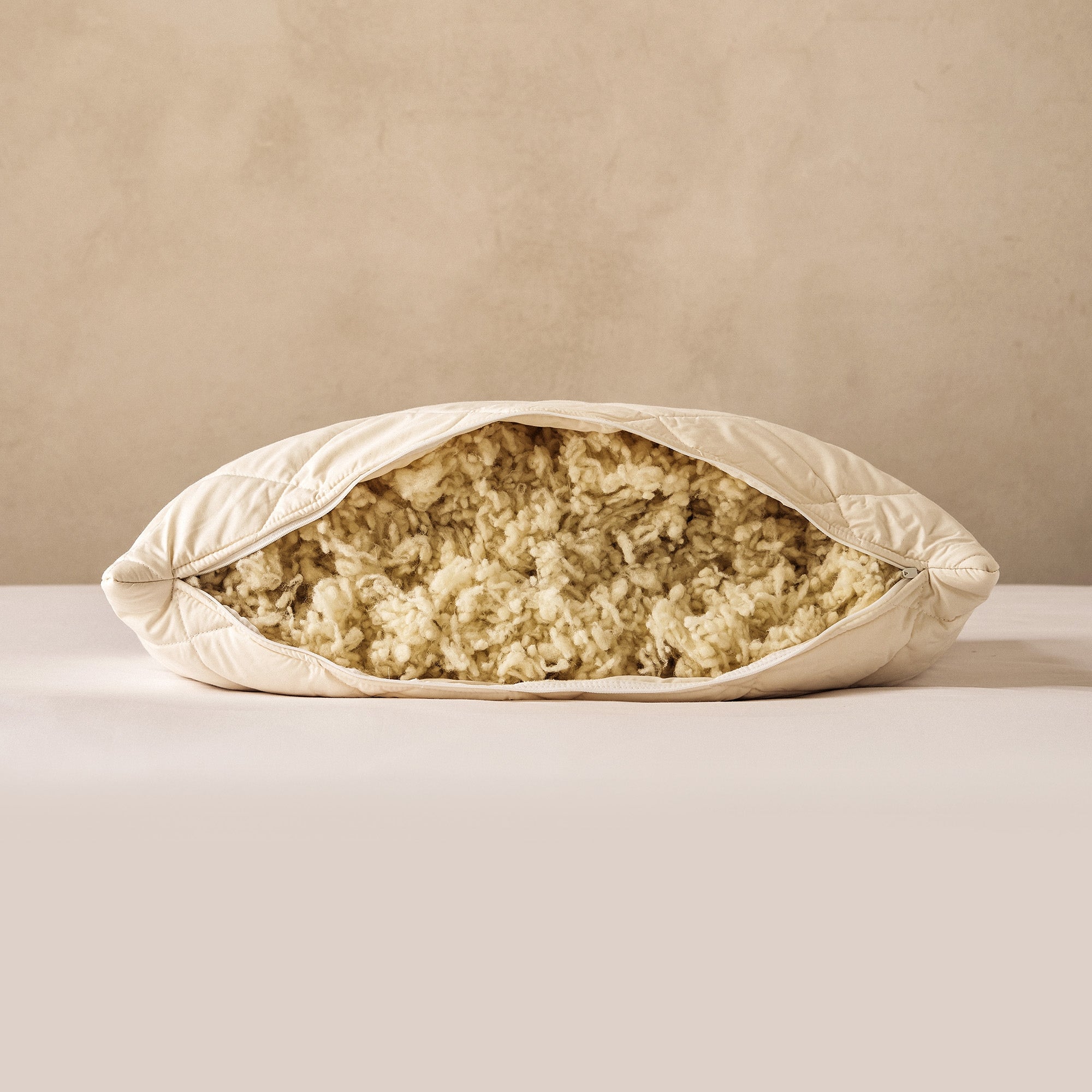
Wool’s natural crimp acts like a tiny coil. This gives wool active support and bounce. In pillows, that spring helps keep your head aligned. In duvets and toppers, it maintains loft, so the bedding stays fluffy and evenly filled instead of clumping.
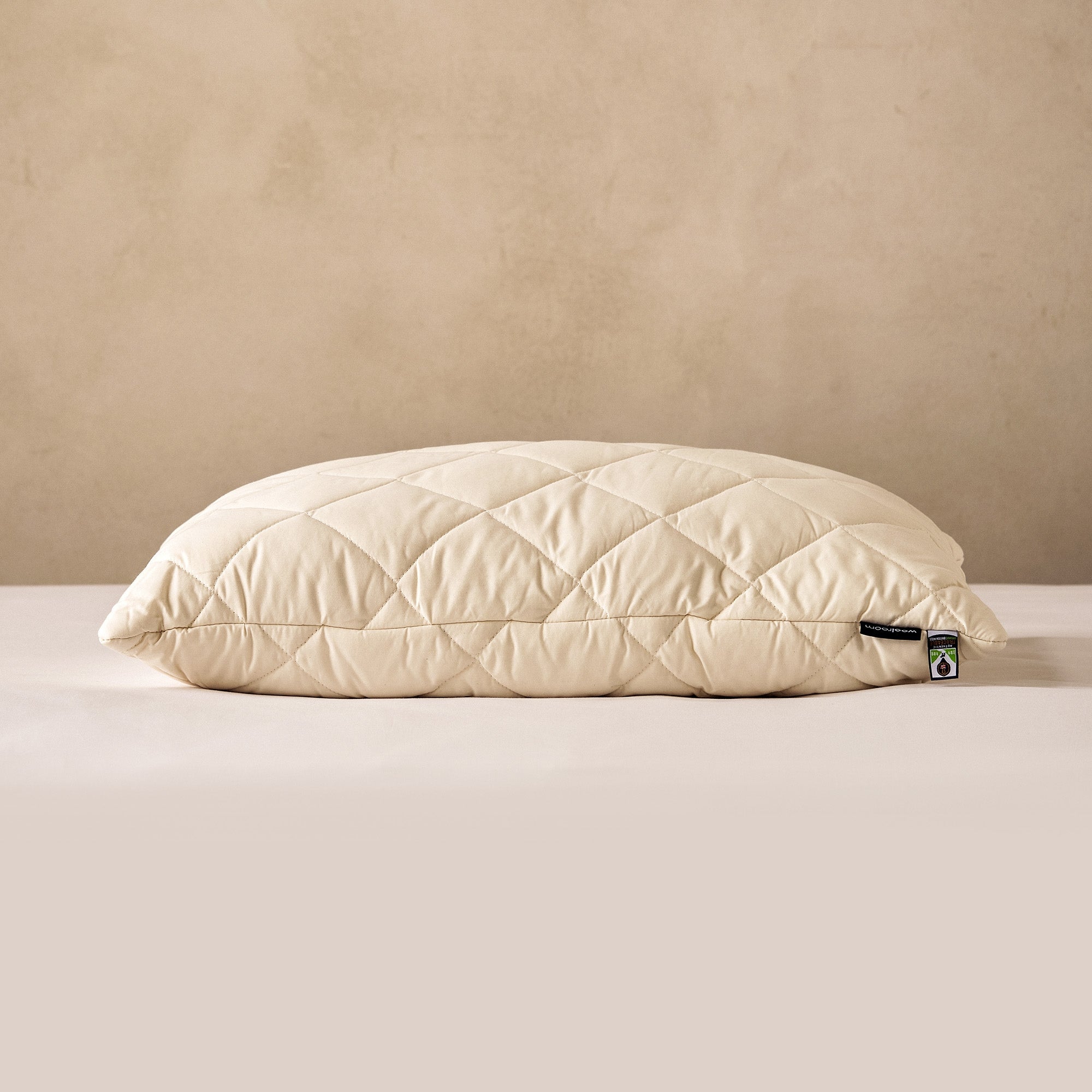
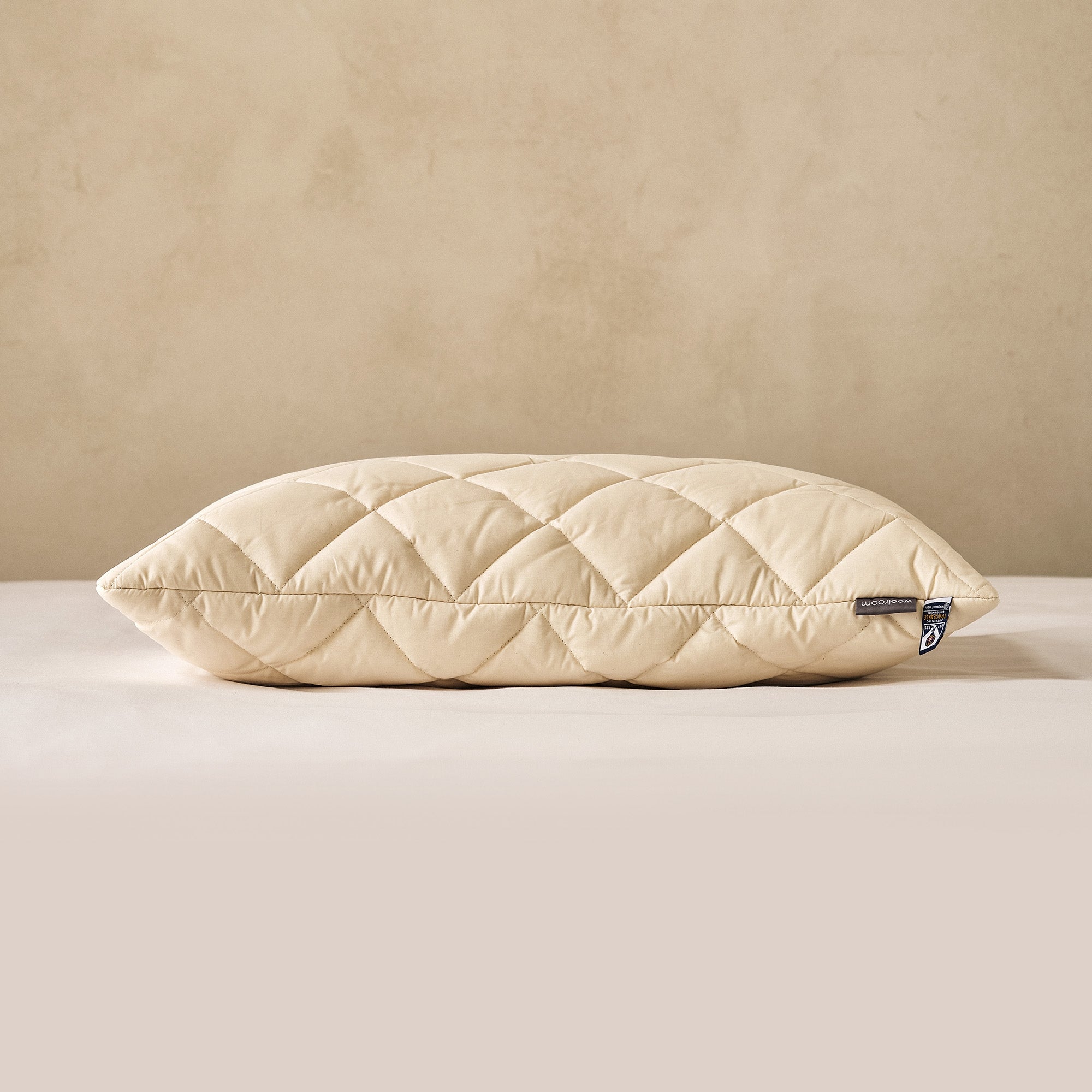
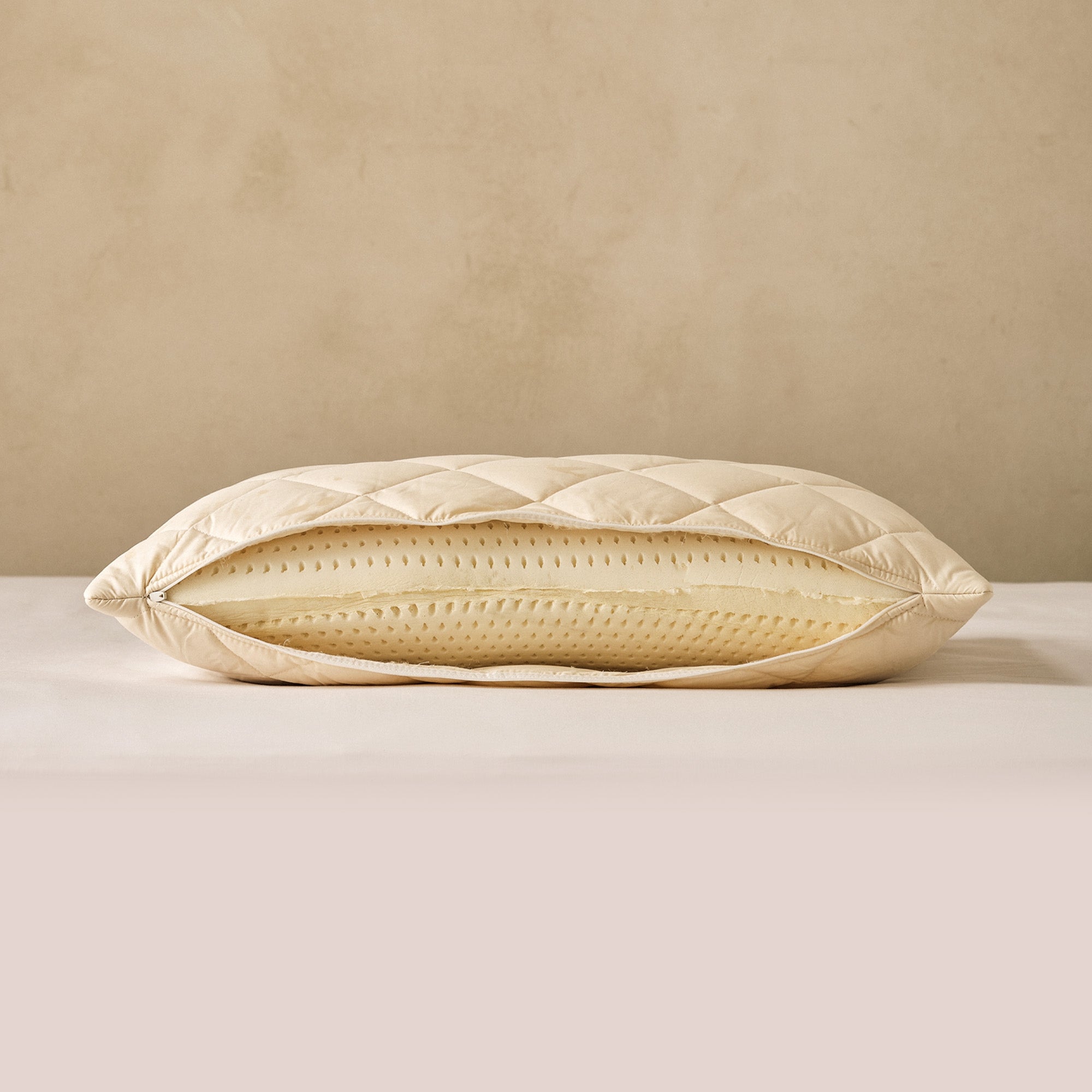
A good example is the Deluxe Washable Wool Pillow, designed to provide consistent support night after night.

Cost vs. Value
Price often drives the cashmere vs wool debate, but value matters more than cost alone.
Cashmere is expensive due to scarcity and labor-intensive sourcing. You’re paying for softness, not longevity.
Alpaca sits in the mid-to-high price range. It offers warmth and smoothness, but its performance in bedding doesn’t always justify the cost over time.
Wool is an accessible luxury. While it may not feel as silky as cashmere at first touch, it outperforms both alternatives where it counts: durability, temperature regulation, moisture control, and support. Over years of use, wool delivers the best ROI for bedding.
The Verdict: Which Should You Choose?
So, in the alpaca vs wool vs cashmere discussion, what’s the right choice?
Choose cashmere or alpaca for throws, decorative blankets, and accessories where softness is the main priority and long-term structure matters less.
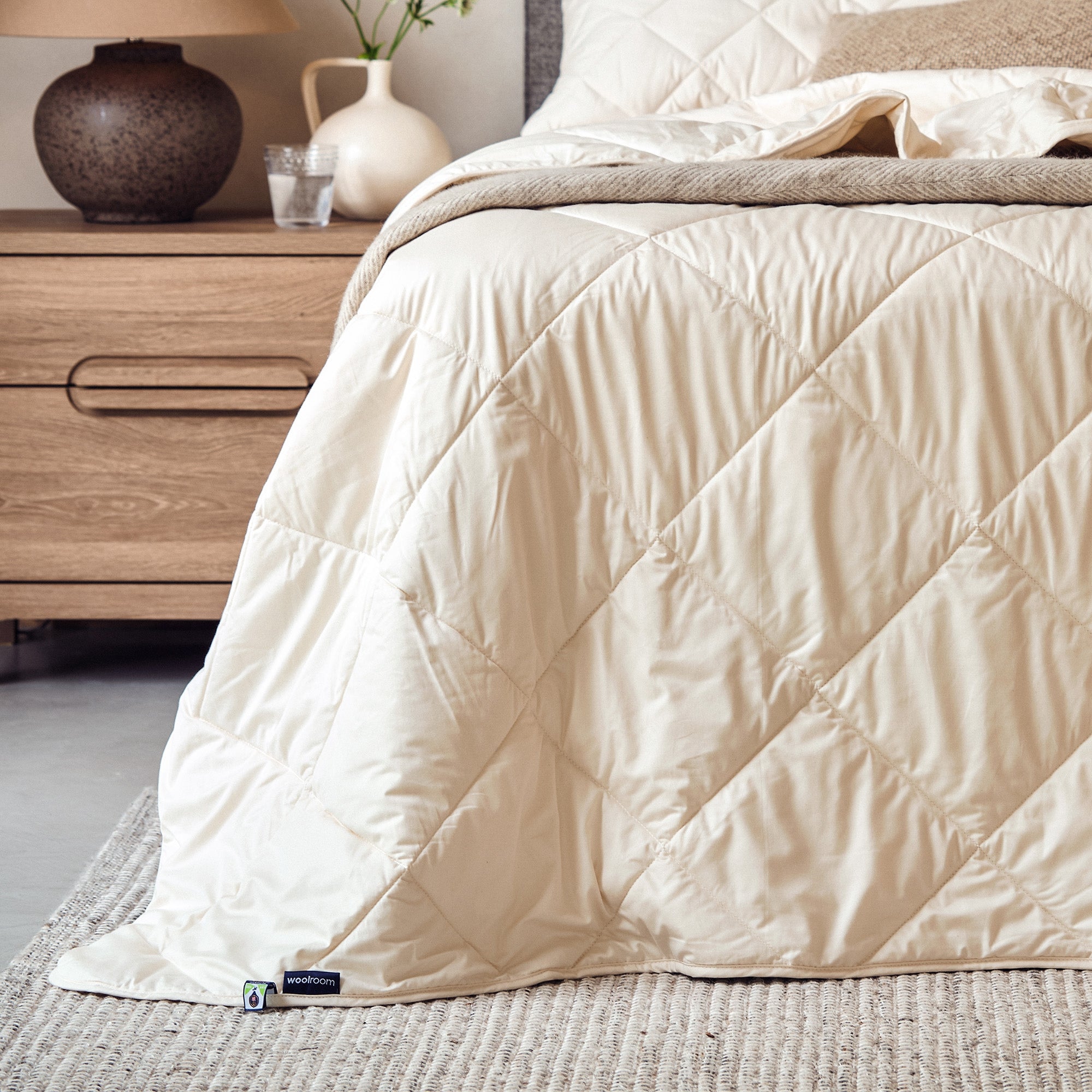
Choose wool for your core bedding. Duvets, pillows, mattress toppers, and protectors benefit from wool’s resilience, breathability, and support. It’s the workhorse of sleep, designed for nightly use.
Explore Woolroom’s full range of wool bedding, including duvets, pillows, and toppers built to perform season after season.

Experience the Woolroom Difference
Not all wool bedding is created equal. Woolroom focuses on high-quality fibres, thoughtful construction, and real-world usability. From carefully selected micron counts to washable designs that don’t sacrifice loft, every product is built around better sleep.
If long-term comfort, balance, and durability matter to you, wool is a fibre that consistently delivers. It’s natural, durable, and designed to support your body all night long.