Key Takeaways
- If your mattress topper makes you hot, materials and airflow are usually to blame. Dense synthetic foams restrict airflow and trap heat and moisture close to the body.
- Foam mattress toppers often make overheating worse. Memory foam and poly-foam absorb and retain heat, and even gel-infused versions only delay heat buildup instead of preventing it.
- Wool behaves differently than synthetic materials. It’s naturally breathable, moisture-wicking, and temperature regulating, which contributes to a more stable sleep surface throughout the night.
- A wool mattress topper can improve comfort without trapping heat. Used as a breathable comfort layer over a supportive mattress, wool supports airflow and moisture control rather than insulation.
A great mattress topper can make a dramatic difference to your sleep setup by changing the feel of your existing mattress. That might mean making a firm mattress a little softer and more pressure relieving or a too-soft mattress a little more structured. But what happens when your mattress topper makes you hot? It could be messing with your nights. Research suggests that heat management in our mattresses can have a profound influence on sleep experience, and that applies to toppers as well.
Many mattress toppers are made with materials that trap heat, but there can be other issues in play. If you can’t suffer through another hot, sweaty night with your mattress topper, it helps to understand likely culprits—and more importantly, what can be done to solve the problem entirely.
Why a Topper Might be Making You Feel Hot
Between materials and the topper/mattress setup, you may be inadvertently trapping heat. That can interfere with your body’s natural temperature regulation process at night. Let’s take a look at the most common issues.
Material‑Based Heat Traps
Material choice is one of the most common reasons a mattress topper sleeps hot. Toppers made from synthetic materials, like polyurethane and memory foam are easy to find, but they have a dense structure that seriously restricts airflow. These materials are designed to contour closely around the curves of your body. That might be comfortable initially, but it means heat builds up near the skin.
Instead of dispersing heat, petroleum-based foams actually absorb and retain it, creating a toasty little microclimate between you and your mattress. Body temperature naturally fluctuates as we move through different sleep phases, and a topper that traps heat means your body has to work harder to cool down. That can lead to disrupted sleep.
Even gel-infused foams really only work to slow down heat buildup instead of preventing it entirely, which can pose overheating issues at some point in the night.
Bed Stack and Airflow Issues
When you add a topper to an existing mattress, it changes the sleep setup entirely. Stacking a foam topper atop a foam mattress effectively beefs up insulating layers, limiting airflow and preventing heat from escaping downward into cooling features like vents, gussets, or coils.
Airflow issues can also start below the bed, from solid bed bases, platform frames, or just poor ventilation around the mattress. When you have all of these issues at once, your bed can become an insulating surface, not a cooling one.
Heat, Moisture, & Night Sweats
Overheating at night is common, but it’s aggravated by bedding materials that actively interfere with the body’s ability to release excess heat. Sleeping on a topper that traps heat is a surefire way to wake up hot, sweaty, and uncomfortable, even if the ambient temperature stays consistent.
The same dense materials that retain body heat are pretty terrible at managing moisture. Instead of wicking away sweat so you don’t feel damp, they allow moisture to accumulate. That’s what makes you feel clammy, which isn’t conducive to restful sleep.
Layering Mistakes
Before you add a topper to your mattress, it’s important to think through all these layers. A thick, heavy topper added to a soft, contouring mattress can mean you really sink in. That hugged sensation tends to dramatically reduce surface airflow and amplify heat retention. The more you sink, the harder it is for heat to find an escape hatch.
Think about your bedding choices, too. Heavy blankets, a heavyweight down comforter, and non-breathable synthetic mattress protectors and sheets all contribute to the insulating effect.
Sleep Environment Variables That Make Things Worse
While your bed and bedding are the immediate concern, it’s worth zooming out to consider your bedroom environment as well. Higher room temperature and limited ventilation can make even a neutral topper feel warm, so remember that mattress toppers don’t exist in a vacuum. Material choices count, from the mattress to your comforter to your sheets, and room conditions factor in as well.
What to Do: Solutions and Materials
If you’re side eyeing your mattress topper because of any of the reasons outlined above, there is good news. You don’t have to forgo the comfort of a mattress topper altogether. But you should choose materials and setup choices that support airflow, wick moisture, and regulate temperature. As it happens, wool does all three.
Choose Cooling Materials
The biggest single factor in a mattress topper sleeping hot or cool comes down to its materials. Warm sleepers should steer well clear of memory foam and synthetic blends, and consider a natural material like wool. A wool mattress topper like those here at Woolroom is exceptionally well suited to hot sleepers.
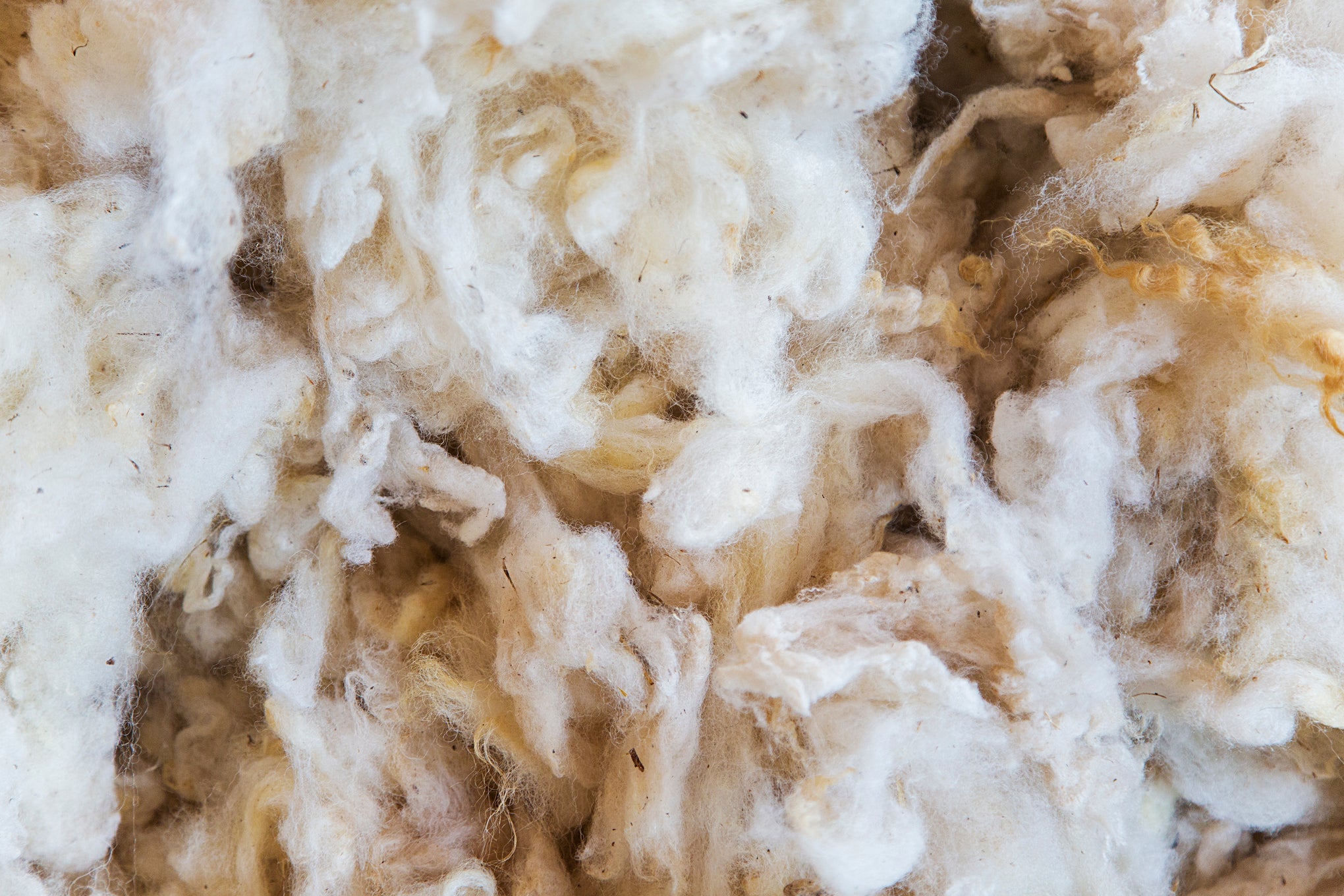
Wool fibers are naturally breathable, thanks to their coiled structure. It allows air to circulate freely instead of trapping heat. Wool fibers are impressively wicking, capable of absorbing up to 30% of their weight in moisture without becoming damp, and then releasing that moisture into the air in a form of passive evaporation. The combination of breathability and moisture management helps regulate temperature so you stay comfortable through the night.
Upgrade Your Topper Smartly
If you’re already sleeping on a foam topper and waking up hot night after night, the best option is simply to replace it. And for those of you still debating whether foam mattress toppers make you hot, the answer is almost always yes. Again, it’s related to their dense structure and inability to wick moisture, which increases heat retention as the hours pass. Foam just isn’t designed to release heat efficiently.
While a thick foam mattress topper may seem like a cushy addition to your existing mattress, the tradeoff is temperature regulation. Switching to a wool mattress topper, on the other hand, can mean better pressure relief, a more comfortable bed, and more balanced nights.
Improve Bedstack and Airflow
Even a wool mattress topper can be impeded by poor airflow in the mattress and base below. Switch to a breathable mattress cover, especially if you’re currently using plastic-backed protectors. And double check how your sheets fit and that your topper is the right size and depth for your mattress. If it’s too thick, it can compress layers and reduce airflow.
Keep in mind that where and how your bed is placed can also influence how heat escapes. Pulling the frame slightly away from the wall leaves gaps that allow warm air to escape. And while it might seem like a great storage spot, stashing bins and clutter under the bed can block airflow as well.
If you have a solid base, you might consider switching to one with slats to promote air circulation. Remember, these kinds of airflow considerations become even more important if you have a mattress topper, since added layers increase the need for heat to dissipate away from the body.
Bedding & Sleep Environment Adjustments
Your choice of bedding can boost or hinder cooling efforts, so reach for breathable bedding made with cotton or linen. Consider weave too—percale is better than sateen for allowing air to circulate.
It’s best to avoid synthetic comforters, but be mindful of down as well. It’s incredibly insulating but it has limited breathability, so overheating is pretty typical, especially for warm sleepers. A wool comforter from Woolroom helps ensure temperature regulation from the top down.
When the Underlying Mattress is the Problem
Sometimes, it’s not the topper that’s the problem. A dense mattress with a solid foam construction can be a hard problem to solve, even for a cooling topper. A breathable topper made with wool can help provide some relief to heat buildup, but it may not be able to fully compensate for a mattress that really traps heat.
In that case, you may be better off upgrading your mattress instead of adding a topper. Still, when replacing a mattress isn’t practical, choosing a breathable topper can still meaningfully improve surface temperature and moisture control.
How Woolroom’s Wool Mattress Topper Helps
For sleepers who routinely wonder, why do I sleep hot, or why do I wake up hot, the answer is usually materials. It’s not just the mattress, either, but every layer above it. This is where Woolroom’s wool mattress topper offers unique advantages over synthetic and foam-based models.
All of Woolroom’s wool bedding are made with traceable British wool and chemical-free manufacturing processes. Untreated, natural wool retains its inherent breathability and moisture-regulating properties, and it’s a much more sustainable choice. Instead of trapping heat like foam toppers, our natural wool toppers promote airflow, which means excess heat can dissipate naturally.
For hot sleepers, those with night sweats, and anyone who regularly wakes up overheated, a topper that helps maintain a more stable sleep temperature throughout the night is key to a better night’s sleep.
The Bottom Line
If your mattress topper is making you hot, you can almost always blame materials and airflow. Dense foams and synthetic layers trap heat and moisture, which challenges the body’s ability to regulate temperature. That’s what leads to disrupted sleep, night sweats, and waking up in major discomfort.
Wool is different. It’s breathable, temperature regulating, and moisture wicking, so it contributes to a much more stable sleep environment. For anyone who struggles with overheating at night, upgrading to a wool mattress topper from Woolroom can be a step in the right direction.
FAQs
Do mattress toppers make you hot?
Mattress toppers can make you hot if they’re made with synthetic foams that trap heat. Even gel-infused versions only delay heat buildup instead of preventing it completely. For a mattress topper that won’t trap heat, consider a material like wool.
Do foam mattress toppers make you hot?
Foam mattress toppers can make you hot, thanks to their dense, heat-retaining structure. If temperature regulation is the goal, a wool mattress topper is the smarter choice.
Why do I get hot when I sleep?
Body temperature naturally fluctuates during sleep. The issue is bedding that traps heat, which interferes with the body’s ability to self regulate. That’s why you wake up feeling hot and uncomfortable.
Can a wool mattress topper stop me sleeping hot?
Wool fibers help regulate temperature, promote airflow, and manage moisture, so a wool mattress topper can help support a more stable sleep environment.
What should I use instead of foam if I sleep hot?
If you sleep hot, steer clear of heat-trapping foams in favor of wool or latex.
