Key Takeaways
- Wool naturally regulates temperature, wicks moisture, and resists allergens, all without chemical treatments.
- It works year-round, insulating in winter and cooling in summer.
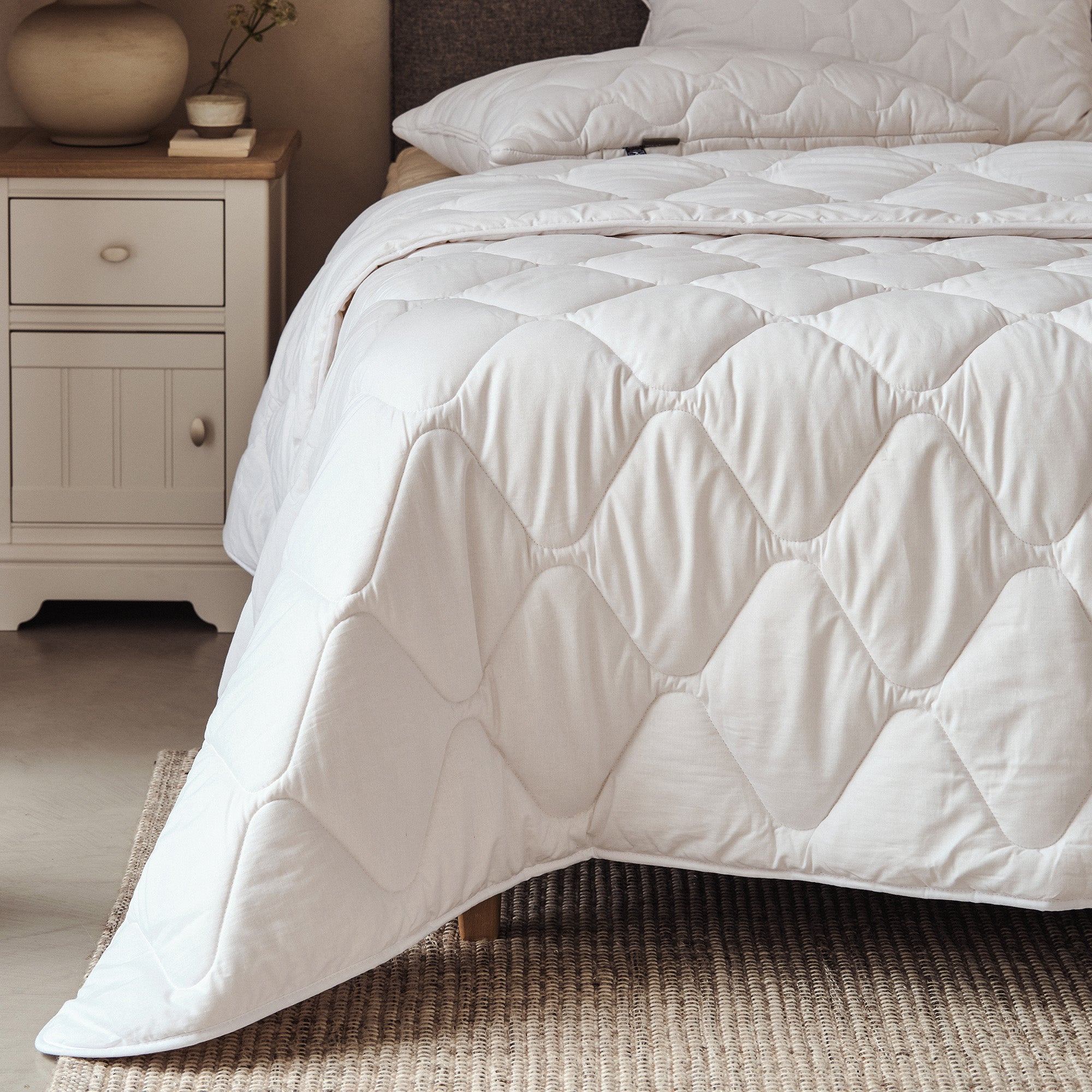
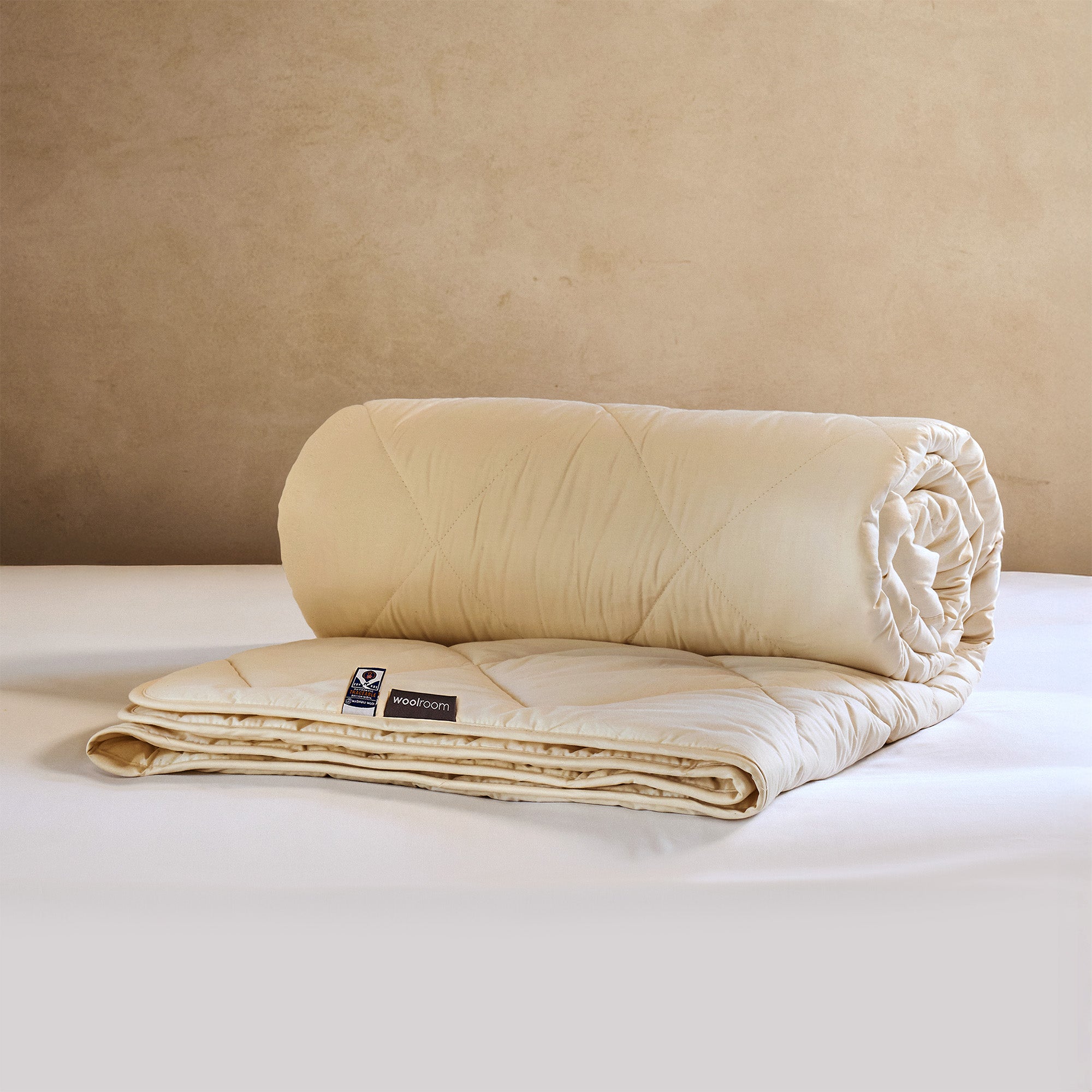
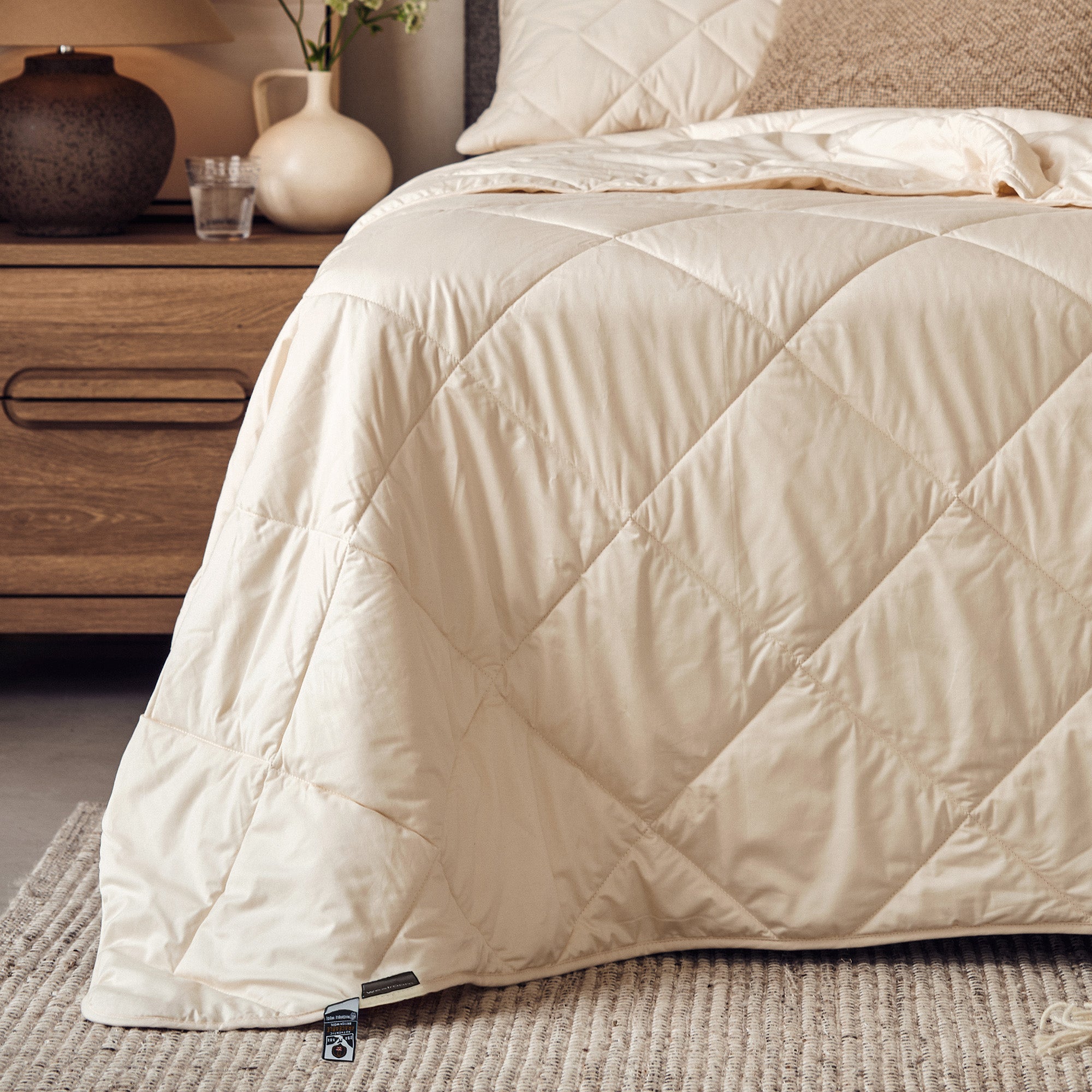
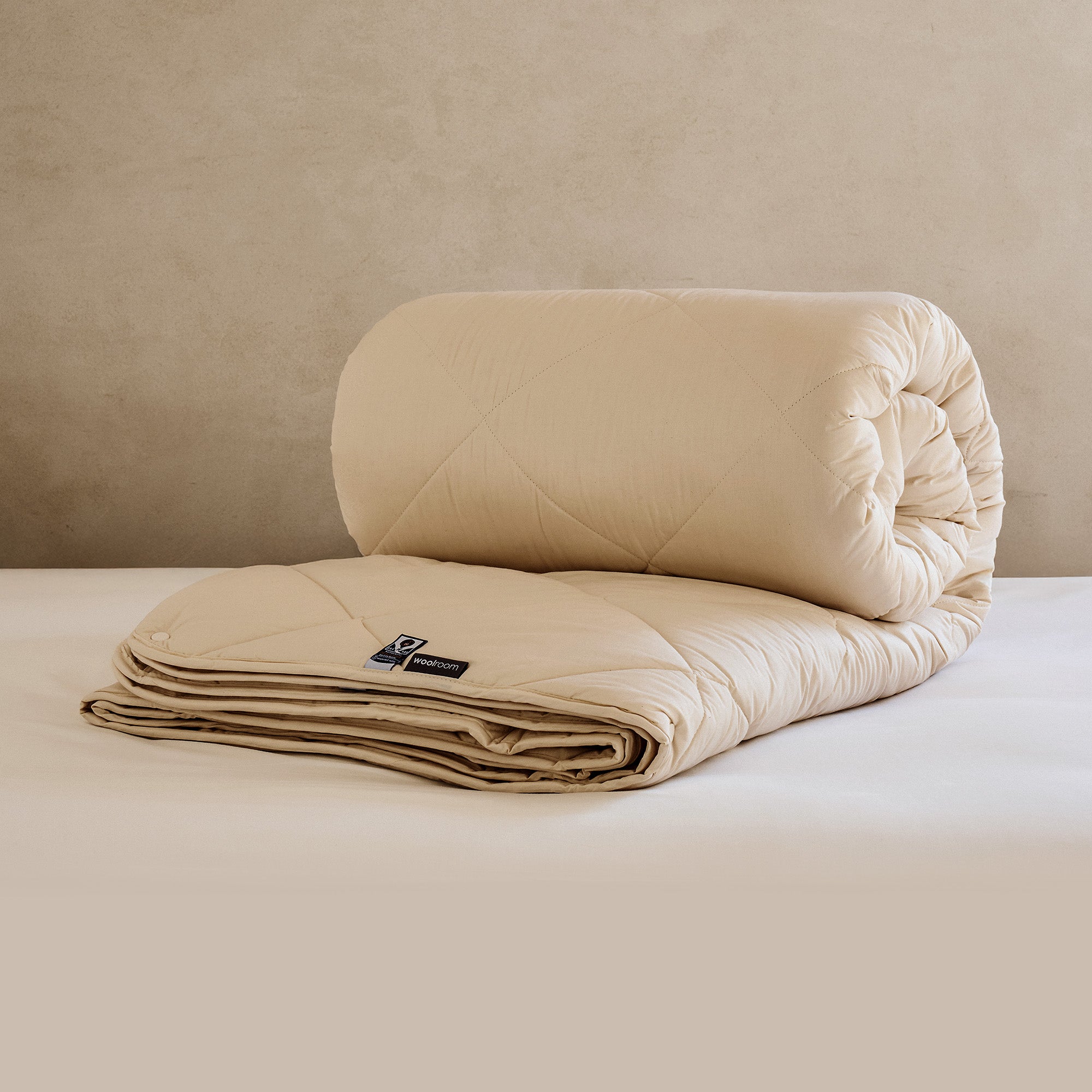
- Woolroom's toppers use 100% traceable British wool with organic cotton covers.
- Look for wool origin, fill weight, cover fabric, and certifications when shopping.
- With minimal upkeep, a quality wool topper can last 5 to 10 years.
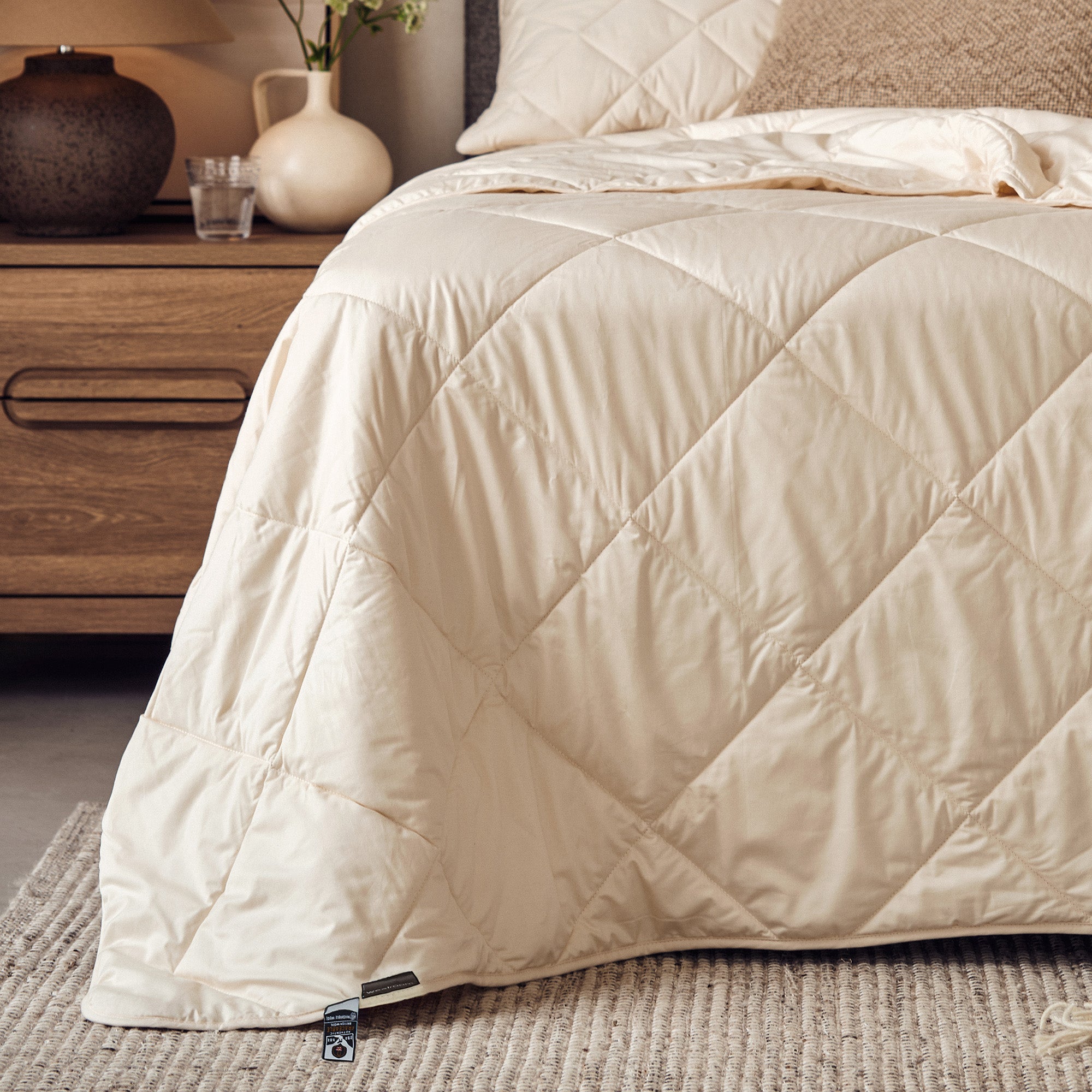
If you’re considering a wool mattress topper to your bed, you’re likely to find it solves a lot of issues. Wool is naturally temperature regulating, moisture wicking, and breathable, making it really well suited to better sleep. Sure, it adds a layer of springy softness, but a wool mattress topper—especially one from Woolroom—actively contributes to the kind of sleep environment that works with your body, not against it.
If you’re researching wool mattress toppers, it’s helpful to understand what differentiates this option from those made with materials like memory foam, latex, or synthetic fibers. Here’s how wool works as a sleep material, along with what to look for before you buy.
Quick answer: A wool mattress topper is one of the most effective natural upgrades you can make to your sleep setup. Wool naturally regulates temperature, wicks moisture, relieves pressure, and resists allergens, which makes it a strong choice for hot sleepers, allergy sufferers, and anyone in need of a comfort boost.
Key Benefits of a Wool Mattress Topper
The benefits of a wool mattress topper are entirely related to the inherent characteristics of fiber itself. It’s truly nature’s wonder fiber, and it means great things for sleep.
Breathability
Zoom way in on an individual wool fiber, and you’ll see it coiled like a spring. That crimped structure creates thousands of tiny air pockets when wool fibers are clustered together, which allows air to circulate freely. That kind of breathability prevents overheating by allowing heat to move away from the body. It’s a major differentiator compared to foam and synthetic toppers, which are known for trapping heat, setting up big problems for hot sleepers.
If you’re routinely kicking off your covers in the middle of the night, wool’s natural breathability can help you maintain a more consistent temperature from bedtime until you get up.
Moisture Control
When it comes to sleep quality, temperature and moisture are closely linked. Wool can absorb up to 30% of its own weight in moisture—whether it’s from perspiration, respiration, or just the ambient humidity—without becoming damp, heavy, or clammy against the skin. Instead, wool fibers draw heat away from the body and release it gradually into the air, keeping you and your sleep surface dry and fresh.
For sweaty sleepers, wool’s wicking ability is one of the most practical reasons to incorporate this material into your sleep setup.
Comfort & Pressure Relief
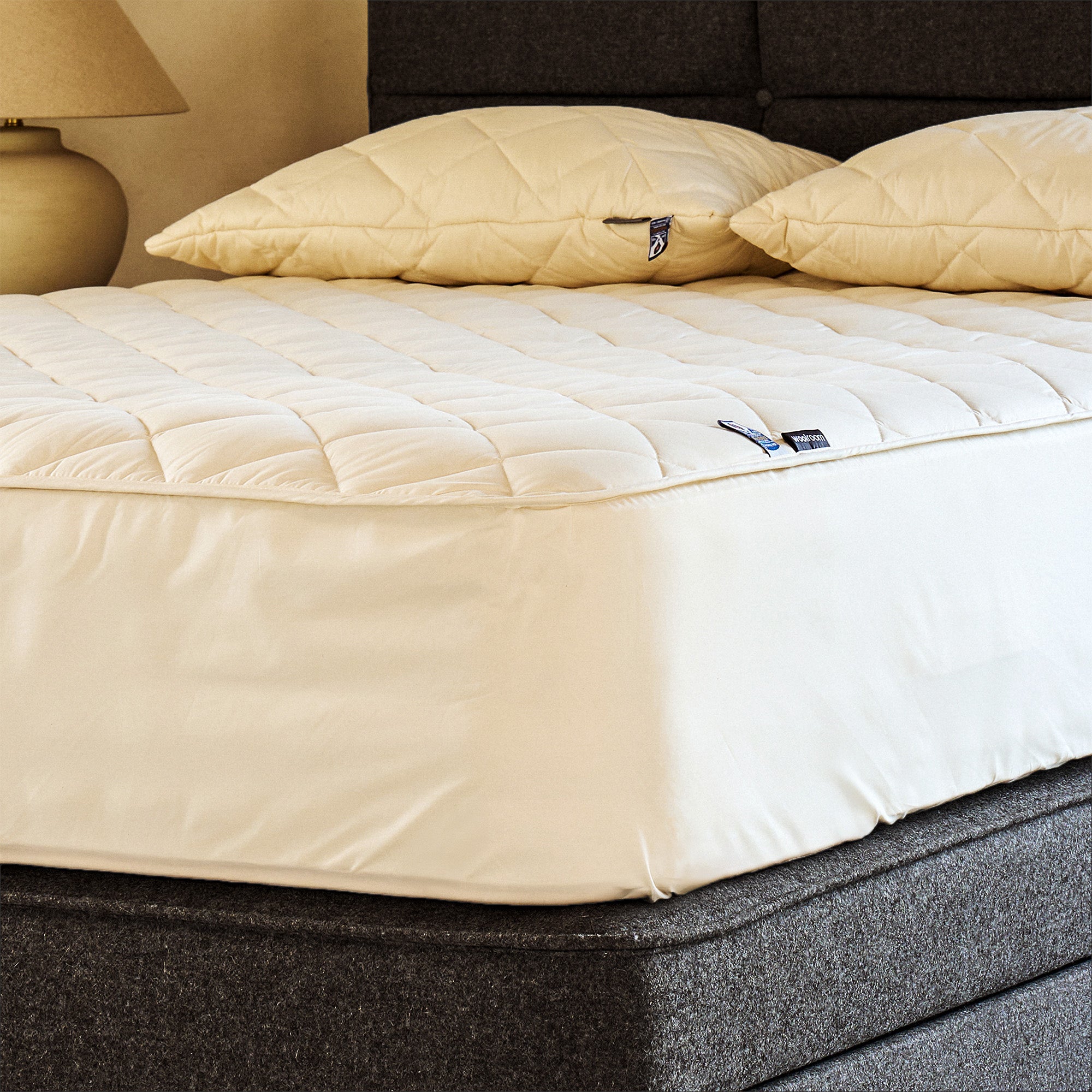
Aside from its temperature and moisture properties, wool is lovely to sleep on. A natural wool mattress topper from Woolroom adds a plush, cushioning layer that’s gently contouring and supportive, adding pressure relief around sensitive spots like the hips, shoulders, and lower back.
It has a feel all its own—not deeply enveloping like memory foam, not particularly buoyant like latex. Wool is soft yet springy, with a gentle responsiveness. It’s a comfortingly cushioned surface that doesn’t swallow you whole.
Year-Round Comfort
Adaptability is an often-overlooked quality of wool. Some materials, like down, are highly insulating, so they work well in cold months but can sleep too hot when it’s warm. Other materials are lightweight enough for summer but don’t keep you cozy in the winter.
Wool is different. It’s genuinely an all-year-round fiber because of its breathability and wicking power. In the winter, the same air pockets that promote airflow act as natural insulation, so you retain warmth when you need it. When your body temperature rises, those pockets work in reverse by allowing heat to escape and moisture to be pulled away. That cools you down naturally, without needing to kick off the covers.
Health & Allergy Benefits
Dust mites, allergens, bacteria, and other contaminants tend to thrive in moist, warm environments—like your favorite down pillow, polyester comforter, or memory foam mattress. Wool is naturally inhospitable to these sorts of irritants. Between its structure and its moisture-wicking properties, it’s resistant to dust mites, mold, and mildew, all of which contribute to nighttime allergies, poor sleep, and morning grogginess. Even better, wool doesn’t need chemical treatment to achieve this—it’s just how the fiber behaves.
What if you’ve found wool itchy in the past, in a pair of socks or a sweater? Woolroom’s natural wool mattress toppers are encased in organic cotton, which means the wool filling isn’t in direct contact with your skin. That means they’re a comfortable choice even if you’ve found wool scratchy in the past.
Sustainability & Eco Credentials
For eco-conscious shoppers, wool is one of the most responsible decisions you can make. It’s a renewable resource, shorn from sheep annually without harming them, and it’s fully biodegradable at the end of its life. That’s a major differentiator from synthetic fillers that usually end up in a landfill. Wool needs far less chemical processing than many alternatives, and unlike synthetic bedding, it doesn’t rely on plastics and fossil fuels.
At Woolroom in particular, traceability is a priority. Our 100% British wool is ethically produced and fully traceable from the source—the sheep! That means you can verify exactly where your wool comes from. We’re proud to partner with British farms who adhere to the five freedoms outlined in the Animal Welfare Act, ensuring that the sheep are properly cared for at all times. That result is wool that’s not only ethically sourced, it’s also genuinely renewable because it’s produced with a low carbon footprint. Even our packaging is eco-conscious—we use unbleached calico bags that can be used for storage or shopping.
Durability & Long-Term Value
A well-made wool topper is a long-term investment. While you’ll pay more initially compared to cheaper synthetic alternatives, quality wool retains its loft and performance for years. Instead of replacing a budget topper every year—which adds up cost-wise and takes a serious toll on the environment—a properly maintained wool topper can be a reliable part of your sleep environment for much longer. It means you’ll actually spend less in the long run.

What to Look for When Shopping for a Wool Mattress Topper
Since wool mattress toppers can vary in quality, here’s what to consider as you shop.
- Wool quality and origin. For quality and peace of mind alike, consider where the wool is sourced. Traceable wool, like the 100% British wool used in Woolroom’s products, means you can be confident about welfare standards.
- Fill weight. Thicker toppers means more cushioning, but be practical here. The more loft you add to your bed, the harder it might be to keep sheets in place.
- Cover fabric and construction. Organic cotton is the ideal pairing for softness, breathability, and eco-friendliness. It’s a great complement to the natural properties of wool. Double check whether the topper comes with corner straps or an elasticized skirt that keeps it securely in place. A topper that slides around on your mattress will be a headache in the middle of the night.
- Certifications. Independent certifications are a simple way to verify claims. At Woolroom, our natural wool bedding is OEKO-TEX Class 100 certified and holds the British Wool Shepherds Crook.
Be mindful of matching benefits to your needs. While hot sleepers and those who deal with allergies will appreciate wool’s natural temperature regulation and resistance to irritants, people considering a topper to address a too-soft or overly firm mattress should pay close attention to fill power.
It’s also important to be realistic about the limits of mattress toppers, wool or otherwise. Toppers can regulate temperature and boost comfort, but they aren’t a solution to a sagging or otherwise compromised mattress.
As for maintenance needs, wool doesn’t need nearly as much upkeep as you might expect. Airing it regularly and spot cleaning as needed keep things clean, fresh, and lofty.

The Bottom Line on Wool Mattress Toppers
A good night's sleep isn’t limited to the mattress alone. It’s about the environment you've created around it. That’s where the right mattress topper can be a significant upgrade. In one natural, long-lasting layer, wool mattress toppers address more of the variables that affect sleep quality than just about every other change. That includes temperature, moisture, pressure, allergens, and comfort.
Woolroom's wool mattress toppers bring all of that together with the added assurance of traceable, ethically sourced British wool, organic cotton covers, and certifications you can trust. Whether you're a hot sleeper, an allergy sufferer, or simply someone whose mattress could use a little more life, there's a strong case for making wool your next investment in better sleep.

FAQs
What are the benefits of a wool mattress topper?
Wool mattress toppers regulate temperature, wick moisture, and resist dust mites and irritants. Plus, they’re made with a renewable, biodegradable material, which makes them a good option for eco-minded shoppers.
How does a wool mattress topper keep you cool?
Wool has a naturally crimped structure that creates thousands of tiny air pockets. That translates to excellent breathability, which keeps heat from building. Wool actively promotes airflow, so you maintain a comfortable temperature all night long.
Are wool mattress topper benefits better than synthetic ones?
Yes, for most sleepers. Wool breathes better, traps less heat, wicks moisture without feeling heavy or damp, and resists allergens. For synthetic materials to come close to these benefits, they typically need chemical treatments.
Can a wool mattress topper reduce night sweats?
It can make a big difference. Wool fibers can absorb up to 30% of their own weight in moisture without becoming damp or heavy. That keeps you feeling drier and fresher throughout the night.
Is a wool mattress cover the same as a topper?
No. A mattress cover goes over your mattress primarily as a protective layer. A mattress topper is a thicker layer that actively changes how your bed feels, by adding cushioning, pressure relief, and in the case of wool, temperature and moisture regulation.
How long do wool mattress toppers last?
With proper care, a well-made wool mattress topper can last between 5 and 10 years.
Are wool mattress toppers good for allergies?
Yes. Wool is naturally resistant to dust mites, mold, and mildew, which are common triggers for nighttime allergies.
What thickness should a wool mattress topper be?
A thickness of 2-3 inches is usually appropriate for most sleepers, adding meaningful cushioning and pressure relief.