Key Takeaways
- Direct airflow from poorly aimed vents can lower skin temperature and trigger body movements that raise your heart rate, disrupting deep sleep.
- AC dries out the air, which can irritate your throat and worsen snoring or sleep apnea symptoms.
- A dirty AC filter can circulate dust, mould, and dander straight into your bedroom.
- Compressor noise and cycling can cause micro-wakeups that keep you from reaching deep sleep.
- Breathable wool bedding regulates temperature and manages moisture naturally.
It’s a go-to move for most people—cranking up the air conditioner so your bedroom stays deliciously cool even when it’s hot outside. But if you’re still tossing and turning in the middle of the night, you aren’t imagining it—your air conditioner really could be the reason you’re sleeping worse, not better. Between drying out your airways, the click and hum of the unit kicking on, and the fluctuating temperature, AC really can work against a good night’s sleep. Here’s what’s going on—and why a low-tech fix, like switching to breathable wool bedding, often solves what cold air alone can’t.
Direct Airflow Disrupts Sleep
For many people, the biggest issue with running the air conditioner at night comes down to where vents are situated in the bedroom—and whether it means cold air is blowing directly on them. Research shows that cool airflow decreases skin temperature and triggers small body movements, especially in light and slow-wave sleep, which raises heart rate. If you’re sleeping below a ceiling vent or right next to a floor vent, that steady airflow onto your head and face might be doing more than keeping you cool. Experts generally recommend keeping your bedroom between 15 and 19 degrees Celsius for optimal sleep, but the key is keeping vents aimed away from the bed.
It Dries Out the Air—And Your Airways
AC units reliably push out cold air, but the process of cooling air also strips it of moisture. It means that cool air being pumped into your bedroom is also dry air—and dry air is irritating to the throat and nasal passages. That kind of irritation can be disruptive to sleep, especially because it makes snoring worse. For people with obstructive sleep apnea, that extra irritation can make symptoms more noticeable—one more reason to keep bedroom air from drying out too much.
Dirty Filters Mean Dirty Air
There are also allergens to consider. If your AC has a dirty unit, it could be blowing dust, mould, dander, and other irritants directly into your bedroom. That can mean congestion and coughing, neither of which contribute to quality sleep.
It’s Noisier Than You Think
During the day, you may not notice the air conditioner at all. But at night, the click and rattle of the compressor or the hum of the air itself can be surprisingly loud—particularly if you’re a light sleeper. Since the AC is on and off all night, it can lead to micro-wakeups that keep you from reaching the deep sleep you need to feel fully rested.
The Low-Tech Fix: Let Your Bedding Do the Temperature Work
Instead of fiddling with your air conditioner, consider your sleep setup. You may not know it, but your bedding could be actively working against you when it comes to cooler sleep. Synthetic materials like memory foam, polyester sheets, and poly-fill pillows and comforters actively trap heat, which interferes with your body’s own thermoregulation process and only adds to the problem in an already-warm room. Even some natural materials, like down, can pose an issue by insulating too well.
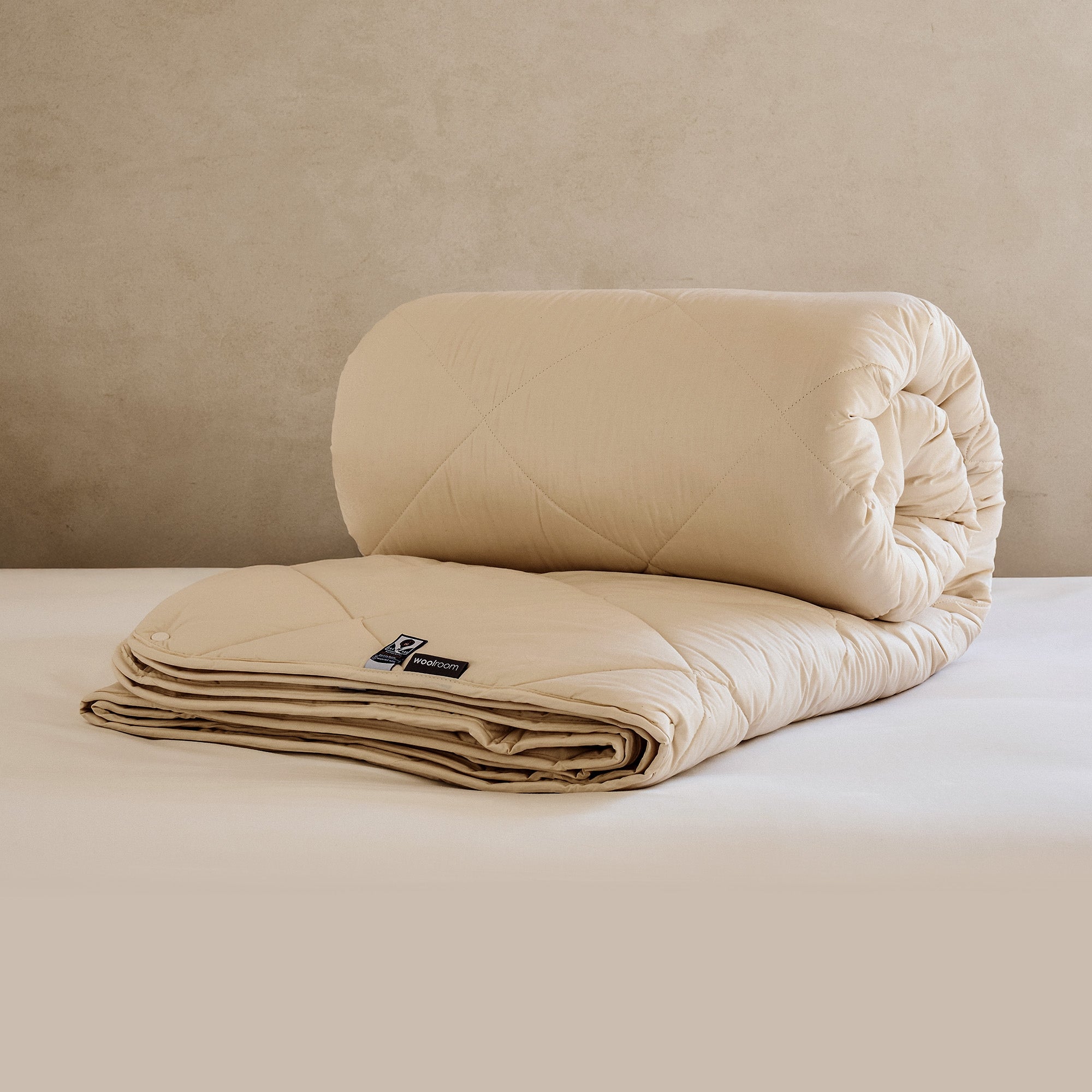
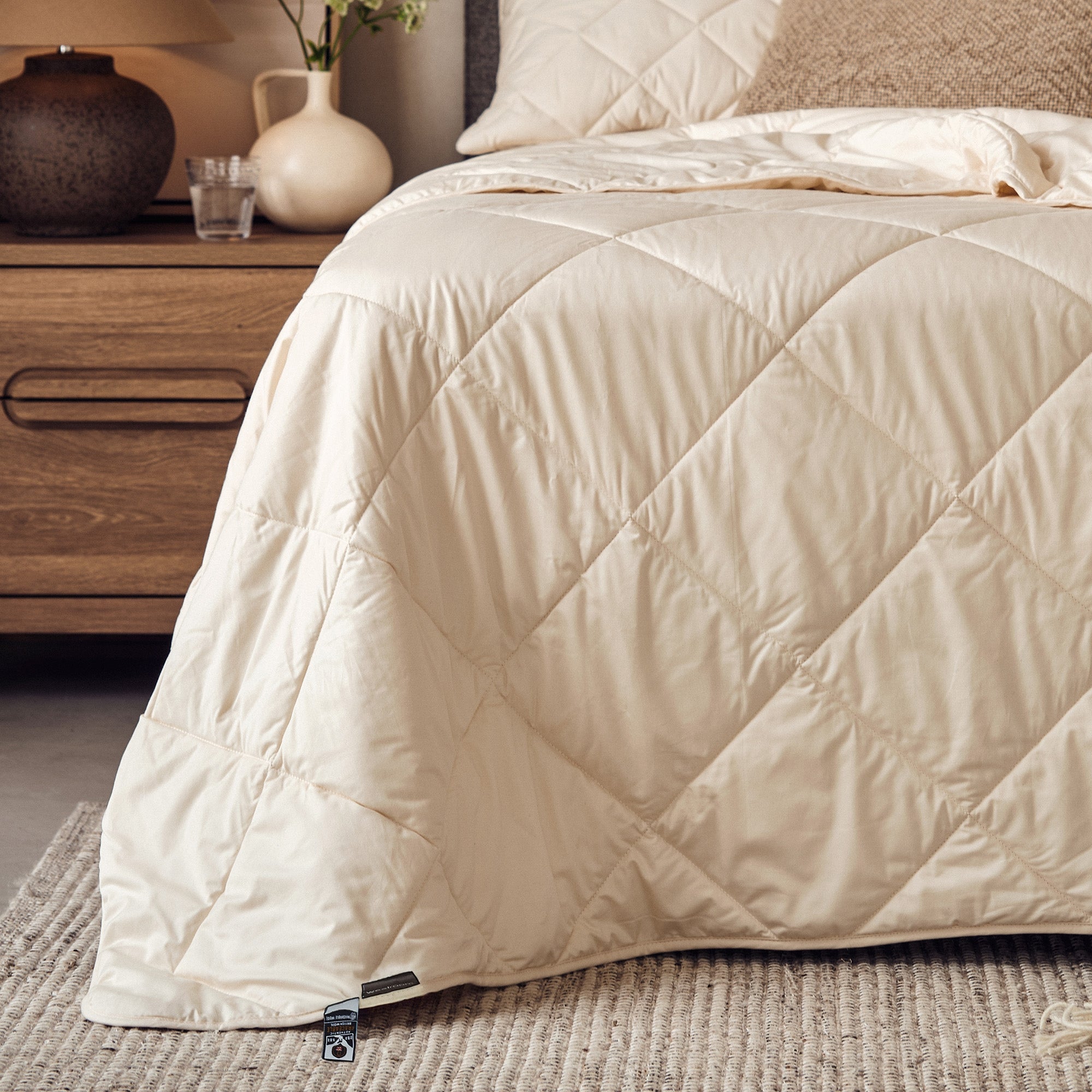
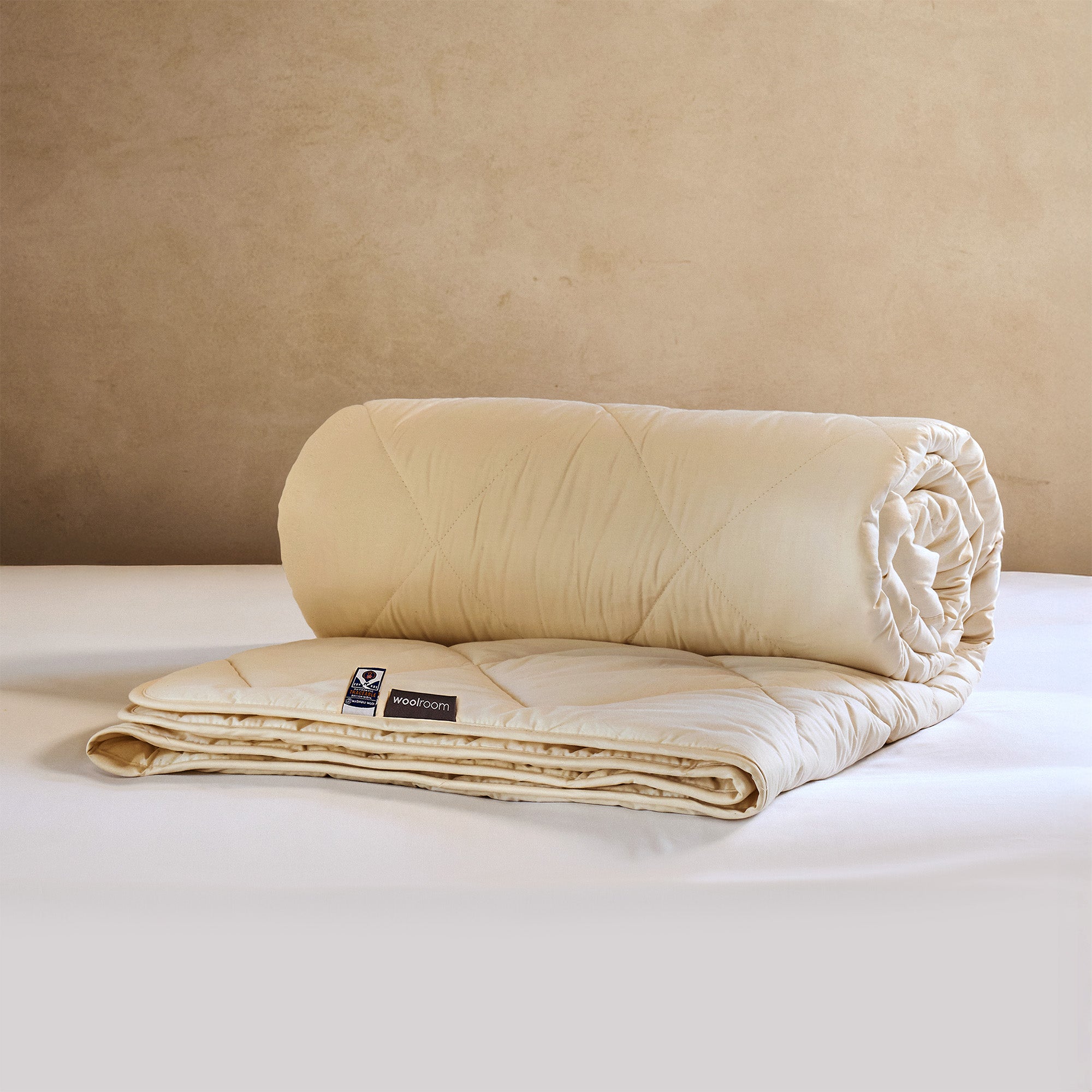
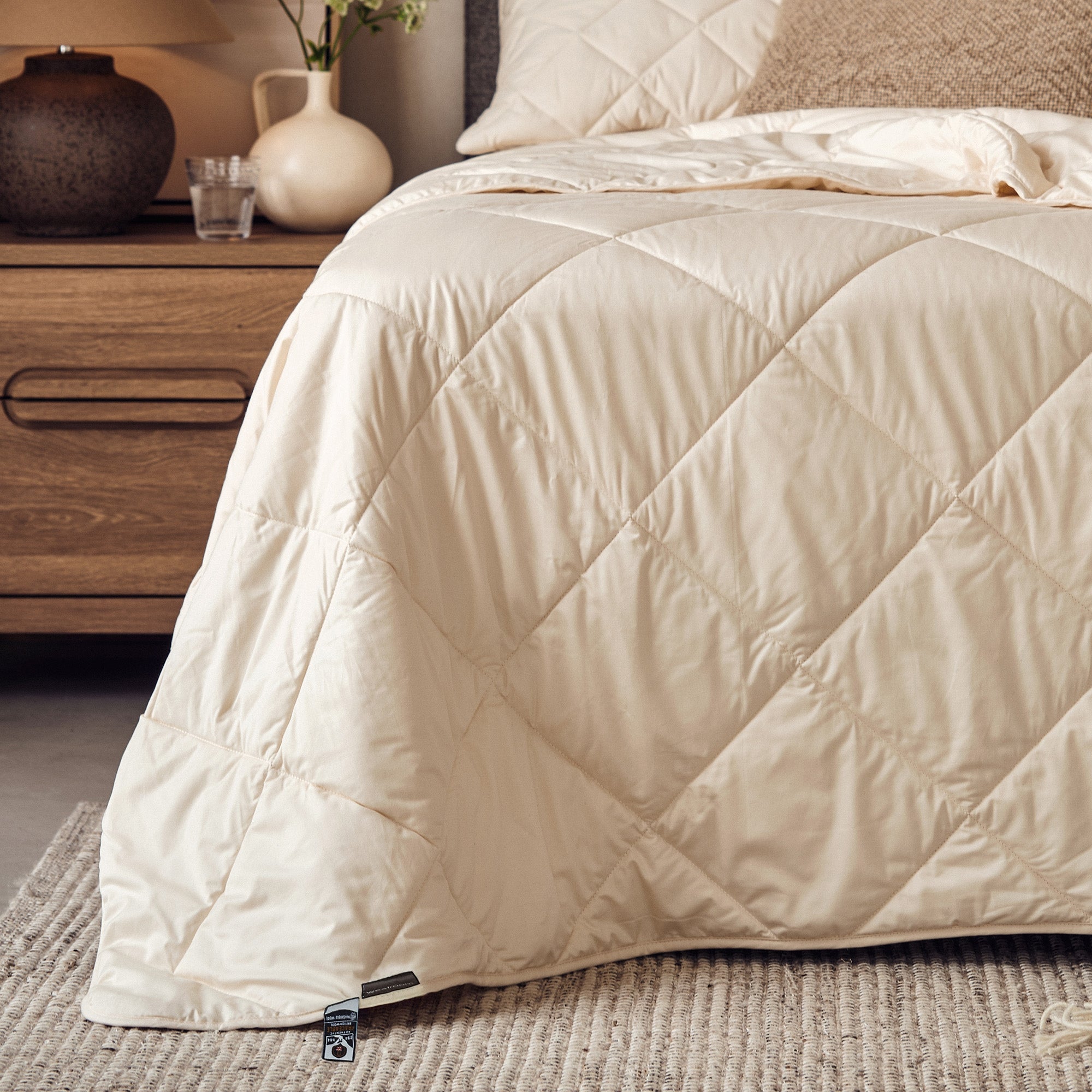
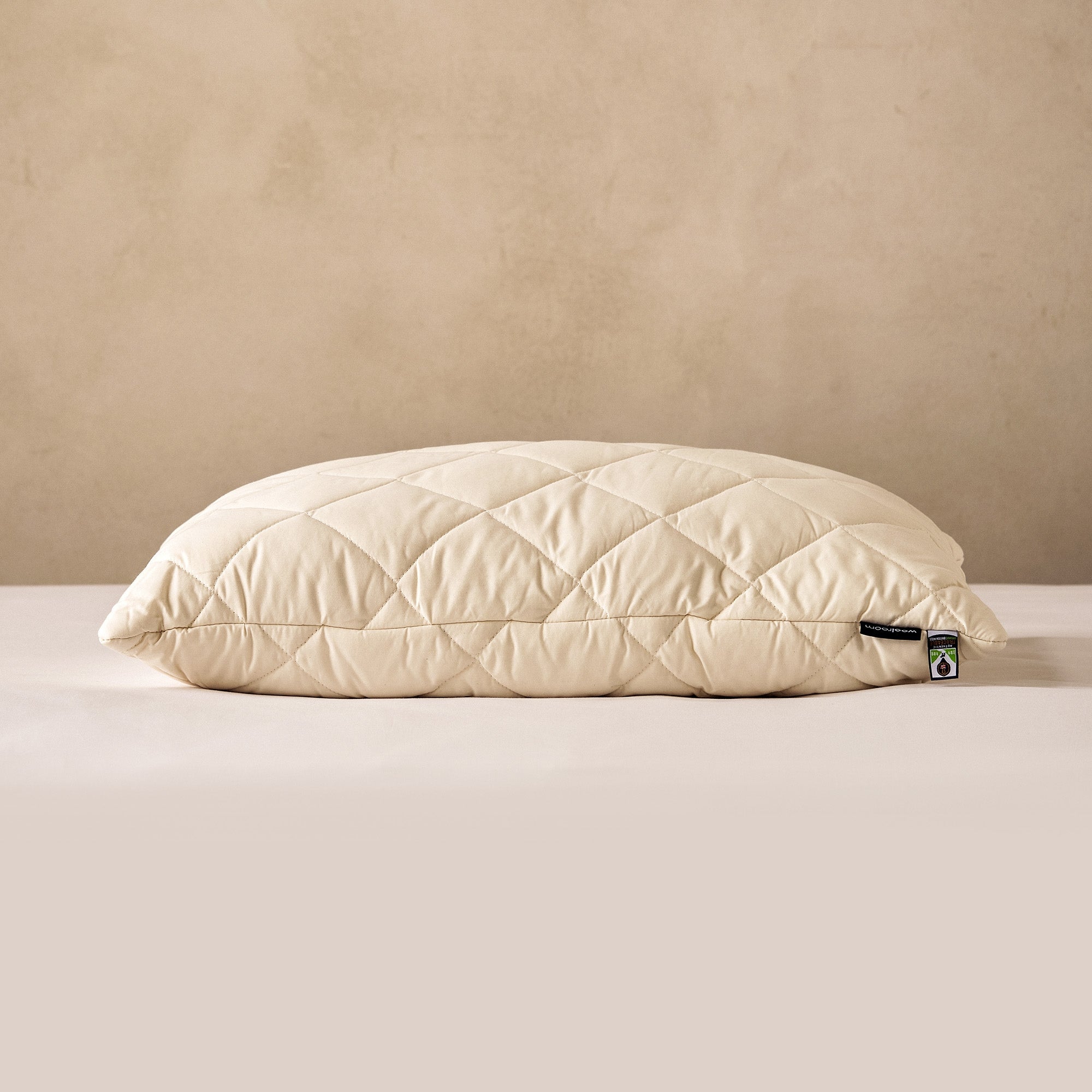
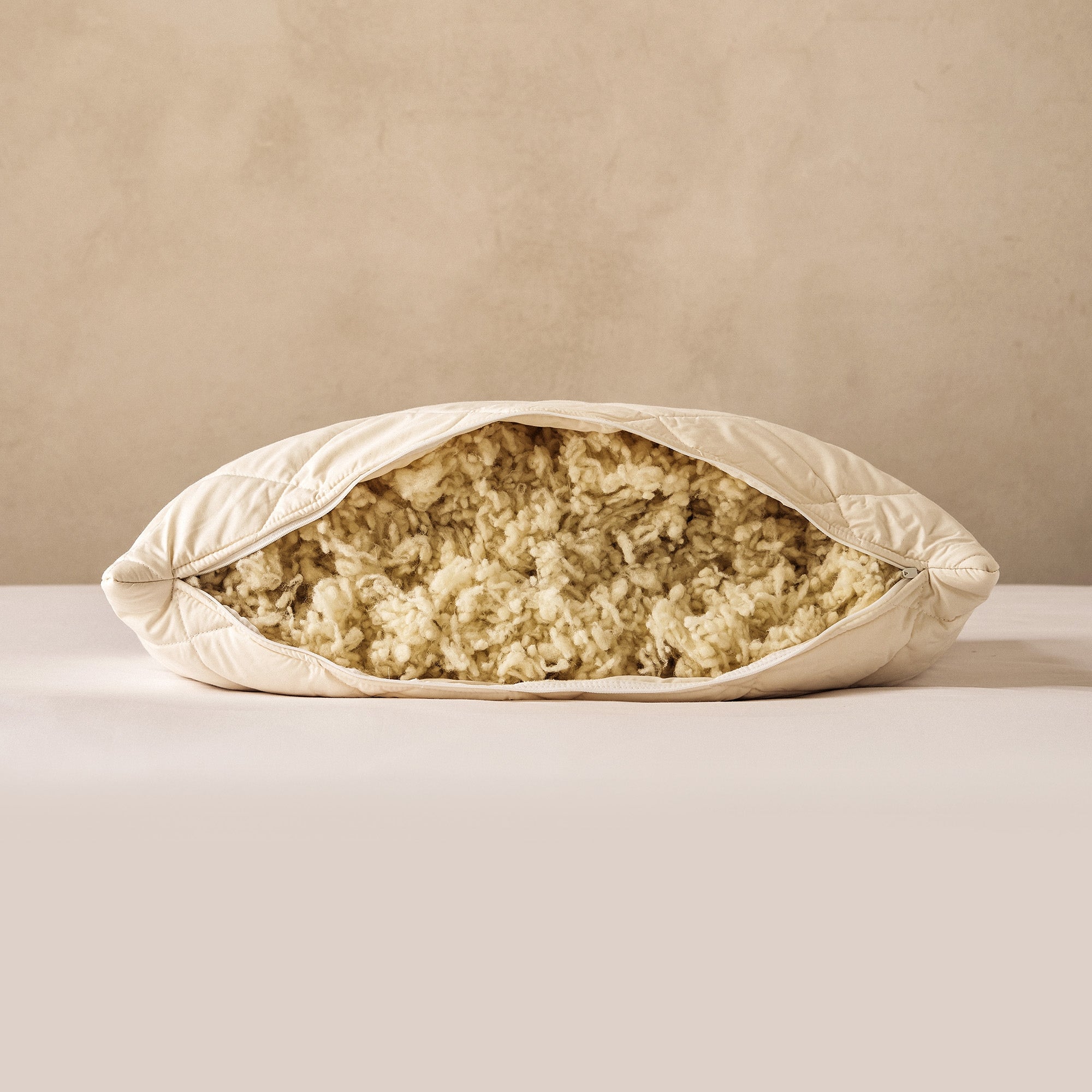
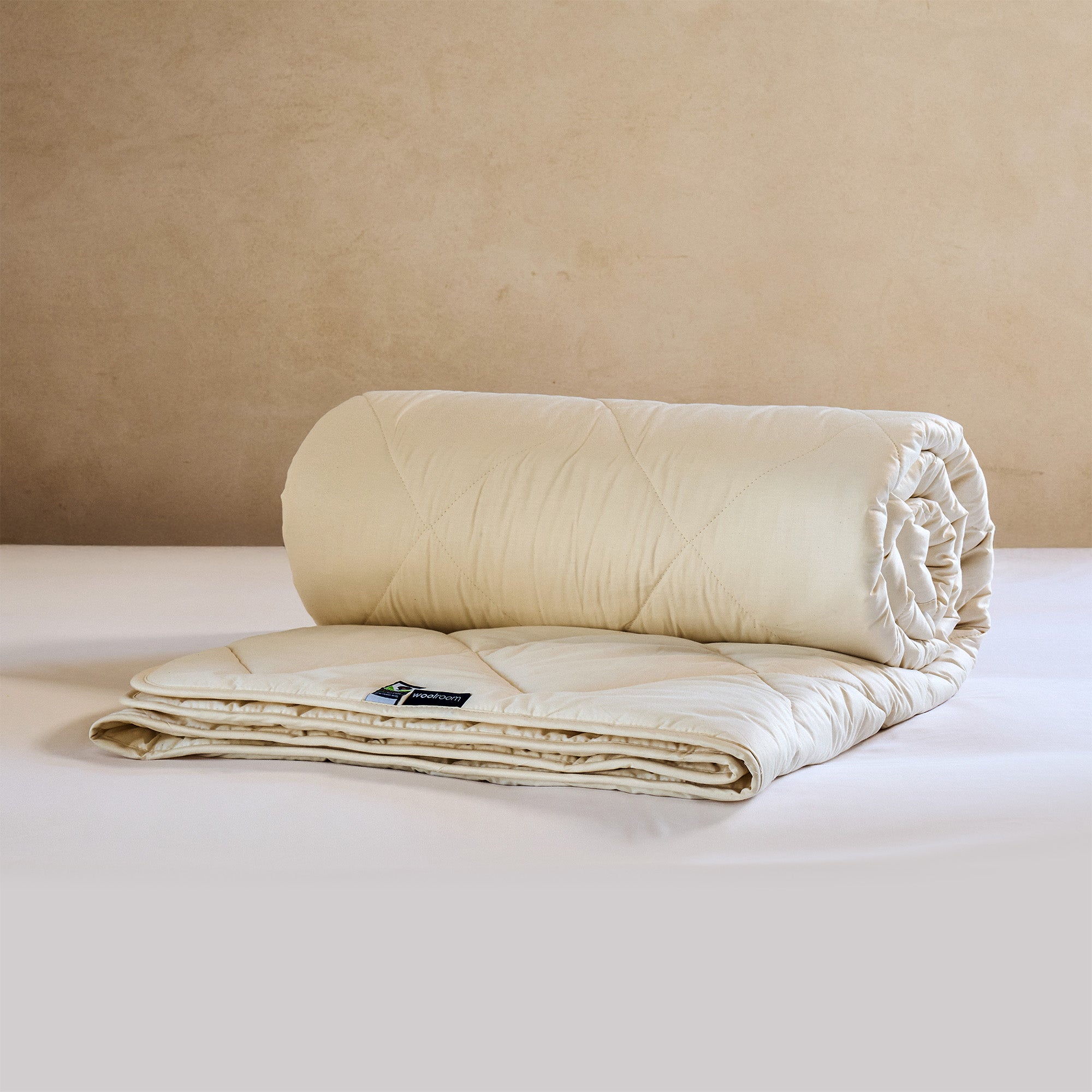
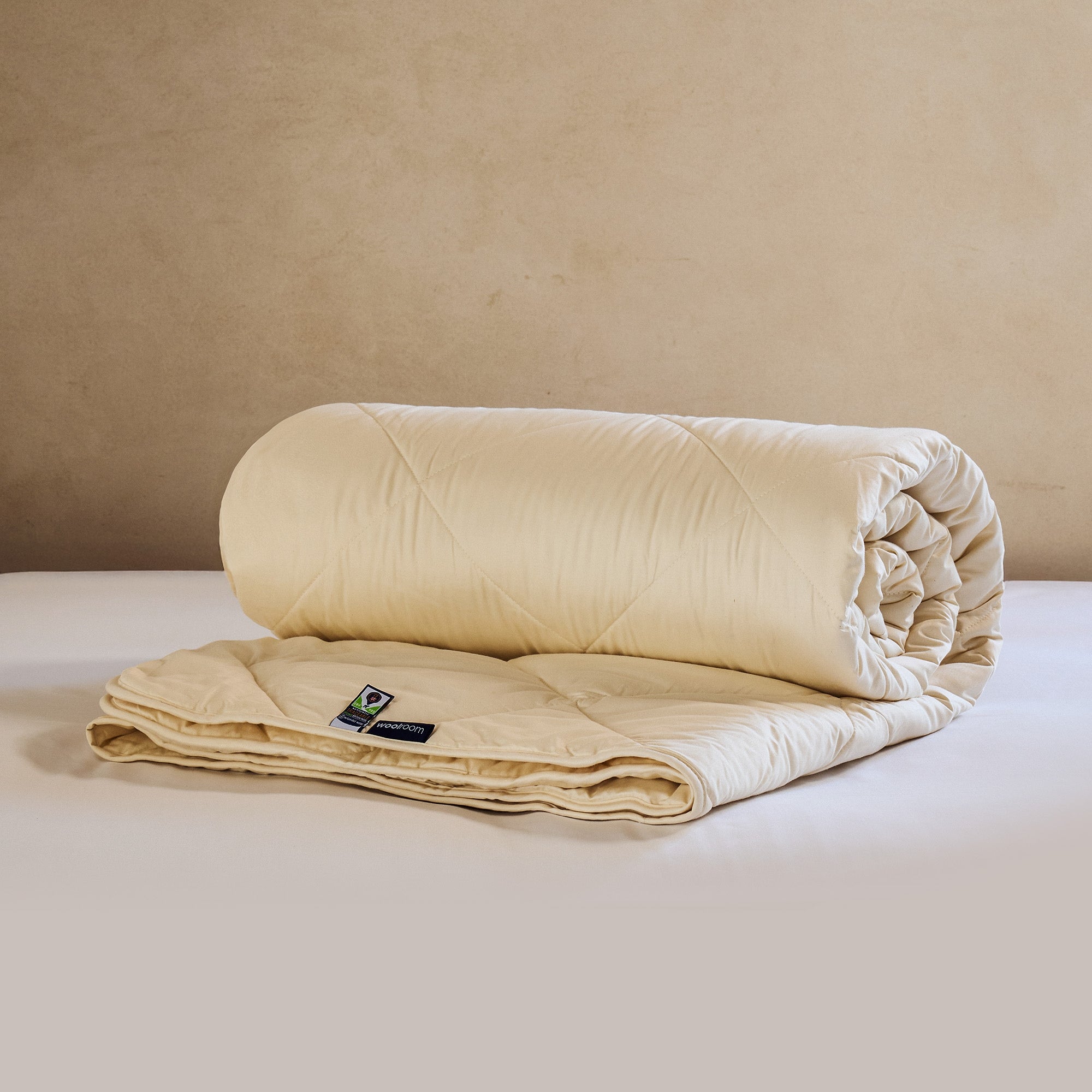
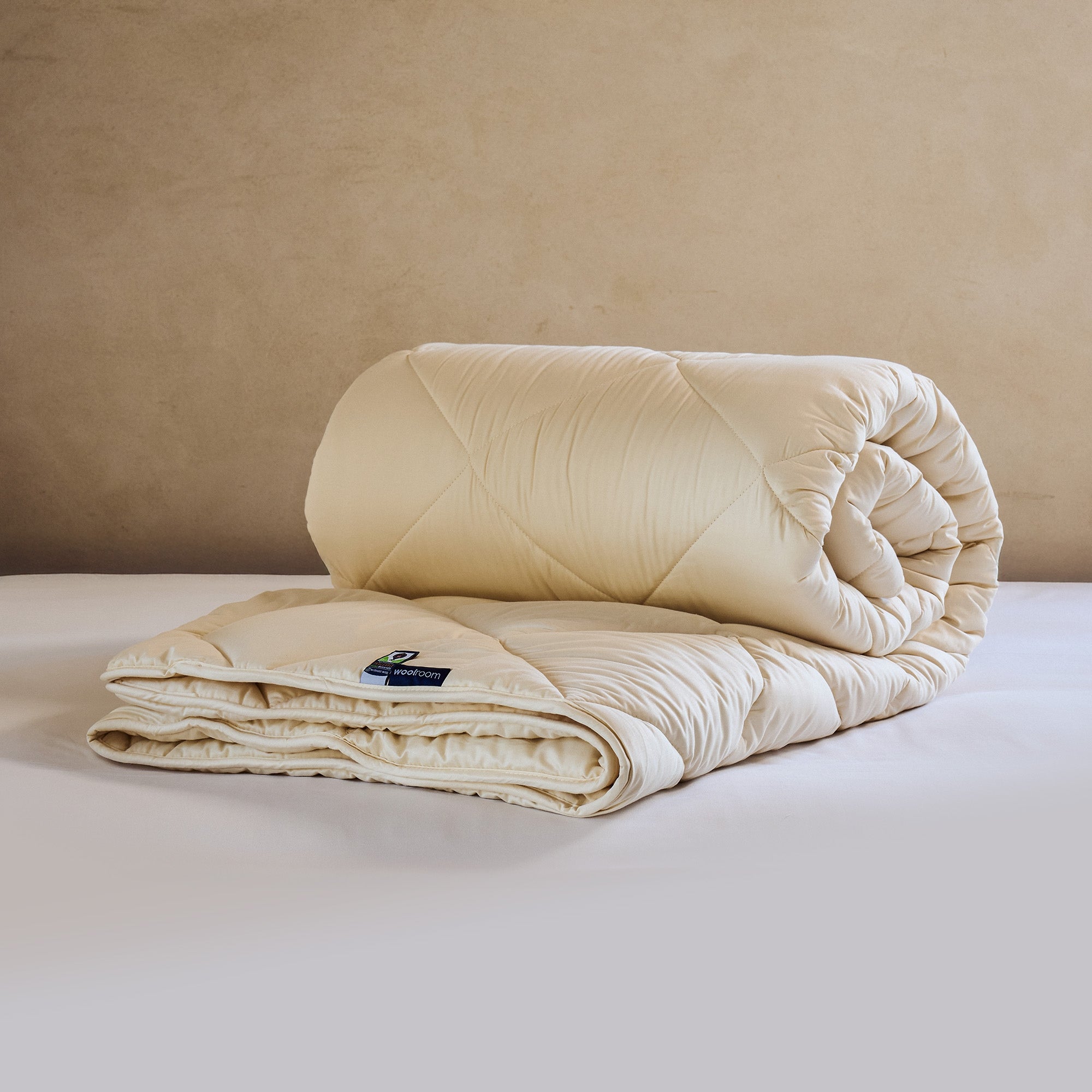
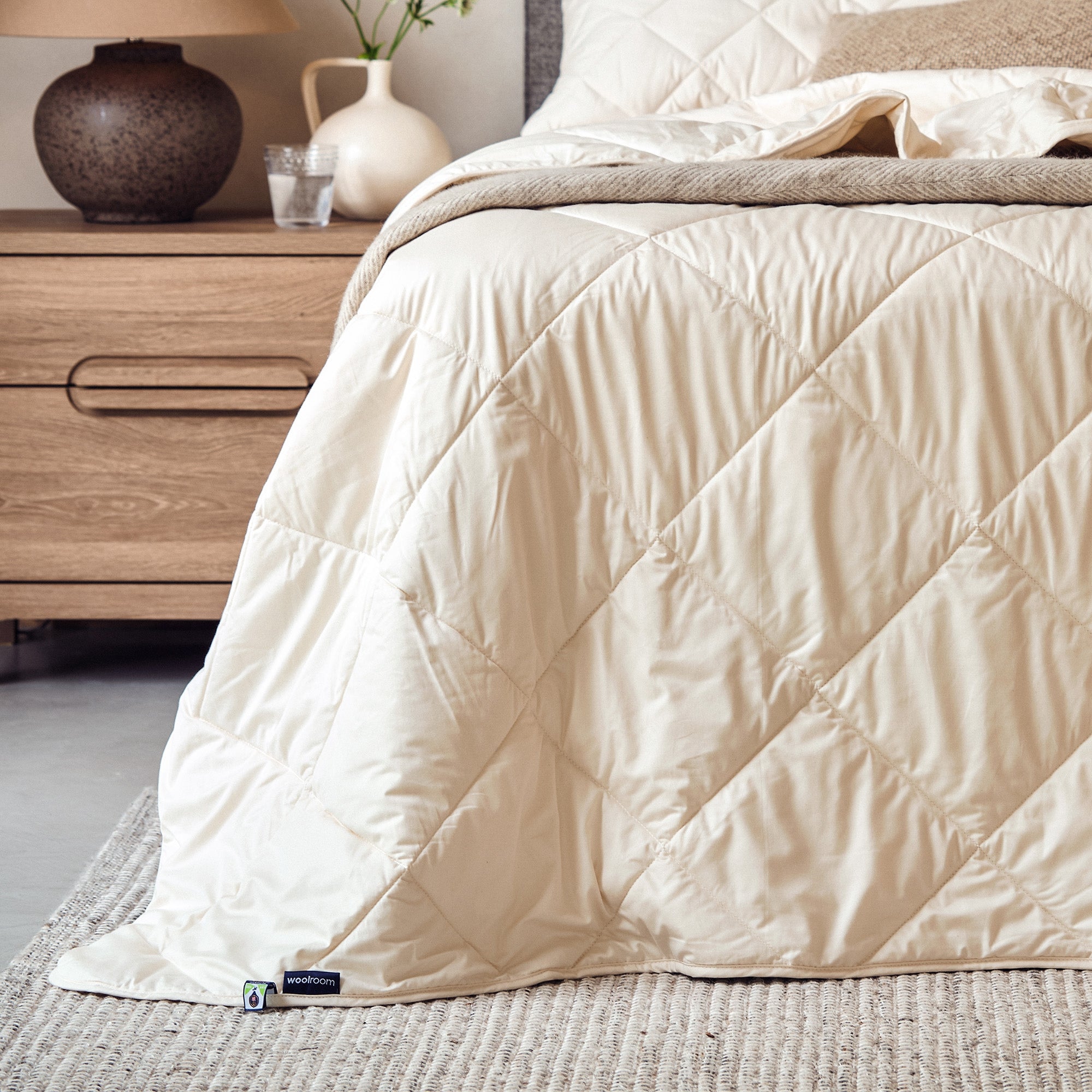
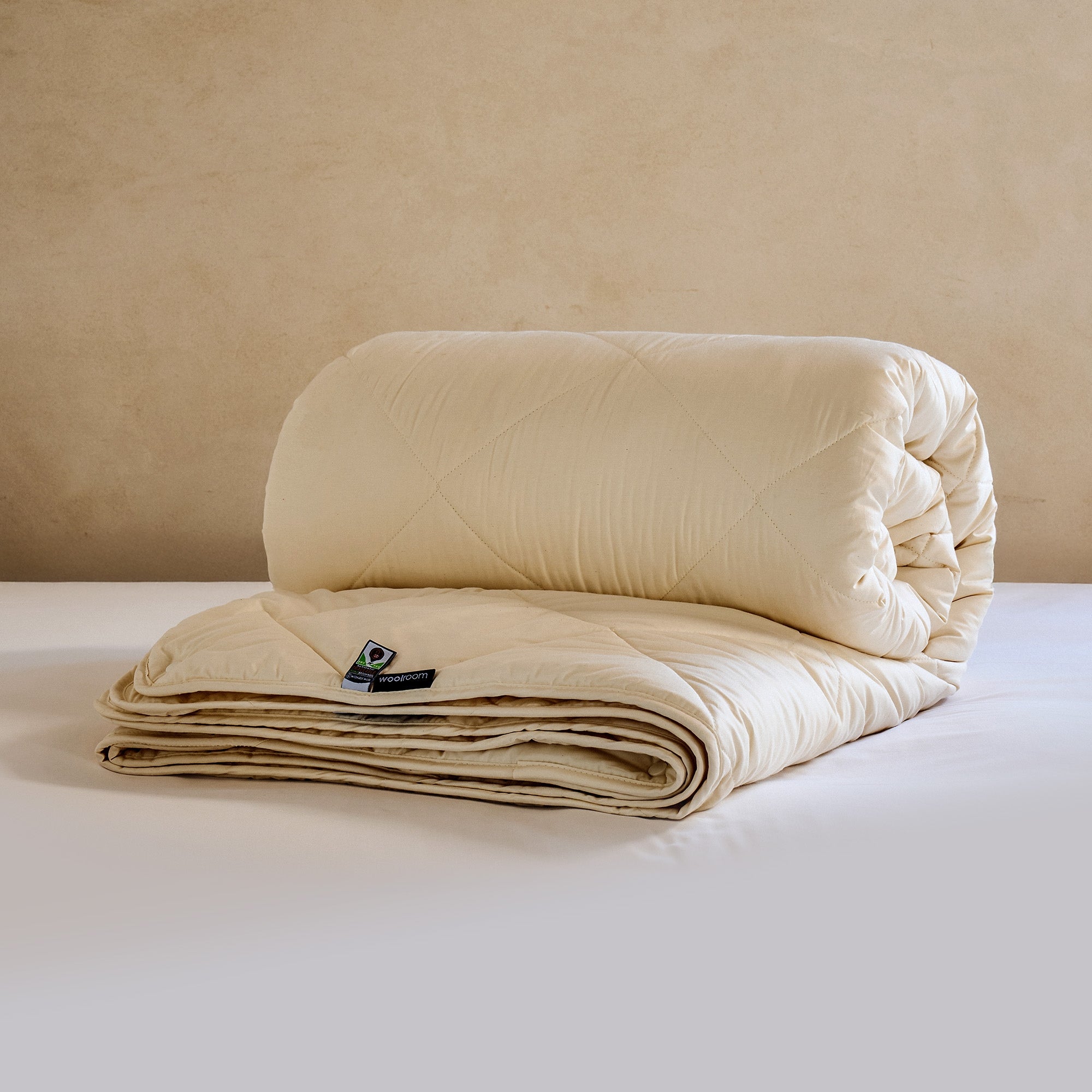
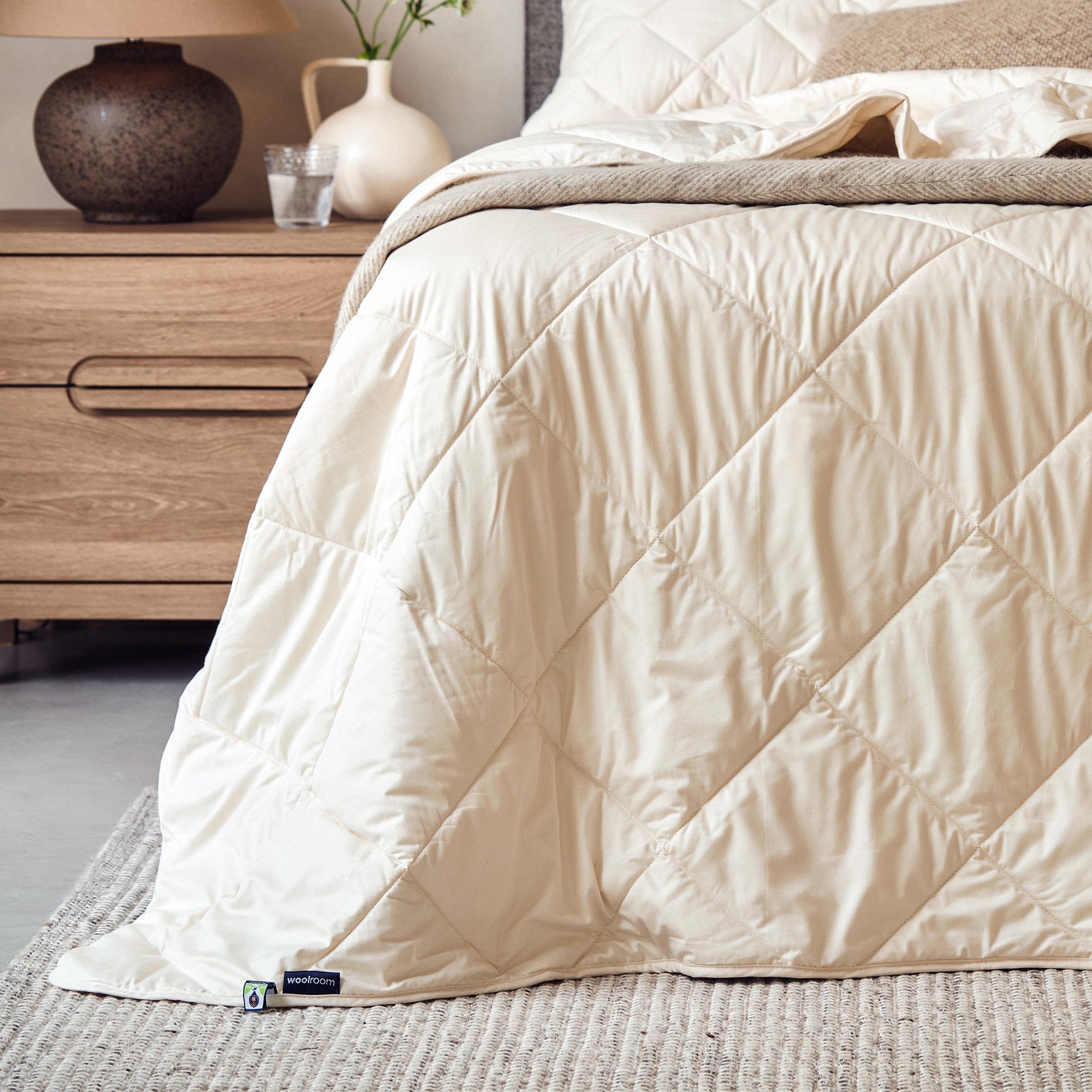
A smart alternative? Wool. It’s one of the coolest fibres you can buy, and its natural characteristics make it beautifully suited to sleep. Woolroom’s natural wool bedding is scientifically proven to regulate your body temperature and manage excess moisture, so it keeps you comfortable during all four seasons. That makes it ideal in the comfort layers of a breathable mattress and in individual bedding items, like your pillow, duvet, or mattress topper.
At Woolroom, we know better sleep starts with better bedding—and for us, that means caring as much about where the wool comes from as how it performs. Nothing rivals traceable, ethically-sourced wool for a truly natural sleep environment, and we’re proud to partner with farms that are committed to the five freedoms outlined in the UK Animal Welfare Act of 2006. Our Wool ID® program means you know exactly where all of the wool in our products comes from.
Wool is naturally resistant to dust mites and mould, and its moisture-wicking properties mean less humidity for allergens to thrive in—making it a smart choice if you’re prone to congestion or sensitive to what you’re breathing in overnight. Plus, Woolroom’s wool bedding is naturally free from synthetics and chemicals, so it contributes to a clean, sustainable sleep environment.
The Bottom Line
Setting up your bedroom for more restful sleep can be tricky, especially in the summer. Research published in the Journal of Physiological Anthropology found that summer heat can disrupt your slow wave and REM cycles, but cranking up the AC, as we’ve covered, presents its own issues—from dry air and allergens to disruptive noise and drafts.
The good news is you don’t have to choose between a hot room and a disruptive one. The right bedding can do the temperature and moisture work your AC is struggling with, so you can turn the thermostat down a few notches, aim the vents away from the bed, and let your sheets and duvet handle the rest. If you're ready to stop fighting your AC every night, explore Woolroom's collection and see what a truly breathable night’s sleep feels like.
Frequently Asked Questions
Does air conditioning affect sleep?
Yes. Running the AC keeps your room cool, but it also dries out the air, contributes to drafts that can blow on you, creates noise, and may circulate allergens if you have a dirty filter. Any of these issues can lead to lighter, more fragmented sleep, even if the air temperature is comfortable.
Is it healthier to sleep without AC?
Not necessarily, since heat is disruptive to sleep as well. The healthiest approach is to create a cool, moderately humid room without direct airflow blowing on you. That might mean turning on the AC but ensuring vents are aimed away from you and pairing it with breathable bedding like wool.
Is it bad to have AC right next to bed?
It can be, especially if the airflow blows directly on your face and body. Research links that to lower skin temperature and small body movements that raise your heart rate, both of which can disrupt sleep. If your bed is near a vent, try aiming it away from where you sleep or moving your bed if you can.