Key Takeaways
- A duvet and a duvet insert are the same thing—the filled, insulating blanket that goes inside a duvet cover. The cover is the separate piece.
- Unlike a comforter, a duvet system uses two components, which makes it easier to clean, more adaptable across seasons, and more customizable by material.
- Wool is one of the best duvet fill materials available: naturally temperature regulating, moisture wicking, breathable, and inhospitable to common allergens.
If you've ever shopped for bedding and found yourself confused by terms like duvet, duvet insert, and duvet cover, you're not alone—after all, comforters dominate North American bedrooms. Duvets are a European staple, but they’re steadily gaining popularity across the continent. Understanding how duvets work, and how their components fit together, can help you make smarter bedding choices.
What Is a Duvet?
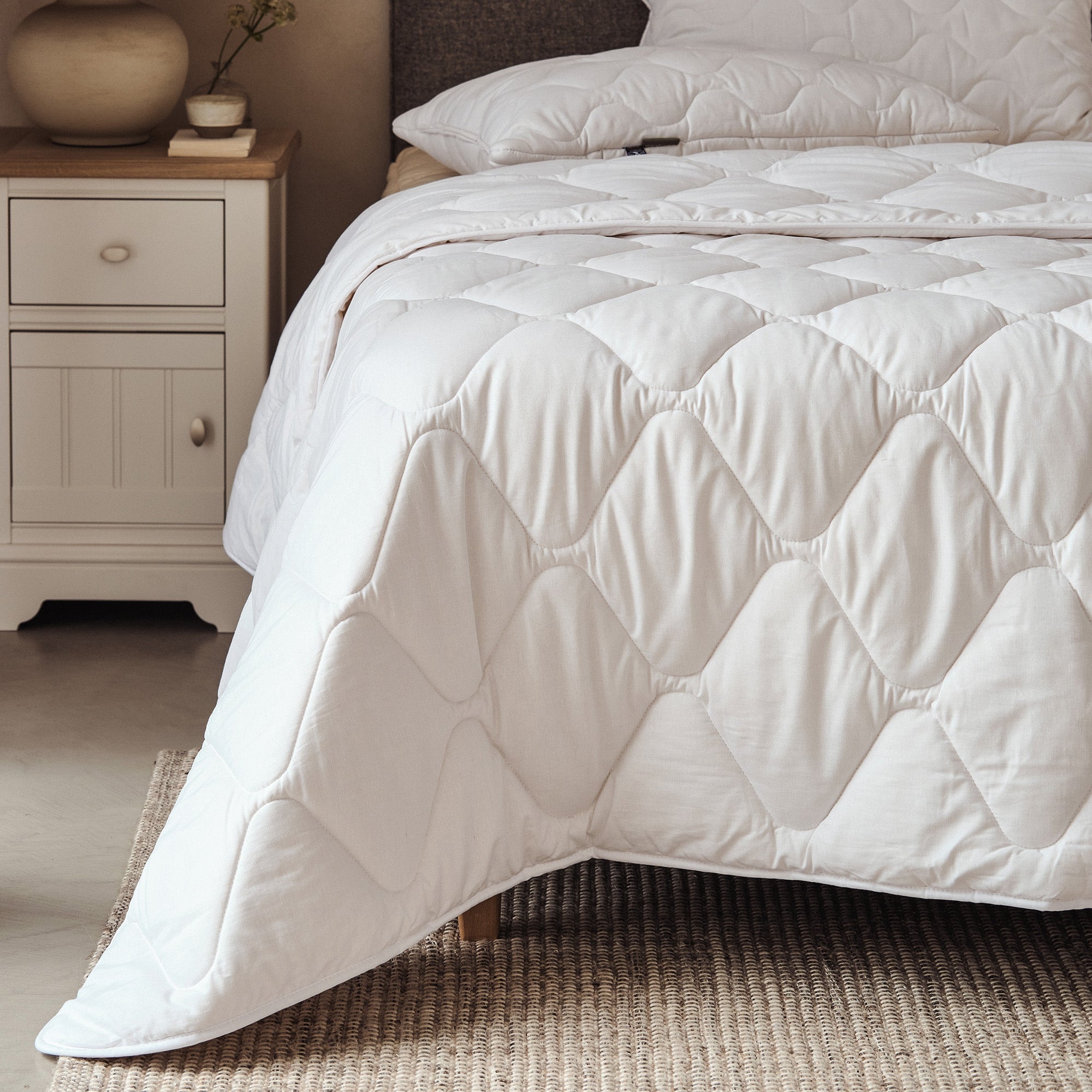
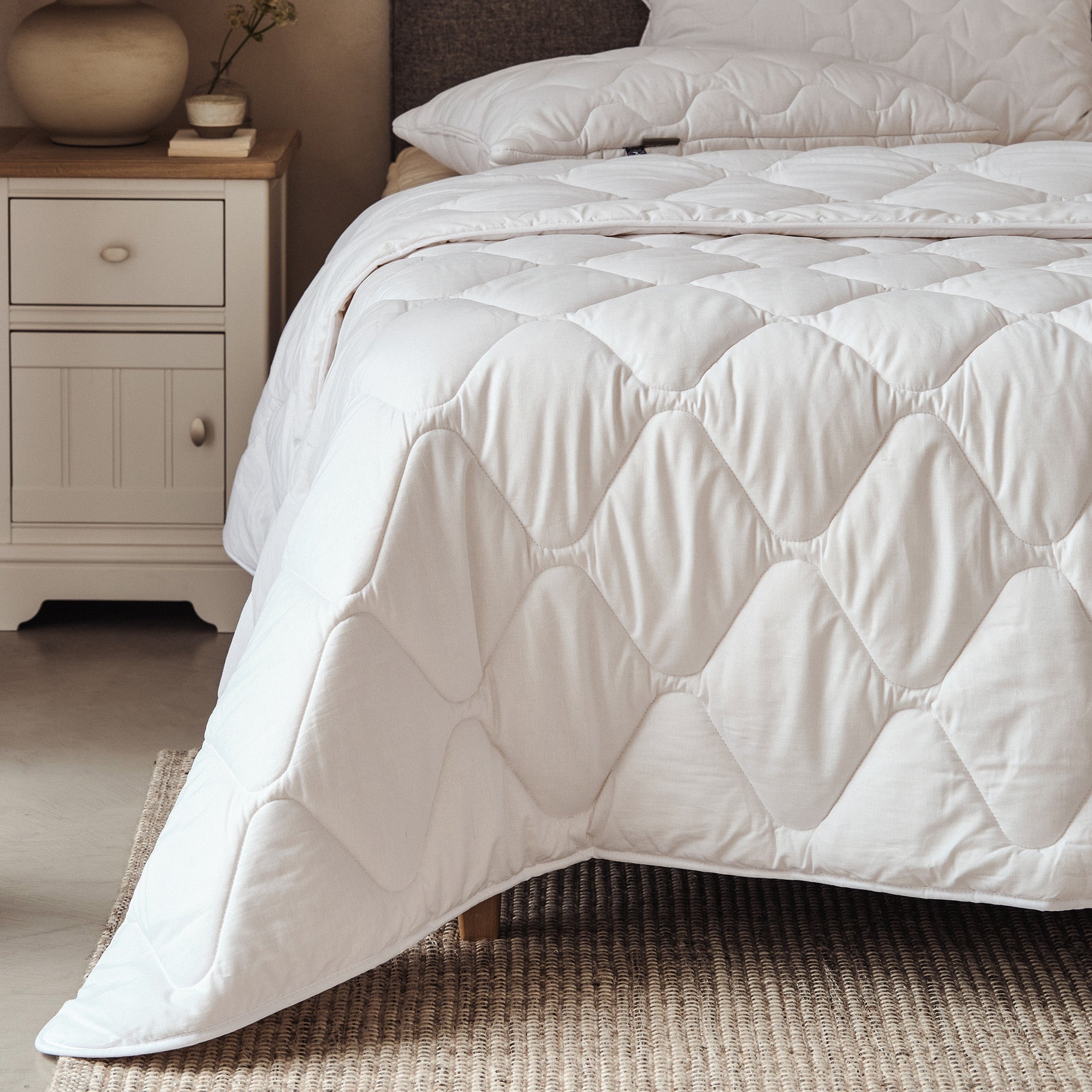
A duvet (which is pronounced “do-vay”) is a soft, flat, insulated blanket used as the top layer of bedding. It’s the part that goes on top to keep you cozy—the functional layer used for insulation and comfort. In North America, it’s what we might call a comforter. But while a comforter is intended to be used as-is, a duvet is actually designed to go inside a duvet cover. That serves two purposes: it protects the duvet and it allows for intentional style choices, since duvet covers come in a rainbow of colours, prints, and patterns.
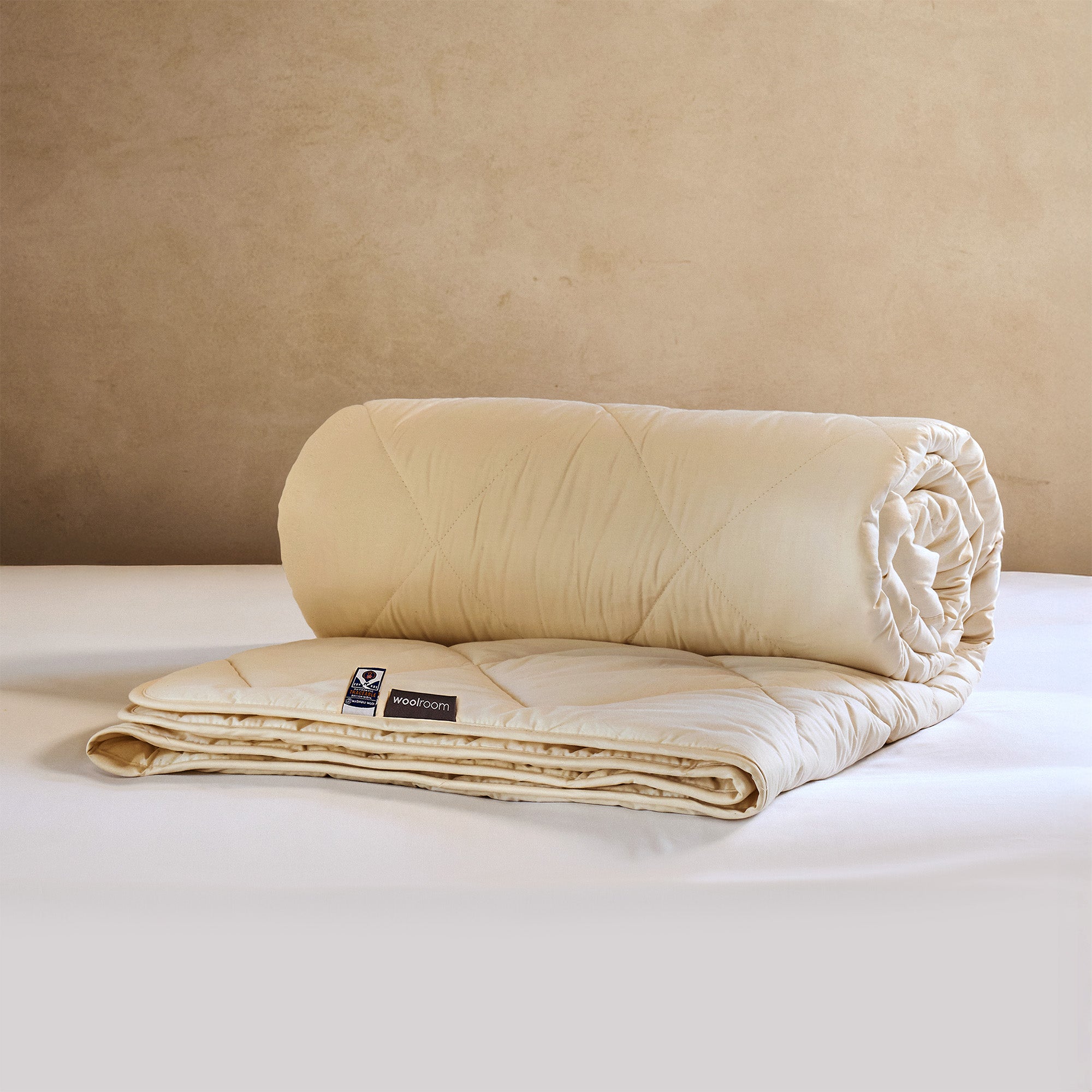
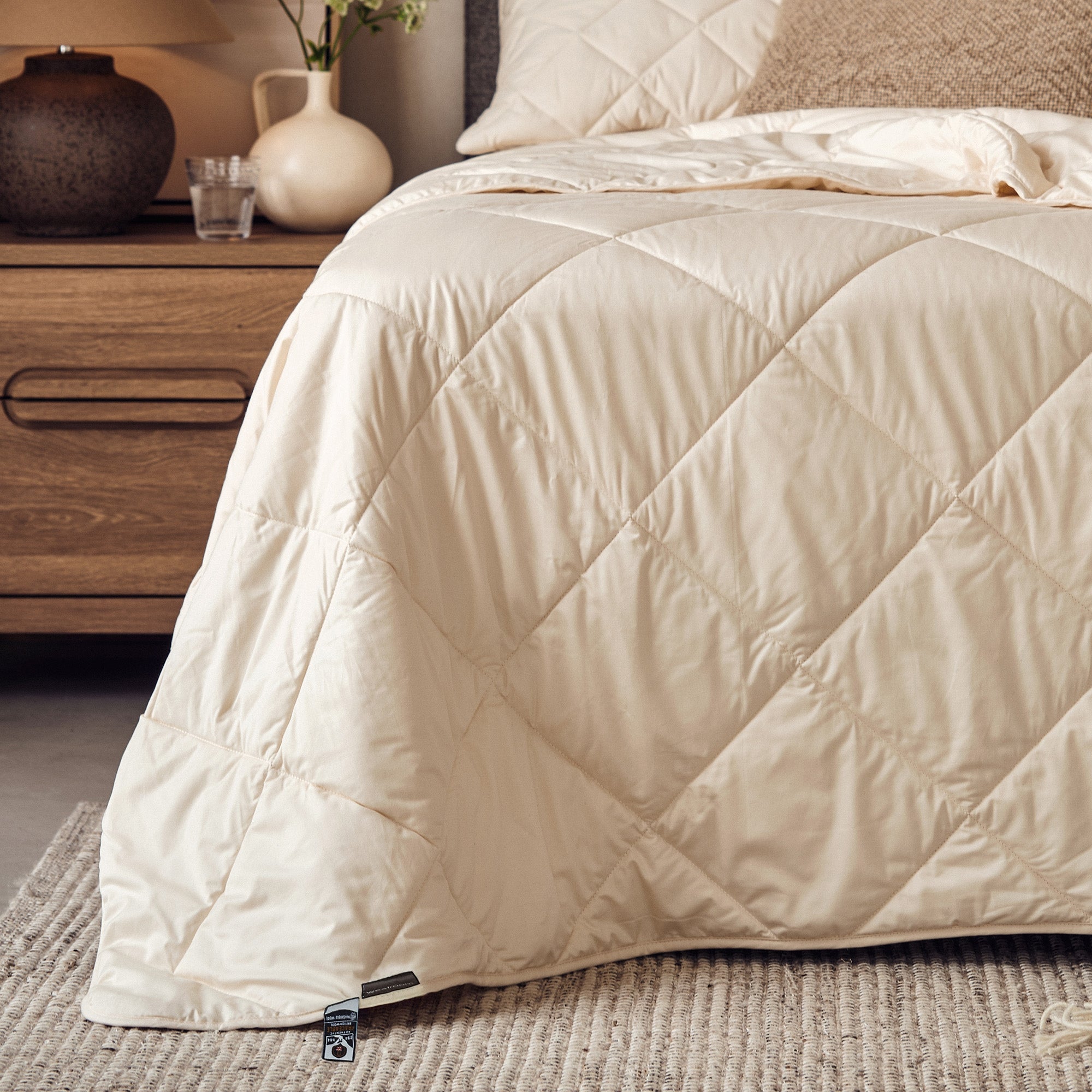
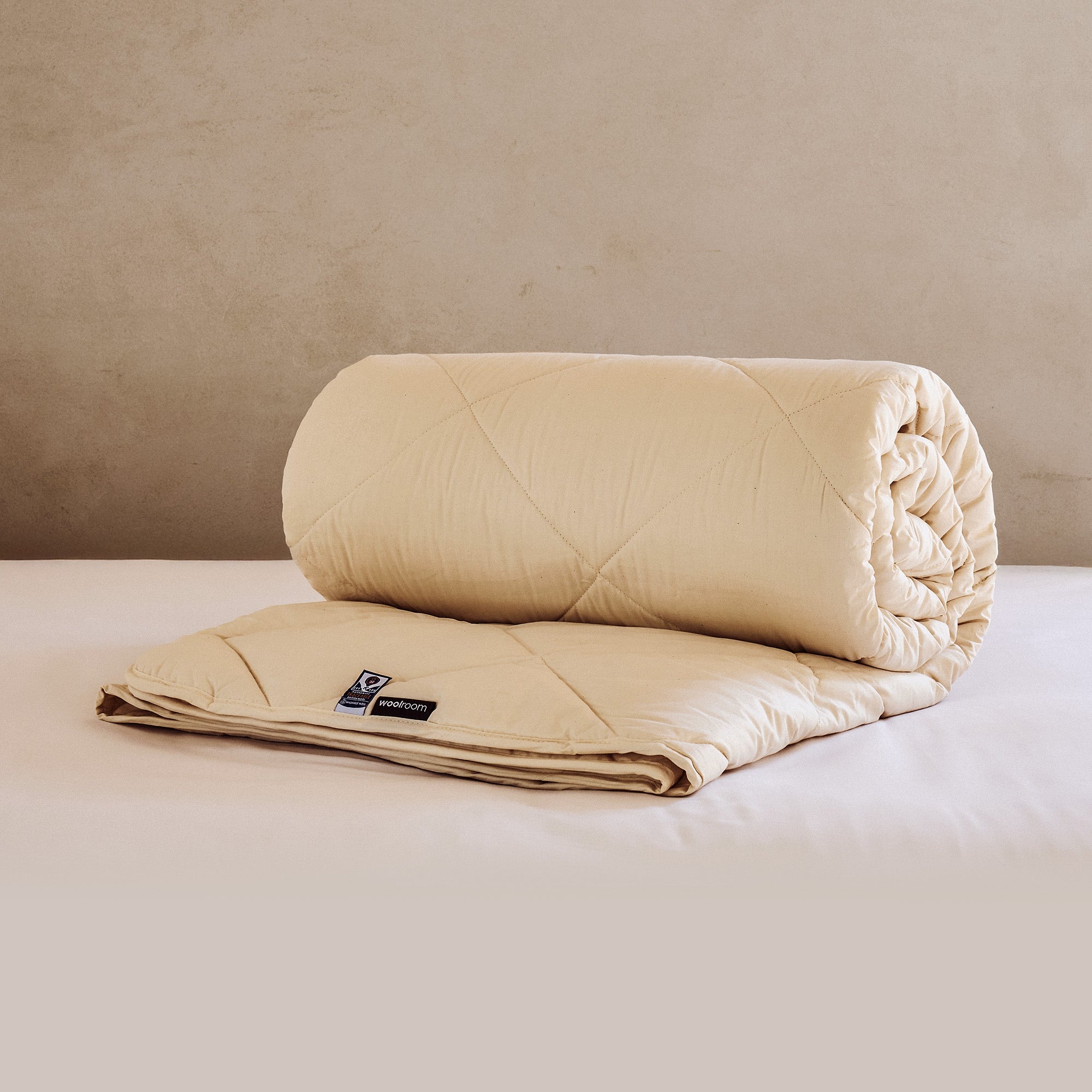
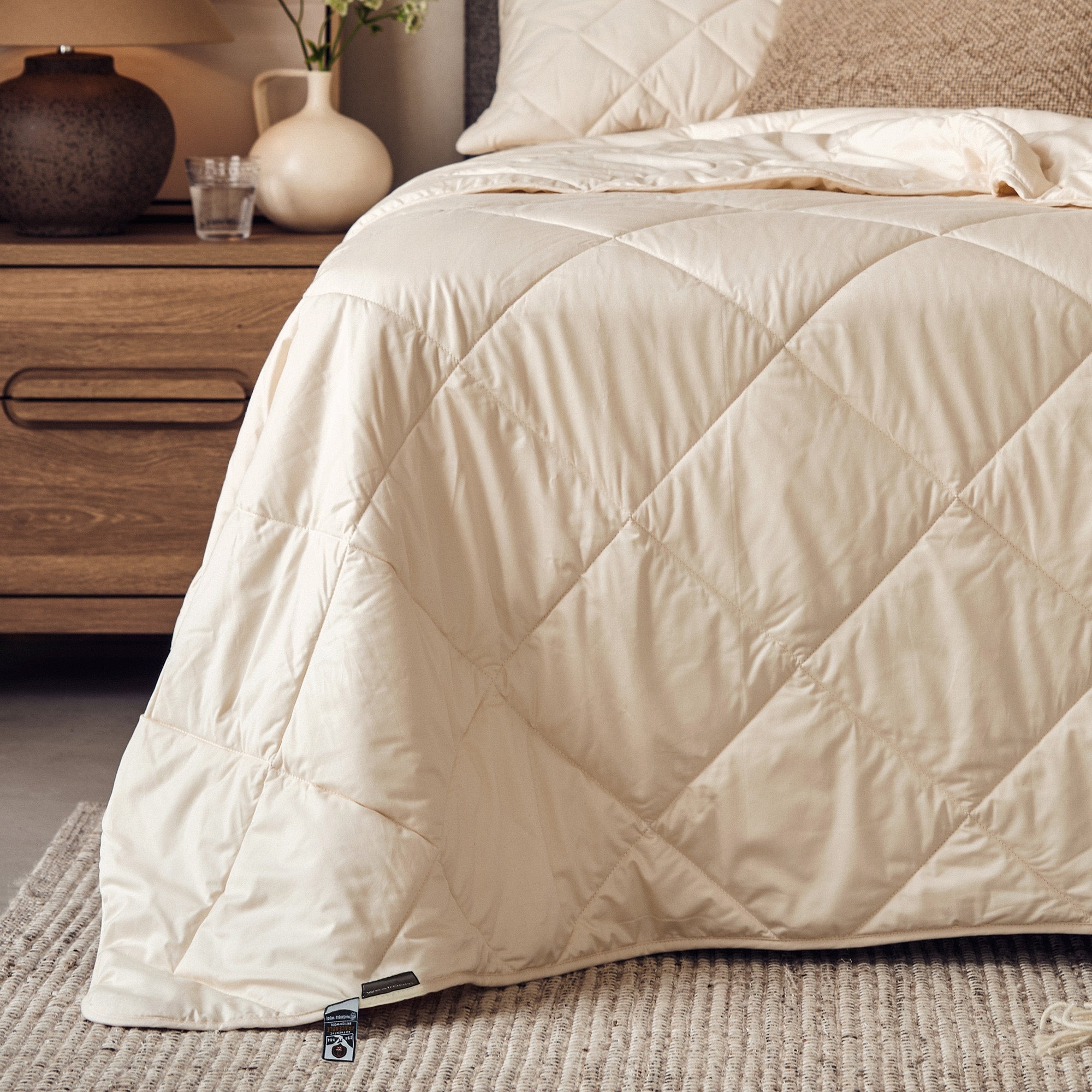
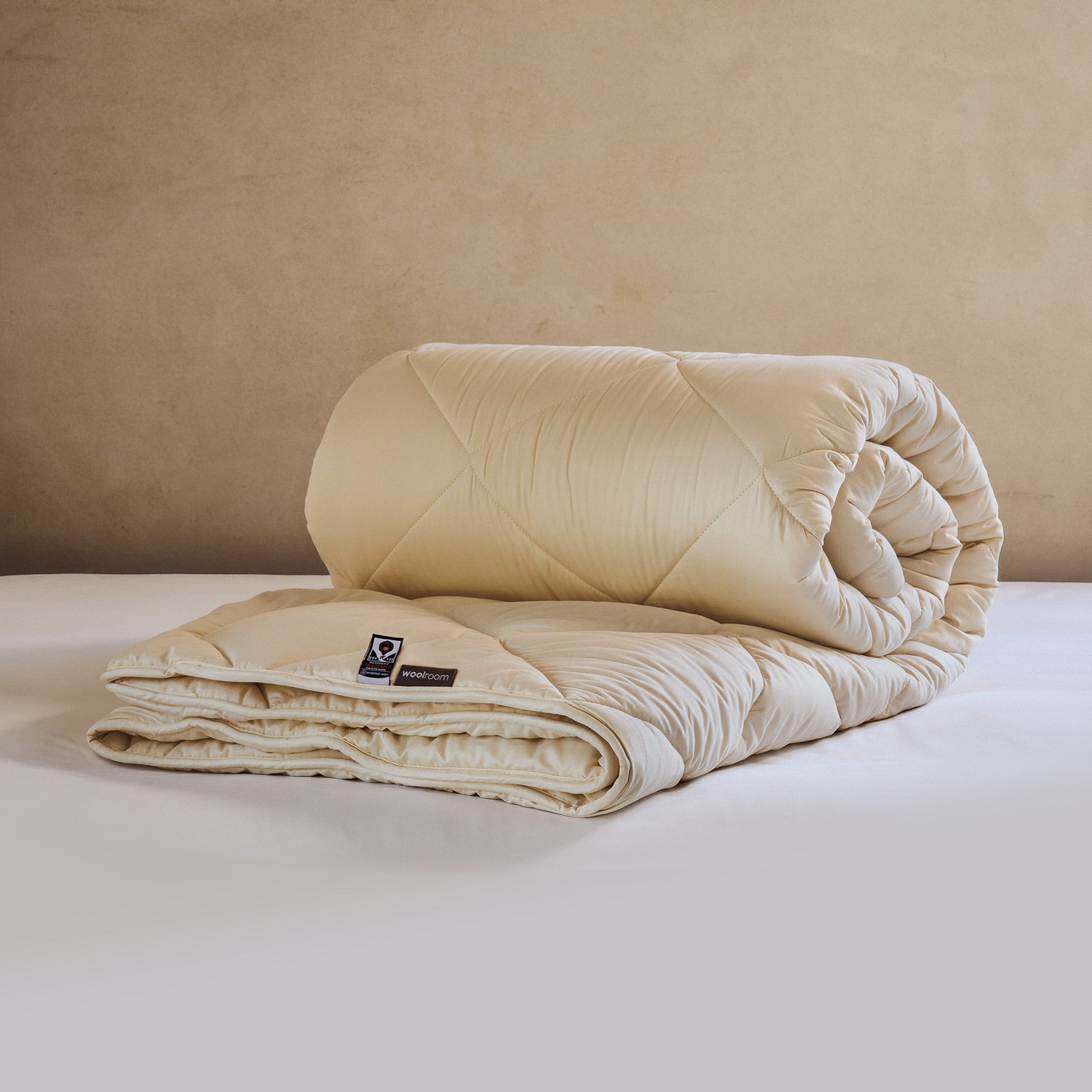
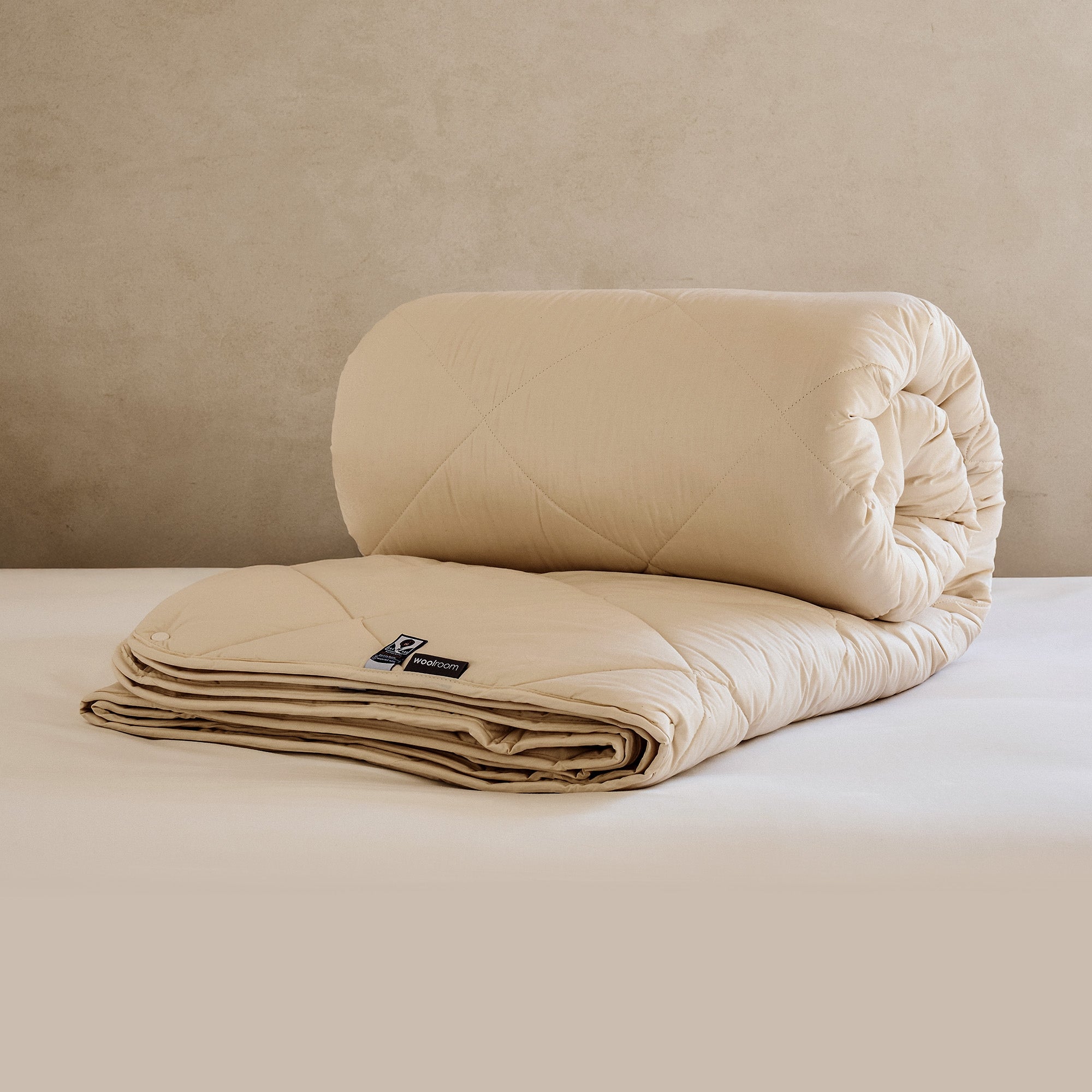
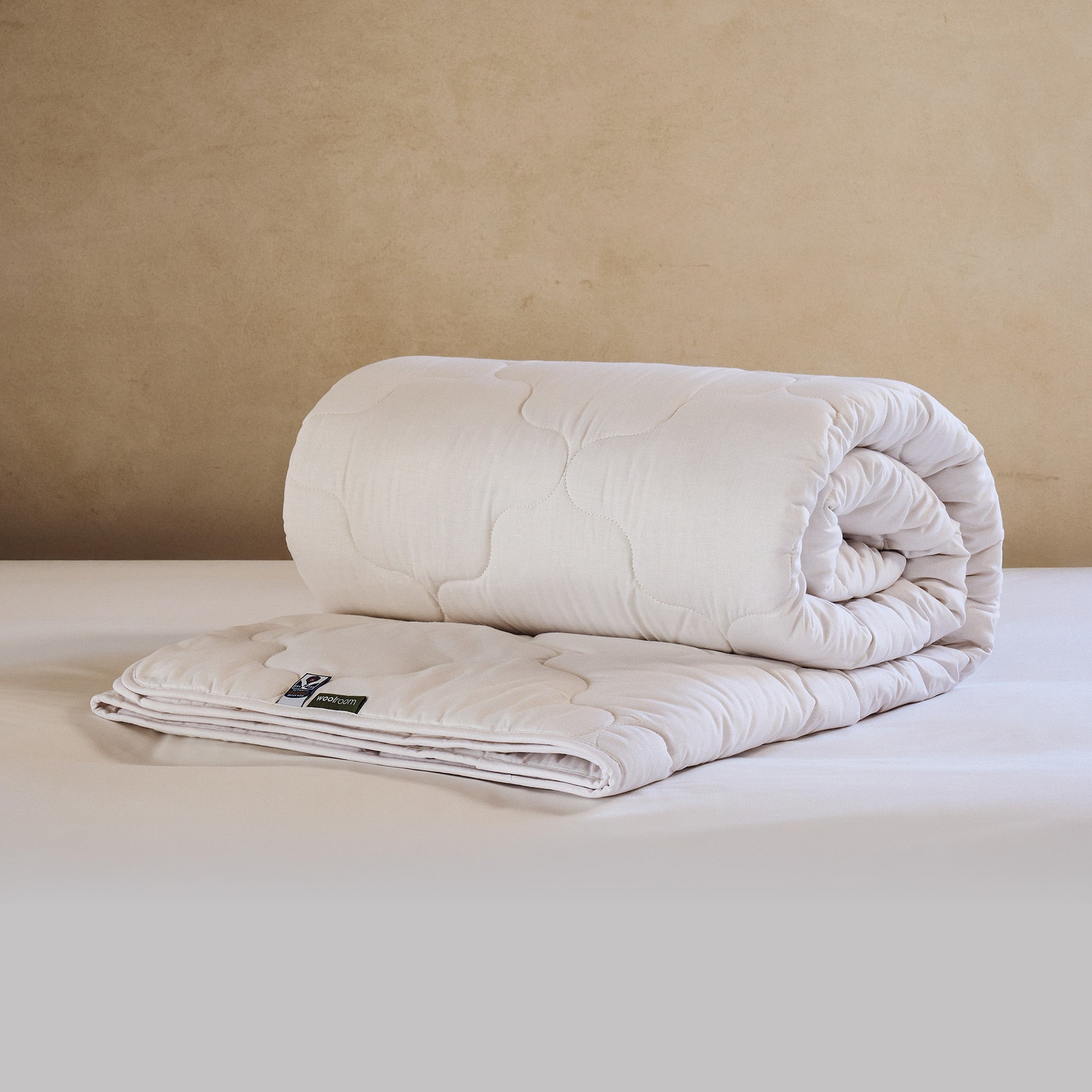
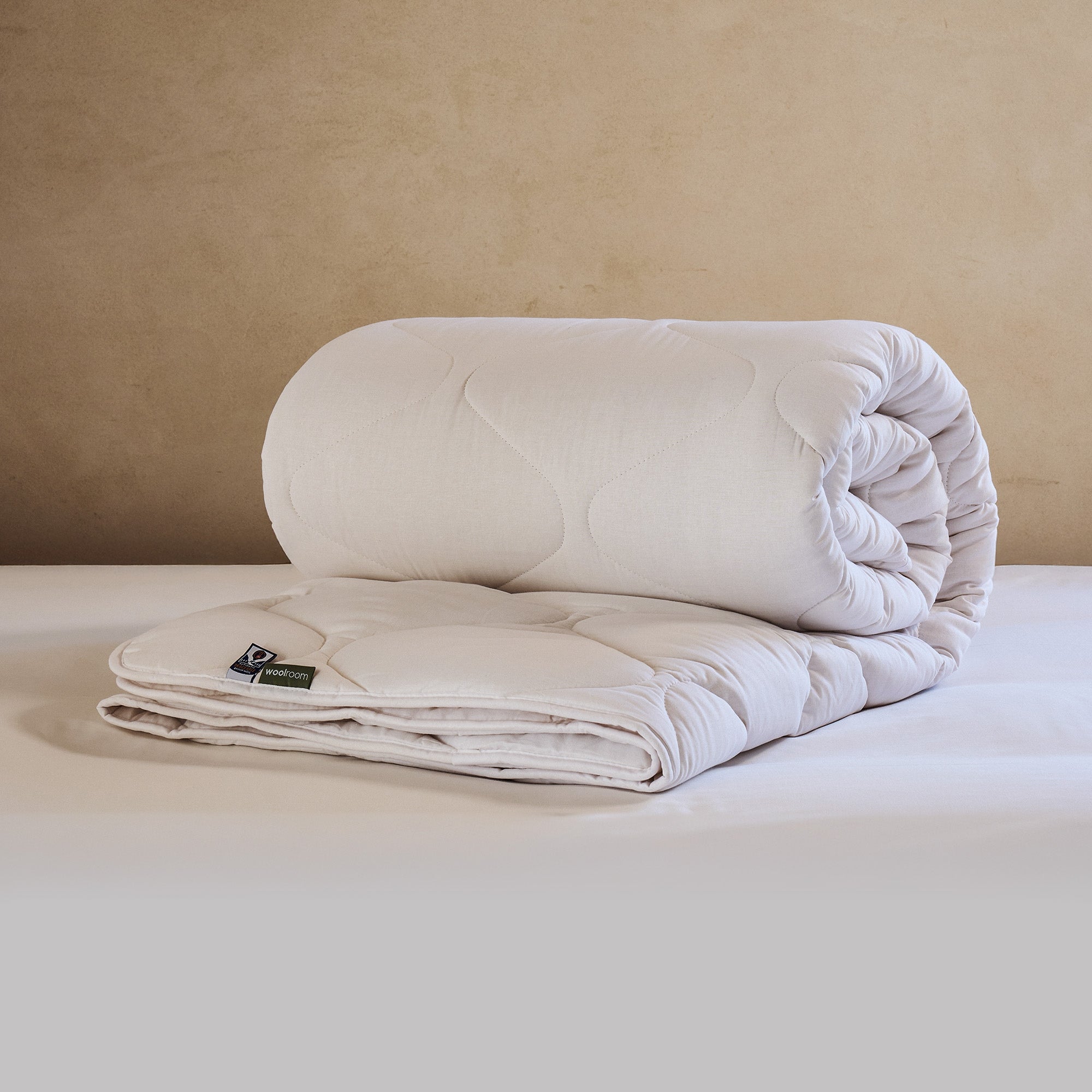
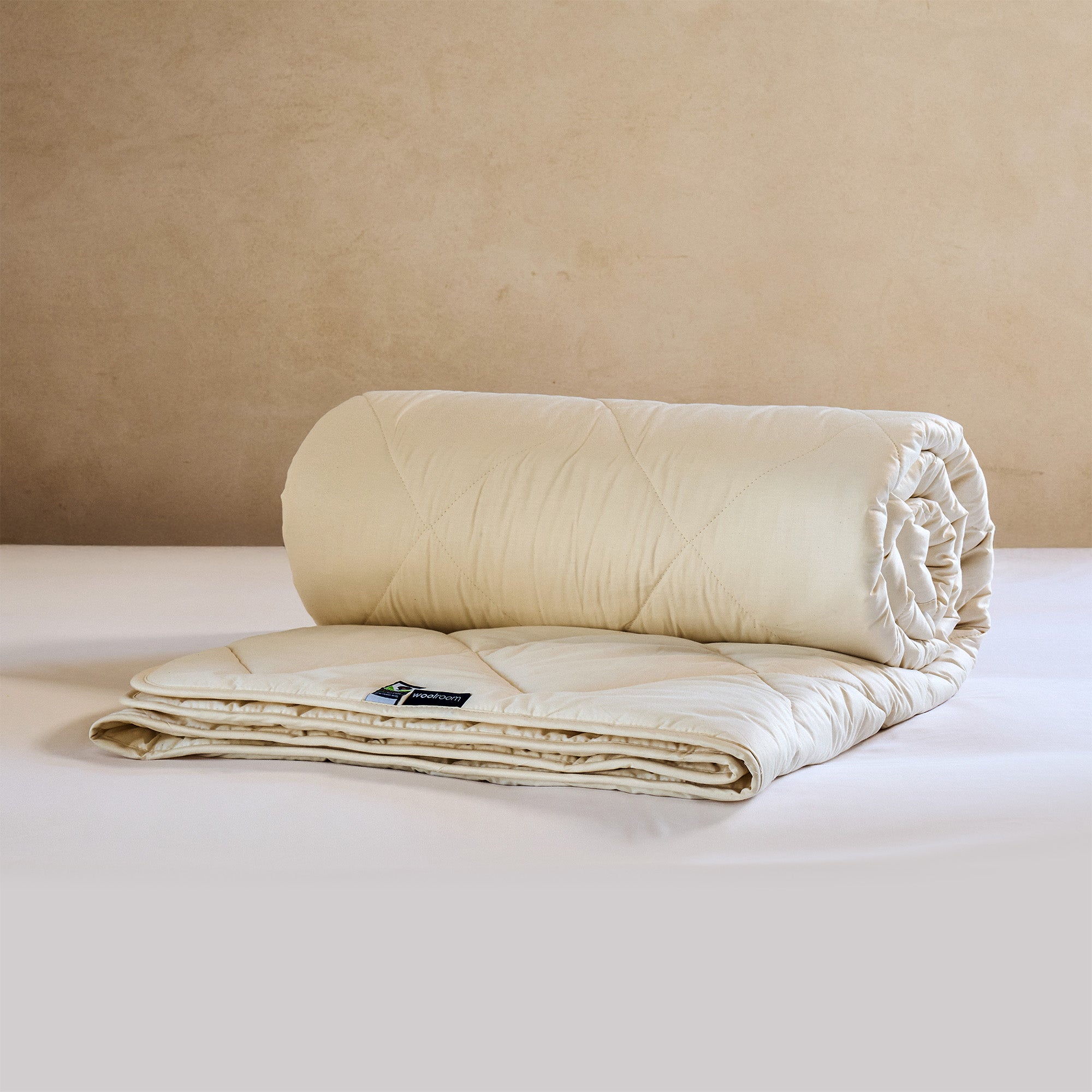
At Woolroom, our natural wool duvets are constructed with an organic cotton shell and traceable British wool filling. They’re inserts, meaning they should be used with a duvet cover.

What Is a Duvet Insert?
This is where things get a little confusing. The duvet insert is what’s generally referred to as the duvet—the actual filled blanket that goes inside the duvet cover. In other words, a duvet and a duvet insert are the same thing. It’s the duvet cover that’s actually the separate piece.
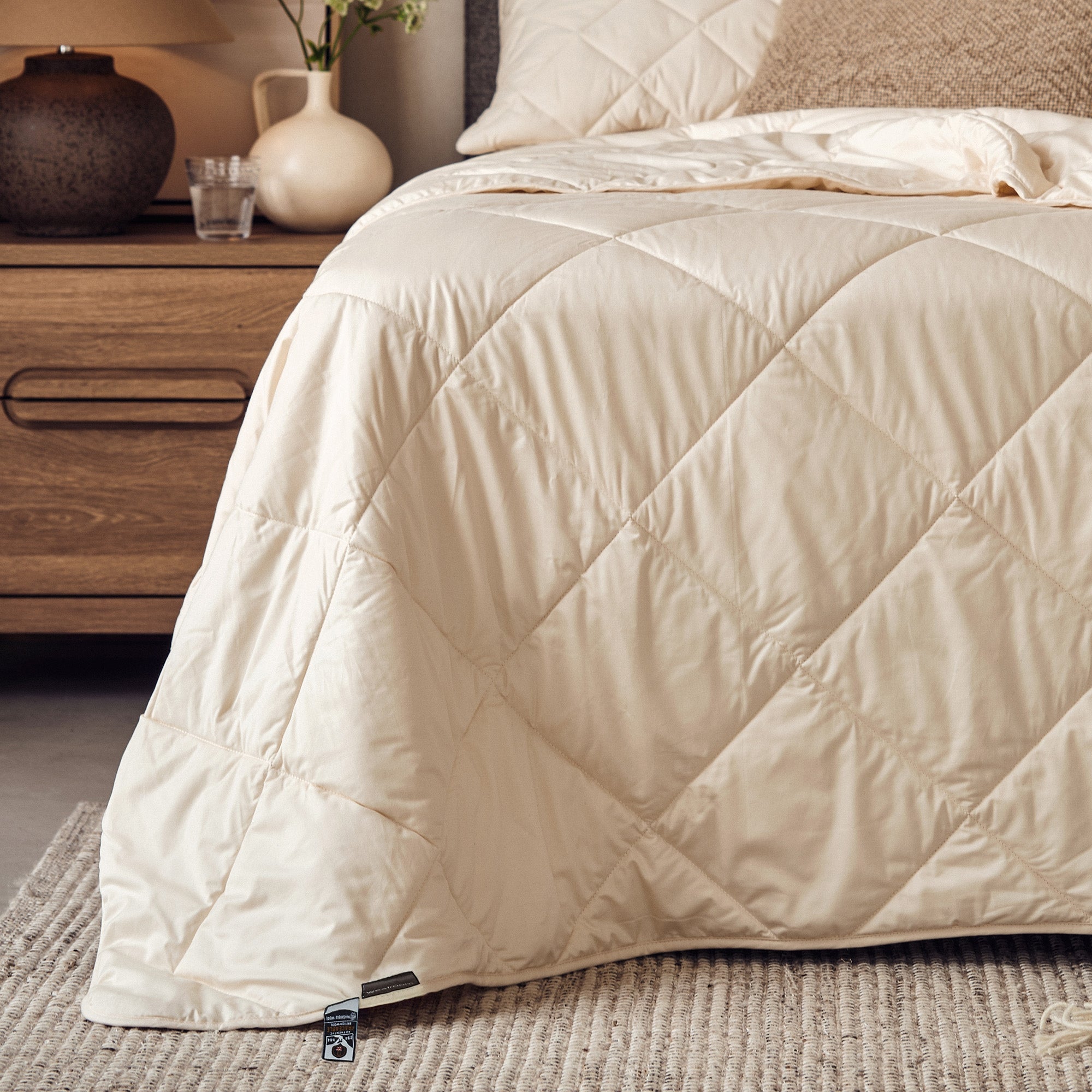
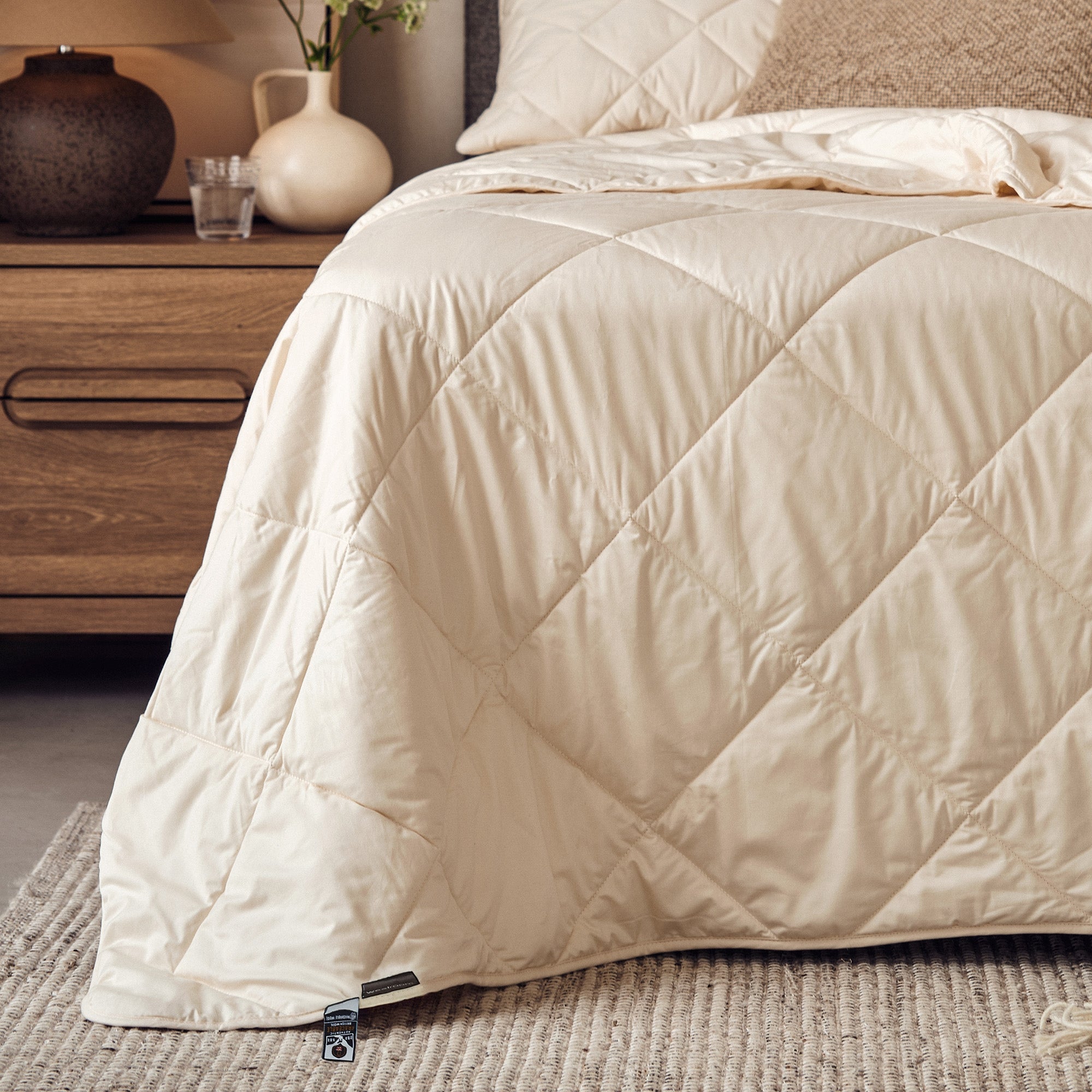
The setup is simple: the insert is tucked inside the cover to keep it clean. It’s generally secured in all four corners with snaps or ties. The cover is almost always machine washable and comes in a variety of materials and styles to coordinate with your bedding and bedroom overall.
While Woolroom’s duvet inserts are made with 100% British wool and come in light, medium and warm options, down and synthetic materials like polyester (a down alternative) are also commonly used. The benefit of wool, however, sets it well apart. Wool fibres are naturally breathable, temperature regulating, and moisture wicking, which makes them ideal in bedding materials. In a duvet, Woolroom’s natural wool works year-round to maintain a comfortable sleep temperature. Because it manages heat and moisture so effectively, wool bedding isn’t hospitable to common allergens and contaminants. That makes it ideal for people with allergies or sensitivities.
What Goes Inside a Duvet Cover?
If you’ve been paying attention, you already know—the duvet insert, or the duvet, goes inside the duvet cover. It’s essentially a giant pillowcase that protects the insert from sweat, body oils, and stains. While inserts themselves may not be easily machine washable, duvet covers can generally be machine washed and dried with no issues. Covers are much smaller than inserts, so you can have a few in the linen closet to change things up seasonally.
Woolroom’s duvet covers are made with organic cotton and an organic cotton/linen blend for natural breathability and effortless style. Our Arinta duvet cover collection of organic cotton lends a crisper feel, while the Mariana duvet cover collection has a relaxed, lived-in softness. Both are designed to complement and protect our wool duvet inserts.
Duvet vs Duvet Cover vs Duvet Insert: A Quick Comparison
Term |
What is it? |
Woolroom’s version |
Care |
Best for |
|---|---|---|---|---|
Duvet |
The filled, insulating blanket — goes inside the cover. "Duvet" and "duvet insert" are interchangeable terms. |
Wool-filled insert in light, medium, and warm weights; classic and organic/deluxe washable options |
Classic: spot clean and air out Deluxe and organic washable: machine washable |
Temperature regulation, allergy sufferers, year-round use, natural materials |
Duvet Cover |
The removable outer shell—protects the insert and defines the look of your bedding. |
Organic cotton (Arinta) and organic cotton/linen blend (Mariana) |
Machine washable; swap seasonally |
Easy cleaning, style flexibility, protecting your insert investment |
Duvet vs Comforter: What's the Difference?
If duvets and duvet inserts are the same thing, what’s a comforter? Both are top layers on a bed used for comfort and warmth, but a comforter is designed to be used as-is, without a separate cover. It’s often made with a synthetic filling and occasionally with down, but the cover itself is part of it. That’s why comforters come in colours and patterns, while duvets are usually white or an unbleached cotton. The colour or print comes from the cover, not from the actual duvet.
Because comforters are single, self-contained pieces, they’re bigger and bulkier than a duvet cover, which can make them a little tricky to clean. They’re also less adaptable as seasons change, and there are fewer material choices.
Duvets are different. Since both the insert and the cover are separate pieces, the cover can be washed regularly, swapped out to update your bed’s aesthetic, and even customized to ensure the materials meet your sleep needs. It’s a meaningful advantage, particularly when you pair a wool insert with an organic cotton cover. That combination creates an entirely natural sleep system that performs across seasons.
That’s precisely the kind of sleep setup we embrace here at Woolroom. Wool’s natural breathability, temperature regulation, and moisture-wicking properties make it a much more functional filling than down or polyester. Adding an organic cotton or cotton/linen blend cover makes the whole system easy to maintain and far more durable. There’s also an eco-friendliness factor that’s hard to overlook.
Wool is a renewable, biodegradable fibre, and Woolroom sources all of its wool from our partner farms. Thanks to our Wool ID® program, it’s all traceable back to the flock it came from. It’s a level of supply chain transparency that isn’t terribly common in the bedding industry, but we think it’s just the right way of doing business. For our organic wool bedding, that standard goes even further. Our organic washable bedding is GOTS-certified—the Global Organic Textile Standard, widely considered the gold standard for organic textile certification—which guarantees the product is made with at least 95% organic fibres, processed without toxic substances, pesticides, or bleaches. We’re also proud to be certified by both Woolmark and Authentic Traceable British Wool.
As for our duvet covers, we use organic cotton, which avoids the significant pesticide and insecticide use associated with conventional cotton farming. It’s an important distinction when you consider how close to your body your bedding is every night. Taken together, a Woolroom wool insert and organic cotton cover isn't just a better sleep system—it’s about feeling good about your bedding choices from the farm to the bedroom.

How to Layer Your Duvet for Optimal Comfort
Layering your bed starts from the mattress and builds upward from there. A natural wool mattress protector, pad or topper adds a layer of temperature regulation and moisture management below you. From there, a wool duvet insert inside a duvet cover enhances those features and ensures ample breathability from top to bottom.
You have options when it comes to the wool insert and cover. If overheating is an issue, a lightweight wool insert with a breathable organic cotton cover contributes to a stable microclimate. It won’t trap heat the way synthetic comforters usually do.
If you usually run cold, an all-season or warm-weight wool duvet adds more insulation, while a warmer cover option—think sateen or brushed flannel—boosts warmth as well. The very nature of the duvet system means you aren’t locked into a single configuration. You’re free to adjust as the seasons change, and you can do so without entirely replacing all of your bedding, either.
The Bottom Line on the Duvet System
By now, you’ve learned that the duvet system really isn’t that complicated. It’s just a matter of understanding how the pieces work together, and that’s worth mastering. Getting this right can meaningfully improve the quality of your sleep.
A wool-filled insert from Woolroom provides natural temperature regulation and breathability year-round, while a removable organic cotton cover keeps things hygienic, stylish, and easy to maintain. If you're ready to move away from synthetic fillings and single-use comforters, a natural wool duvet is a straightforward place to start.
Frequently Asked Questions
What is the point of a duvet insert?
A duvet insert is the functional core of your bedding— it's the filled, insulating layer that goes on top to keep you warm. The "insert" part of the name refers to how it's used: it slides inside a duvet cover, which protects it from sweat, body oils, and general wear. That setup means you rarely need to wash the insert itself, since the cover handles the day-to-day.
What do Americans use instead of duvets?
Most American bedrooms rely on comforters—a single, sewn-shut blanket that combines the insert and cover into one piece. Comforters are widely available and easy to use, but they come with trade-offs: they're harder to clean, less adaptable across seasons, and offer fewer choices when it comes to fill materials. Duvets are a European tradition and steadily gaining ground in North America, largely because the two-piece system—a separate insert and washable cover—is more hygienic, more versatile, and easier to maintain over time.
Can you put a regular comforter in a duvet insert?
Technically, yes, assuming the comforter fits the dimensions of the cover. But comforters tend to be thicker and bulkier than true duvet inserts, which can make them difficult to stuff into a cover evenly and keep in place. They're also not designed with corner ties or snaps in mind, so shifting and bunching is more likely. If you're going through the effort of using a duvet cover, a purpose-made insert will give you a cleaner, more consistent result—and if you opt for a wool insert, better temperature regulation and breathability too.
Are duvet and duvet insert the same thing?
Yes, the terms are interchangeable. A duvet insert is the filled blanket that goes inside a duvet cover, and “duvet” is the more common shorthand for the same thing. The distinction only matters because "duvet cover" is a separate piece entirely, which causes some confusion. To keep it straight: the duvet (or duvet insert) is the warm inner layer; the duvet cover is the removable outer shell that protects and styles it. You need both for a complete setup, but they're sold separately.