Key Takeaways
- Wool is a natural, renewable fibre that regulates temperature, wicks moisture and resists odours better than cotton, polyester or down.
- Its unique structure makes it breathable yet insulating, keeping you cool in summer and cozy in winter.
- Wool bedding is hypoallergenic, flame-retardant, mould-resistant and far more sustainable than conventional cotton or synthetic alternatives.
- With Woolroom, you can trust that every product is fully traceable and ethically sourced.
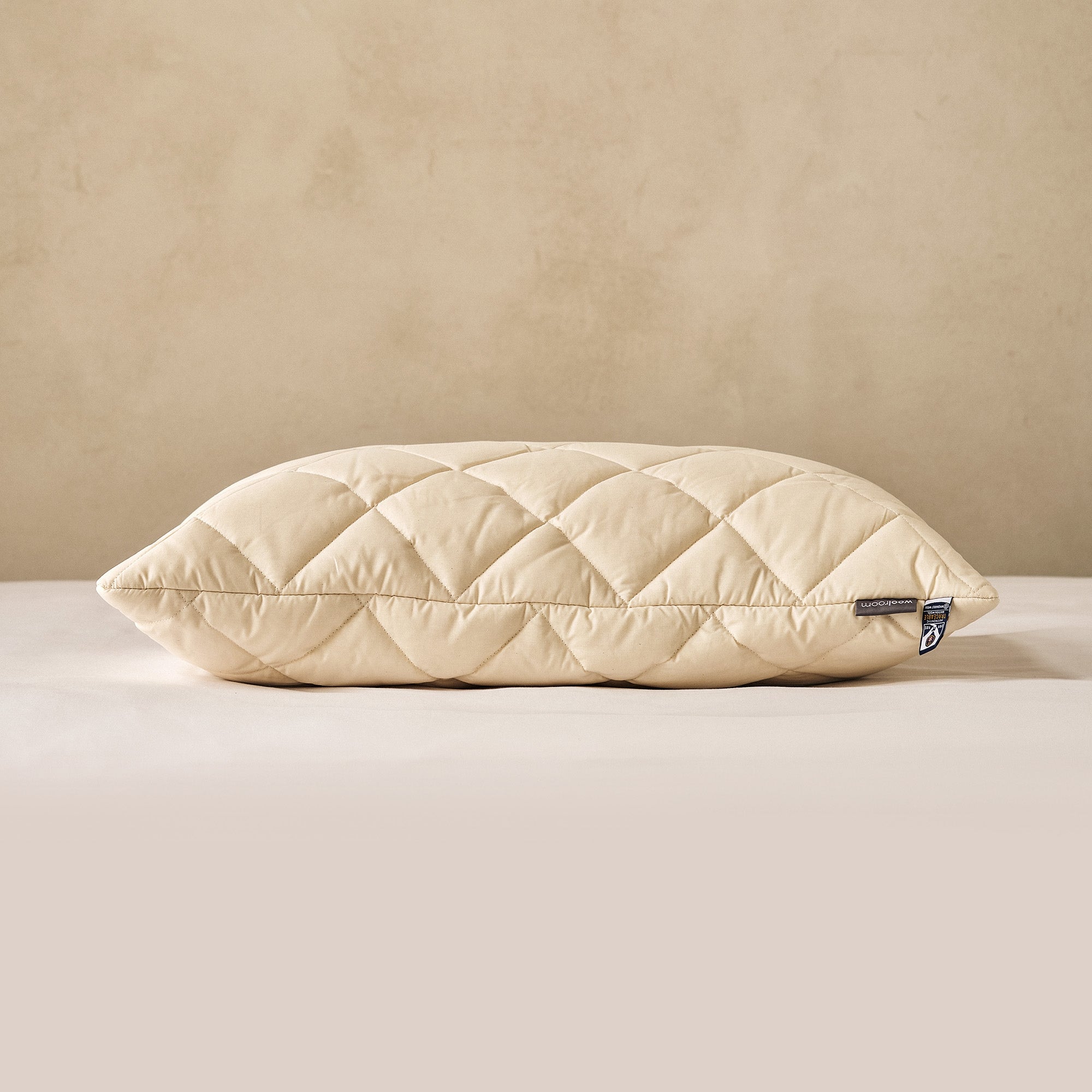
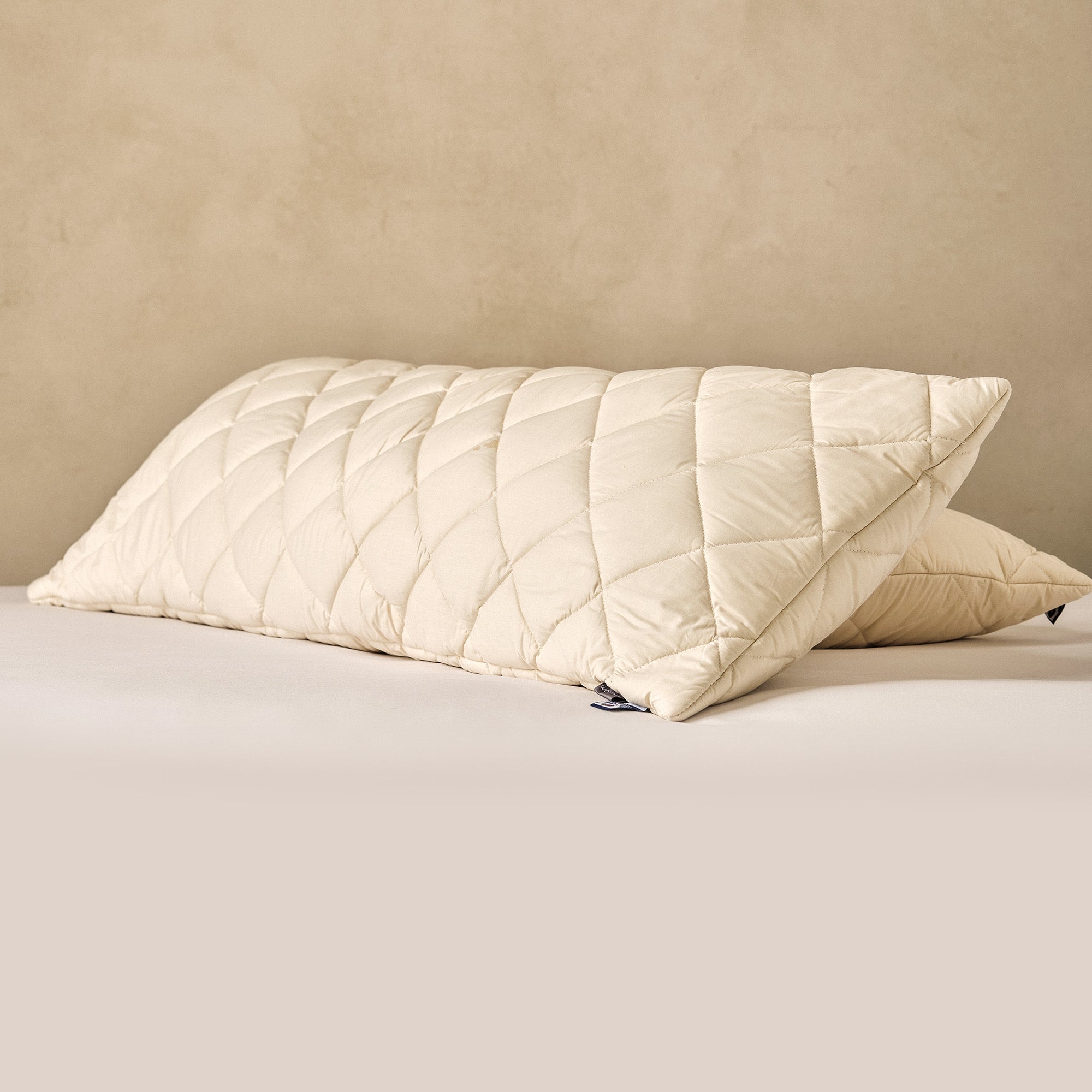
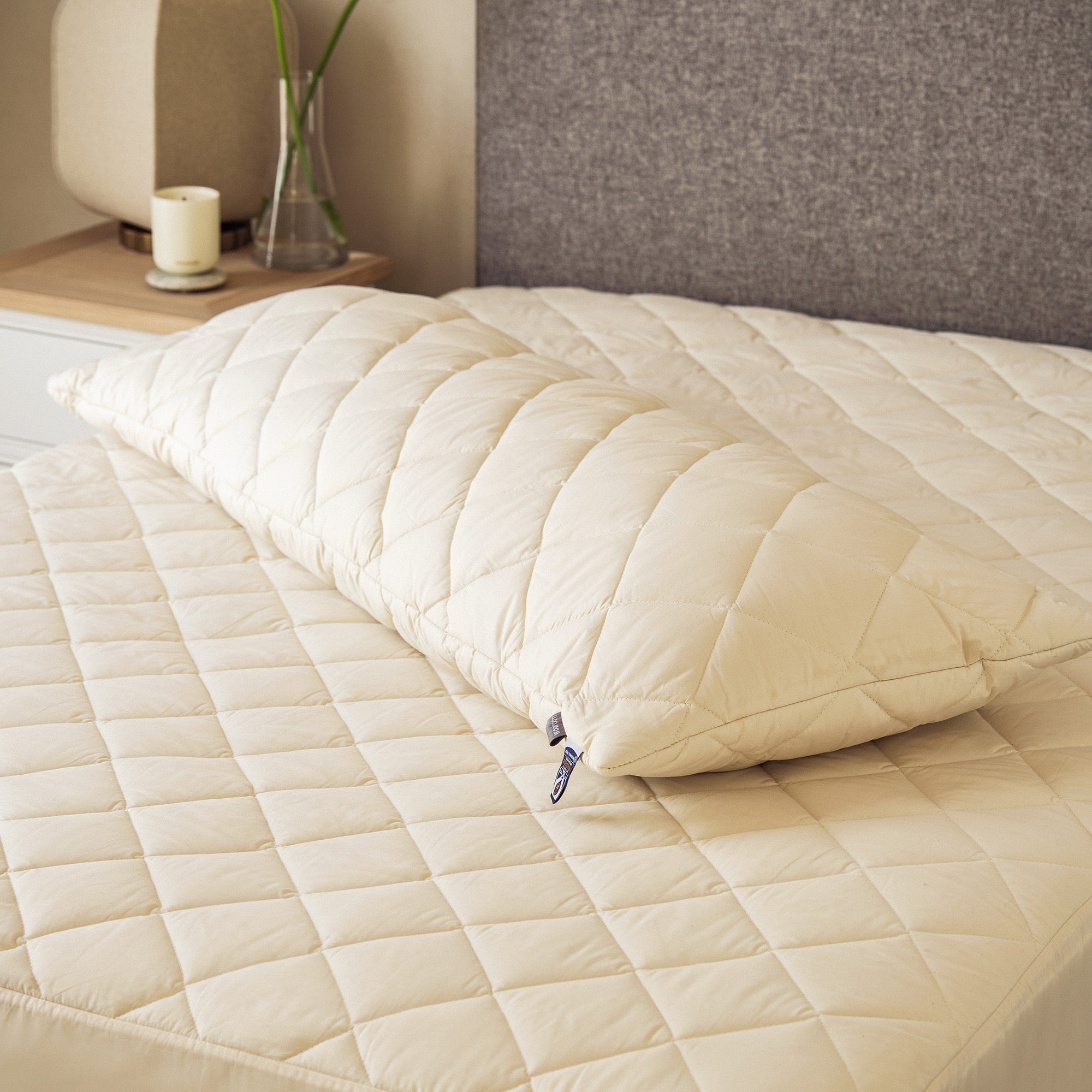
When it comes to bedding, most people don’t think far beyond softness. But the materials we sleep with don’t just impact our comfort level—they can make or break a good night’s sleep. While it’s often overlooked in favour of down or synthetics, wool really is nature’s smartest fibre. Its ability to regulate temperature and manage moisture means it actually promotes healthier sleep by keeping you dry and comfortable all night long—and that’s before we get into its other benefits, like durability and sustainability. If you’ve never considered wool bedding, here’s what to know about the hands-down best fibre for sleep.
What is Wool?
Wool is a versatile fibre that comes from the fleece of sheep. It’s grown, not made like synthetic materials, so it qualifies as both renewable and sustainable. In a cycle supported by Mother Nature and powered by fresh air, rain and sunshine, sheep grow a wooly fleece that keeps them warm in the winter. In the spring, the sheep are sheared to keep them comfortable and ensure a steady supply of this remarkable fibre. At Woolroom, we partner with British farmers who embrace ethical animal husbandry and adhere to the five freedoms in the UK Animal Welfare Act of 2006. That ensures the sheep behind the wool in all Woolroom bedding products are healthy, happy and well cared for—the way it should be.
We partner with farmers who raise soft wool breeds, but wool comes in many types. It’s actually the fineness, or micron count, of wool fibres that determines its use and quality. Merino wool, known for its exceptional softness, comes from Merino sheep, which produce wool with fine microns. Medium-micron wools, often from other breeds but also produced by a type of Merino sheep, are commonly used in bedding, clothing, and furnishings, where a balance of softness and durability is ideal.
Why Wool? What Makes it Unique?
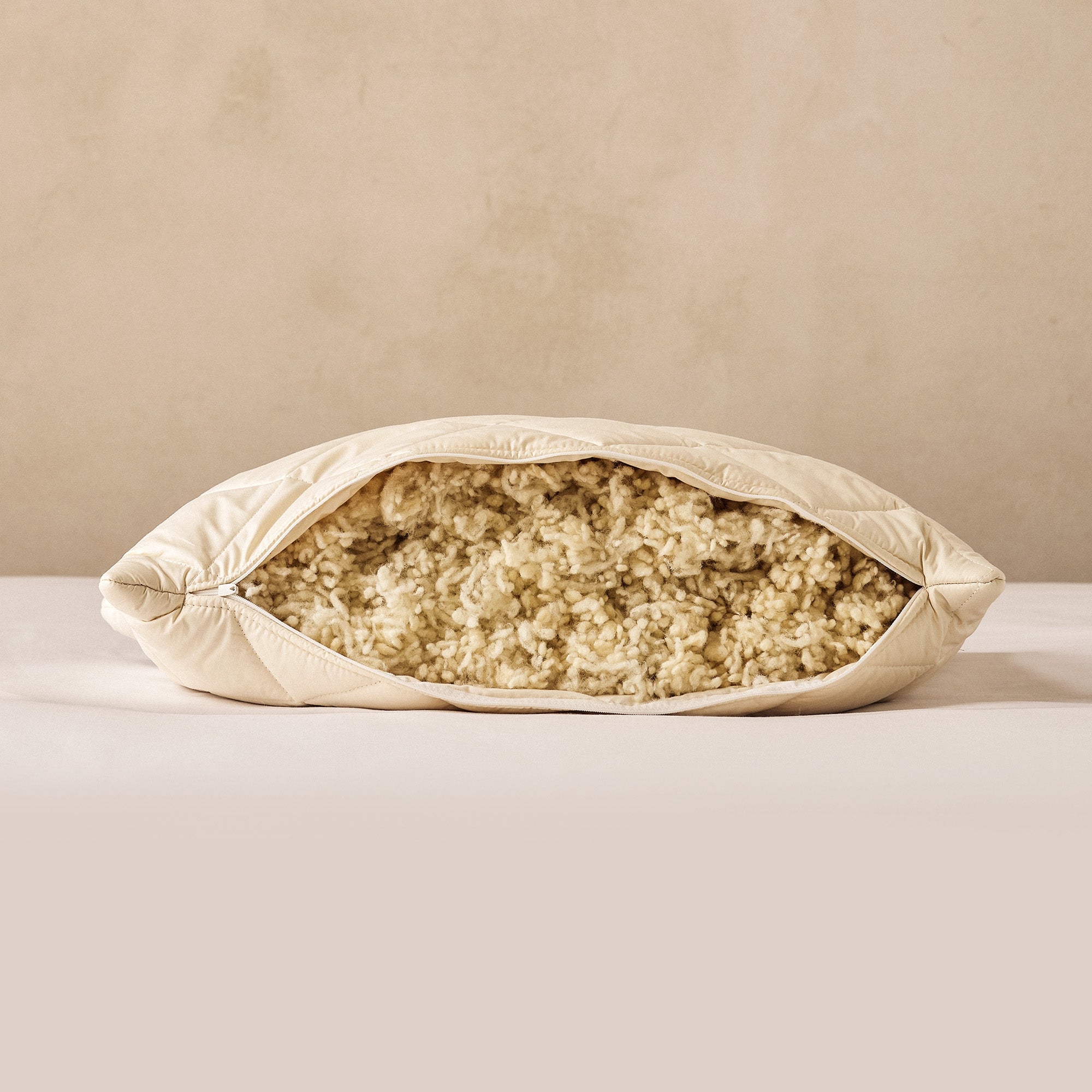
Most people can tell you that wool is warm, but it’s so much more than that. Unlike synthetics (like polyester) and even other natural fibres (like cotton), wool is incredibly adaptive. It works with your body and the environment to keep you comfortable, and it all comes down to the coiled structure of individual wool fibres. This natural crimp creates countless tiny little air pockets when wool fibres are grouped, which is why wool can hold onto warmth but still allow for airflow. These pockets hold warmth close to the body, just like natural insulation, but the open structure allows excess heat to escape and air to circulate, just like natural ventilation. That’s what makes wool feel cozy in the winter, not stuffy or stifling, and cool in the summer.
Part of that ability relates to wool’s impressive moisture management. Wool fibres can absorb up to 30% of their own weight in moisture without feeling damp or heavy. When you sleep, it’s normal for body temperature to fluctuate as you move through different sleep stages. Materials that trap heat, including down and synthetic fabrics, can lead to overheating and night sweats, both of which are often disruptive to restful sleep. But wool absorbs that moisture and releases it into the air, keeping you dry and comfortable. A happy bonus? Because these fibres wick away sweat and heat so effectively, wool bedding resists odour and bacteria buildup, contributing to a fresher, cleaner sleep space.

Other Benefits of Wool
Wool’s temperature-regulating, moisture-wicking abilities alone make it unrivalled for sleep, but its list of benefits continues.
- Hypoallergenic. Because wool fibres stay dry, they don’t create the kind of warm, moist environment that attracts dust mites and other allergens. That makes wool bedding a smarter choice for sensitive sleepers.
- Resistant to mould and mildew. Like dust mites, mould and mildew flourish in damp conditions—and you just don’t get that with wool.
- Flame retardant. Wool fibres self-extinguish, which is why wool is often used as a natural flame retardant in natural and organic mattresses—no chemicals required.
- Resilient and durable. Wool fibres can bend thousands of times without breaking. Instead, they spring back to their original shape. In wool bedding, wool fibres maintain their shape and perform for years.
- Biodegradable. Wool fibres compost naturally, breaking down in a way that synthetic alternatives cannot.
- Ethical. While wool itself is renewable, it must be collected humanely to qualify as ethical. At Woolroom, all of our wool is ethically and humanely sourced. Our Wool ID® program showcases our commitment to transparency, tracking our 100% traceable wool back to the farms from which it came.
Wool vs Other Materials
In spite of wool’s innate benefits for bedding, other materials tend to be more popular. But not all fibres are created equal, and it’s helpful to understand the role they might play in the pursuit of a comfortable, restful night’s sleep. While cotton, polyester and down are popular, the simple truth is that they can’t match wool’s performance, comfort, and sustainability.
Wool vs Cotton
Cotton is breathable and soft, but it holds onto moisture. Once it becomes damp, it doesn’t dry quickly. In bed, that can leave you feeling clammy and uncomfortable. Wool, as we know, absorbs moisture to keep you dry and comfortable. Conventional cotton production also exacts a heavy toll on the environment. It’s widely considered a “dirty” crop because it uses so much water and is treated heavily with pesticides and chemicals, so fully traceable wool is the more sustainable choice.
Wool vs Polyester
Polyester and other synthetic materials are inexpensive and readily accessible, but they’re notorious for trapping heat and moisture. That’s why they’re prone to trapping odour and building static. Worse, they come from non-renewable resources, so they aren’t a good option from an environmental perspective.
Wool vs Down
Down is popular because it’s so lofty and luxurious. It insulates incredibly well, so it’s prized for its warmth, but it often leads to overheating. Down doesn’t manage moisture, so night sweats are pretty common. Dust mites tend to thrive in the damp, warm environment down creates, and there can be ethical concerns with many down products as well.
Why Choose Woolroom?
By itself, wool is impressive. But to ensure you’re getting wool bedding that’s biodegradable, renewable, recyclable and ethical as well, it’s important to look for companies that embrace transparency. All Woolroom bedding comes with a unique QR code that gives you detailed information about the people, farm, and sheep behind the wool.
Woolroom also takes a different approach to our manufacturing process. While conventional wool manufacturing can be really taxing on the environment and leave the finished product full of chemicals, our processing is free of chemical treatments and blending. That’s how we turn the highest-quality wool into the highest-quality wool bedding.
We’re very proud that our farms, production facilities, organic washable bedding and bed linens have earned Global Organic Textile Standard (GOTS) certification, and that our bedding is certified by OEKO-TEX. Our products have also earned the Shepherd’s Crook mark through Authentic Traceable Washable British Wool and Authentic Traceable Washable Organic British Wool. Plus, all of our products hold the Allergy UK Seal of Approval and Woolroom is Woolmark certified to boot. Learn more about our certifications here.

Start Sleeping Smarter with Wool
When it comes to sleep, the material you choose matters more than you might think. Wool outperforms cotton, polyester and down in every category that counts—comfort, breathability, sustainability and safety. And when you choose Woolroom for your wool bedding products, you’re not just investing in better sleep. You’re also supporting animal welfare, environmental responsibility and full transparency from the farm to your bed.
Frequently asked questions
Is wool bedding worth it?
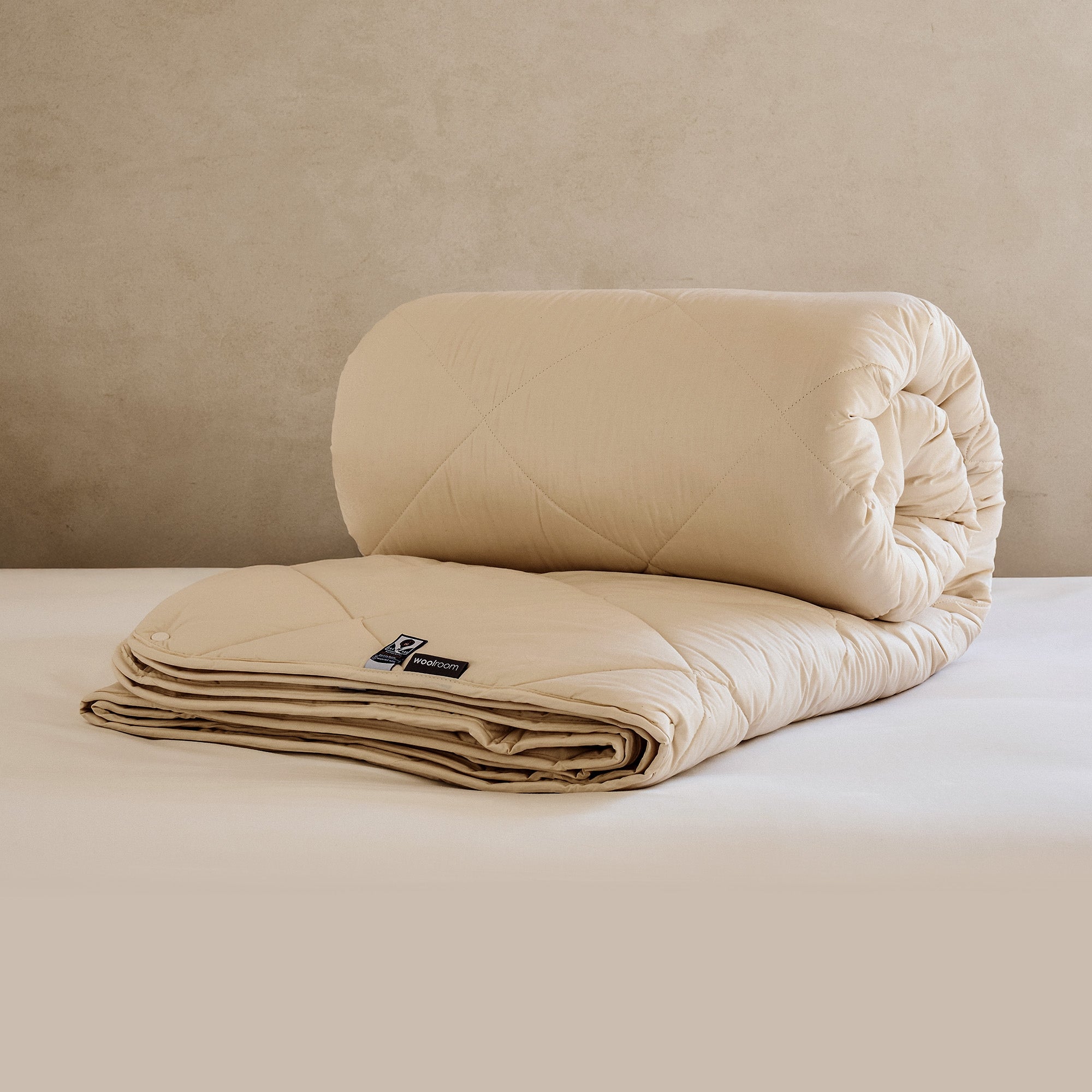
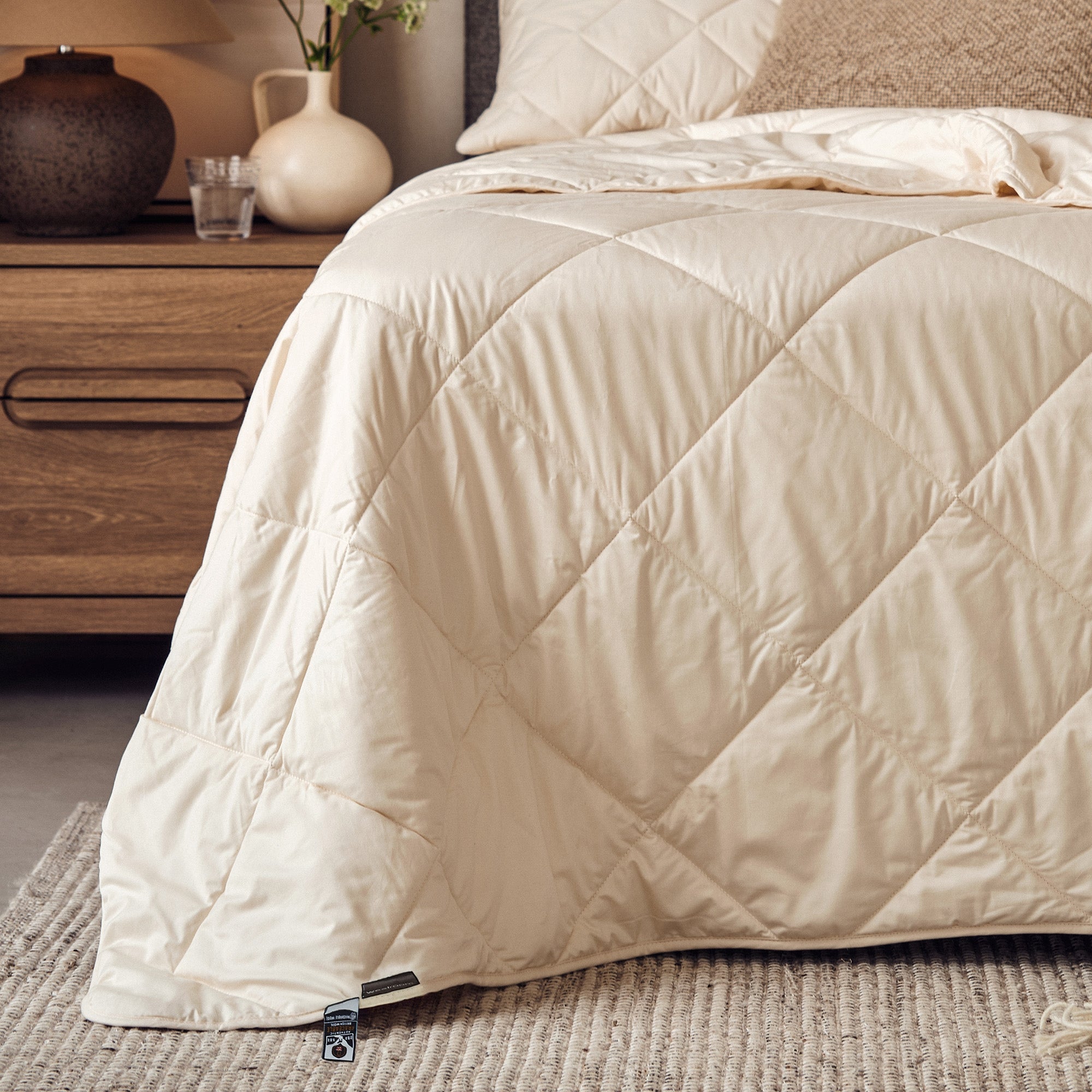
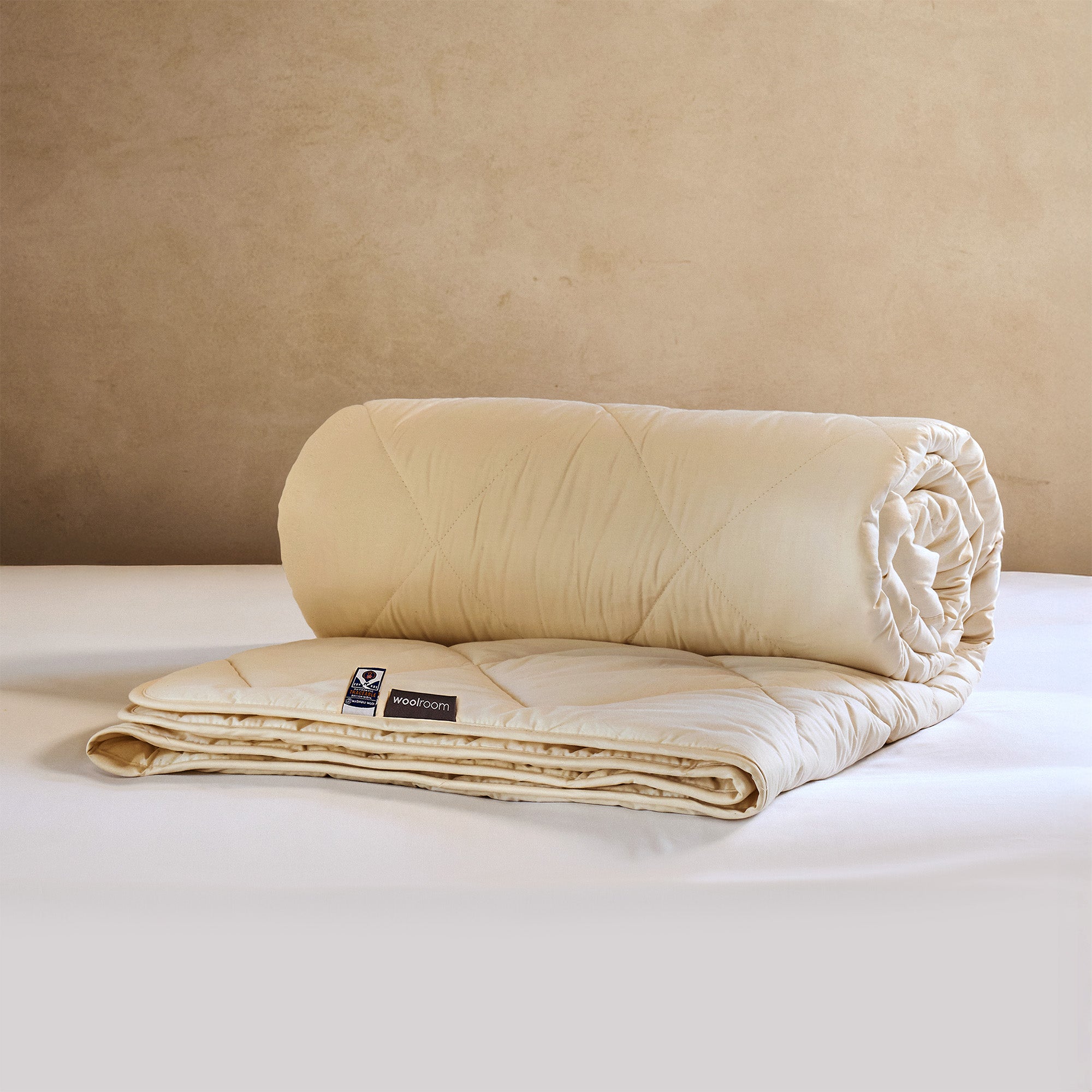
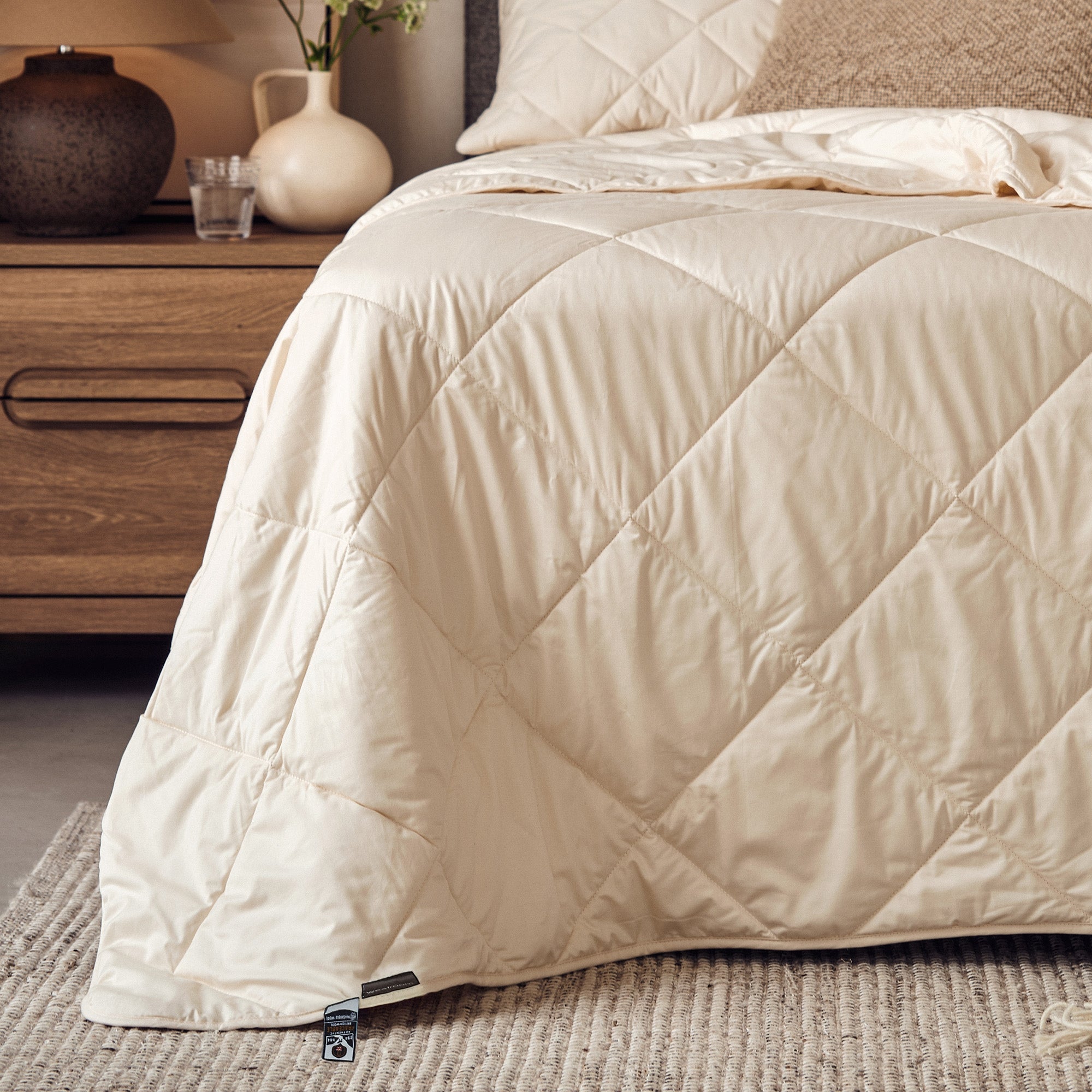
Wool bedding is absolutely worth it if you want healthier, more comfortable sleep. Unlike cotton, polyester or down, wool naturally regulates temperature, wicks away moisture and resists odours. Plus, it’s hypoallergenic, so it’s a good choice for sensitive sleepers. Wool is also renewable, biodegradable and durable.
What are the cons of wool comforters?
The biggest downside is usually cost—wool comforters are typically more expensive than synthetic or down alternatives. They can also feel heavier but look flatter than down, which can be a sticking point for some people. But most people find the comfort, breathability and durability more than outweigh these potential drawbacks.
What are the benefits of wool comforters?
Wool comforters are temperature-regulating, breathable and moisture-wicking, which means they help prevent overheating and night sweats and keep you comfortable all year long. They’re naturally hypoallergenic, flame-retardant, resistant to mould and dust mites, and they last for years. On top of that, they’re sustainable and eco-friendly.
Is a wool comforter too hot for summer?
You might be surprised, but the answer is no. Wool isn’t just warm—it adapts to your body and the environment so you can use it comfortably year-round. In the summer, wool releases excess heat and allows air to circulate, keeping you cool.