For many sleepers, bed linen is seen as purely decorative - a performative touch to showcase personality or inject colour into a bedroom. It’s the coup de grâce, or the cherry on top. But at Woolroom, we know it is so much more. Choosing the right bed linen is the final, essential step in creating a high-performance sleep sanctuary.
While your duvet and mattress do the heavy lifting of regulating your temperature, your bed linen acts as the ‘lungs’ of your sleep system. To effectively circulate air and manage moisture, the system needs to 'inhale' and 'exhale' through natural fibres. Without that breathability, even the most advanced bedding is stifled, trapping heat and compromising your rest.
In this guide, we’ll walk you through the details that matter. From the nuances of fibre and thread count to the functional differences in sheet types. We're here to help you choose the perfect bed linen to unlock the full potential of your sleep.


What is Bed Linen?
Bed linen is the removable and washable part of a bedding set. It was historically known as 'linen' because that was the primary fibre used in its makeup. Now, there's a massive range of materials used - from cotton and flax to synthetic polyesters and bamboo.
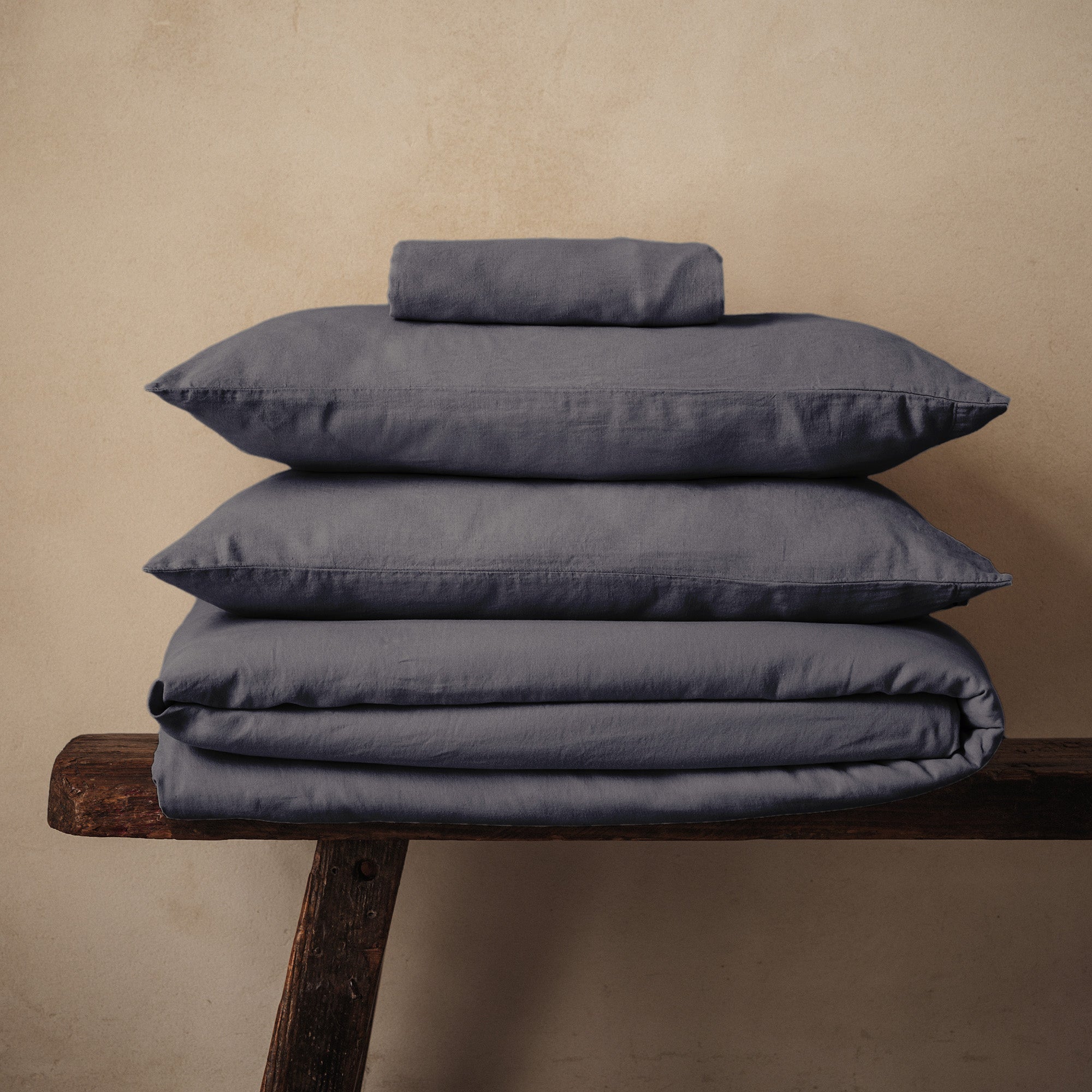
We define bed linen very much as a performance layer in your wider sleep environment. It's the suite of fabrics that come into direct contact with your skin, including:
- Duvet Covers: The protective envelope for your duvet.
- Pillowcases: The breathable barrier for your pillows.
- Fitted and Flat Sheets: The base layer you sleep upon or beneath.
What Materials Are Used in Bed Linen?
To choose the right bedding, you need to understand how different fibres behave - especially when they meet heat and moisture. Here's a straightforward look at the most common materials on the market.


The Material Difference: How Do Bed Linens Compare?
To help you decide which material fits your sleeping style, here is a quick breakdown of how these common fibres perform in a real-world bedroom environment.
| Material | Breathability | Moisture Management | Feel | Best For... |
|---|---|---|---|---|
| Linen & Cotton Blend | Maximum | Exceptional | Textured and Soft | Maximum cooling without the "break-in" |
| Organic Cotton | High | High | Crisp and Smooth | Classic hotel-feel and air permeability |
| 100% Linen | Maximum | Exceptional | Coarse and Crisp | Traditionalists who don't mind creasing |
| Silk | Medium | Moderate | Slick and Thin | Hair and skin care |
| Conventional Cotton | Low to Medium | Moderate | Variable | General use (often lacks breathability) |
| Flannel | Medium | Moderate | Fuzzy and Warm | Instant warmth (risk of overheating) |
| Synthetics | Low | Poor | Silky but Clammy | Budget-focused (non-breathable) |
Understanding Thread Count: Why Less Can Be More
It's easy to be seduced by a high thread count - 'more is better,' right? Not necessarily. Despite what we've been told for many years.
What is Thread Count?
Simply put, thread count (TC) is the number of horizontal and vertical threads in one square inch of fabric.

“To get those massive thread counts (of 800, 1,000 or even 1,200), manufacturers often use multi-ply yarns. This is where several thin, lower-quality threads are twisted together. So, if the threads are lower-quality, having more threads doesn't necessarily make the sheet better. It just makes it denser. “When you pack so many threads into a single inch, you lose the 'pores' in the fabric. This creates a heavy, air-tight sheet that prevents your body heat from escaping. It effectively 'suffocates' the temperature-regulating work of your mattress and duvet.”
Chris Tattersall, Managing Director at the Woolroom
So, Is 200 Thread Count Good?
Yes - we use 200TC for our organic cotton bed linen. It's a 'sweet spot' for a high-performance, natural sleep sanctuary.
- Optimal Airflow: It's tight enough to feel smooth and durable, but open enough to let air circulate.
- Working with Wool: If you have wool in your set-up (and here are some of the reasons you should have), a 200TC allows heat and moisture to be wicked away. Rather than being trapped against your skin, it passes through the sheet to be released.
That doesn’t automatically make a high thread count bad - but it shouldn’t be the only measure of quality.
Knowing Your Bed Sheets
While the material is the engine of your sleep system, how your sheets are constructed determines how they perform on your bed. Here's what you need to know about the two primary types of sheets.
Fitted Sheets
They're the foundation of your bed. Designed to wrap around your mattress, they provide a smooth and secure surface.
Getting the Right Depth
We design our fitted sheets with an extra-deep skirt to comfortably cover a mattress, protector, and topper without ‘pinging’ off the corners in the middle of the night.Elasticity
While many sheets only feature elastic on the corners, we prefer fully elasticated hems. This creates a secure, drum-tight fit that stays in place all night, regardless of your movement.Made for Loft
A true wool sleep system - complete with a mattress, protector and a lofty topper - needs more room than a standard synthetic setup. We provide extra linen depth to accommodate the healthy loft of your bedding.Flat Sheets
They're the foundation of your bed. Designed to wrap around your mattress, they provide a smooth and secure surface.
Hygiene and Versatility
Flat sheets add a layer of hygiene and are significantly easier to wash and dry than a full duvet cover.Summer Alternative
In warmer months, a flat sheet can replace a duvet entirely, providing a cosy, tucked-in feeling without the weight or insulation.Winter Layering
When temperatures drop, it serves as an additional layer of insulation alongside your duvet.Valances
Valances (or bed skirts) are decorative and designed to sit under the mattress to hang to the floor. This is an example of bedding that’s there for decoration more so than temperature regulation or comfort. It simply conceals the bed frame and hides any boxes tucked away underneath.

Why Choose Our Organic Cotton & Linen Ranges?
We select the fabrics used in our bed linen to sit perfectly alongside our wool bedding. They’re not just there to add a decorative touch (though we do offer
them in a range of soft colour tones). They’re there to enhance your sleep
environment. Here’s what separates our two ranges, Arinta and Mariana:
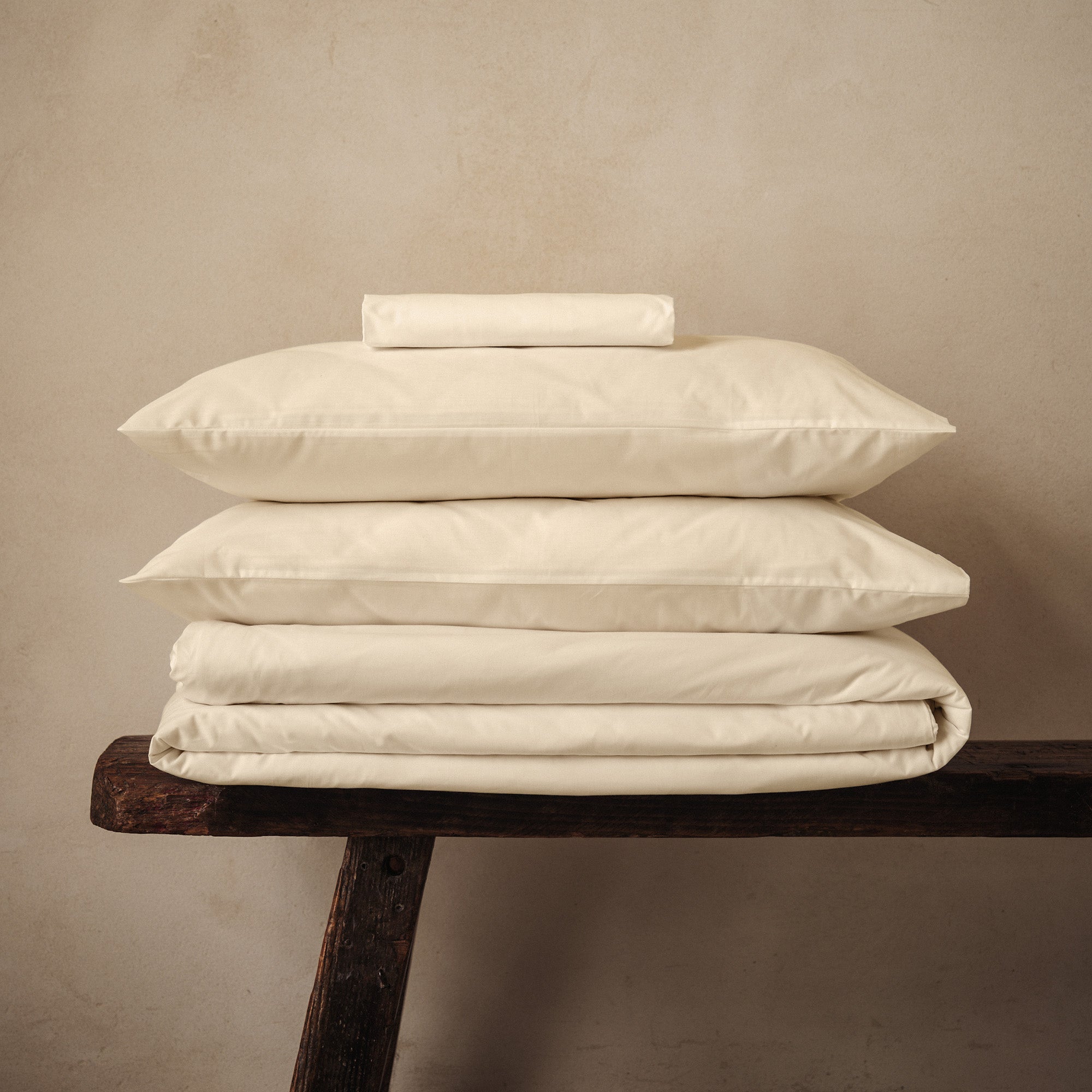
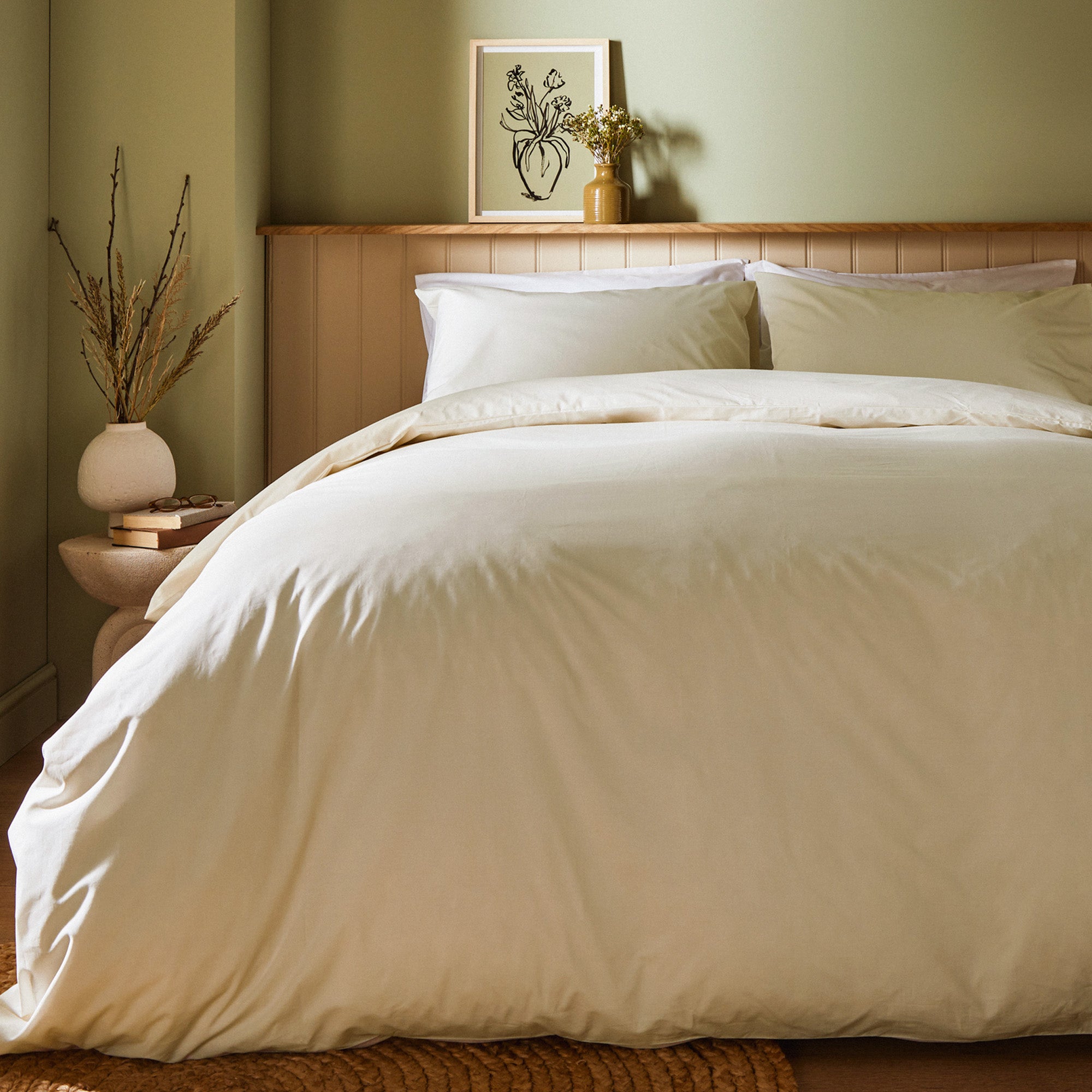
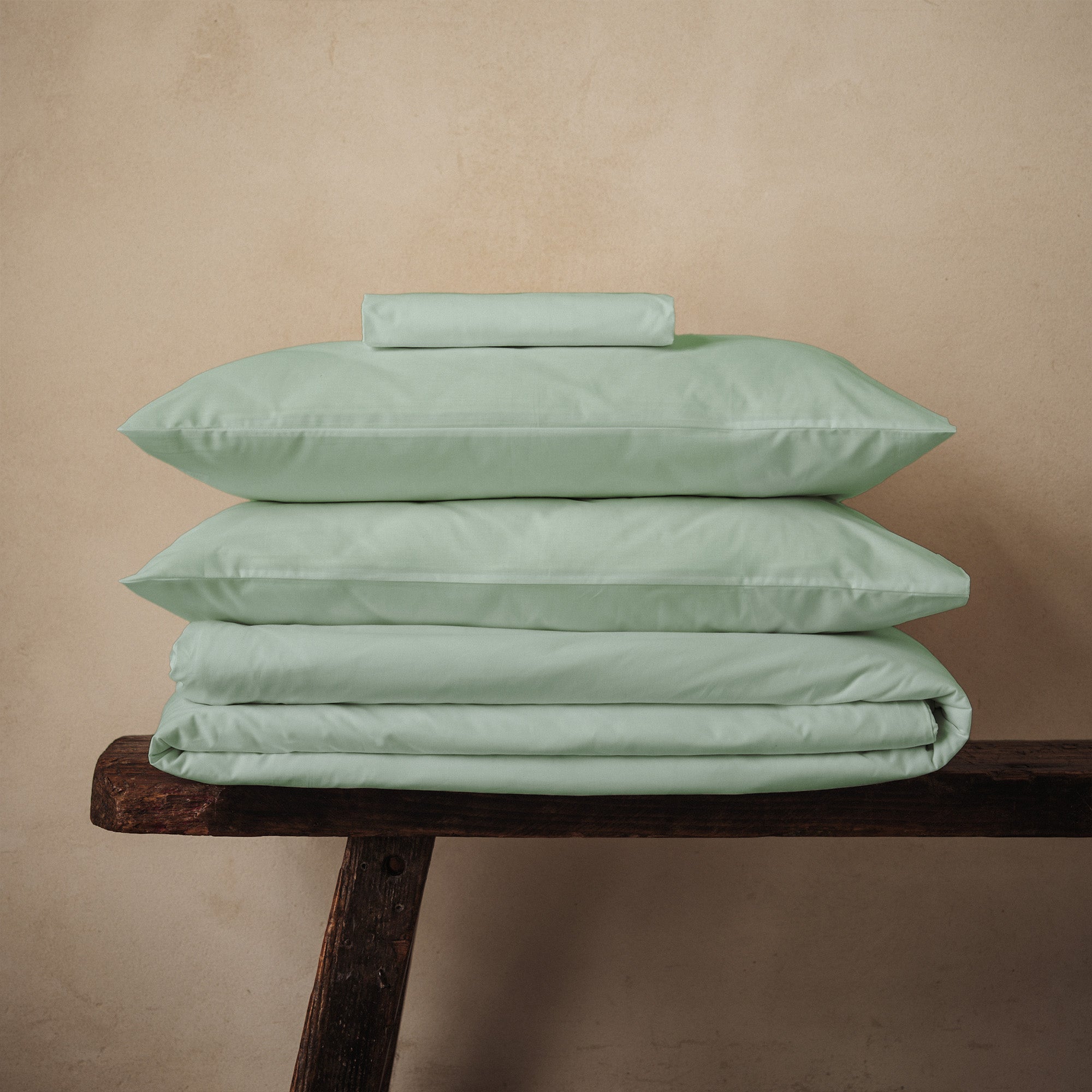
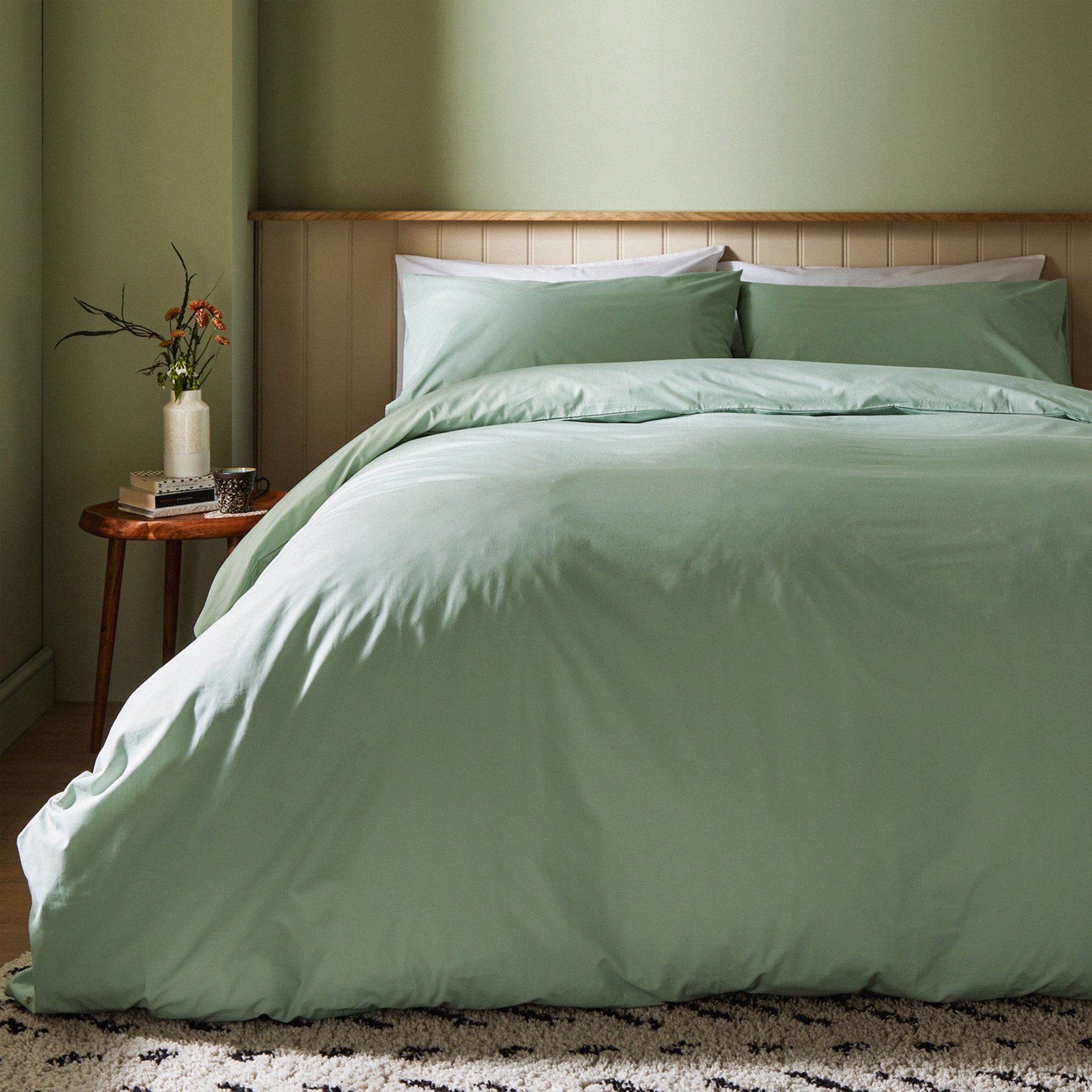
100% Organic Cotton (The Arinta Range)
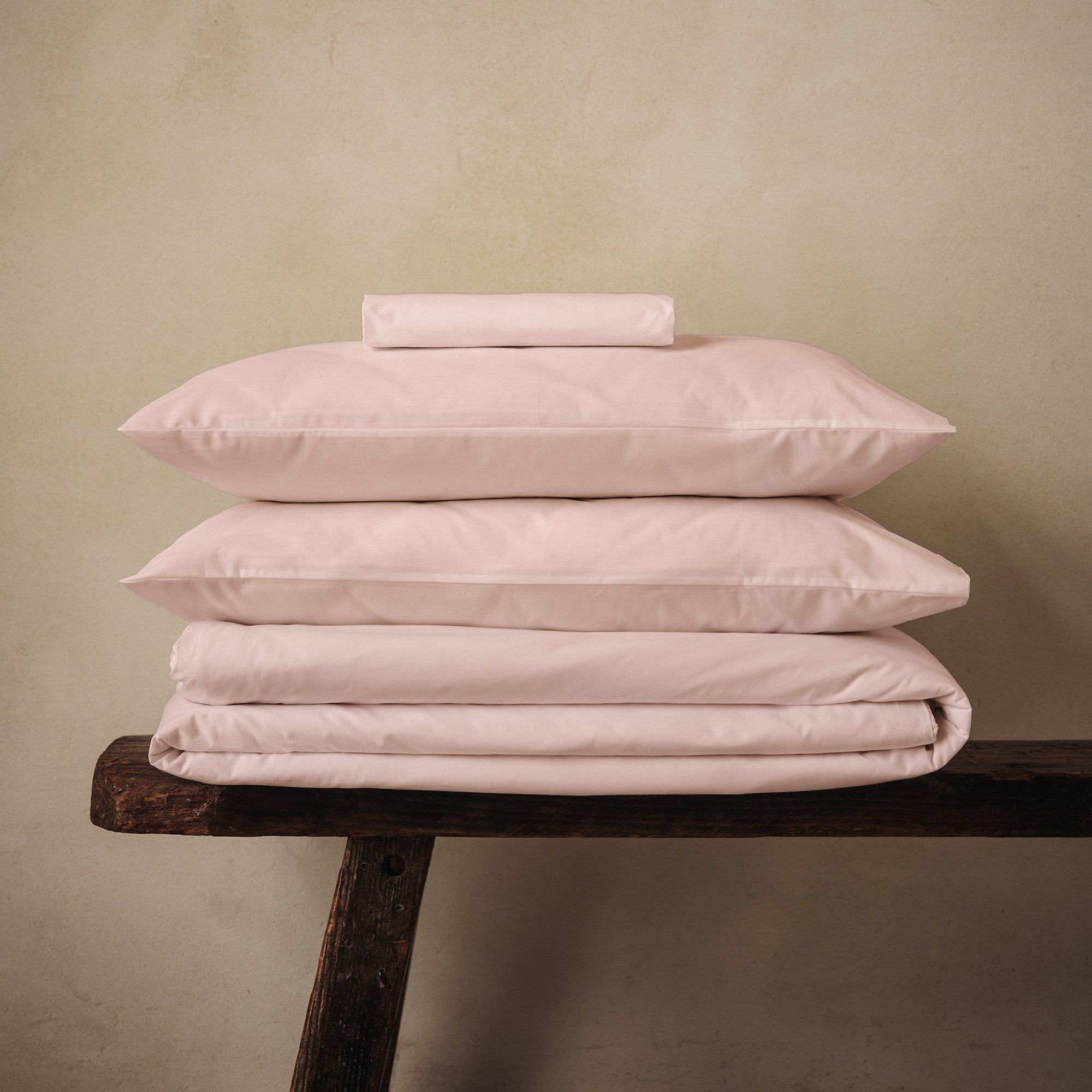
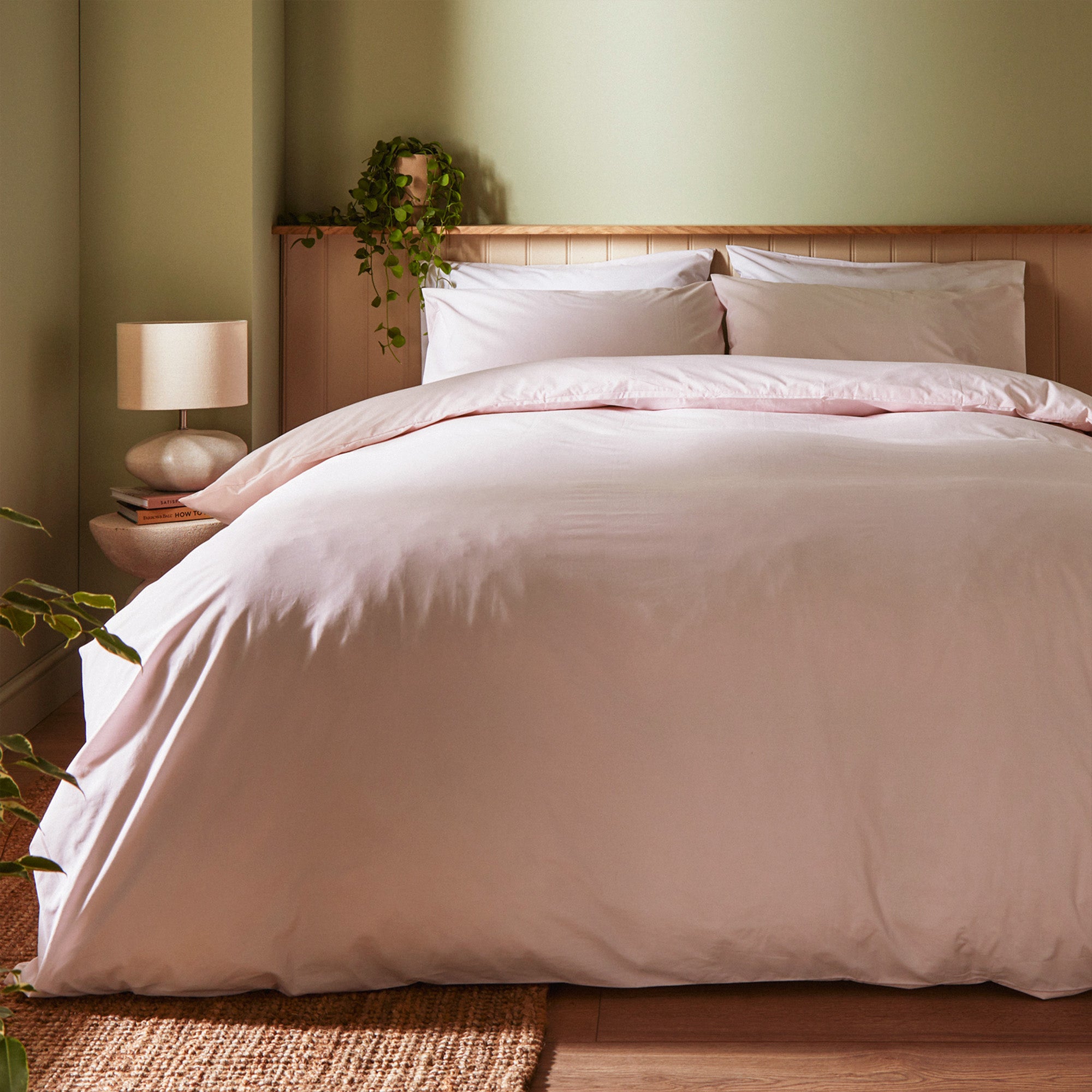
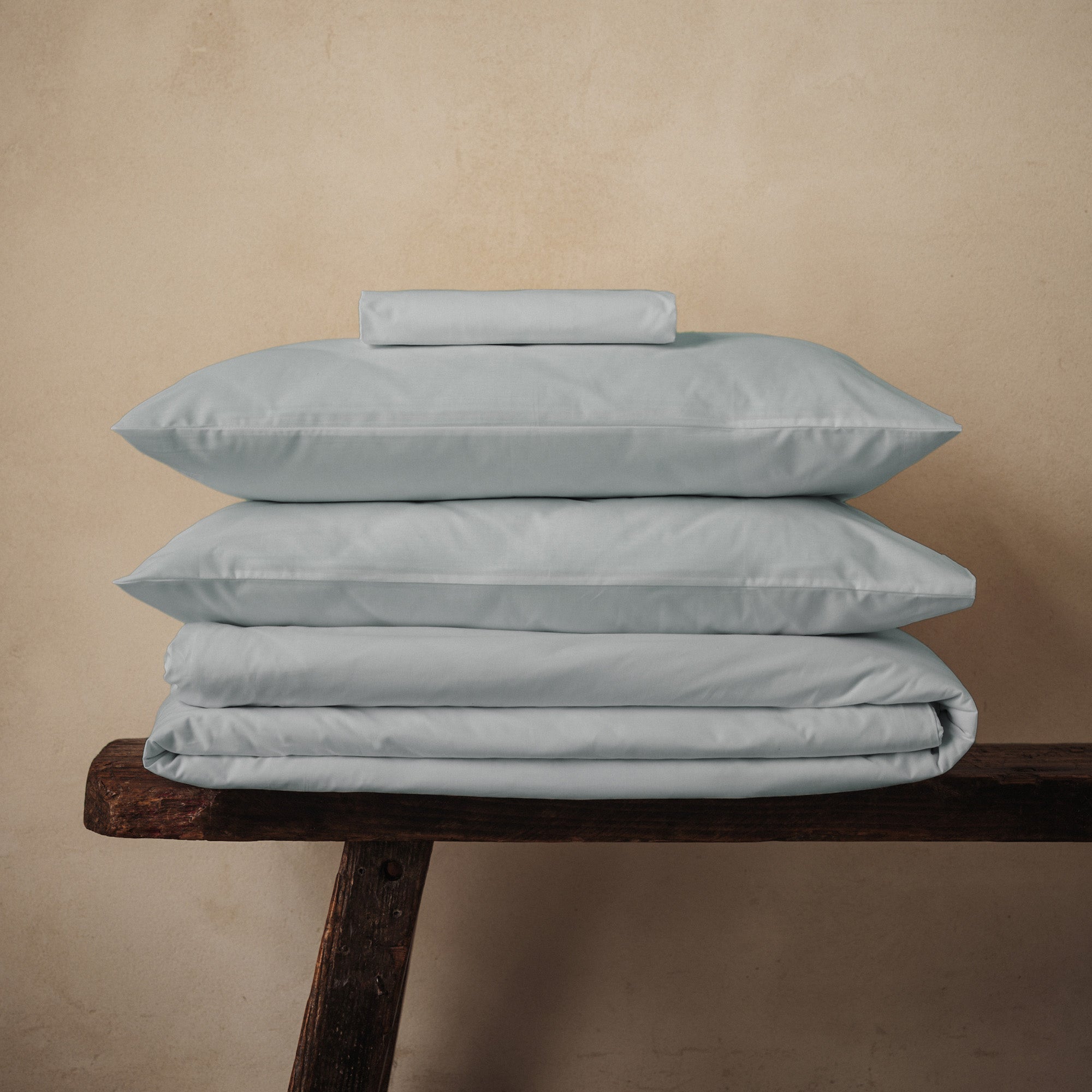
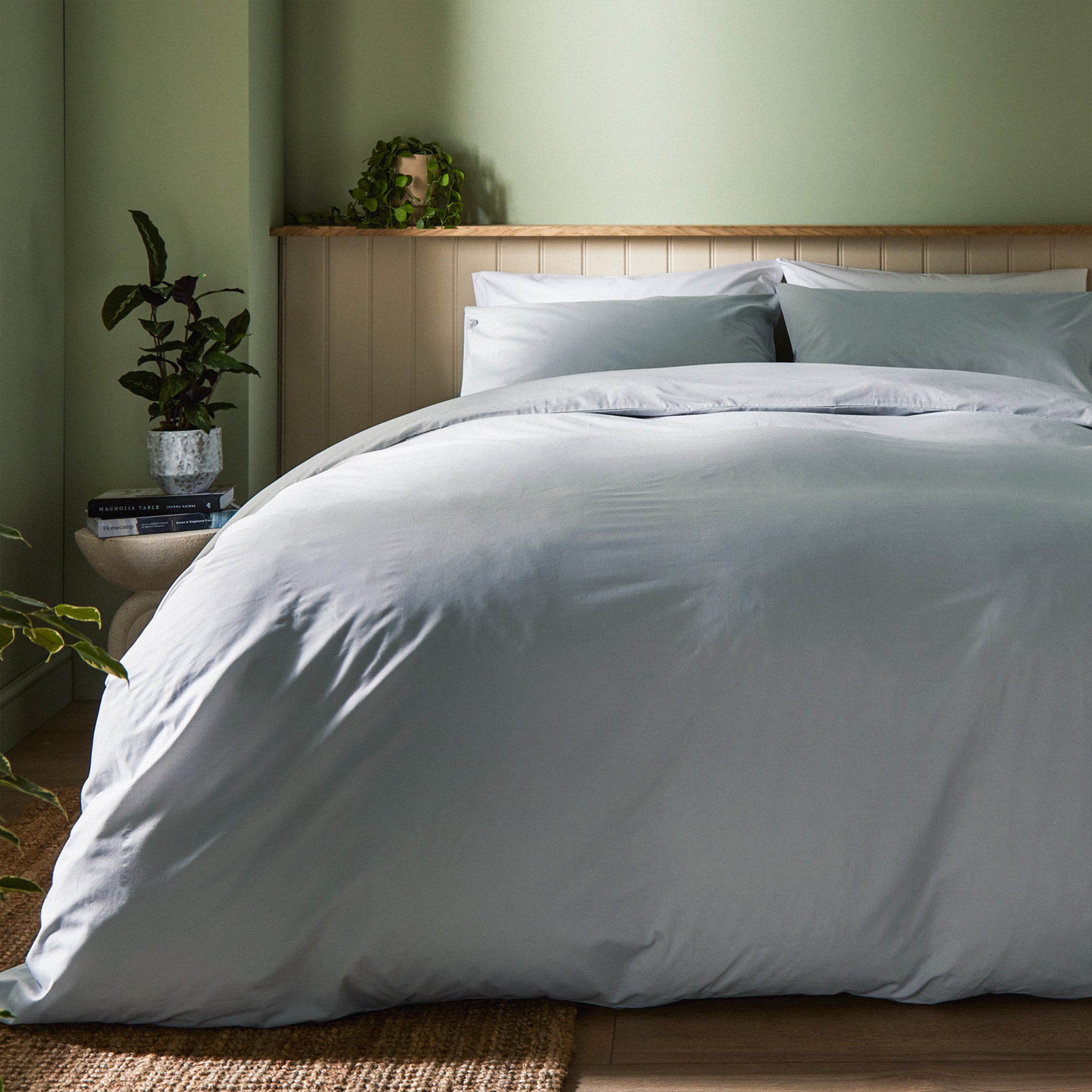
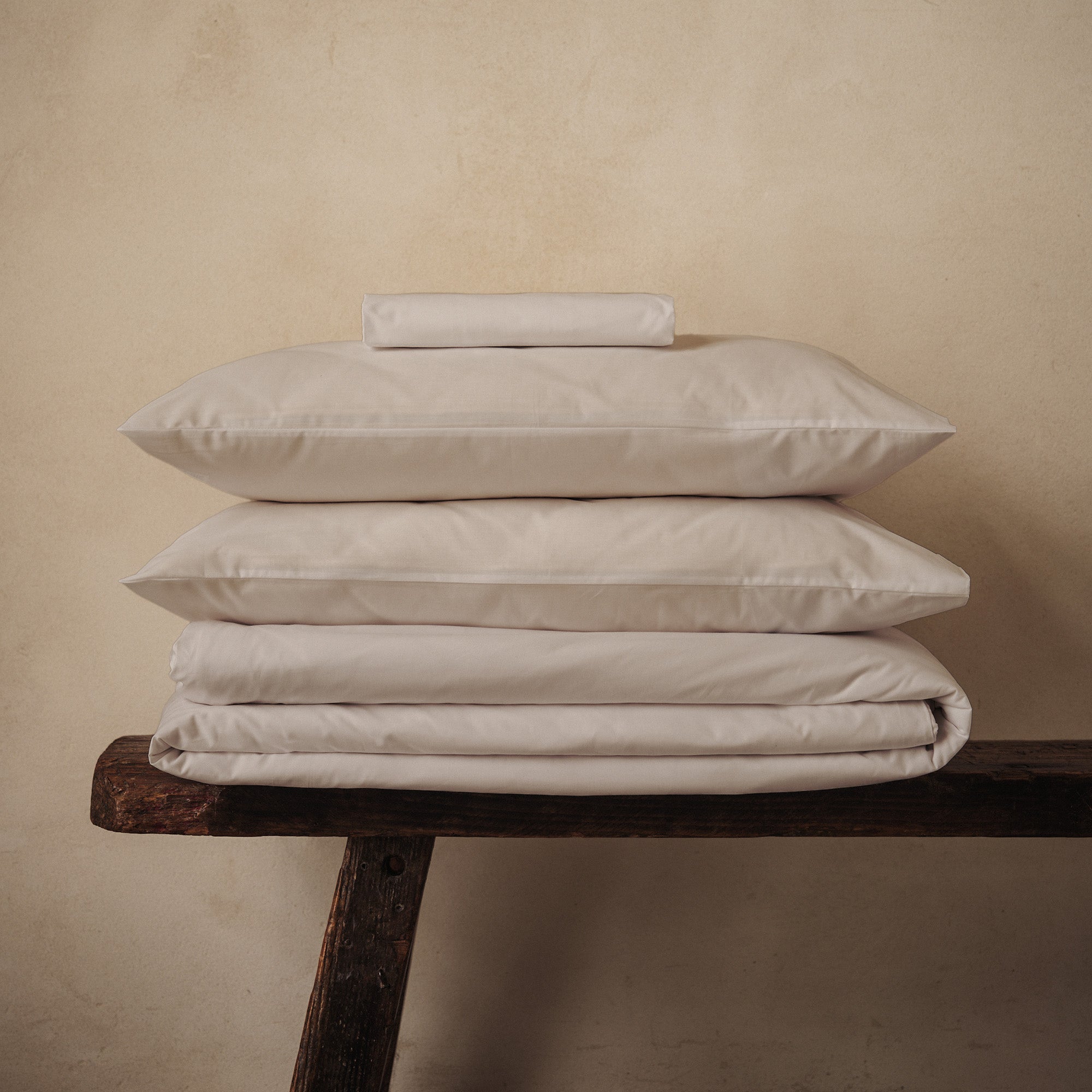
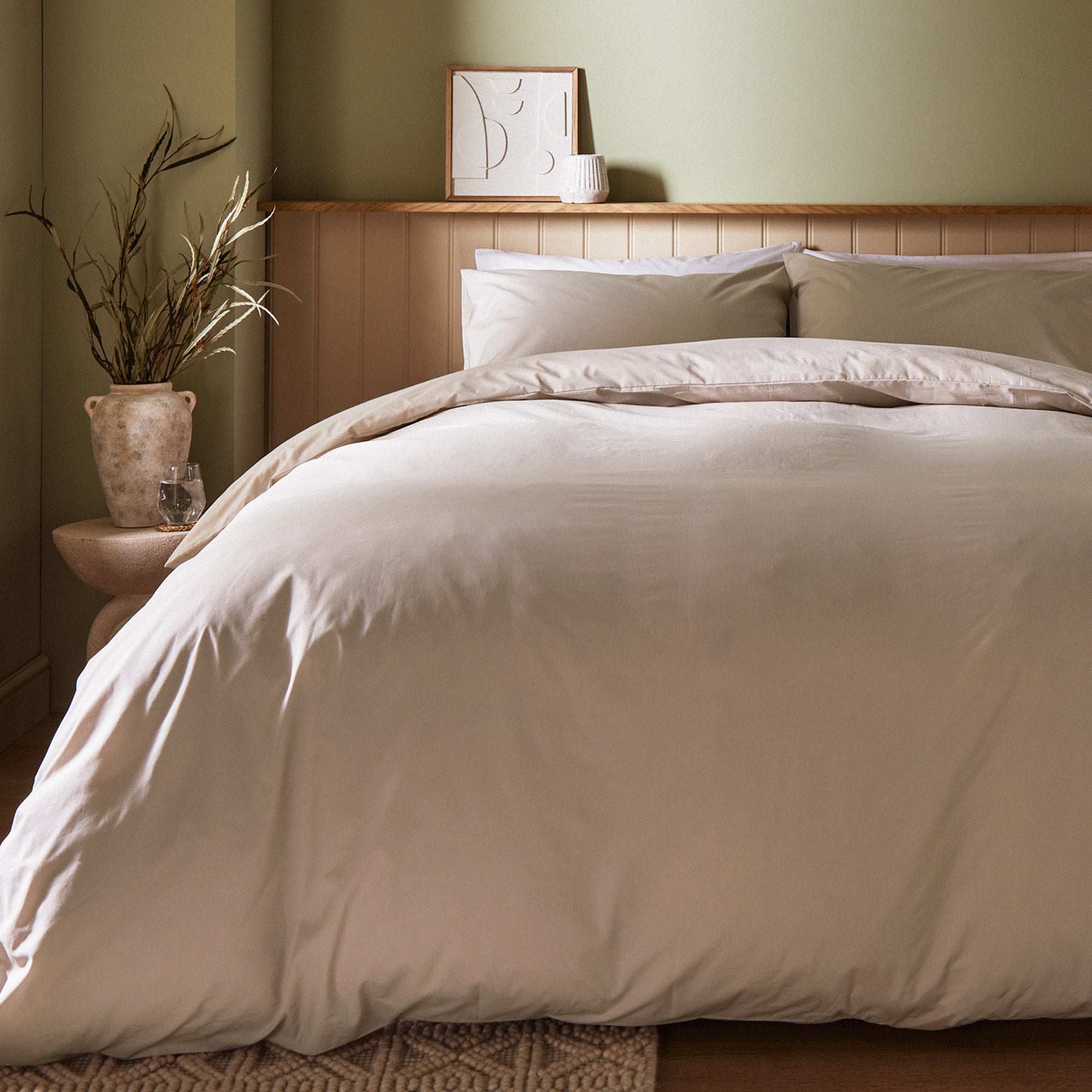
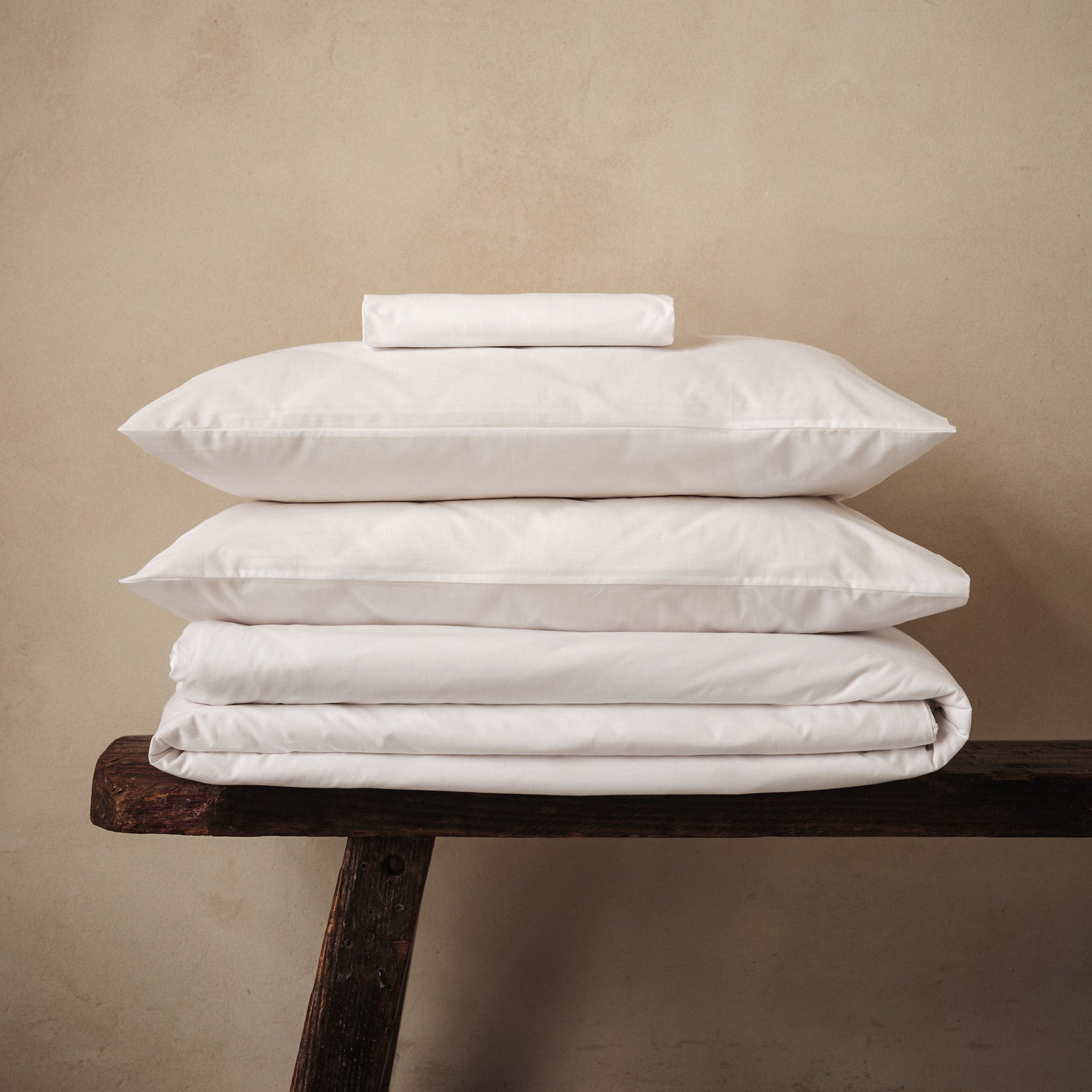
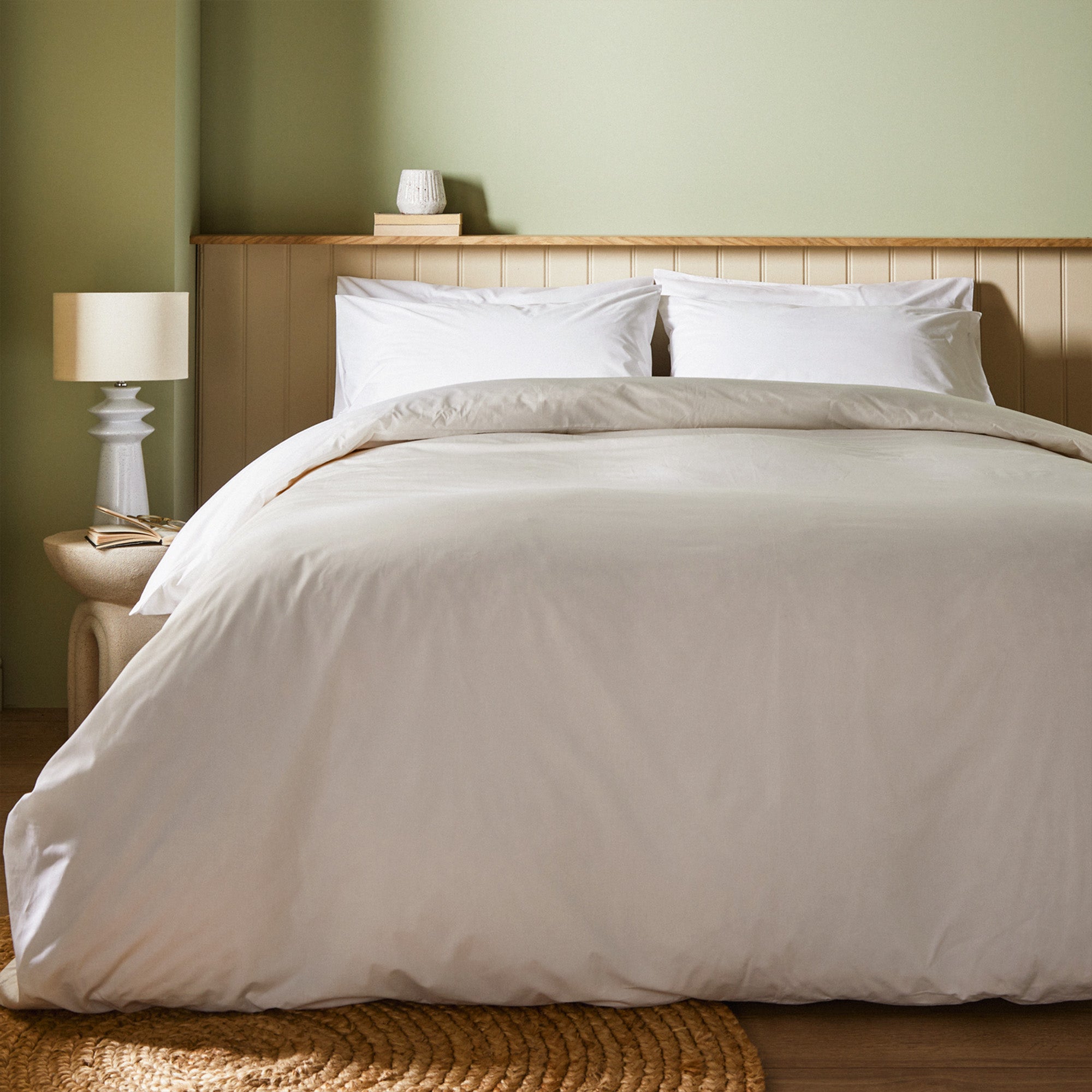
Our Arinta range is crafted from GOTS-certified organic cotton. By removing synthetic pesticides and harsh fertilisers from the growing process, the cotton fibres remain pure, strong, and incredibly soft.
Percale Weave: Unlike the sateen weave used in many bedding products, we use a percale weave. It’s a one-over, one-under technique that results in a matte, crisp finish. Most importantly, it’s also more breathable than other weaves, so air can move freely through the fabric.
Pure Sleep: It’s organic, which means you can sleep soundly knowing there are no toxic chemicals or residues against your skin. It’s a healthy choice for both you and the environment.
Best For: Sleepers who crave that classic, crisp hotel bed linen-feel right the year round.
-
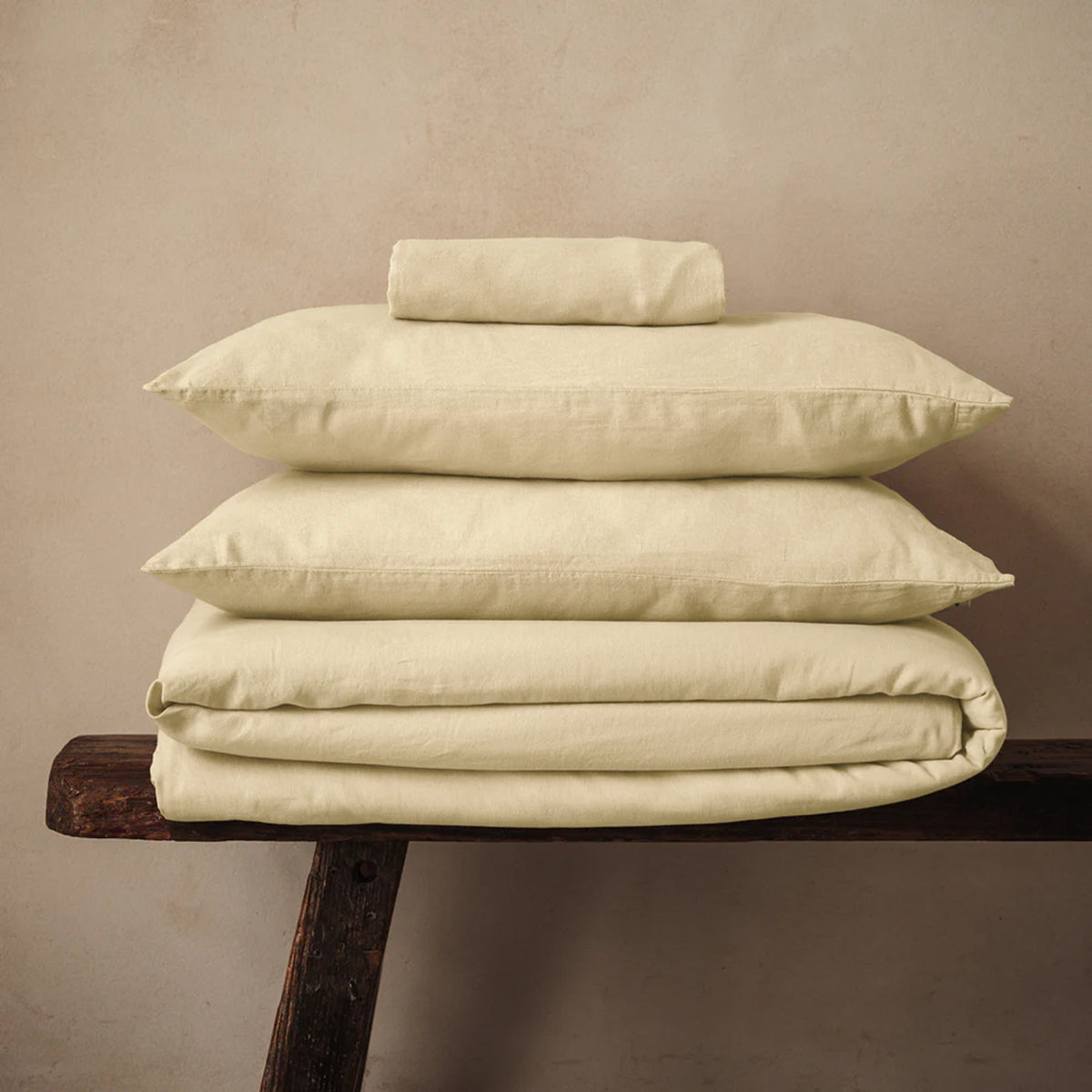
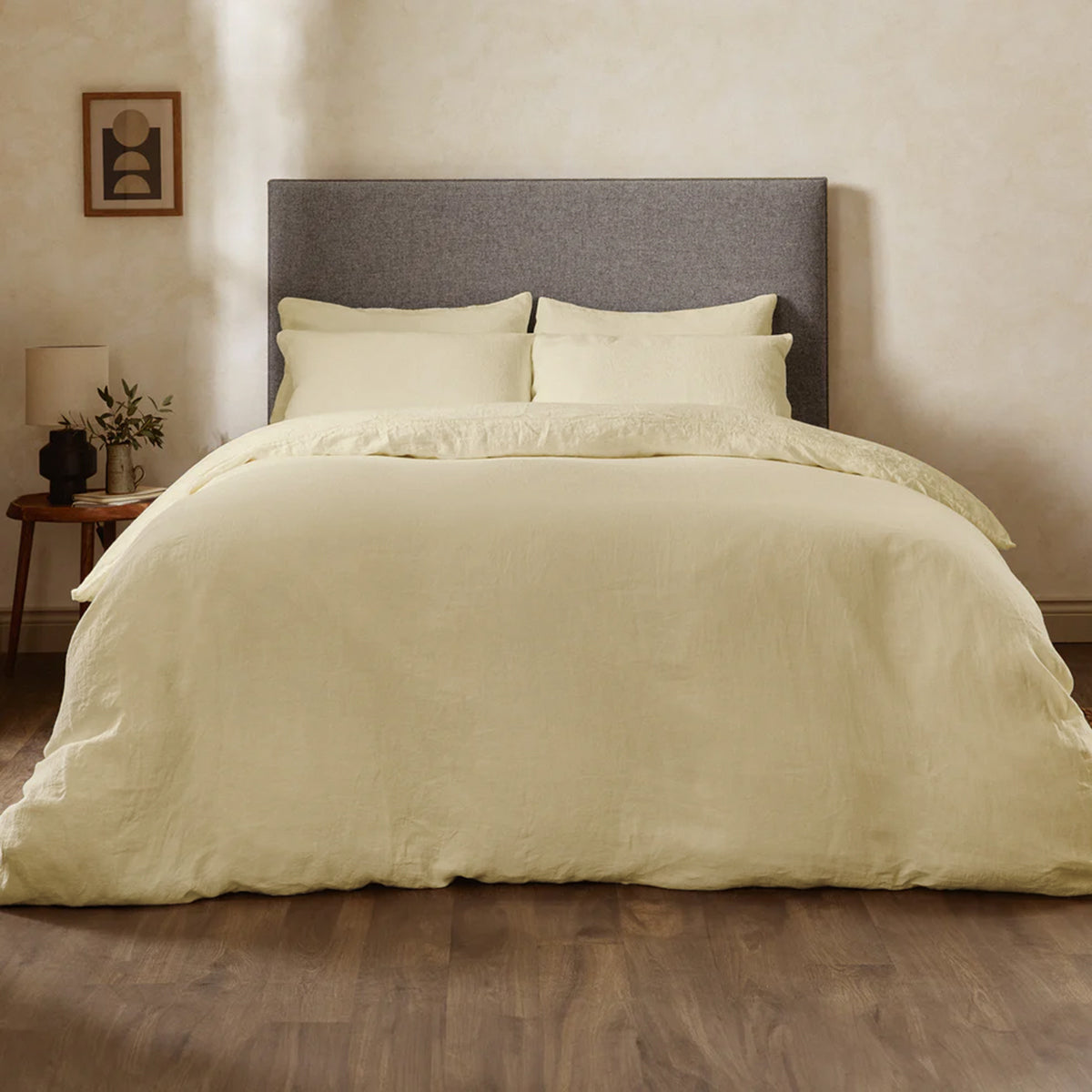
Arinta Organic Cotton Linen Bundle - Vanilla
Regular price £90.72Sale price £90.72 Regular priceUnit price per(£120.97) -
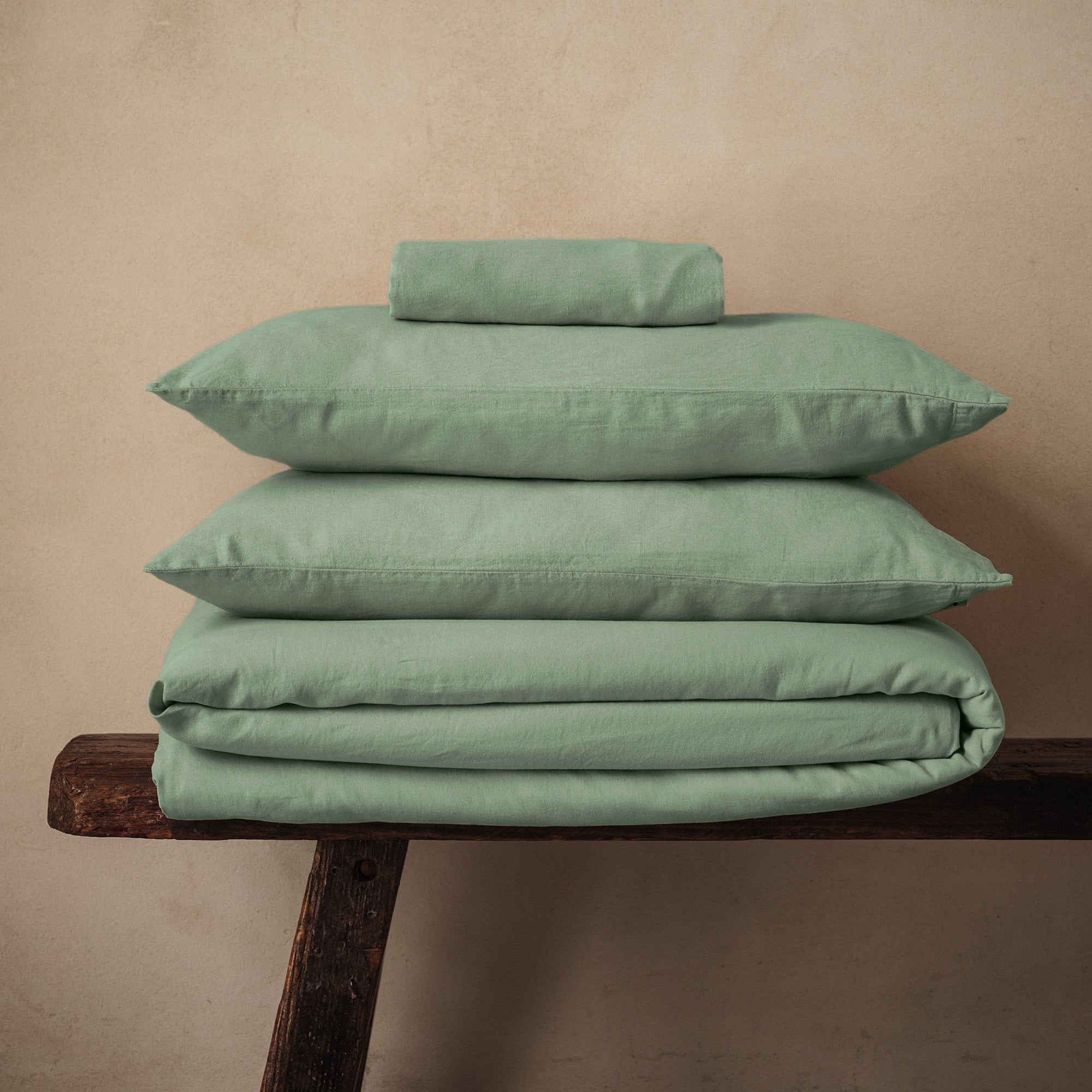
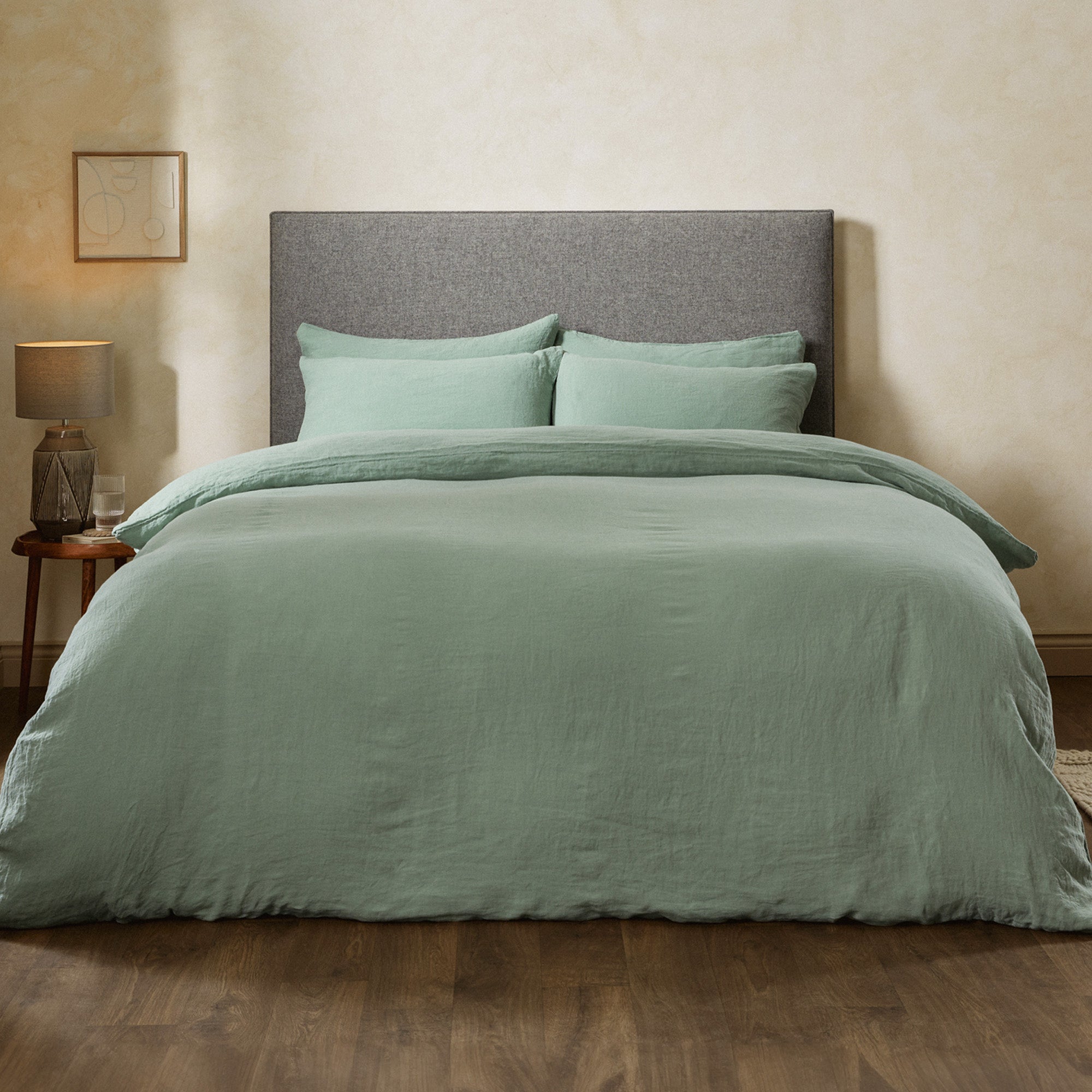
Arinta Organic Cotton Linen Bundle - Pistachio
Regular price £90.72Sale price £90.72 Regular priceUnit price per(£120.97) -
Arinta Organic Cotton Linen Bundle - Marshmallow
Regular price £90.72Sale price £90.72 Regular priceUnit price per(£120.97) -
Arinta Organic Cotton Linen Bundle - Earl Grey
Regular price £90.72Sale price £90.72 Regular priceUnit price per(£120.97) -
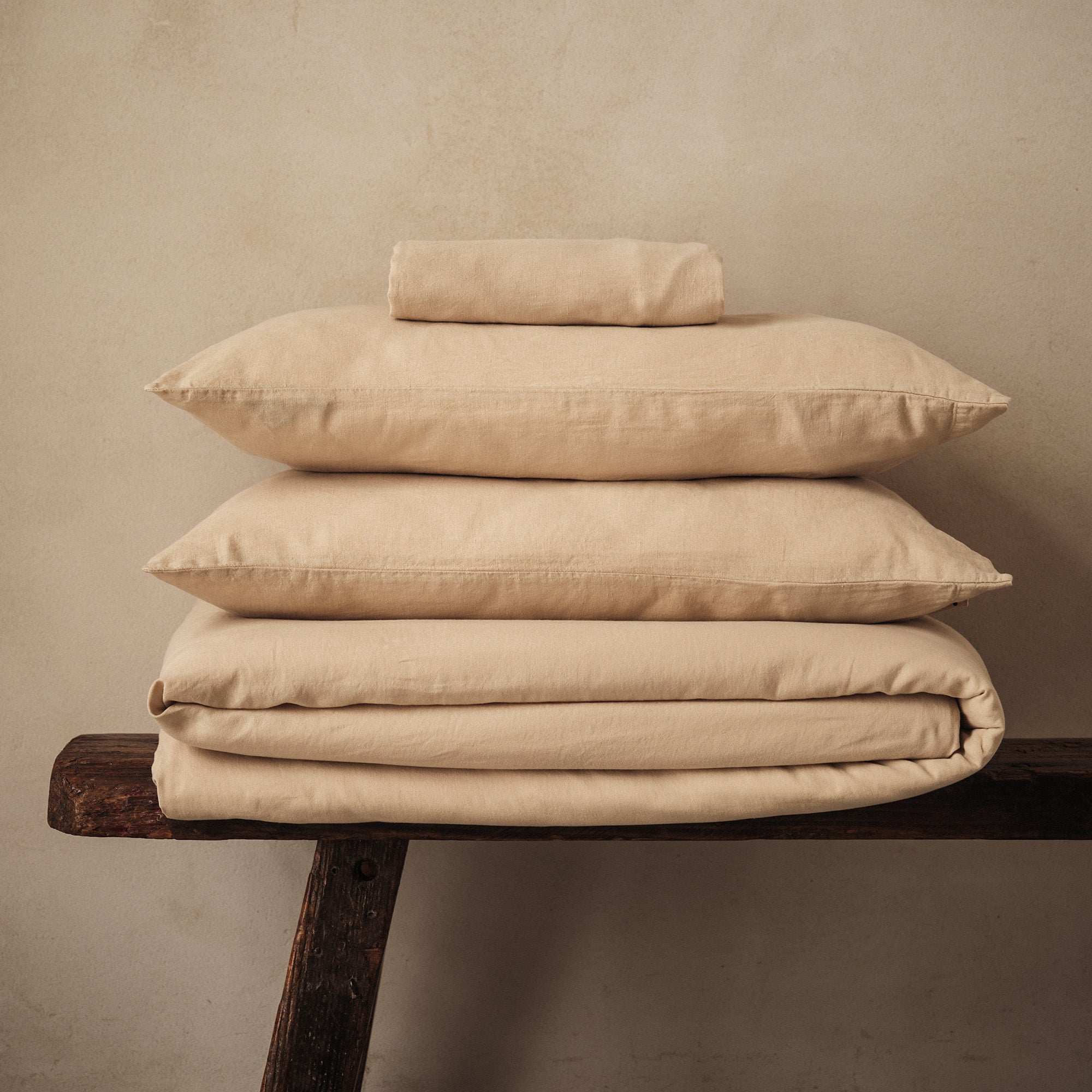
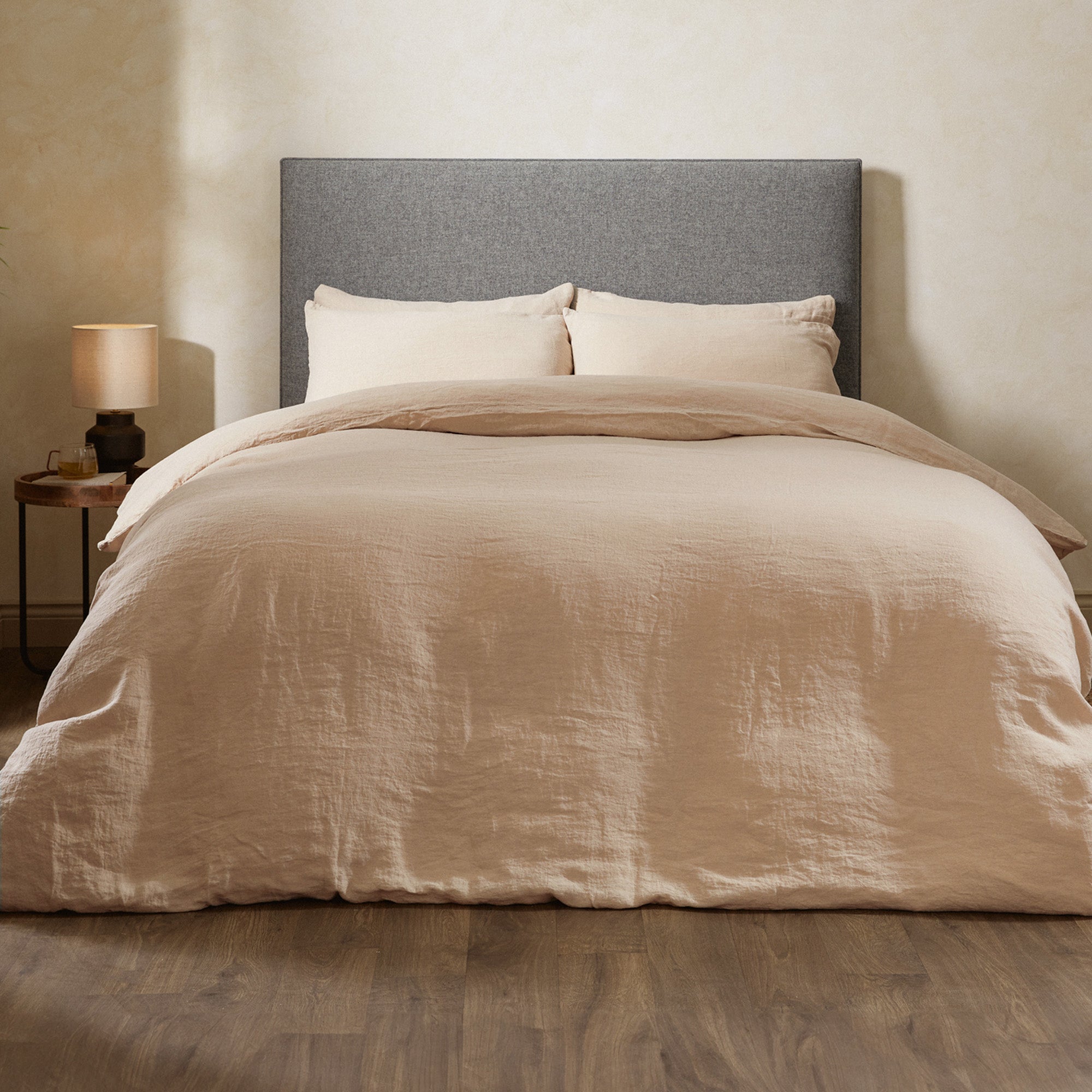
Arinta Organic Cotton Linen Bundle - Almond
Regular price £90.72Sale price £90.72 Regular priceUnit price per(£120.97) -
Arinta Organic Cotton Linen Bundle - White
Regular price £77.22Sale price £77.22 Regular priceUnit price per(£102.97)
Linen & Organic Cotton Blend (The Mariana Range)
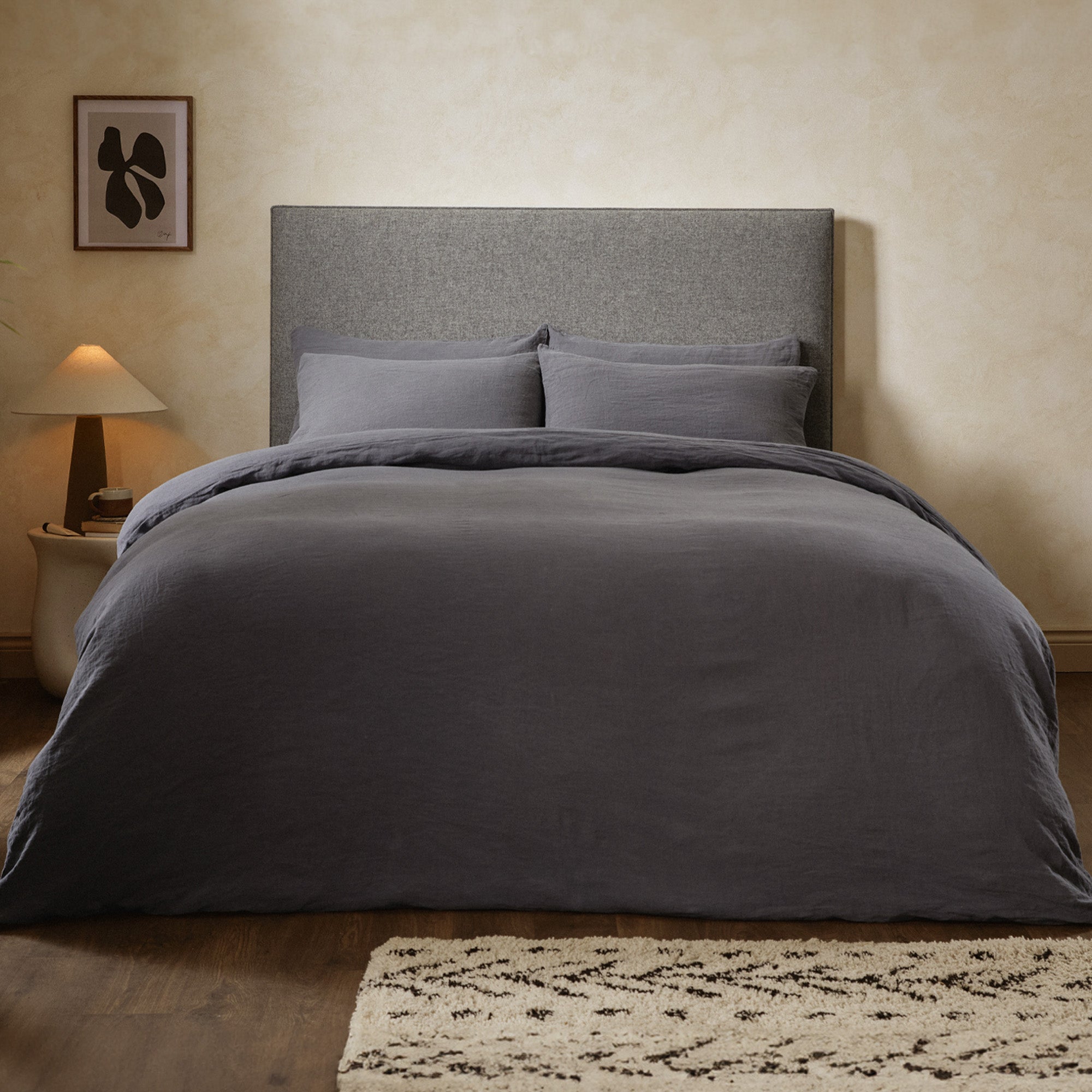
The Mariana range is our high-performance heavyweight. It features a 50/50 blend of flax linen with organic cotton. We created it specifically for those who take their sleep microclimate seriously.
- Engineered Breathability: Linen fibres are naturally hollow, acting like tiny chimneys that pull heat away from the body. By blending this with organic cotton, we maintain that cooling power while making the sheets much softer and easier to care for than 100% linen.
- Superior Wicking: This blend is the ultimate moisture manager. It can absorb a significant amount of moisture and release it quickly, ensuring you stay dry and comfortable even on the warmest nights.
- Best For: Warm summer nights or hot sleepers. The hollow flax fibres provide maximum ventilation when the temperatures rise.
-
Mariana Linen Blend Set - Sand
Regular price £149.97Sale price £149.97 Regular priceUnit price per(£199.97) -
Mariana Linen Blend Set - Sage
Regular price £149.97Sale price £149.97 Regular priceUnit price per(£199.97) -
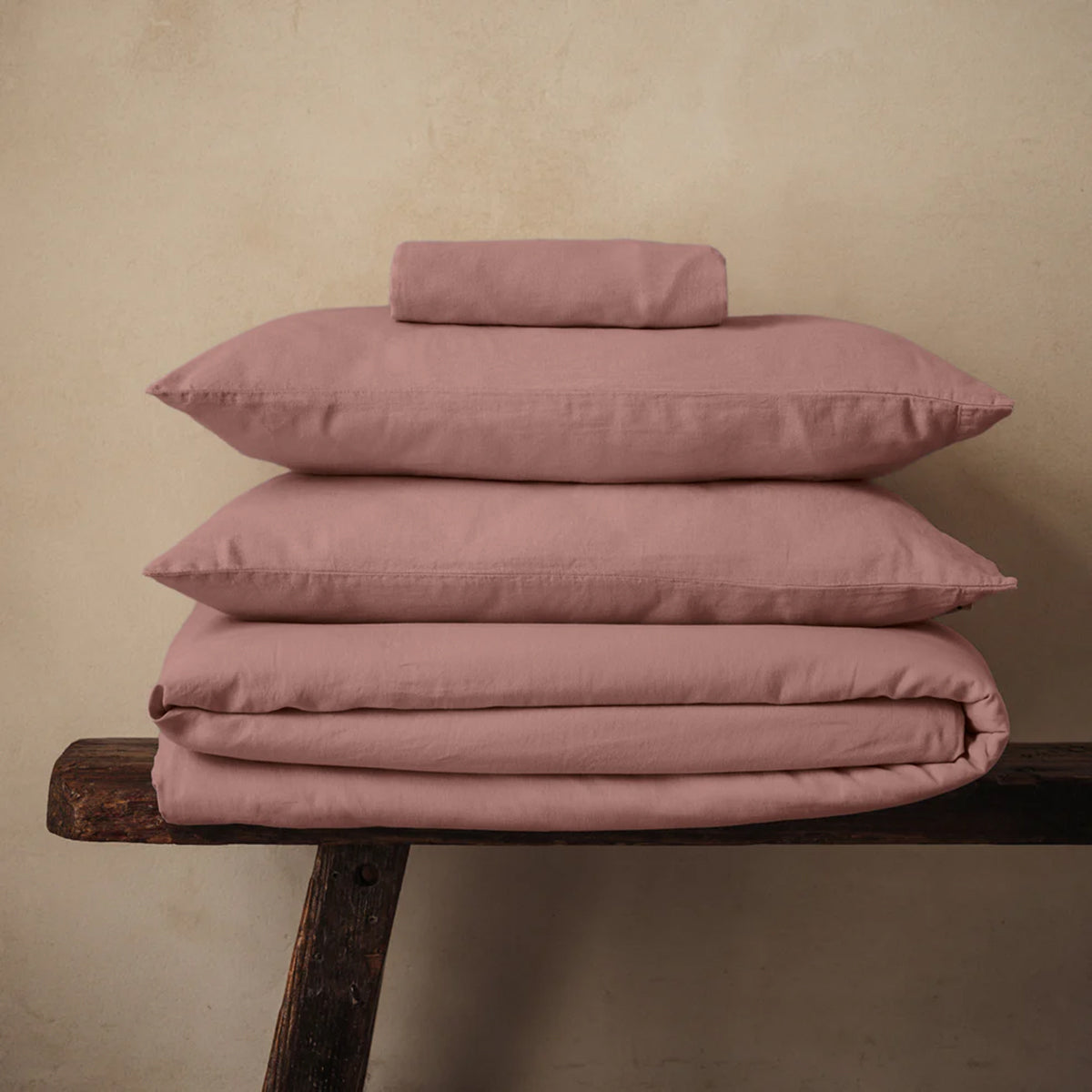
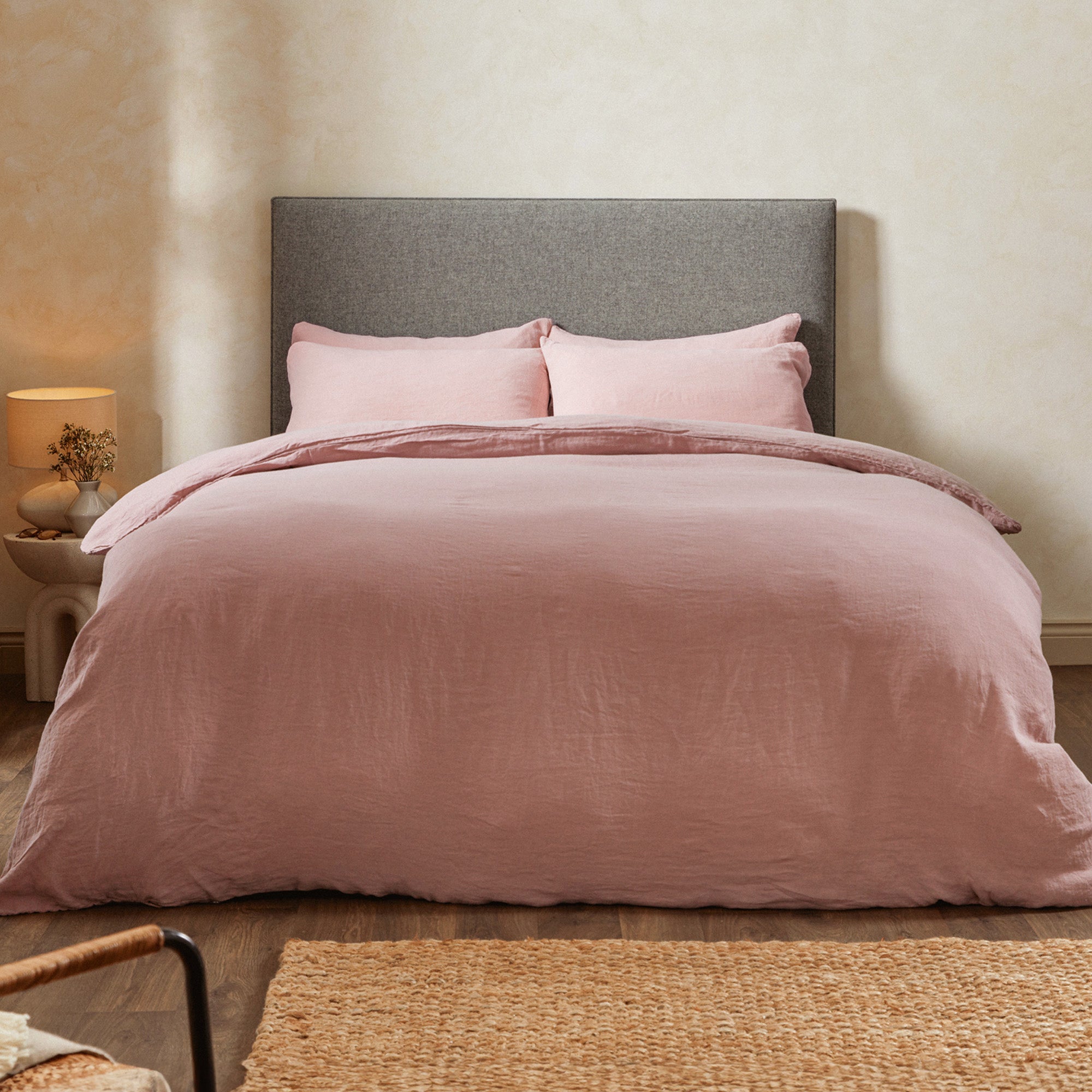
Mariana Linen Blend Set - Rose
Regular price £149.97Sale price £149.97 Regular priceUnit price per(£199.97) -
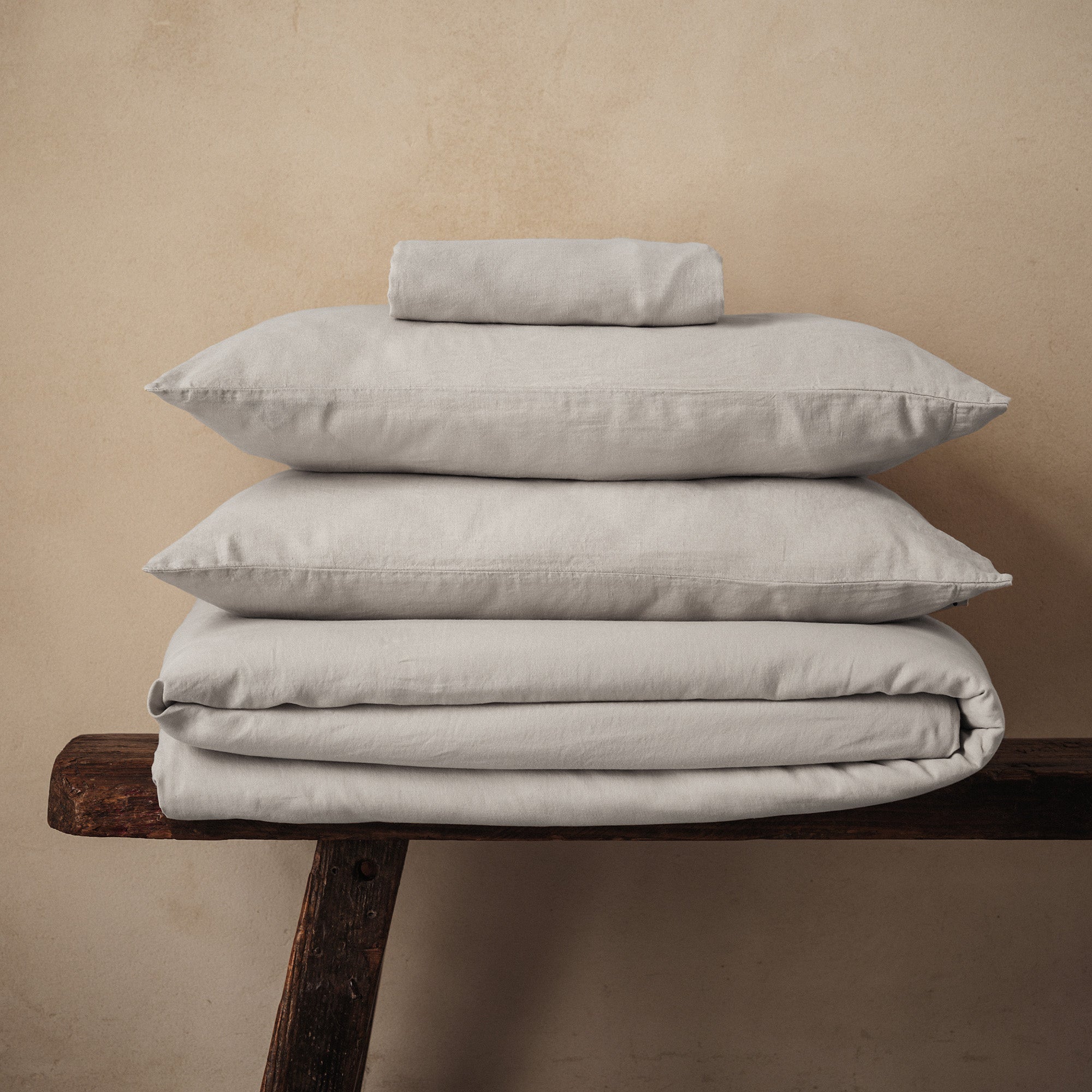
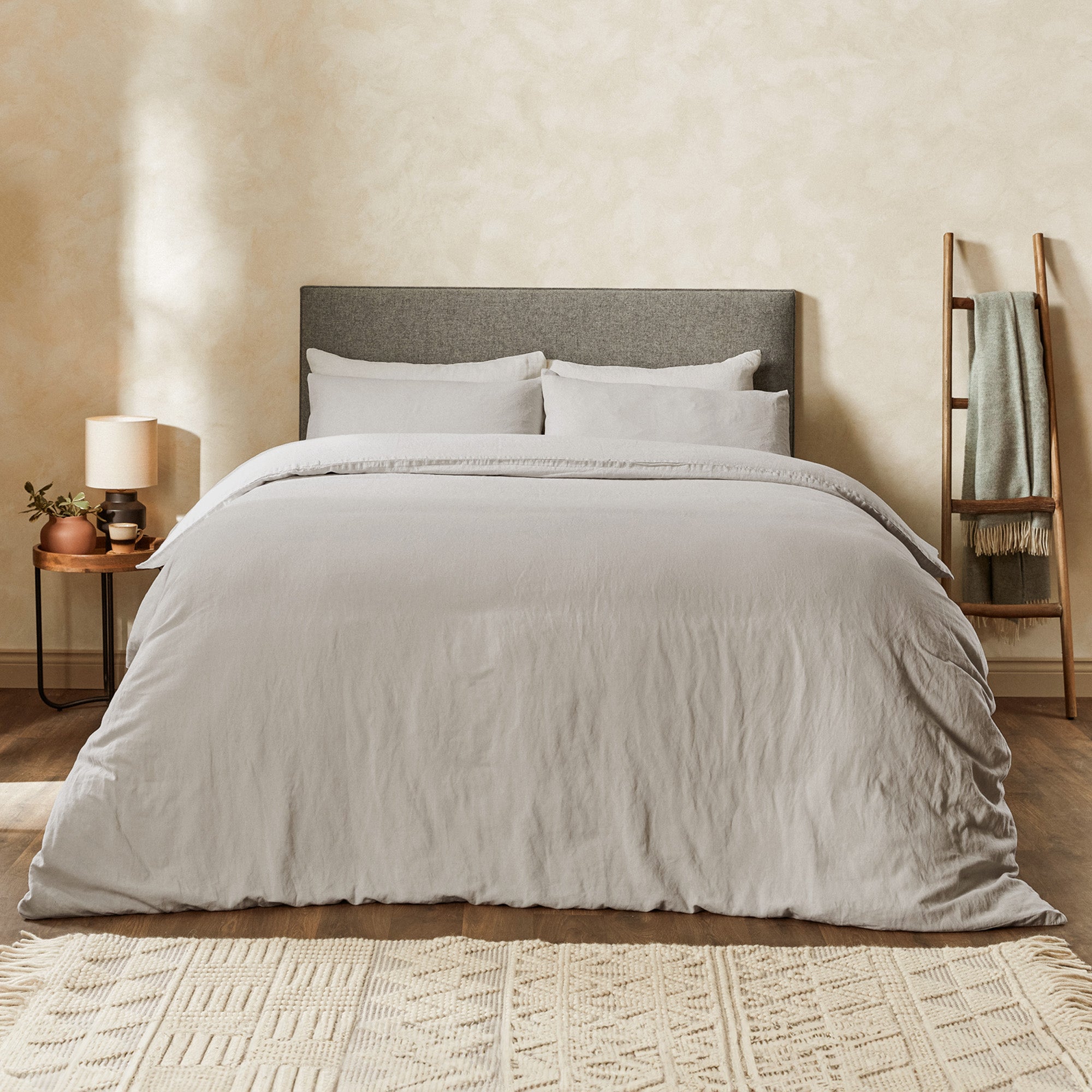
Mariana Linen Blend Set - Pebble
Regular price £149.97Sale price £149.97 Regular priceUnit price per(£199.97) -
Mariana Linen Blend Set - Buttermilk
Regular price £149.97Sale price £149.97 Regular priceUnit price per(£199.97) -
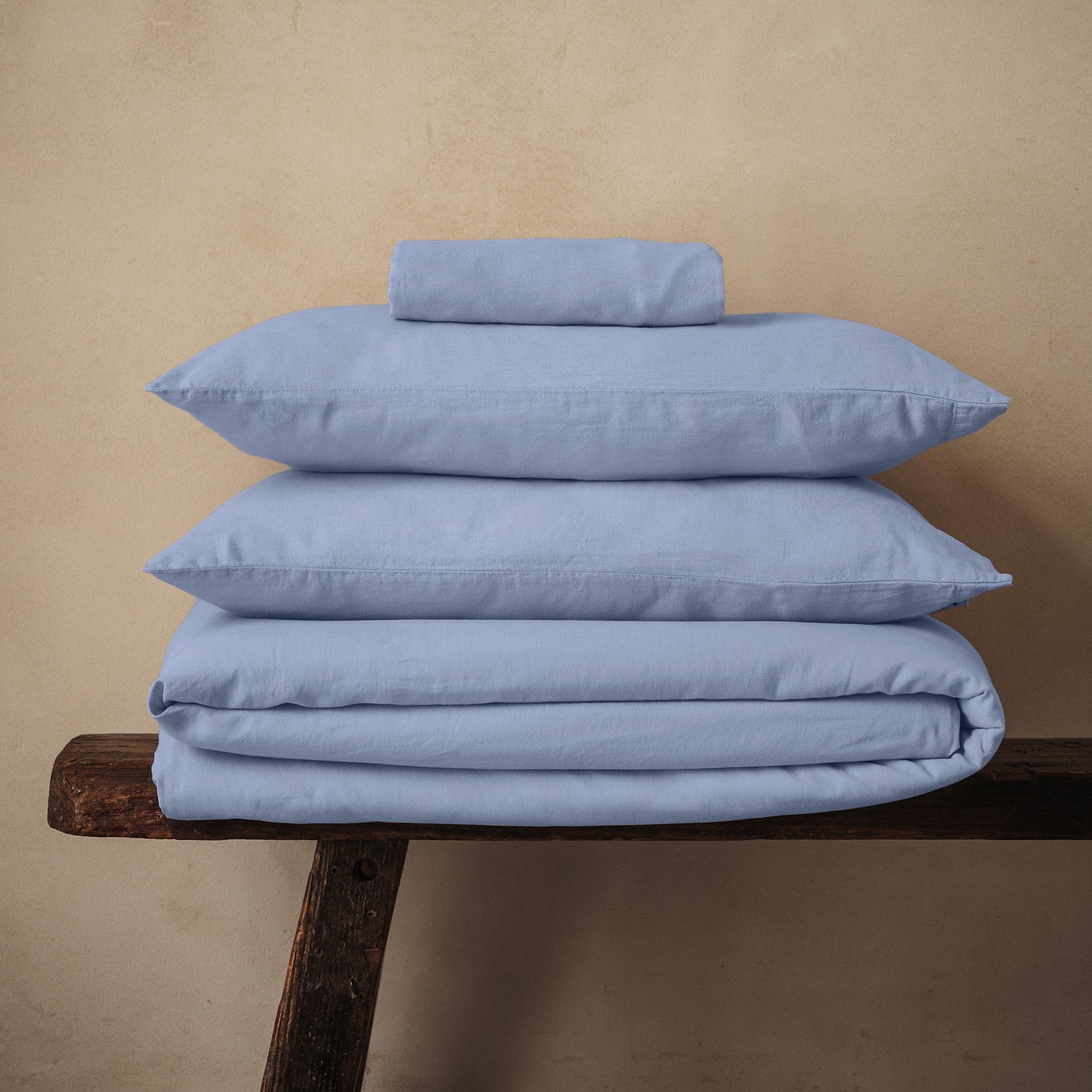
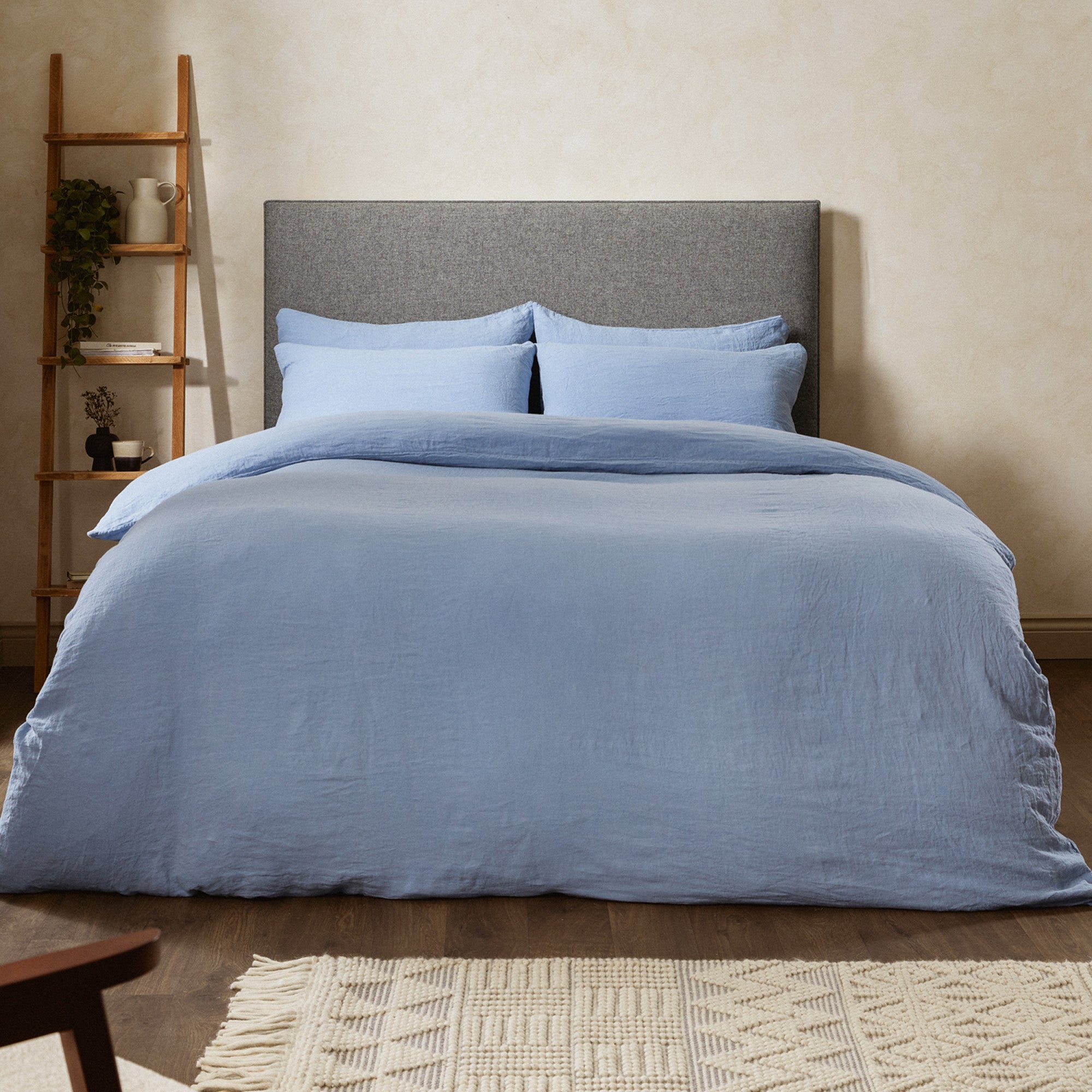
Mariana Linen Blend Set - Cornflower
Regular price £149.97Sale price £149.97 Regular priceUnit price per(£199.97) -
Mariana Linen Blend Set - Charcoal
Regular price £149.97Sale price £149.97 Regular priceUnit price per(£199.97)
How to Care for Bed Linens
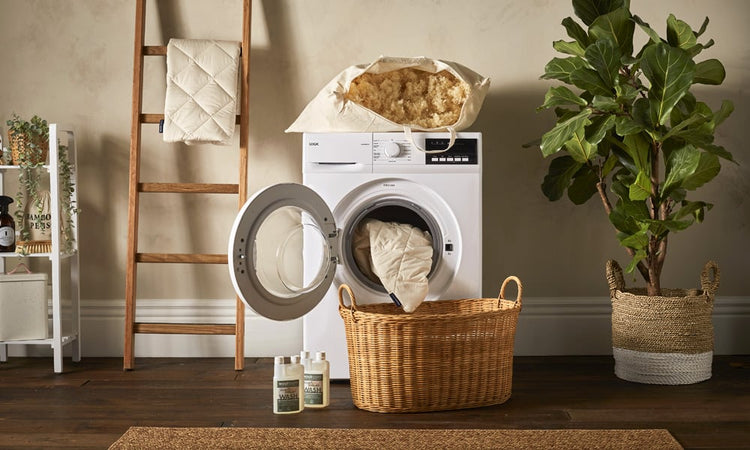
Good, natural bed linen is an investment in your sleep. To make sure its fibres continue to breathe and perform for years to come, they need the right kind of TLC. Wash them incorrectly and you can risk them becoming clogged, which reduces the ability to regulate your temperature as you sleep.
Wash at 40°C (Warm)
For regular, weekly cleaning, we recommend a 40°C or ‘warm’ washing machine setting.
- This is the sweet spot for keeping bed linen hygienic.
- The temperature is warm enough to break down body oils, perspiration, and dead skin cells.
- It is gentle enough to protect the organic cotton and flax fibres.
- Washing at excessively high temperatures can cause natural fibres to become brittle, which may lead to unnecessary shrinkage.
Natural Drying (Where Possible)
Whenever possible, line drying is the best option as it is more environmentally friendly than tumble drying.
- Sunlight can help freshen fabrics naturally.
- If you must use a tumble dryer, ensure you keep it on a cool heat setting to preserve the fibre integrity.
How Often Should You Change Your Sheets?
It’s a sometimes controversial topic – with surveys revealing that many sleepers don’t change their sheets frequently. However, to maintain a healthy sleep environment, we recommend changing your bed sheets every week or every two weeks.
Why? You lie in bed for seven nights, spending seven to eight hours snoozing. During this period, you’ll lose a significant amount of moisture and shed thousands of microscopic dead skin cells (as unpleasant as that sounds!). Left too long, they can accumulate in the weave of the fabric. This increases the build-up of allergens for sensitive sleepers and reduces the breathability of the sheet.
Regular bed sheet changing helps your bedding beneath – especially if it’s wool – to continue to release moisture effectively.
Look for the Certifications When Choosing Bed Linen
Our ranges have been accredited with the following independent certifications. It helps us to ensure our wool-filled bedding products have the perfect partner for the perfect sleep environment.

GOTS (Global Organic Textile Standard) ensures the cotton was grown and processed to the highest environmental and social standards.

Oeko-Tex Standard 100 guarantees every component of the product, from the thread on pillowcases to the buttons on duvet covers, has been tested for harmful substances and is safe for human health.
Shop our full range of bed linen today. Want to find the perfect size before ordering? Head to our size guide for more advice.