Key Takeaways
- Hotel sheets feel good because of long-staple cotton, breathable percale weaves, and precise laundering—not ultra-high thread counts.
- Commercial laundering, starching, and high-heat pressing enhance structure, smooth fibres, and reinforce that “fresh hotel bed” feel.
- Breathable, natural fibres support thermoregulation, helping reduce overheating and nighttime sleep disruptions.
- Woolroom makes it easy to recreate hotel-worthy sleep at home with crisp organic cotton or linen sheets and temperature-balancing, traceable wool layers for cleaner, more comfortable rest.
What is it about hotel bed linens that feels crisper, smoother, and simply more inviting than the sheets on your own bed at home? Luxury hotel linens seem to do the impossible—feel smooth but not slippery, structured but not stiff, and light but substantial all at the same time. It’s a hand feel that’s synonymous with comfort, cleanliness, and luxury, and it’s no accident. Hotels are particular about their linens, prioritizing certain fabrics, weaves, cleaning processes, and layering methods. But here’s the best part—the experience can be recreated at home, and it’s probably easier than you think. By understanding what makes hotel sheets so comfortable, and opting for breathable, natural bedding materials, you can enjoy five-star sleep night after night.

Why Are Hotel Sheets So Comfortable?
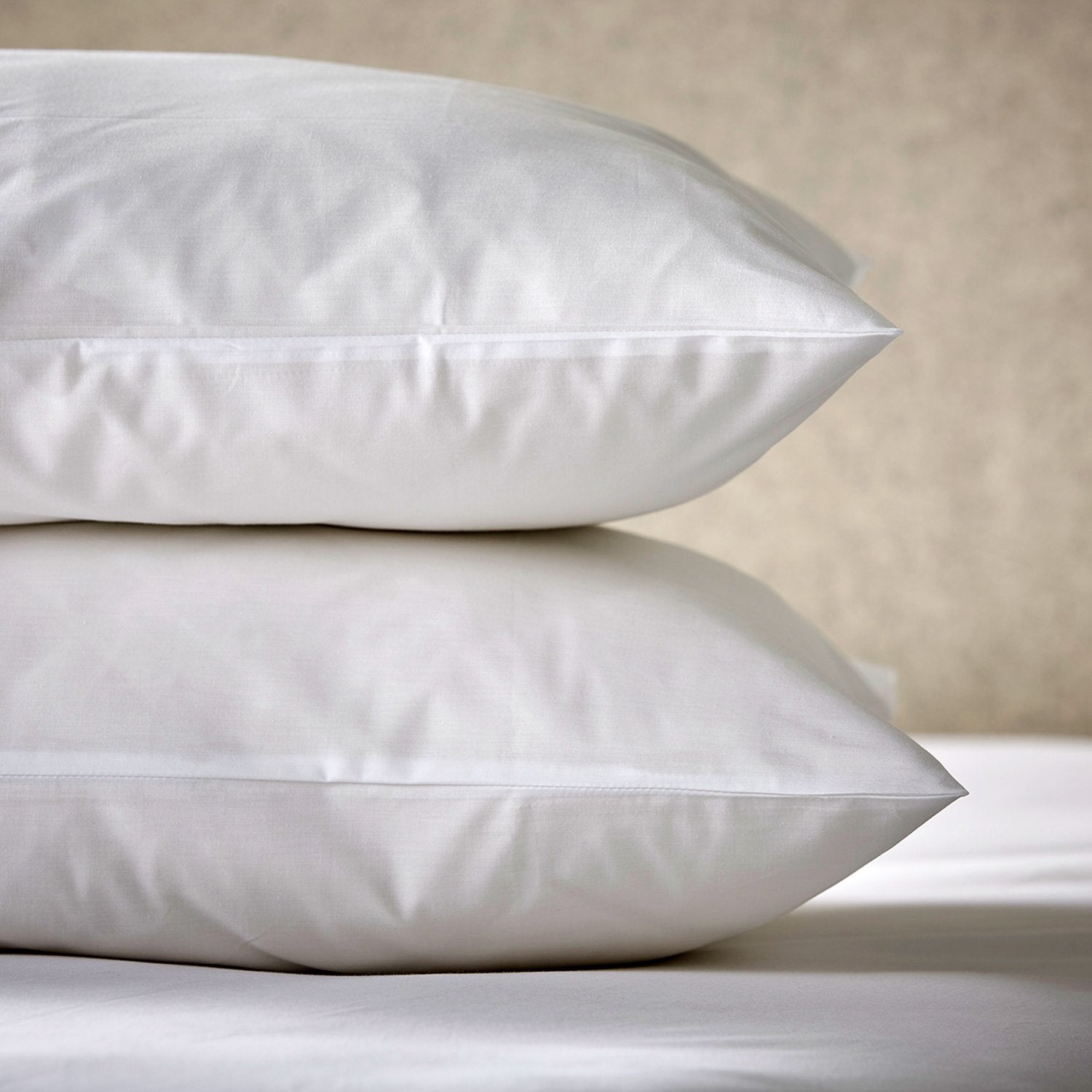
Let’s start with the basics. Hotel sheets tend to feel crisp, cool, and smooth because they’re made with long-staple cotton. Egyptian cotton and Supima are high-quality cottons that create stronger, smoother threads—and that means stronger, smoother sheets. The percale weave is a one-over/one-under pattern known for its matte finish, crisp feel, and breathability, and it’s incredibly common in upscale hotels. And while it’s easy to assume that five-star hotels must use high thread-count sheets, that’s a common misconception. A higher thread count isn’t automatically better. For percale sheets, a thread count (which describes the number of threads in one square inch) between 300 and 500 is the ideal balance of soft and breathable.
Then there’s the commercial laundering. Hotels welcome thousands of guests every year, so cleaning processes that can keep up are key. Most hotel laundry processes include starching for a uniform crispness, along with high-heat pressing that helps smooth the fibres, sets the structure of the fabric, and boosts the freshly-made-up feel.
From an aesthetic perspective, hotel beds are made up to look inviting. That means tightly-fitting sheets and intentional layering to boost both the perception of comfort and the tactile experience itself. The all-white sheets have two things working in their favour: bleachability and a psychological cue signifying cleanliness and luxury.
The Role of Hotel Bedding in Sleep Quality
Soft, breathable bedding does more than just feel good. Enhancing sensory comfort can actually contribute to better sleep. Linens that don’t trap body heat support the body’s natural thermoregulation process, facilitating temperature changes with different sleep cycles. Smoother bedding reduces friction and irritation if you’re prone to sensitivity, further reducing sleep disruptions. Even the visual of that perfectly made-up bed can promote psychological relaxation, signalling the brain to wind down in anticipation of blissful sleep.
Hotel bed linens are laundered regularly, which helps keep them fresh and hygienic. And by using breathable materials, hotels can help their guests stay dry, comfortable, and less disturbed all night.
Common Materials Used in Hotel Quality Sheets
The “hotel quality” association really describes careful material choices. Long-staple cotton and specific weaving techniques ensure a smooth, inviting feel and long-term performance that can stand up to frequent washing. Here’s what’s most commonly used, and why natural fibres like wool are gaining momentum in the hospitality space.
Long-staple cotton varieties, like Egyptian and Supima (which is grown exclusively in the United States), are known for their strength and durability. It means they can withstand frequent laundering and resist pilling while still maintaining their softness against the skin.
The weave is as just as important as the fibre itself:
- Percale is known for its crisp, cool feel, so it’s a popular choice for hotels in warm climates.
- Sateen has a different weaving pattern that makes the sheet surface silkier and smoother, with a subtle sheen. It’s a tighter weave that makes for a slightly heavier, warmer sheet, so they’re more common in cooler climates.
While some hotels may opt for cotton-polyester blends for benefits like wrinkle resistance, it often comes at the cost of moisture control and breathability. Synthetic fibres just don’t offer the temperature-regulating benefits of natural fibres. Take wool, for example. Wool fibres are naturally breathable, moisture wicking, and temperature regulating, which makes wool bedding suitable for year-round use. Wool is also hypoallergenic and antimicrobial, so it helps to support a cleaner sleep space and works particularly well for those with allergies and sensitivities.

How to Recreate the Hotel Bedding Experience at Home
Interested in recreating the hotel bedding experience at home? Follow these steps:
- Start with a quality base. Your mattress is no place to cut corners, so invest in a model that’s supportive enough for your body type and sleep style. If your current mattress isn’t getting the job done and your budget is tight, a natural mattress topper can be a good alternative. Consider adding a natural wool mattress protector or pad to boost hygiene and comfort.
- Layer strategically. Making up a hotel-style bed starts with a fitted sheet over the mattress. A flat sheet is layered over top and folded over a light duvet or blanket. Finally, the bed may be finished with a decorative coverlet or throw. Hotel beds also have multiple pillows in varying firmness’s, both for support and aesthetic value.
- Prioritize fit and tension. Hotel bedding stays put, so look for deep-pocket sheets that stay tight across the bed. You can reduce wrinkling by tucking in flat sheets under the mattress, military-style.
- Maintain bedding properly. Hotel linens are laundered regularly, so make sure to wash your bedding once weekly. Check the manufacturer’s directions, but most bedding does well in warm water with a gentle detergent. Consider ironing or steaming sheets for a hotel finish, and spritzing a linen spray between the sheets.
- Consider room ambience. Think beyond the bed to the room itself. Soft lighting, a cool temperature conducive to sleep, and minimal clutter all contribute to better sleep quality and mimic the hotel environment.
Woolroom Tips: A Natural, Luxurious Alternative
Woolroom builds on the principles behind hotel-quality bedding with nature’s best fibre for sleep: wool. Instead of relying on chemical finishes or synthetic blends to create a polished, durable feel, Woolroom lets wool do what it does best. Our 100% British wool is ethically sourced and fully traceable from the sheep to your bedroom thanks to our Wool ID® Program, ensuring transparency, quality, and long-term performance you can feel good about.
Woolroom’s nature-first approach makes it easy to create a hotel-worthy bed. Our organic cotton percale and cotton/flax linen bed sheets deliver the crisp, cool feel and structured softness associated with high-end hotel linens. But our sheets are made without harsh chemical finishes, so they’re better for the planet and your skin. Our sheets are naturally breathable, so they work with our natural wool bedding to create a truly balanced sleep microclimate.
Woolroom’s bedding collection makes it easy to replicate hotel-style luxury at home. Pair our organic cotton or linen blend sheets with a wool duvet to naturally regulate temperature better than synthetic or down versions. Add a wool mattress pad or topper to your mattress to boost airflow and add plushness beneath the sheets. Swap out your down or synthetic pillows for an adjustable wool pillow to complete the sleep system, and enjoy cooler, cleaner, more comfortable sleep.
Woolroom’s natural wool bedding is an upgrade over even luxury hotel bedding, since many hotels rely on chemically treated cotton to withstand very frequent laundering. That can affect breathability and temperature regulation. But Woolroom’s bedding delivers the same look and feel, all while supporting better sleep hygiene and overall piece of mind. Plus, our wool layers mean no more overheating—a common complaint even with high-end hotel beds, especially those that use down duvets and pillows.
The end result is where hotel luxury meets natural wellness. Woolroom’s natural wool bedding is breathable and skin-friendly, especially for allergy sufferers and hot sleepers. And because every layer is designed for performance, sustainability, and longevity, the bed maintains a clean, elevated aesthetic without compromising comfort or health. All Woolroom bedding is certified by OEKO-TEX Standard 100, and our organic washable bedding and Arinta bed linen collection are all certified by the Global Organic Textile Standard.

Five-Star Sleep, Naturally
Hotel-worthy sleep isn’t about thread count hype or heavy chemical finishes—it’s about breathable materials, thoughtful layering, and fibres that work with your body. By choosing natural bedding from Woolroom and building a balanced sleep system, you can recreate that crisp, inviting hotel feel at home and enjoy more restful nights.
Frequently Asked Questions
What bedding is used in 5-star hotels?
Most five-star hotels use long-staple cotton sheets—typically Egyptian or Supima cotton—woven in a percale or sateen weave. Hotels prioritize durability, breathability, and comfort over extremely high thread counts.
How to get crisp sheets like hotels?
Crisp hotel-style sheets come from a combination of quality materials and care. Choose long-staple cotton percale sheets, wash them regularly, and dry or press them with heat to help set the fabric structure. Proper bed-making and tight sheet fit also contribute to that smooth, freshly made feel.
How do hotels get their sheets so smooth?
Hotels use commercial laundering processes that include high-heat washing, pressing, and sometimes light starching. These methods smooth the fibres and enhance structure. The smoothness also starts with high-quality cotton and tightly woven fabrics that naturally feel softer against the skin.
Are higher thread count sheets better?
Not necessarily. Extremely high thread counts can reduce breathability and trap heat. For hotel-style comfort, a moderate thread count—especially in percale—offers the best balance of softness, airflow, and durability.
What weave is best for cool, hotel-style sheets?
Percale is the most common weave used in hotels for a cool, crisp feel. Its one-over/one-under structure allows for better airflow, making it ideal for warm sleepers and warmer climates.
Do hotels use cotton or microfiber sheets?
High-end hotels almost always use cotton rather than microfiber. While microfiber can be wrinkle-resistant, it doesn’t breathe as well as natural fibres and can trap heat and moisture.
Is wool bedding used in hotels?
Wool is increasingly used in hotel mattress toppers, duvets, and pillows because it naturally regulates temperature, wicks moisture, and resists allergens. Wool bedding helps maintain comfort across seasons and supports better sleep hygiene.
How often should sheets be washed for hotel-level freshness?
Hotels typically wash sheets after every guest stay. At home, washing bedding once per week is ideal for maintaining cleanliness, freshness, and the crisp feel associated with hotel beds.