Key Takeaways
- Shorter days give your body a longer window to release melatonin, so you may feel sleepy earlier in the evening and groggier on dark mornings.
- Less sunlight means your skin makes less vitamin D, which is linked to fatigue and low mood.
- The clocks going back and busier autumn routines can throw off your body clock for days or even weeks.
- Breathable wool bedding helps keep you comfortable as autumn temperatures swing overnight, so you're less likely to wake up too hot or too cold.
Late September marks the autumnal equinox, the official shift from summer to autumn. Alongside changing leaves and pumpkin spice everything, you may notice that you feel more tired than usual. It’s not your imagination. Shifts in daylight, temperature, and daily routines really do affect your body’s internal clock and energy. Actually, there are specific reasons you may be dragging yourself through the day as we move into autumn. Here’s what’s happening, and what you can do about it.
Why Do Shorter Days Make You Sleepy Earlier?
Autumn and winter are characterised by short days and long evenings, which means less light. Light is the strongest cue to the body’s internal clock, known as the suprachiasmatic nucleus, or SCN. When it gets dark earlier, it gives the body a longer window to release melatonin, the hormone that makes you feel sleepy. That’s why you might find yourself feeling tired earlier in the evening.
The SCN is in the brain. When special cells in the eyes detect light, the SCN sends a signal to delay the release of melatonin. As light fades in the evening, melatonin rises, making you feel drowsy. In autumn, later sunrises also mean less bright light first thing in the morning. Morning light is what suppresses melatonin production, which helps you feel more alert and keeps your internal clock running on schedule.
Indoor lighting plays a role too. While it’s much dimmer than sunlight, bright or blue-toned light in the evening from screens, mobile phones, and even LED lights can still suppress melatonin and push your master clock later.
How to adapt: Lean into the earlier bedtime if it works for your schedule. In the mornings, get outside or close to a window for bright light soon after you wake up, even on grey days. To keep indoor lighting from interfering at night, dim overhead lights or use table lamps for less intensity. Sleep experts also widely recommend switching off screens 30 minutes to an hour or so before bed. Some people find using blue-light blocking glasses helpful.
Less Vitamin D Makes You More Tired in Autumn
Less sunlight during the autumn months, plus more wrapping up to stay warm in cooler weather, means you’re making less vitamin D. This essential nutrient is produced in the skin when it’s exposed to the sun’s UVB rays. Low vitamin D levels are linked to fatigue and low mood, so seasonal dips can leave you feeling more tired than usual.
When vitamin D is made or absorbed, it’s converted to its active form in the liver and kidneys. That functions more like a hormone than a vitamin. It’s thought to help regulate serotonin, a brain chemical linked to mood and wellbeing.
How to adapt: Depending on where you live, seasonal dips may be more pronounced. If you’re further from the equator, try to make the most of daylight while it lasts, especially around midday in early autumn. That’s when the sun is at its strongest. Be mindful about eating foods rich in vitamin D, like salmon, egg yolks, and fortified cereals or milks. A vitamin D supplement may help too, so it’s worth a chat with your GP.

How the Clocks Going Back Affects Your Sleep
When the clocks go back at the end of British Summer Time, you get an extra hour in bed. But your body clock doesn’t change overnight. For several days, you may find yourself waking up earlier than you’d like, feeling sleepy before your usual bedtime, and powering through unexpected energy dips throughout the day. Evenings also get darker an hour earlier, which can make shorter days feel even shorter.
Aside from the light cue, the rhythm of your internal clock is influenced by habits like mealtimes and bedtimes. That sudden one-hour shift puts the clock on the wall out of sync with the clock in your body, and it’s normal to take a few days to adjust. If you’re already short on sleep, it can take a little longer, and the same is true for young children and early risers. Even your pets pick up on this abrupt change: they still expect breakfast at the old time!
Earlier sunsets can also mean people are leaving work or even school after it’s already dark, cutting down on the light exposure needed to keep energy and mood stable.
How to adapt: Being proactive is the best move. Begin shifting your bedtime (mealtimes too, if you can) 15 minutes later every night for a few days before the clocks go back. Stick to the same wake-up time instead of having a lie-in, and make an effort to get outside for daylight in the morning or at lunch.
Why Is It Harder to Sleep Comfortably When the Weather Changes?
Autumn weather is predictably unpredictable. Not only does that affect your daytime wardrobe (scarf and heavy coat, or just a cardigan today?), it can have serious bedtime repercussions. Temperature swings during the autumn months can leave you tossing, turning, and waking up feeling tired and irritable.
In preparation for sleep, core body temperature naturally drops. It’s one of the signals to the body that it’s time to sleep. A bedroom that’s too warm, or bedding that traps heat, interferes with this natural rhythm, leaving you kicking off the covers or flipping the pillow in search of a cool spot. In the early hours of the morning, when both the air and your body temperature are at their lowest, you might wake up shivering.
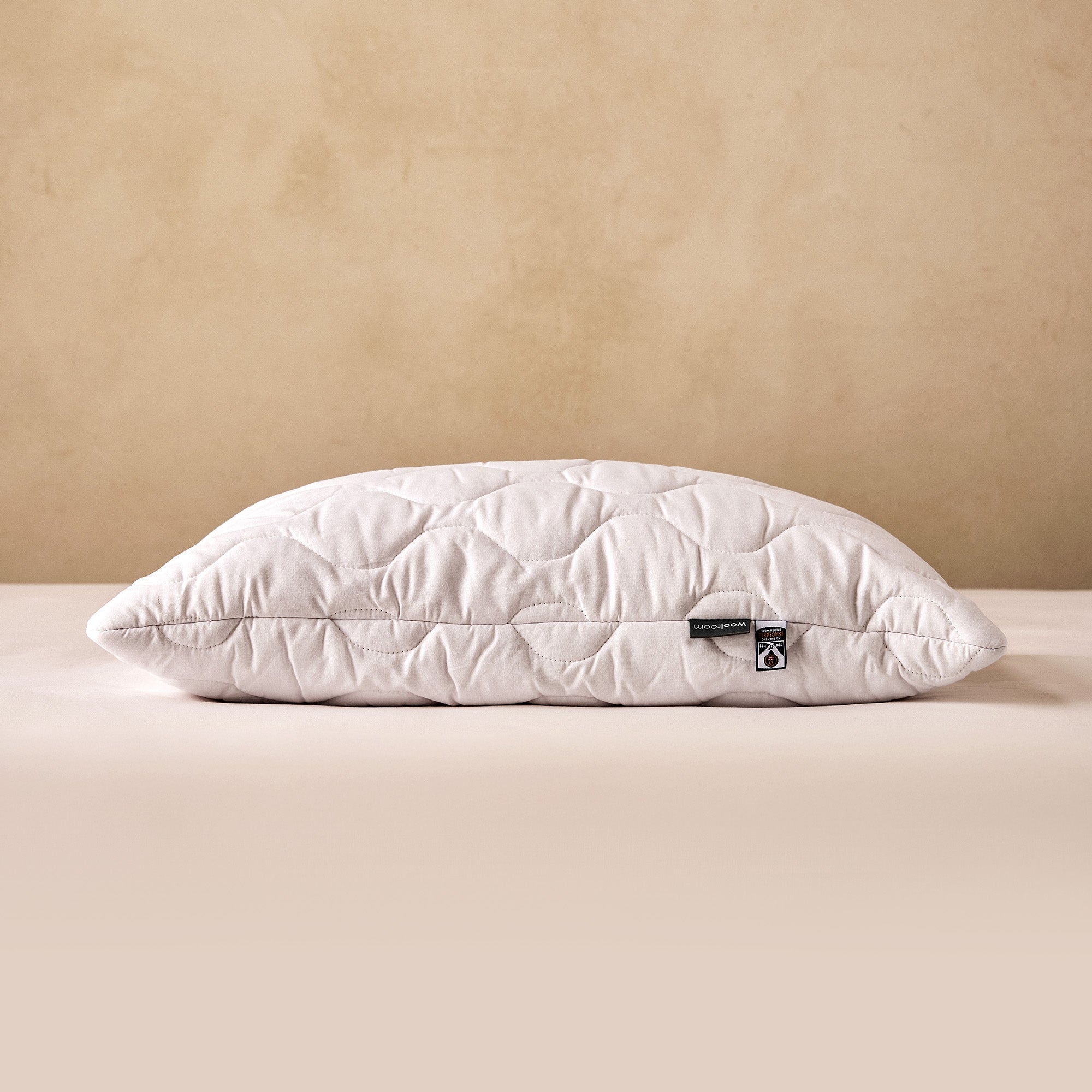
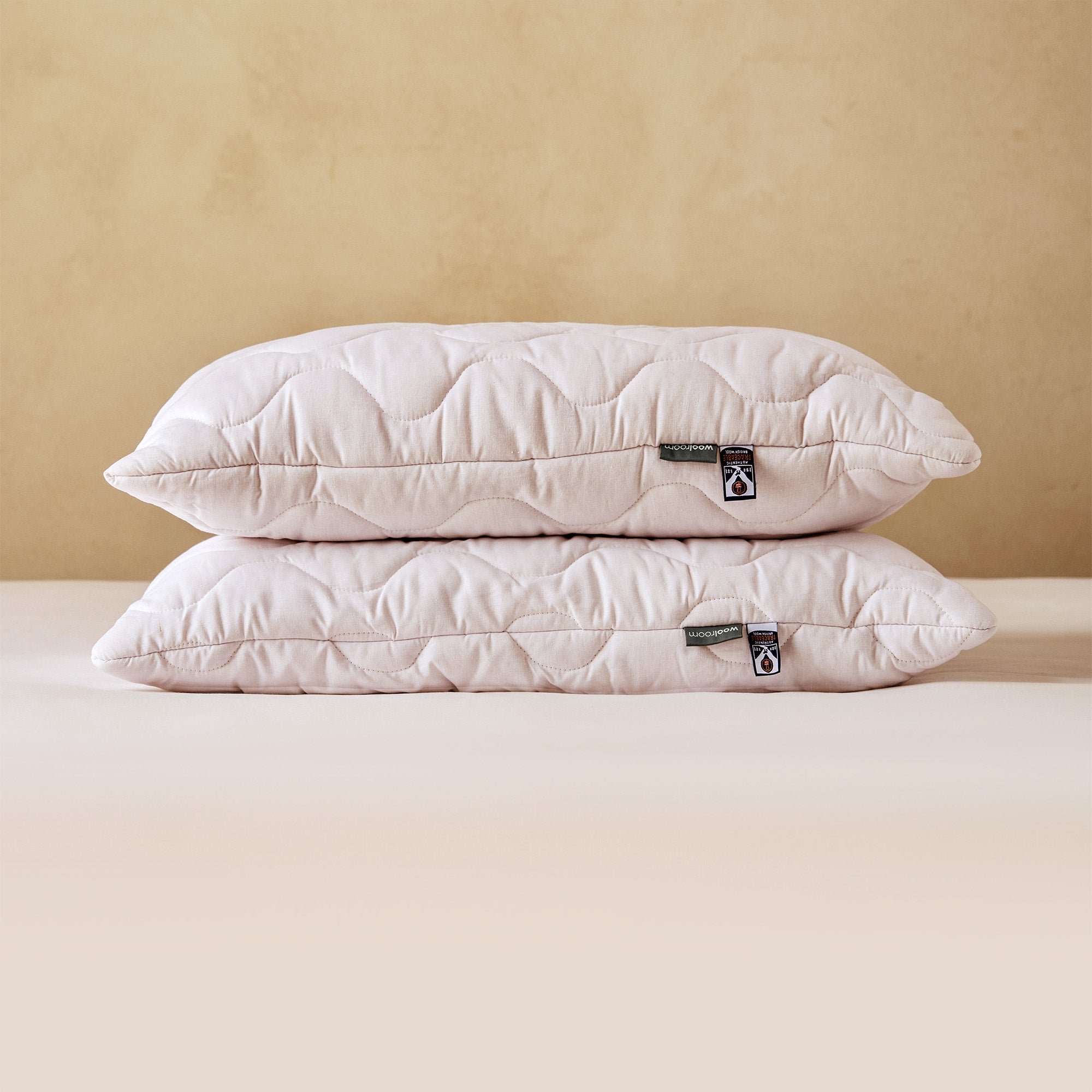
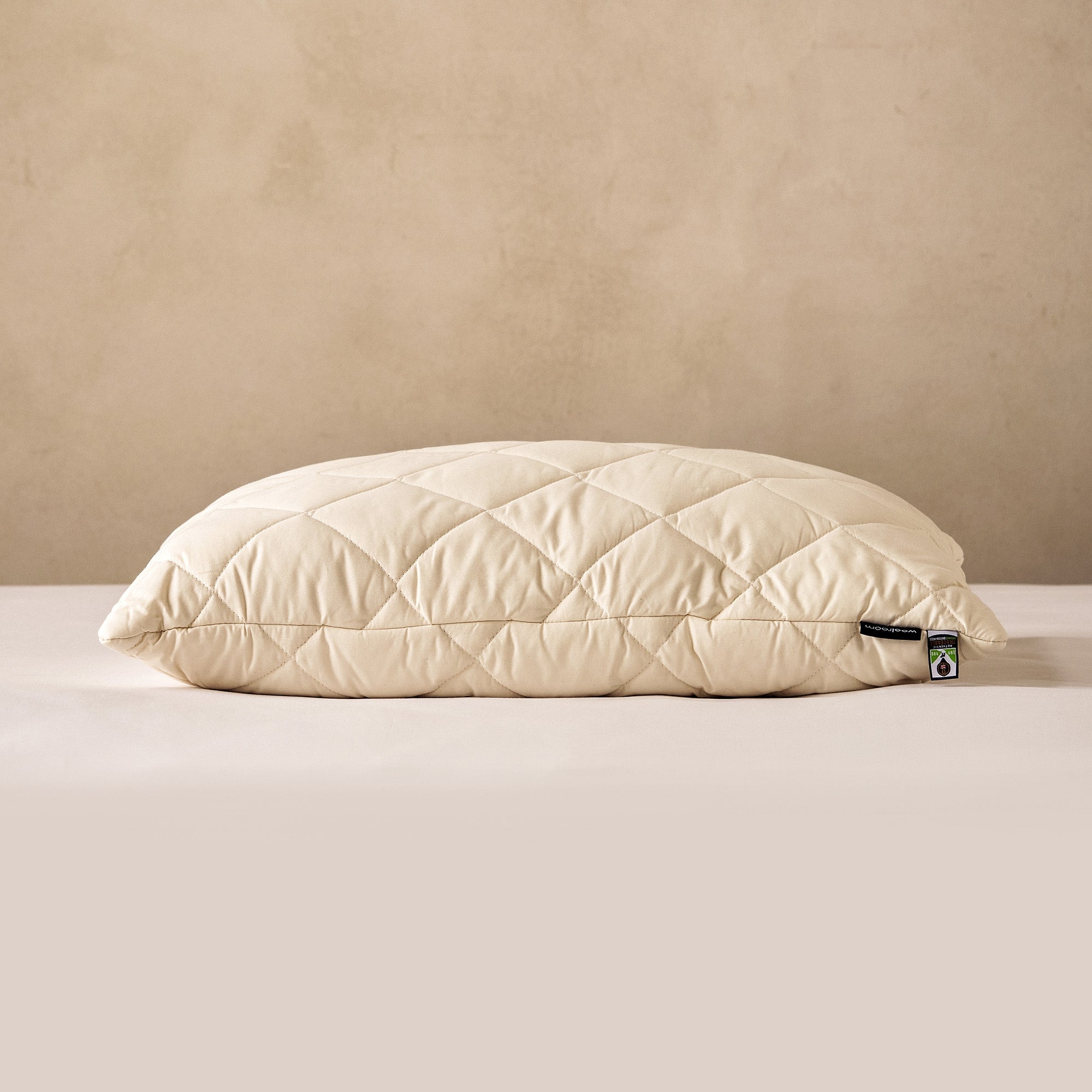
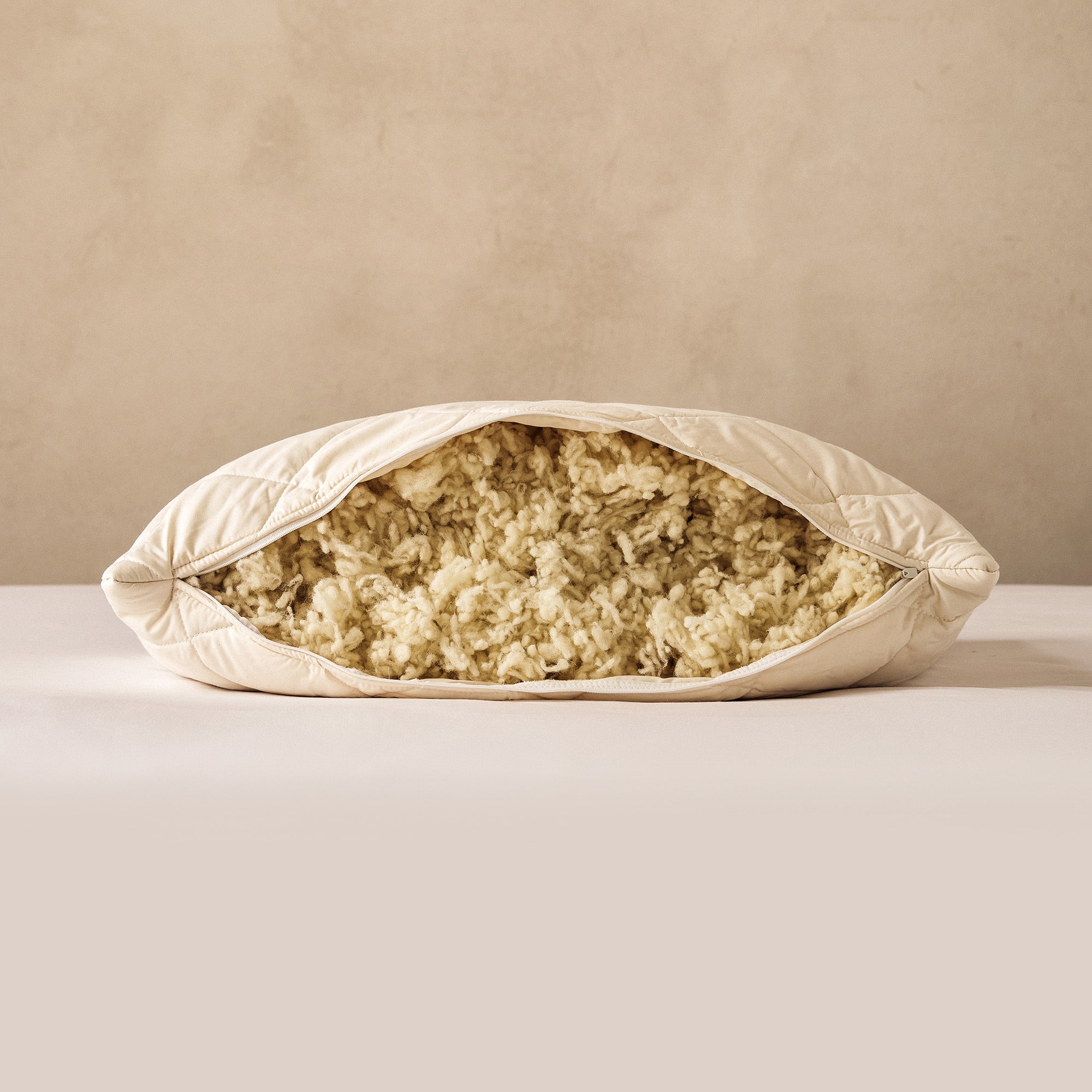
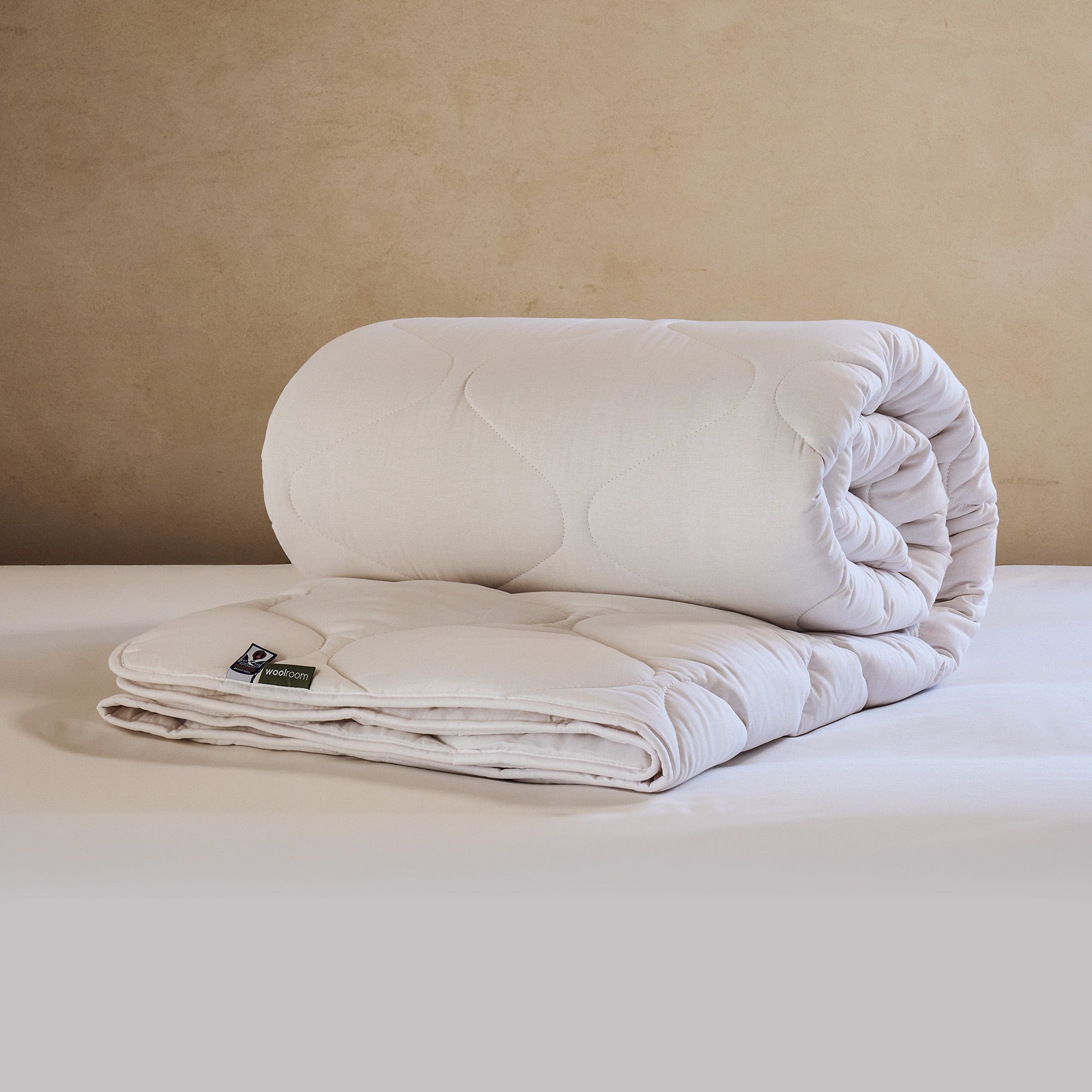
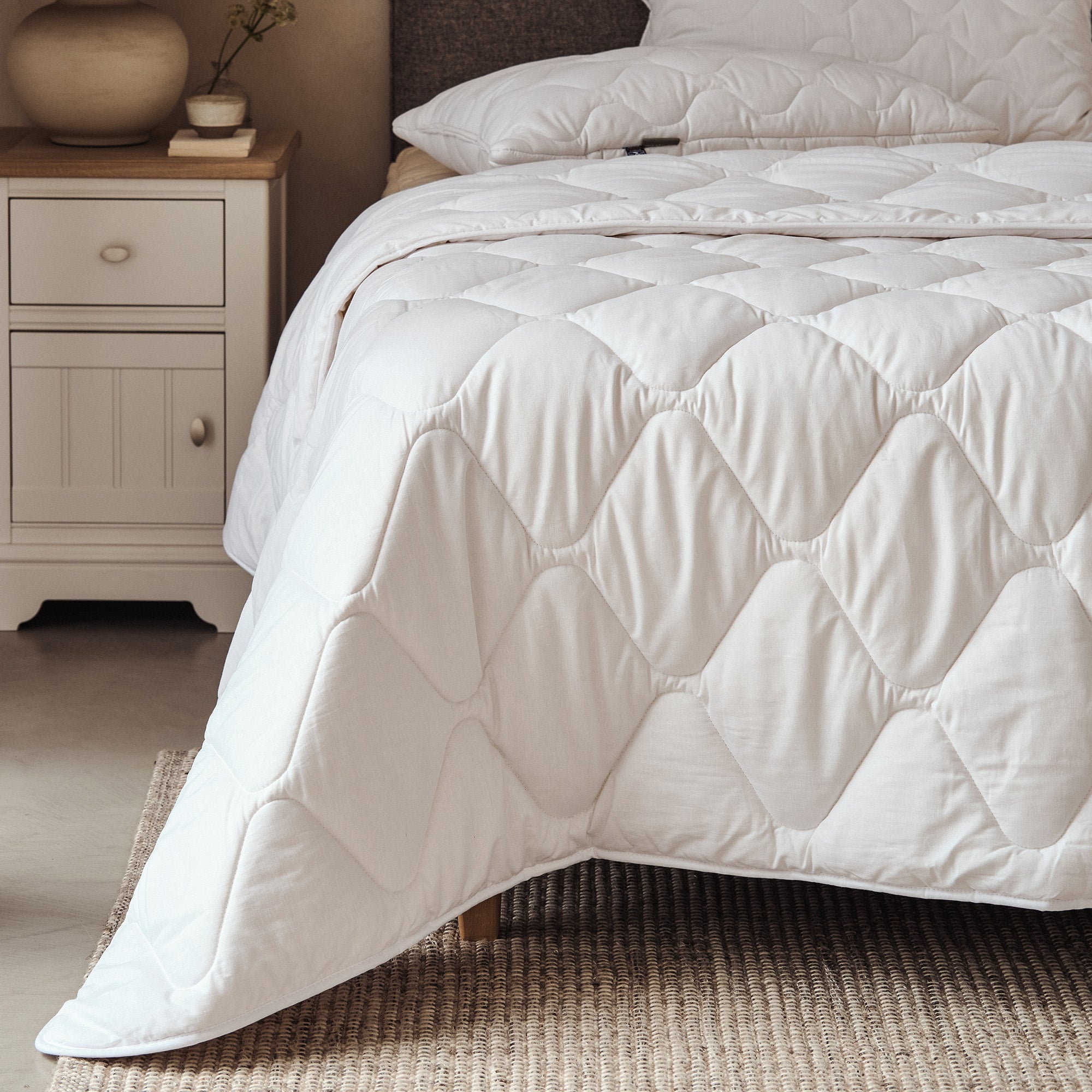
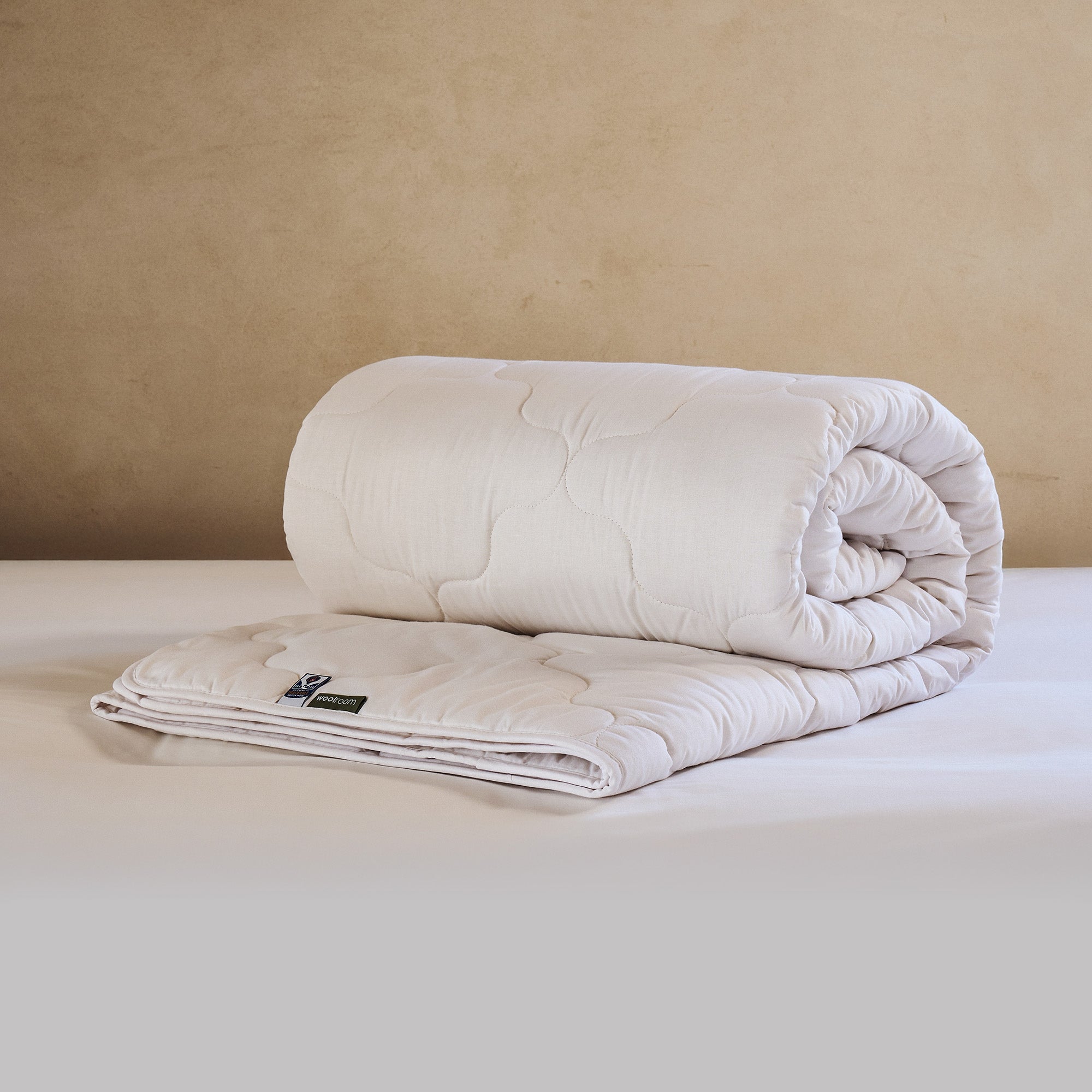
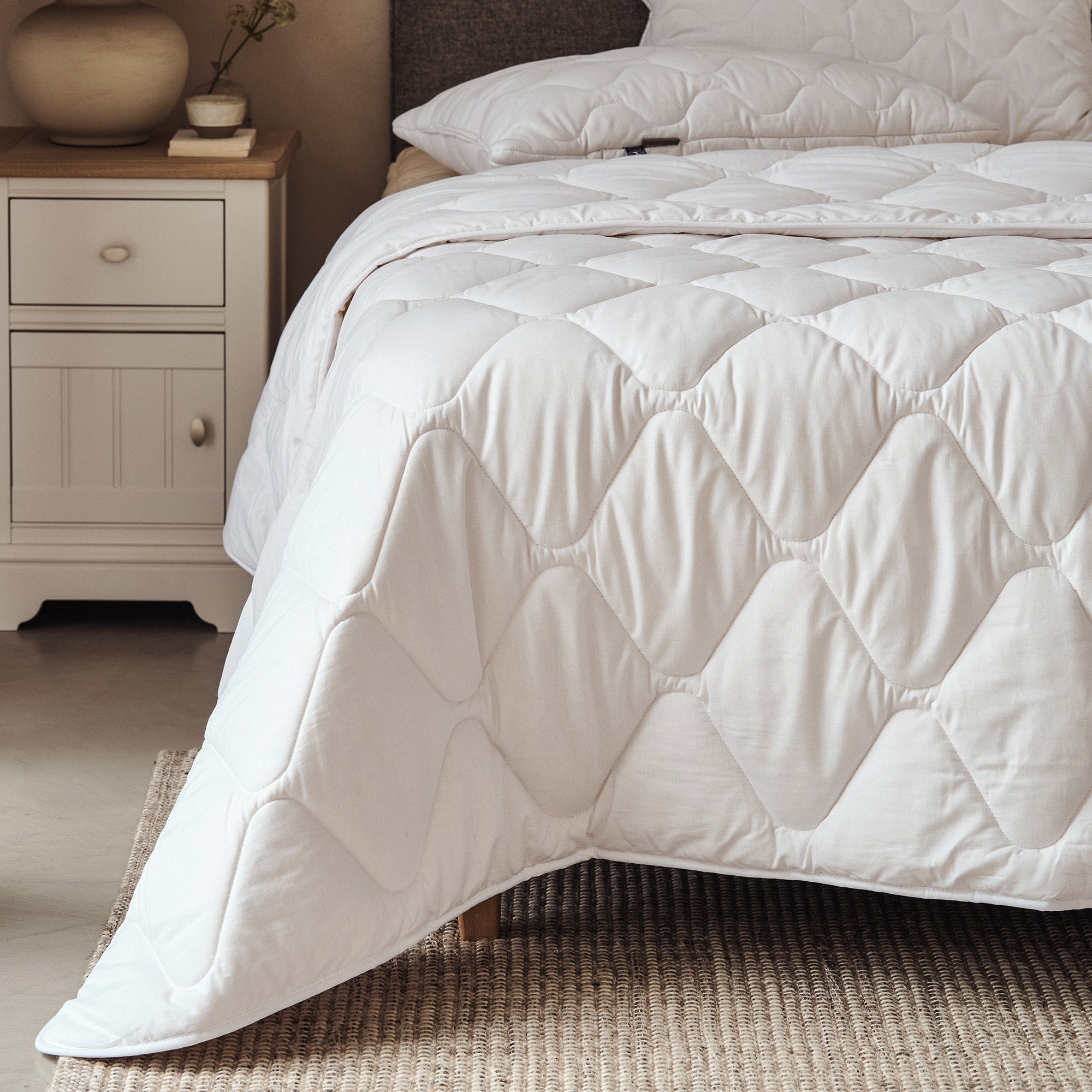
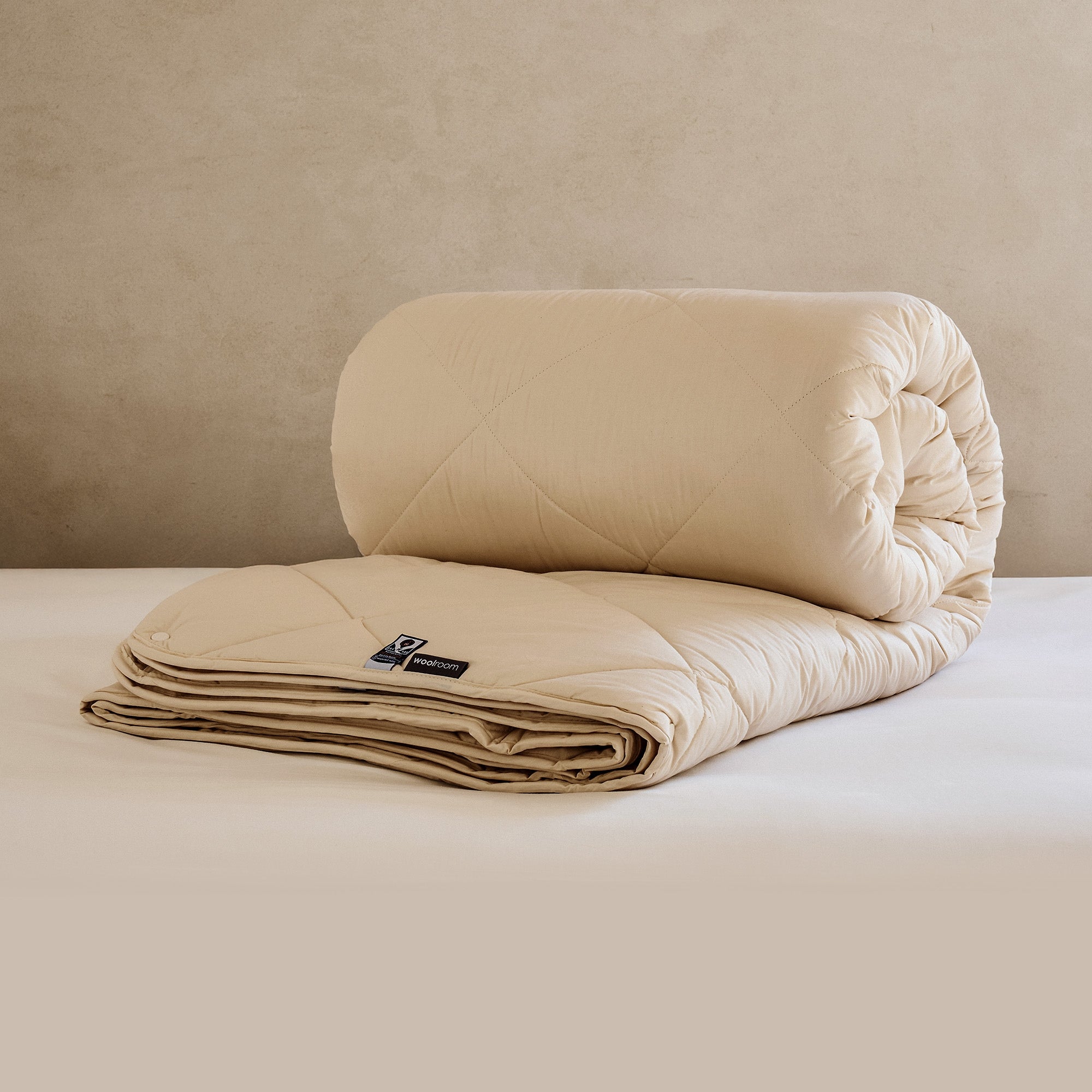
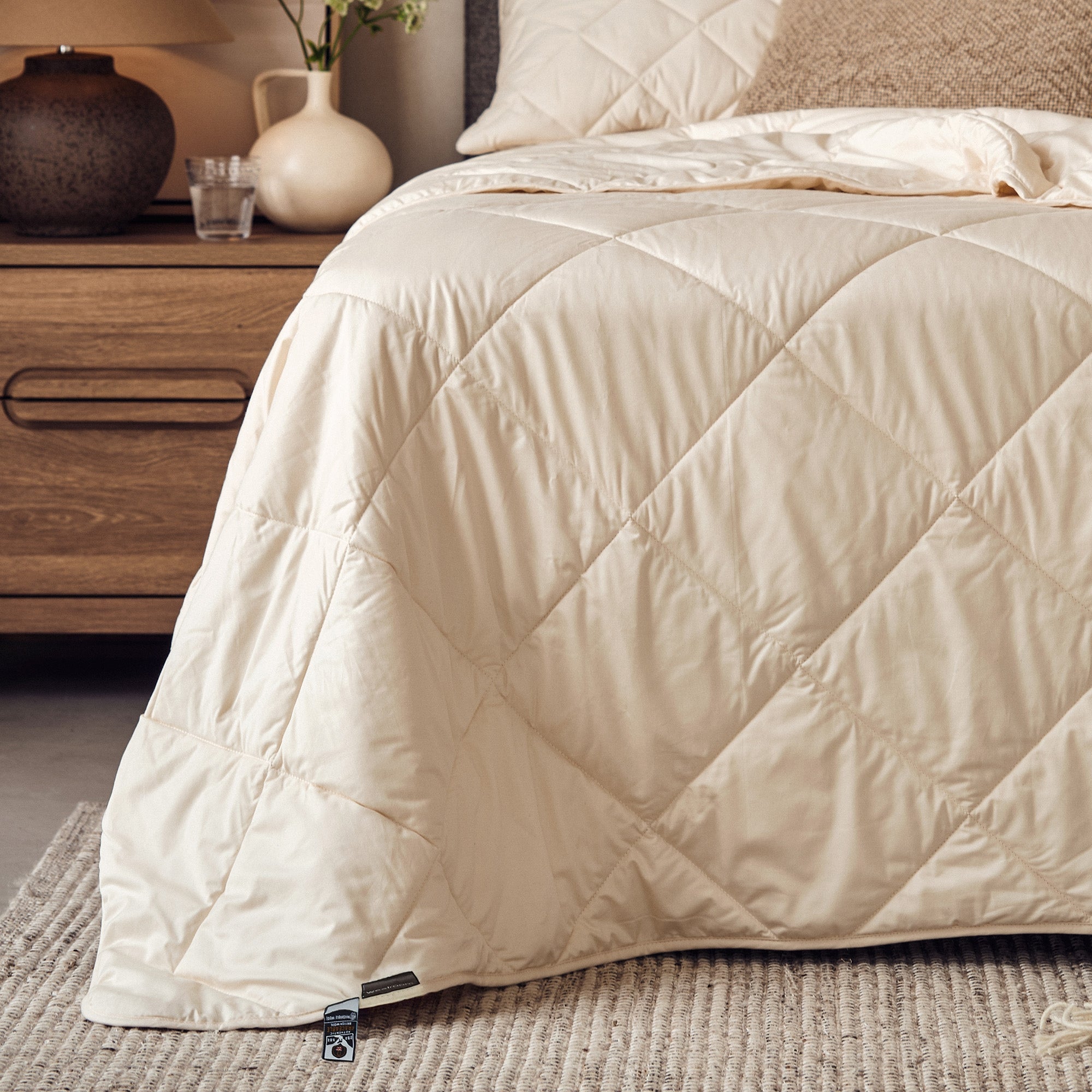
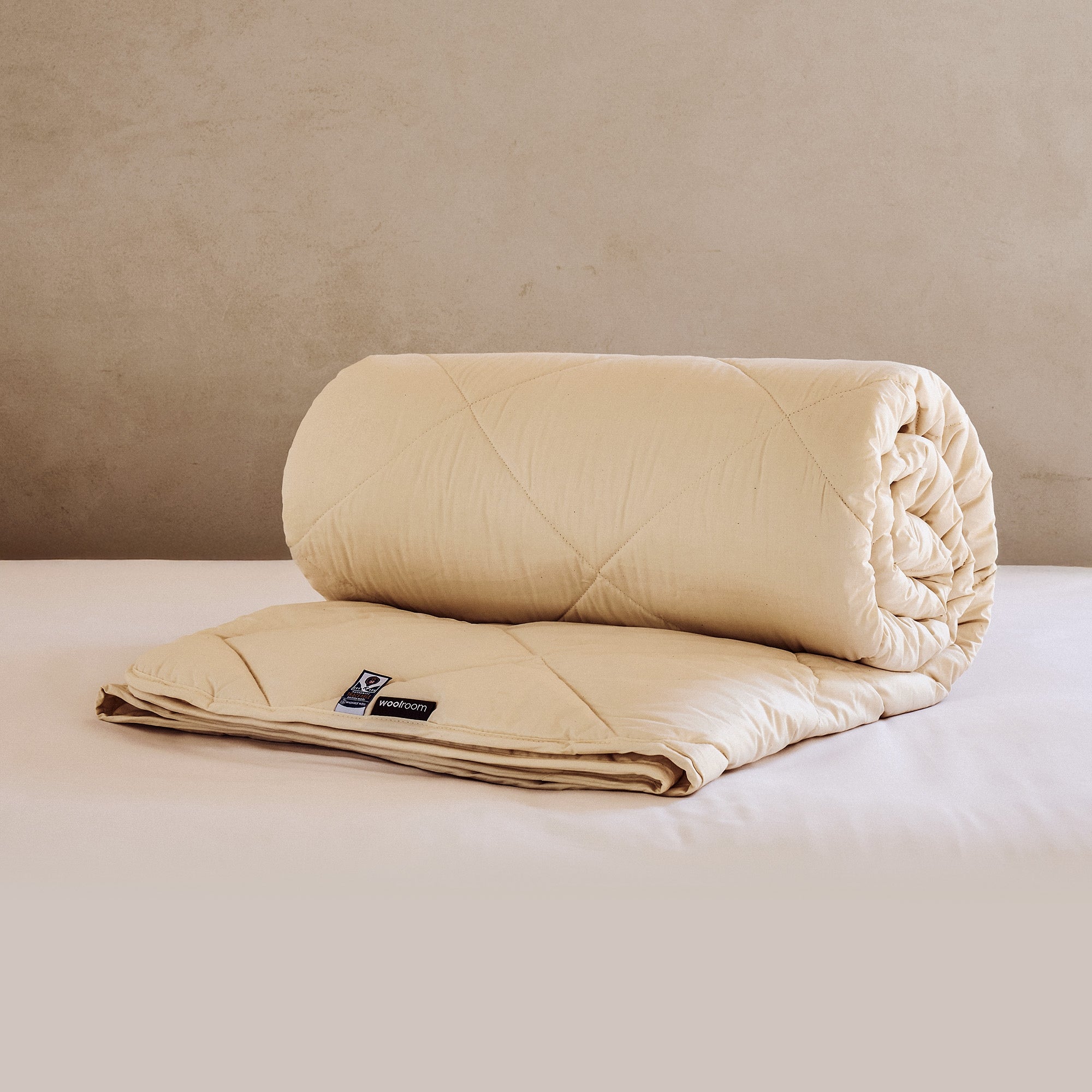
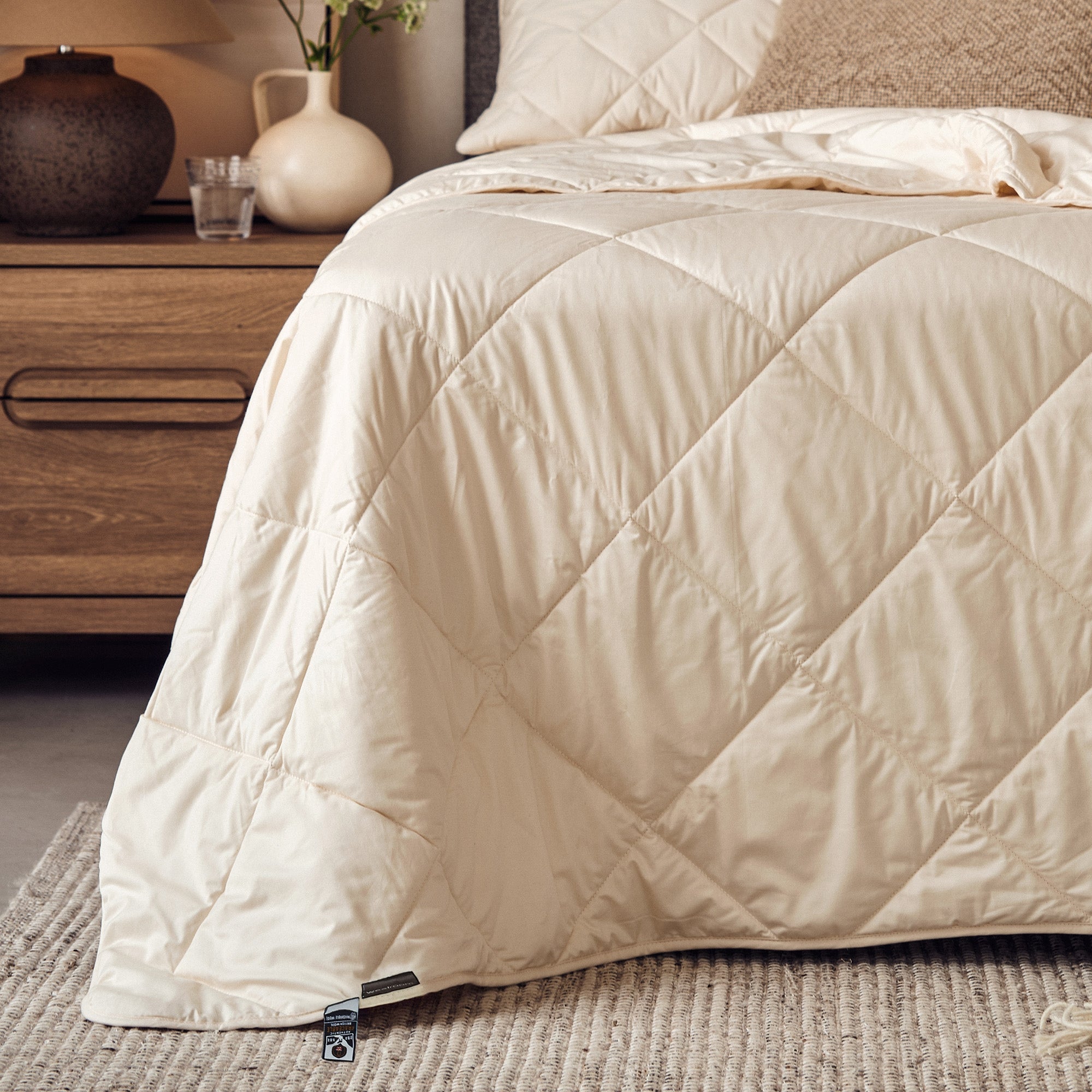
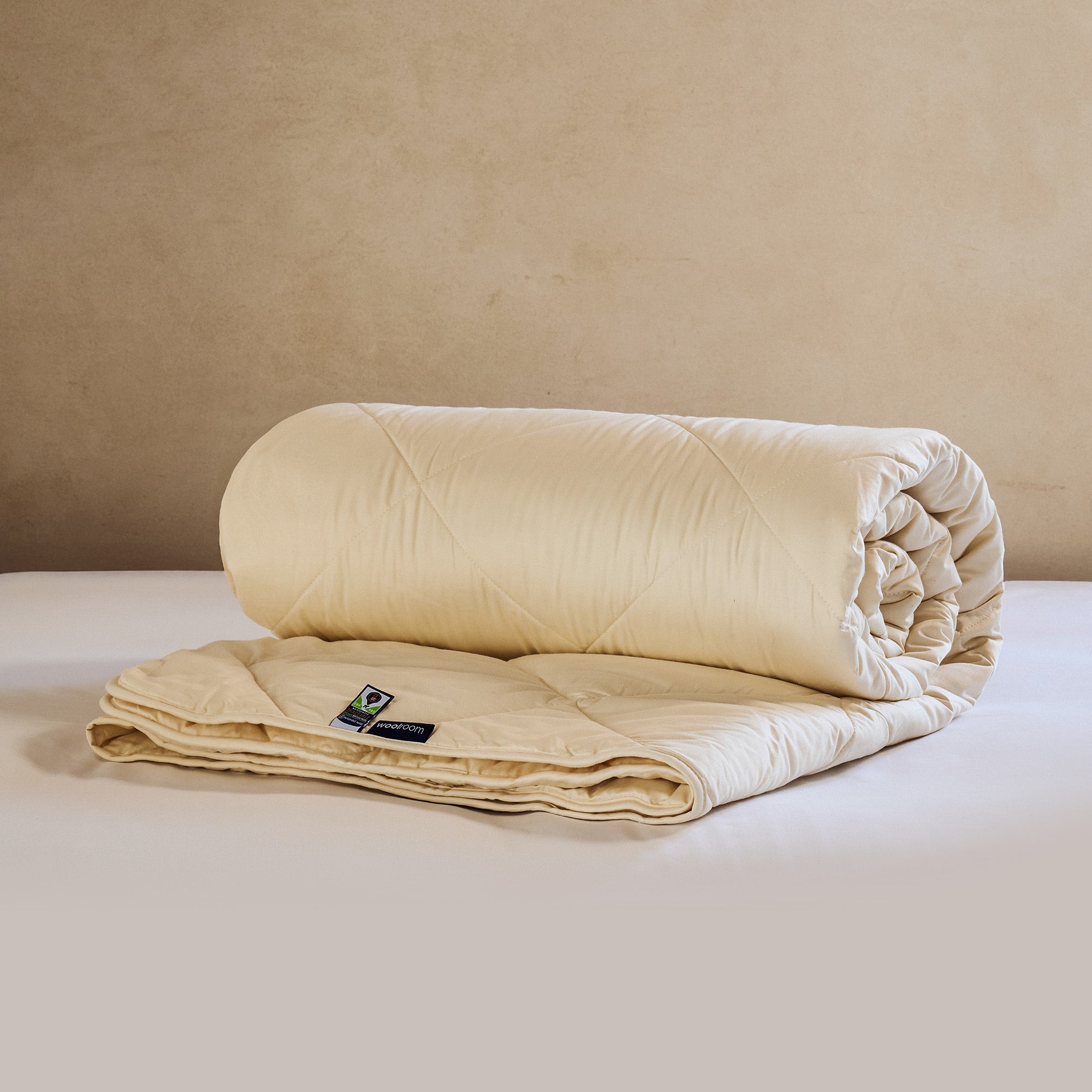
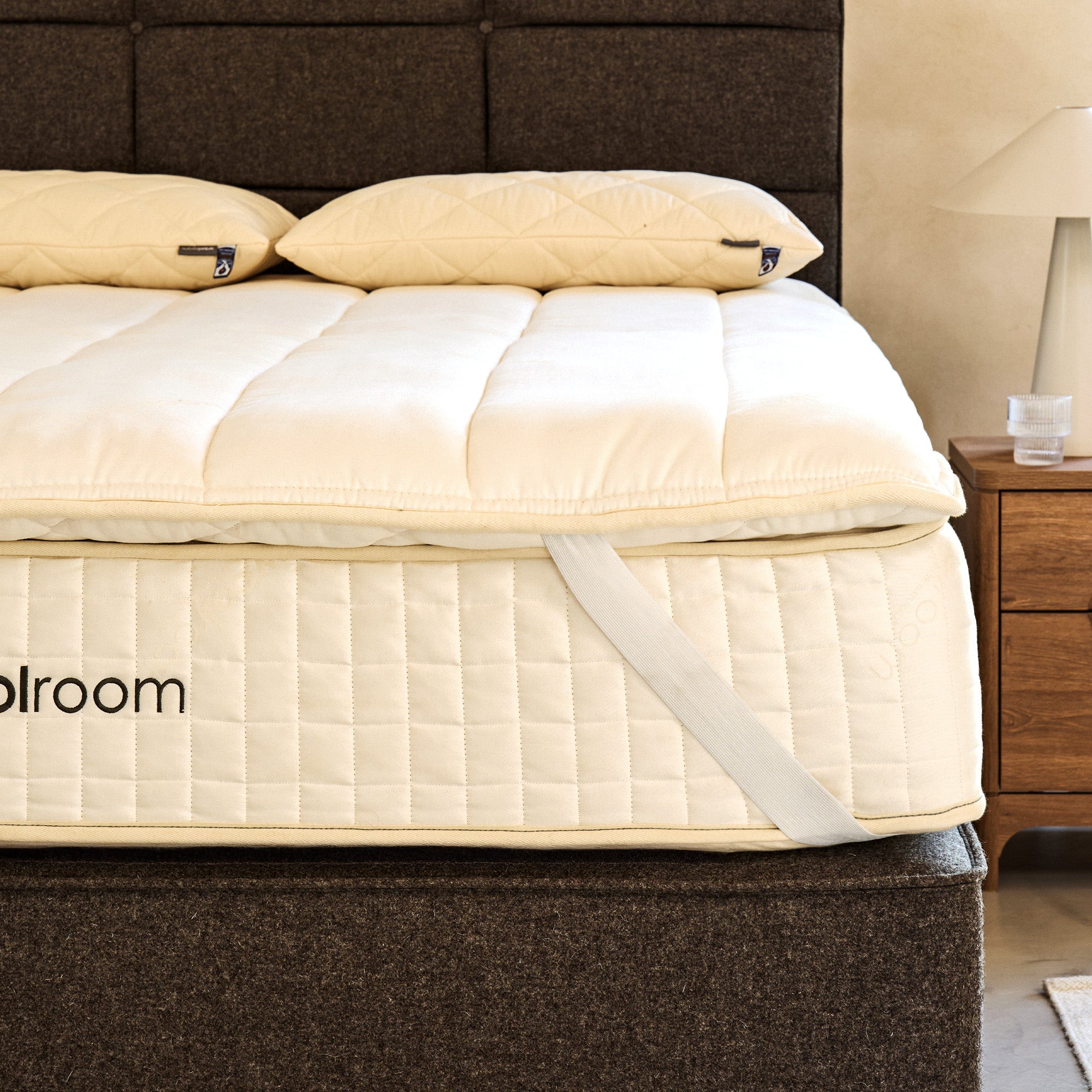
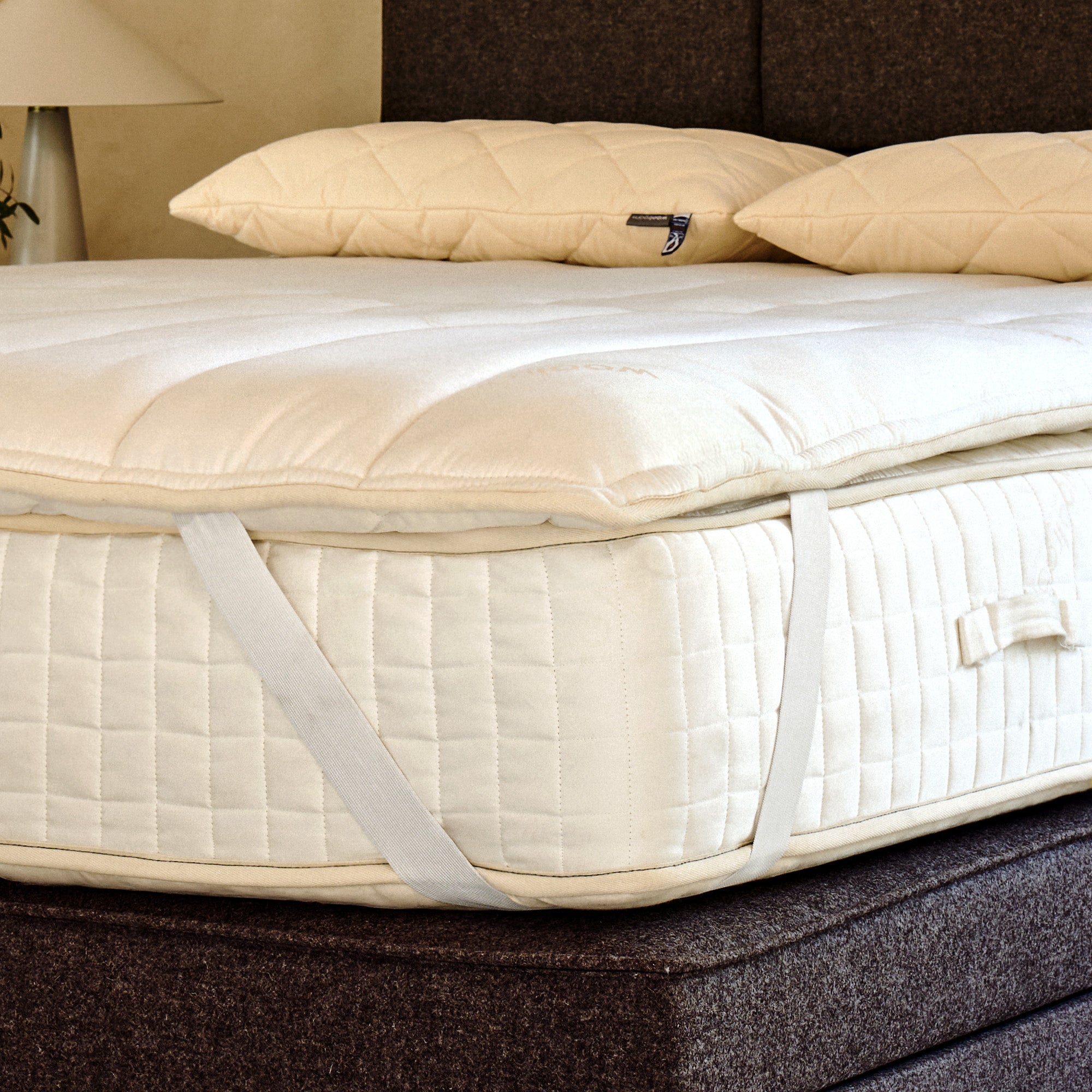
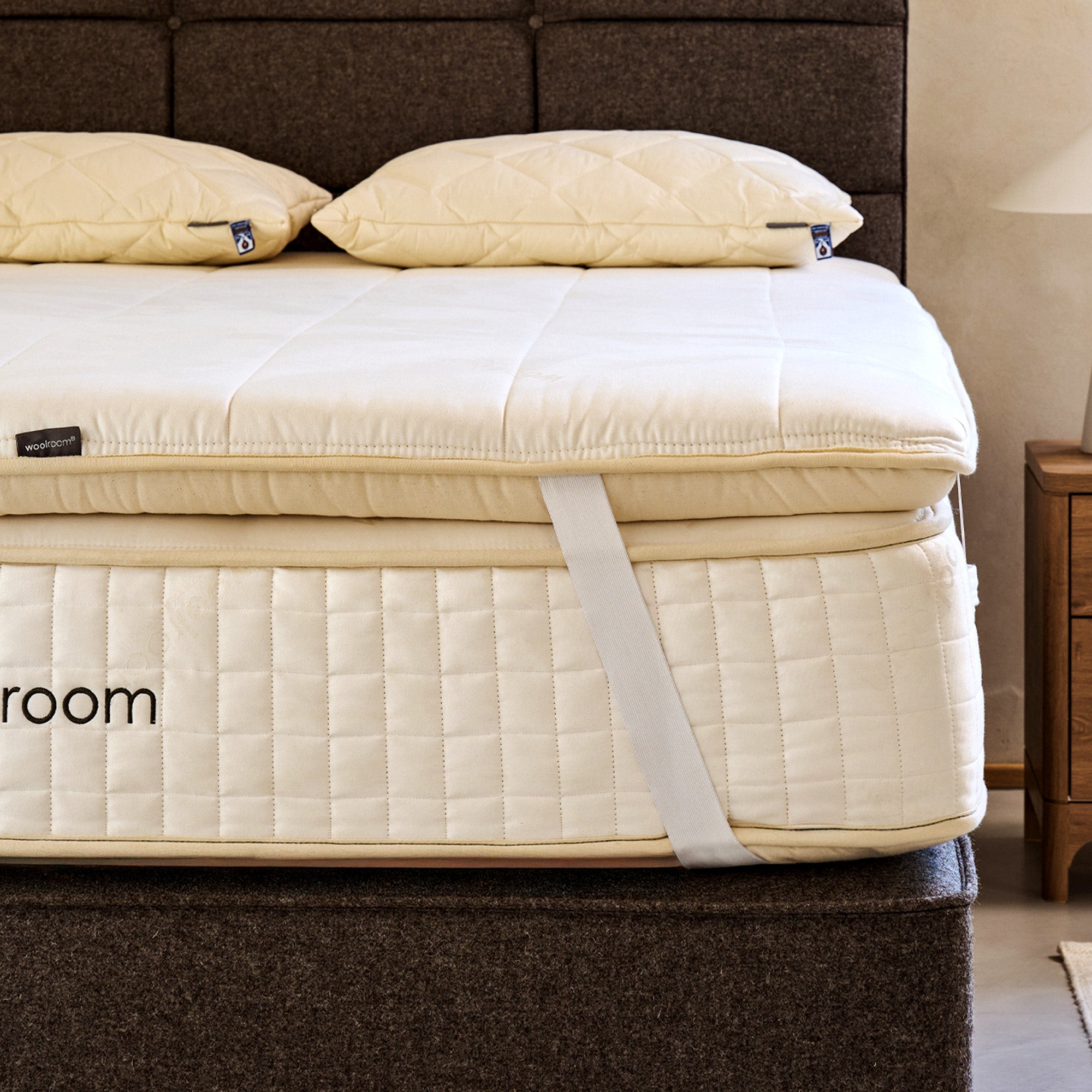
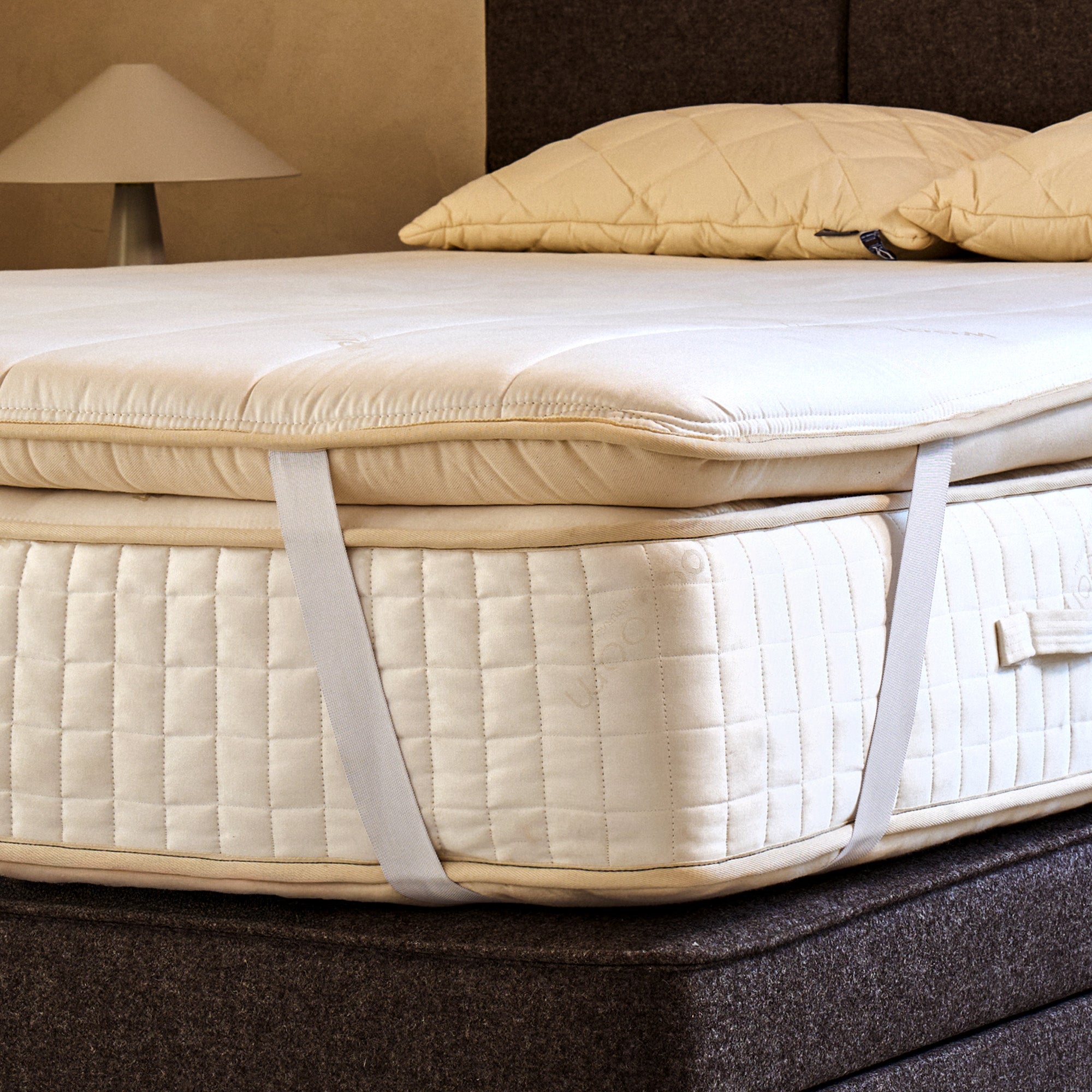
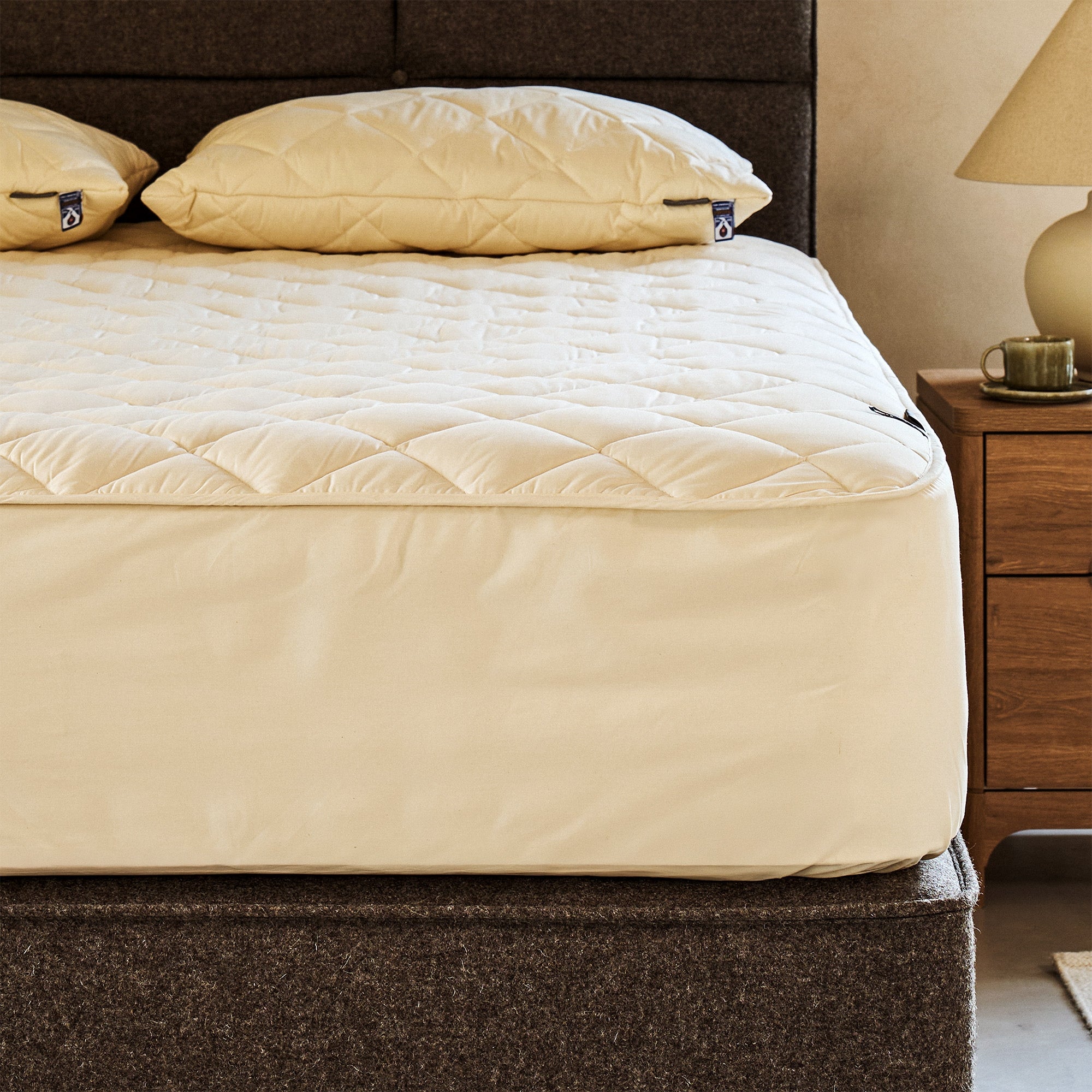
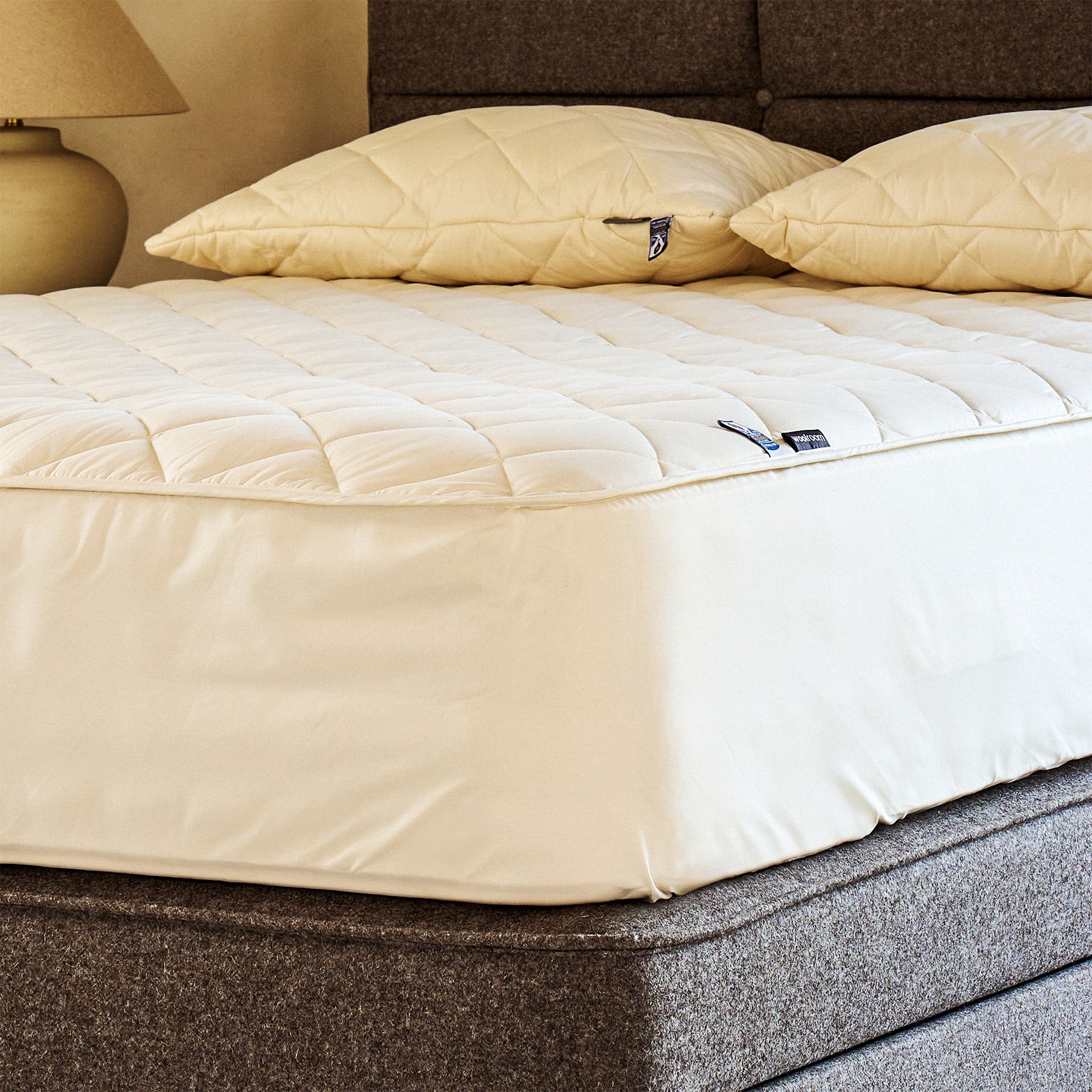
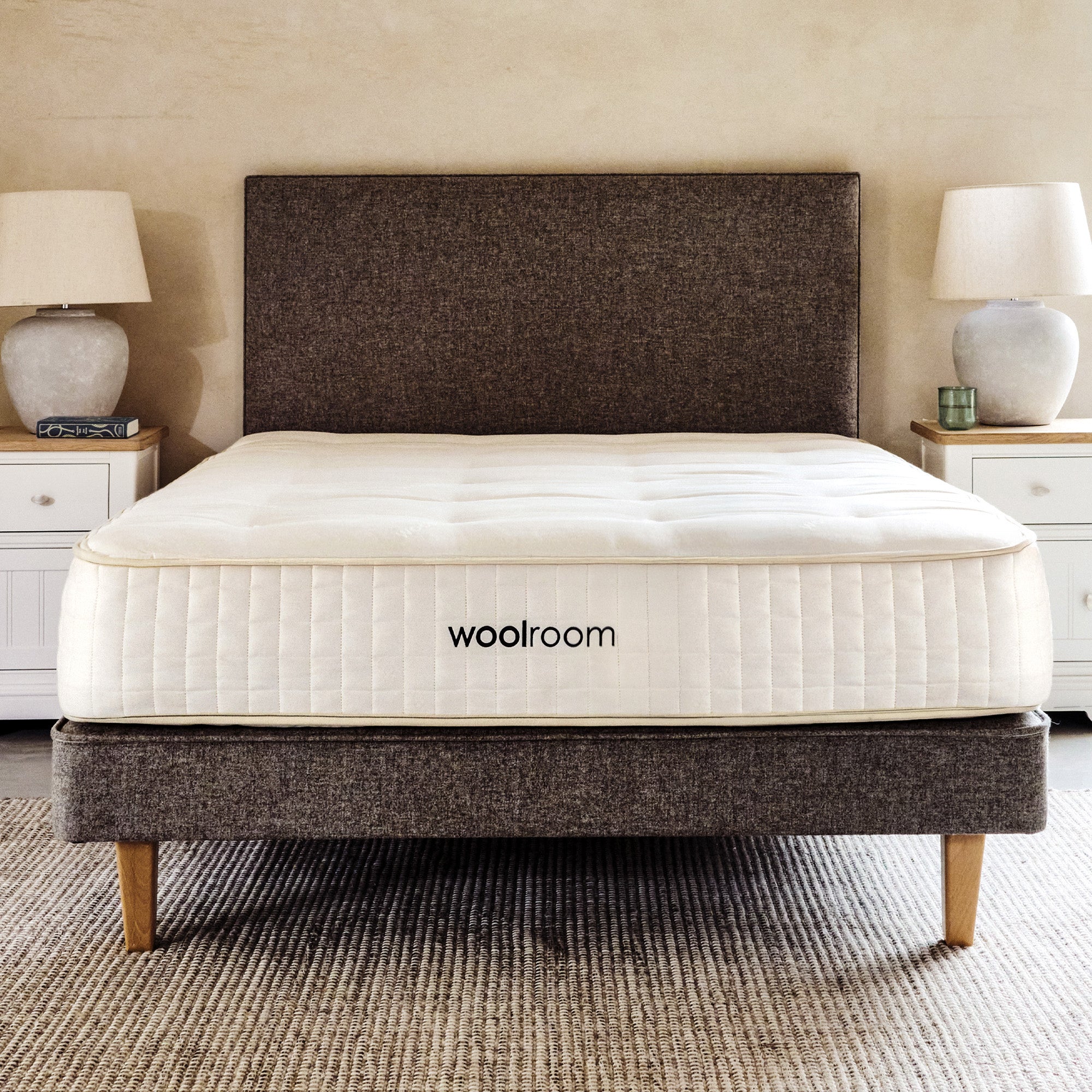
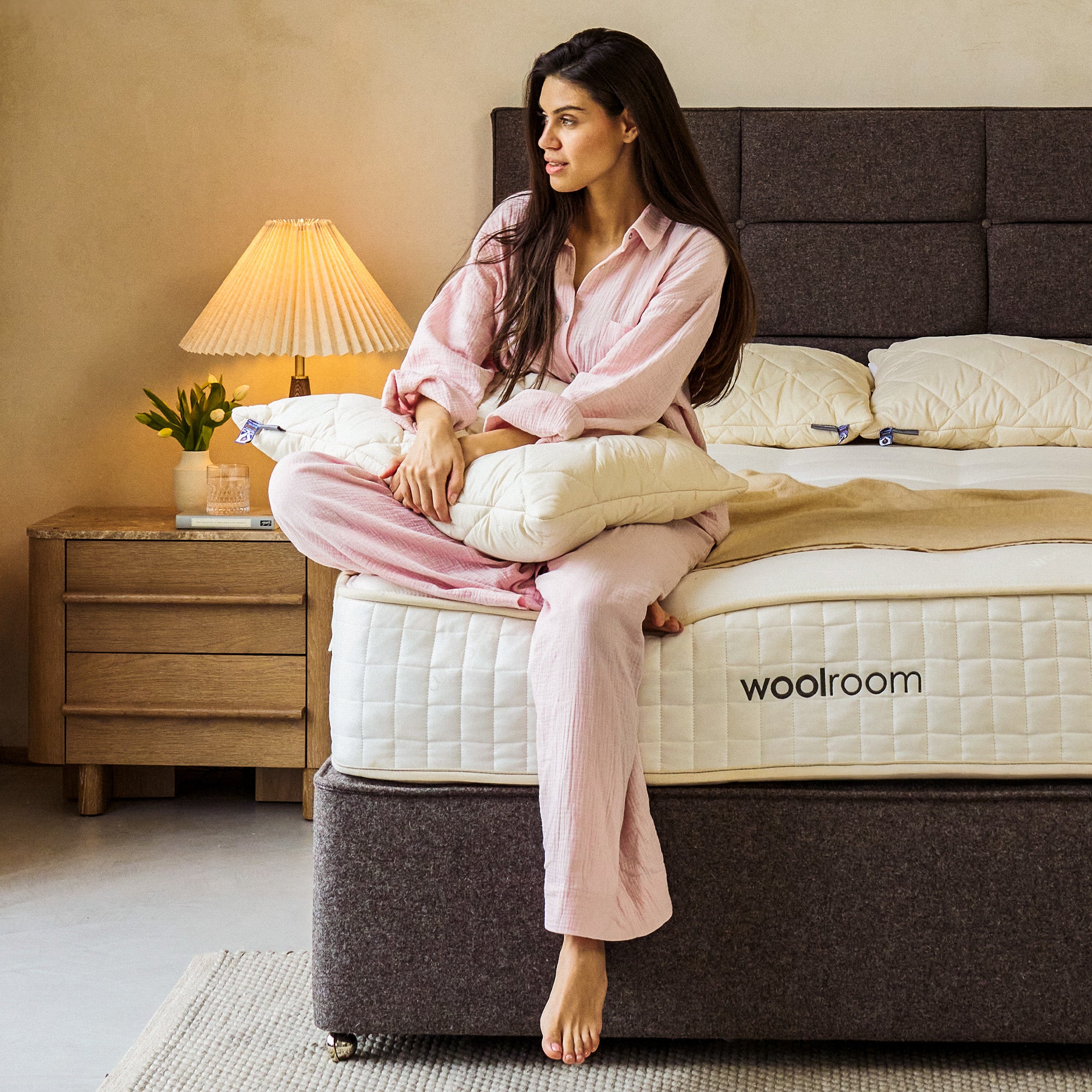
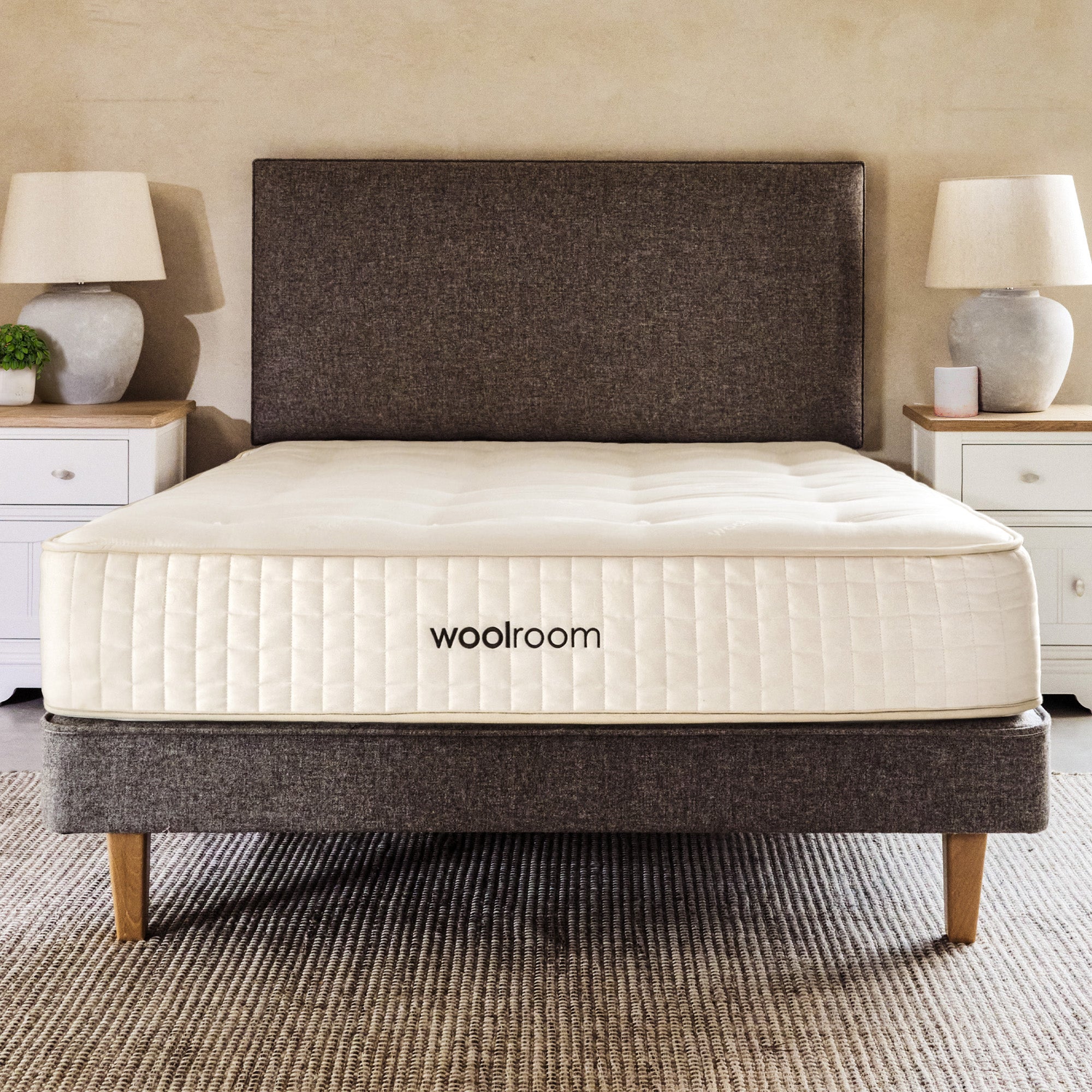
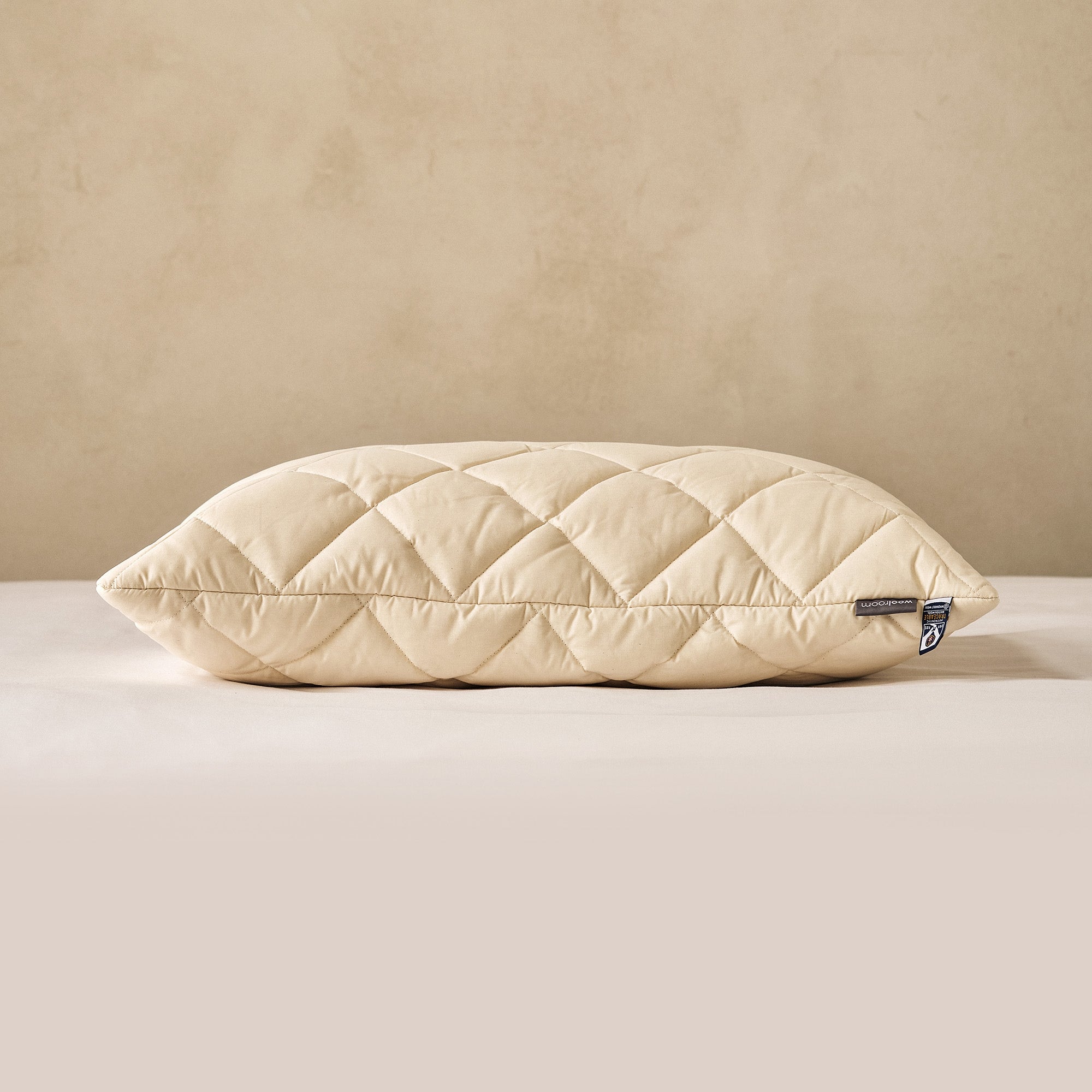
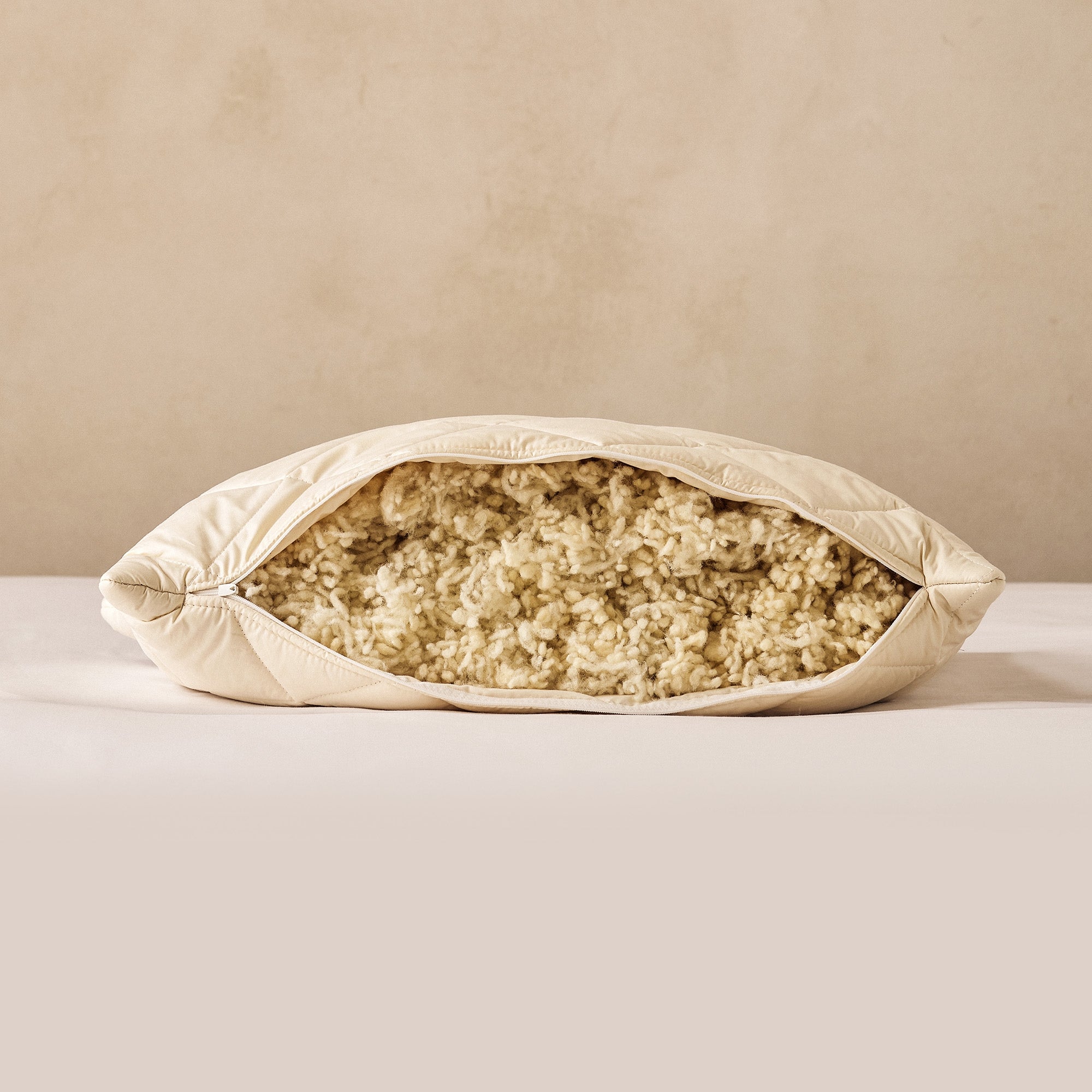
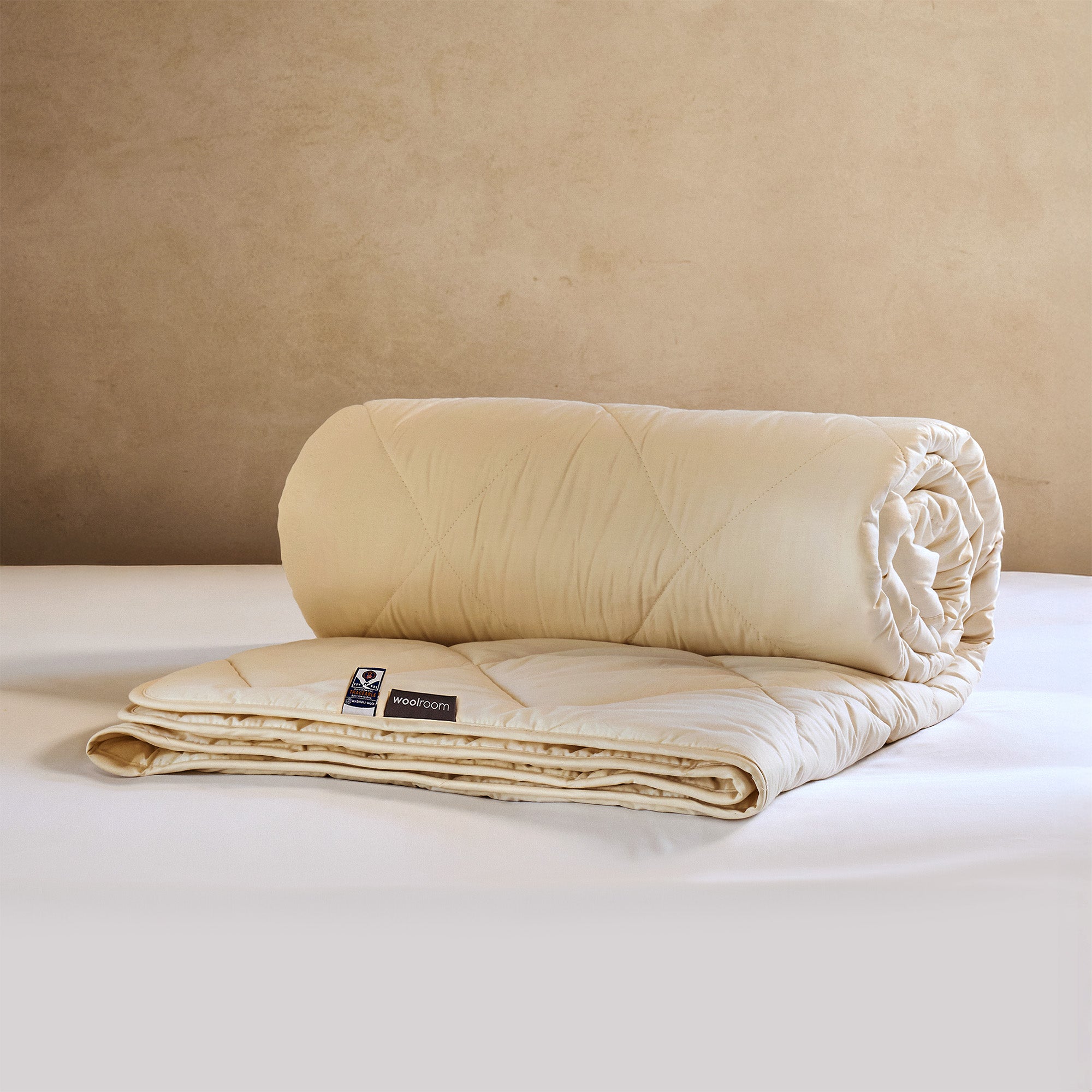
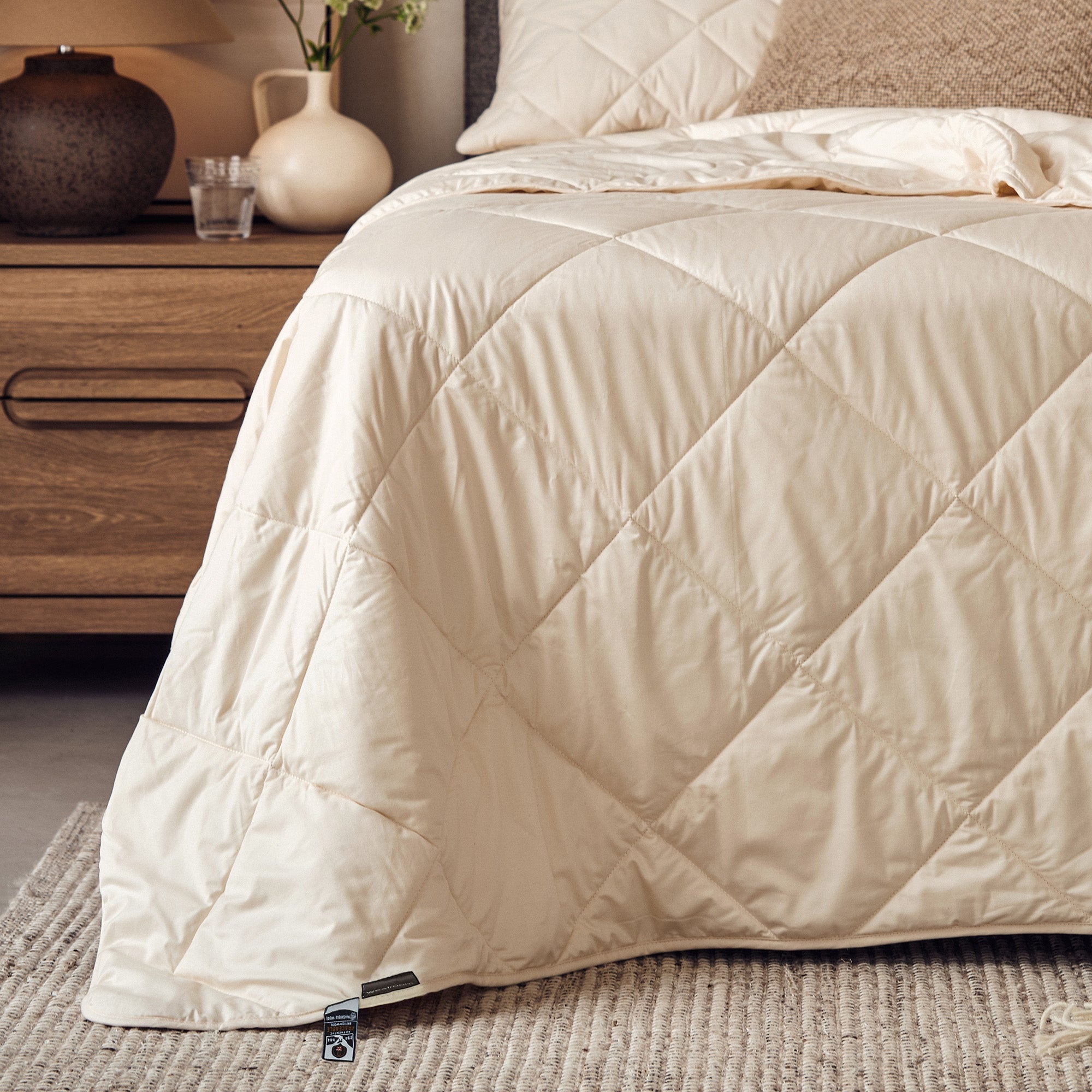
Bedding makes a bigger difference than you might think. Synthetic materials, like polyester and memory foam, trap heat and moisture, so you can wake up feeling hot and sweaty. But wool works differently. It’s a natural fibre that’s breathable, temperature regulating, and moisture wicking, all at the same time. Woolroom’s natural wool bedding (pillows, duvets, mattress toppers, even mattresses) helps maintain a stable microclimate, even as temperatures shift outside the covers. That’s why wool works well year-round, and why many people find one wool duvet works for much more of the year than synthetic bedding or down.
Recent research backs this up. In lab testing at Bangor University in the UK, conducted with British Wool and the International Wool Textile Organisation, wool duvets were compared with synthetic, feather-and-down, and down fillings. Wool was the best insulator of the four. At body temperature, it also moved more than twice as much moisture as synthetic fill while holding on to less of it. Staying warm without getting clammy means fewer reasons to wake up during the night, and more chance of deep, restorative sleep.
How to adapt: Swap synthetic bedding for natural wool bedding, and consider adding a mattress protector or topper if you sleep on memory foam. That helps create a temperature-regulating buffer. It’s also helpful to keep your bedroom between 16 and 19°C.
Routine Changes and Less Movement
Autumn tends to bring busier schedules: school runs and sport, not to mention the run-up to Christmas. Darker, colder, wetter days at the same time mean people are inclined to spend more time indoors. These routine shifts, coupled with more stress and less activity, can actually leave you feeling more drained, even if you're managing to get enough sleep.
Your body clock does best with consistency, and jumping straight into earlier alarms and packed diaries that shuffle consistent meal and bedtimes tends to throw things off. Stress plays a role too. Busier days can mean racing minds at bedtime, which can be hard to switch off. And while it sounds counterintuitive, moving less can actually make you feel more tired. Regular physical activity is linked to better sleep quality and more daytime energy, so when shorter, colder days cut into your walks, workouts, and time outside, your energy often takes the hit.
How to adapt: Try to keep your bedtime and wake-up time consistent, including at weekends, within about an hour. Build a short wind-down routine, and if your mind won’t settle, try jotting down tomorrow’s to-do list before bed so it’s out of your head. Aim to move every day, even if it’s just a brisk walk at lunchtime, which also gets you some daylight. If you exercise in the evening, finish intense workouts at least an hour before bed.
How to Beat Seasonal Tiredness
Feeling more tired as the seasons change is common, and small adjustments can make a big difference. Get bright light early in the day, keep your sleep schedule steady, stay active, and ease into the clocks going back. And give your bedroom an autumn refresh: a cool room and breathable wool bedding help your body stay comfortable as temperatures swing, so you can wake up feeling rested.

FAQ
Is it normal to be more tired in autumn?
Yes. Blame it on shorter days, less sunlight, cooler nights, and busier routines. They can all affect your body clock and energy levels. Most people adjust within a few weeks, especially with steady sleep habits, morning light, and regular activity.
Does wool bedding help you sleep better?
It can. Wool is naturally breathable and moves moisture away from your body. That helps keep you comfortable as temperatures change overnight. In lab testing at Bangor University, wool insulated better and moved more moisture than synthetic, down, and feather-and-down duvet fillings.
How long does it take to adjust to the clocks going back?
Most people adjust within a few days to a week. Try shifting your bedtime 15 minutes later for a few nights beforehand, keeping a consistent wake-up time, and getting morning daylight to help your body clock catch up faster.