Key Takeaways
- Quality sleep is directly linked to better focus, memory, mood, and academic performance in kids.
- The right bedding goes a long way to remedy common school-year sleep challenges.
- Wool naturally regulates temperature, wicks away moisture, and resists allergens, creating a healthier sleep environment year-round.
- Investing in wool bedding supports not only children’s well-being, but also long-term sustainability and durability.
It’s back-to-school season, and parents are resetting bedtime routines that may have slipped over the summer. They’re smart to do it! Kids who get consistent, high-quality sleep have an easier time focusing in class, managing their moods, remembering what they learn, and staying healthy. But one of the best ways to support your child’s sleep isn’t just getting them to bed on time—it’s upgrading their bedding. While it may not be the first material that comes to mind, wool bedding is naturally breathable, temperature regulating, and moisture wicking. Those qualities help kids and adults alike stay comfortable all night long—and there are more benefits to this impressive fibre. In addition to the new backpack, shoes, and notebooks, here’s why adding wool bedding to your back-to-school checklist can set your child up for a great, well-rested school year.
Why Quality Sleep Matters for Kids
We all need quality sleep, but it’s even more important for kids because of its effect on mental and physical development. According to data from the Centers for Disease Control, about one third of children up to age 18 aren’t getting enough sleep. But research is clear that kids who don’t get enough sleep have more mental and behavioural problems, along with impaired cognitive functions. That includes issues with impulse control, aggressive behaviour, stress, depression, anxiety and impulse control. They also have a harder time with decision making, learning, working memory, and conflict solving, which is far from ideal for kids who need to get through their school day.
The good news is that deep, restorative sleep—the kind that includes both slow-wave and REM stages—has a positive effect on learning. While the body rests and recovers, the brain is hard at work during these sleep phases. Neural pathways are strengthened, emotions are processed, and new information is organised. This is when the day’s lessons—multiplication facts, spelling words, even social skills—are reinforced in children's brains.
Studies continue to draw strong parallels between sleep and success in school. It’s another reminder that good sleep is a key player for academic performance and overall well-being.

Common Sleep Challenges During the School Year
Even parents who understand the importance of sleep can find it difficult to put into practice. There are all kinds of hurdles, from sports schedules and earlier wake-ups to managing comfort at night.
- Shifting routines. Later bedtimes are pretty typical during the summer, and switching back to a school schedule often throws off kids’ sleep rhythms. Waking up earlier can leave kids feeling groggy and grumpy, especially if they’re involved in after-school activities that make it difficult to get to bed when they should. And as days get shorter and mornings stay darker for longer, getting up feels that much harder.
- Night sweats and overheating. Children actually run warmer than adults, so they’re more likely to overheat if they’re sleeping with bedding made with synthetic materials. Polyester, rayon, and polyurethane foam are all common in bedding and mattresses, but they’re notorious for trapping heat and moisture. That leads to tossing, turning, and waking up sweaty and uncomfortable throughout the night, which can negatively affect restorative sleep.
- Nighttime allergies and congestion. The same synthetic materials that hold onto heat and moisture also trap allergens and irritants, like dust mites and dander. If your child regularly deals with nighttime stuffiness, coughing, or sneezing, the culprit could be their bedding. And like overheating, these disruptions make it really hard for kids to stay asleep.
How Wool Bedding Supports Better Sleep
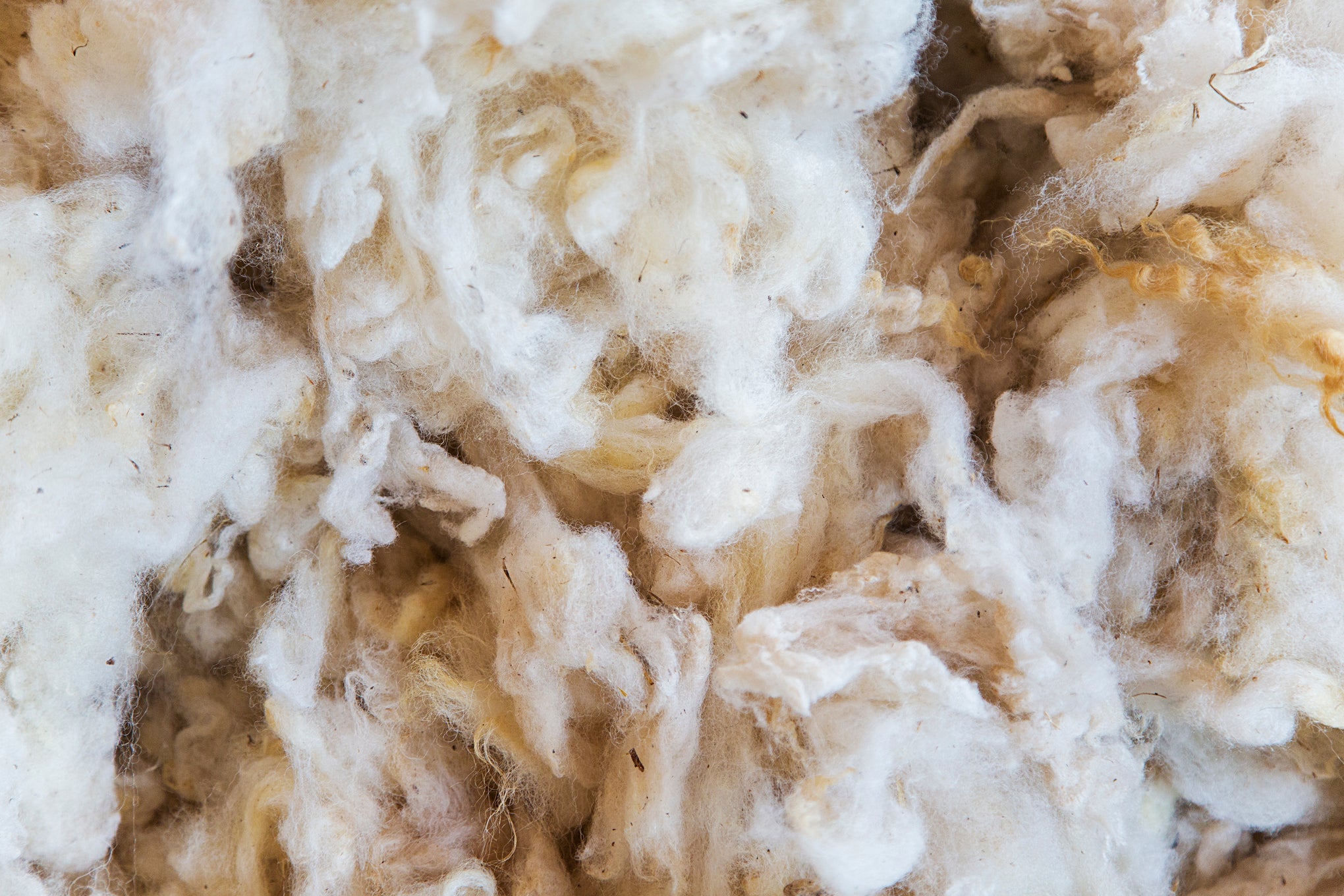
Wool bedding can go a very long way to remedy these kinds of sleep struggles. The fibre’s unique spiral structure creates tiny little air pockets that function as a sort of natural insulation, holding onto heat when it’s cool and releasing heat and moisture when it’s warm. At the same time, wool can absorb up to 30% of its own weight in moisture without ever feeling damp. It pulls moisture away from the skin and releases it into the air, which helps regulate body temperature naturally. That’s why wool bedding is such an effective option all year long—it adapts to changes in the environment and the sleeper’s body to support deeper, more restorative sleep.
But it gets better. Because it stays dry, wool is naturally resistant to dust mites, mould, and other allergens and irritants, so it’s a great option for kids who have allergies and asthma. Limiting coughing, sneezing, and wheezing at night helps them sleep more soundly.
While wool bedding can be more expensive than synthetic options, it’s incredibly durable and eco-friendly to boot. Parents can feel good about investing in bedding that supports their children’s health and the planet at the same time.
Why Parents Choose Woolroom for Their Kids
While wool bedding is a great choice for kids’ rooms, it’s still important to choose with care. As with most things, wool bedding isn’t created equally. Here at Woolroom, we’re proud to use fully traceable British wool in all of our bedding products. We’ve partnered with farmers who raise soft down breeds and are committed to the five freedoms outlined in the UK Animal Welfare Act of 2006. That’s how we can guarantee that our wool comes from healthy, happy animals, and we’re happy to prove it. With our Wool ID® traceability program, every Woolroom bedding product has a unique QR code that shows you the people, the farm, and even the sheep behind the wool.
We extend this approach to our manufacturing processes as well. To keep our wool bedding products truly eco-friendly and as safe and clean as possible, we avoid chemical treatments and synthetic blending. That means fewer toxins in your child’s sleep space.

The Bottom Line
Helping kids get the rest they need to be successful in school isn’t limited to setting (and sticking to) a regular bedtime. Focus on creating an environment that supports healthy sleep, and don’t overlook bedding. Wool bedding naturally regulates temperature, wicks moisture, and reduces allergens. That means children have the comfort and support they need to sleep deeply. Pairing these benefits with consistent routines helps kids wake up refreshed, focused, and ready to take on the school day.
Frequently asked questions
How many hours of sleep do kids really need?
It depends on their age. The American Academy of Pediatrics recommends 10-13 hours per night for children ages 3-5, 9-12 hours per night for kids ages 6 to 12, and 8-10 hours for teens.
Is wool bedding safe for kids with allergies or asthma?
Wool bedding is a great choice because it’s naturally resistant to dust mites, mould, and mildew. Those are common triggers for asthma and allergies.
Can wool bedding work year-round, or just in winter?
Wool is naturally temperature regulating and moisture wicking, so it’s a great option for year-round use. It helps sleepers stay warm in the winter and cool in the summer.
What is the best material for bedding for kids?
Wool is an excellent choice because it’s breathable, temperature regulating, and moisture wicking. That helps kids sleep more comfortably. Plus, it’s resistant to allergens for a cleaner, fresher sleep space.


