Key Takeaways
- Organic bedding is made from natural fibers like organic cotton and wool that’s grown and processed without synthetic chemicals, pesticides, or harsh dyes for a cleaner, healthier sleep environment.
- Woolroom uses ethically sourced, traceable British wool that is renewable, biodegradable, and processed without harsh chemicals.
- Woolroom’s organic wool bedding meets the stringent OEKO-TEX certified, ensuring products are free from harmful substances and safe for sensitive sleepers.
- Choosing organic bedding supports healthier sleep, reduces your environmental footprint, and aligns your bedroom with sustainable living values.
Beyond how soft they are, we don’t tend to pay much attention to our bedding. But we spend roughly one third our lives in bed—and many of us are cozied up with chemicals and residues we’d never knowingly welcome into our homes, let alone our beds. That’s where organic bedding comes in. These sheets, comforters, pillows, and mattress protectors are made from natural materials that are grown and processed without synthetic chemicals, pesticides, or harsh dyes. That means they contribute to a cleaner, more sustainable way to sleep.
It’s a bit of a buzzword these days, but organic bedding really does reduce your environmental impact, contribute to healthier sleep, and even feel softer against your skin. Here’s what differentiates organic bedding from conventional options on the market, and why upgrading could be one of the simplest and most impactful things you can do for your health and home.

What Makes Bedding Organic?
“Bedding” is an umbrella term that describes all of the items on a bed. It refers to bed linens, like sheets and pillowcases and duvet covers, but also to staples like pillows, duvets, even mattress pads and protectors. When we talk about organic bedding, we’re describing those items made from natural fibers that are grown without synthetic chemicals and pesticides.
Most commonly, organic bedding uses organic cotton, organic wool, and organic linen, all of which are grown and/or cultivated under very strict guidelines that prohibit toxic fertilizers and harsh processing methods. That’s a big deal from an environmental perspective. While cotton is one of the most widely used materials in bedding, conventional cotton production is also one of the most chemically intensive crops on the planet. That’s why environmental organizations call it “the world’s dirtiest crop.” Farming conventional cotton involves the use of synthetic fertilizers and pesticides that can pollute local waterways and ecosystems, negatively affect soil health, and pose a risk to farm workers. Plus, cotton needs a lot of water to grow.
Organic cotton production is different. Using natural growing methods maintains fertile soil, manages water more efficiently, and protects the health of both the farmers and the surrounding environment. Organic cotton farming also avoids the use of toxic chemicals, which benefits you and the planet alike.
Here at Woolroom, we’re proud to apply this concept to wool. Our wool is ethically sourced from British farmers who are committed to the five freedoms mandated by the UK Animal Welfare Act of 2006. It’s how we know that all of the wool in our bedding comes from healthy, happy animals. Our Wool ID traceability program makes this commitment as transparent as possible. All Woolroom bedding has a unique QR code that shows you the farm, people, and the sheep behind our products.
As a fiber, wool ticks all the boxes for sustainability—it’s renewable, biodegradable, recyclable, and durable. But just like cotton, conventional wool manufacturing can be hard on the environment. Harsh treatments can be damaging to local ecosystems and leave the finished product loaded with chemicals. Here at Woolroom, the sheared wool we source from select farms—the ones who share our values pertaining to ethical treatment—is processed at our own facility and sent to our artisans in the workshop. We rely on the traditions of 150 years of craftsmanship so that all of our finished wool bedding is made without chemical treatments or synthetic fibers.
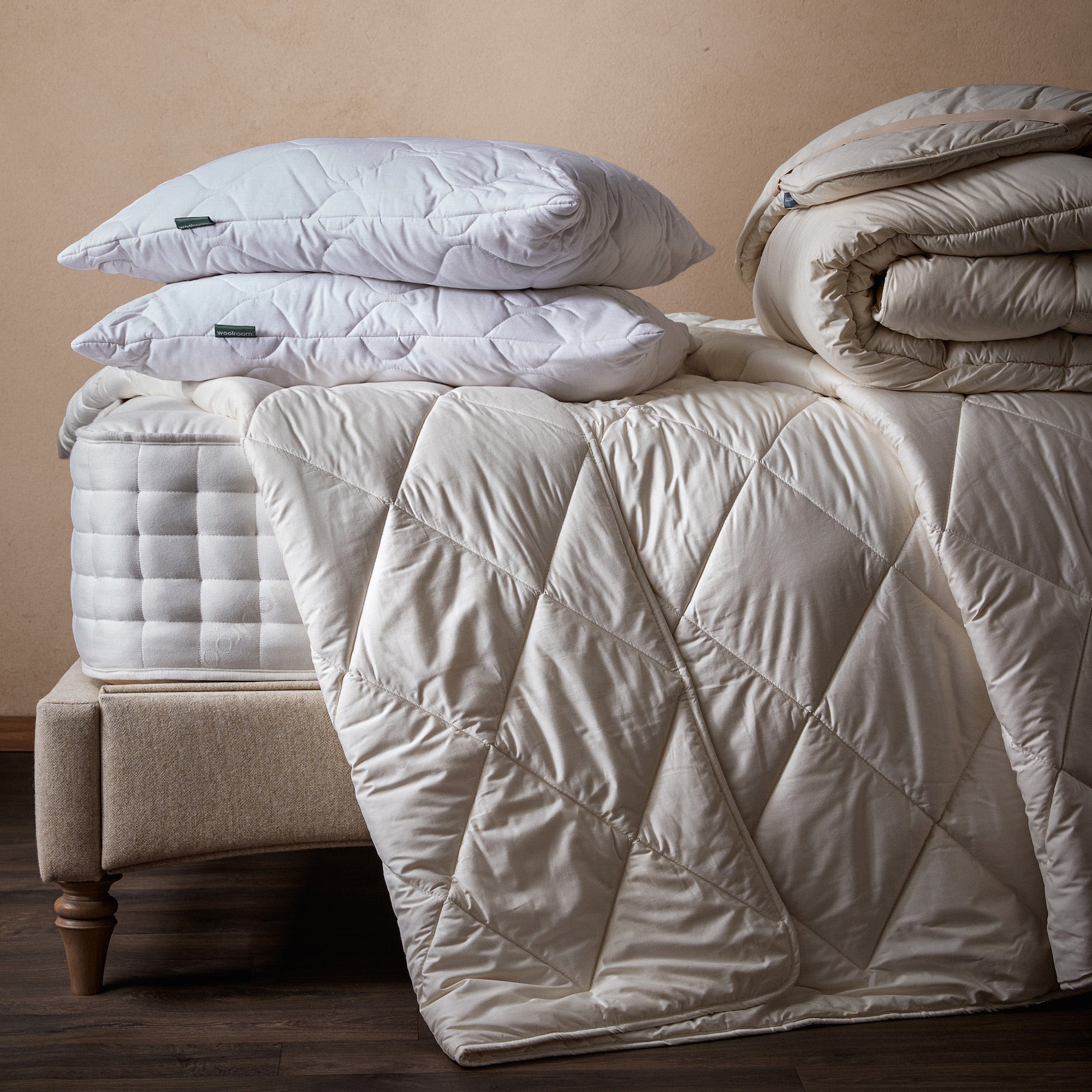
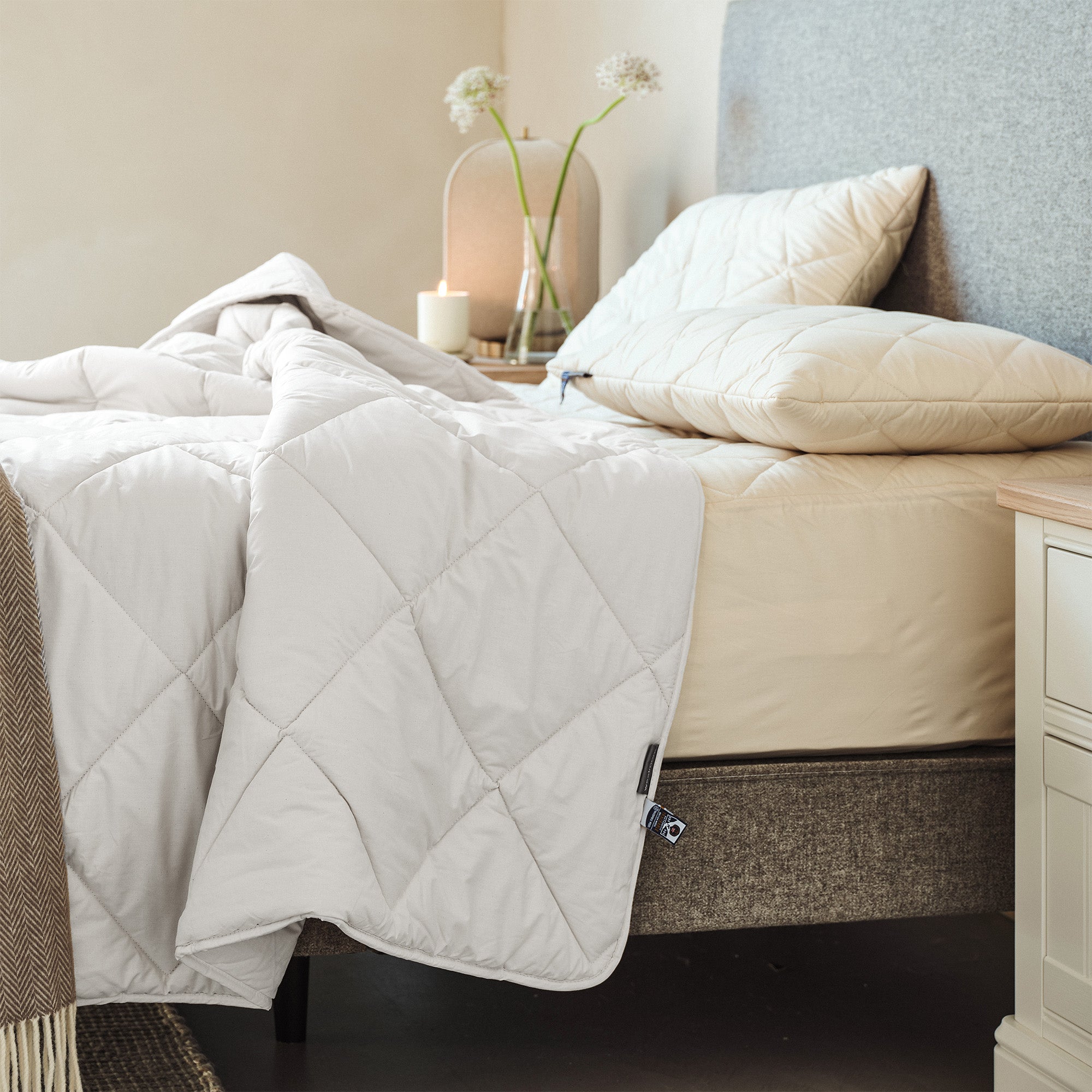
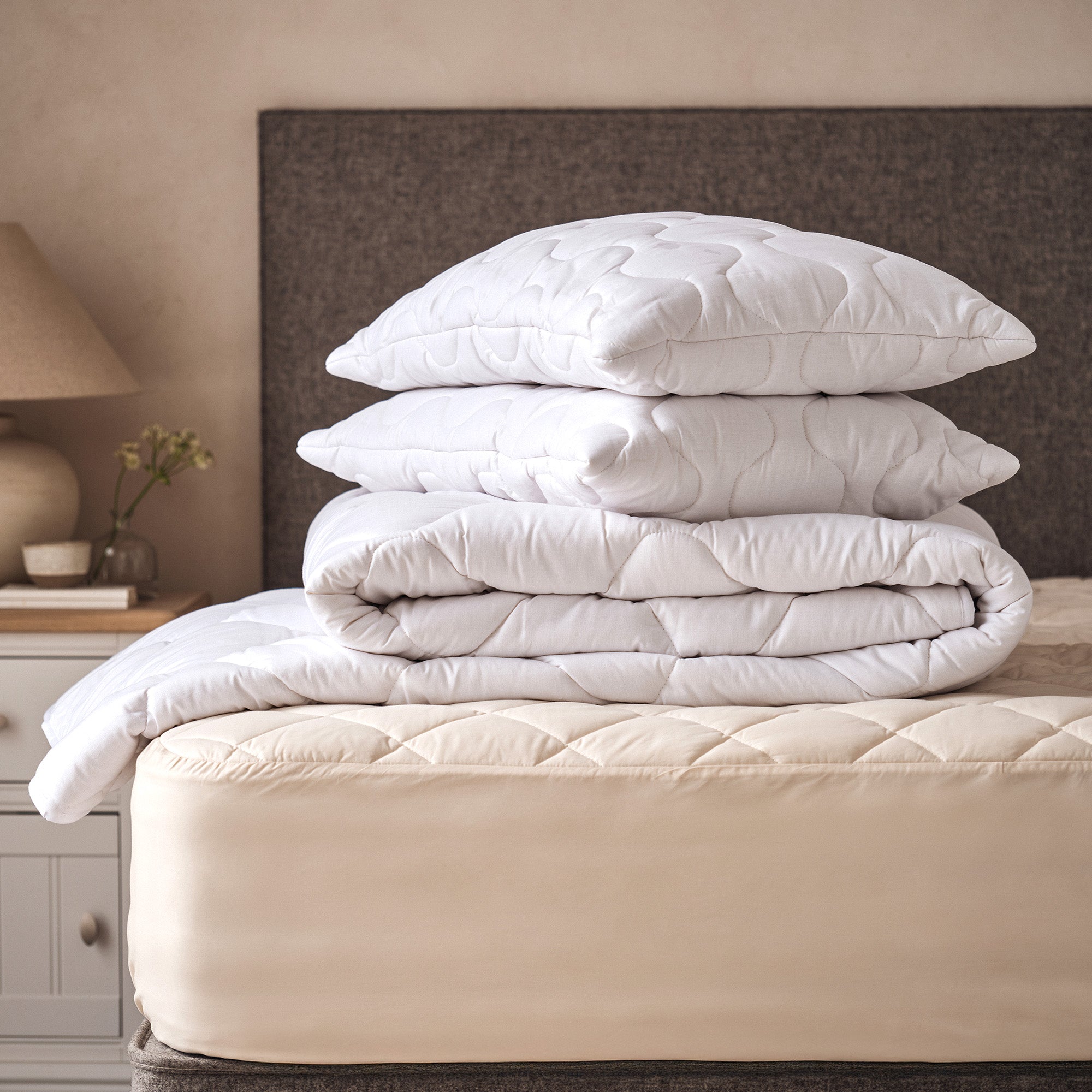
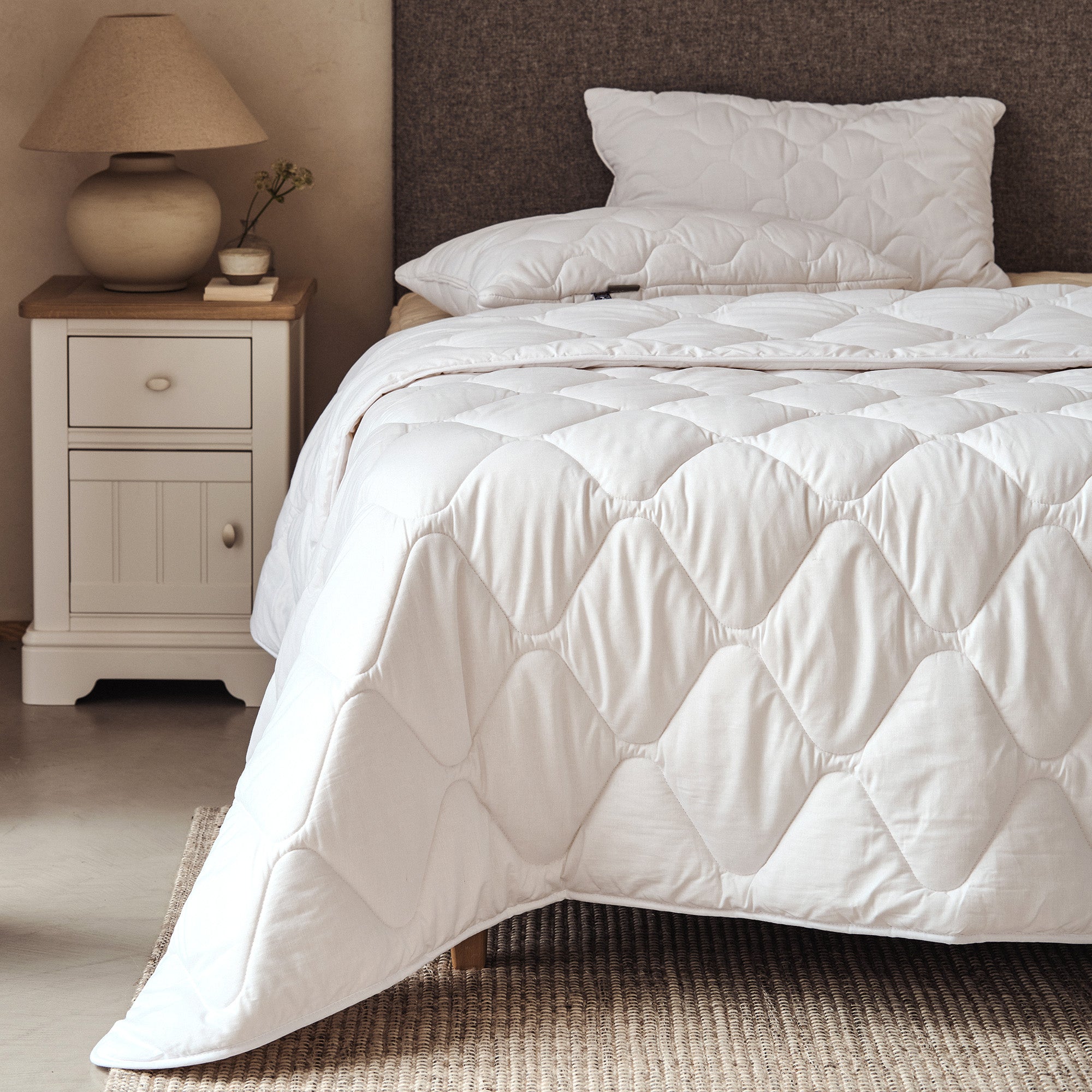
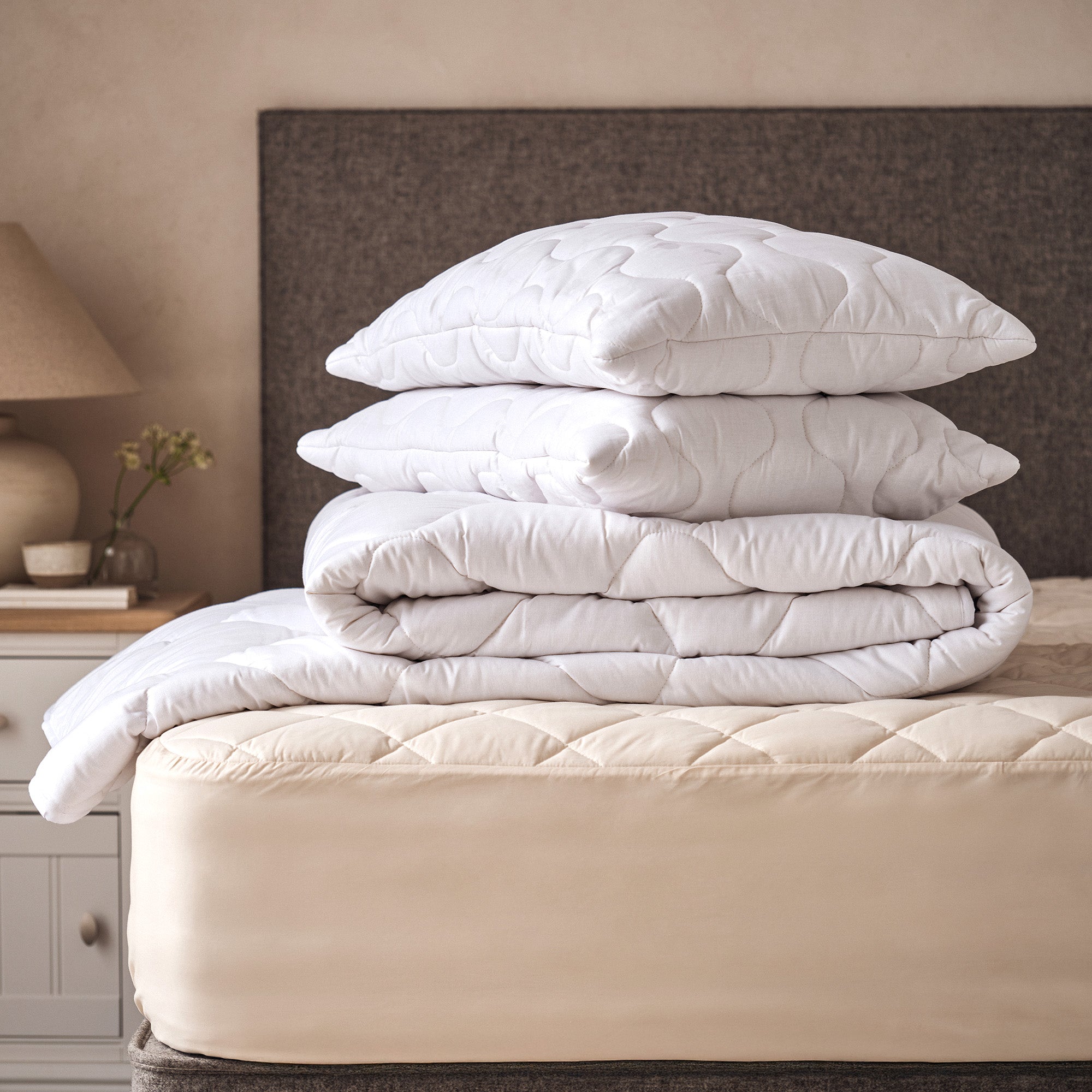
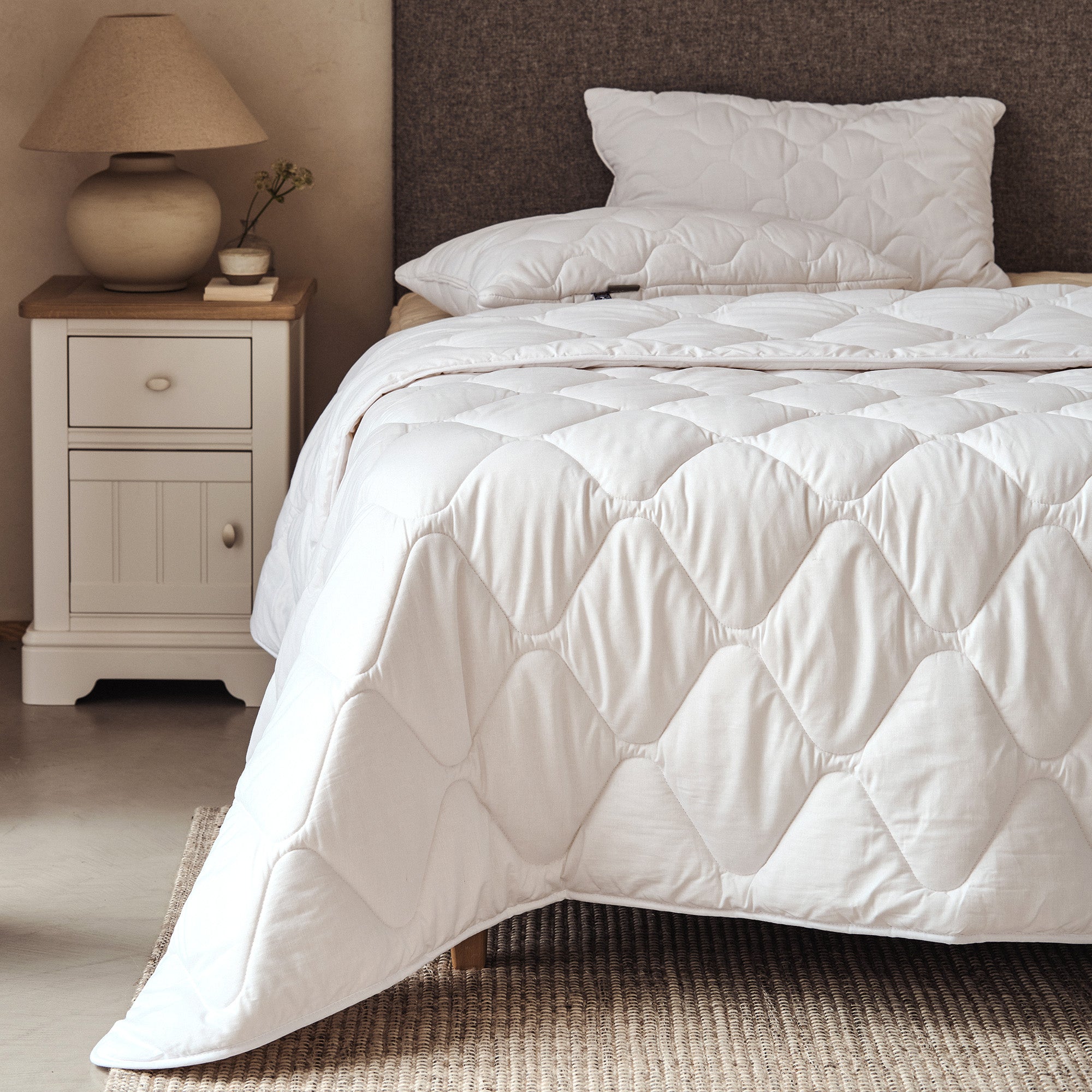
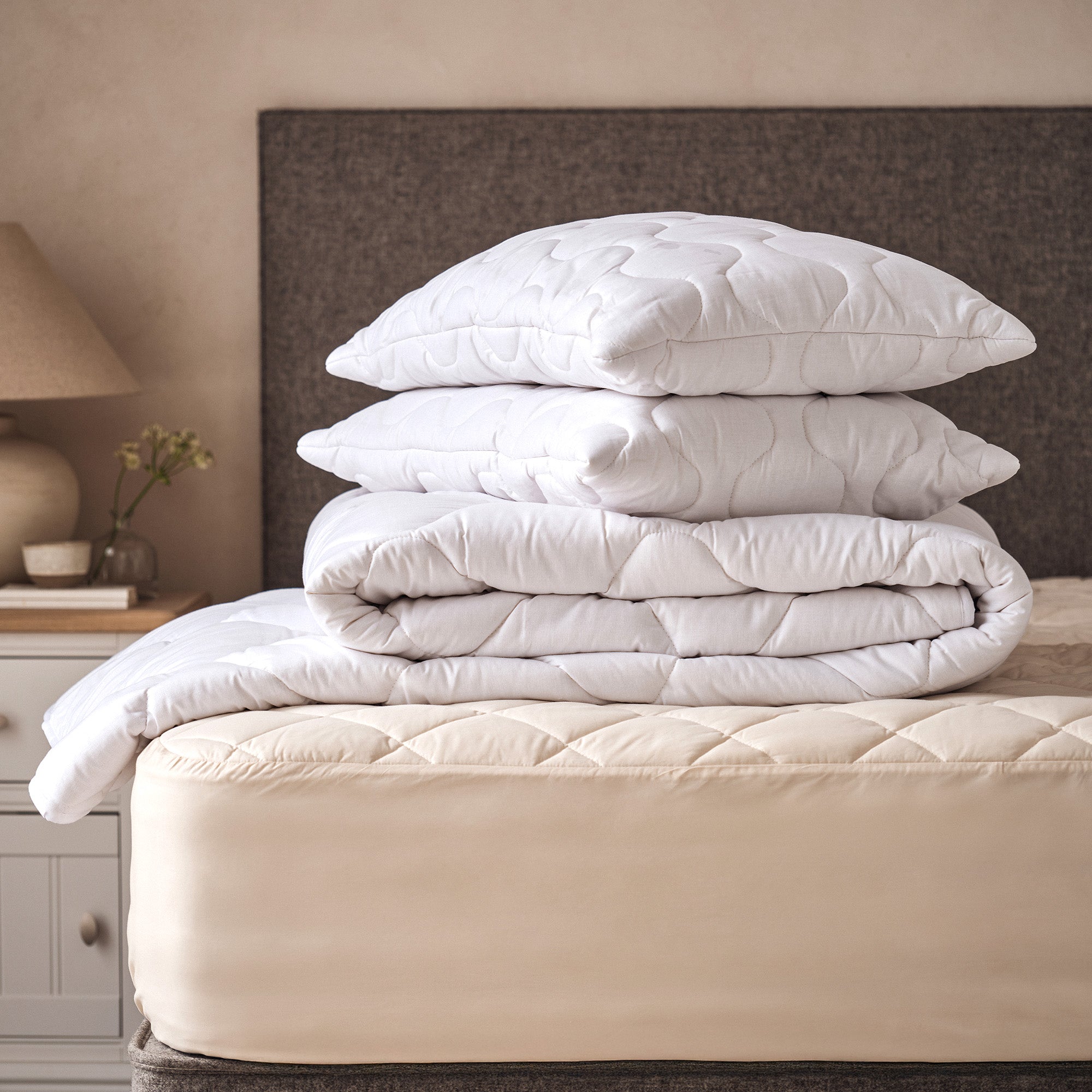
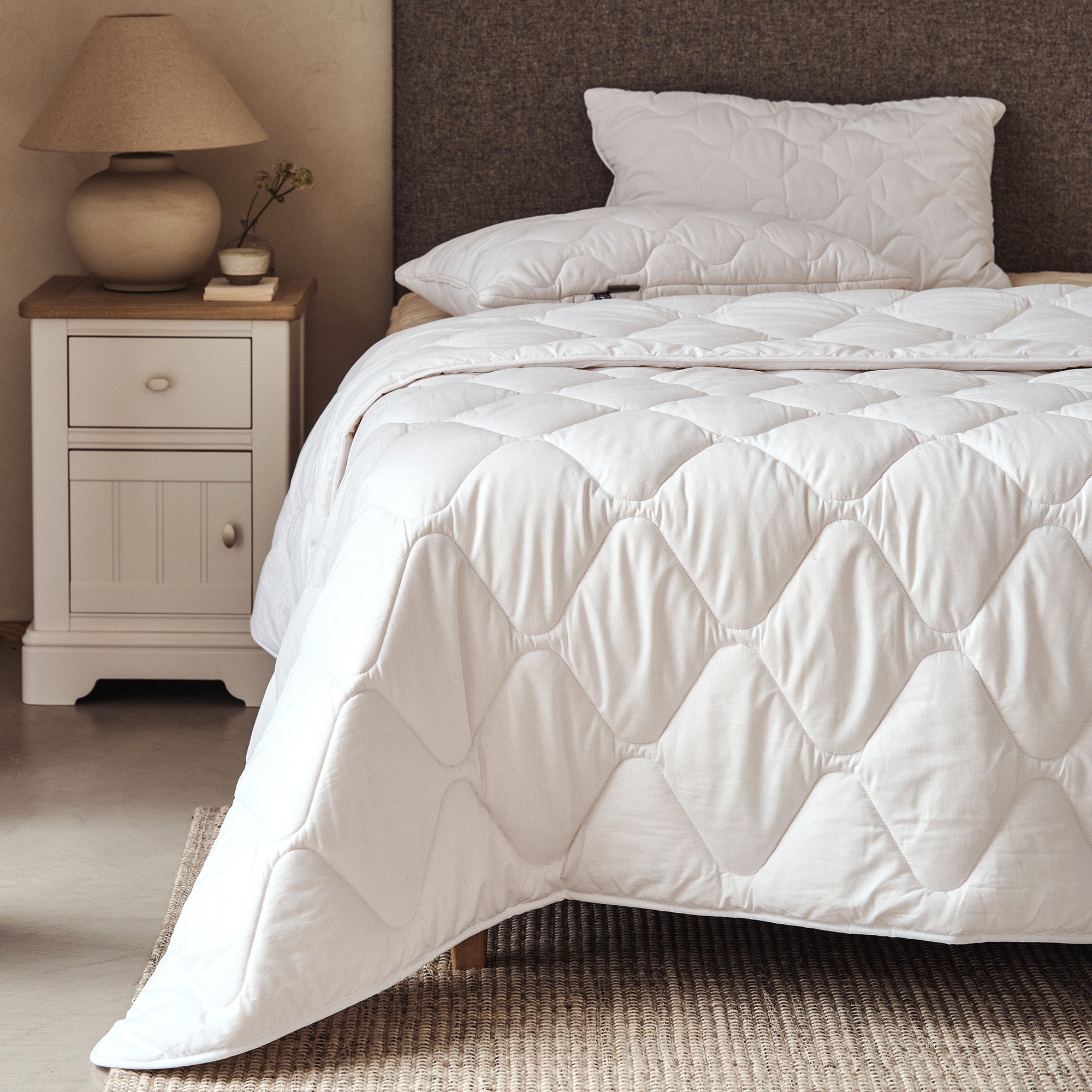
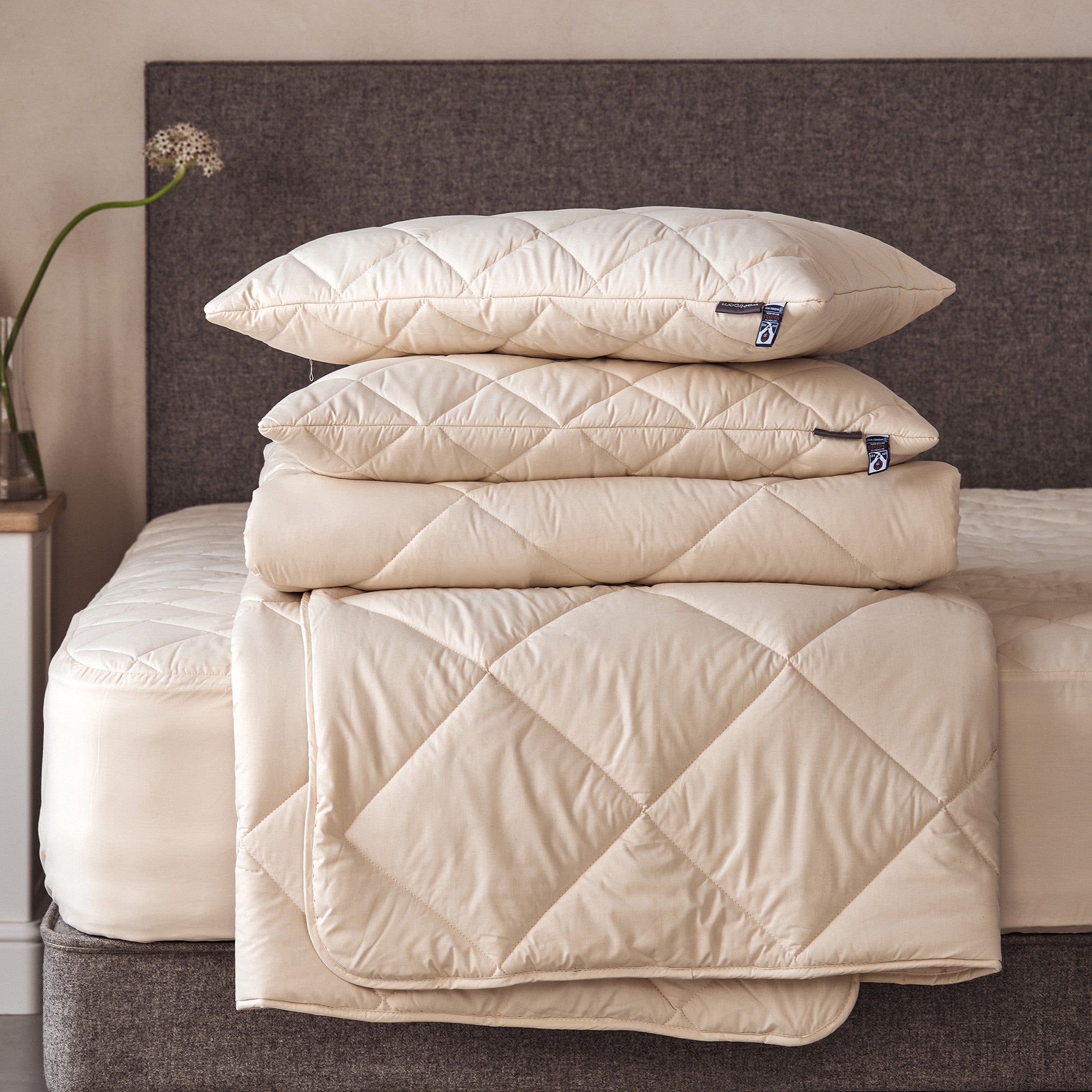
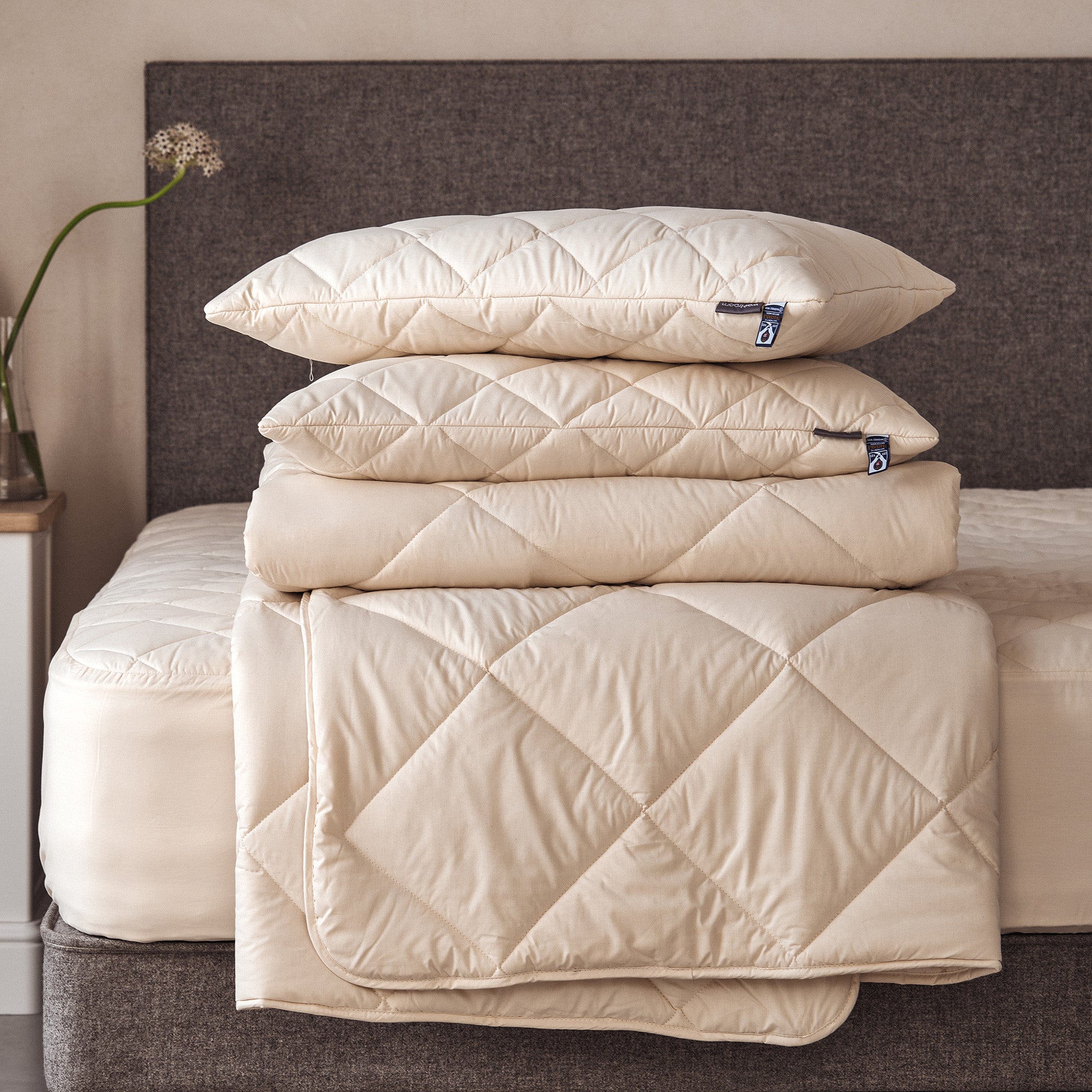
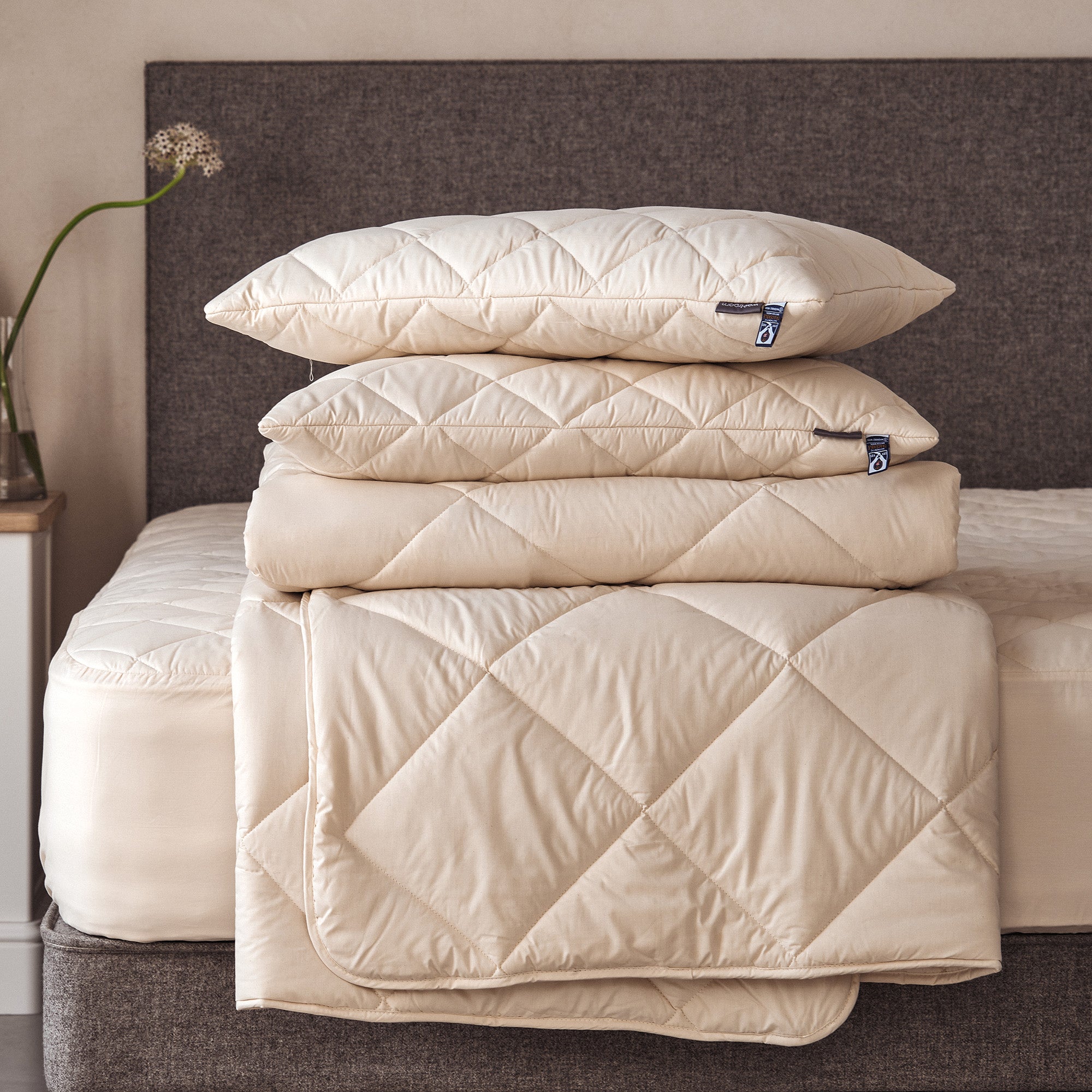
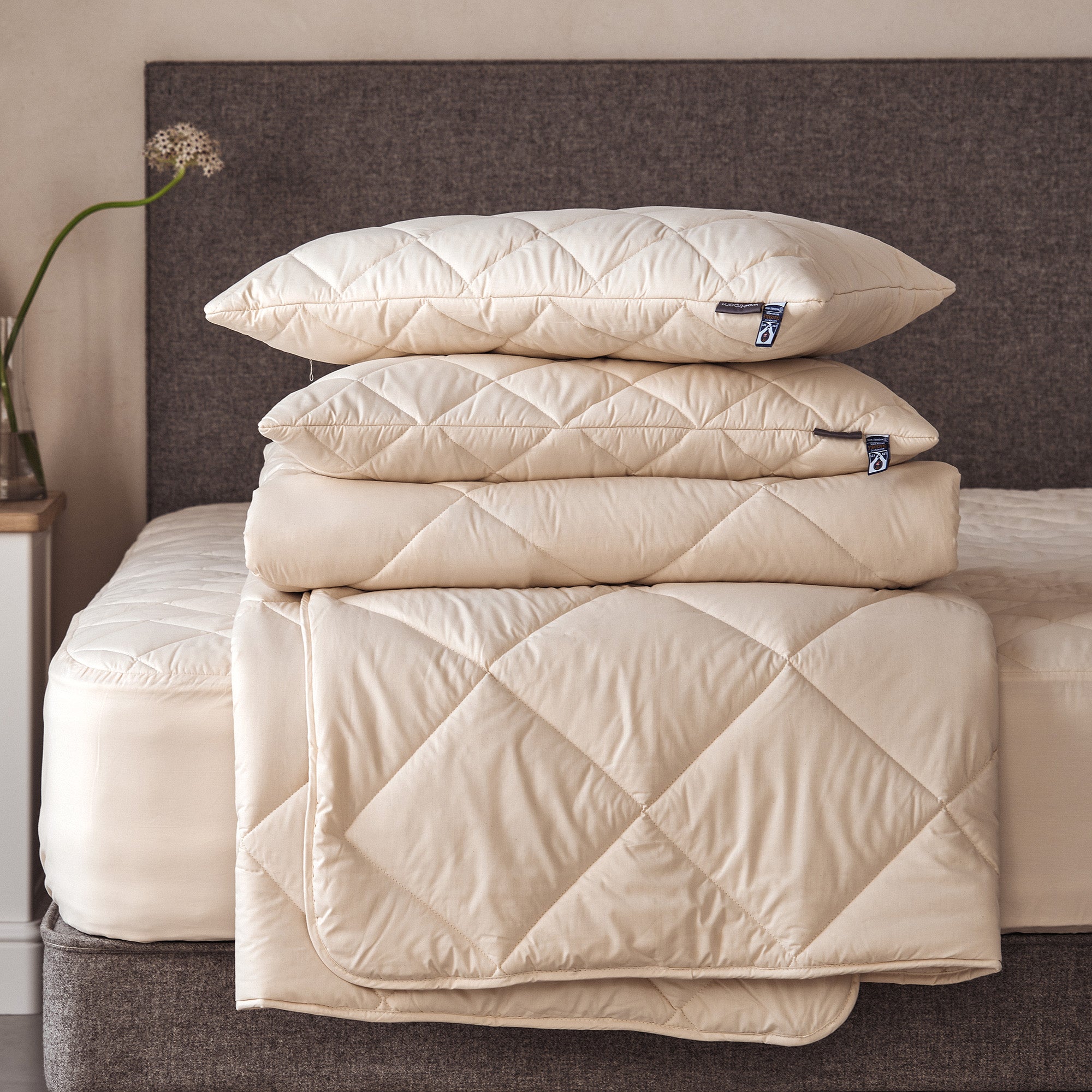
Our organic wool bedding collection includes comforters, pillows, pillow covers, mattress pads and mattress protector. It’s one of the strictest certifications in the world, and it ensures textiles are made with at least 70% organic fibers. It also limits the use of toxic chemicals in processing and requires compliance with social criteria for workers.
GOTS isn’t the only certification to look for when you consider organic or natural bedding:
- GOLS (Global Organic Latex Standard). This certification applies to latex products, ensuring they contain more than 95% certified organic raw material and meet rigorous safety and social responsibility criteria.
-
OEKO-TEX Standard 100. It’s not an organic certification, but OEKO-TEX tests for harmful substances and chemicals in the finished product, ensuring it’s safe for direct skin contact. Woolroom is the first and only wool bedding retailer to hold this certification.

Health Benefits of Organic Bedding
The beauty of organic bedding is that it isn’t limited to sustainability. It also contributes to a healthier and more restorative sleep environment.
Chemical-Free Sleep Environment
Swapping out synthetic bedding materials, like polyester and polyurethane foams, in favor of organic bedding limits your exposure to chemical residues and the off-gassing of volatile organic compounds (VOCs). These substances are associated with immediate health effects, including headaches, skin reactions, and irritation to the eyes and respiratory system. Nightly exposure to VOCs and other chemicals found in conventional bedding, like flame retardants, formaldehyde, pesticides, and fertilizers are bad for your health, but they also get in the way of healthy sleep patterns. In fact, research suggests that VOCs contribute to poor sleep patterns.
Hypoallergenic and Dust-Mite Resistant
Materials like organic wool and organic cotton are naturally hypoallergenic and resistant to common allergens like dust mites, mold, and mildew. That’s why organic bedding is such an excellent choice for sensitive sleepers. Wool in particular has outstanding moisture-wicking abilities. The fiber can absorb up to 30% of its own weight in moisture without becoming damp or heavy, helping to maintain a dry environment that is less hospitable to allergens and irritants (and more comfortable for you).
Temperature Regulation
If you struggle with overheating at night or waking up feeling clammy, organic bedding can help. Natural fibers like organic cotton and wool are highly breathable, helping to regulate your body temperature while you sleep. Wool’s moisture-wicking properties combine with its inherent breathability, which is all thanks to the fiber’s naturally crimped structure. The coiled design creates little air pockets that keeps heat from building up (a common issue with synthetic materials). Plus, it makes for a fresher mattress.
Woolroom is the Best Option for Organic Bedding
Here at Woolroom, we believe that bedding should do more than look and feel luxurious—it should support your health and the health of the planet. We’ve made it our mission to provide the highest quality wool bedding, crafted with full transparency and an unwavering commitment to sustainability. You’ll see it in our Wool ID program, our choice of partner farms, our GOTS and OEKO-TEX certifications, and in every natural wool bedding item we make. We’re not interested in shortcuts or greenwashing—only in delivering bedding that is truly better for you, your sleep, and the world we share.

The Bottom Line: Is Organic Bedding Worth It?
In a word: Yes! Upgrading to organic bedding is a smart step for the planet and your health and comfort alike. It’s an easy way to ensure a chemical-free sleep environment and support better sleep quality while simultaneously reducing your environmental footprint. At Woolroom, we’re proud to offer an organic wool bedding collection that supports restorative sleep while prioritizing transparency, animal welfare, and environmental stewardship. It’s not just about bedding—it’s about creating a cleaner, healthier, and more comfortable way to live.
Frequently Asked Questions
Does organic bedding make a difference?
Organic bedding really does make a difference for the planet and for your sleep. Sleeping on organic bedding, like the organic wool bedding here at Woolroom, reduces your exposure to chemicals and allergens and reduces your environmental footprint. That makes it a truly meaningful upgrade to your health and home.
Does bedding need to be organic?
There’s no requirement for bedding to be organic, but it’s a good idea for you and the environment. Upgrading to organic bedding creates a cleaner, healthier sleep environment and supports sustainable and ethical manufacturing processes.
Are organic sheets any good?
Organic sheets tend to be softer, more breathable, and gentler on the skin. Plus, since they’re made without harsh chemicals, there’s a peace-of-mind factor.
What is the difference between organic and non-organic bedding?
The difference is in how they’re made. Organic bedding is made from natural fibers grown and processed without synthetic chemicals or pesticides. Conventional bedding often involves chemical treatments and intensive farming methods that can impact your health and the environment.