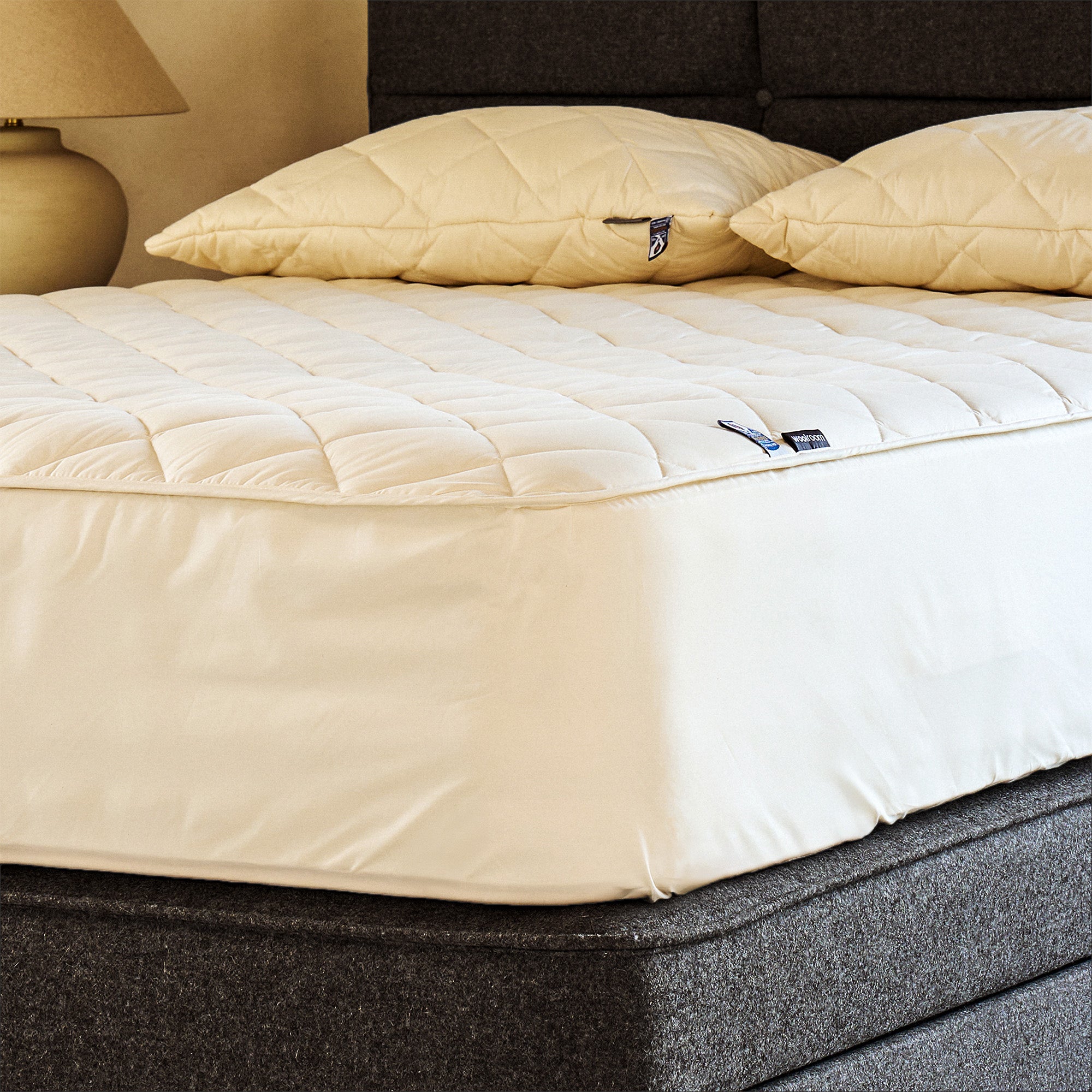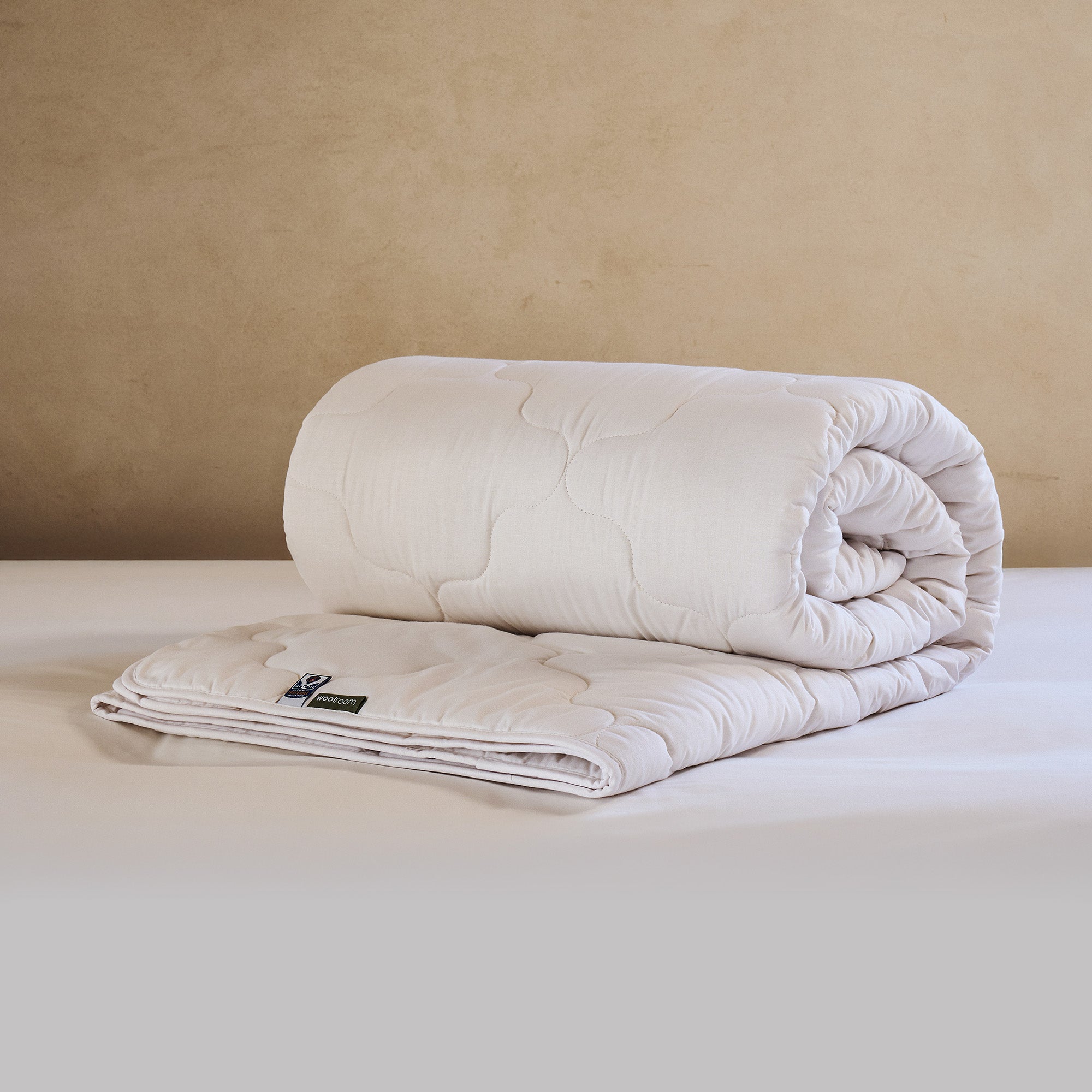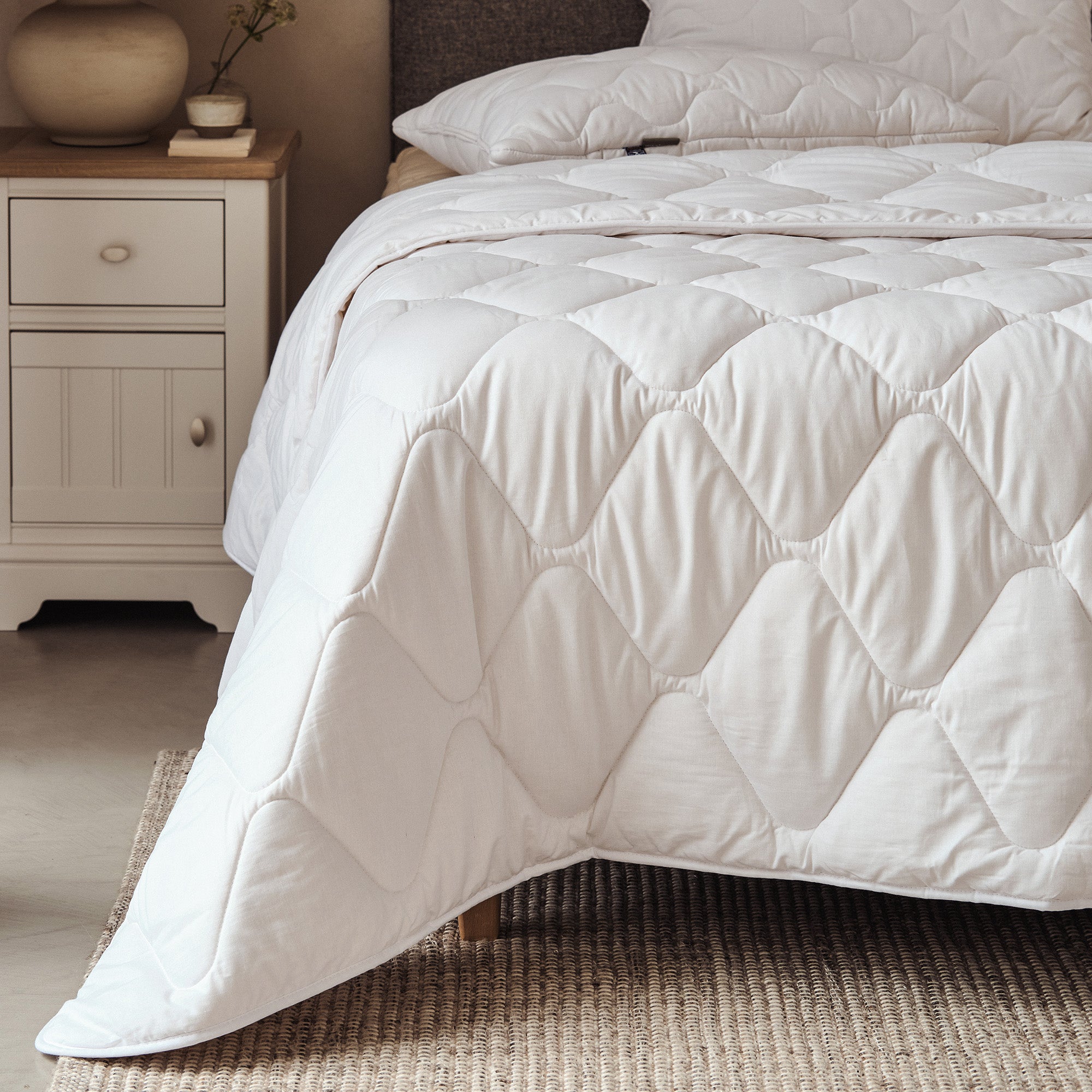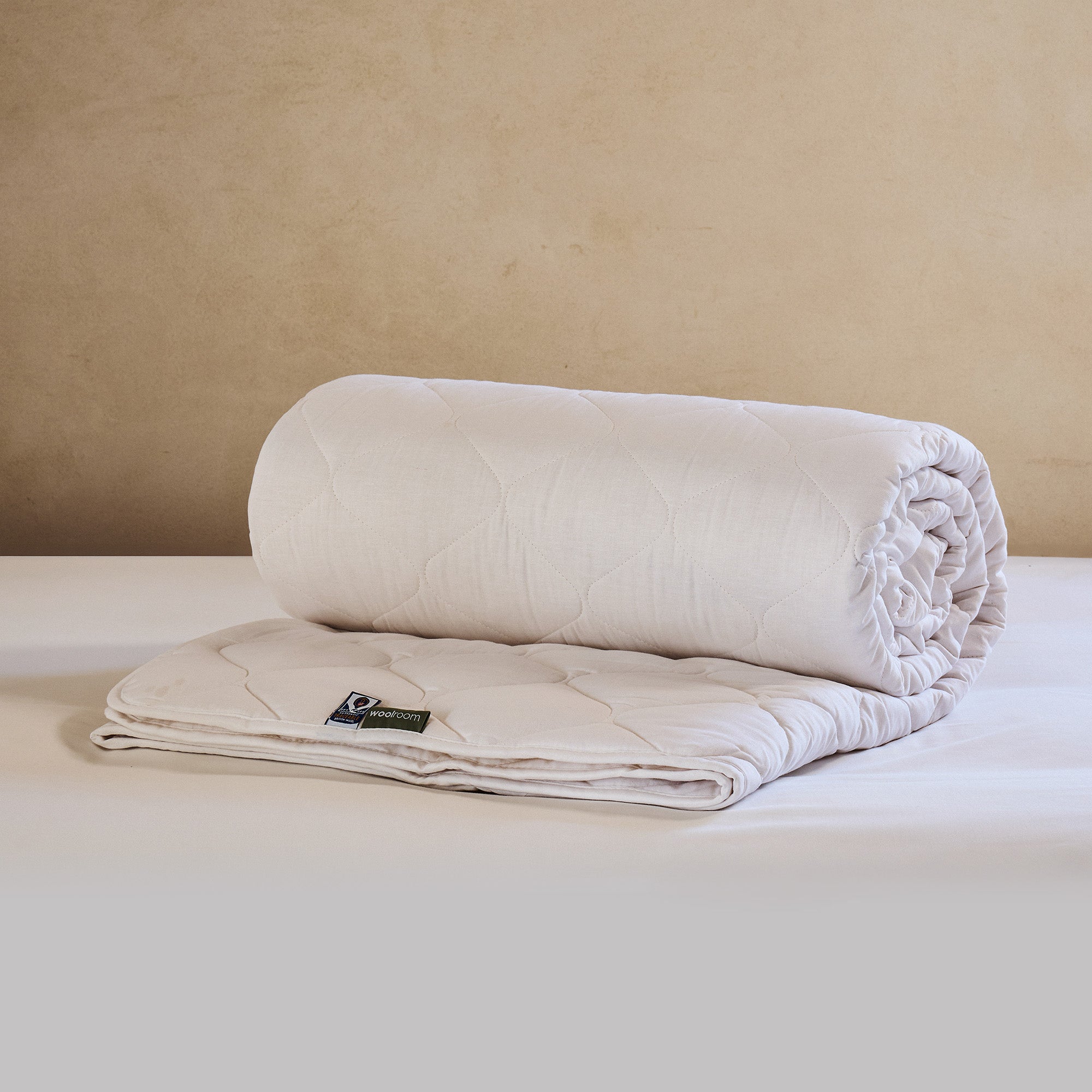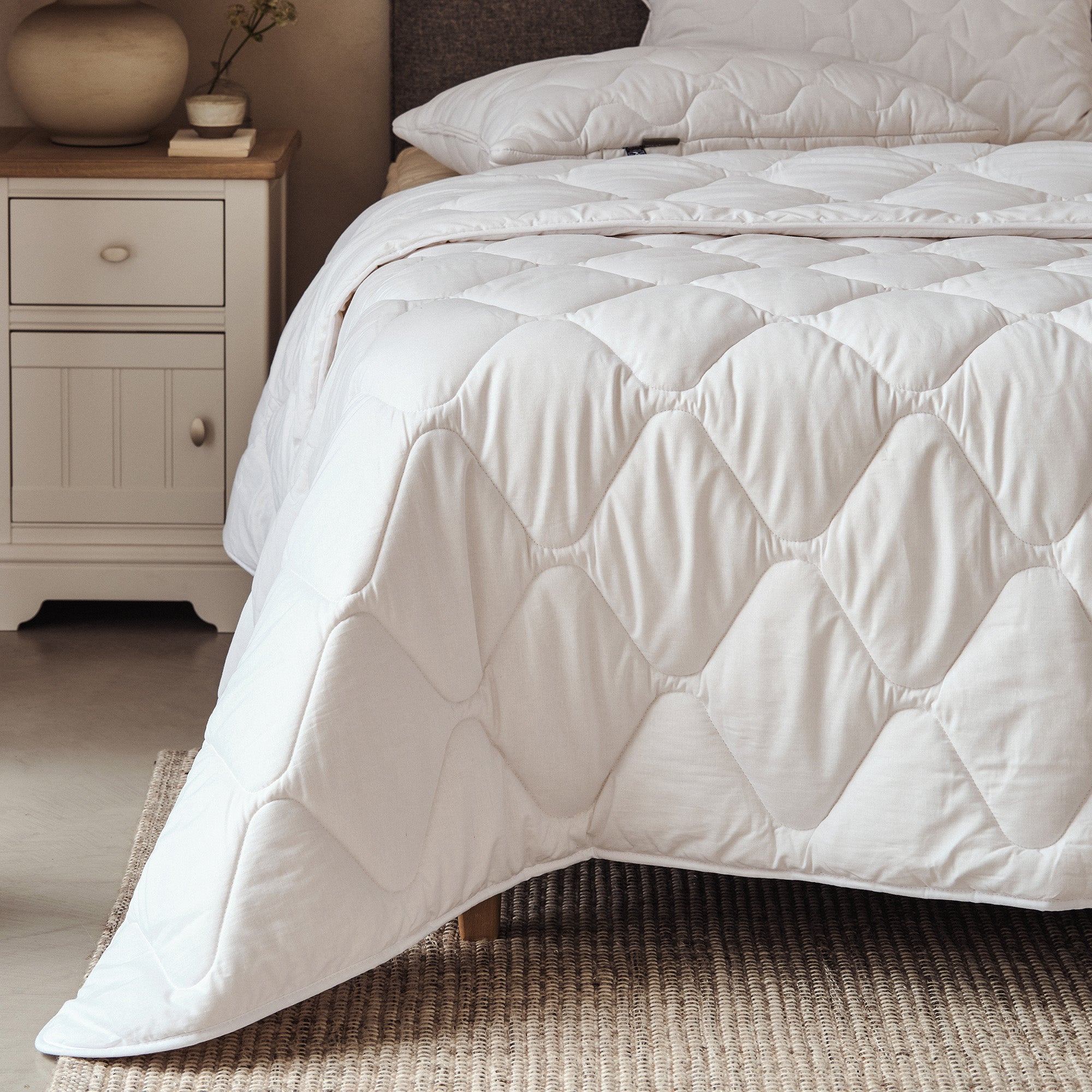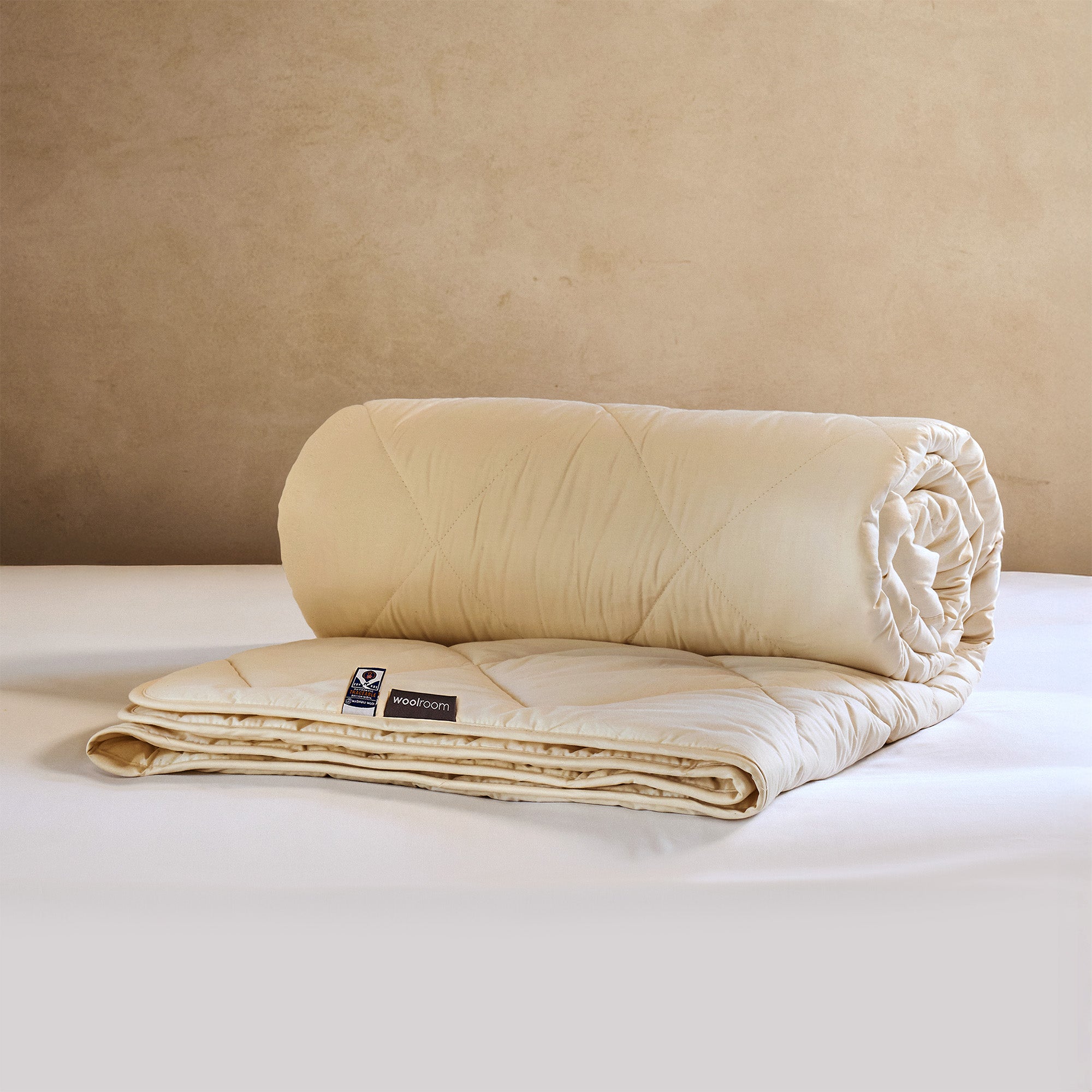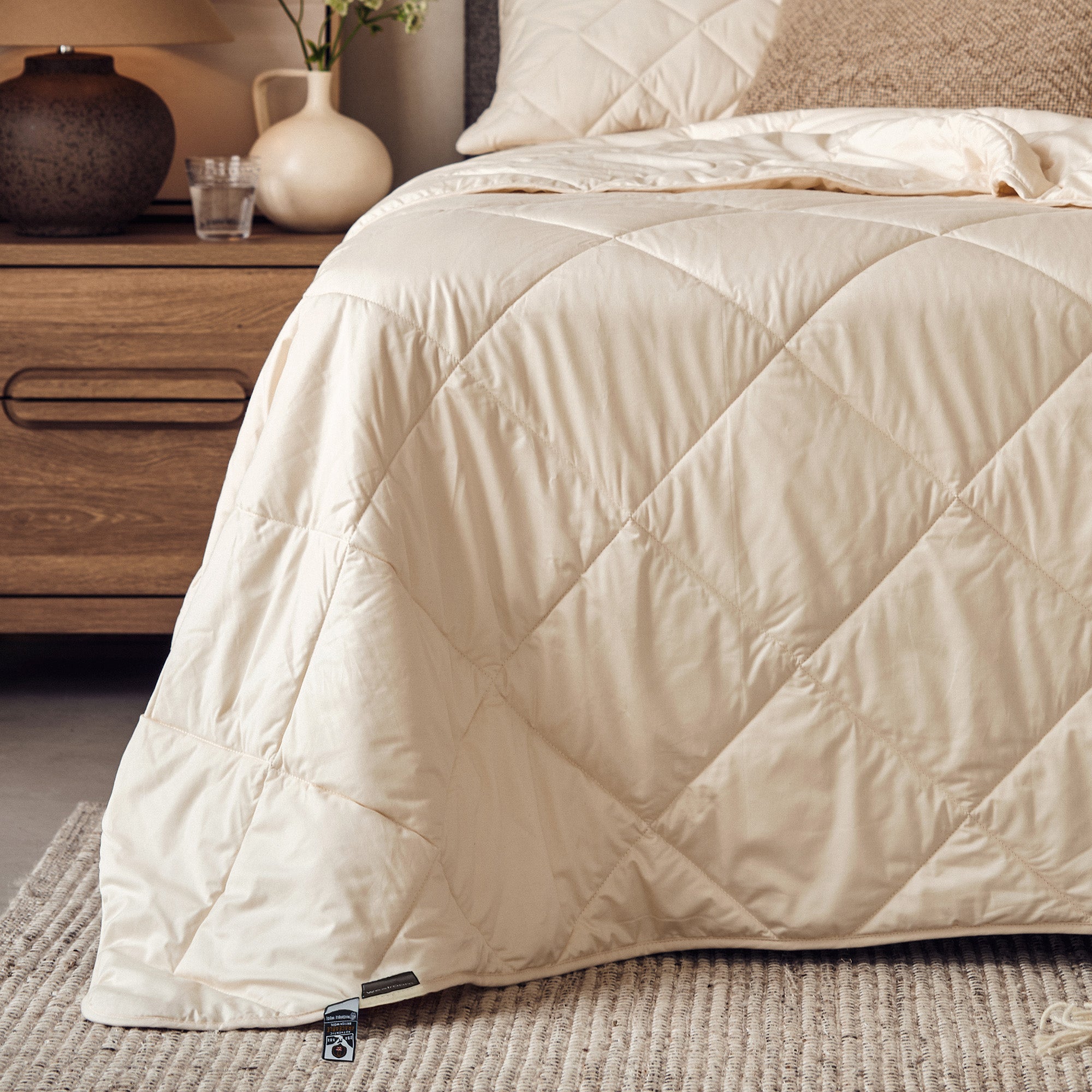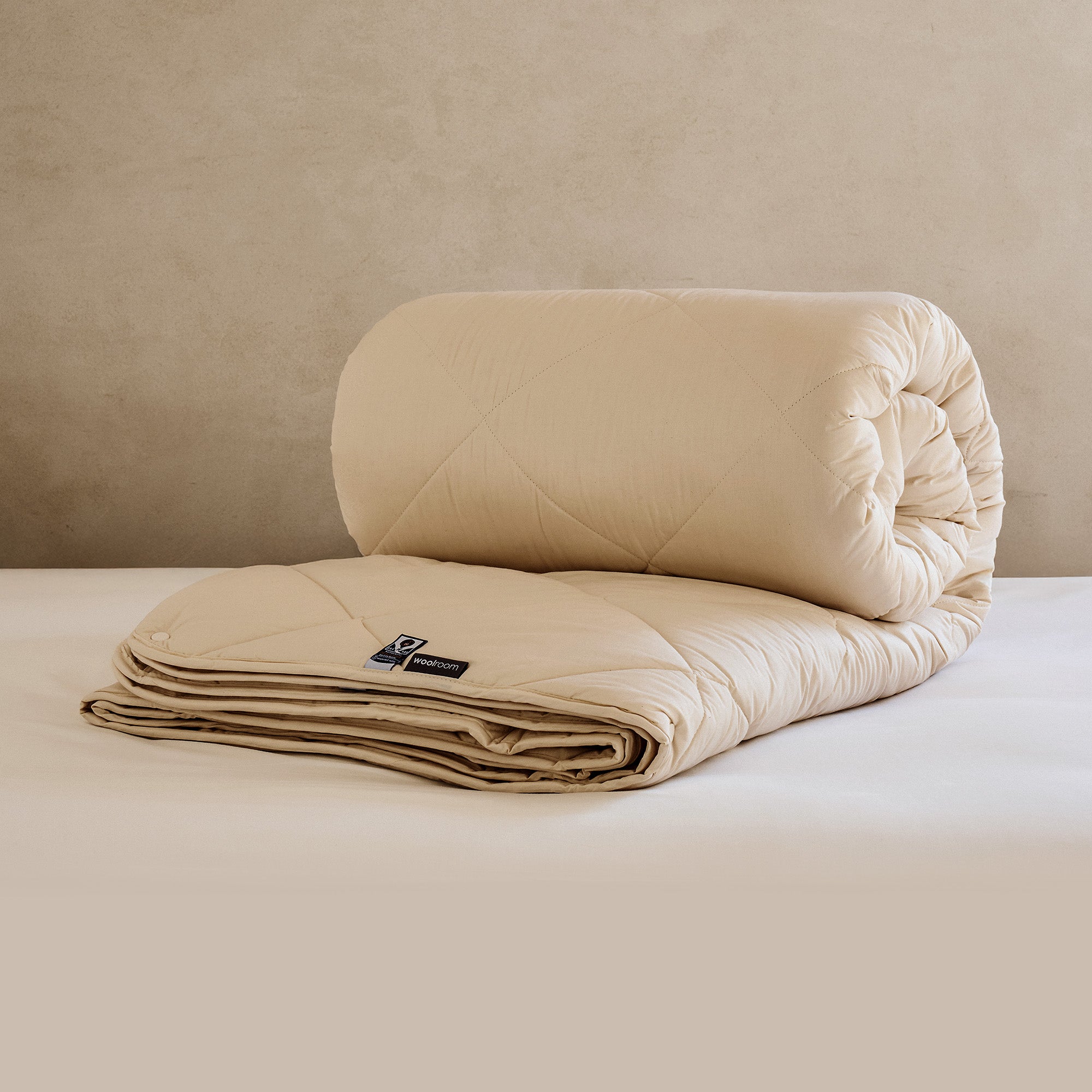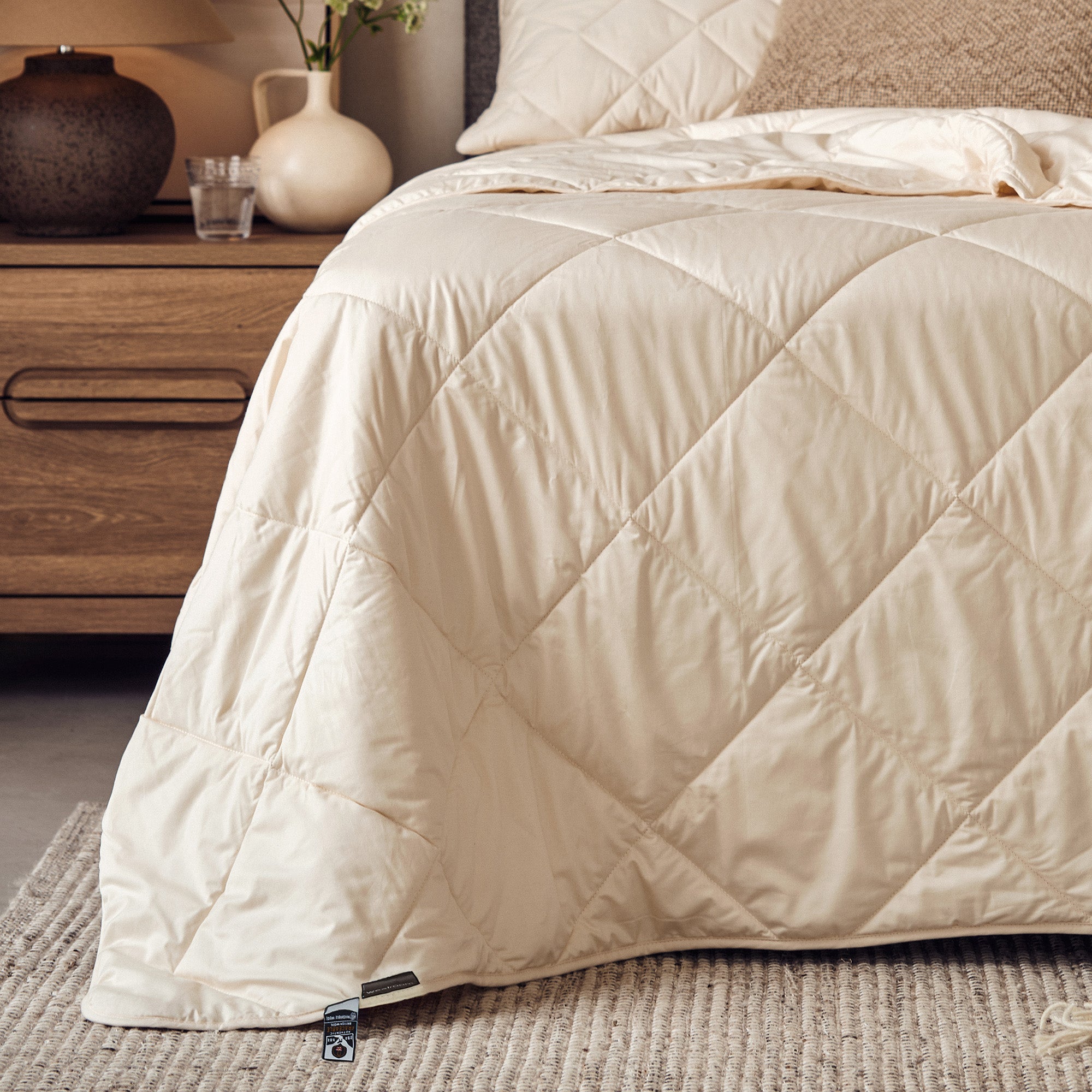

Merino wool is a natural fibre produced by Merino sheep. It is the world’s softest and finest wool, providing benefits more significant than any natural or man-made fibre.
The primary difference between Merino wool and wool is that it’s softer and smoother than traditional wool. Because it’s so soft and thin, it makes the perfect bedding. It allows breathability for excellent temperature control throughout the night.
Why Do People Choose Merino Wool?
There are many benefits of Merino wool, which is why so many people choose to use it for clothing, bedding, and more. Merino wool is very soft, comfortable, and thinner than most competing fabrics. Some other benefits include:
Moisture wicking. Merino wool keeps you dry by wicking away sweat and other moisture from your skin. Odour resistant. It can absorb odour caused by bacteria and prevent build-up, which reduces odour. Fire-retardant. Merino wool has natural fire-retardant properties that resist flames without fireproofing chemical treatments. Clean. It’s easy to clean because it naturally resists dirt and dust.

What Is Merino Wool Made Of?
Wool is a natural fibre that sheep produce about 4 to 5 pounds of each year. Merino wool specifically comes from a type of sheep known as Merino sheep, known for their soft, fine wool. It's made of proteins created from amino acids and other natural compounds.
Science Behind Merino Wool
To understand the full benefits of Merino wool, it’s good to know the science behind what makes this incredible fibre so unique. Let’s look at some of the properties of Merino wool and what causes them.
Temperature Regulation
Many people think wool is only for keeping you warm during cold weather, but it’s actually great for every season. During the colder months, the natural crimp in wool helps trap air better than other fibres. This trapped air is an excellent insulator and keeps you warm regardless of the cool outside temperatures.
When it’s warm outside, Merino wool bedding keeps you cool. It wicks sweat away from your body and stores moisture within the fibre. Moisture stored within the fibres will start to evaporate as your body warms up, cooling the air around your body. Evaporation occurs more rapidly as the temperature rises, resulting in more significant cooling.


Durable
Merino wool is made of interlocking protein molecules called keratin (the same protein in our skin and hair). These keratin molecules allow the wool to be stretched and bent up to 30,000 times without breaking. Merino wool fibres also have a “fibre crimp” or natural curl that improves elasticity and resilience. The superior durability of wool makes it more resistant to tearing and scuffing than other fibres.
Hypoallergenic

Wool Types
There are several wool types, as not all wool is the same. Some wool is exceptionally soft, perfect for a luxury robe. In contrast, others are hardier and better suited for bedding or carpet. There are three main categories of wool based on the micron of the fibres. The measurement of wool fibres determines the use and quality of the wool.
- Fine. Merino sheep produce wool with fine microns. Fine wool is used for soft, high-quality yarn and fabric and can be used in many delicate garments like scarves and baby wear.
- Medium. Medium micron wool is also produced by a type of Merino sheep, but it can also be made by cross-breeding with other sheep. It's often used in woven clothes, furnishings, and bedding.
- Broad. Several different sheep breeds can produce broad wool. Because of its strength and durability, it is most useful for tougher fabrics like carpets.
Caring for Merino Wool
Be sure to check the care label before cleaning to ensure safe care. Merino wool can often be machine-washed but use a gentle cycle and warm or cool water. Avoid hot water to prevent your Merino wool bedding or clothing from shrinking. It should be cleaned with mild soap with no bleach or fabric softener. Using bleach and fabric softener destroys Merino wool fibres and reduces their natural ability to regulate body temperature and manage moisture.
Most Merino wool products can be tumble-dried, but we recommend air-drying your bedding to extend its life. If you do prefer to use a dryer, be sure to tumble dry on a low setting to avoid shrinkage.
Sustainability
Wool is a 100% natural and biodegradable product from a sustainability perspective. Unlike many synthetic fibres, Merino wool breaks down quickly. It also returns nutrients to the soil without releasing microfibers into the environment.


Sourcing Merino Wool
We strive to source the highest quality wool from around the UK and ensure the welfare of our sheep and fair pay for farmers. You can rest assured that your bedding is good for you, the environment, and those who made it.