Key Takeaways
- Wool doesn’t trap heat—it naturally balances temperature for comfort in every season.
- It wicks away moisture to keep you cool, dry and comfortable all night long.
- Air flows freely through the fibers, creating a breathable, fresh sleep environment.
- Wool mattresses are ideal for hot sleepers and couples who need year-round comfort.
- Naturally hypoallergenic and antibacterial, they promote a cleaner, healthier night’s sleep.
- Woolroom’s traceable, chemical-free wool delivers durability, sustainability and peace of mind.
One of the most persistent misconceptions about wool is that it traps heat. It makes sense, since we tend to associate thick wool sweaters and blankets with winter warmth. But that has less to do with the fiber itself and more to do with the weight and fabric. The reality is while wool does indeed keep you warm when it’s cool, it actually regulates temperature, which means it also helps keep you cool when it’s warm. The structure of wool fibers allows for air circulation and moisture evaporation, which is why wool bedding in particular works year-round—and why wool mattresses definitely don’t sleep hot.
Common Misconceptions About Wool and Heat
Wool’s reputation for sleeping hot often comes down to how it’s used, which is primarily in clothing and bedding. While both benefit from wool’s inherent characteristics, the fiber grades and fabric constructions are different.
For bedding, wool is generally a medium-grade fiber with an excellent balance of warmth, comfort, and breathability. Used in mattresses, comforters, and pillows, this type of wool can be both insulating and breathable, allowing excess heat and moisture to escape. That’s what maintains a cozy little microclimate as you sleep.
In clothing, wool is usually finer and softer, since it’s right next to your skin and not wrapped in cotton (which is typical for bedding). A wool base layer, for instance, would likely be made of fine Merino wool with a denser weave to keep body heat close to the body. That’s what makes wool clothing, whether it’s socks or a sweater, feel warmer than wool bedding. The biggest difference is that in bedding, wool balances heat instead of trapping it.
How Wool Naturally Regulates Temperature
As a fiber, wool is a triple threat, capable of wicking moisture, regulating temperature, and staying breathable—which is what sets it apart from other natural fibers.
- Moisture control. Wool can absorb up to 30% of its own body weight in moisture without feeling heavy or even damp. As part of the body’s natural thermoregulation process, we all release some level of heat and humidity when we sleep. Instead of trapping it like down and synthetic materials do—which leads to that unpleasant clamminess and soggy bedding—wool actively draws this moisture away from the skin and then releases it into the air.
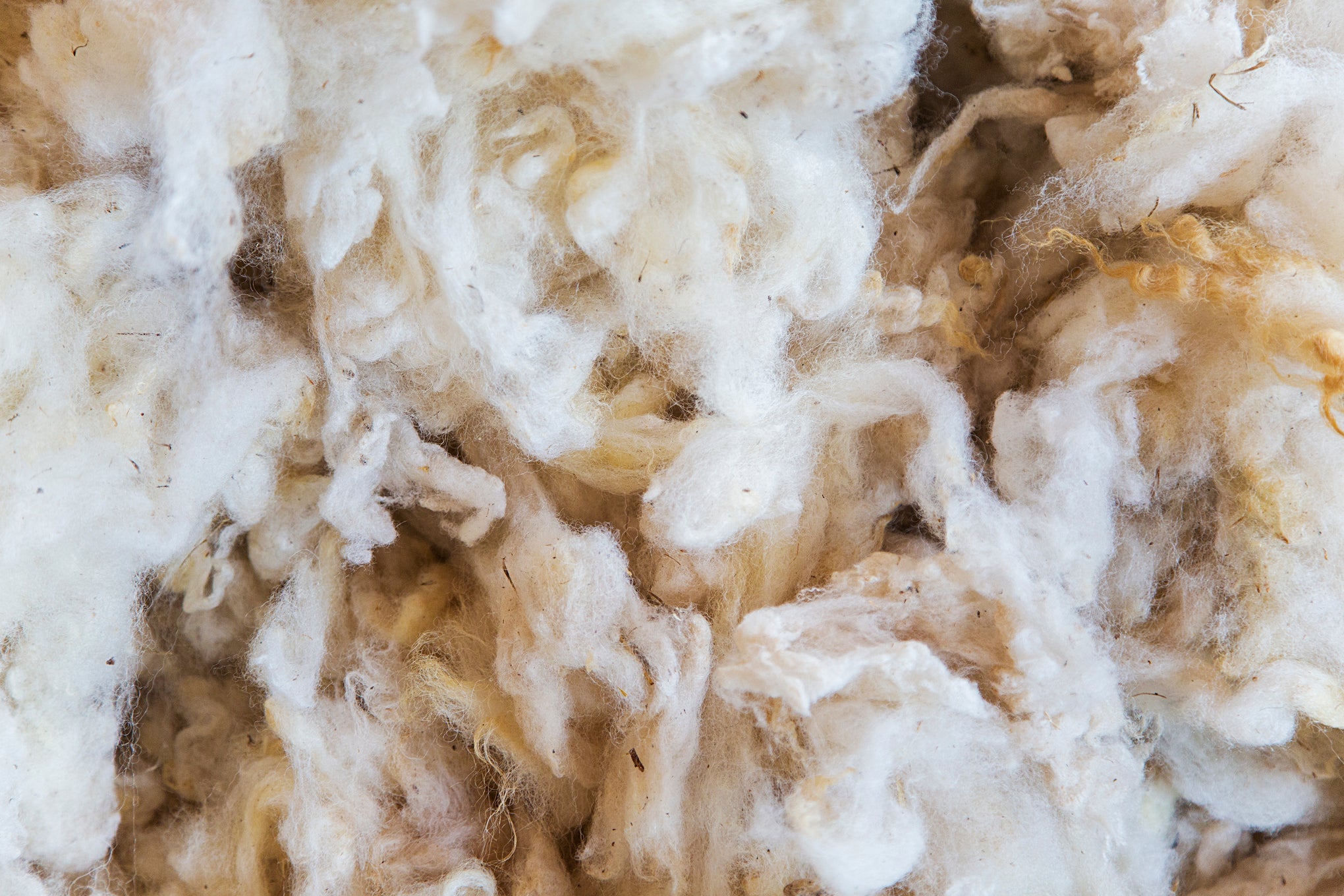
- Breathability. Wool fibers have a coil shape and clusters of wool fibers create countless tiny air pockets, which allows for air to circulate freely. It’s this steady airflow that keeps excess heat from building, which helps maintain a stable sleeping environment. It’s the Goldilocks thing—not too hot, not too cool, just right.
- Temperature regulation. That springy structure means wool actually responds to changes in your body heat and the ambient temperature. It’s a sort of smart insulation, trapping warm air when temperatures drop and release excess heat when the temperature ticks back up.
Now, imagine the benefits this offers in a mattress. Sure, wool adds softness and resilience, but it also actively supports deeper, more restful sleep. In fact, according to research by Leeds University, Woolroom’s wool bedding is scientifically proven to improve your chances of a good night’s sleep by 67% and it can help you enjoy 25% more regenerative sleep than other types of bedding.
By helping to regulate temperature, managing moisture, and promoting airflow, wool minimizes the nighttime overheating and sweating that can lead to disrupted nights. That has other benefits as well. Since wool supports a cooler, drier sleep space, it’s a great option in bedding for those with nighttime allergies or sensitivities. Common allergens, including dust mites, thrive in warm, moist environments. That makes down and synthetic bedding really attractive. But wool bedding is different. It’s naturally hypoallergenic, so it won’t harbor allergens that can trigger sneezing fits, coughing, congestion, itchy eyes or other allergy symptoms. And here at Woolroom, our wool mattresses have not only been tested and proven to be free of volatile organic compounds (VOCs), they’ve also earned the Allergy UK Seal of Approval—the only natural sleep solution with that honor!
Bonus points: Wool naturally resists odors and bacterial growth, which means your mattress stays fresher and cleaner for longer. And because it’s a natural flame retardant, wool meets fire safety standards without a single chemical, contributing to a non-toxic sleep space.
Wool vs Latex vs Memory Foam Mattresses
| Feature | Woolroom Wool Mattress | Memory Foam | Latex |
|---|---|---|---|
| Materials | Organic wool and cotton | Synthetic foam | Natural or synthetic latex |
| Toxic Chemicals | None | Often present | Low (if natural) |
| Certifications | OEKO-TEX | CertiPUR-US (some) | GOLS, OEKO-TEX |
| Hypoallergenic | Yes | No | Yes |
| Breathability | Excellent | Poor | Good |
| Off-Gassing | None | Common | Minimal |
| Temperature Control | Year-round comfort | Sleeps hot | Cool/neutral |
| Eco-Friendly | Sustainable and biodegradable | No | If natural |
| Best For | Sensitive, eco-conscious sleepers | Budget or foam lovers | Fans of bounce and natural feel |
Is a Wool Mattress a Good Cooling Mattress?
Yes! But wool isn’t just ideal in the warmer months. Since it’s a natural temperature regulator, wool is one of the only materials that can keep you comfortable all year long. And it does so without gels, foams, or synthetic “cooling” treatments. Keep in mind that these materials and finishes tend to lose their efficacy over time, and there’s the environmental strain to consider as well. Wool’s performance, on the other hand, is completely natural and permanent.
If you typically overheat at night, materials that trap heat, like memory foams and down, tend to make the situation worse. Wool’s moisture-wicking, breathable properties mean it dissipates body heat fast, so you don’t overheat and start sweating. Wool is particularly beneficial for couples, since it helps balance different body temperatures in the same bed. That means less fighting over blankets and more sleeping!
Wool mattresses are a great choice in warm and humid climates as well. Since it absorbs and releases moisture vapor, it helps keep your sleep space fresh and dry. That’s why shepherds have used wool for centuries!

Additional Wool Mattress Benefits
Beyond sleeping cool, wool mattresses have a lot of other advantages that make them healthier, safer, and much more sustainable than conventional foam beds.
Wool fibers can bend and stretch thousands of times without breaking, which helps a wool mattress maintain its loft, comfort, and support for years. Polyurethane foams compress or lose shape over time, but wool naturally rebounds. That helps your mattress feel comfortable and supportive long after synthetic options have worn out.
Wool is also one of the planet’s most renewable resources. Every year, sheep grow a new fleece, which can be shorn without harm and processed using minimal energy and water. And when its long life finally ends, wool safely returns to the earth—fully biodegradable and compostable. Through Woolroom’s Wool ID® traceability program, every fiber in your mattress can be traced back to the farm it came from, ensuring animal welfare and environmental integrity at every step.
The Bottom Line: Sleep Cooler, Cleaner, and More Naturally
A wool mattress isn’t just a luxury—it’s a smart investment in healthier, more restorative sleep. From its unmatched temperature regulation and hypoallergenic benefits to its sustainability and durability, wool offers a sleep experience that no synthetic material can match. Whether you’re a hot sleeper, an allergy sufferer, or simply someone who values natural comfort, Woolroom’s traceable, chemical-free wool mattresses are proof that better sleep starts with better materials.

Frequently Asked Questions
Are wool mattresses too warm for summer?
Not at all. Wool mattresses are great for warm summer months because they naturally regulate temperature and wick moisture, keeping you comfortable and dry.
Can I use a wool mattress in a hot climate?
Yes! Wool mattresses are ideal for hot or humid environments because they’re so adept at managing moisture, promoting airflow and regulating temperature.
Is wool better than cooling gel for sleeping cool?
Definitely. Wool provides more consistent, long-term temperature regulation than cooling gels, which tend to lose efficacy over time.


