You aren’t dreaming, hot flushes are worse at night for many women. If you fall into the 75% of menopausal women who experience hot flushes, you probably have first-hand experience with waking up feeling disoriented, blazing hot and soaked in sweat. So what’s going on? Why are hot flushes worse at night, and more importantly, what can you do about it? There’s a simple answer to the first question, it largely relates to fluctuating hormones, but like menopause and its symptoms in general, the factors contributing to hot flushes at night (or during the day) can be very personal so there isn’t a one-size-fits-all solution. Instead, understanding what might be making your night-time hot flushes worse is the goal, especially when they’re severe enough to consistently disrupt your sleep. Here’s what to understand about hot flushes, why hot flushes are worse at night, and what you can do to stay more comfortable while you’re sleeping.
What are hot flushes?
To the uninitiated, hot flushes are just what they sound like, a sudden, unexpected rush of heat typically centred in the upper body and associated with reddening across the face, neck and chest. They’re the most common symptom of menopause and severity can vary from one woman to the next. That means some experience mild flushing, while others grow so heated they sweat right through their clothing. At night, hot flushes can be so severe that the bedding itself is soaked.
While researchers know that erratic hormone levels are linked to hot flushes, they aren’t yet clear on precisely how it works. The prevailing theory is that surging and dropping hormones affect the part of the brain called the hypothalamus, which is responsible for temperature control. This can mean your body thinks, mistakenly, that it’s too hot and works to cool itself down by opening up blood vessels in the skin to release excess heat. That’s what causes the telltale red flush. Of course, the other mechanism the body uses for cooling is perspiration, which can cause extreme discomfort and anxiety for women in a variety of situations, not to mention drenched sheets.
What are the causes of hot flushes at night?
Hot flushes happen at night in just the same way as they do in the day. But for many women, they feel more intense. This may be related to the fact that fluctuating hormone levels during sleep, and especially REM sleep, have a stronger effect on temperature dysregulation. That creates stronger hot flushes, or as they’re called when they happen at night, night sweats. It’s a fitting description for what many women experience.
Why are hot flushes worse at night for you?
It may be that you, personally, experience hot flushes that seem worse at night than they are during the day. The most significant contributor is that hormonal rollercoaster. But there might be other things happening, both at night and before bed, that can make night-time hot flushes so much worse (and isn’t everything worse in the middle of the night?). Here’s what might be contributing to disruptive night sweats:
- Lack of awareness. Many women develop tactics for managing hot flushes when they strike during the day, like removing layers to pre-empt the temperature rise, cracking a window or stepping outside. That’s not an option when you’re sound asleep. Instead of acting quickly as you start feeling warm, you’re more likely to stay sleeping until you’re jolted awake because you’re positively roasting, not to mention sweaty and uncomfortable.
- Ambient temperature. Hot flushes tend to feel more intense if you’re already warm. We tend to sleep best in cooler temperatures, between 16 and 19 degrees Celsius, so keeping your bedroom on the cooler side can help lessen the severity of a night-time hot flush. Circulating air from a ceiling fan or cracked window is also helpful if you’re prone to night sweats.
- Mattress material. Some mattresses are made with materials, like memory foam, that respond to heat and pressure to contour closely around your body. That signature “sunken” sensation may feel nice initially, but it means there’s little to no airflow between the mattress and your body. Synthetic foams also trap body heat because the materials don’t circulate air well within the layers of the mattress. As your body temperature fluctuates at night, especially when it’s erratic, as is the cause during menopause, you may find that your mattress feels like a furnace and makes hot flushes and night sweats significantly worse.
- Synthetic bedding. It’s not just your mattress that can exacerbate hot flushes. Your choice of bedding is a contributor too. Synthetic fabrics have the same tendency to trap body heat because they don’t breathe well, nor do they wick moisture. If you have a hot flush while sleeping in, say, polyester sheets, you’re going to overheat quickly and wake up drenched.
- Alcohol and spicy food. Did you drink alcohol or eat a spicy dinner before bed? This is one of the lesser known causes of hot flushes at night, but it can intensify symptoms of night sweats. That’s because they can increase body temperature, which can make subsequent hot flushes feel stronger.
- Stress and anxiety. Stress and anxiety can both worsen night sweats because of the physiological response they trigger in the body, which increases body temperature and the likelihood of sweating. Even lying in worrying about how to deal with a hot flush can trigger a stress response, making you feel uncomfortably warm.
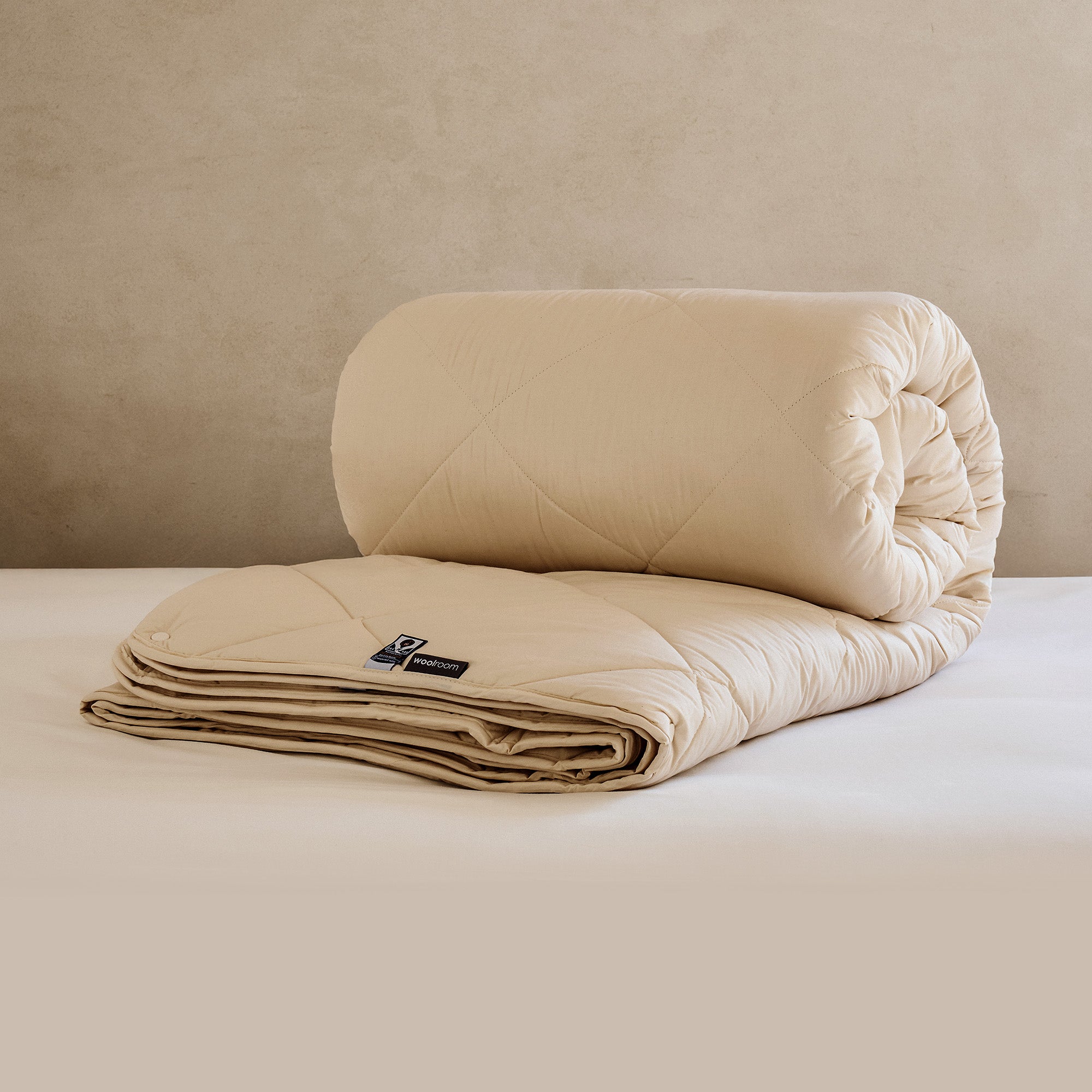
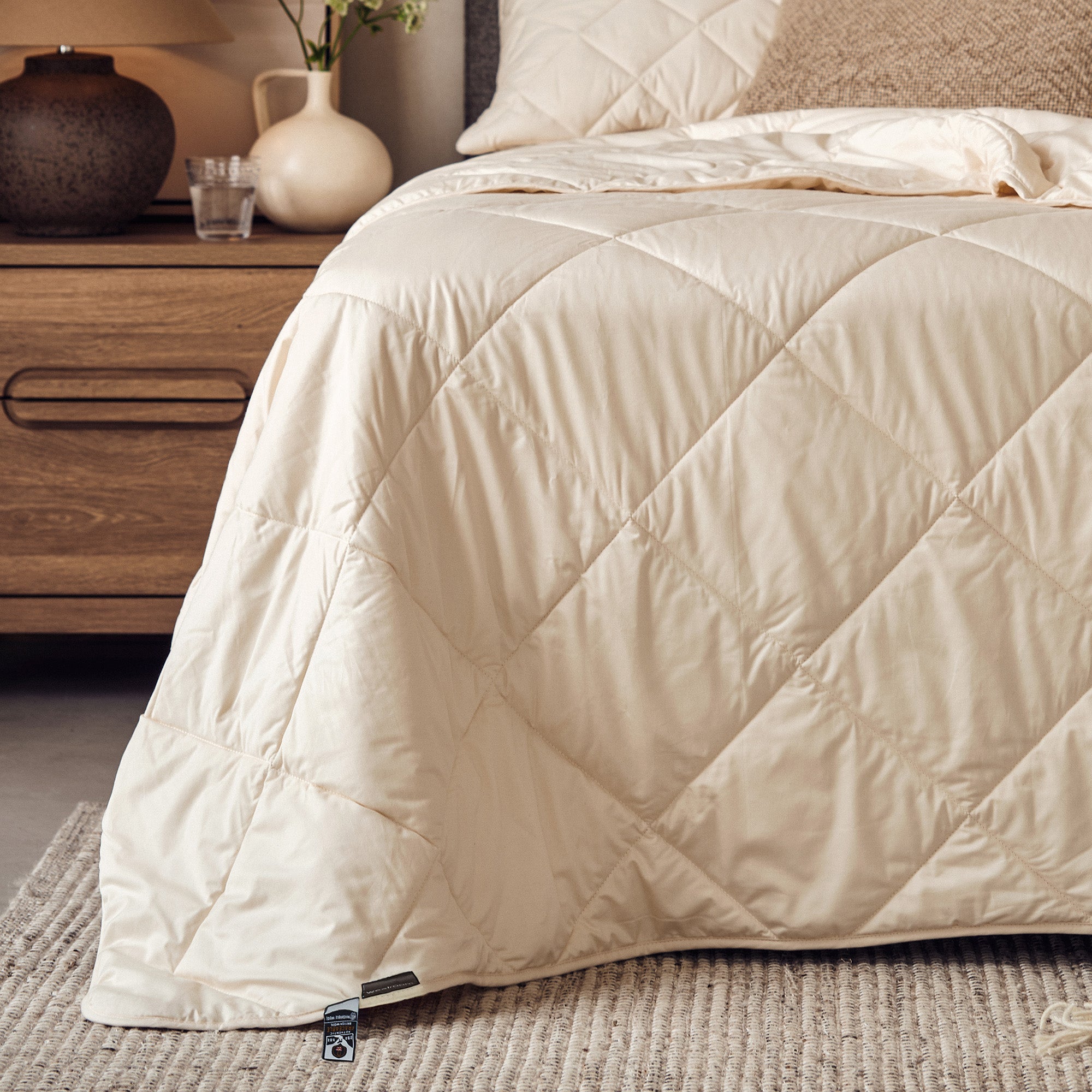
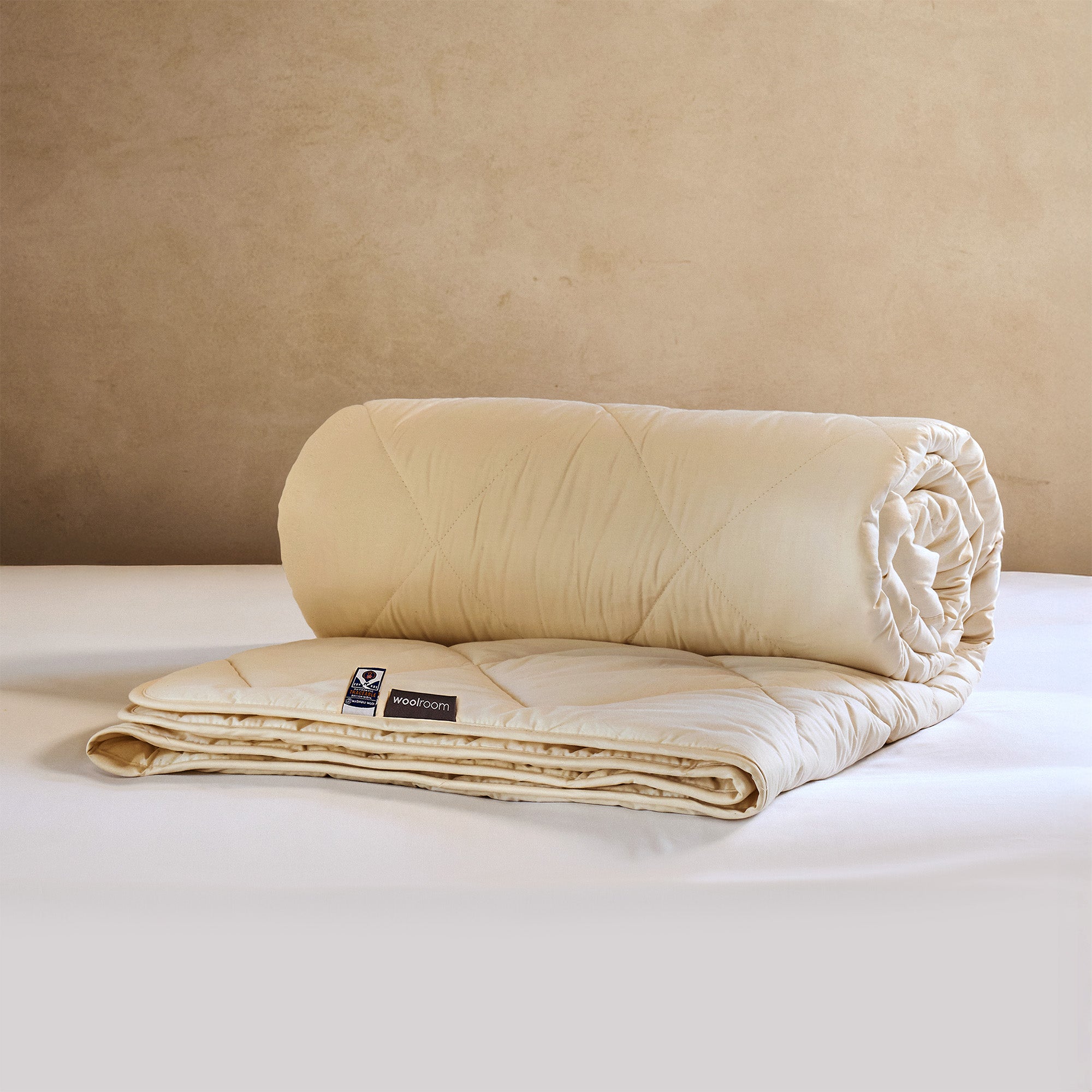
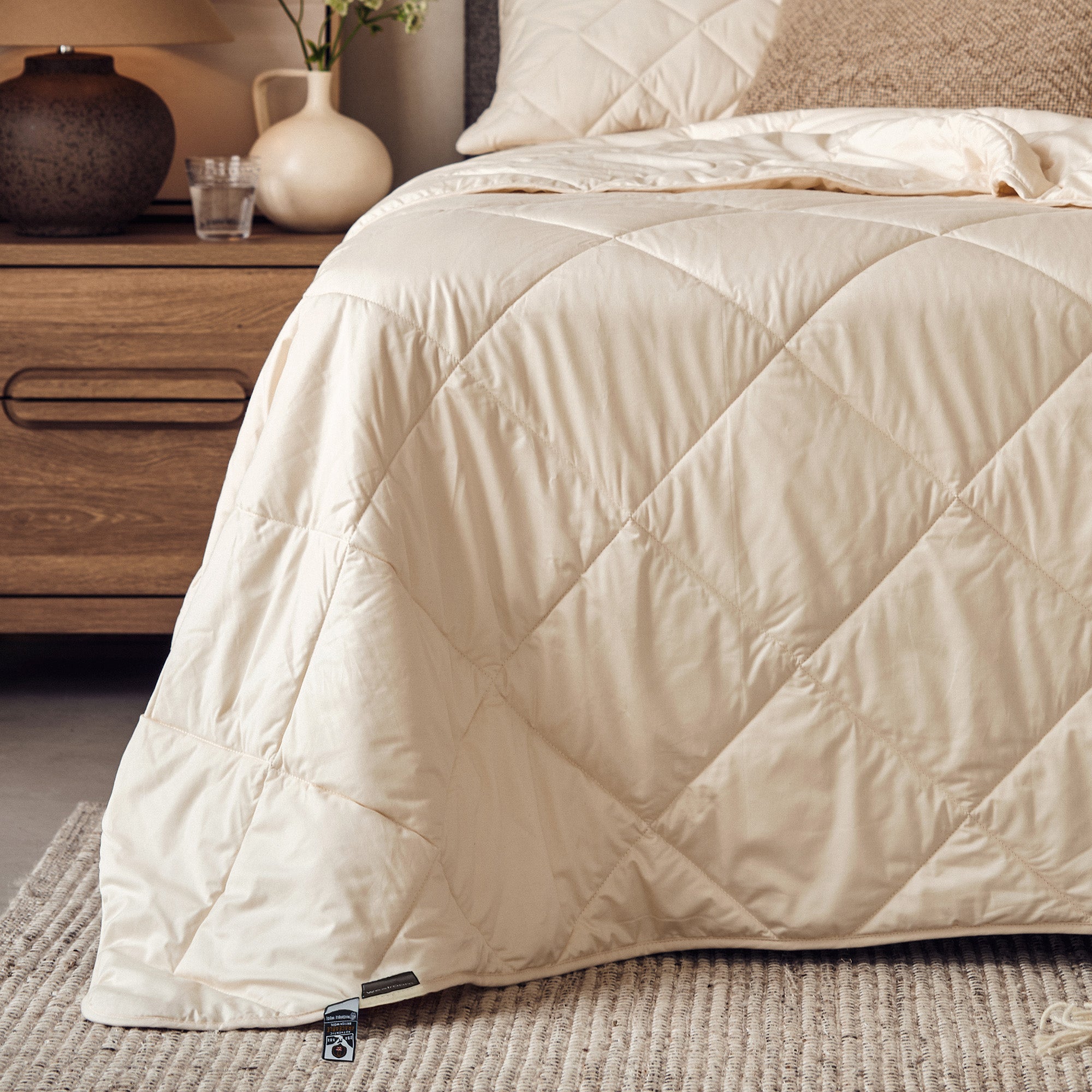
While there isn’t much you can do about fluctuating hormones, you can address external factors like your bedroom temperature and choice of mattress and bedding materials. One of the best natural remedies for hot flushes at night is natural wool bedding. As a fibre, it’s incredibly well suited to sleep because it breathes so well, helping to regulate body temperature instead of trapping heat. Some research suggests that seasonality plays a role in hot flushes at night, with peaks reported in the warmest months, so breathable bedding is really important.
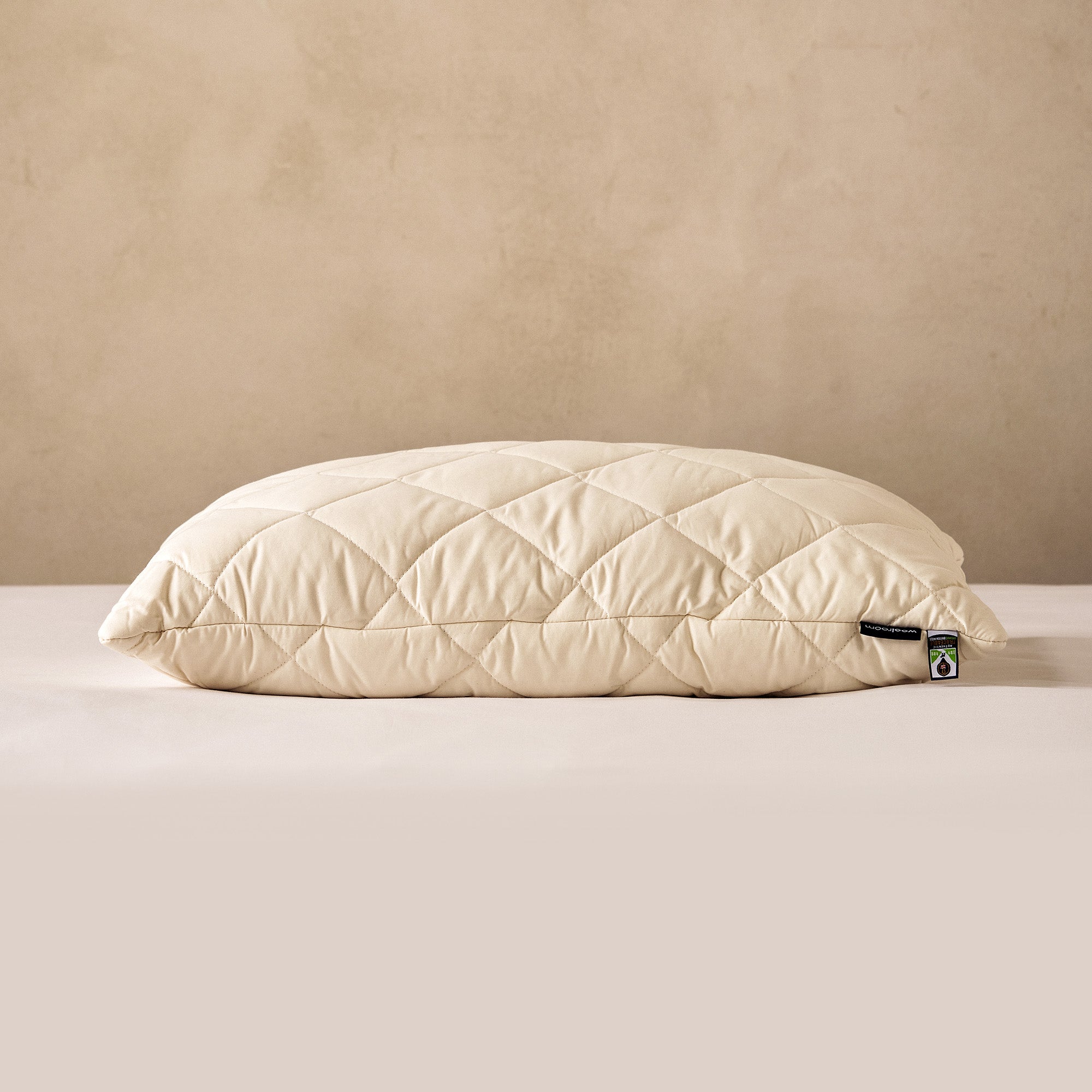
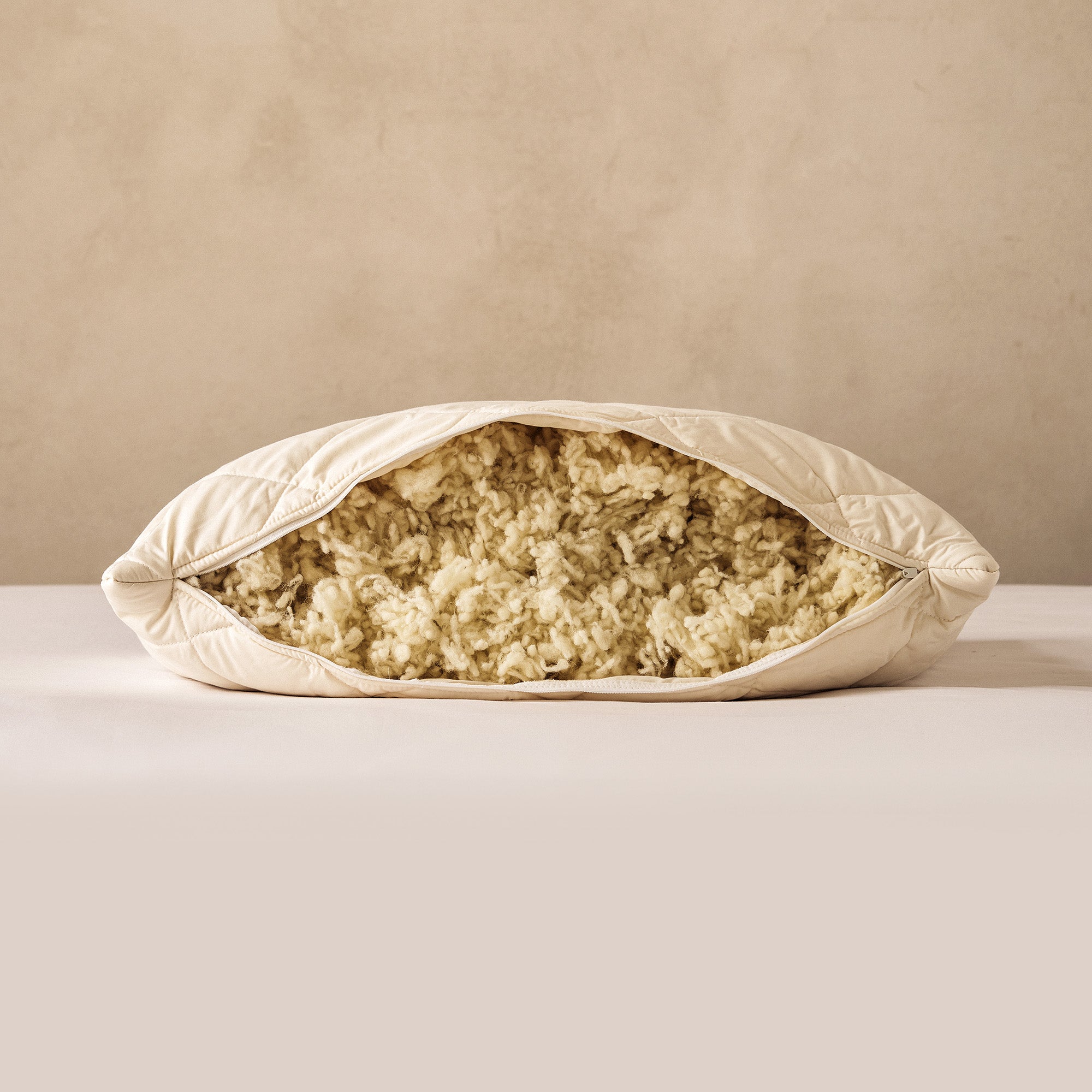
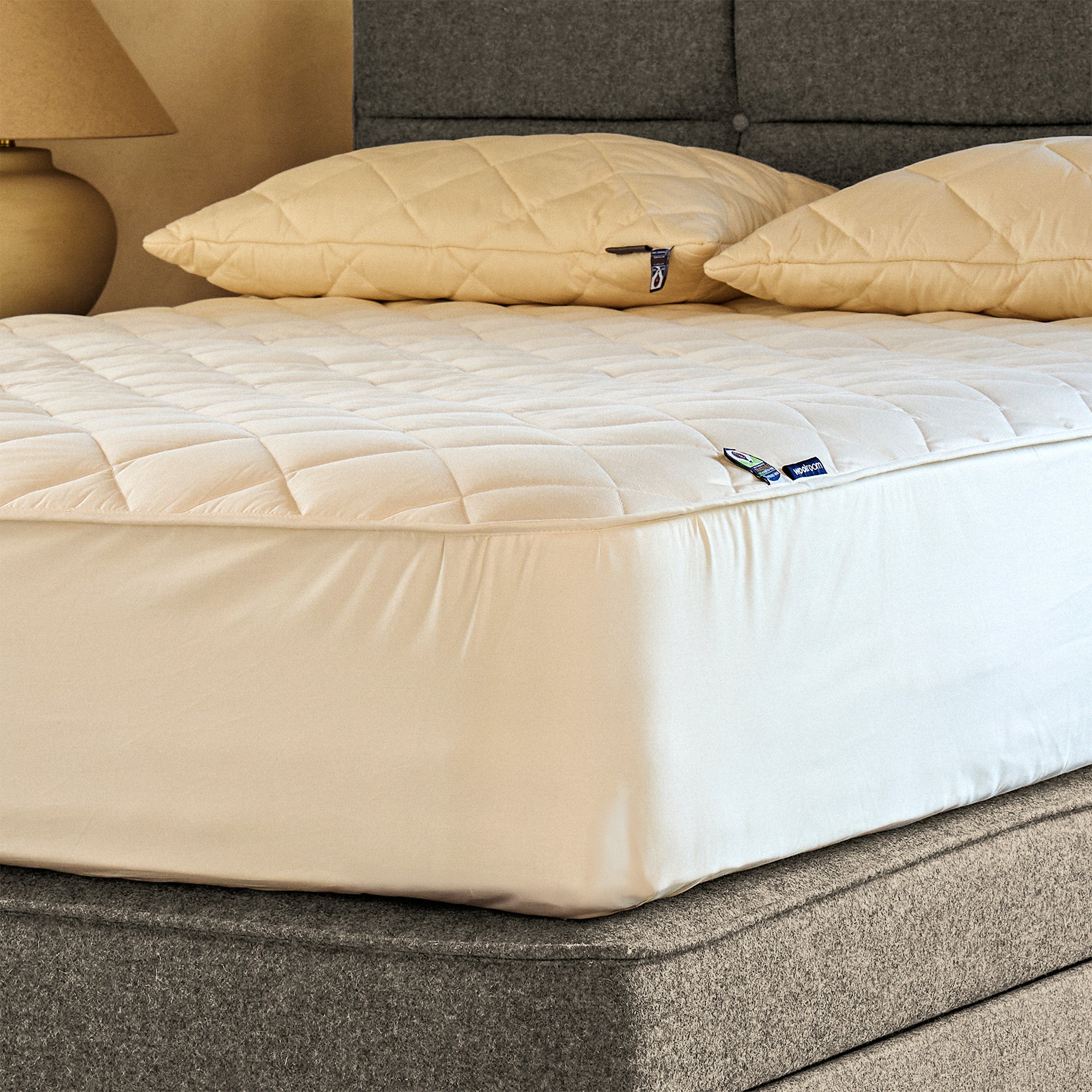
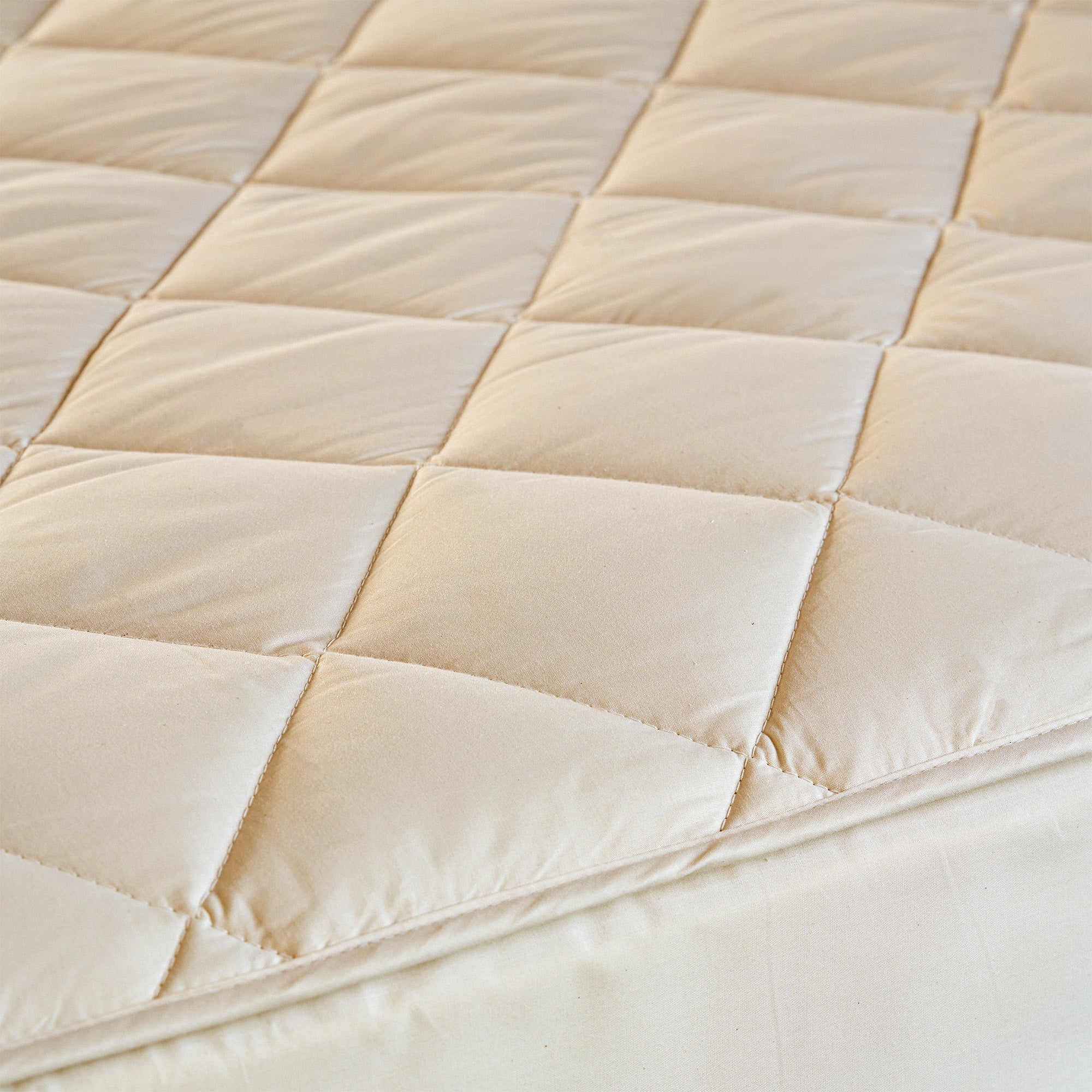
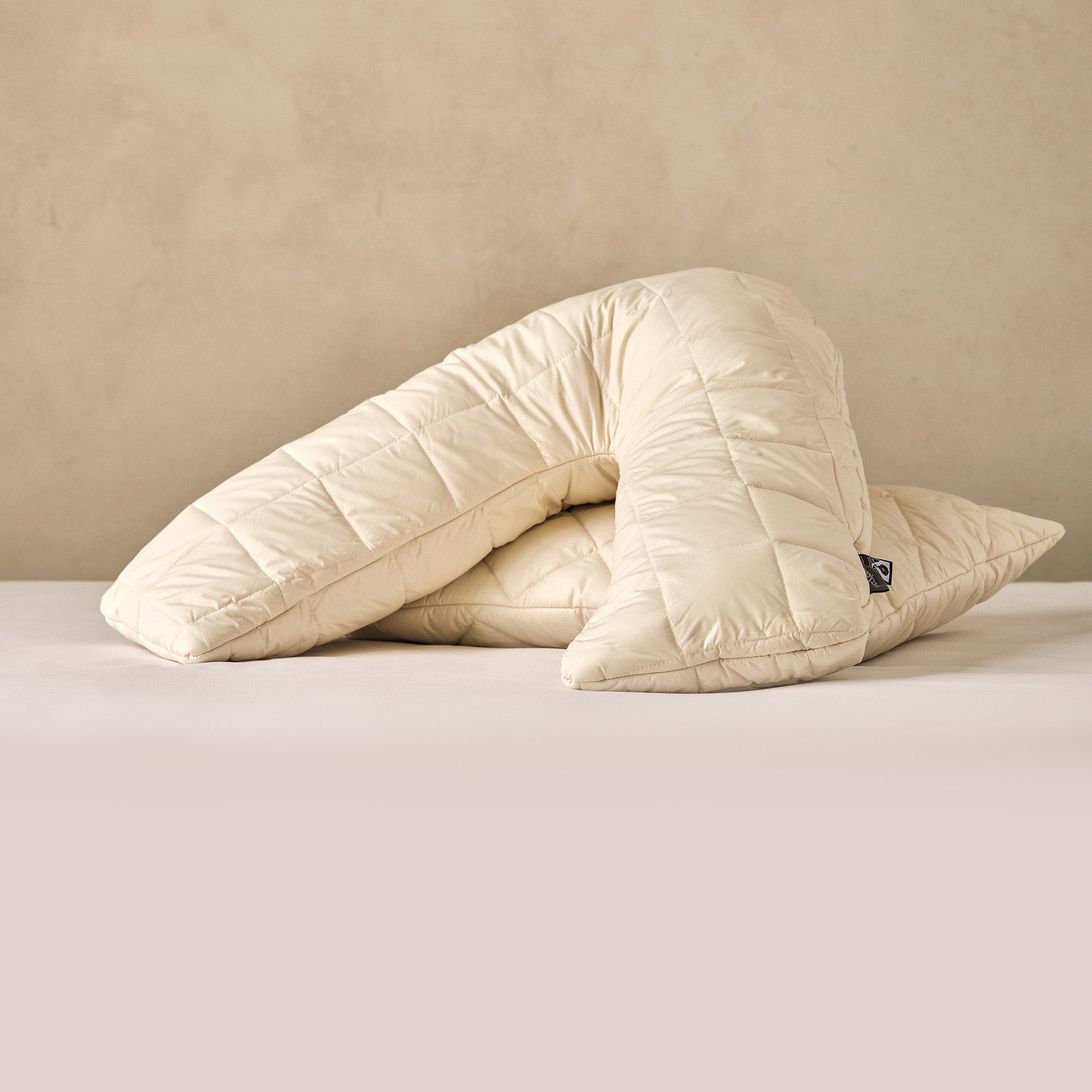
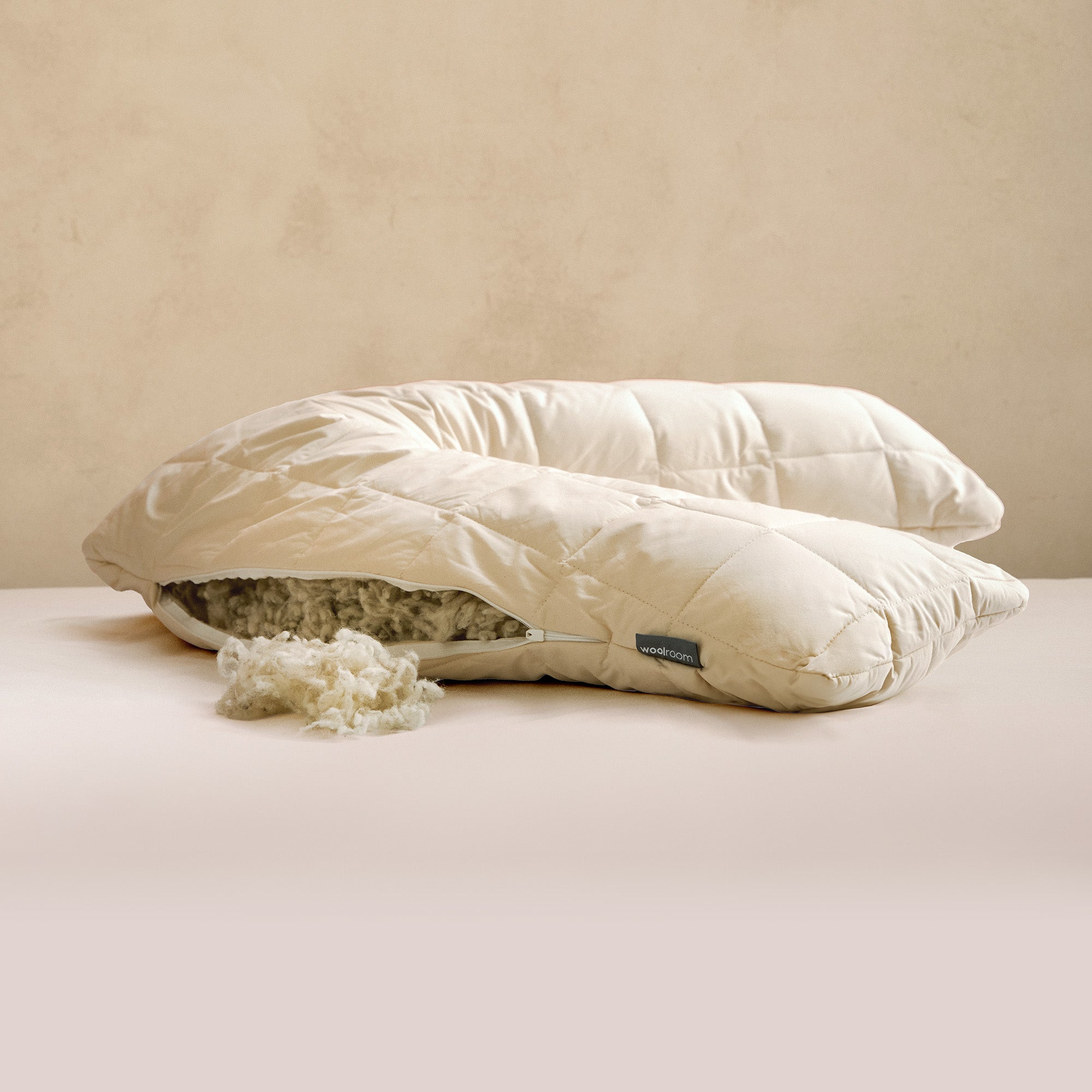
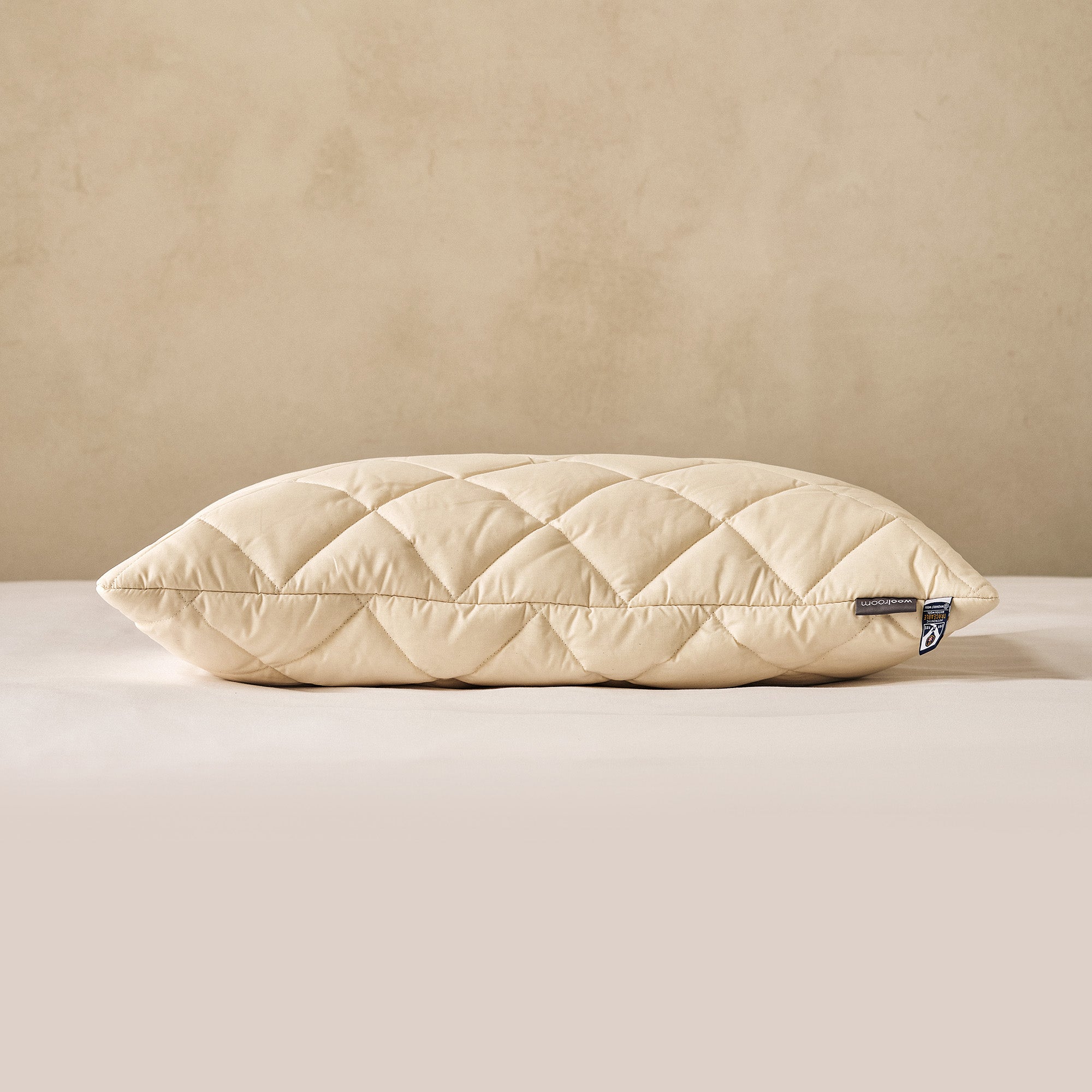
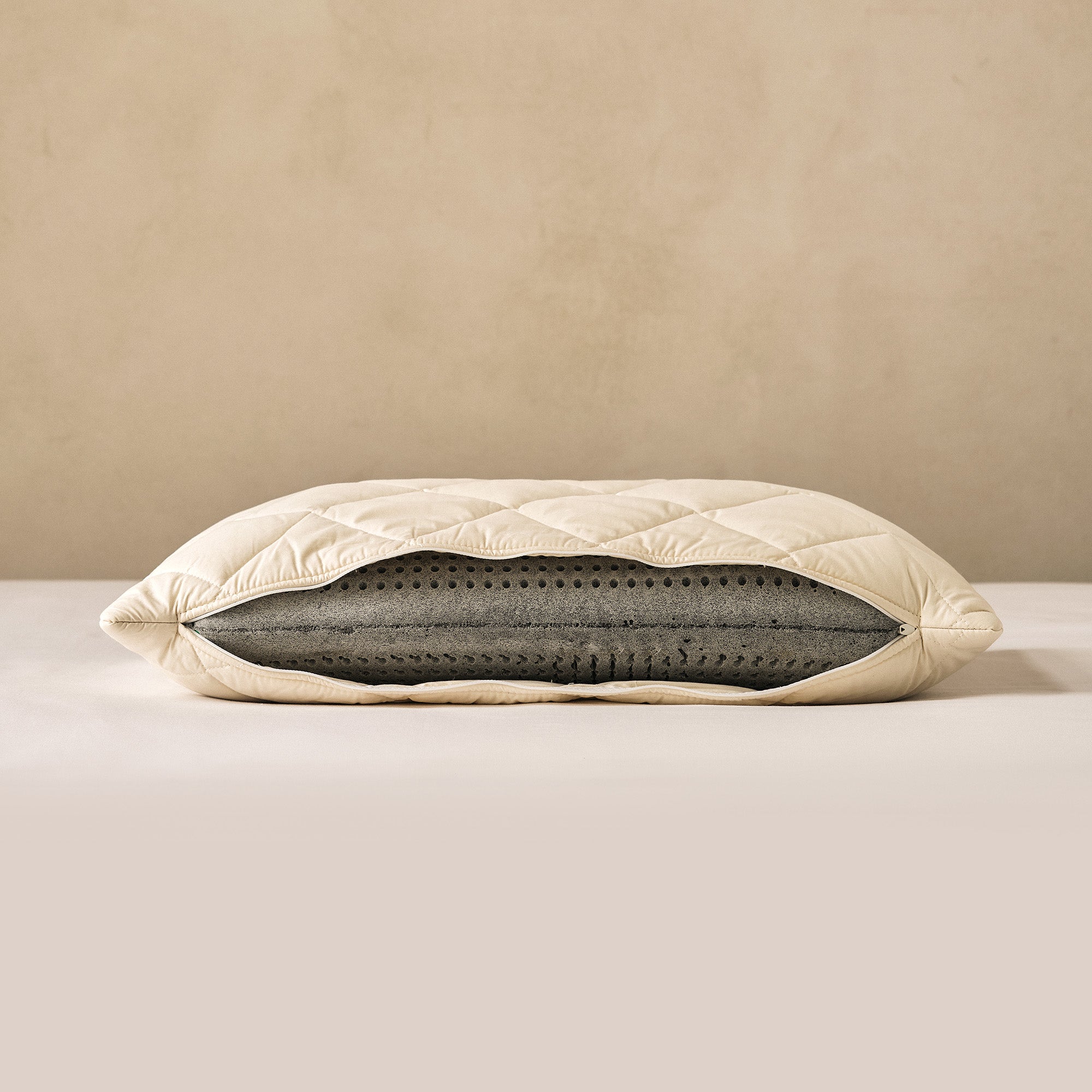
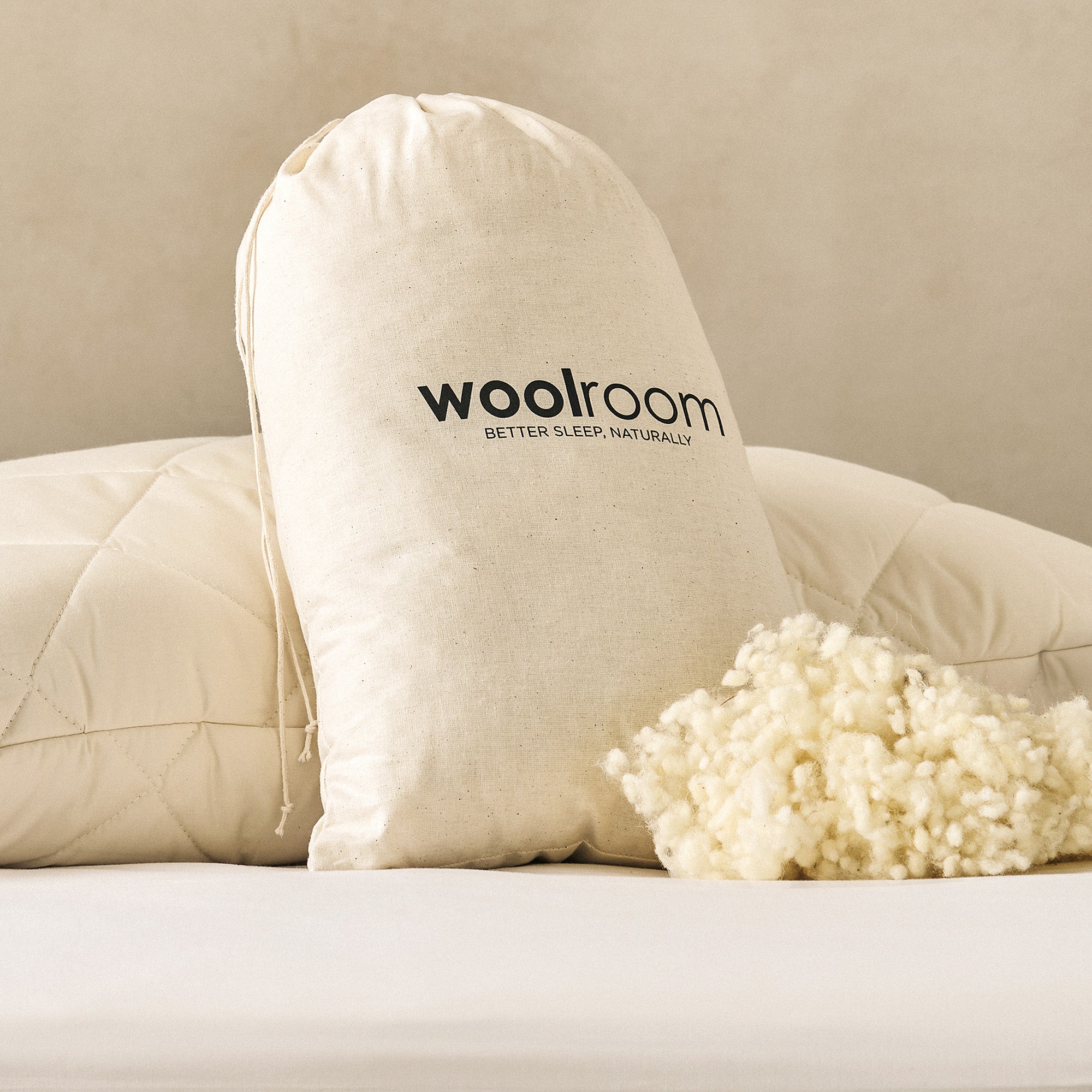
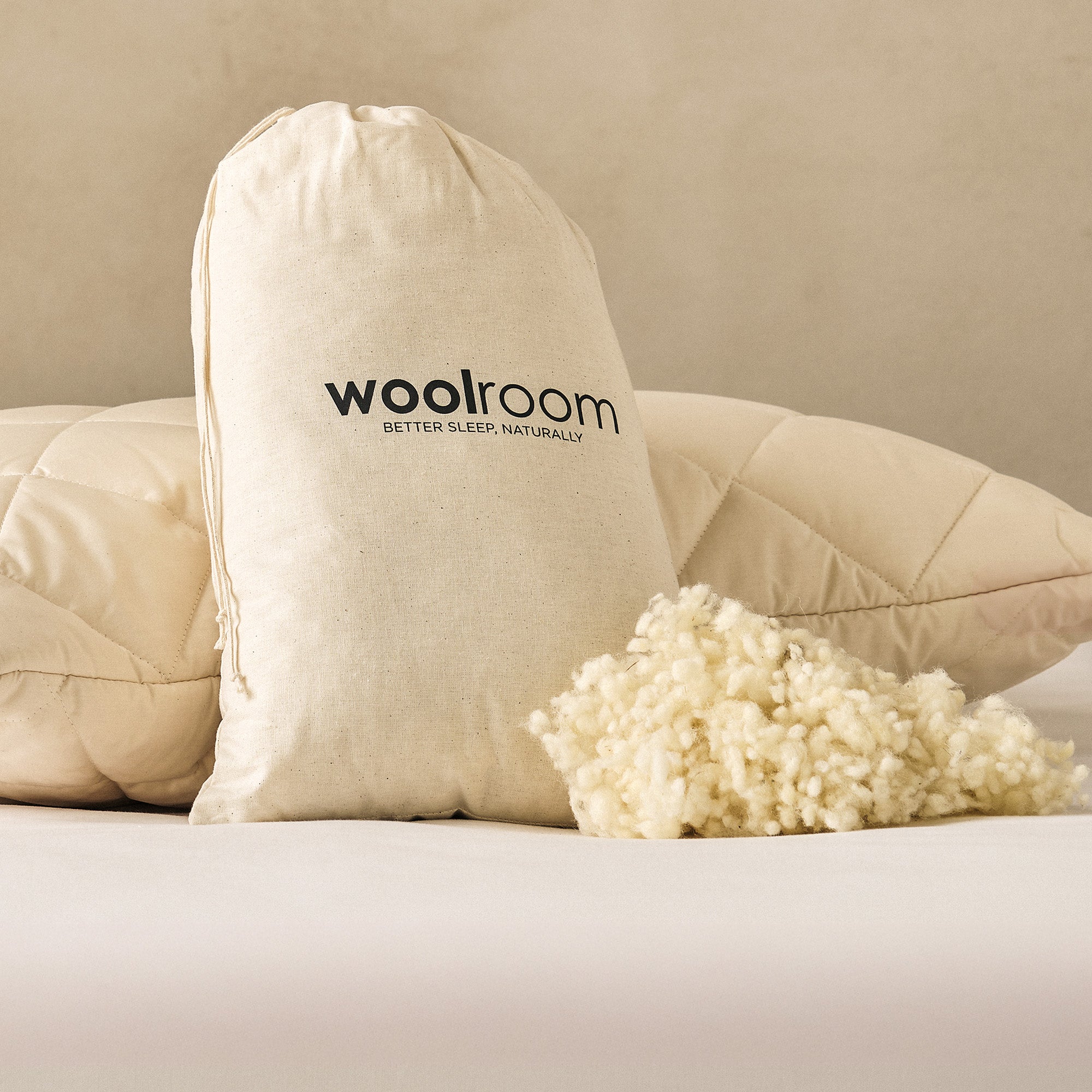
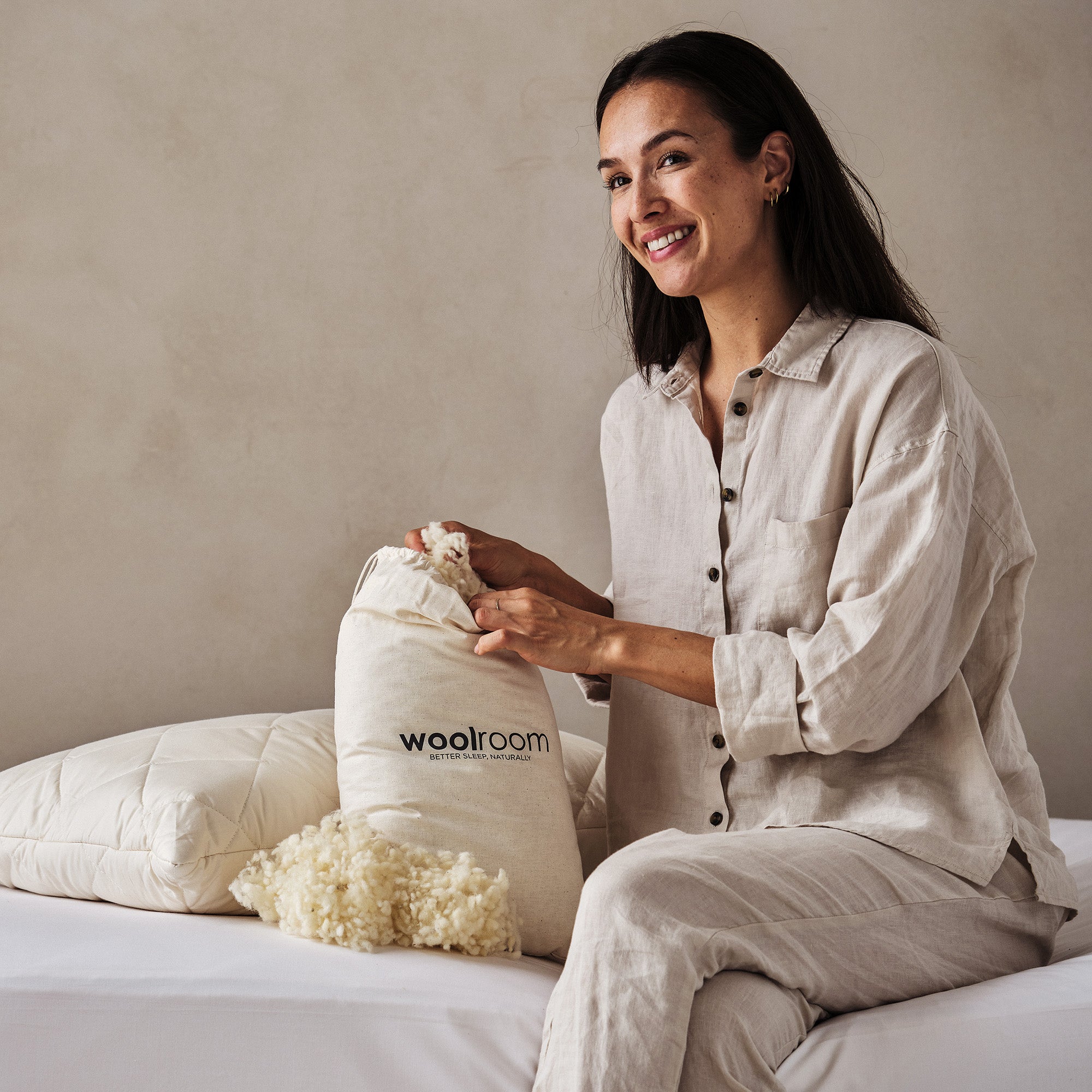
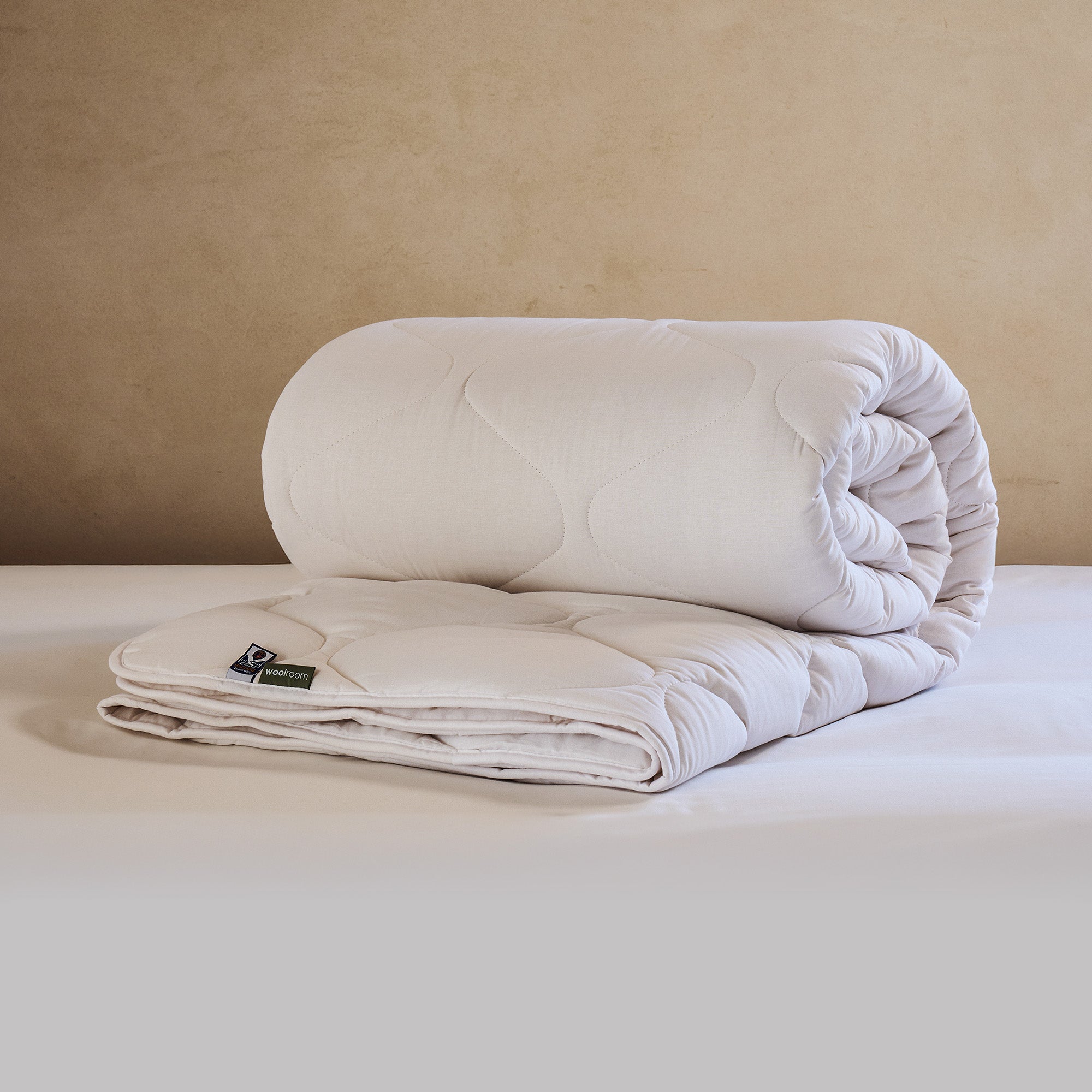
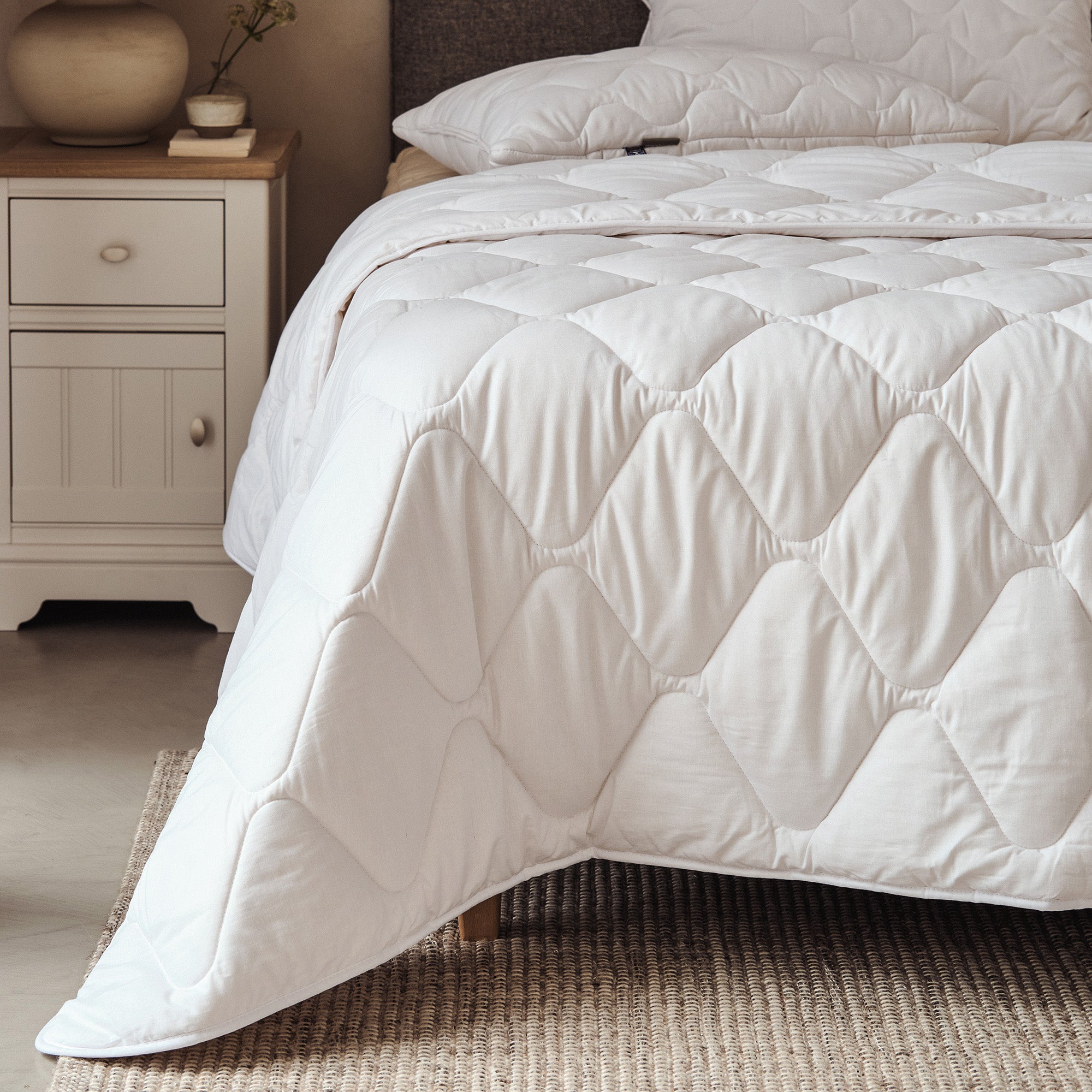
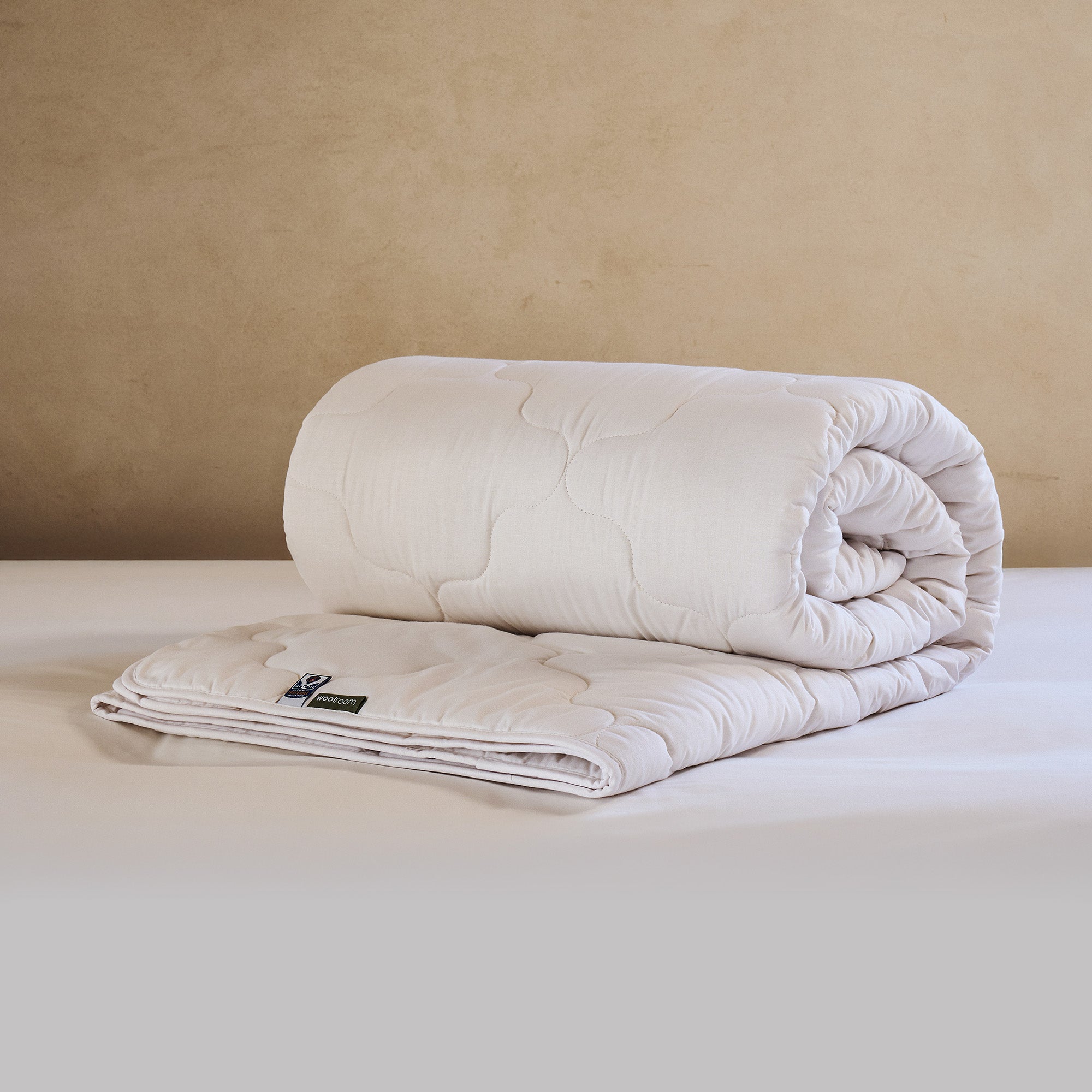
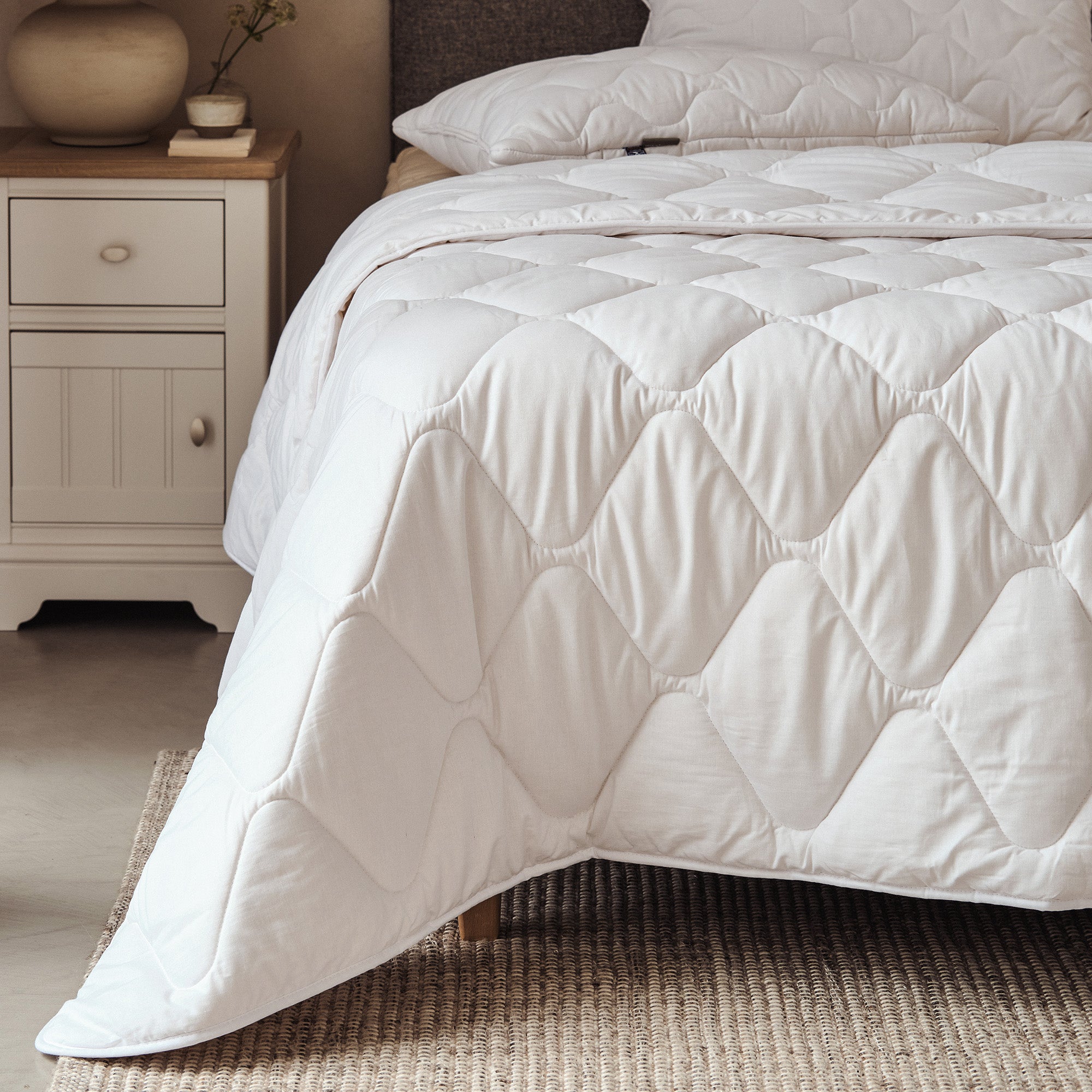
Wool is also wonderfully wicking, capable of absorbing up to 30% of its weight in moisture without feeling damp or heavy, a bonus for anyone struggling with night sweats. In a mattress, organic wool adds a breathable layer that helps promote airflow and wick moisture, and it serves as a natural fire retardant. Natural wool bedding from Woolroom, including our pillows, duvets, and mattress protectors and toppers, offer similar benefits for regulating temperature and managing moisture to keep you feeling more comfortable. While natural wool can’t stop hot flushes in their tracks, nothing can, unfortunately, its innate properties mean it won’t trap heat or sweat the way other materials do.
Keep cool at night with hot flushes
It’s important to understand that while hormonal fluctuations are the main driver of hot flushes, you could be inadvertently making things worse, especially at night. Night-time hot flushes, or night sweats, often feel worse because they’re so disorienting, literally waking you from a sound sleep into a puddle of your own sweat. But ensuring that your bedroom is on the cooler side and upgrading to natural wool bedding can go a long way to making you feel more comfortable if a night-time hot flush strikes.