Key Takeaways
- A comforter is a single piece of bedding, while a duvet is an insert designed to be used with a removable cover.
- You can use a duvet like a comforter, but it’s not ideal for long-term use because the insert will get dirty faster.
- Duvet covers improve hygiene and longevity. They’re easy to wash and protect the duvet insert from sweat, oils, and dust.
- Duvets are often more sustainable than comforters, since you can replace the cover instead of the entire bedding insert.
It’s typical for “comforter” and “duvet” to be used interchangeably, but they’re actually two different kinds of bedding cover. A comforter is a single, ready-to-use blanket. A duvet is an insert with a removable cover. Since they can look similar on the bed, it’s typical for people to wonder whether you can use a duvet as a comforter.
The short answer? Yes, a duvet insert can definitely work like a comforter in some scenarios. But it won’t always work, and there are some best practices worth understanding first. In this guide, we explain why factors like fabric, fill, and design impact whether or not it’s a good idea to use a duvet as a comforter.
Quick answer
Yes, you can use a duvet as a comforter, but it’s not recommended for everyday use. Duvets are designed to be paired with a washable cover that protects the insert from dirt, oils, and moisture. Using a duvet cover helps extend the lifespan of the duvet, keeps your bedding cleaner, and supports better temperature regulation—especially with natural wool duvets.
What is a duvet, and how does it differ from a comforter?
From a functional perspective, duvets and comforters do the same thing. They’re a top bedding layer designed to add warmth and insulation while you sleep. It’s the actual design that makes them distinct.
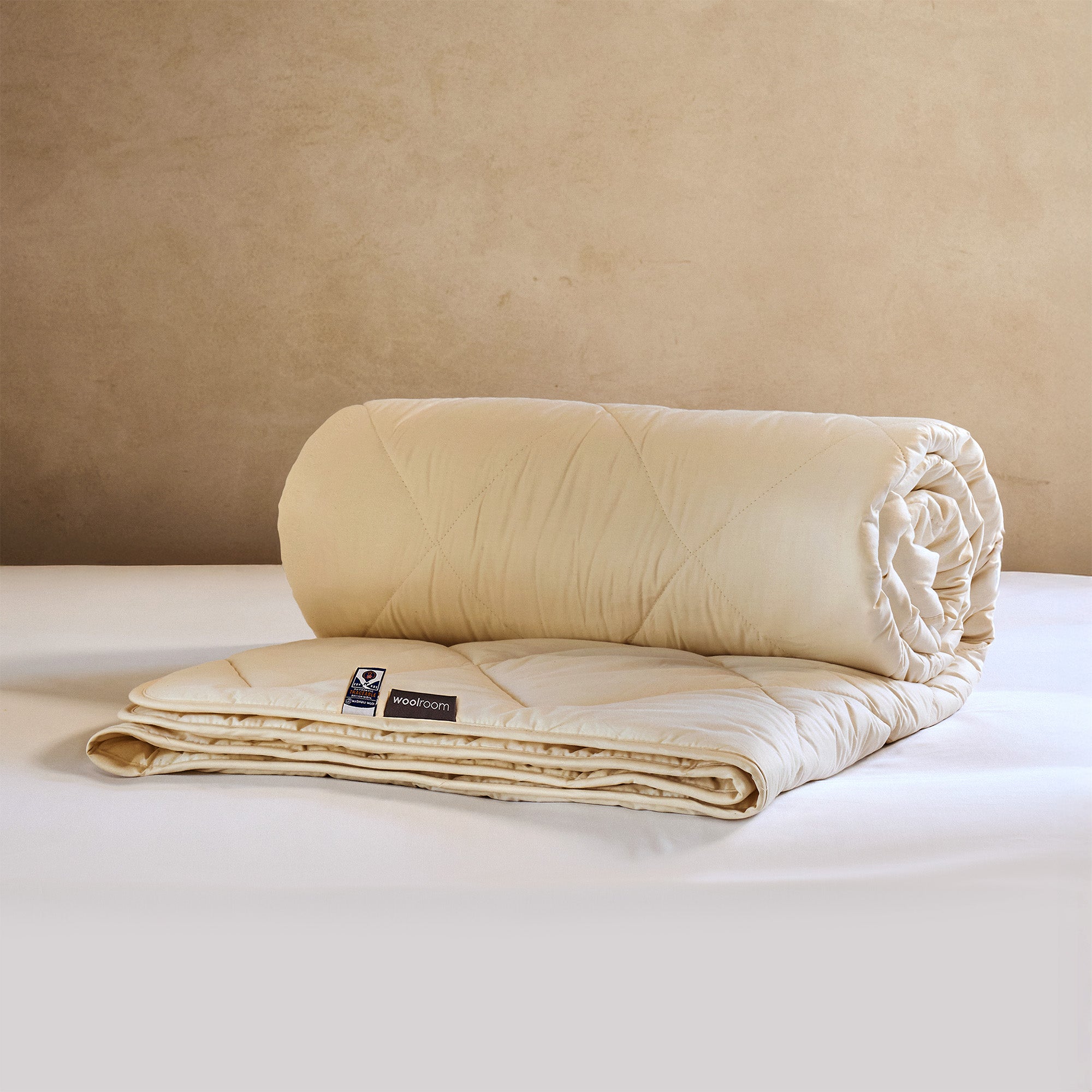
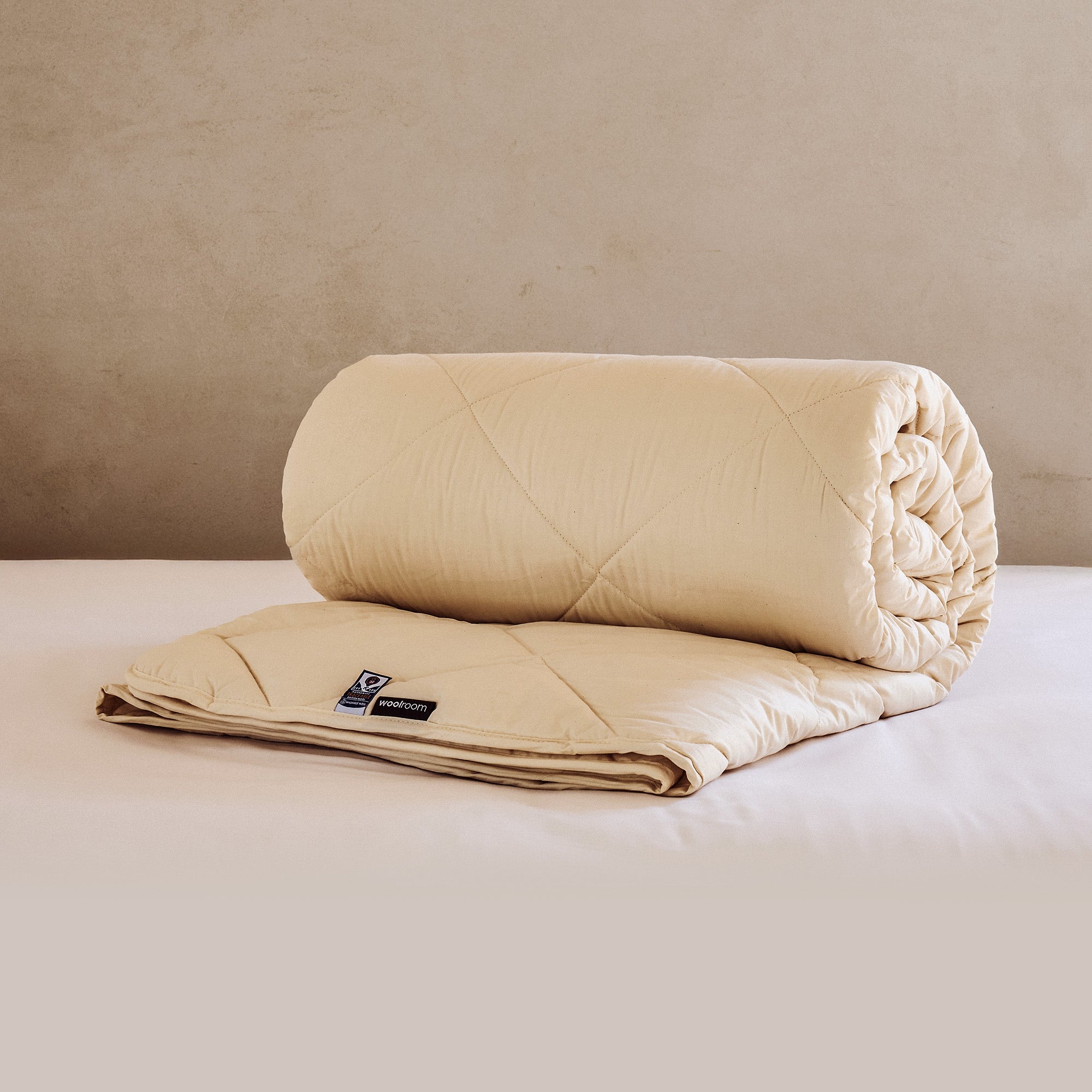
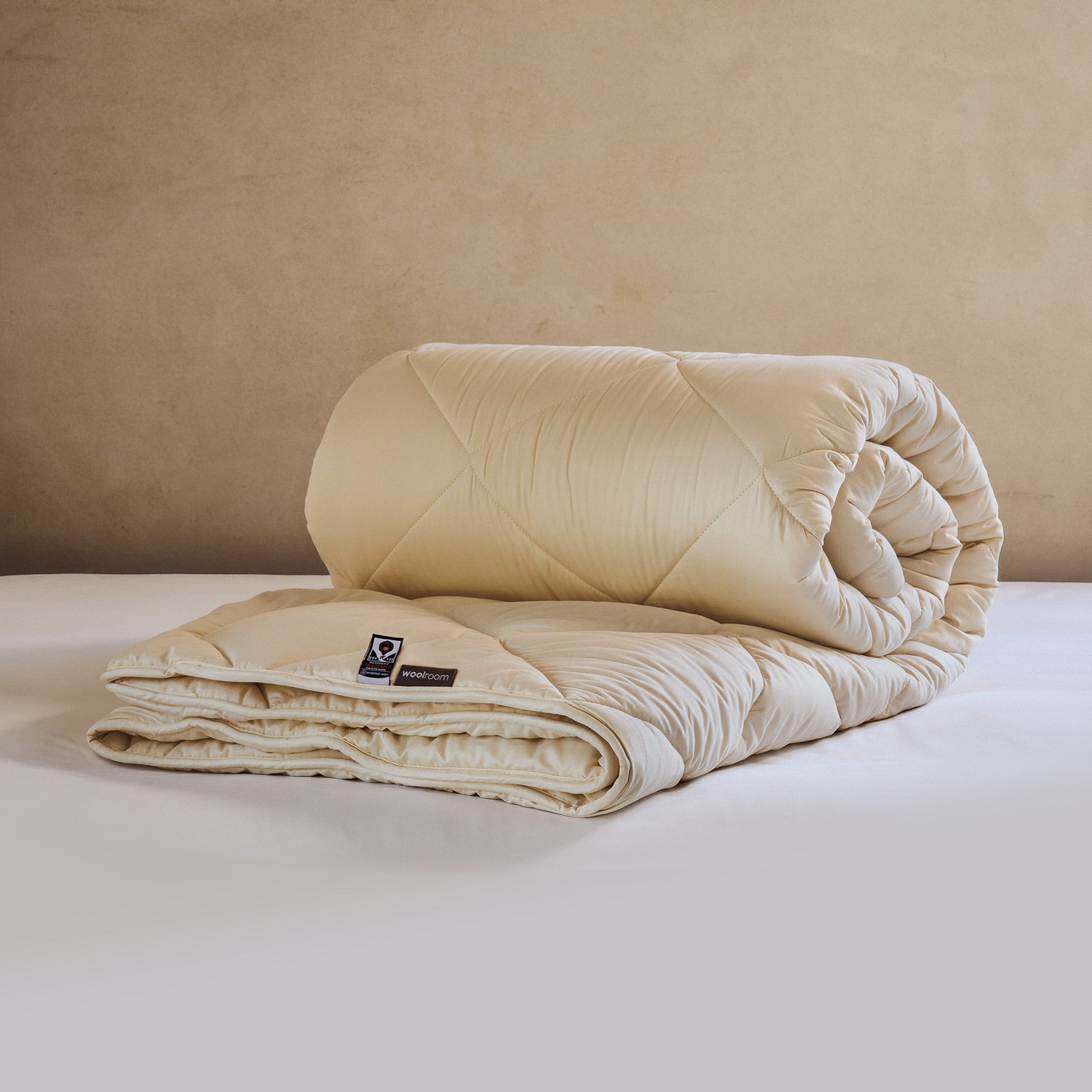
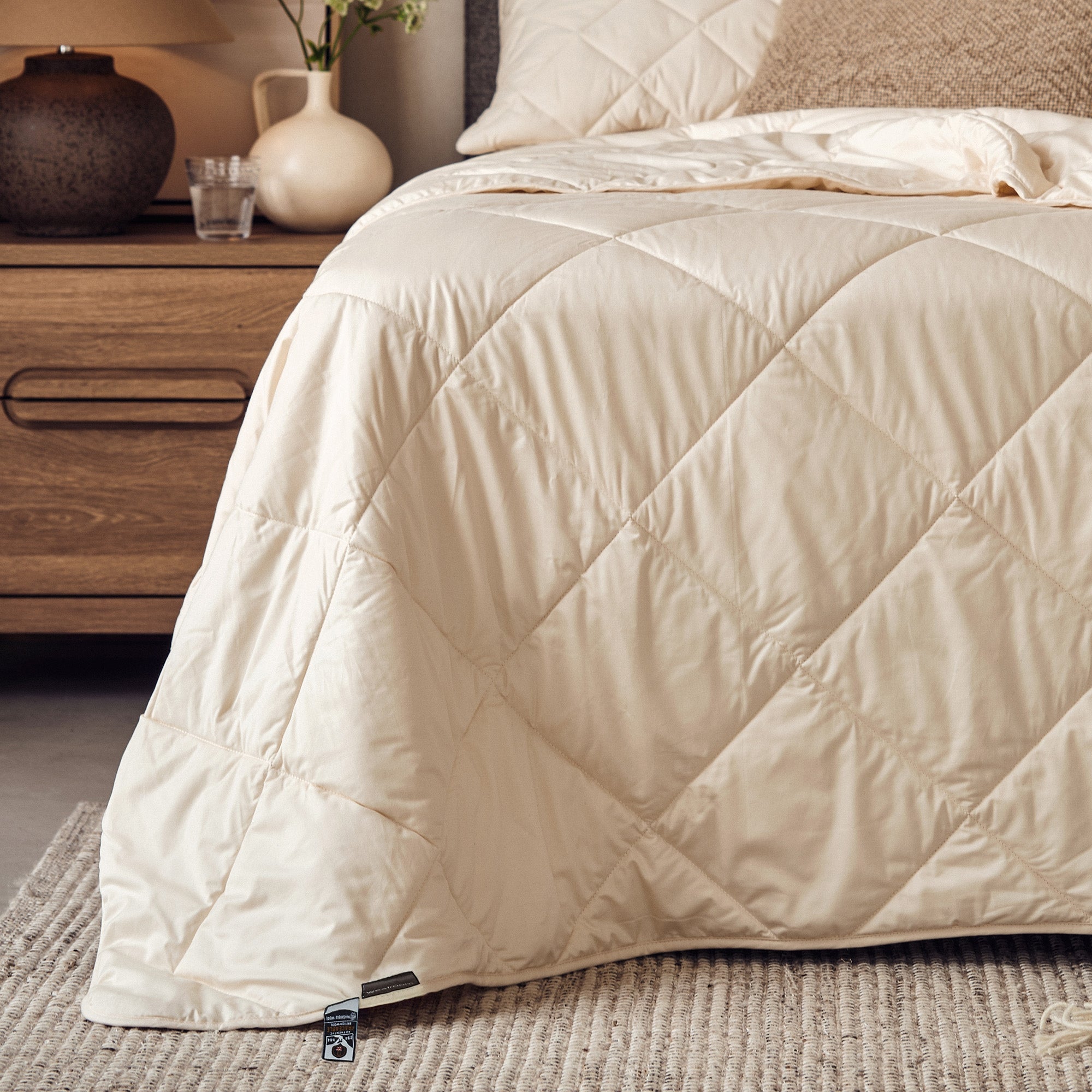
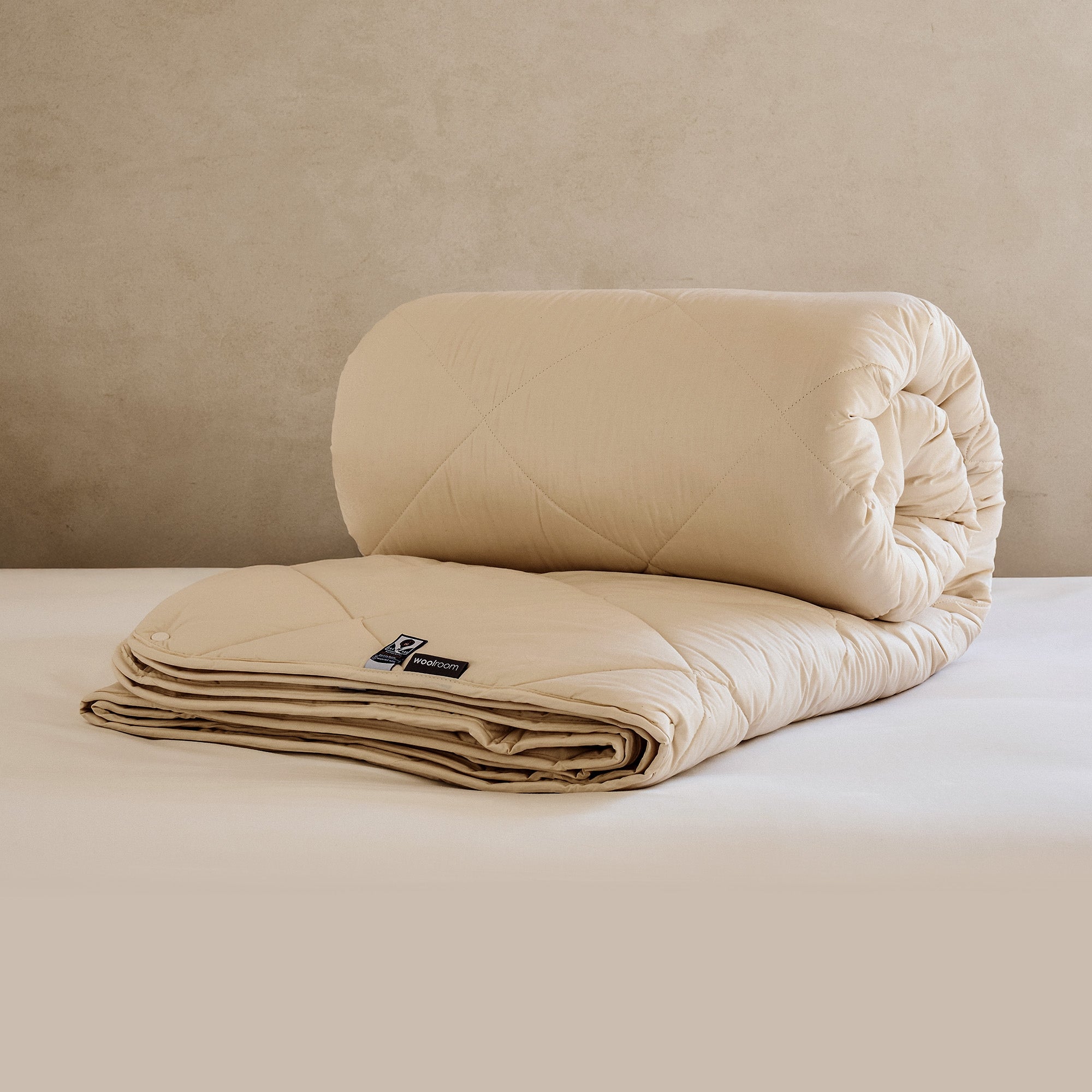
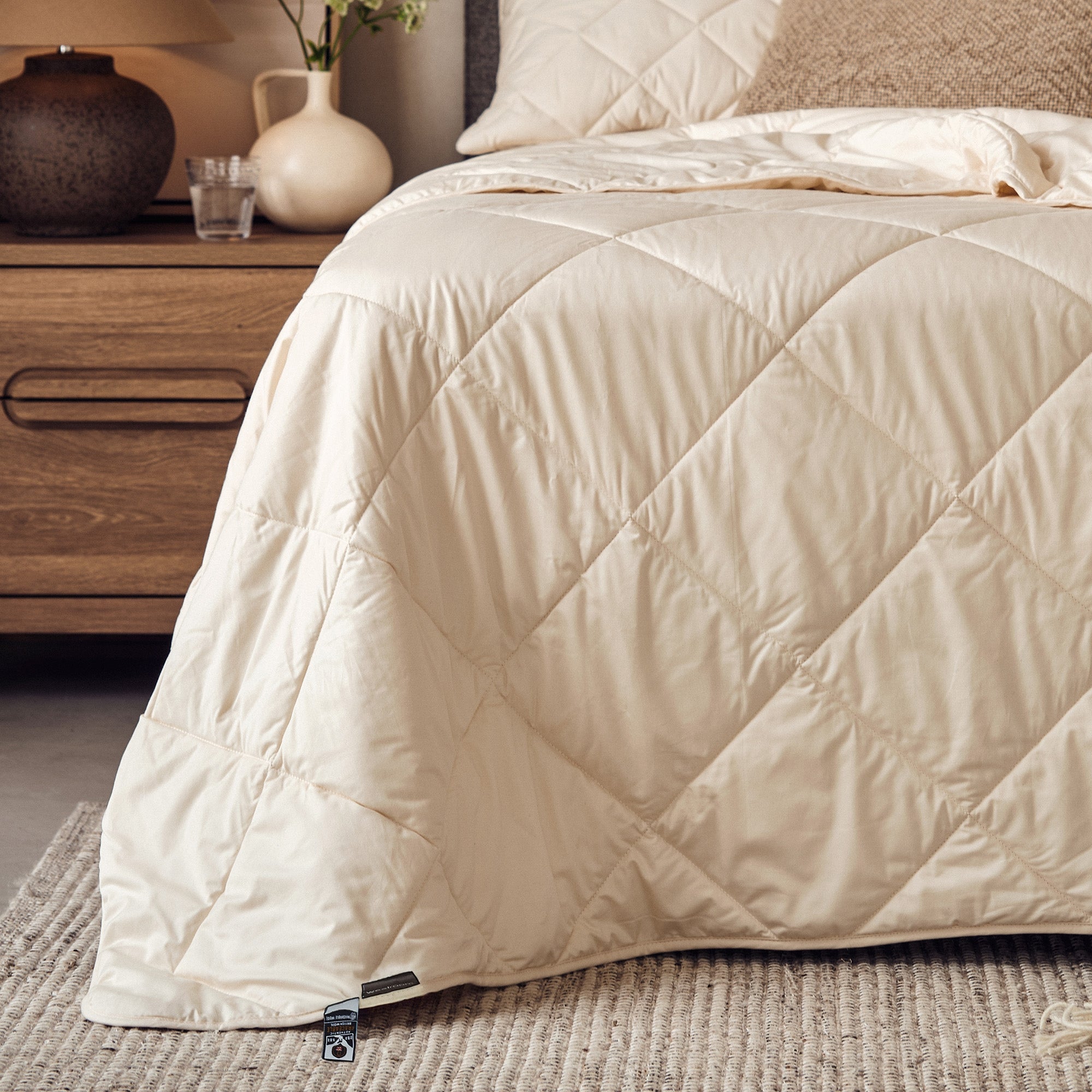
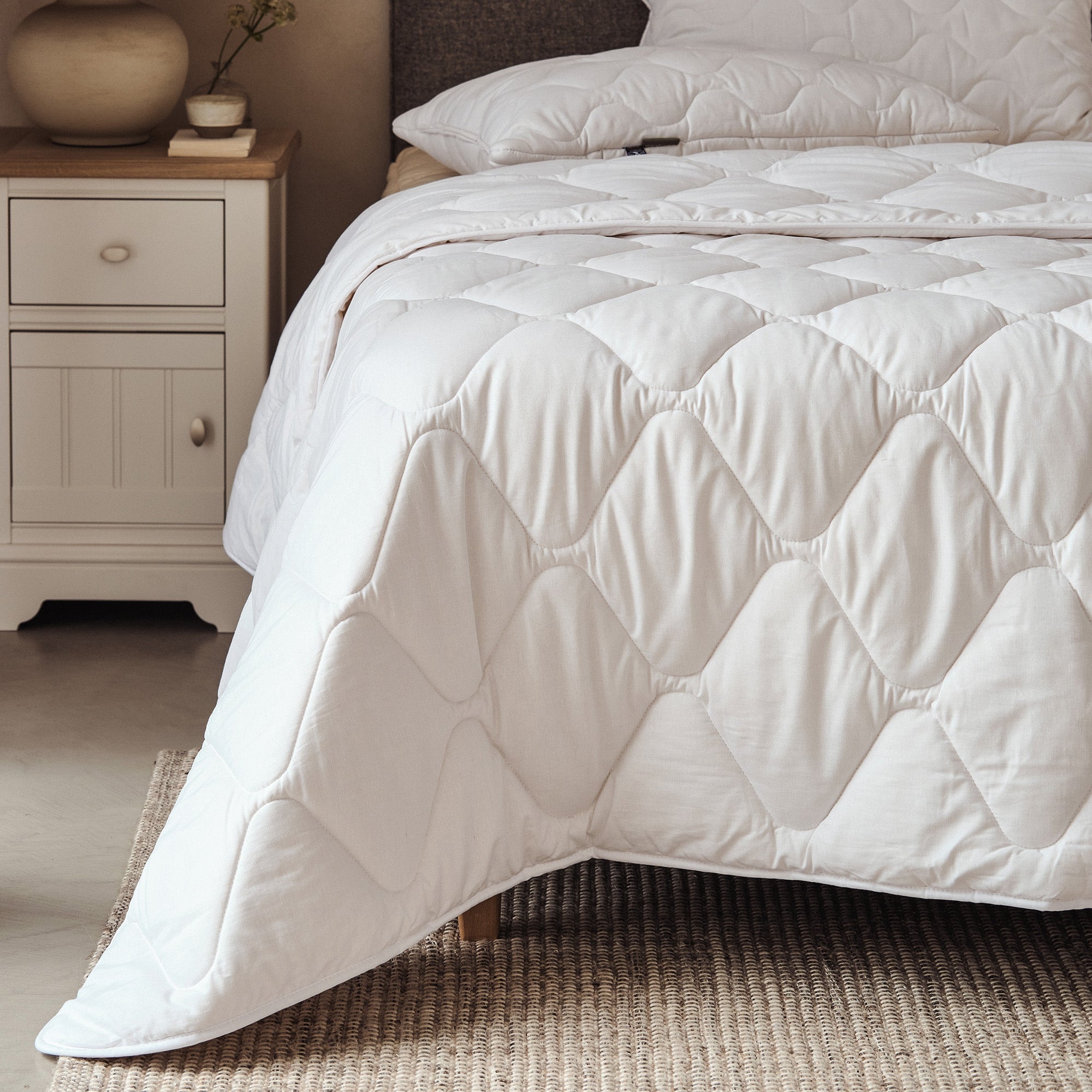
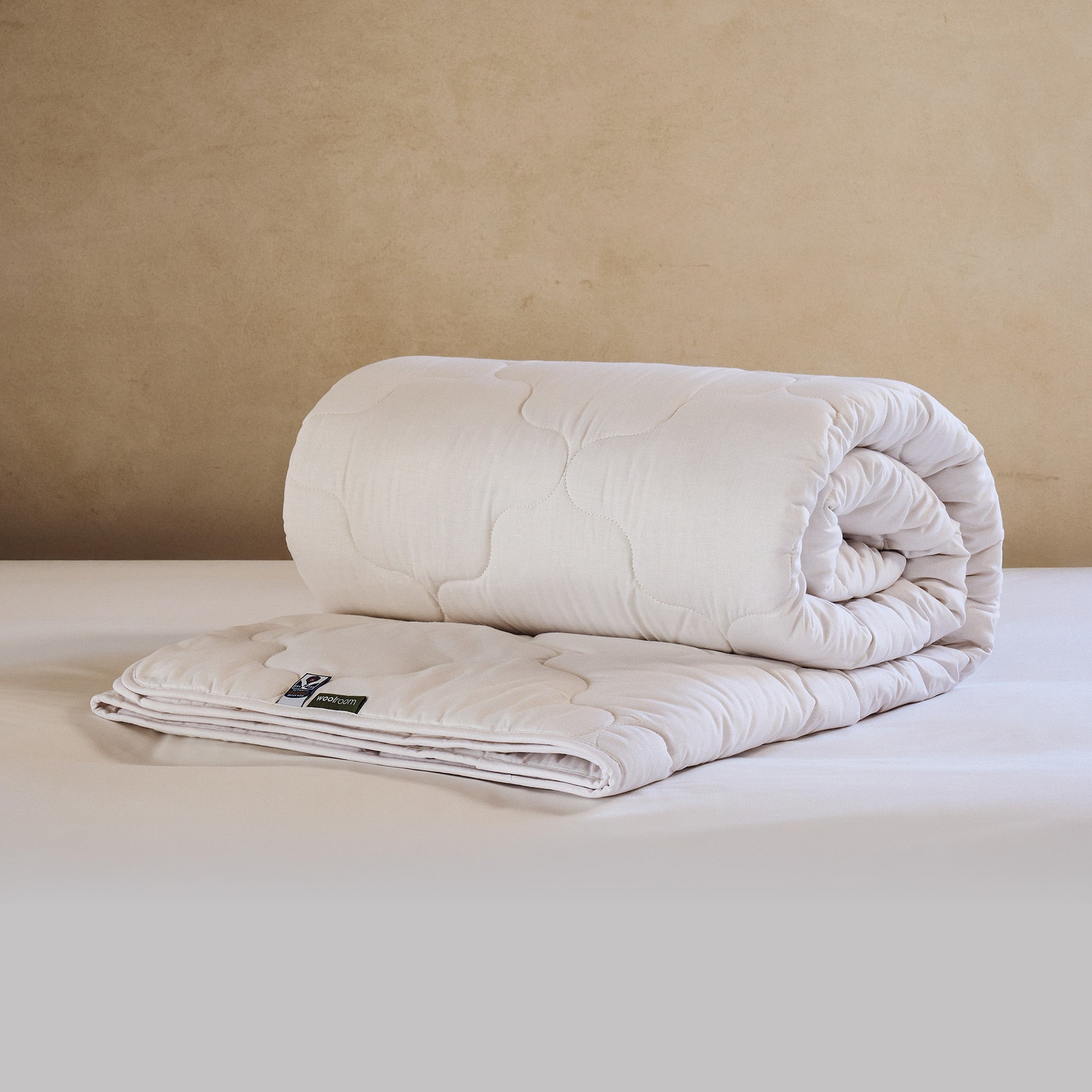
A duvet is a soft, flat insert often filled with down, wool, or cotton. They often have box stitching or a baffle-box design, which keeps the fill evenly distributed. Duvets are intended to be used inside a duvet cover, which is essentially what a pillowcase is to your pillow. The cover protects the duvet from oils and dirt, and it should be removed and washed regularly. The duvet itself can go for longer stretches without being washed, because it’s not in direct contact with your skin. As a bonus, duvet covers can be swapped out to reflect seasonal changes. That makes them both functional and stylish.
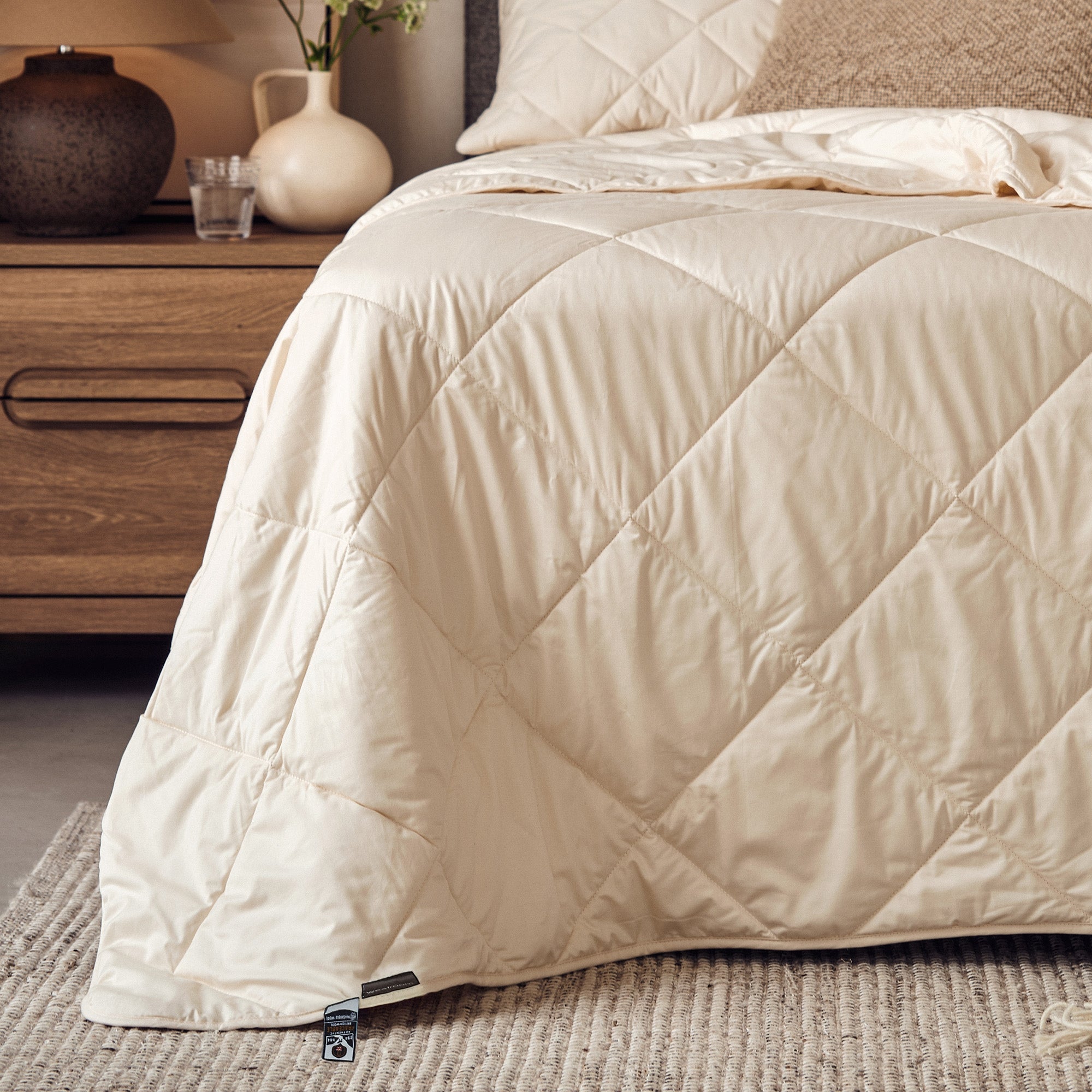
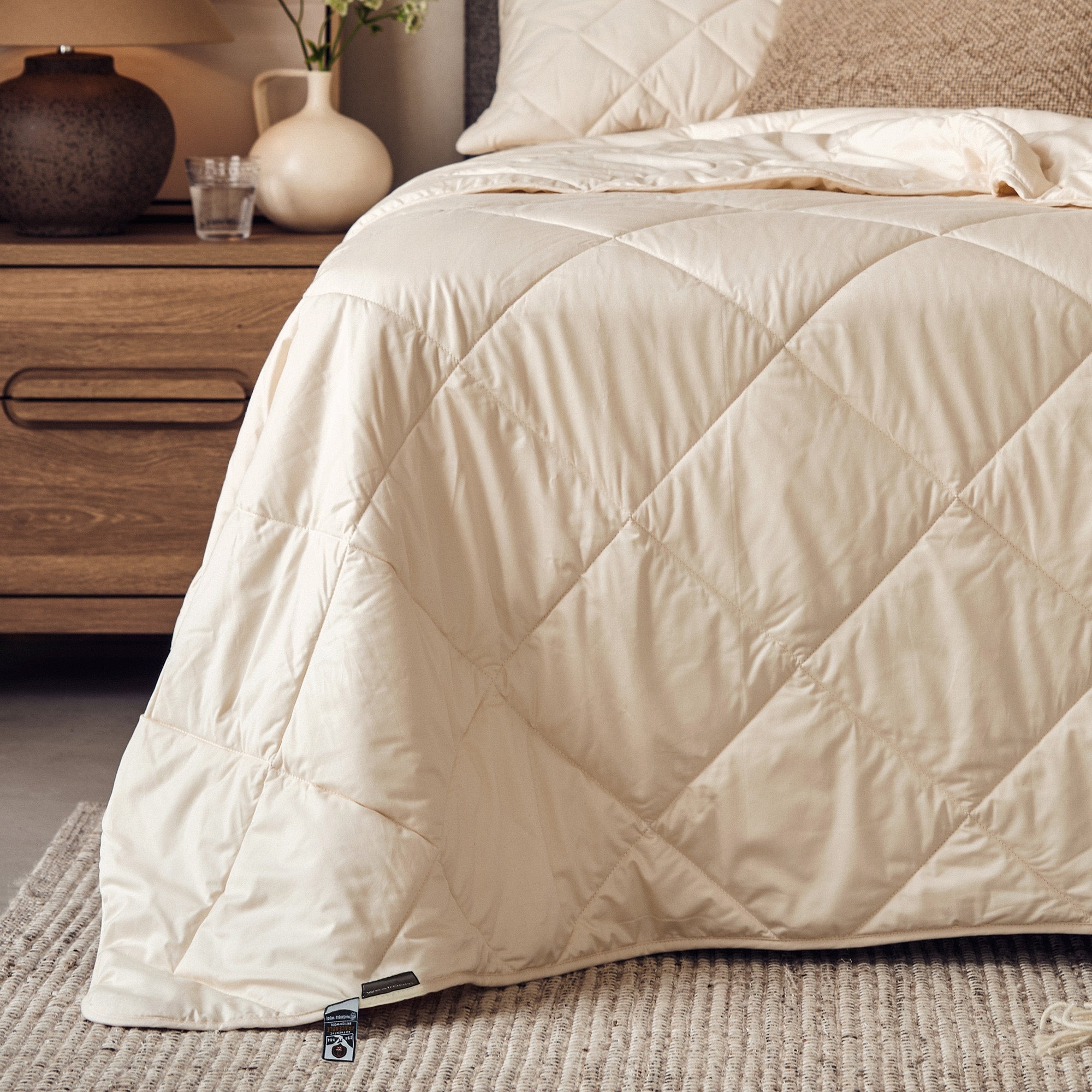
A comforter doesn’t have a cover. It’s a single piece of bedding, so it’s designed to be used as-is. Since comforters are the finishing top layer on a bed, they’re available in a wide range of designs and colors. Comforters should be washed regularly to keep them clean.

How does a duvet cover work?
Duvet covers are straightforward. They go over your duvet, concealing it entirely. That makes the duvet cover the visible component of this layering system. Since they’re designed to be washed regularly, most duvet covers are made with fabrics like cotton, linen, or viscose from bamboo.
Most duvet covers close with buttons, zippers, or ties along the end. Internal corner loops with ties or snaps attach the duvet insert to the cover to keep it from shifting.
The duvet cover/insert approach offers a few advantages:
- Easier cleaning. The duvet cover is easier to wash than the duvet itself.
- Customizable style. Switching out the duvet updates the look of your bed, and folded duvet covers take up less space than fluffier duvets.
- Longer lifespan. Duvet covers protect the duvet from oils, sweats, and the kind of friction that can break down materials over time.
- Protection for natural fibers. Wool and down duvets perform better for longer with less frequent washing, and a duvet cover makes that possible.

Can you use a duvet without a cover?
While you could use a duvet without a cover, it’s not the best idea. A cover serves the same purpose as a pillowcase by protecting what’s inside and making it easier to keep your bedding clean. When you forgo this sort of protective layer, the duvet itself absorbs sweat, body oils, and dust. That means you’ll need to wash the entire duvet insert along with the rest of your bed linens to keep your sleep space fresh and clean.
That doesn’t mean skipping the duvet cover is never an option. Sleeping with a bare duvet once or twice isn’t going to do serious damage. But it’s best to get into the habit of using a duvet cover, especially if your duvet is made with natural materials like down or wool.
Down duvets are incredibly insulating, which creates the kind of moist, warm environment dust mites love. When you skip the protective layer, you’re making it even more appealing to these kinds of contaminants. As for wool duvets, most aren’t designed for frequent machine washing.
Keep in mind that most duvet inserts are specifically designed to be paired with a cover. Leaving them bare can give your bed an unfinished or plain appearance.
Here at Woolroom, we highly recommend using a duvet cover with your natural wool duvet. It protects the wool filling, supports the fiber’s natural temperature regulation, and makes it easy to keep your duvet clean.
Why duvet systems are better than comforters (especially for natural sleep)
Comforters may be more common in the US, but duvets offer several advantages in the form of cleaner, more breathable, more sustainable sleep spaces.
- Better hygiene. Removable duvet covers are washable. Instead of washing the entire duvet insert, you simply wash the cover regularly. That keeps your sleep surface clean and protects the insert inside. Comforters need more regular laundering, but that’s not always easy. They tend to be bulky and difficult to wash in conventional machines. That’s why many people avoid cleaning them.
- Longer lifespan. Comforters often degrade faster because they’re washed more often. Duvets tend to last longer, especially when they’re aired regularly and covered properly. That means better structure and performance for a longer timeframe.
- Better temperature control. Pairing Woolroom’s natural wool duvets with breathable cotton or linen duvet covers supports an adaptive sleep space. Wool fibers are naturally breathable and moisture wicking, which helps you stay comfortable. Many traditional comforters use synthetic fills, which are prone to trapping heat and humidity. That can lead to overheating at night.
-
More sustainable.Woolroom’s products are free from microplastics and harmful chemicals, making them a more environmentally responsible choice. Duvet systems also reduce waste by extending the lifespan of your bedding. Woolroom’s wool duvets are also hypoallergenic, making them a good choice for sleepers with allergies and sensitivities

Common duvet vs comforter myths: debunked
If you grew up with a comforter, a duvet may seem confusing or complicated. That’s actually not the case! Here’s what to understand about duvet systems.
Myth 1: “Comforters are easier to use.”
Comforters go straight on the bed, it’s true, but duvets are actually easier to maintain over time. Instead of dragging the entire duvet to the laundry room or dry cleaner, you just strip off the duvet cover and pop it in the wash. They’re easy to put on and take off, and again, they do a great job of keeping your duvet insert clean.
Myth 2: “Duvets are too fussy.”
Modern duvets are designed to stay neatly in place, thanks to internal corner ties or snaps that prevent bunching and shifting. Tucking your duvet securely into the cover is quick and easy, making it a small action with a big payoff.
Myth 3: “You don’t need a cover.”
Without a cover on your duvet, it will absorb sweat, body oil, and everyday debris. That’s the kind of buildup that affects long-term performance and lifespan. A breathable cover helps protect your duvet and supports a cleaner, more sustainable sleep environment.
Conclusion
Duvets and comforters may seem pretty similar, but learning more about them reveals the differences. Duvet systems offer advantages in hygiene, temperature regulation, longevity, and sustainability, particularly when you choose a natural wool duvet from Woolroom.
If you’re looking for a healthier, more natural sleep setup, a wool duvet paired with a cotton cover is one of the simplest upgrades you can make to your bed. And Woolroom makes it easy!