Au cours de la dernière décennie, la fast fashion est devenue le symbole d'une approche jetable de la consommation vestimentaire.
Bien que le modèle lui-même existe depuis bien plus longtemps, les conséquences environnementales et sociales de la production de vêtements bon marché à partir de fibres synthétiques - conçus pour être portés brièvement, guidés par les tendances et rapidement remplacés - sont de plus en plus remises en question.
Ce qui est moins largement discuté, c'est que le même modèle est également apparu dans nos maisons.
Des meubles bon marché aux accessoires décoratifs et aux textiles de maison, de nombreux produits sont désormais conçus autour de cycles de remplacement courts. Les commentateurs ont de plus en plus décrit cette tendance comme la « fast homeware» - l'équivalent domestique de la fast fashion.
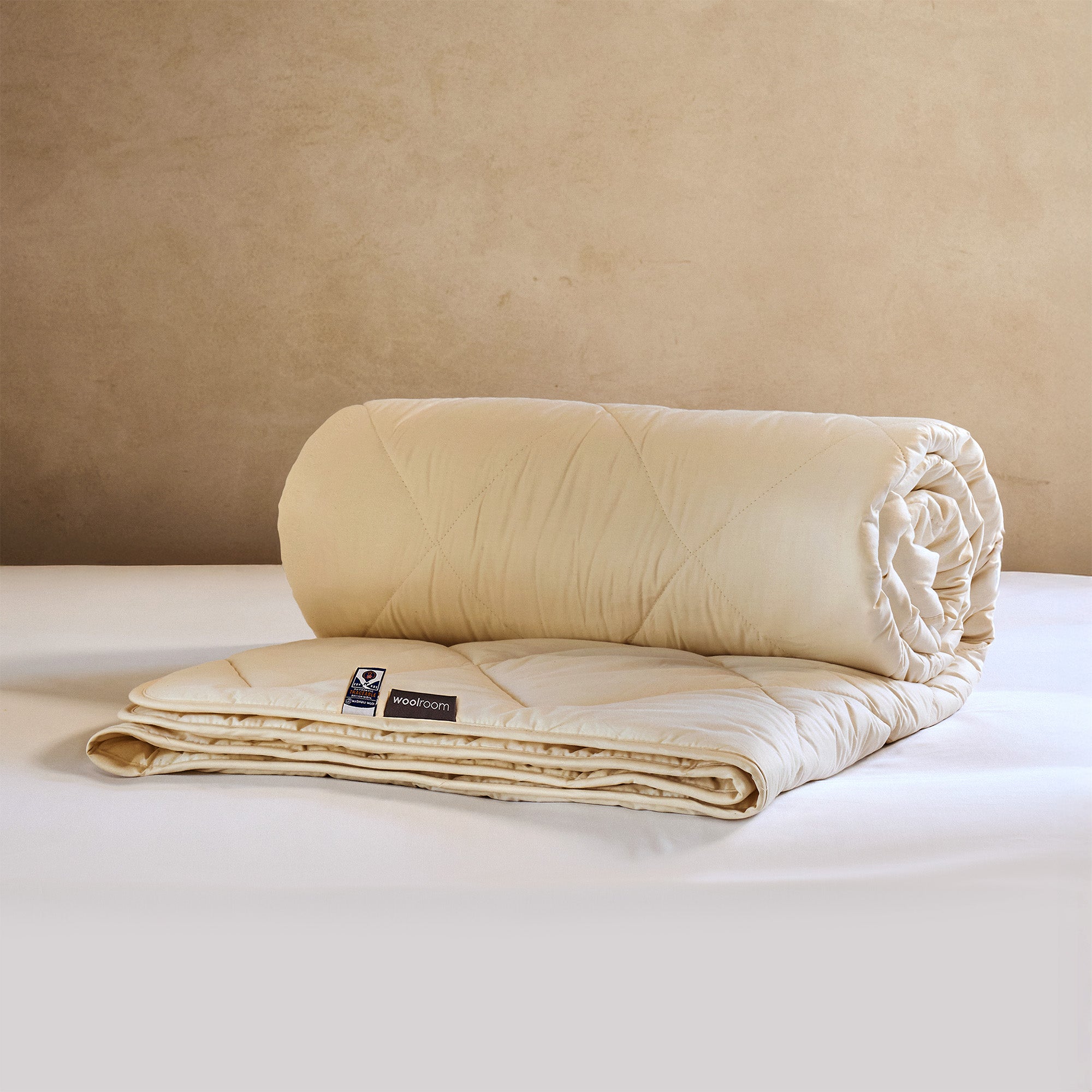
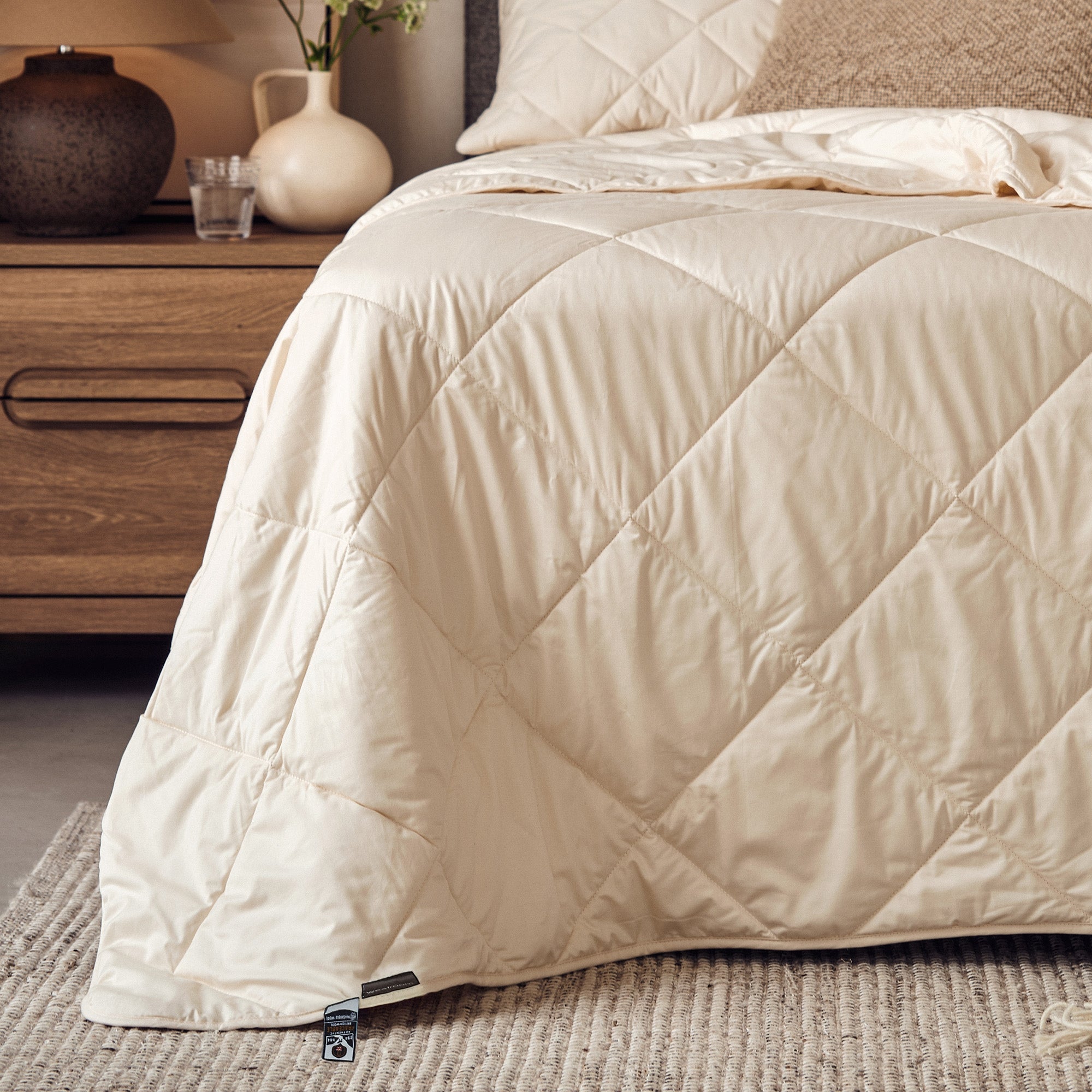
La literie est un élément essentiel de la maison - et un exemple utile de la façon dont le modèle de la fast homeware se manifeste dans la pratique.
Contrairement aux articles de décoration intérieure qui peuvent changer avec les tendances, la literie n'est pas achetée pour la mode. C'est quelque chose que nous utilisons chaque nuit, ce qui rend les matériaux qu'elle contient beaucoup plus importants que beaucoup de gens ne le pensent.
Alors que les conversations autour de la décoration durable et de la consommation consciente continuent de croître, la literie offre un point de départ intéressant pour réfléchir à la façon dont les produits que nous utilisons tous les jours sont fabriqués - et combien de temps ils sont conçus pour durer.

Alors que la fast homeware encourage des cycles de vie de produits plus courts, de plus en plus d'articles ménagers atteignent les décharges plus tôt.
La Fast Homeware et le Problème des Textiles de Maison Jetables
La literie met en évidence une tension qui existe aujourd'hui dans une grande partie du secteur de l'ameublement.
D'une part, c'est quelque chose que nous utilisons chaque nuit. Le confort, la durabilité et la régulation de la température sont réellement importants. Peu de produits ménagers jouent un rôle aussi direct dans notre bien-être quotidien. Pourtant, le marché s'est de plus en plus orienté vers une literie synthétique moins chère qui a tendance à avoir une durée de vie plus courte.
De nombreuses couettes vendues aujourd'hui sont garnies de polyester ou de microfibre. Bien que ces matériaux puissent rendre la literie plus abordable, ils sont rarement conçus dans une optique de longévité.
Selon mon expérience de travail avec les fibres de literie, de nombreuses couettes synthétiques sont performantes pendant les premières années avant de commencer à perdre du gonflant, à s'aplatir ou à s'agglomérer. Et c'est à ce moment-là qu'elles sont souvent remplacées.
Le problème est que si la durée de vie utile du produit peut être mesurée en années, le matériau qu'il contient peut persister dans l'environnement pendant des siècles.
Le polyester est un plastique dérivé des combustibles fossiles. Même recyclé, il ne peut généralement être recyclé qu'une seule fois avant que les fibres ne deviennent finalement des déchets – et le polyester peut prendre jusqu'à 700 ans pour commencer à se décomposer.
Ce décalage entre la courte durée de vie des produits et la persistance environnementale extrêmement longue est l'une des caractéristiques fondamentales de la fast homeware.
La Culture du Remplacement – Anti-Consommation Consciente
Le passage aux produits jetables n'est évidemment pas limité à la literie. Des recherches de la British Heart Foundation ont mis en évidence la façon dont la culture du gaspillage croissante au Royaume-Uni entraîne le rejet de millions d'articles ménagers chaque année, les consommateurs remplaçant les produits plus fréquemment que jamais.
Les articles de maison suivent de plus en plus la même trajectoire que la mode : des prix plus bas, un renouvellement plus rapide des produits et des cycles de possession plus courts. Lorsque ces produits sont fabriqués à partir de matériaux synthétiques, les conséquences environnementales peuvent durer bien plus longtemps que les produits eux-mêmes.

Le lavage de la literie en polyester synthétique ou recyclé peut libérer des microfibres de plastique dans les cours d'eau - un problème que les fibres naturelles comme la laine évitent.
Literie en Polyester Recyclé – Solution ou Problème Plus Grave ?
En réponse aux préoccupations de durabilité, de nombreuses marques ont commencé à introduire du polyester recyclé dans la production d'articles pour la maison et de vêtements. La literie fabriquée avec du polyester recyclé est souvent commercialisée sous le nom de rPET (polyéthylène téréphtalate recyclé).
En surface, cela semble être un pas en avant. Le recyclage des plastiques a certainement un rôle à jouer dans la réduction de la dépendance aux matériaux vierges. Cependant, du point de vue des fibres, le polyester recyclé reste du polyester.
La structure de la fibre reste en grande partie la même, ce qui signifie que les caractéristiques de performance sont également similaires. Dans les couettes, cela peut se traduire par les mêmes problèmes de gestion de l'humidité et d'accumulation de chaleur. Les fibres synthétiques ont du mal à réguler l'humidité de la même manière que les fibres naturelles.
Plus important encore, le recyclage du plastique ne modifie pas le cycle de vie fondamental du matériau. Même lorsque le polyester est recyclé, il atteindra toujours la fin de sa vie utile et devra être éliminé.
Ce n'est pas le seul problème. Des recherches en laboratoire de la Changing Markets Foundation ont montré que le polyester recyclé génère en moyenne 55 % plus de particules de microplastiques lors du lavage que le polyester vierge car les fibres recyclées sont plus fragiles. Ces particules de microplastiques ont également été trouvées 20 % plus petites, ce qui leur permet de se propager plus efficacement.
La Décoration Durable Commence par le Choix des Matériaux
L'intérêt croissant pour les articles de maison durables reflète une conversation plus large autour de la consommation consciente. Les consommateurs commencent à s'interroger sur la manière dont les produits de leur maison sont fabriqués, combien de temps ils sont conçus pour durer et ce qu'il en advient une fois qu'ils sont jetés. Au sein de l'industrie de l'ameublement, le choix des fibres joue un rôle particulièrement important dans cette conversation.
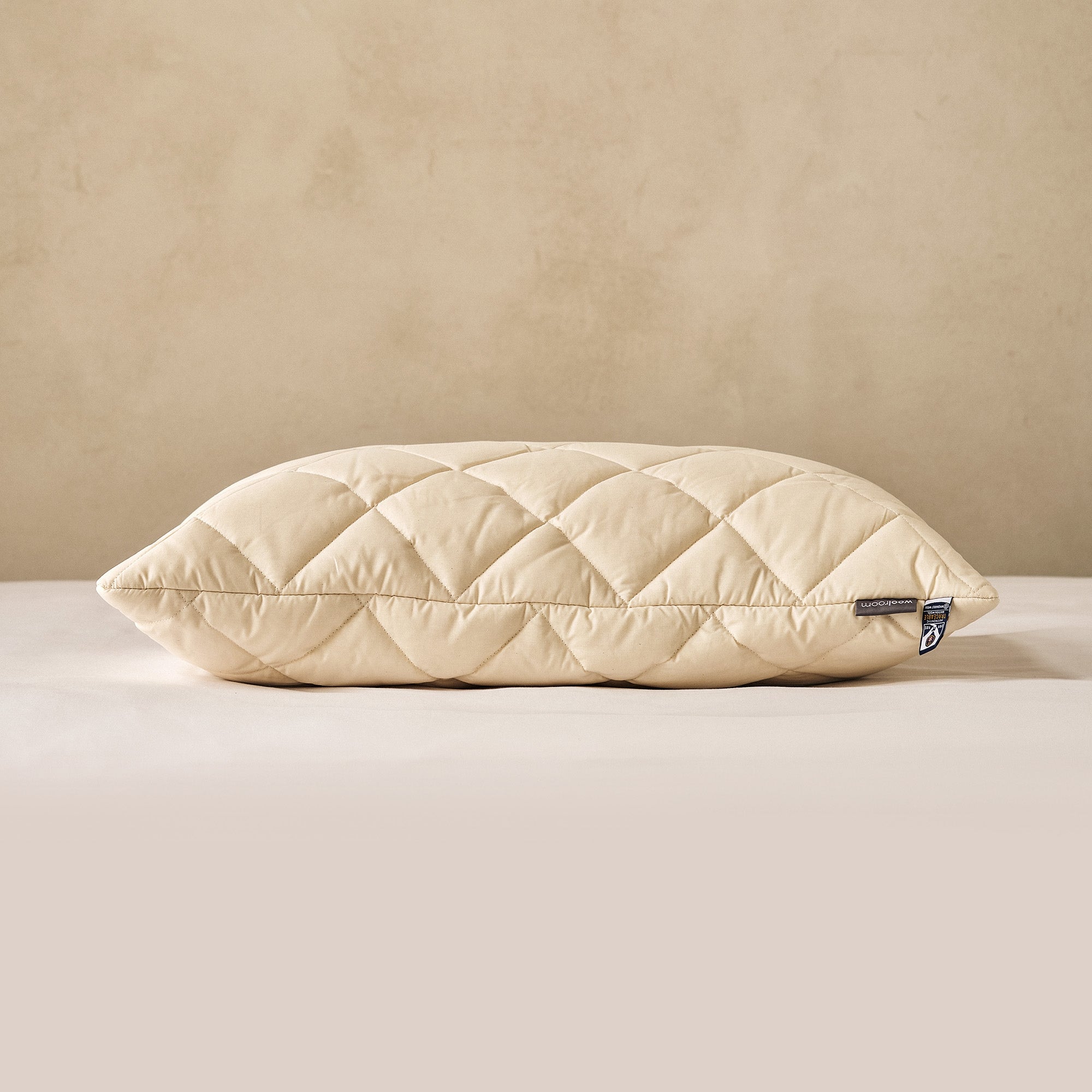
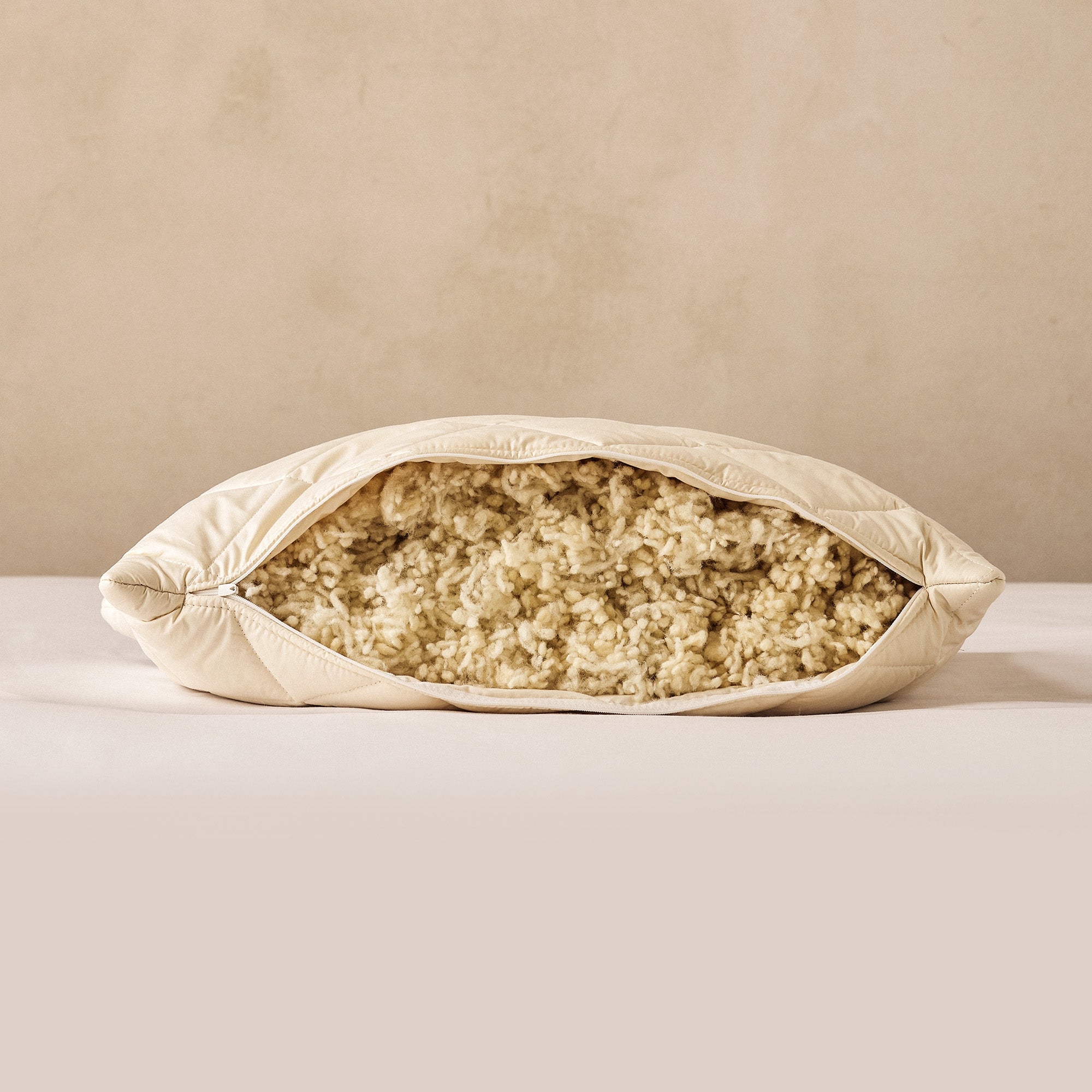
C'est là que les fibres naturelles, comme la laine, se comportent différemment. La laine est une fibre renouvelable produite annuellement par les moutons, mais sa véritable force réside dans sa structure.
L'une des caractéristiques déterminantes de la laine est son ondulation naturelle - la structure en forme de ressort à l'intérieur de la fibre. Lorsque la bonne laine de la bonne race de mouton est sélectionnée, l'ondulation permet aux fibres de reprendre leur forme après compression et de conserver leur gonflant au fil du temps.
Cette résilience est l'une des raisons pour lesquelles la literie en laine résiste à l'agglomération qui conduit souvent les gens à jeter les couettes synthétiques.
La durabilité est un autre facteur important. Les fibres de laine sont incroyablement solides - en fait, au niveau des fibres, elles sont souvent décrites comme étant plus solides que l'acier.
En termes pratiques, cette solidité signifie que la literie en laine peut durer beaucoup plus longtemps que de nombreuses alternatives synthétiques - et souvent plus longtemps que d'autres garnissages naturels tels que la plume et le duvet, en particulier lorsqu'elle est correctement entretenue.
C'est pourquoi le choix des fibres joue un rôle si important dans la création de produits d'ameublement plus durables.

La laine est une fibre renouvelable produite naturellement par les moutons chaque année - l'une des raisons pour lesquelles elle est utilisée dans la literie depuis des siècles.
La Différence en Fin de Vie entre les Fibres Naturelles et Synthétiques
Le contraste environnemental devient encore plus net en fin de vie d'un produit.
Les fibres synthétiques sont essentiellement des plastiques dérivés de produits pétrochimiques. Une fois jetées, elles peuvent persister dans les décharges ou dans l'environnement pendant des siècles.
Les fibres naturelles comme la laine se comportent très différemment.
En tant que fibre protéique naturelle, la laine est biodégradable. Lorsqu'elle est retournée au sol ou au compost, elle peut se décomposer en six à douze mois, libérant progressivement des nutriments dans le sol.
Des recherches menées par l'institut de recherche néo-zélandais AgResearch, avec des contributions de chercheurs de l'Université des Arts de Londres, ont montré que les fibres de laine se biodégradent facilement en milieu marin, tandis que les fibres synthétiques courantes ne montrent que peu ou pas de biodégradation dans les mêmes conditions.
Cette différence de cycle de vie est significative. Alors que les matériaux synthétiques peuvent rester dans l'environnement longtemps après que le produit lui-même ait été jeté, les fibres naturelles comme la laine peuvent retourner à l'écosystème d'où elles proviennent.
Ce cycle de vie naturel est l'une des raisons pour lesquelles la laine est un matériau utilisé depuis des siècles dans l'industrie de la literie.
Repenser la Valeur à Long Terme de la Literie Naturelle
L'un des défis de l'achat de literie naturelle est qu'elle nécessite souvent un coût initial plus élevé. Mais je crois que nous devons commencer à penser à la literie en termes de coût par nuit de sommeil, plutôt que de simplement regarder le prix sur l'étiquette.
Une couette en laine utilisée chaque nuit pendant dix ans offre plus de 3 600 nuits de sommeil. Lorsque vous étalez le coût sur cette période, un produit bien fabriqué revient souvent à seulement quelques centimes par nuit.
Comprendre cette valeur à long terme est une étape importante pour s'éloigner de l'état d'esprit de la fast homeware. Cela reflète également un changement plus large vers une consommation plus consciente, où la durabilité et le choix des matériaux comptent tout autant que le prix.
Un Changement Plus Large en Matière de Durabilité dans Notre Consommation Domestique
La fast fashion a déjà contraint l'industrie du vêtement à affronter les conséquences des cycles de vie courts des produits. Je crois que l'industrie de l'ameublement sera de plus en plus confrontée à la même discussion.
Après tout, les matériaux dans lesquels nous dormons chaque nuit n'affectent pas seulement l'environnement. Ils affectent également la qualité de notre sommeil.
Des recherches de l'Université de Bangor examinant la literie en laine ont également mis en évidence sa capacité à réguler la température et l'humidité pendant le sommeil. En d'autres termes, les avantages ne sont pas seulement liés à la longévité - ils sont également liés à la performance du matériau.
Alors que l'intérêt pour la décoration durable et la consommation consciente continue de croître, la compréhension des matériaux contenus dans les produits du quotidien pourrait bientôt devenir aussi importante que leur apparence ou leur coût.