Points Clés à Retenir
- Les fibres naturelles comme la laine, le coton et le lin régulent bien mieux la température que les synthétiques, qui emprisonnent la chaleur et l'humidité contre la peau.
- La laine est le matériau le plus efficace pour les personnes qui ont chaud la nuit – elle peut absorber jusqu'à 30 % de son poids en humidité sans paraître humide, éloignant activement la chaleur du corps.
- Toutes les allégations « naturelles » ne sont pas fondées : la plupart des literies en bambou sont en fait de la viscose semi-synthétique et peuvent emprisonner la chaleur malgré leur commercialisation comme étant rafraîchissantes.
Avoir trop chaud la nuit n'est pas seulement inconfortable. Cela affecte directement la qualité de votre sommeil, entraînant des retournements, des agitations et le genre de micro-perturbations qui vous font vous réveiller groggy et non reposé. Mais avant d'augmenter la climatisation ou de mettre le ventilateur de plafond à sa vitesse maximale, examinez attentivement votre literie. Les bons matériaux s'harmonisent avec les fluctuations naturelles de la température de votre corps pour que vous restiez confortable – et nous ne parlons pas de synthétiques de haute technologie. Dans ce guide, nous abordons ce que les personnes qui ont chaud la nuit doivent savoir sur la literie naturelle.
Pourquoi les Personnes qui ont Chaud la Nuit Ont Besoin de Literie Naturelle – Pas Synthétique
La literie naturelle est fabriquée à partir de matériaux provenant de plantes ou d'animaux – comme la laine, le coton et le lin – au lieu de fibres synthétiques fabriquées par des processus chimiques, comme le polyester et la microfibre. La literie naturelle présente de nombreux avantages, mais sa régulation de la température et sa respirabilité sont en tête de liste pour les personnes qui ont chaud la nuit en particulier. Comparées à la literie synthétique, les fibres naturelles gèrent beaucoup mieux la chaleur et l'humidité contre la peau. C'est précisément ce qui perturbe le sommeil lorsque vous avez trop chaud la nuit.
Ce Qui Rend les Fibres Naturelles Meilleures pour la Régulation de la Température
La régulation de la température se résume à deux propriétés principales : la respirabilité et la gestion de l'humidité. Un tissu qui respire bien permet à l'air de circuler facilement, tandis qu'un tissu qui gère bien l'humidité évacue la sueur de la peau et a une grande capacité d'absorption de l'humidité avant qu'elle ne commence à être mouillée. Les fibres naturelles surpassent largement les synthétiques, mais elles le font un peu différemment.
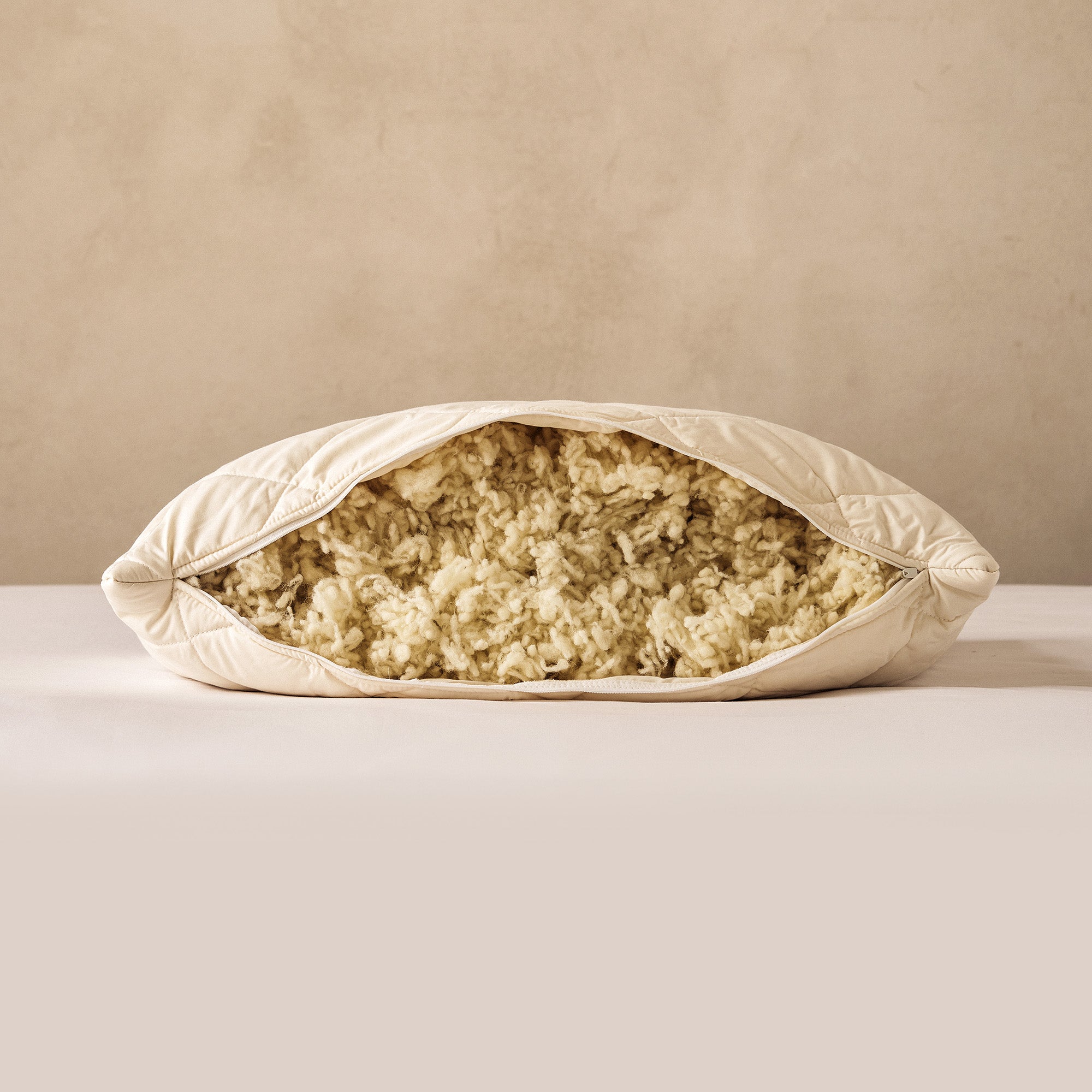
La régulation naturelle de la température de la laine est la plus impressionnante. C'est la fibre intelligente de la nature, avec une structure frisée qui crée d'innombrables poches d'air pour favoriser la circulation de l'air. La laine absorbe jusqu'à 30 % de son propre poids en humidité sans paraître humide ou lourde. Les fibres évacuent la sueur et la chaleur, puis les libèrent dans l'air. C'est pourquoi la literie en laine crée un microclimat stable, vous gardant plus frais, plus sec et beaucoup plus confortable.
Le coton respire bien, mais il retient moins d'humidité que la laine. Si vous transpirez beaucoup la nuit, le coton peut commencer à paraître humide. Les tissages de percale fonctionnent mieux, permettant une bonne circulation de l'air. Le lin a un tissage plus ouvert que le coton, il a donc tendance à sécher plus rapidement et est plus frais au toucher.
Les fibres synthétiques comme le polyester n'absorbent pas l'humidité comme les fibres naturelles. Au lieu de cela, elles emprisonnent la chaleur et la sueur contre la peau. C'est pourquoi vous vous réveillez avec une sensation moite.

Laine vs Coton vs Lin vs Bambou : Comparaison des Matériaux Naturels
Les fibres naturelles comme la laine, le coton et le lin gèrent la chaleur et l'humidité différemment. Voici comment elles se comparent.
|
Matériau |
Absorption de l'humidité |
Respirabilité |
Idéal pour |
|---|---|---|---|
|
Laine |
Excellente |
Élevée |
Régulation de la température toute l'année, sueurs nocturnes |
|
Coton |
Modérée |
Élevée (surtout percale) |
Draps respirants au quotidien |
|
Lin |
Bonne |
Excellente |
Climats chauds et humides |
|
Bambou |
Élevée |
Modérée |
Toucher doux (bien que ce ne soit pas une vraie fibre naturelle) |
La Meilleure Literie Naturelle en Laine pour les Dormeurs Chaleureux
Une fois que vous avez compris à quel point la laine est efficace pour un meilleur sommeil, il est courant de se demander quelles pièces font la plus grande différence.
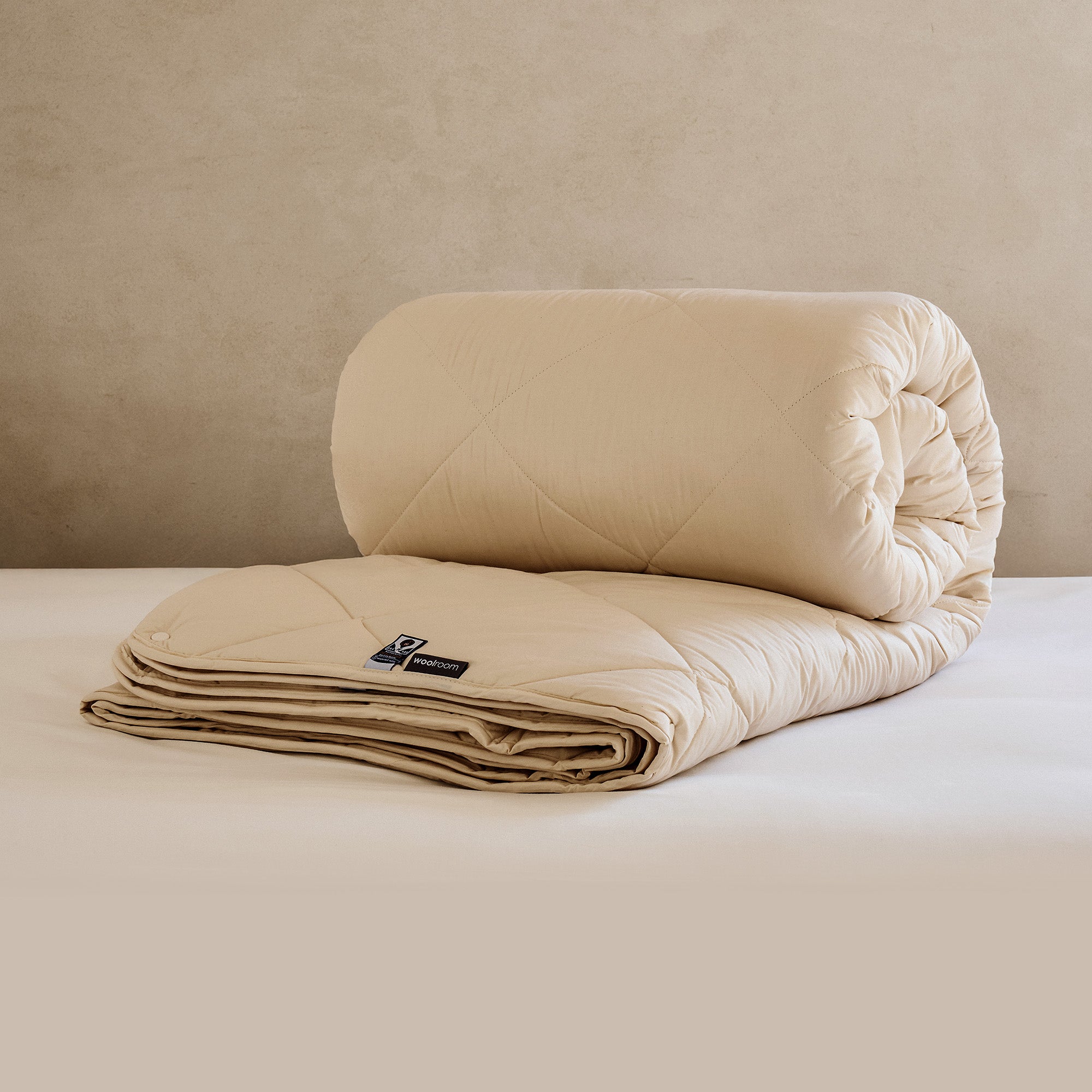
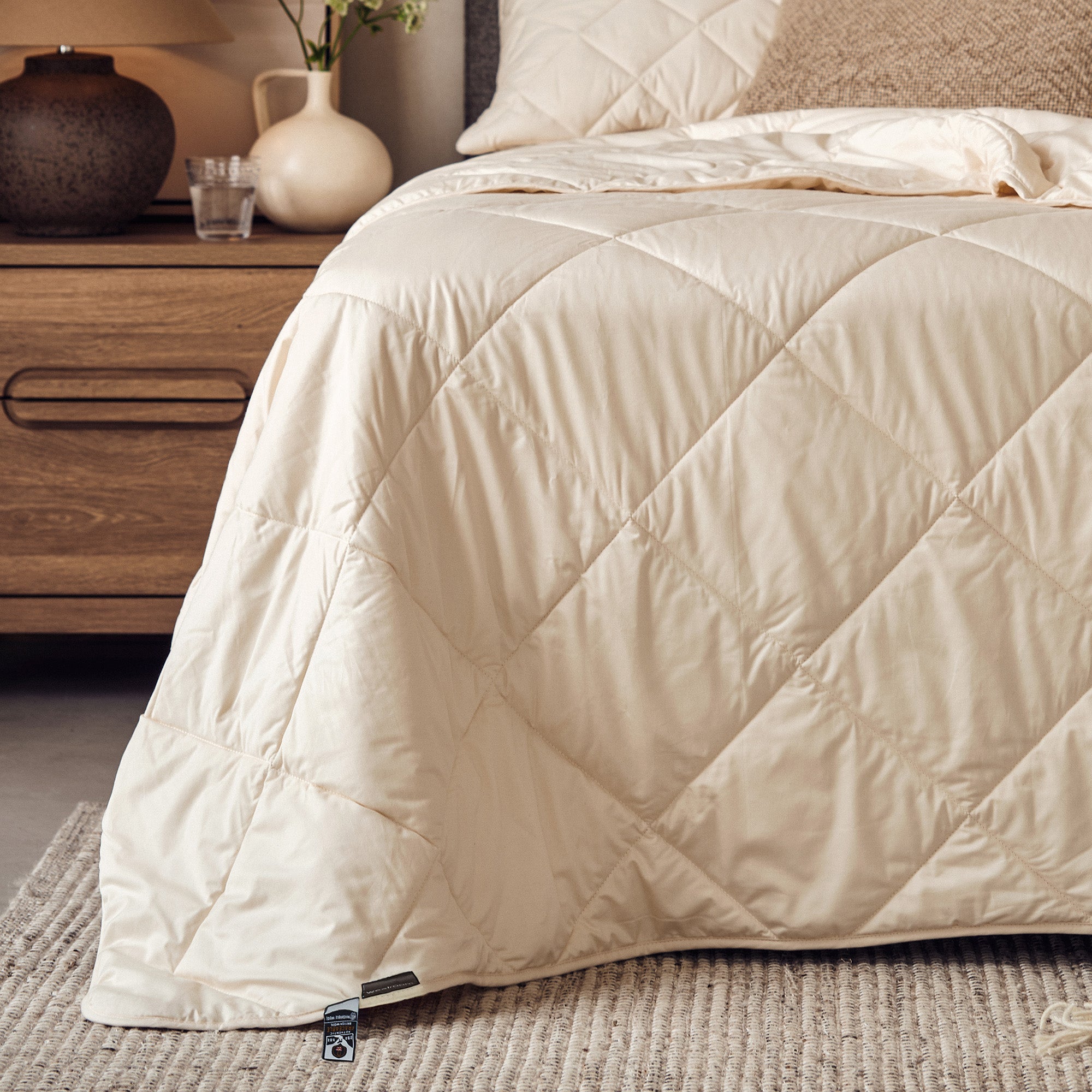
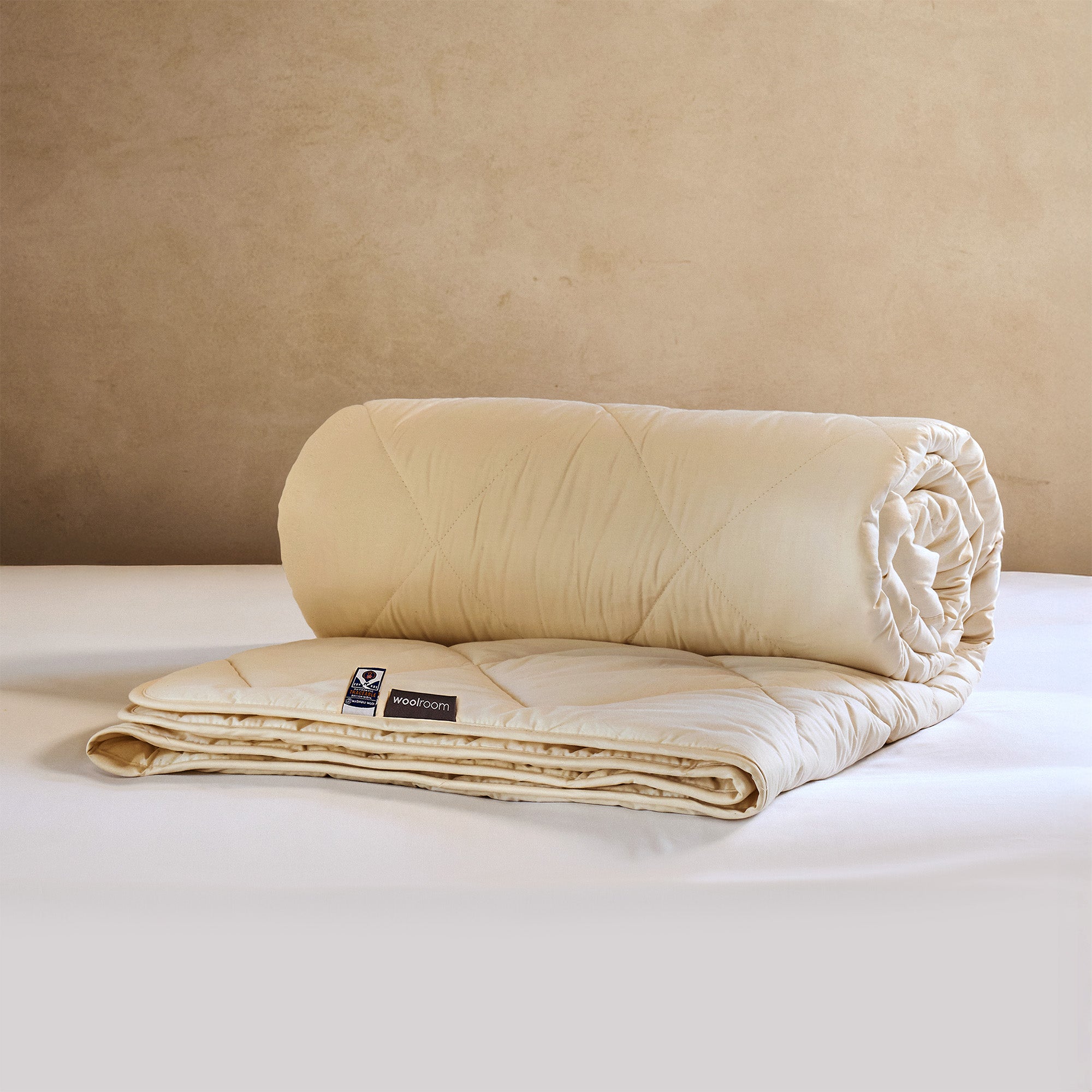
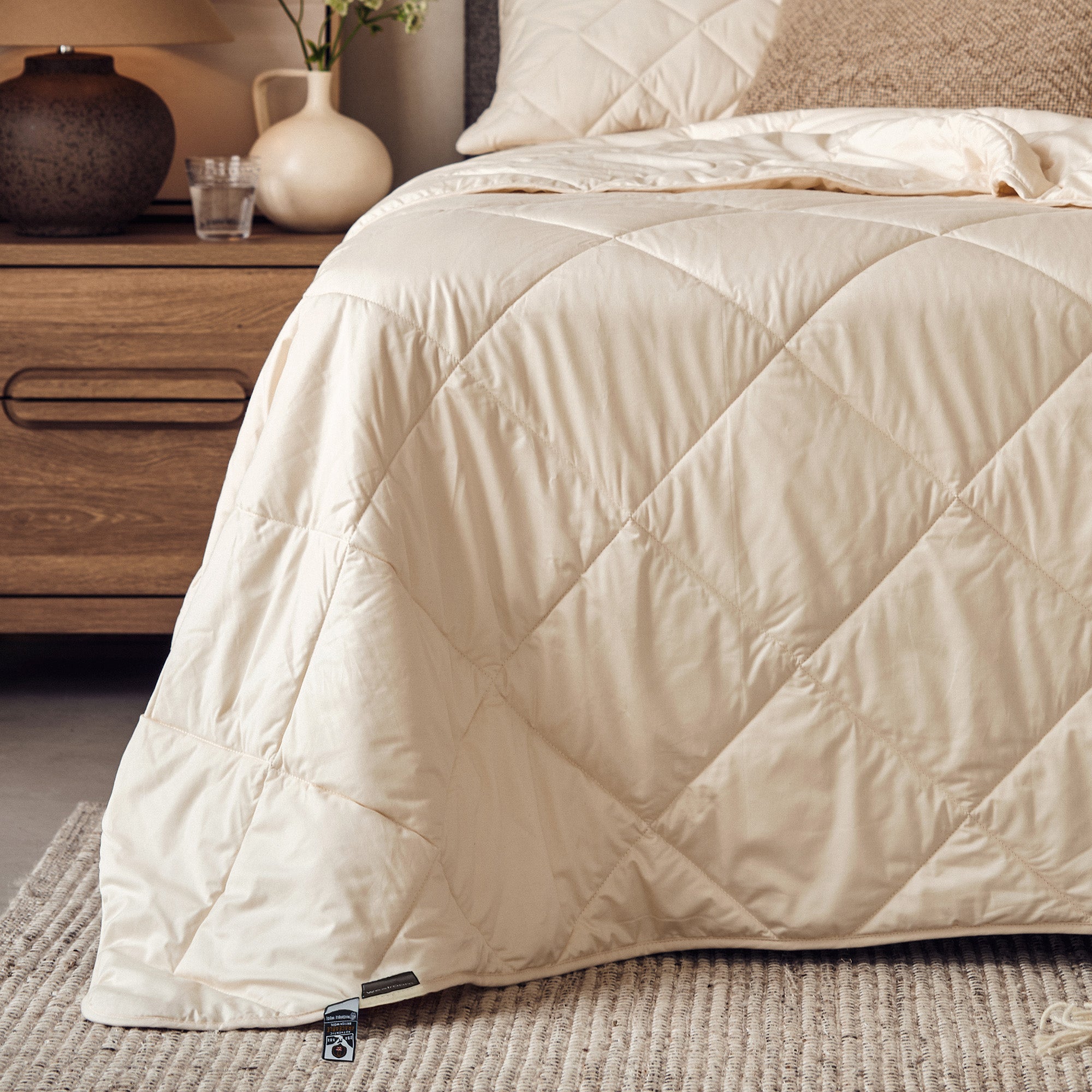
- Les couettes en laine sont souvent le changement le plus impactant pour les dormeurs qui ont chaud, car elles remplacent la couche la plus responsable du piégeage de la chaleur (surtout si vous dormez sous du duvet).
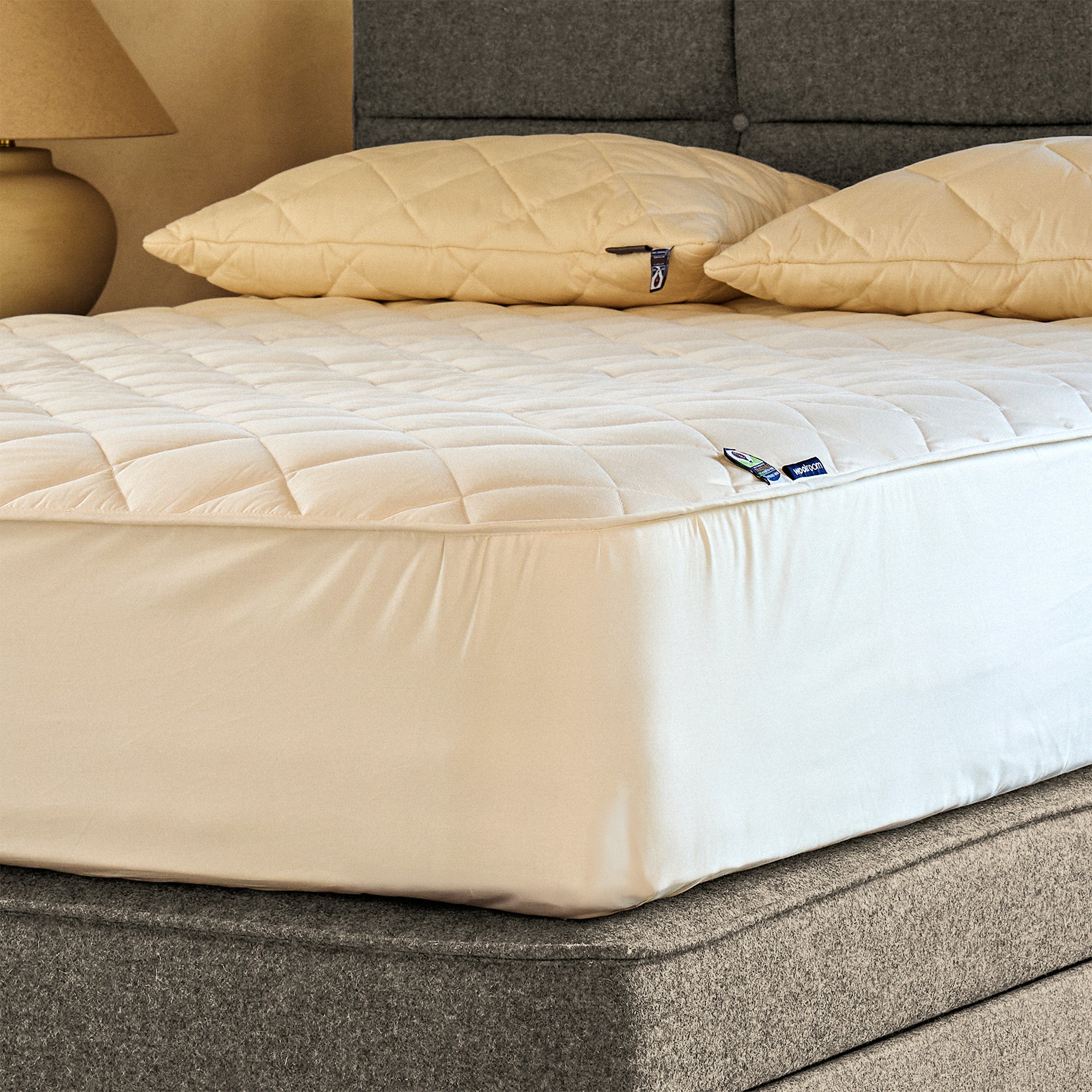
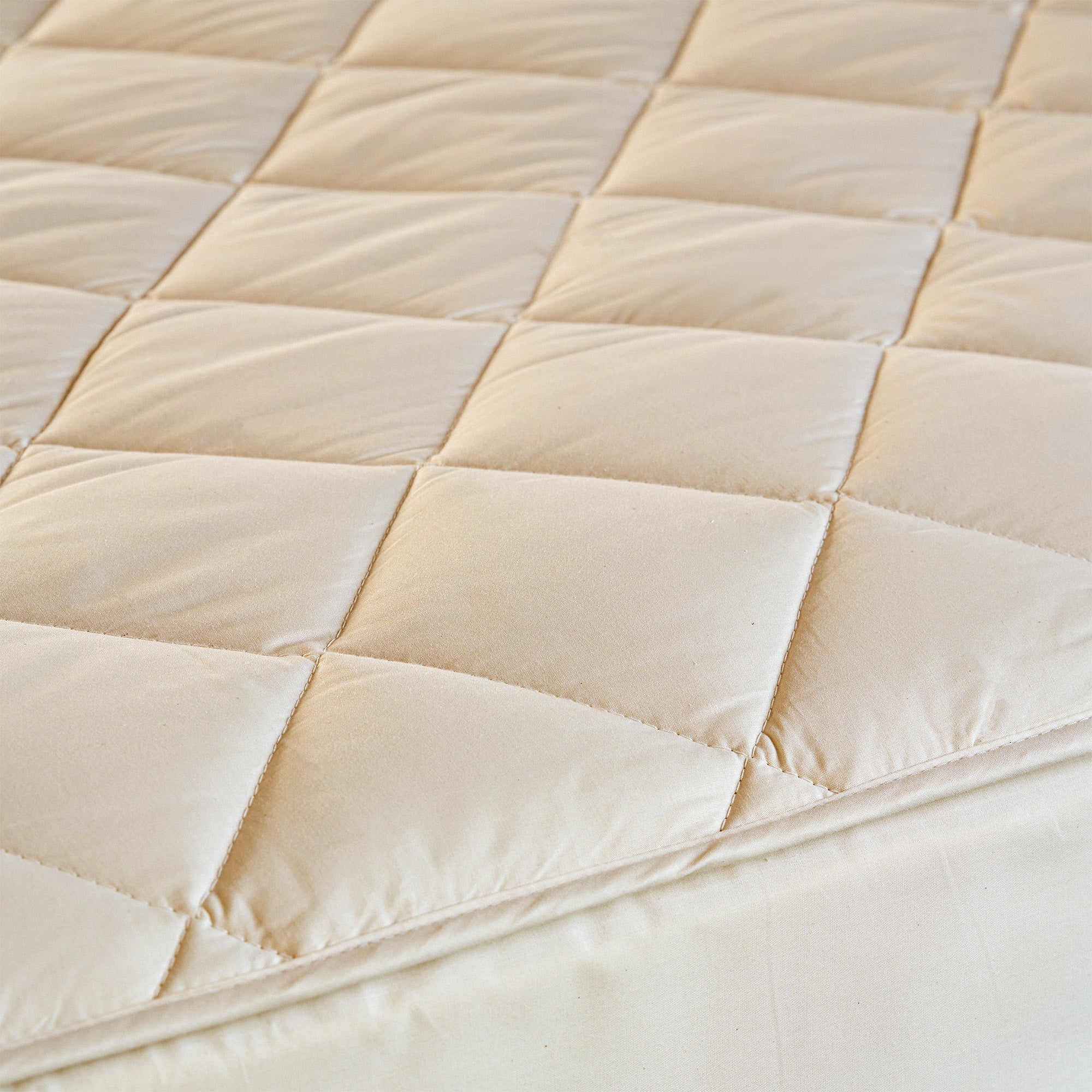
- Les surmatelas en laine ajoutent une couche respirante entre vous et votre matelas, qui est le point de contact le plus important. Cela aide à dissiper la chaleur et l'humidité qui seraient autrement piégées contre la mousse à mémoire de forme ou d'autres matériaux denses. Si vous avez essayé des draps rafraîchissants ou respirants et une couette plus légère mais que vous avez toujours chaud la nuit, il s'agit d'une amélioration importante. Conseil de pro : un protège-matelas en laine ou un protège-matelas est une option moins coûteuse si vous n'êtes pas prêt à investir dans un surmatelas.
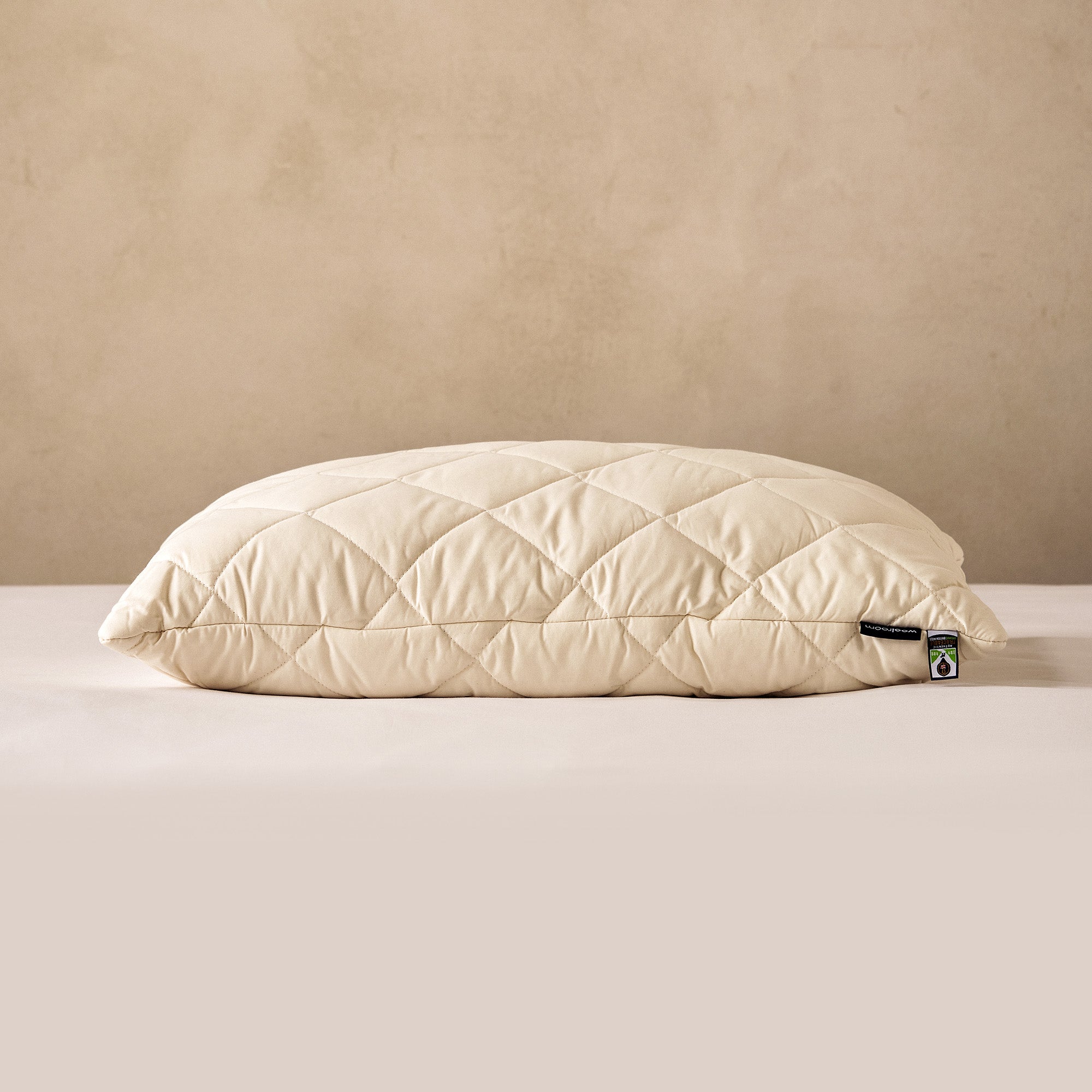
- Les oreillers en laine sont idéaux pour ceux qui ont chaud au niveau de la tête et du cou. Les oreillers peuvent emprisonner une quantité surprenante de chaleur, et les oreillers en laine offrent les mêmes avantages d'évacuation de l'humidité et de régulation de la température que la literie en laine en général.
Chez Woolroom, nous sommes fiers d'utiliser de la laine britannique entièrement traçable et d'origine éthique, ainsi que des enveloppes en coton biologique pour nos articles de literie en laine. Notre laine provient de fermes engagées dans les cinq libertés de la loi britannique sur le bien-être animal de 2006, et notre programme Wool ID® garantit une transparence totale de la ferme à votre chambre. Notre laine est traitée sans produits chimiques agressifs, elle est donc hypoallergénique et sans danger pour les dormeurs sensibles. Elle est également exempte de traitements synthétiques qui peuvent emprisonner la chaleur et annuler tous les efforts que vous faites pour dormir plus frais.

Linge de Lit Naturel pour une Meilleure Régulation de la Température
La literie en laine fait une grande partie du travail en ce qui concerne la régulation de la température, mais les draps contre votre peau sont toujours importants. Au lieu de succomber aux arguments marketing (et cela inclut les nombres de fils élevés), concentrez-vous sur la fibre et le tissage.
La percale de coton est un excellent choix. Ce tissage un fil au-dessus, un fil en dessous permet à l'air de circuler librement au lieu de le piéger près de la peau. Recherchez spécifiquement la percale biologique certifiée GOTS. Le traitement conventionnel du coton inclut souvent des finitions chimiques et des teintures qui peuvent irriter les peaux sensibles et rendre le tissu plus dense qu'il ne devrait l'être. Les draps en percale biologique de Woolroom sont certifiés selon cette norme et tissés avec un nombre de fils de 300, ce qui maintient le tissu frais et aéré au lieu d'être lourd.
Le lin a un tissage ouvert qui en fait l'un des tissus les plus respirants qui soient, c'est pourquoi il est le choix privilégié des dormeurs qui ont chaud et des climats humides. Le seul inconvénient est qu'il n'est pas très isolant, ce qui peut être un problème si vous vivez dans une région où les saisons changent. Un mélange lin-coton – comme la collection Mariana de Woolroom, qui combine 50 % de lin français avec 50 % de coton biologique – est une solution pratique. Il maintient la respirabilité du lin mais ajoute juste assez de chaleur pour une utilisation toute l'année.
Les dormeurs qui ont chaud devraient éviter les tissages satinés à nombre de fils élevé et les tissus synthétiques comme la microfibre et le polyester. Ils nuisent à la régulation de la température car ils emprisonnent la chaleur et l'humidité au lieu de les libérer. Méfiez-vous également des draps promus comme « bambou rafraîchissant ». Il s'agit généralement de rayonne ou de viscose, et selon le tissage, cela peut emprisonner la chaleur autant qu'un synthétique.
Le Verdict sur la Literie Naturelle pour les Dormeurs Chaleureux
Si vous avez trop chaud la nuit, c'est souvent parce que votre literie travaille contre vous. Les fibres naturelles, en particulier la laine, font le contraire. Elles gèrent activement la chaleur et l'humidité, ce qui permet à la thermorégulation naturelle de votre corps de faire son travail.
La literie la plus efficace pour les dormeurs qui ont chaud est superposée : draps respirants en percale de coton biologique ou en lin associés à de la literie en laine comme une couette, un surmatelas ou un oreiller (ou les trois). Commencez par la couche qui semble vous gêner le plus, et construisez à partir de là.

Questions Fréquemment Posées
Quelle est la meilleure literie pour les personnes qui ont extrêmement chaud la nuit ?
La laine est la meilleure literie pour les personnes qui ont chaud la nuit. Elle régule activement la température et évacue l'humidité, créant un microclimat stable qui aide à minimiser les perturbations du sommeil nocturne. Les personnes qui ont le plus chaud devraient associer des articles de literie en laine comme une couette, un oreiller et un surmatelas à des draps respirants en coton ou en lin. Cela crée une solution de literie équilibrée pour évacuer efficacement la chaleur.
Quel type de draps les personnes qui ont chaud la nuit devraient-elles utiliser ?
Recherchez des matériaux naturels avec un tissage ouvert. La percale de coton ou le linge de lit en lin sont les meilleures options, surtout lorsqu'ils sont associés à une couette et un surmatelas en laine naturelle. Évitez les tissages satinés à nombre de fils élevé et les fibres synthétiques, qui emprisonnent la chaleur.
Quel est le meilleur matériau pour une couette pour les personnes qui ont chaud la nuit ?
La laine est le meilleur matériau pour une couette si vous avez chaud la nuit. Les fibres de laine sont naturellement frisées, créant des poches d'air qui favorisent la circulation de l'air. La laine possède également des propriétés naturelles d'évacuation de l'humidité qui préviennent la sensation moite et de surchauffe courante avec les couettes en duvet ou à garnissage synthétique.
La literie en bambou est-elle naturelle ?
Pas vraiment. La plupart des literies en bambou sont fabriquées à partir de viscose ou de rayonne, qui est de la pulpe de bambou dissoute chimiquement puis transformée en fibre. Ce processus élimine complètement la structure originale de la plante, faisant techniquement de la literie en bambou un matériau semi-synthétique. Ce n'est certainement pas une fibre naturelle comme la laine, le coton ou le lin.