Points clés à retenir
-
Décaler progressivement son heure de coucher par tranches de 15 à 30 minutes est plus efficace que d'essayer de la réinitialiser du jour au lendemain.
-
Des horaires de sommeil et de réveil réguliers tout au long de la semaine renforcent votre rythme circadien.
-
Une chambre fraîche, sombre et calme, ainsi qu'une literie respirante, réduisent la surchauffe et favorisent un sommeil plus profond.
-
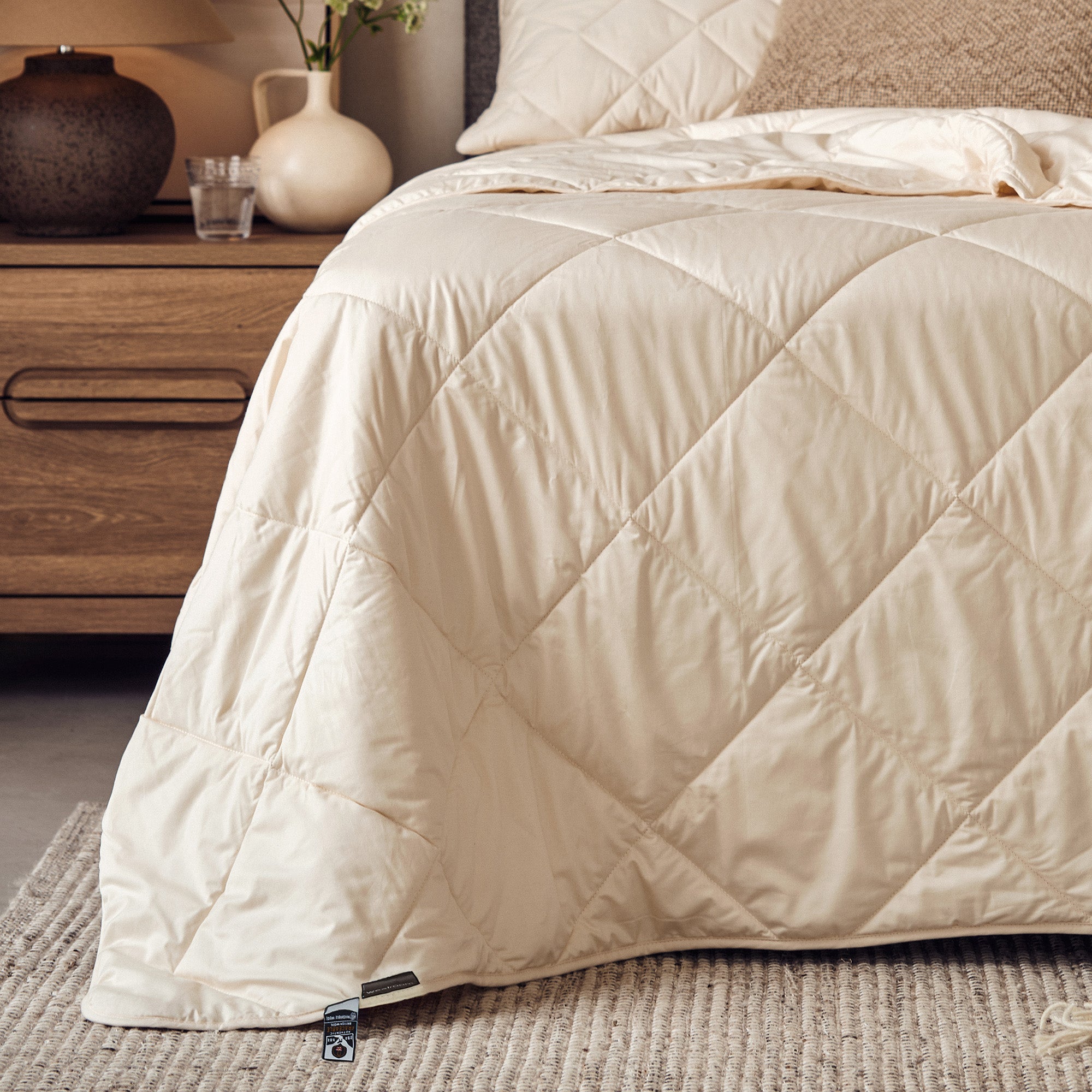
La literie en laine naturelle contribue à réguler la température, à évacuer l'humidité et à créer un environnement de sommeil plus sain.
-
Les routines nocturnes et la réduction du temps passé devant les écrans en soirée signalent au corps qu'il est temps de se reposer.
-
L'exposition à la lumière du matin est essentielle pour réinitialiser les cycles de sommeil et améliorer la vigilance diurne.
Un sommeil réparateur reste un rêve pour beaucoup d'entre nous. Selon les Centres pour le contrôle et la prévention des maladies (CDC), près de 40 % des adultes déclarent ne pas dormir suffisamment, ce qui peut entraîner des problèmes tels que des difficultés à se réveiller, des baisses d'humeur et des problèmes de santé à long terme.
7 façons de réinitialiser votre rythme de sommeil pour mieux vous reposer
La bonne nouvelle, c'est que quelques petits changements dans vos habitudes de sommeil et votre literie peuvent avoir un impact considérable. Si réorganiser votre rythme de sommeil figure sur votre liste de choses à faire pour 2026 et améliorer la qualité de votre sommeil est une priorité, voici comment procéder.
1 - Commencez par un horaire de sommeil/éveil régulier
Passer une nuit blanche et travailler d'arrache-pied toute la journée pour pouvoir s'endormir à 19h peut sembler une solution rapide pour retrouver un bon rythme de sommeil, mais ça ne fonctionne pas comme ça. La clé d'un meilleur rythme de sommeil réside dans la régularité et la constance, ce qui peut nécessiter une semaine ou deux pour un changement complet.
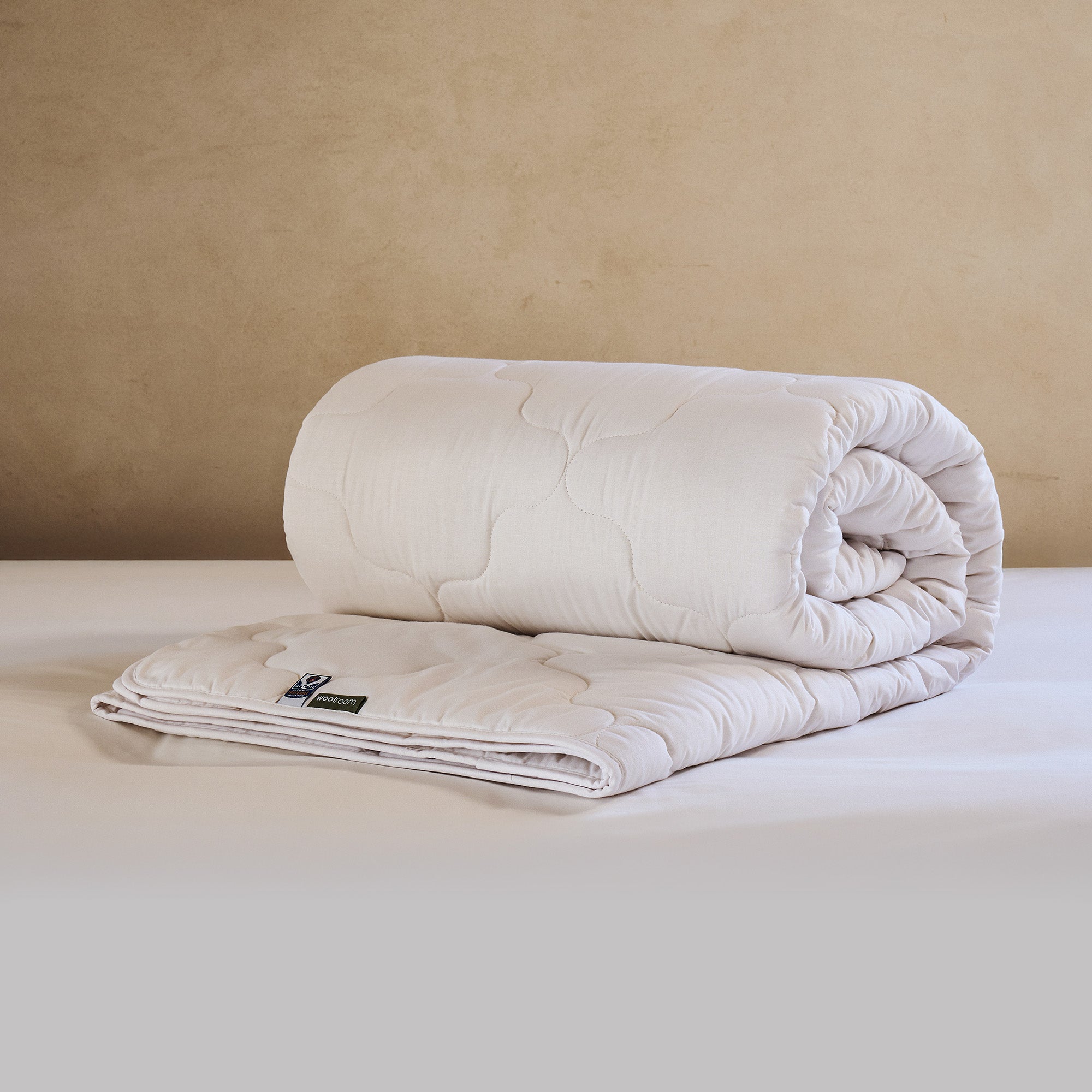
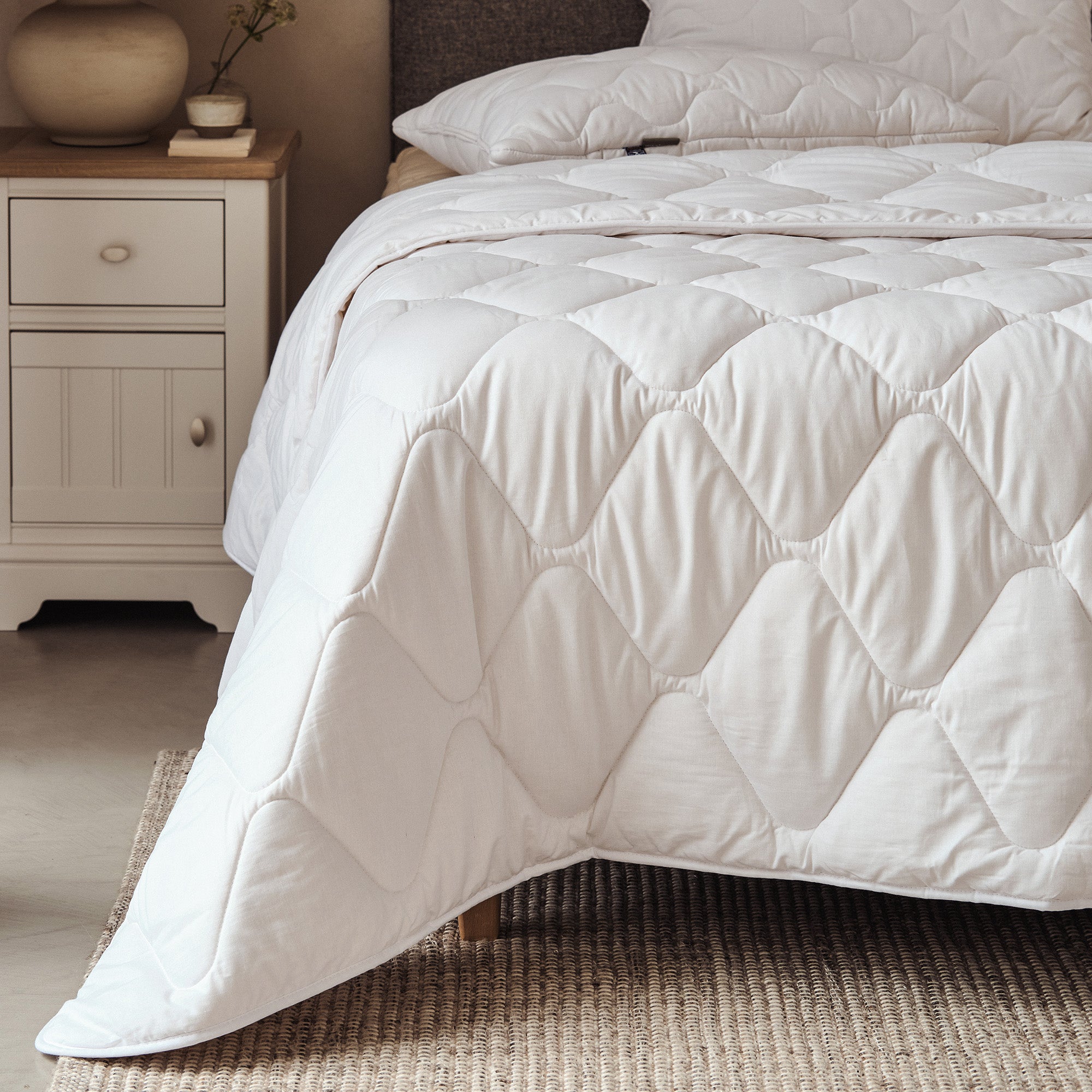
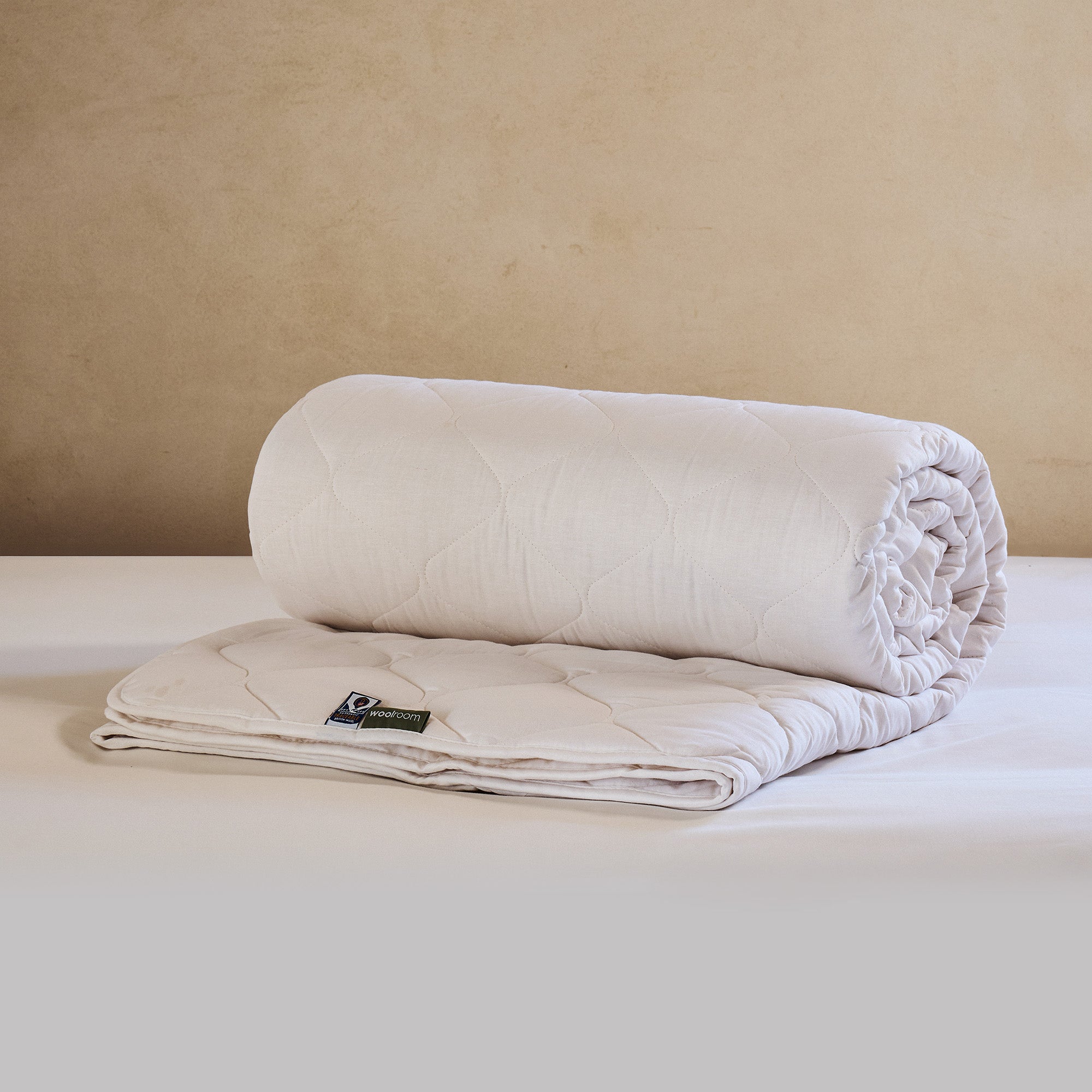
Commencez par choisir une heure de coucher huit heures avant l'heure à laquelle vous devez vous réveiller le matin. Si cette heure est plus tôt que d'habitude, essayez de vous coucher 15 à 30 minutes plus tôt chaque soir jusqu'à ce que vous soyez habitué(e) à ce nouvel horaire. Mettez en place une routine que vous pourrez suivre chaque soir. Répéter les mêmes gestes au coucher – comme se laver le visage, se brosser les dents, se glisser sous sa couette en laine et lire ou méditer pendant trente minutes, par exemple – peut aider votre corps à comprendre qu'il est temps de se détendre et de dormir.
Il est tentant de faire la grasse matinée le week-end, mais essayez de respecter le même rythme tous les jours de la semaine. L'horloge biologique, ou rythme circadien, fonctionne sur 24 heures et s'épanouit grâce à la routine.
2 - Créer une chambre propice au sommeil
Il est scientifiquement prouvé que les environnements sombres, frais et calmes sont les plus propices au sommeil. Réfléchissez à ce dont vous avez besoin pour créer ces conditions dans votre chambre. Selon votre lieu de résidence et la saison, des éléments comme des rideaux occultants, un ventilateur de plafond, une fenêtre entrouverte ou une machine à bruit blanc peuvent faire toute la différence. Maîtriser la température, en particulier, est l'un des moyens les plus efficaces d'améliorer votre sommeil.
Mais il ne s'agit pas seulement de la température ambiante de votre chambre. Votre literie et votre matelas peuvent contribuer à la surchauffe, surtout si vous dormez sur des matières qui retiennent la chaleur, comme le duvet ou les matières synthétiques telles que le polyester ou la mousse à mémoire de forme. Ces matières posent plusieurs problèmes. Premièrement, elles ne sont pas respirantes, ce qui signifie que la chaleur corporelle ne peut s'évacuer. Au contraire, cette chaleur s'accumule et vous provoquez une surchauffe. Deuxièmement, les matières synthétiques n'évacuent pas l'humidité.
Pendant la nuit, alors que le corps tente de se refroidir, l'humidité ne peut s'évacuer. C'est pourquoi on se réveille avec une sensation de chaleur, de moiteur, voire de transpiration excessive. La chaleur et l'humidité qui restent près de la peau perturbent la régulation de la température corporelle. Elles peuvent interférer directement avec les phases de sommeil profond et entraîner des troubles du sommeil. Pour éviter cela, l'environnement de votre chambre et votre literie doivent être adaptés.
3 - Optez pour une literie naturelle respirante
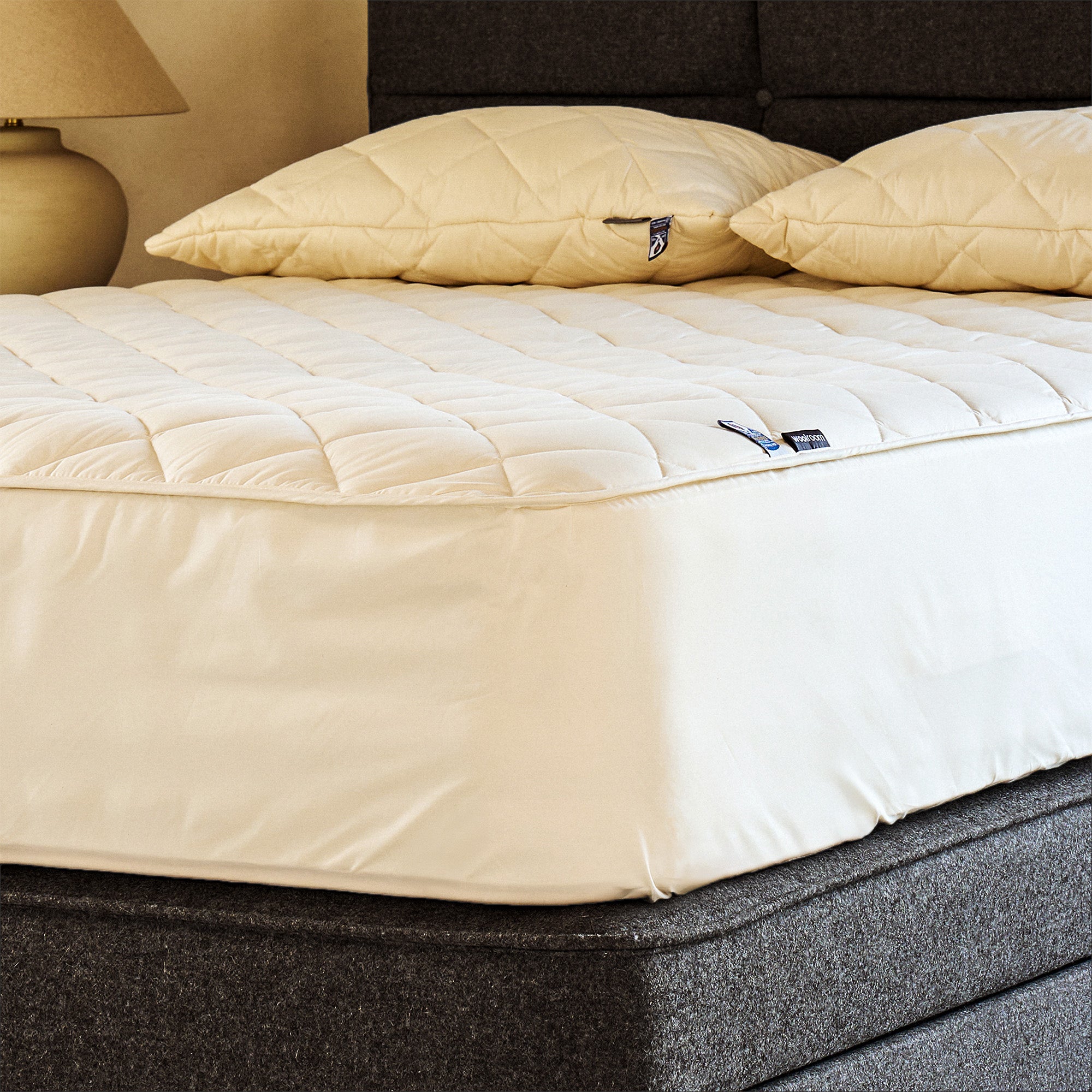
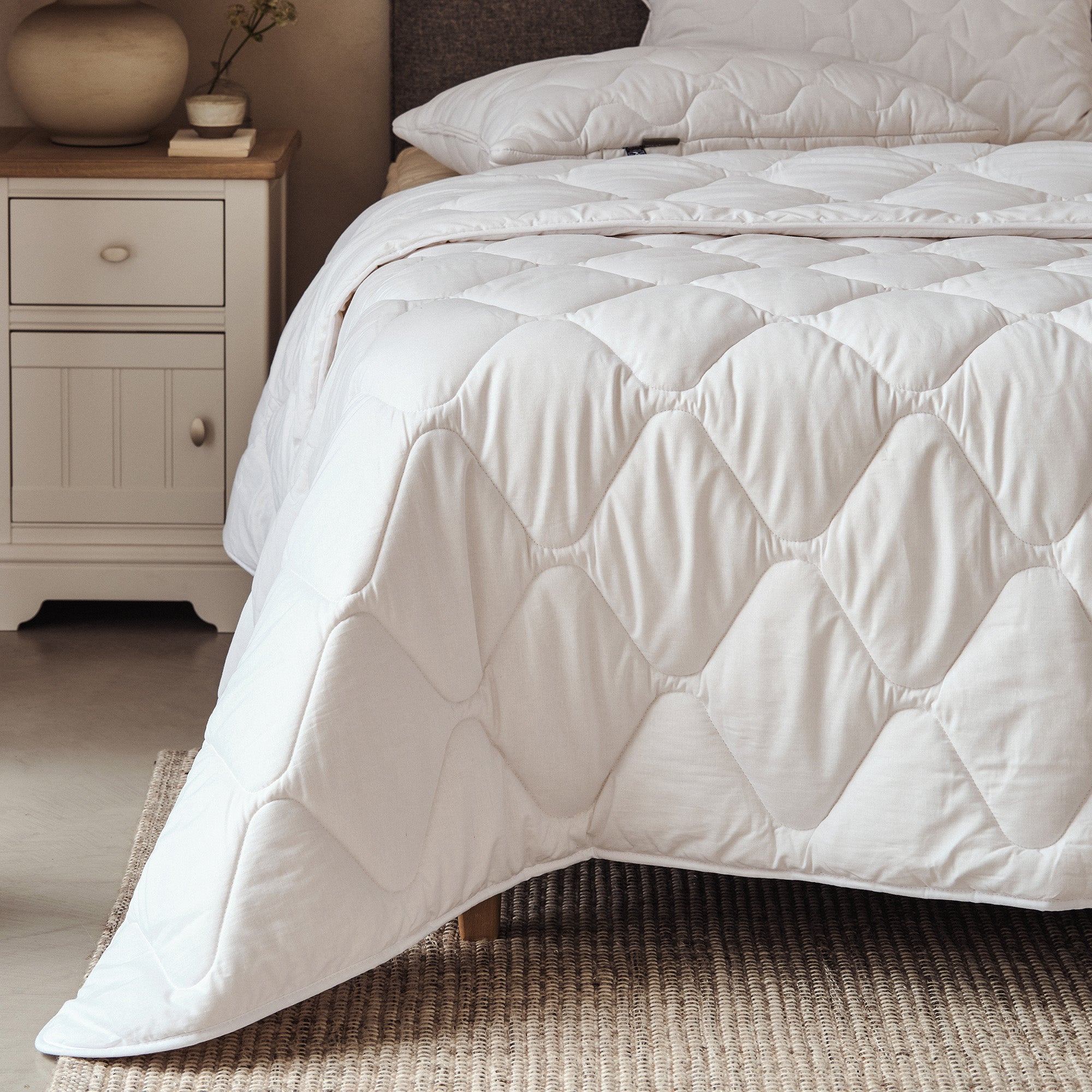
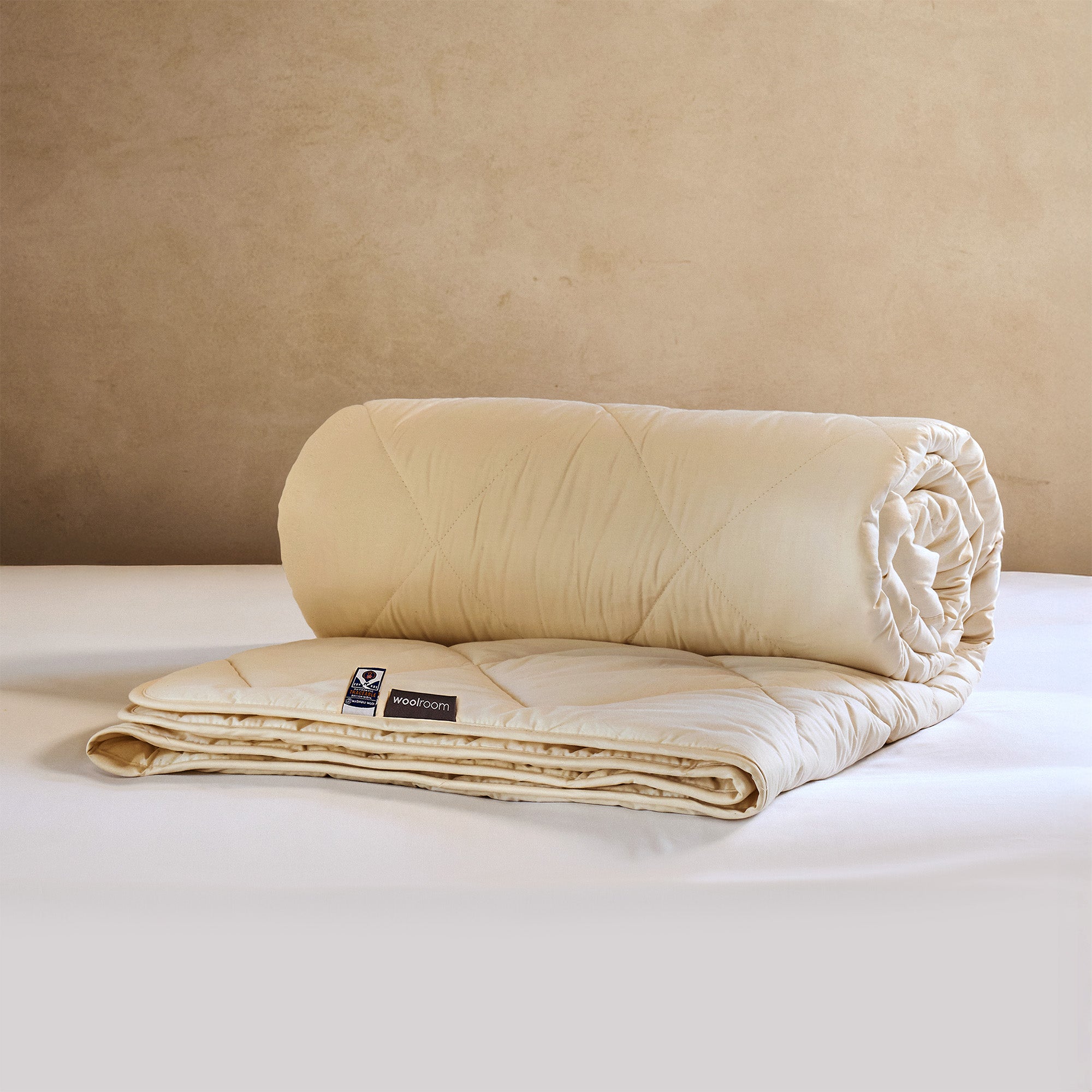
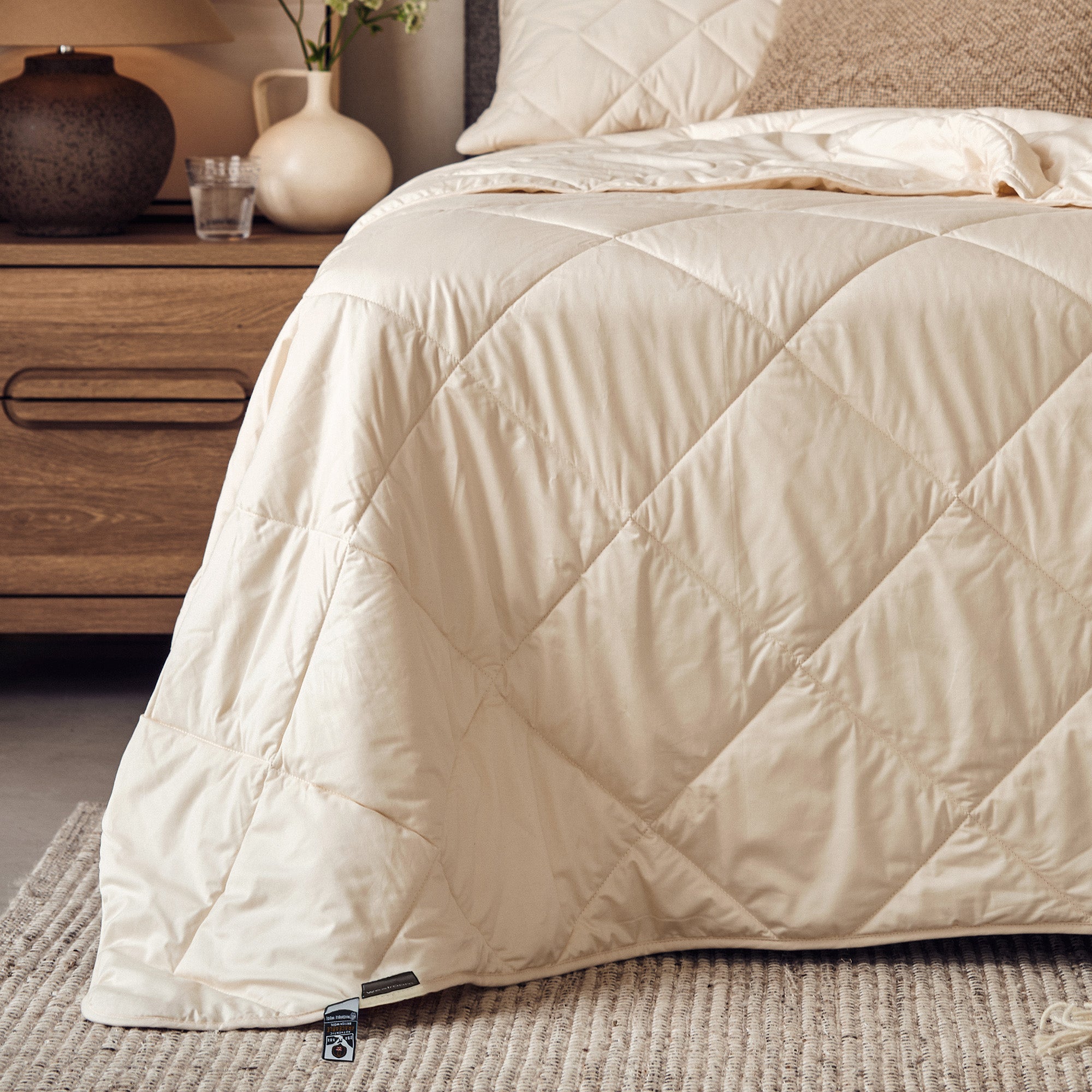
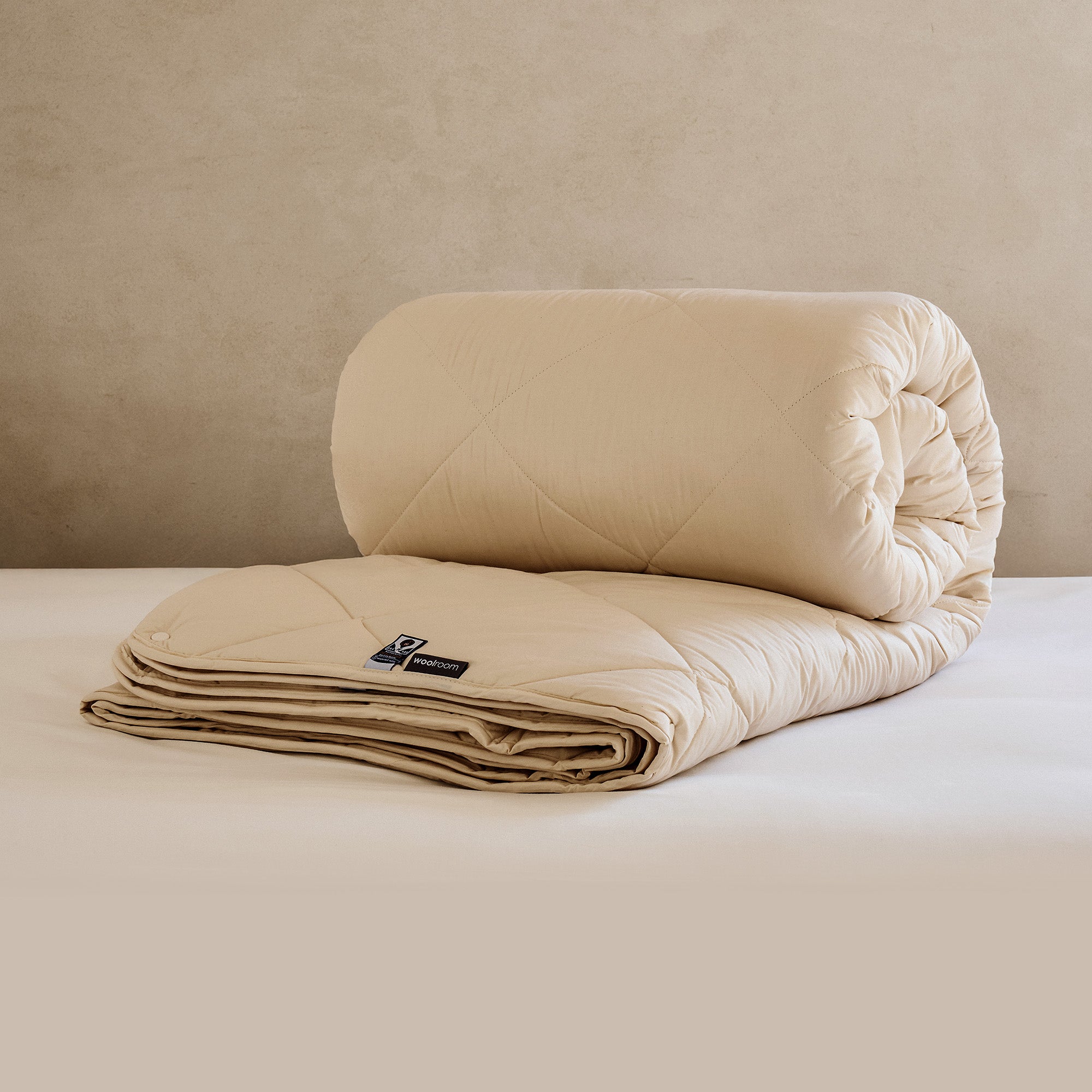
Opter pour des oreillers, une couette, un surmatelas ou un protège-matelas en laine naturelle contribue grandement à améliorer la qualité du sommeil. La laine, en tant que fibre, est particulièrement adaptée au sommeil. Respirante, thermorégulatrice et absorbante, elle réduit naturellement la surchauffe et les sueurs nocturnes. Une étude menée à l'Université de Leeds sur la literie Woolroom a d'ailleurs démontré qu'elle augmente de 67 % les chances de passer une bonne nuit et favorise un sommeil profond et réparateur 25 % plus long qu'avec d'autres types de literie. Autre avantage ? La laine est aussi un purificateur d'air naturel !
Pour les personnes sensibles ou allergiques, la literie en laine naturelle est idéale car elle contribue à un environnement de sommeil plus sain. Les matériaux comme le duvet et la mousse à mémoire de forme retiennent la chaleur, créant ainsi un milieu chaud et humide propice à la prolifération des acariens et autres allergènes, sans parler des moisissures. Grâce à leurs propriétés aérées et à leur capacité d'évacuation de l'humidité, les fibres de laine sont tout simplement incompatibles avec ces allergènes et irritants.
4 - Créez une routine du soir
La régularité est essentielle pour maintenir un rythme circadien sain. Essayez donc d'instaurer et de suivre une routine du soir régulière. Une pause de 30 à 60 minutes est idéale, mais privilégiez la simplicité et la facilité. L'objectif est de signaler à votre corps qu'il est temps de se reposer ; les activités apaisantes sont donc les plus efficaces. Vous pouvez par exemple vous brosser les dents, vous laver le visage, enfiler votre pyjama et profiter d'un moment de lecture, de yoga du soir, d'exercices de respiration guidée ou d'écriture dans votre journal avant d'aller au lit. Une tisane réconfortante, un bain chaud ou une douche chaude sont d'autres options. L'important est de prendre une habitude que vous pouvez suivre régulièrement : c'est ce qui, au fil du temps, contribue à réinitialiser votre horloge biologique.
Il est important d'éviter la surstimulation et de privilégier les activités légères. Tamiser la lumière et éteindre les écrans est essentiel. La lumière est le principal régulateur du rythme circadien , grâce aux cellules spécialisées de la rétine. La lumière bleue des téléphones portables et des téléviseurs peut inhiber la production de mélatonine , rendant l'endormissement plus difficile. Il est donc primordial d'éviter les écrans avant de se coucher. Si cela n'est pas possible, activez le mode nuit.
5 - Privilégiez la lumière du matin
Il est tout aussi important de limiter la lumière le soir que de s'y exposer le matin. La lumière du matin signale au corps qu'il est temps d'être éveillé et alerte ; prenez donc le temps, dans l'heure qui suit votre réveil, de profiter de la lumière du soleil. Elle contribue à réguler les niveaux de mélatonine et de cortisol, vous permettant ainsi de vous sentir alerte tout au long de la journée. Une courte promenade, une tasse de café en terrasse, ou même simplement ouvrir les stores pour laisser entrer la lumière indirecte, peuvent suffire. Si vous vous levez avant le soleil, la luminothérapie peut être une excellente alternative.
6 - Instaurer de petits changements d'habitudes pour des résultats durables
Souhaiter mieux dormir est une résolution admirable pour 2026, mais il s'agit moins d'un changement radical que de petits changements durables. Modifier progressivement son heure de coucher, tamiser la lumière, maintenir une chambre fraîche, sombre et calme, choisir une literie en laine qui soutient le corps et privilégier la lumière du matin contribuent à des nuits plus reposantes.
Il est normal que les changements soient progressifs, mais persévérez ! Soyez attentif aux signes positifs qui indiquent une réelle amélioration de votre sommeil, comme vous endormir un peu plus tôt, être moins souvent interrompu pendant la nuit ou vous sentir plus reposé le matin. La régularité porte ses fruits, et avec les bonnes habitudes et un environnement de sommeil adapté, vous pouvez vraiment rééquilibrer votre sommeil en 2026.
Foire aux questions
Une nuit blanche permet-elle de réinitialiser le cycle de sommeil ?
Non. Passer une nuit blanche perturbe votre rythme circadien et rend le retour au sommeil plus difficile, car vous risquez davantage de faire une sieste ou de trop dormir une fois endormi. Pour réinitialiser votre cycle de sommeil, il est préférable d'ajuster progressivement votre heure de coucher et de suivre un horaire régulier.
Quelle est la règle 10-5-3-2-1 pour le sommeil ?
La règle 10 5 3 2 1 pour le sommeil décrit les comportements qui favorisent un repos de qualité : pas de caféine 10 heures avant le coucher, pas de nourriture ni d’alcool 3 heures avant le coucher, pas de travail 2 heures avant le coucher et pas de temps d’écran 1 heure avant le coucher.
Quel est le moyen le plus simple de réinitialiser son rythme de sommeil ?
Le moyen le plus simple de réinitialiser votre rythme de sommeil est de se coucher et de se lever à heures fixes, de limiter la caféine et les repas copieux le soir, de créer un espace de sommeil propice au repos, de minimiser le temps passé devant les écrans la nuit et de privilégier la lumière naturelle le matin.
Pourquoi est-ce que je me réveille à 3 heures du matin et que je n'arrive pas à me rendormir ?
Il se peut que vous vous réveilliez à 3 h du matin à cause du stress ou de l'anxiété, ou encore à cause de mauvaises conditions de sommeil vous exposant à la lumière, au bruit ou à la chaleur. Essayez d'éviter de regarder l'heure et lisez ou écoutez de la musique jusqu'à ce que vous vous sentiez fatigué(e). Instaurer un rituel du coucher apaisant peut également vous aider.