

British Wool
The Organisation Behind Britain’s Wool

Beyond 'Made in Britain'
Most wool bedding brands know whether their wool is British. But very few can tell you which farm it came from, who graded it or what happened between the sheep and the sewing machine. Woolroom can, and the reason is British Wool.
British Wool, at a glance
From Fleece to Finished Product
From Fleece to Finished Product
1. Shearing and collection
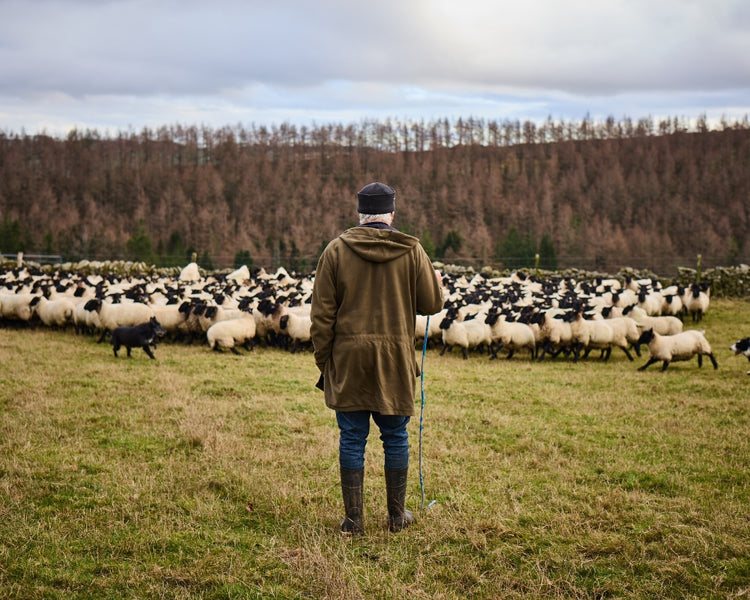
Sheep are shorn once a year, usually between May and August, for their comfort and health. Farmers pack their fleeces into official British Wool sheets and deliver them into the collection network of eight grading depots across the UK.
1. Shearing and collection

Sheep are shorn once a year, usually between May and August, for their comfort and health. Farmers pack their fleeces into official British Wool sheets and deliver them into the collection network of eight grading depots across the UK.
From Fleece to Finished Product
2. Grading: where quality is decided
This is the stage that matters most to us, and the one almost nobody outside the industry sees.
Every fleece is assessed by hand and assigned a grade. British Wool grades into almost 120 different fleece grades, with further grades for lamb’s wool, organic wool and traceable wool.
2. Grading: where quality is decided

This is the stage that matters most to us, and the one almost nobody outside the industry sees.
Every fleece is assessed by hand and assigned a grade. British Wool grades into almost 120 different fleece grades, with further grades for lamb’s wool, organic wool and traceable wool.
From Fleece to Finished Product
3. Independent testing
Before wool is sold, it’s independently tested for micron, colour and dry yield against international standards.
This is the part that separates British wool from most natural-fibre supply chains. It means we aren’t buying on description or reputation. We’re buying against measured technical data. We can specify wool not just by where it came from, but by what it actually is.
For a product that has to insulate, breathe, wick moisture and stay resilient for years, that distinction is everything.
3. Independent testing

Before wool is sold, it’s independently tested for micron, colour and dry yield against international standards.
This is the part that separates British wool from most natural-fibre supply chains. It means we aren’t buying on description or reputation. We’re buying against measured technical data. We can specify wool not just by where it came from, but by what it actually is.
For a product that has to insulate, breathe, wick moisture and stay resilient for years, that distinction is everything.
From Fleece to Finished Product
4. To the auction house
Graded, tested lots are sold through a programme of auctions running throughout the year, connecting British farms to the global textile trade—flooring, furnishings, apparel and bedding.
British Wool deliberately feeds the annual clip onto the market progressively instead of releasing a full year's production at once. That controlled approach helps maximise value for members and manages exposure to global price volatility.
Woolroom’s wool is bought at auction every two weeks. Each purchase brings a new set of graded lots into our supply chain, and every farm that contributed to those lots is added to our traceability database. That rhythm keeps our wool current rather than sitting in long-term storage, and it means the list of farms behind our products keeps growing.
4. To the auction house

Graded, tested lots are sold through a programme of auctions running throughout the year, connecting British farms to the global textile trade—flooring, furnishings, apparel and bedding.
British Wool deliberately feeds the annual clip onto the market progressively instead of releasing a full year's production at once. That controlled approach helps maximise value for members and manages exposure to global price volatility.
Woolroom’s wool is bought at auction every two weeks. Each purchase brings a new set of graded lots into our supply chain, and every farm that contributed to those lots is added to our traceability database. That rhythm keeps our wool current rather than sitting in long-term storage, and it means the list of farms behind our products keeps growing.
From Fleece to Finished Product
5. Payment back to the farm
Money from sales returns to British Wool's farmer members, with payments reflecting the weight and quality of wool supplied and the average price achieved for that grade across the season.
5. Payment back to the farm

Money from sales returns to British Wool's farmer members, with payments reflecting the weight and quality of wool supplied and the average price achieved for that grade across the season.
Three Levels of Traceability
More and more, knowing a material is “British” is just the starting point. British Wool’s system offers provenance at three places:
-

British farm provenance
-
Regional traceability
-

Farm-level traceability


How a Bale is Actually Traced
The system is built into the physical movement of the wool.
- Delivery. A farmer’s consignment receives a unique document number, recorded on their Receipt of Wool.
- Grading. Wool is sorted into skeps, each carrying a unique data card that keeps it connected to the right farmer.
- Weighing. Data is captured against the farmer’s account.
- Baling. As wool from different farms is combined by grade, the tracking information travels with it. Each finished bale receives its own identification code.
Underpinning all of it is British Wool's investment in a QR-code-based traceability system, so origin information survives grading, baling and auction instead of evaporating the moment individual fleeces enter the commercial supply chain. It’s an old agricultural system with a modern digital record running alongside it.
We’ll clarify something that’s often glossed over: a bale weighs roughly 350–400kg and usually contains wool from several farms. Traceability doesn’t mean one bale equals one farm. It means the identities of the farms contributing to that bale are retained, not lost when the wool is pooled by grade.
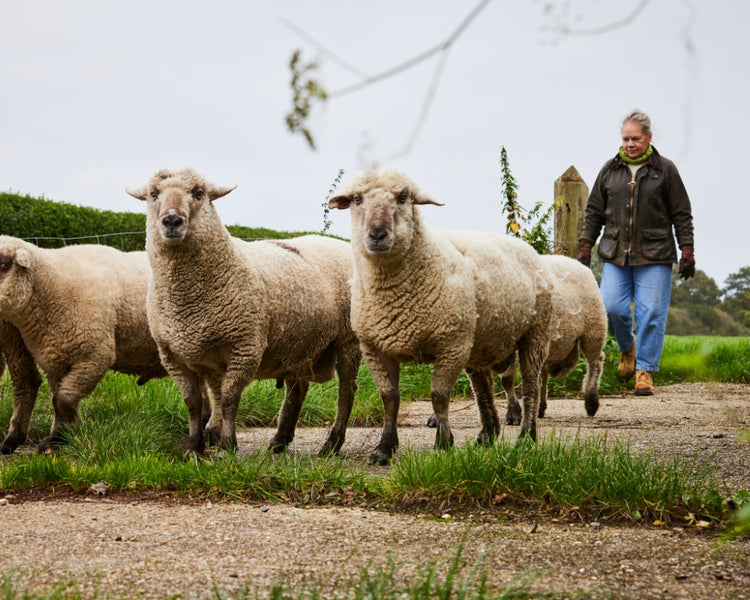
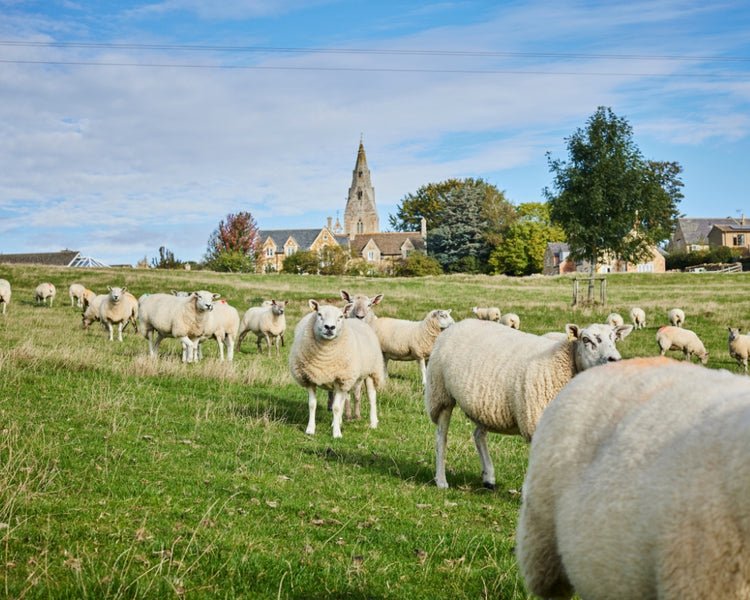
That's what powers Wool ID®. Every Woolroom product carries a lot number on its care label and a QR code. Scan it and you can read about the farms, the farmers and the flocks behind your wool: Cracrop Farm in Cumbria, Boundary Farm in Rutland, Manor Farm in Dorset, Llanfechan in Wales, and a growing list of others.


Traceability Pays the Farmer


The Shepherd’s Crook Mark: Your Verification
Wool: Britain’s Oldest Industry
Wool is widely regarded as Britain’s oldest industry, and it’s not an exaggeration to credit the fibre with building this country to some degree. Wool’s production, processing and trading may well be the first commercial industrial enterprise in the nation’s history, serving as the backbone of the medieval economy. Kings taxed its export, and Norwich, York and Coventry made their wealth on it.


More than a Wool Merchant
British Wool's role extends past collecting and selling fibre. It runs approved shearing and wool-handling training to keep those rural skills alive for the next generation — because the industry depends on far more than sheep and farms. It depends on generations of practical knowledge in shearing, handling, sorting and presenting wool correctly.
It also works to create demand, partnering with manufacturers, retailers and designers, and supporting initiatives such as the Campaign for Wool. Producing wool is only sustainable for farmers if there's a market for it.
Between the sheep and the finished product, British Wool provides the collection infrastructure, the grading expertise, the independent testing, the auction route to market, the promotion that creates demand, the training that preserves the skills, and the traceability that lets us tell you the truth about where your wool came from.


FAQs
Here you can add your FAQ content.
Take a Closer Look
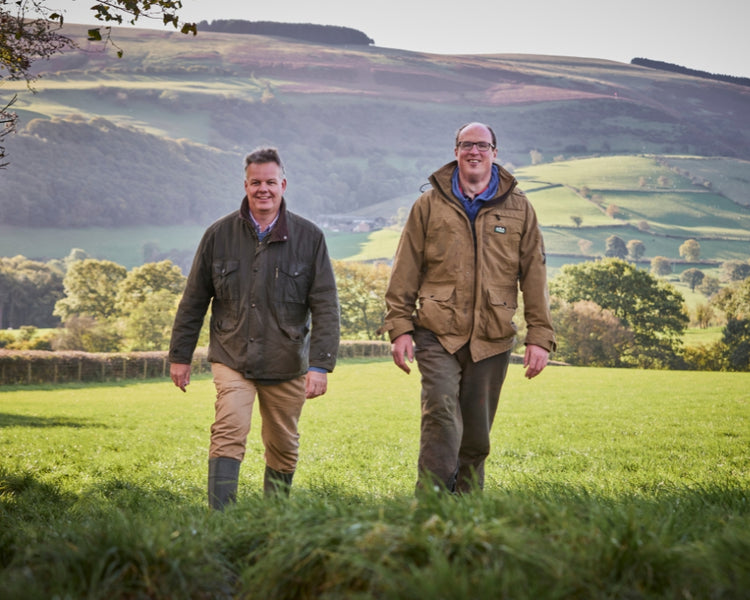
As a family-run business, we understand that the future of any industry is in its people
- Choosing a selection results in a full page refresh.
- Opens in a new window.
NOTIFY ME WHEN AVAILABLE
We don't share your information with others.