Key takeaways
- The best thread count for most sheets is 200–400; sateen can go up to 600, but beyond that you’re usually paying for marketing.
- High thread counts are often inflated using multi-ply yarns, which can make sheets heavier and less breathable.
- Fiber quality, weave type, and finishing process matter more than thread count alone.
- Long-staple, single-ply organic cotton produces sheets that get softer with every wash.
- Look for GOTS certification to verify that organic cotton claims are genuine.
For years, people assumed a high thread count meant softer sheets, more durability, and higher quality overall. But thread count is simply the number of threads in a square inch of fabric. It’s a clue into weave density, but using it as a guide to quality is usually a mistake. Here’s what to understand about the best thread count for your sheets, and why higher isn’t always better.
What is thread count, and does it really matter?
Thread count is exactly what it sounds like—the number of horizontal and vertical threads in a single square inch of woven fabric. That number tells you how dense or tight the weave is. When the thread count is high, it means the weave is tight. A low thread count tells you that the weave is loose. What it doesn’t mean is that a looser weave, or a lower thread count, is automatically poor quality. Instead, the thread count gives you an idea of a fabric’s texture, appearance, and weight. That’s why you’ll often see thread count listed in articles that compare sheets.
In bed sheets with a high thread count, you can generally expect a softer, smoother hand feel with a generous drape. Sateen has a high thread count, which is what gives it that buttery-soft, wrinkle-resistant nature. The tighter weave holds onto body heat well, so it’s a good choice for colder times of the year.
Percale has a lower thread count, which makes it feel crisp. It's a popular weave in warmer climates or during the summer because it allows air to circulate.
While thread count can be useful, it’s important to consider it alongside other details, like material, fiber length, weave, and finishing process. Some brands inflate thread count by using multi-ply yarns in their bedding. That’s how you get thread counts exceeding 800. The implication is that it’s incredibly high quality and more durable. But in practice, it can mean heavier, less breathable bedding that’s prone to pilling.

What is a good thread count for sheets?
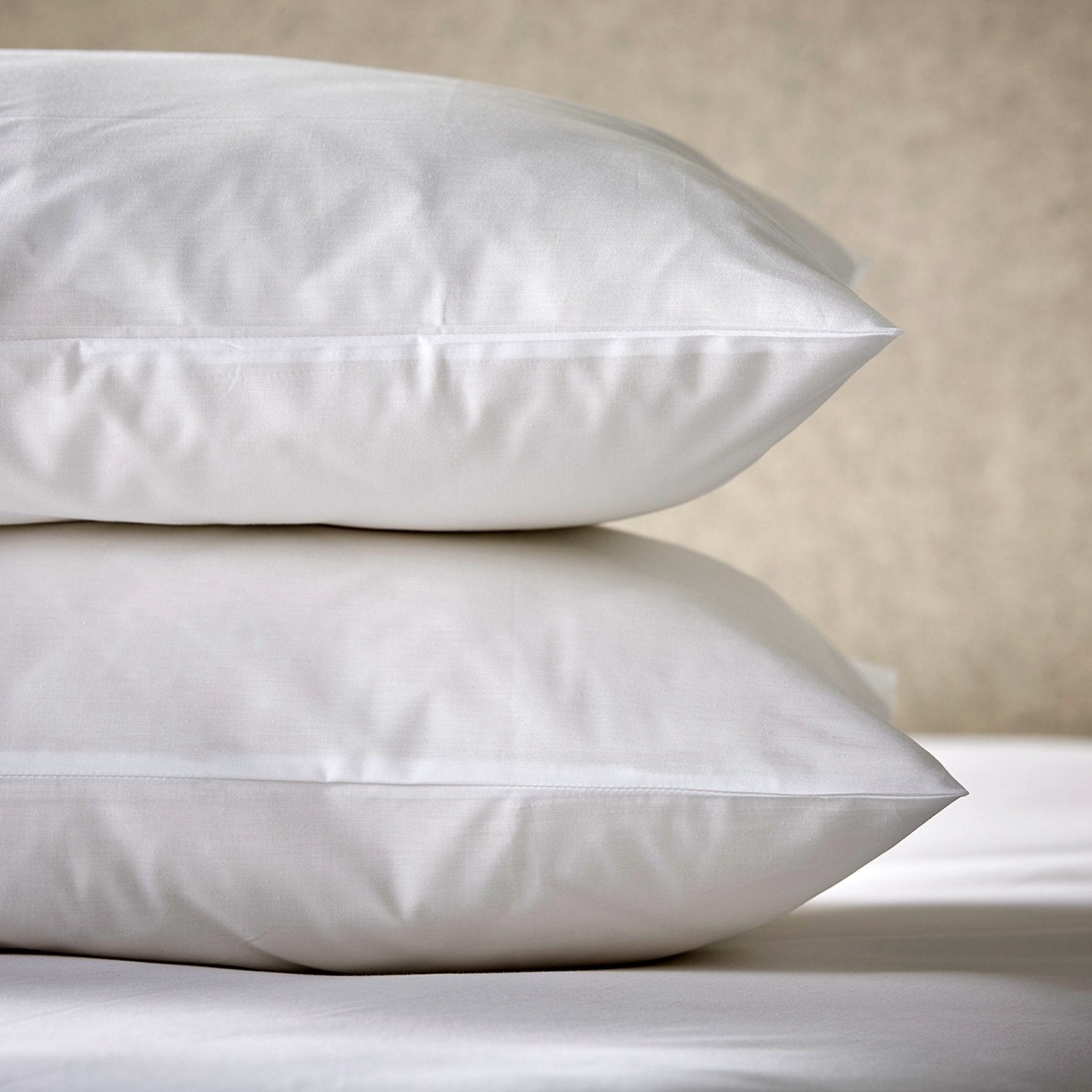
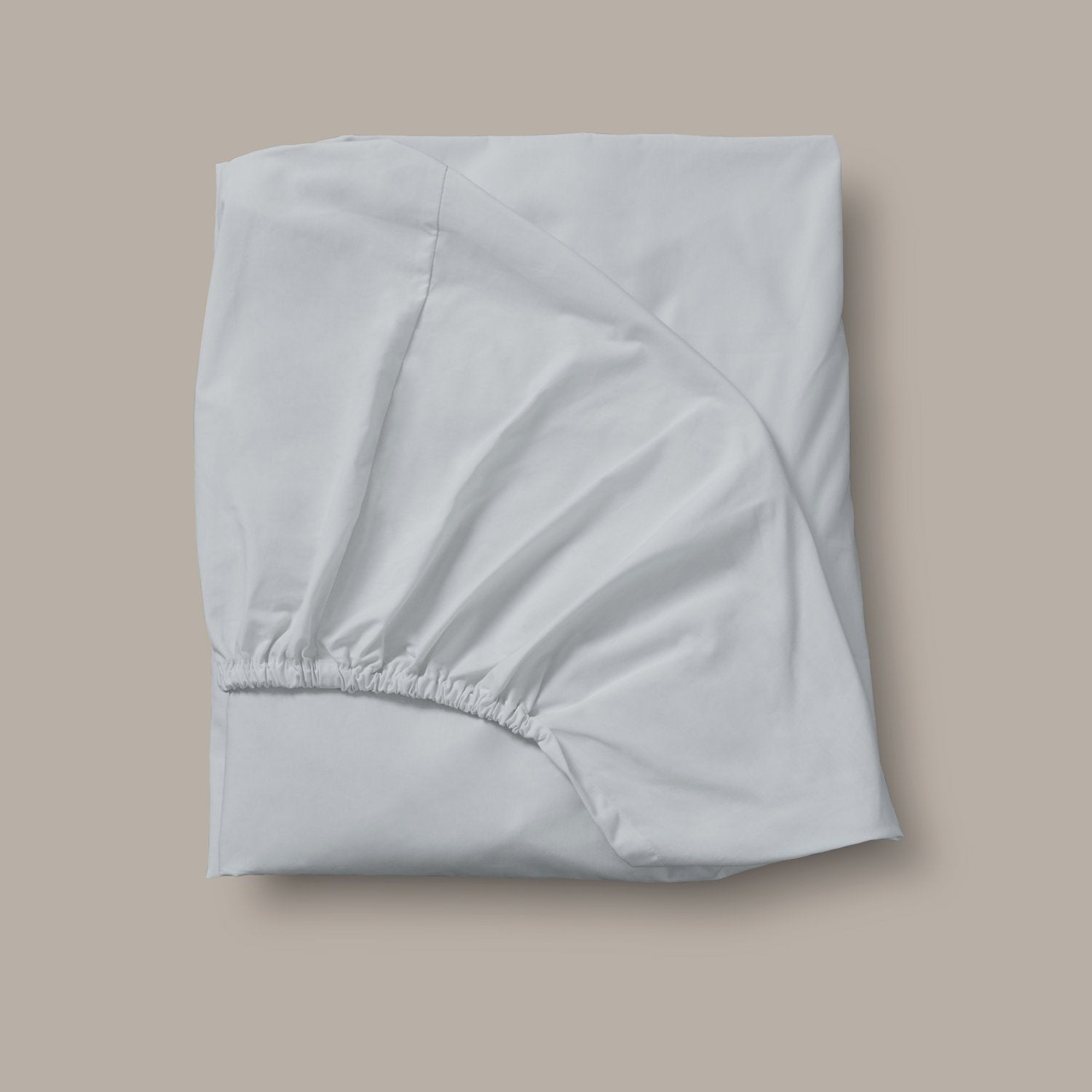
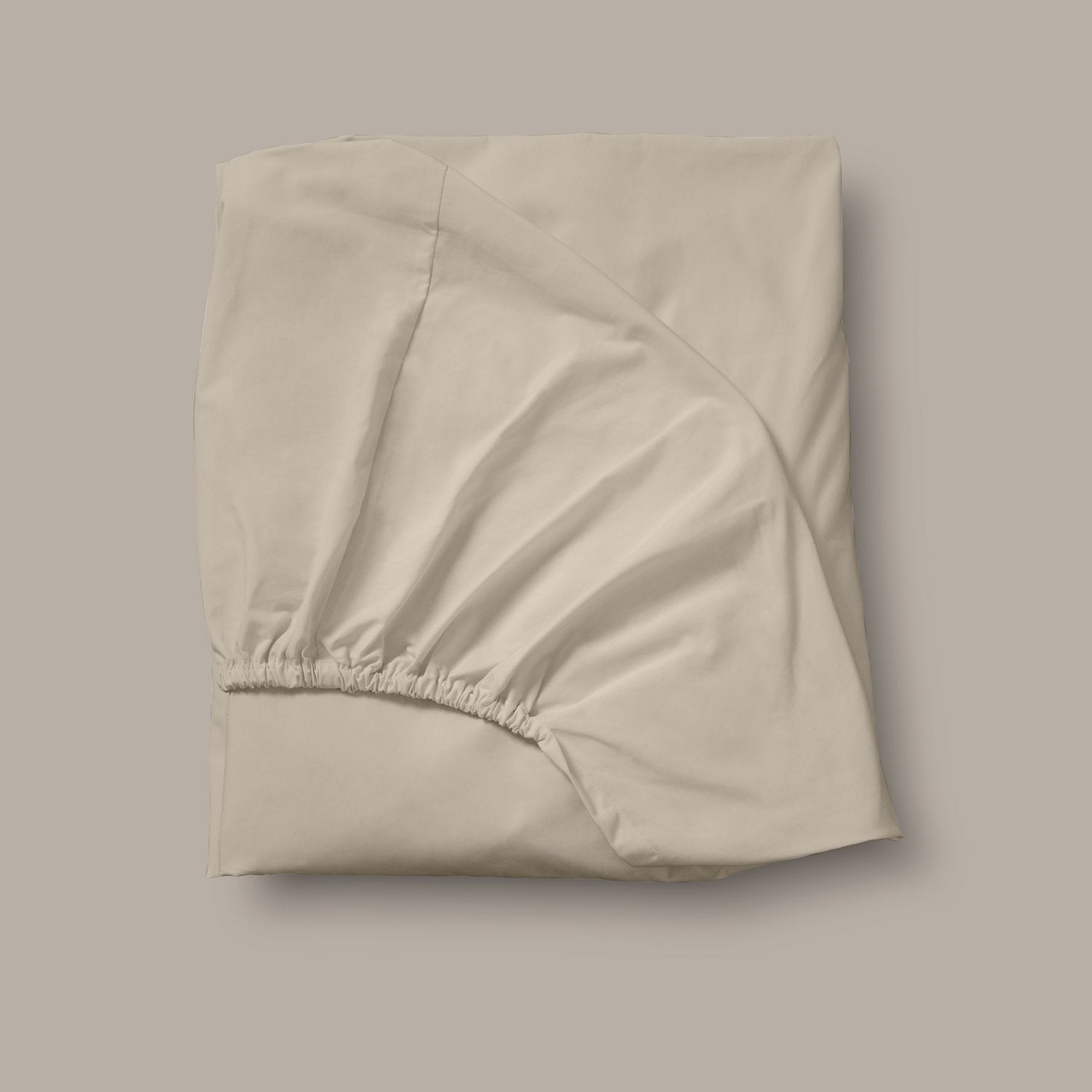
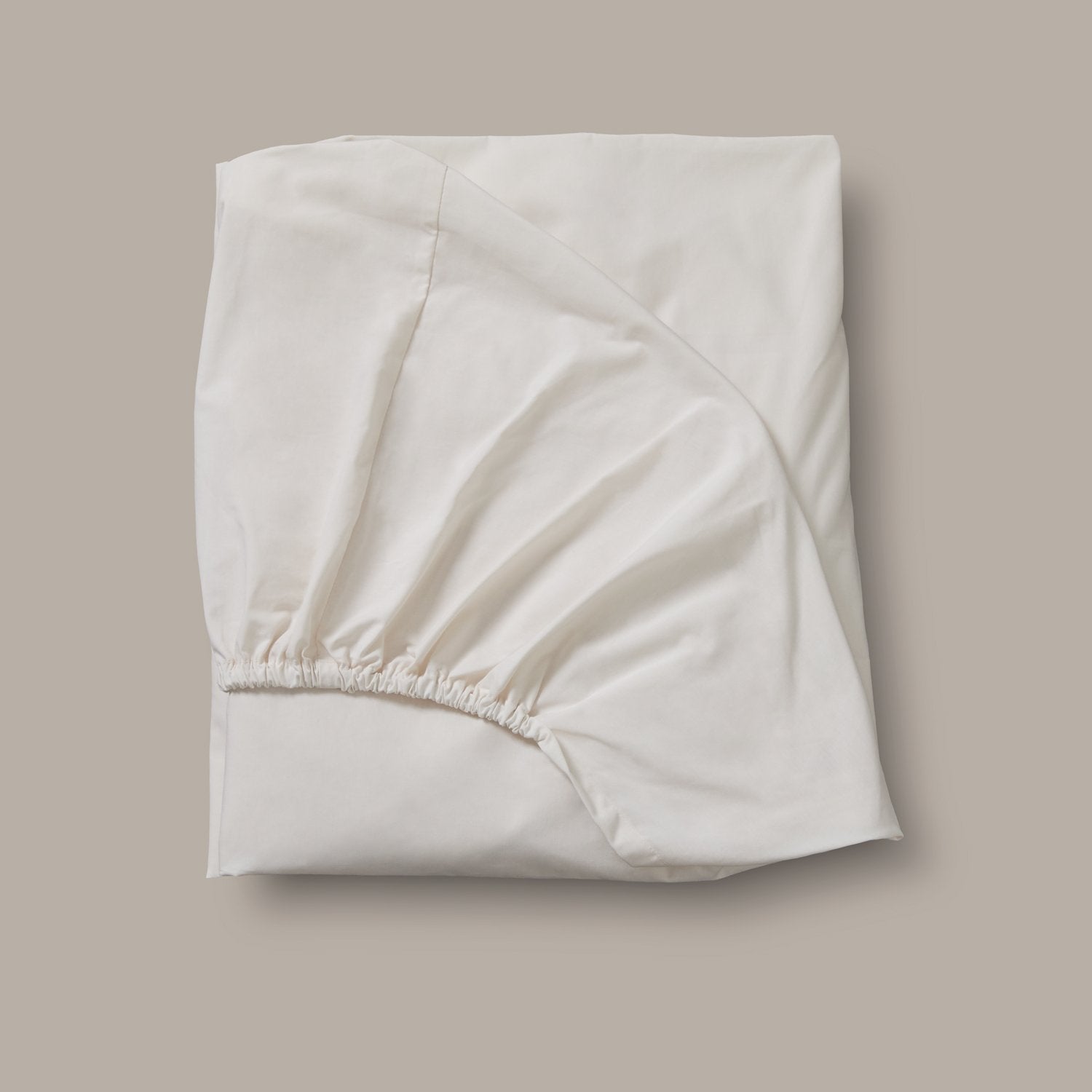
If a thread count of 800 is probably too high, where should you aim? The ideal range for most people is 200 to 400 for a balance of softness, breathability, and durability. Here at Woolroom, our organic cotton percale bed linens have a single-ply, 200-thread count, which makes them crisp, breathable, luxurious, and the perfect accompaniment to our natural wool bedding.
Sateen weaves are generally between 300 and 600, which gives them a smoother, heavier feel. Pushing above that, in the 600 to 1,000+ range, is generally more about marketing than any actual benefit.
Why thread count alone doesn’t equal better sheets
We mentioned that thread count isn’t a reliable indicator of quality on its own. Here’s what else to consider when you’re shopping for new sheets.
Material
Organic cotton is grown without synthetic pesticides or fertilizers, a boon for the environment and your skin. Synthetic fabric blends and heavily processed fibers may have high thread counts, but that comes at a cost—poor breathability and temperature regulation.
Fiber length
With cotton, the length of the fiber (known as the staple) has a major impact on how a sheet feels and how long it lasts. Long-staple cotton produces longer, smoother threads that are less likely to fray or pill over time. That translates into bedding that gets softer with every wash. Short-staple cotton tends to shed more fibers and wears down faster, regardless of thread count.
Weave
We touched on this earlier—the weave plays a big role in how sheets feel against the skin and how they perform across different seasons. Percale has a one-over-one-under construction that’s crisp and breathable. Sateen has a three-over-one-under pattern, which gives it a soft, dense feel and a subtle sheen. Neither is inherently better—it just comes down to how you sleep and what you prefer.
Finishing process
It can be hard to find this on the label, but many mass-market sheets are treated with chemical softeners, wrinkle-resistant coatings, and even formaldehyde-based finishes that make them feel soft and smooth right out of the packaging. Unfortunately, those finishes wash out and for people with sensitive skin, they can be irritating.
While sheets that are free of chemical additives might feel more understated at first, they’re gentler on the skin, hold up better over time, and tend to soften every time you wash them.
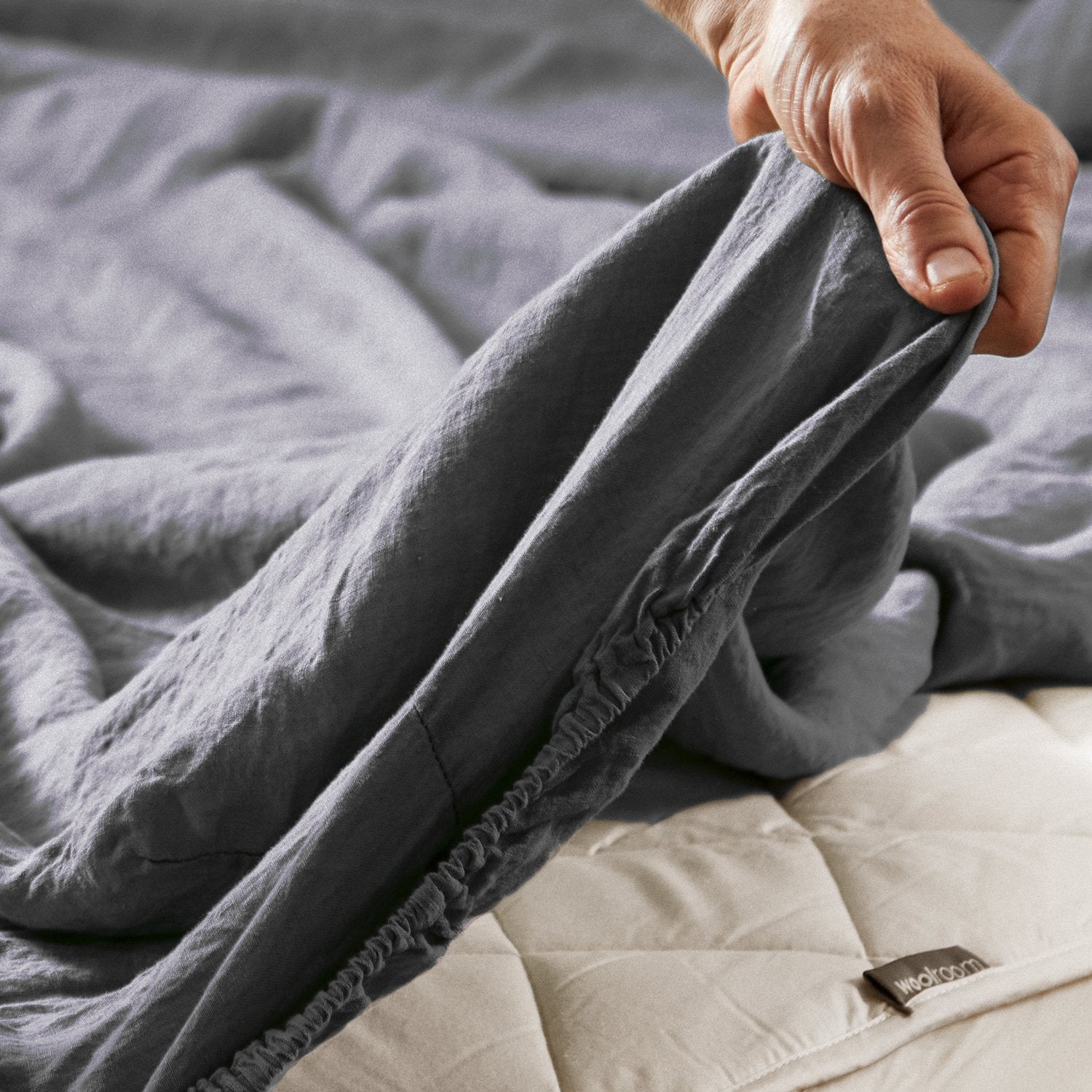
Here at Woolroom, we keep things simple: single-ply, long-staple, organic cotton, finished naturally without softeners or wrinkle treatments. It means our bedding breathes, lasts, and feels better the longer you use it—which is really the point.
How to shop smart: what to look for beyond the number
Here’s how to put all of this information into practice the next time you’re comparing sheets.
Look for:
- Single-ply yarns. If a brand can't tell you whether their yarns are single- or multi-ply, that's a red flag. Single-ply construction is a reliable sign of genuine quality.
- Organic or long-staple cotton. These are the two fiber details most worth seeking out. Together, they point toward sheets that are softer, more durable, and better for your skin.
- An honest thread count. For most weaves, 200 to 400 is the sweet spot. If you're looking at sateen, up to 600 is reasonable. Beyond that, ask questions.
- A clearly defined weave type. Percale, sateen, twill—a brand that's upfront about construction is one that knows its product.
- GOTS certification. For organic cotton, this is the gold standard. It verifies both the organic status of the fiber and the ethical standards of the supply chain.
Be cautious of very high thread counts with no details on fiber or construction, softness claims that don’t seem to be related to the material quality, and polyester or bamboo rayon sheets marketed as “natural.” While bamboo is indeed a plant, the finished sheet is often so heavily processed that there’s not much of the plant pulp left.
At Woolroom, our organic cotton percale sheets are GOTS-certified and single-ply, with no synthetic fibers and no chemical finishes. What you see is what you get.

Thread Count FAQs: What Shoppers Ask Most
Is 1000 thread count good?
Not usually. Thread counts that high are almost always made with multi-ply yarns, which inflates the number without actually improving the sheet. It’s usually heavier and more likely to trap heat than a sheet in the 200 to 400 range. Excessively high thread counts are usually more of a marketing figure than a quality one.
What’s the best thread count for hot sleepers?
Look for percale weave in the 200 to 300 range. That indicates a looser weave that allows air to circulate for better heat dissipation at night. Percale is also known for its crisp, cool feel, which works well for hot sleepers. Plus, it gets softer with every wash.
Do higher thread count sheets last longer?
Not necessarily. Durability depends more on fiber quality than thread count, and sheets with inflated thread counts are usually more likely to pill because of how they’re constructed. If durability is a priority, look for long-staple, single-ply organic cotton.
What’s better, percale or sateen?
It depends on how you sleep. Percale is crisp, breathable, and cool, so it’s ideal for warm sleepers or those who prefer sheets with a lighter feel. Sateen is smoother and heavier, with more of a close-fitting drape, but it can trap heat. At Woolroom, we use percale for our organic cotton bed linen because we think breathability and longevity matter more than a silky finish straight out of the package.