Key Takeaways
- Indoor air quality matters, especially in bedrooms where exposure to VOCs can be prolonged and concentrated.
- Many mattresses and bedding products made with synthetic foams and glues release VOCs like formaldehyde over time.
- Wool doesn’t act as a mechanical air filter, but its porous, protein-based fibers can passively bind certain airborne VOCs.
- Wool’s interaction with formaldehyde is especially notable, as the compound becomes chemically bound to the fiber instead of being re-released.
- Wool bedding works best as part of a broader clean-air routine that includes ventilation and low-VOC material choices.
- Woolroom’s bedding products use traceable British wool, minimal chemical inputs, and breathable designs to support healthier sleep environments.
We tend to associate air quality with the outside world—smog or smoke or visible pollution hanging over the cities and towns in which we live. But indoor air quality—and bedroom air quality in particular—can have a serious impact on human health as well. According to the U.S. Environmental Protection Agency (EPA), most Americans spend roughly 90% of their time indoors, and in some cases, pollutant concentrations can be two to five times higher than those found outdoors.
The bedroom is where we spend our longest, most uninterrupted stretches, breathing in whatever’s found in the air around us. In the case of certain bedding materials, that can include volatile organic compounds (VOCs) off-gassing close to our bodies and face. Luckily, opting for safer materials isn’t as challenging as it might seem. In fact, a natural material like wool—a bedding staple valued for its breathability, moisture management, and temperature control—can actually improve indoor air quality for the better. Surprised? Here’s how wool bedding helps reduce VOCs for a cleaner, calmer sleep space.

What VOCs Are and Why Indoor Air Quality Matters in the Bedroom
Let’s start with a basic definition. VOCs are carbon-based chemicals that turn into gasses or vapors at room temperature. They’re found in all kinds of things, including paints, cleaners, personal care products, and bedding products like mattresses and pillows made with petroleum-based and synthetic materials. That “new mattress smell” is VOC off-gassing in action, and exposure can mean serious health issues like eye, nose, throat, and skin irritation, along with headaches, dizziness, and reduced sleep quality.
In bedrooms, VOCs can be present in detectable levels for months. Closed windows, closed doors, and heating and cooling systems that are often run intermittently at night can mean these compounds linger instead of dissipating. And it’s not just your mattress or pillow. VOCs accumulate from multiple sources, like paint and finishes, furniture and cabinetry made with synthetic glues or composite woods, air fresheners, perfumes, hair sprays, and upholstery. While the individual impact can be small, the cumulative effect in a single enclosed space can really add up—especially in a room where you spend a good six to nine hours every night, which means repeated, prolonged exposure compared to other rooms in your home.
Many brands recommend airing out new mattresses and pillows in a ventilated room before sleeping on them, but that may not solve the problem. While there isn’t much data on the long-term health effects of chronic low-level VOCs, we know that mattresses and pillows continue off-gassing at lower levels for extended yet unspecified timeframes. That means direct, ongoing exposure to chemicals already known to cause health concerns.
What “Air Purification” Really Means (and Where Wool Fits In)
It’s pretty common to picture some sort of air purifier machine when the topic is air purification. These active systems use ventilation and filtration to catch particles and reduce pollutants in the air we breathe. But passive absorption can be a surprisingly effective way to clean indoor air—and that’s where wool fits in.
While active air-cleaning systems rely on circulation, electricity, and regular maintenance to pull air in and filter particles out, passive absorption is different. Wool doesn’t pull air through a filter. It interacts with the air around it and binds with airborne compounds—including a number of common indoor pollutants—without releasing them back into the air.. That includes formaldehyde, nitrogen dioxide, and sulphur dioxide.
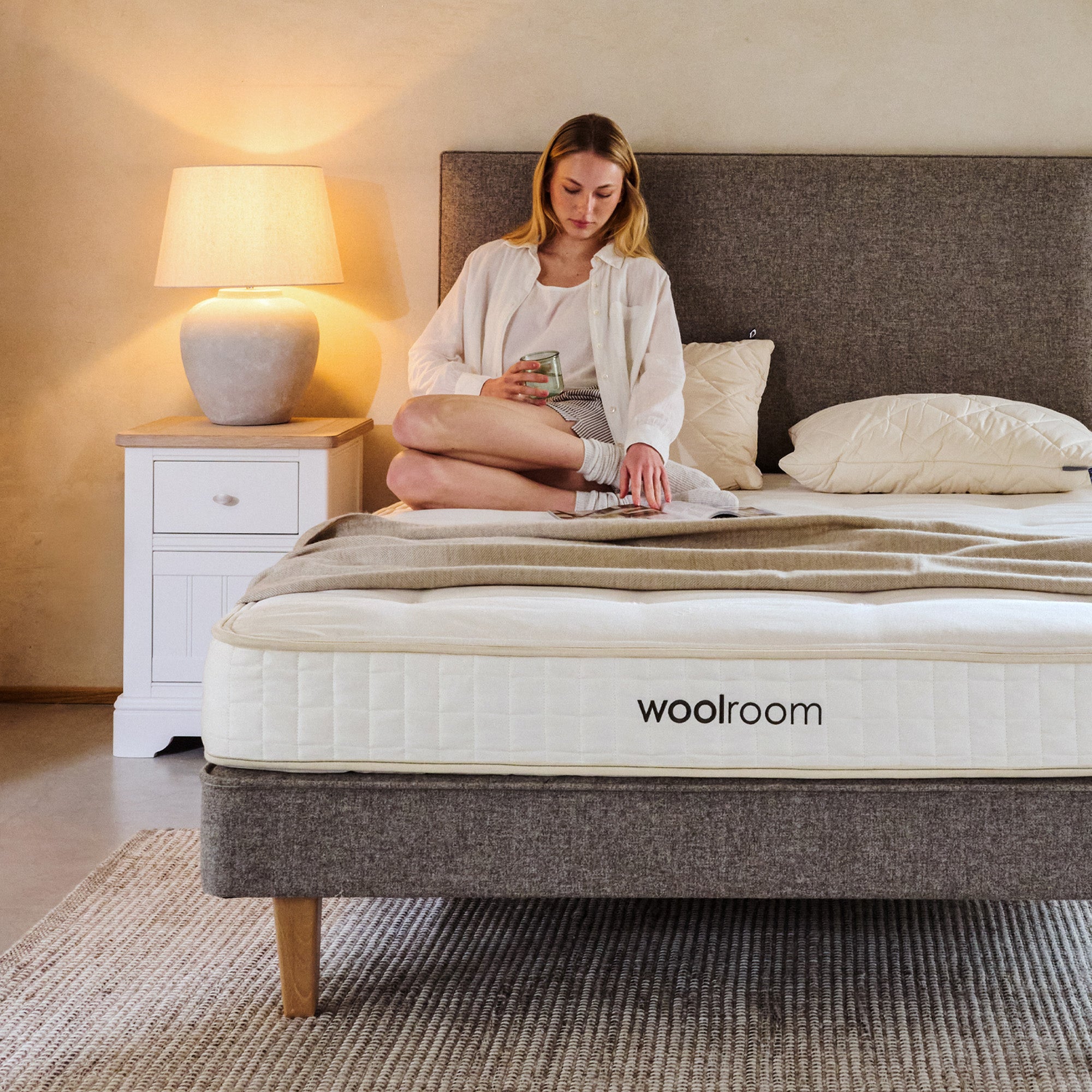
In a low-flow space like the bedroom, this is a small but mighty trick. While wool doesn’t have the power of a standalone air purifier, it’s a wonderful supporting layer to a bigger clean-air routine. A wool mattress, or wool bedding staples like a topper, comforter, or pillow, can continuously bind to VOCs without off-gassing or degrading. It happens right where you sleep, with no plugs or noise.
Pairing wool bedding with a few smart habits can make a big difference in your bedroom air quality, so give this is a try:
- Air out new mattresses, pillows, and furniture before you bring them into the bedroom, or at least open the window for a few hours to let the fresh air circulate.
- Crack the window for short periods during the day, even in cooler months, to refresh the air.
- Keep heavy synthetic fragrances, including scented sprays, strong detergents, and air fresheners, out of the bedroom.
- Use mild detergent when laundering your linens, and skip scented boosters or dryer sheets.
- Opt for materials that don’t off-gas so that air quality actually improves as time passes, instead of worsening as products degrade.

How Wool Fibers Naturally Interact With VOCs
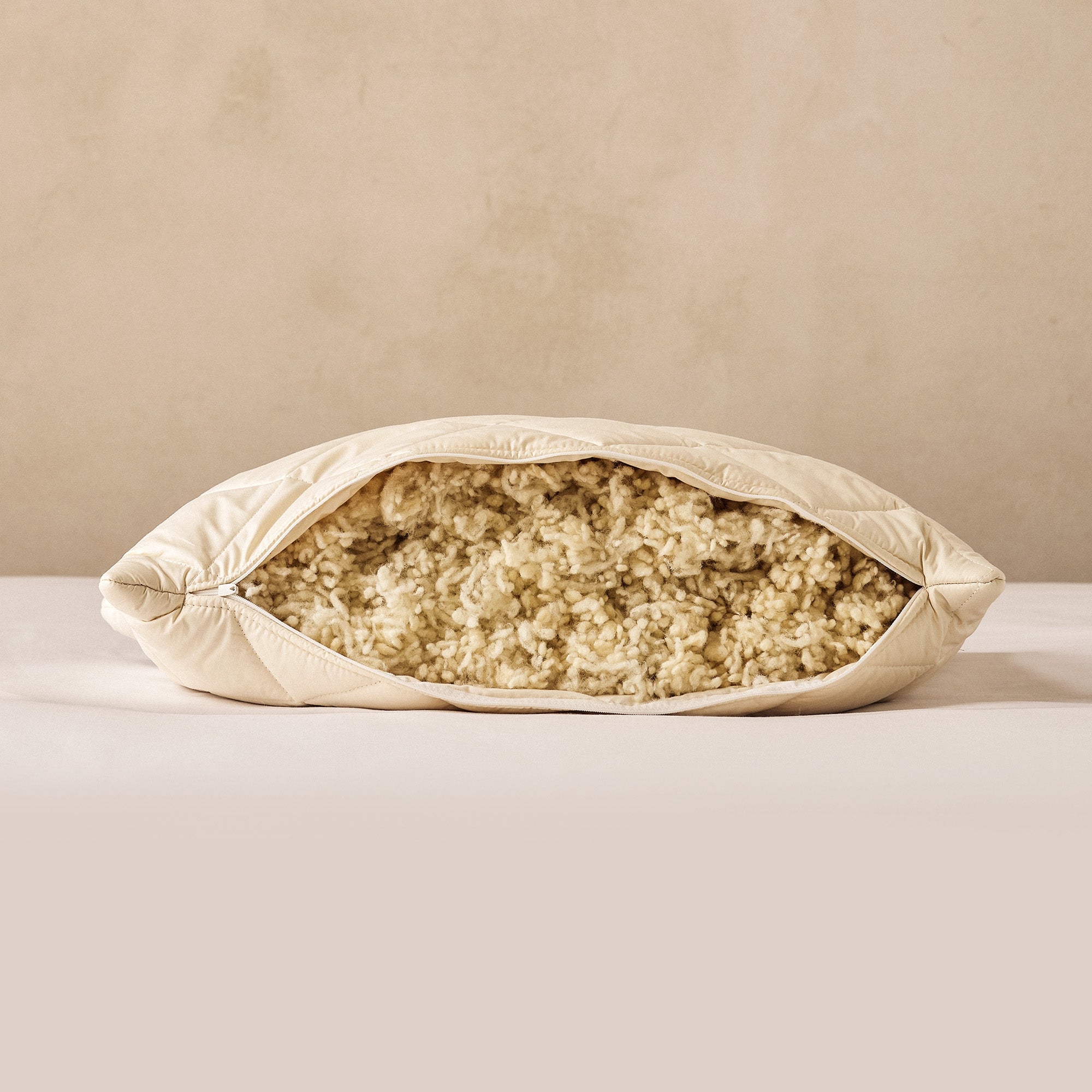
So what’s the secret? It all comes down to the naturally porous structure and generous surface area of the humble wool fiber. Zoom way, way in, and the wool fiber resembles a coiled, layered spring, which creates countless little pockets. All of those pockets give each fiber ample opportunity to interact with the air around it, unlike flat synthetic fibers.
Wool is made of keratin, so it’s protein based. That attracts specific airborne chemicals, especially aldehydes, which bind with the wool fiber instead of simply passing by. Wool’s unique structure means the fiber can hold onto these molecules in a form of chemical passive absorption that happens continuously. In the bedroom, close to your face and body, wool bedding works nonstop to purify the air around you.
The VOC Benefit People Talk About Most: Wool and Formaldehyde
We’ve flagged formaldehyde as one of the airborne chemicals that wool absorbs, and that’s no small thing. It’s one of the most commonly detected VOCs in indoor air because it shows up in many household products. It’s often used to help bind materials, so it’s released from things like synthetic foams, glues, and finishes.
The problem with formaldehyde indoors is that it doesn’t dissipate when it’s released in an enclosed space. Instead, it can actually accumulate. In a bedroom, that can mean ongoing, low-level exposure, which can trigger all those unpleasant symptoms we talked about above—headaches, eye, nose, and throat irritation, and disrupted sleep.
Formaldehyde is one of the airborne chemicals that can be absorbed by the wool fiber. It becomes chemically bound to the fiber’s structure, so it isn’t released. Wool’s ability to manage formaldehyde in this passive, continuous way makes it especially beneficial as a bedding material.
Which Woolroom Bedding Products Offer These Benefits
If you like the sound of all this and you’re ready to make some bedding swaps, Woolroom offers a range of products worth considering. Our 100% British wool is fully traceable and ethically sourced, and our Wool ID® program means full transparency into the people, farms, and flocks behind our wool. Ourcertifications, which include OEKO-TEX Standard 100 and the Global Organic Textile Standard plus approval from Allergy UK, speak to the quality and sustainability of our products.
All of our wool bedding can contribute to a safer, cleaner sleep space:
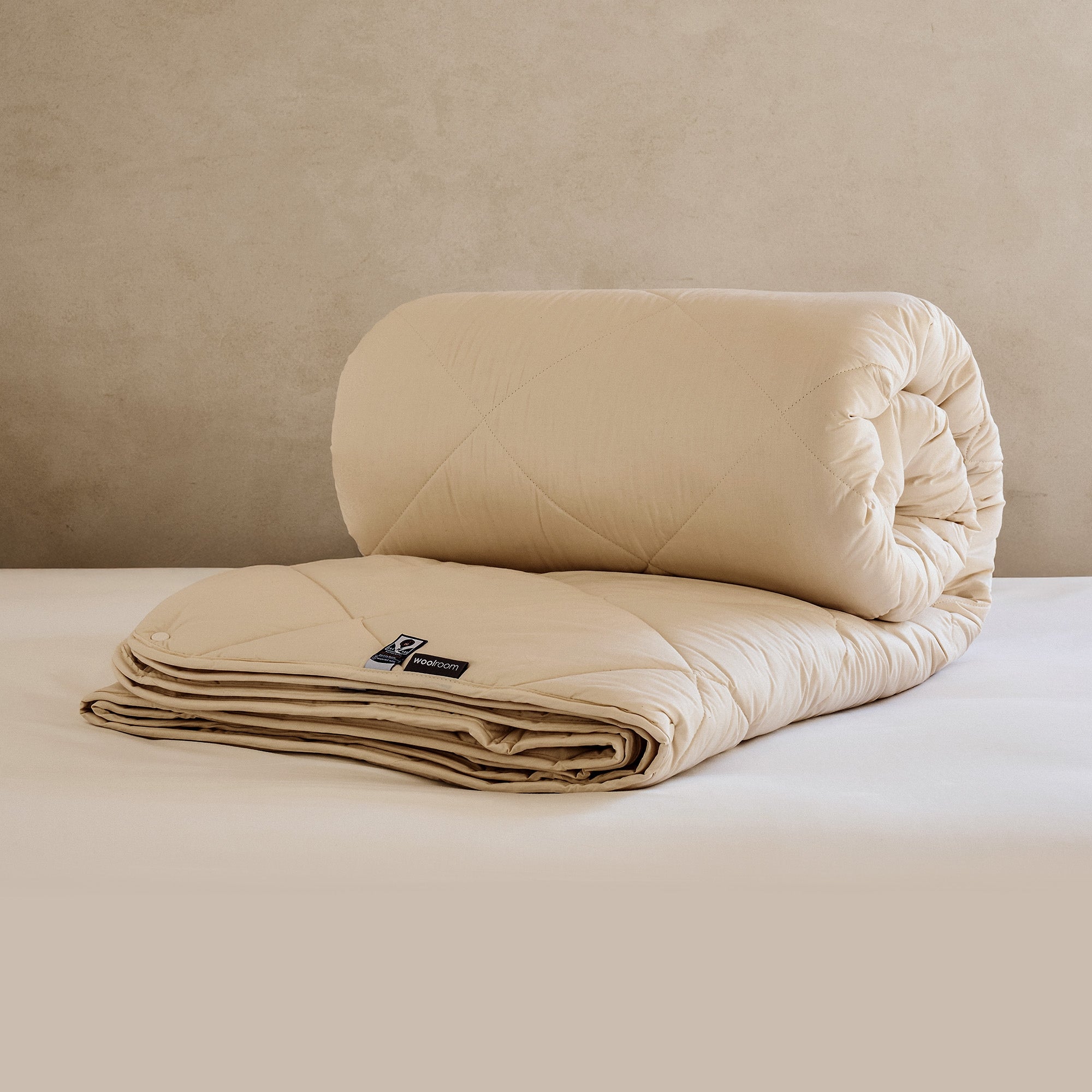
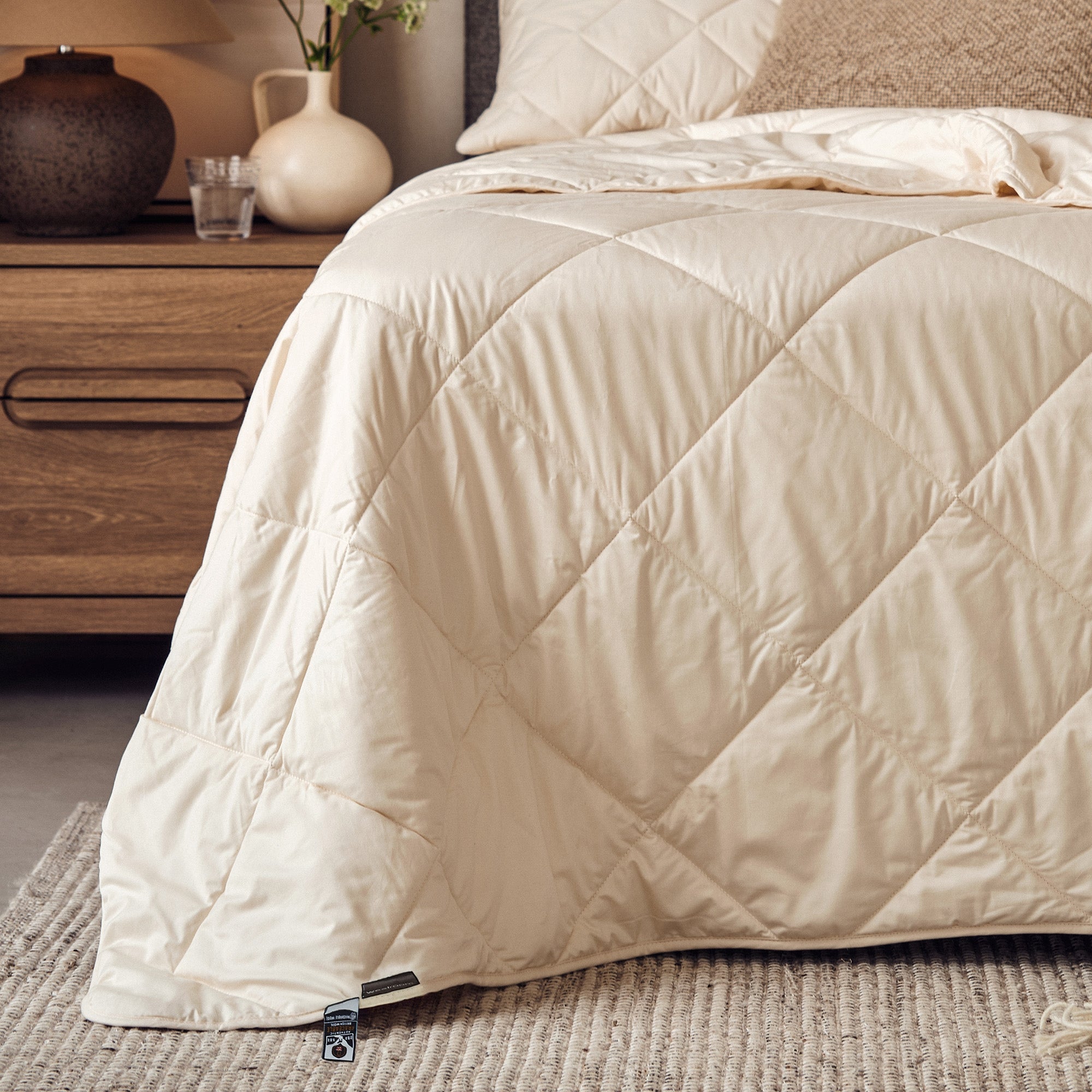
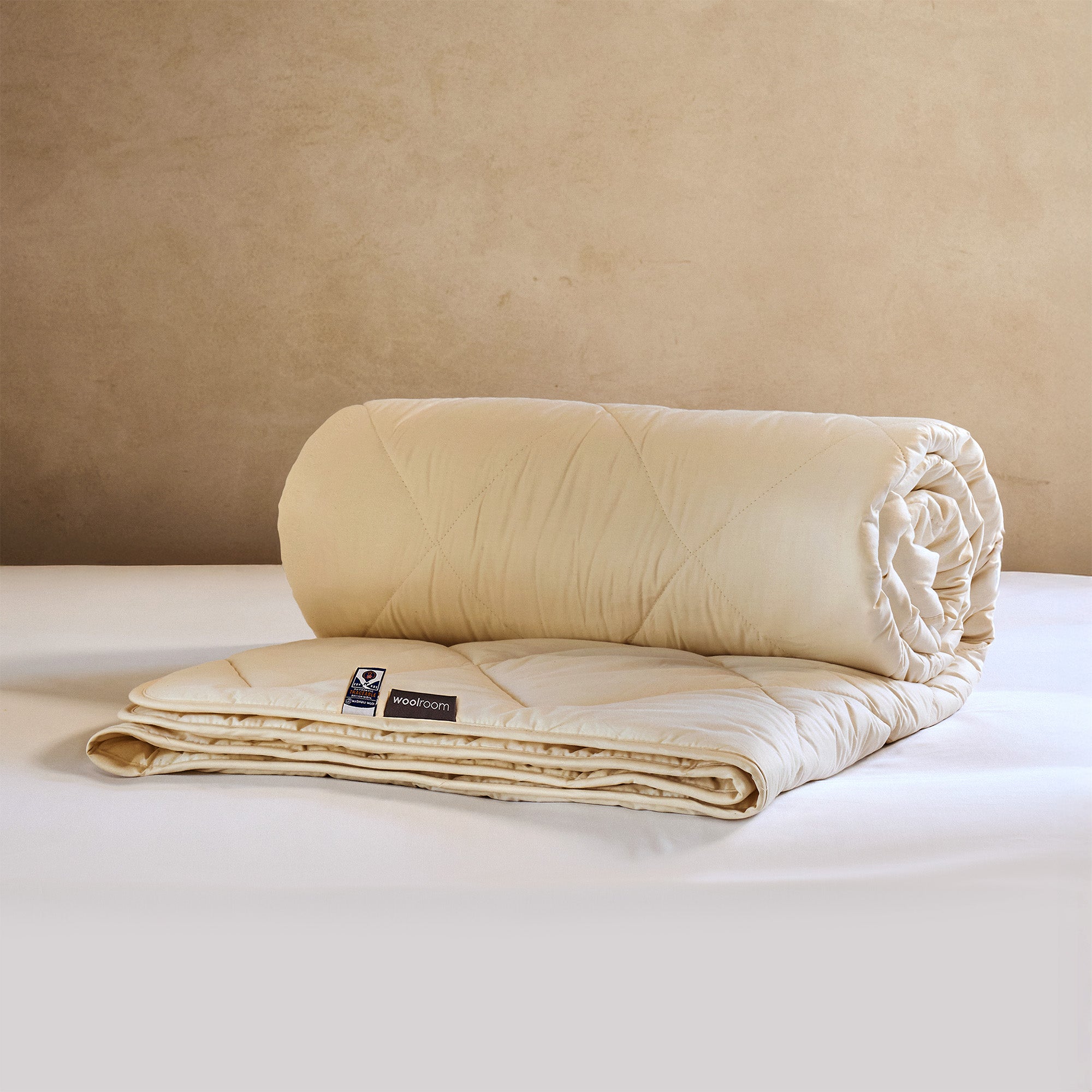
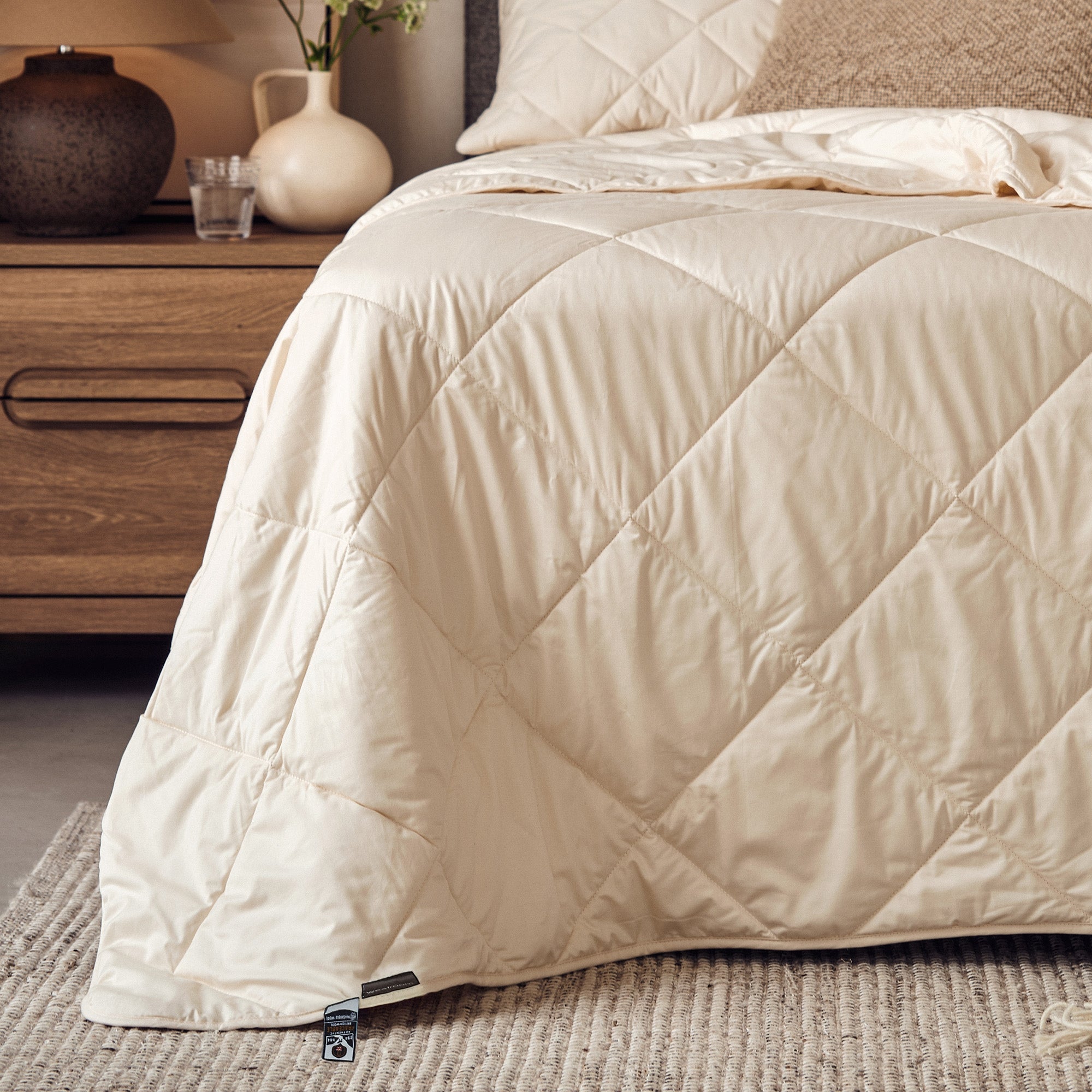
- Our wool comforters are a breathable, moisture-managing top layer that keeps you cozy—not overheated.
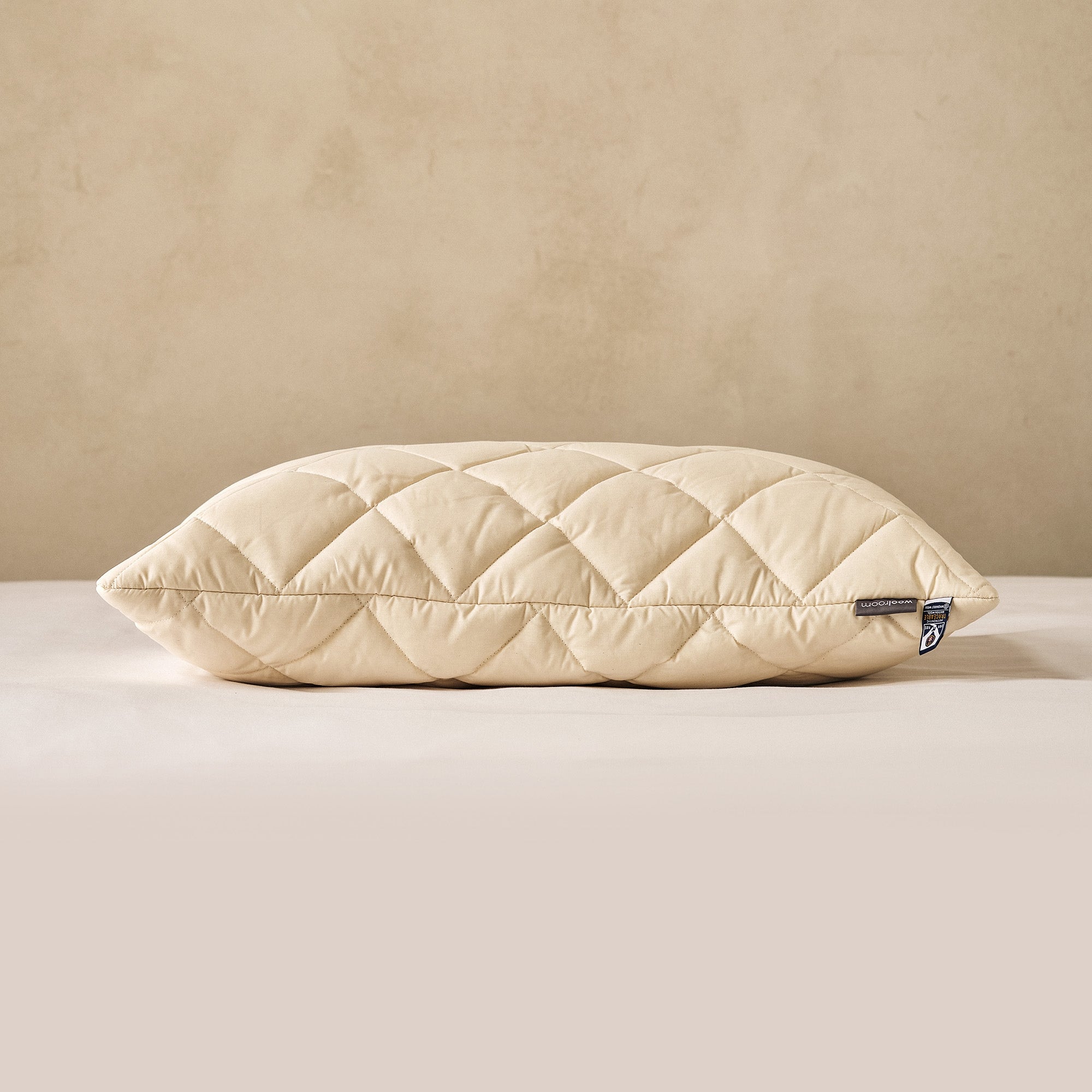
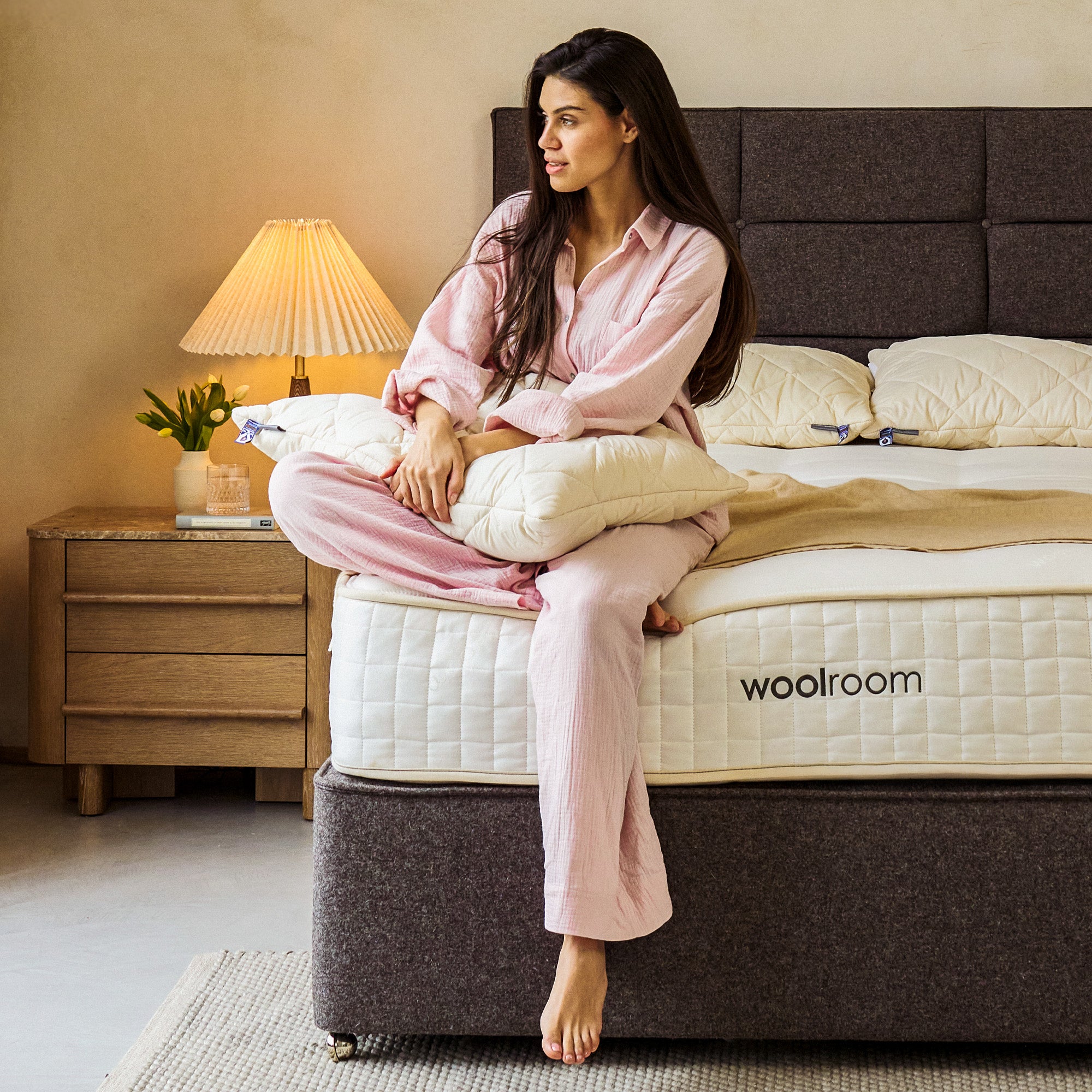
- Our wool pillows deliver airflow and moisture control for the head and neck.
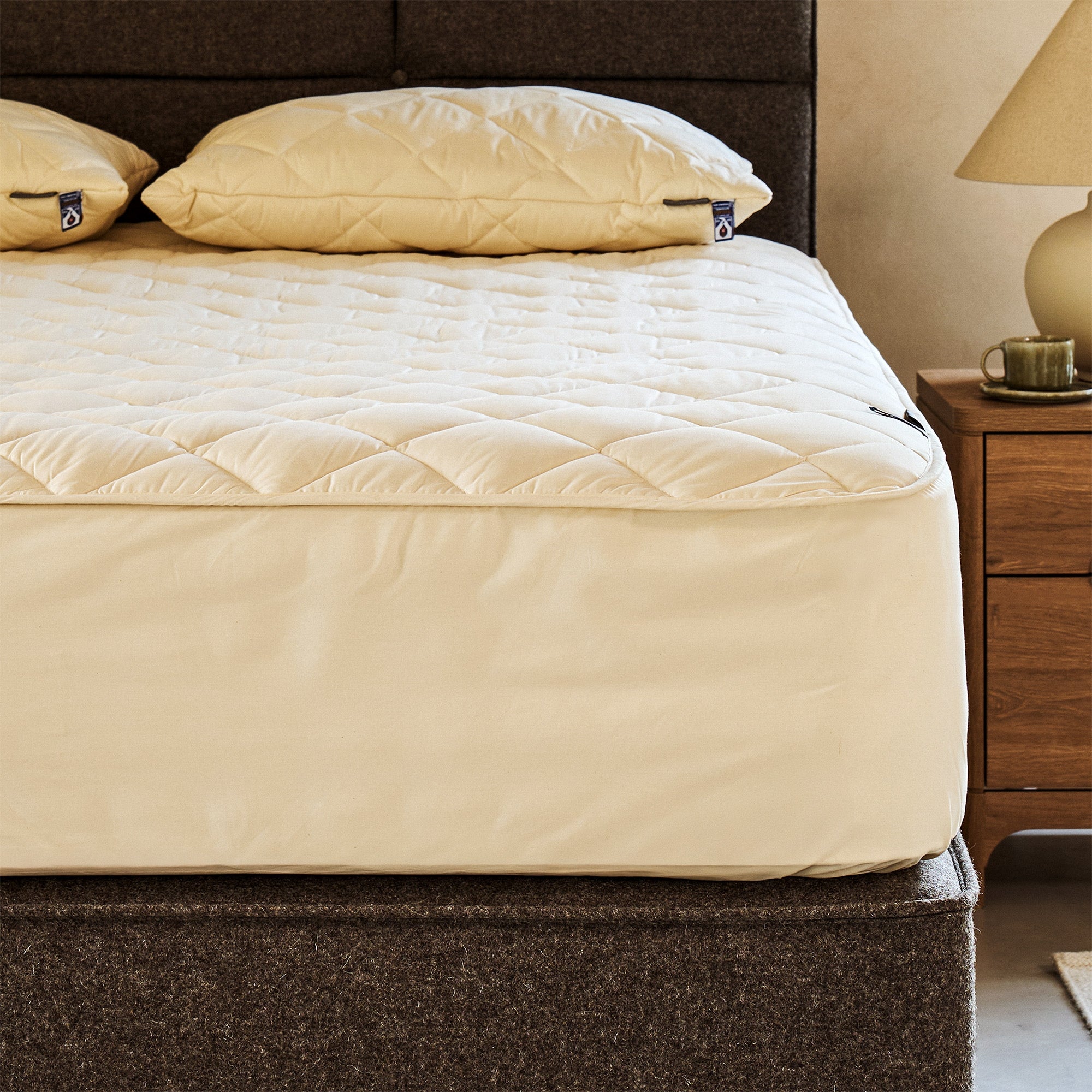
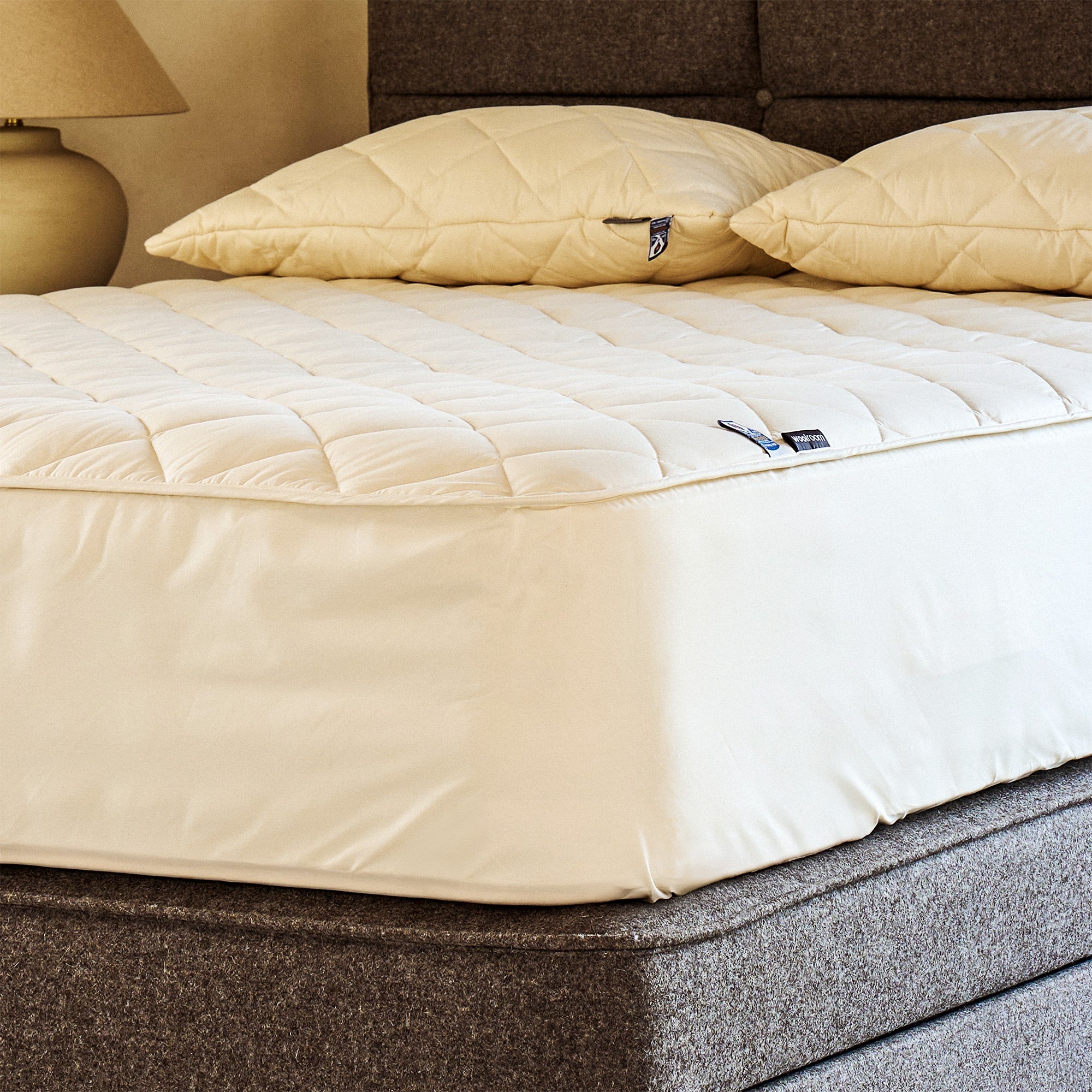
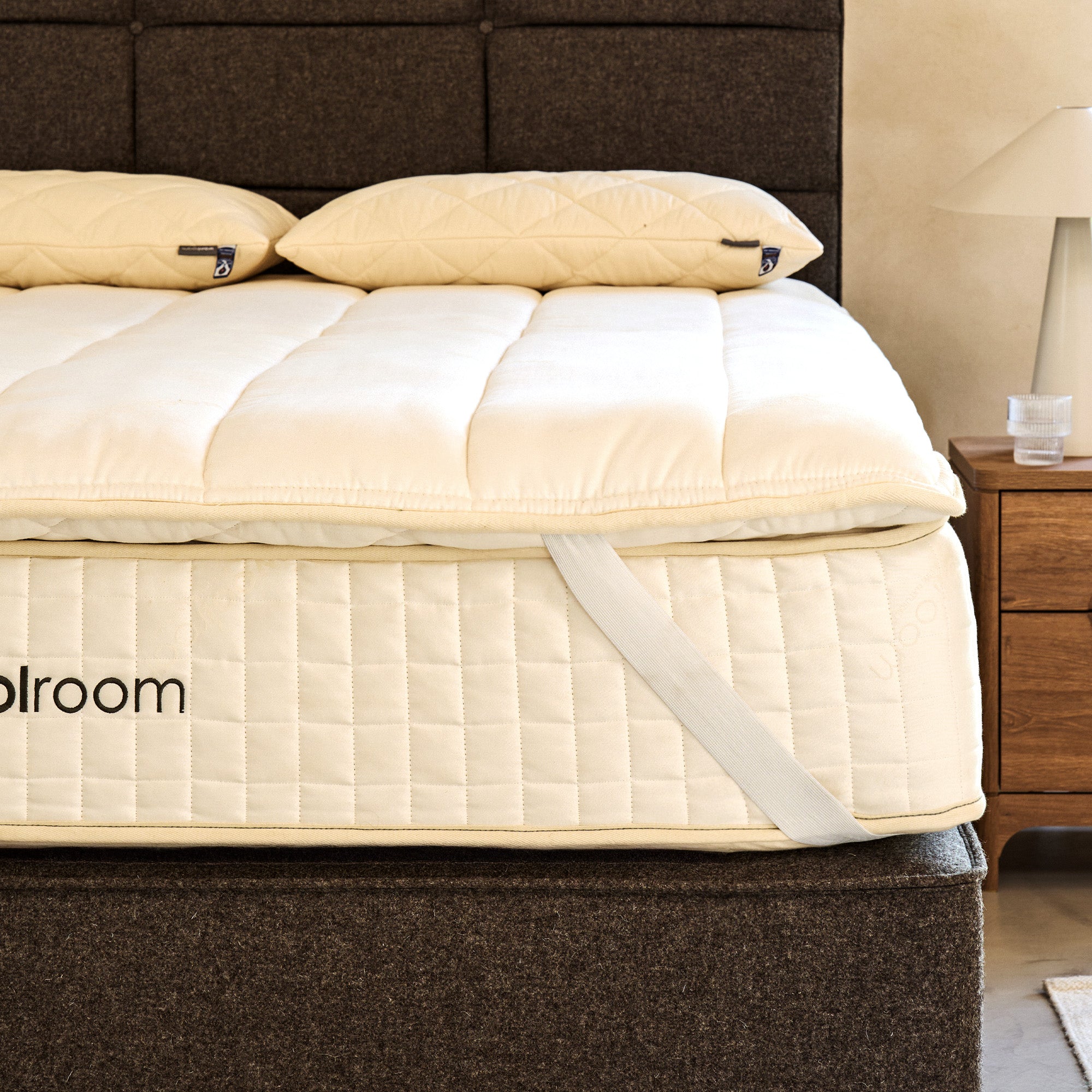
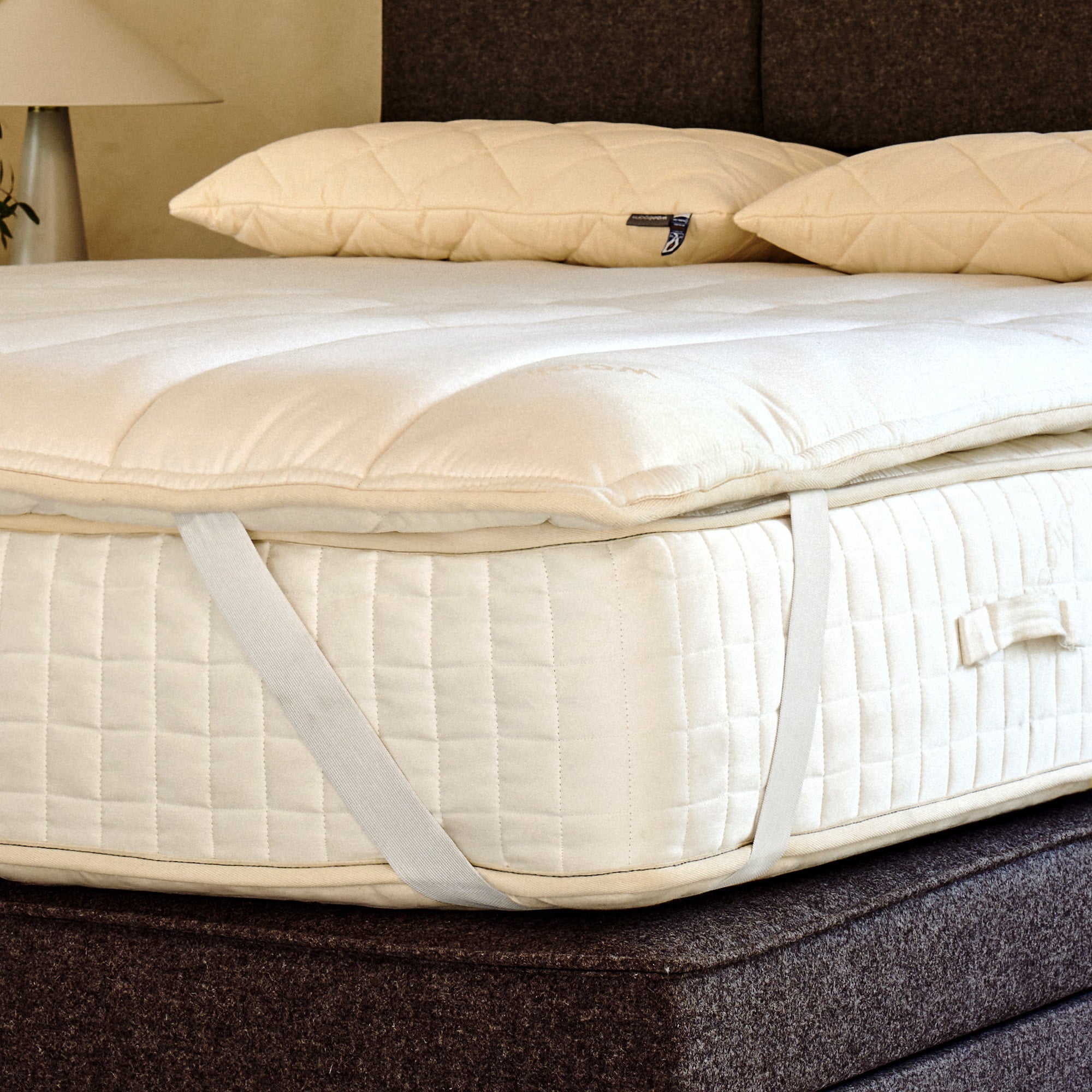
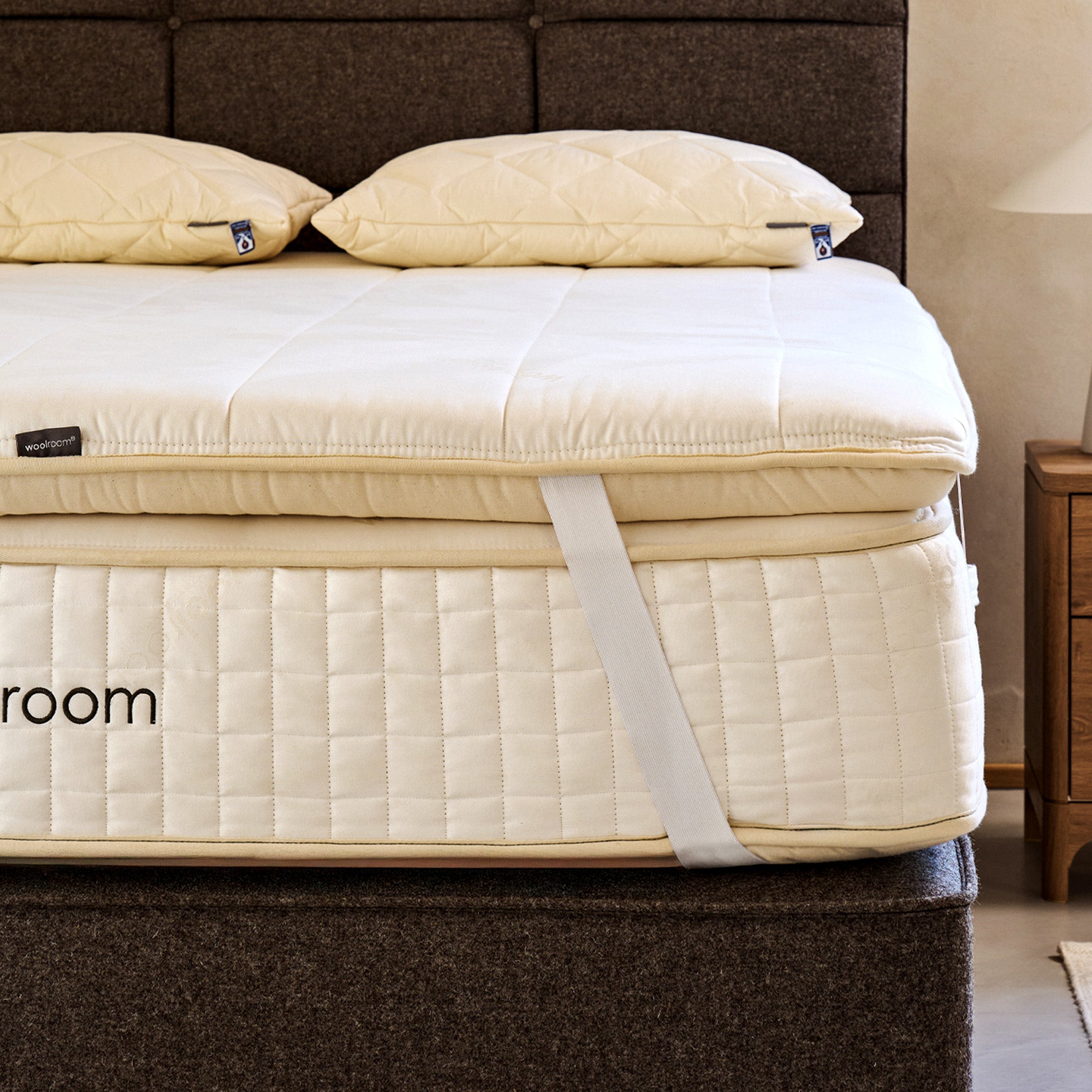
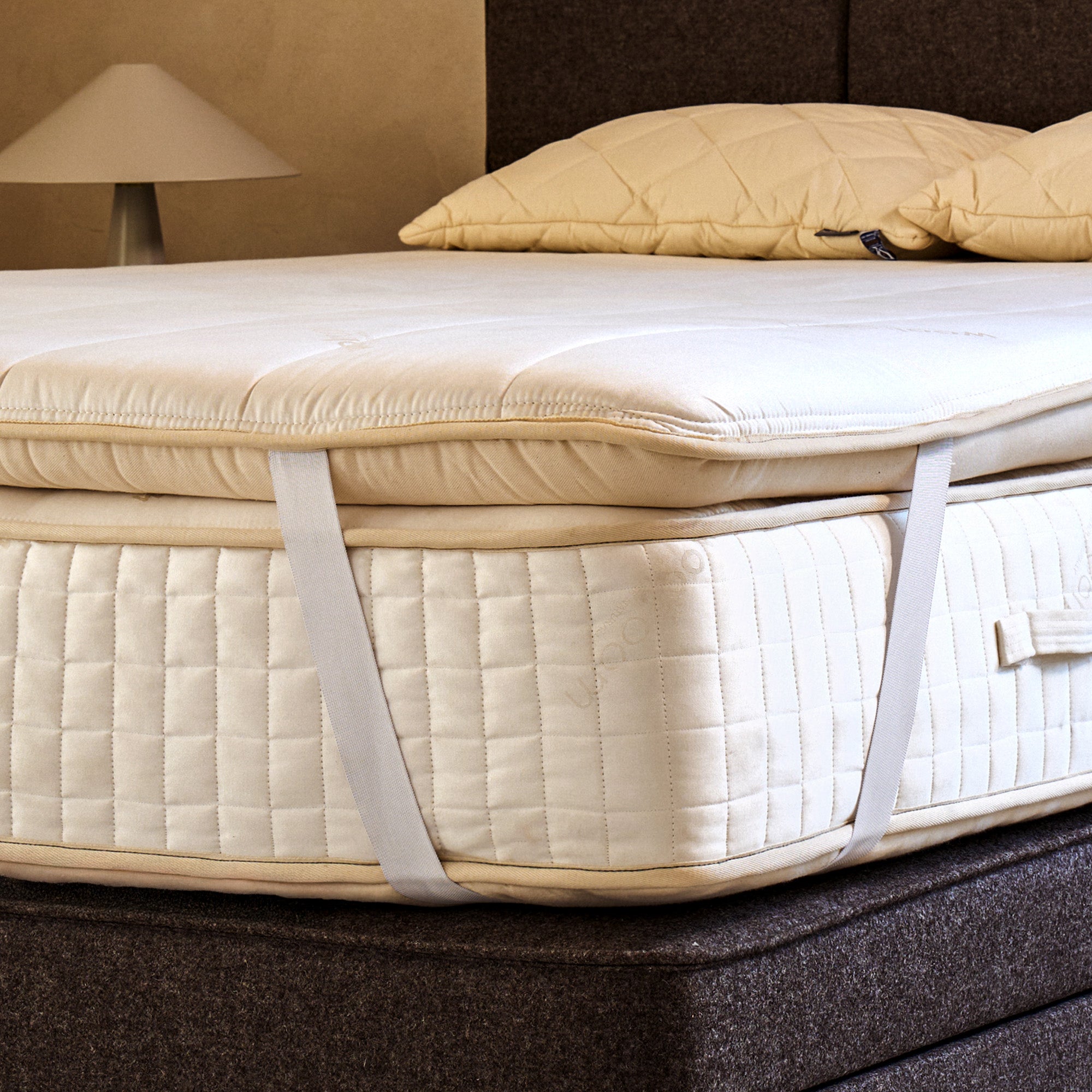
- Our wool mattress toppers add a breathable buffer layer between you and the mattress, plus a touch of pressure relief and softness.
- Our wool mattress protectors and pads add a wool “air-friendly” layer without a significant change to your mattress.
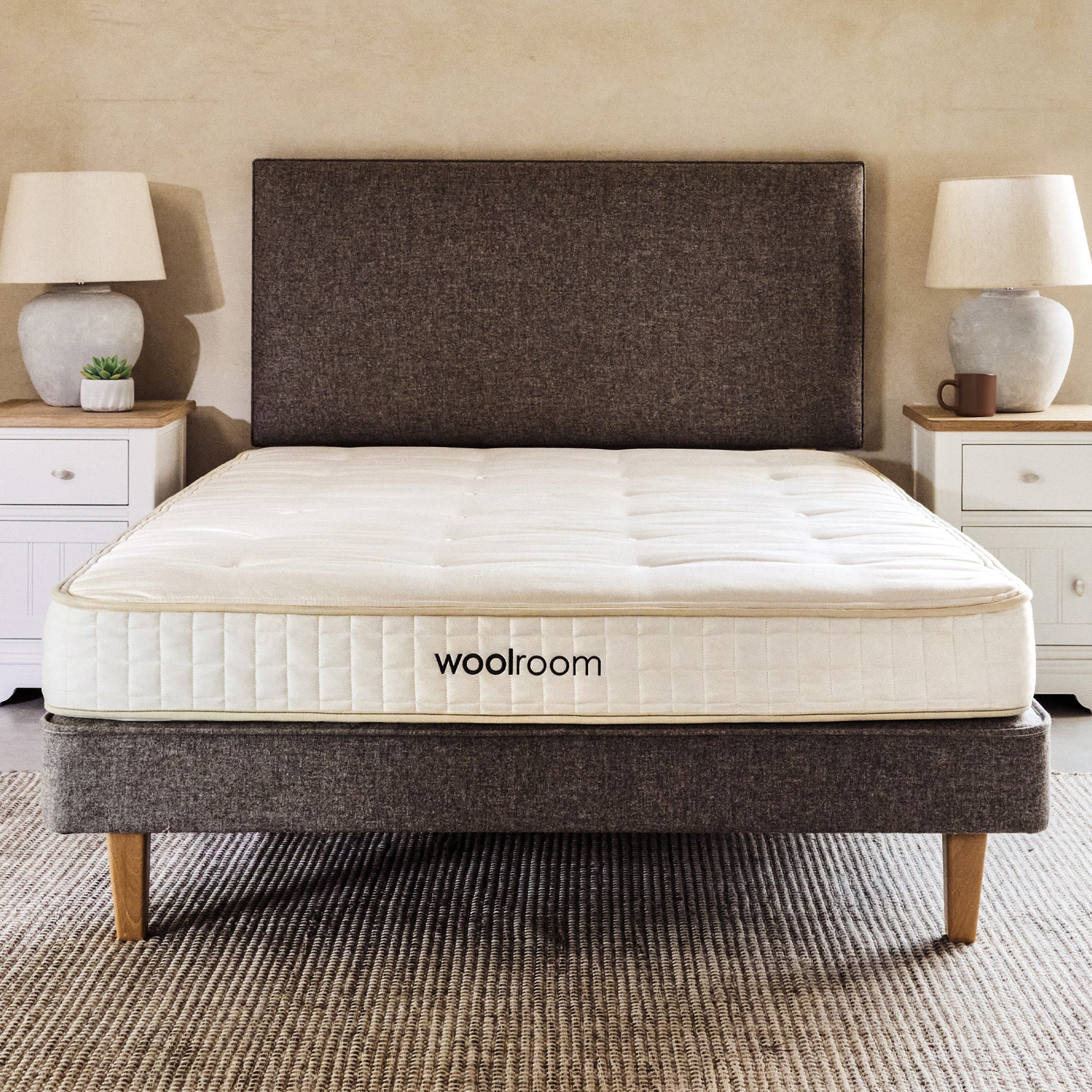
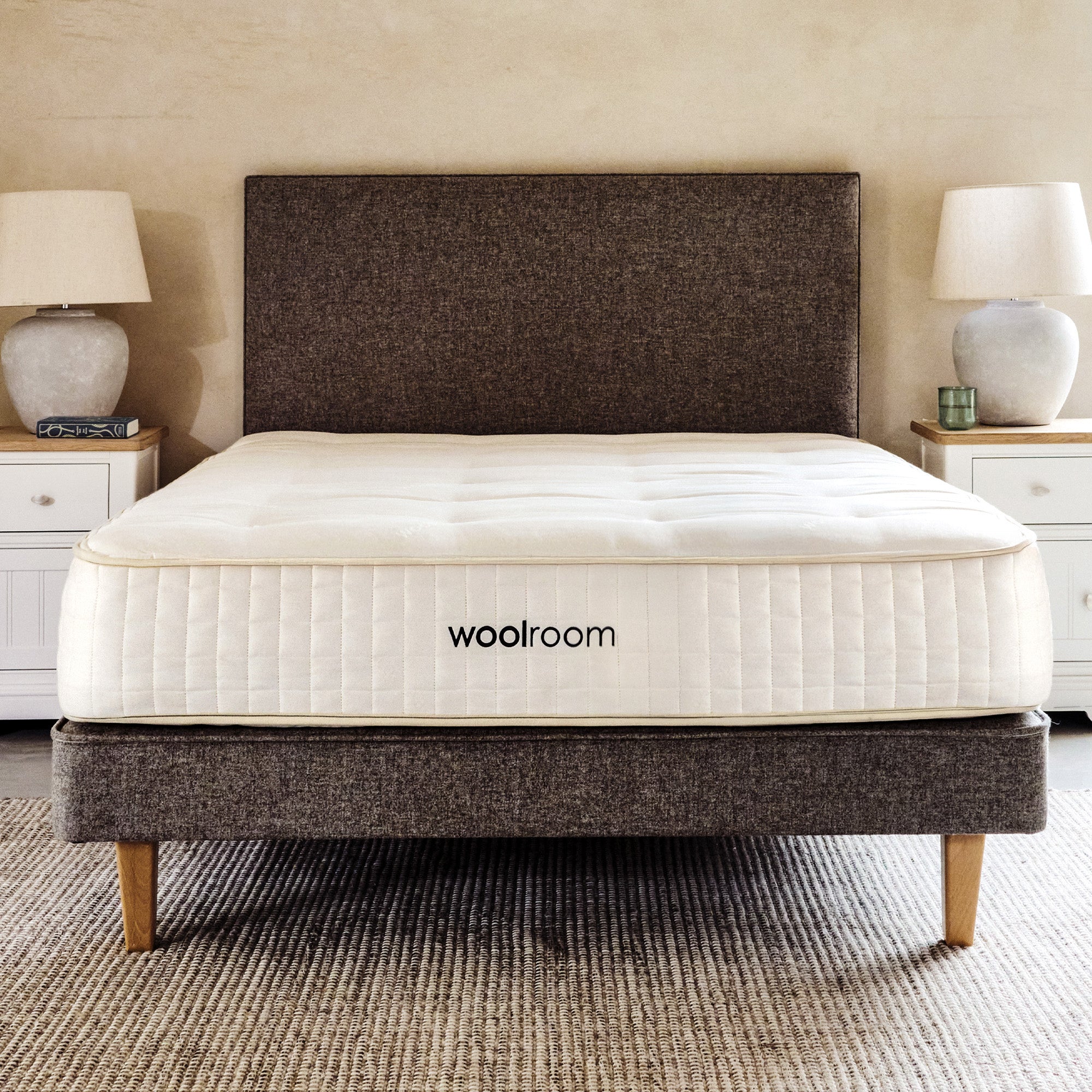
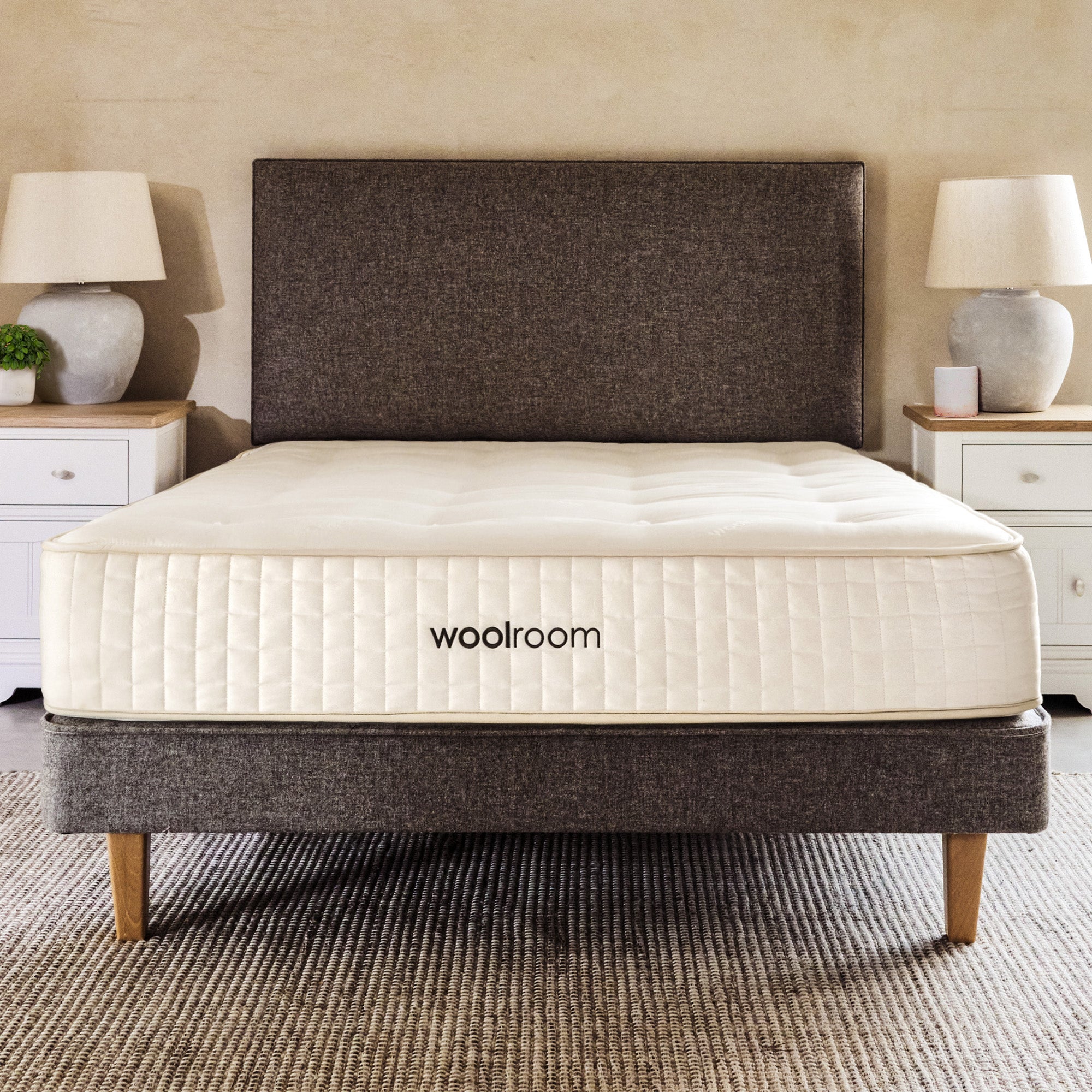
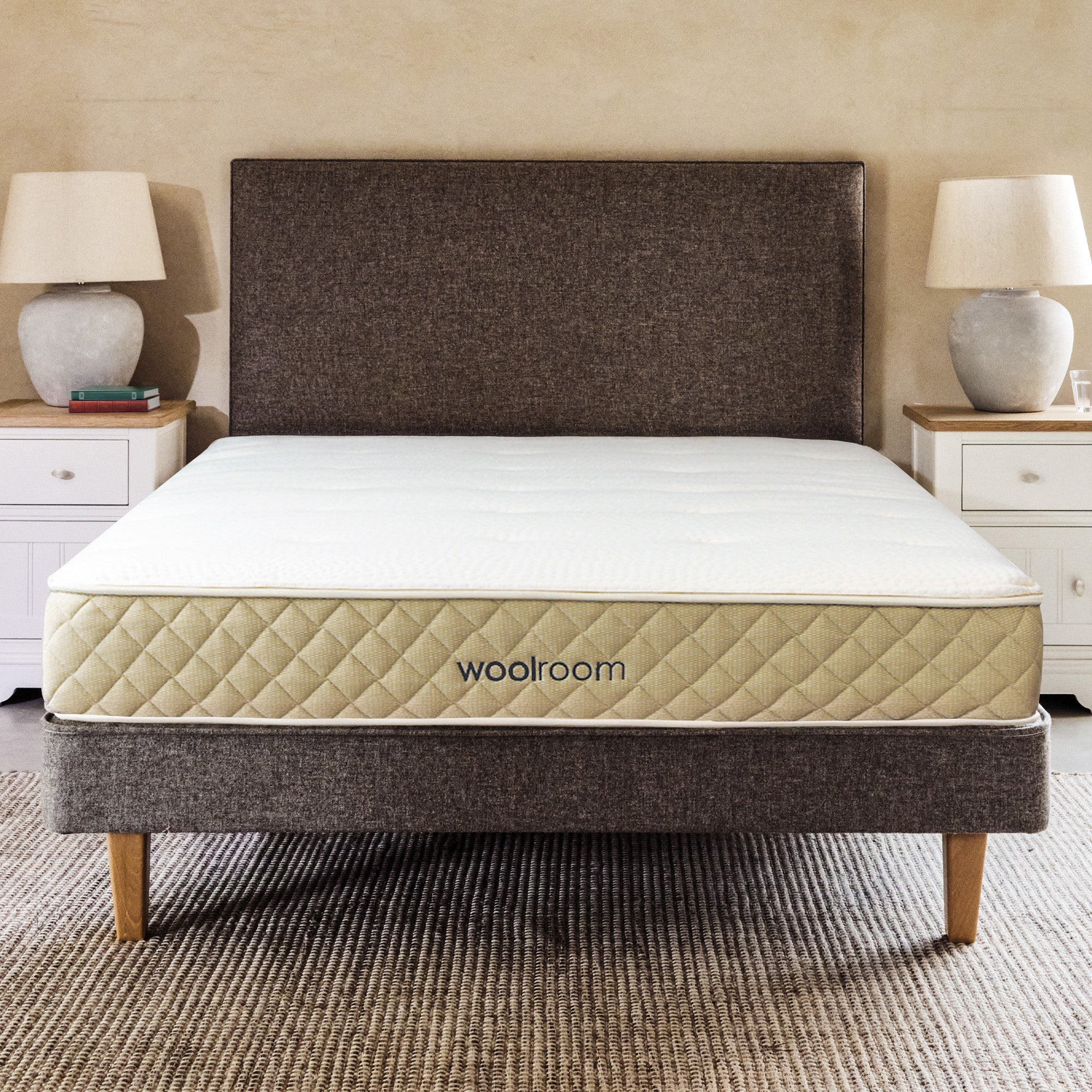
- Our wool mattresses avoid the issue posed by polyurethane foams and synthetic fabrics. They combine natural wool layers with durable coils for fresh, supported comfort.
Together, these products give you the freedom to build a sleep system that supports temperature regulation, moisture balance, and cleaner indoor air—without relying on treatments, fragrances, or short-term fixes.
The Cleaner Way to Sleep
Upgrading to wool bedding is a simple but effective way to support healthier indoor air quality where it matters most—where you sleep. It naturally manages moisture, regulates temperature, and passively absorbs airborne compounds like VOCs and formaldehyde night after night, so you sleep better. It doesn’t get much better than that!
Frequently Asked Questions
Does wool bedding actually reduce VOCs in a room?
Wool bedding doesn’t filter air like an air purifier, but its fibers can passively absorb certain VOCs to support cleaner indoor air quality.
Can wool help with formaldehyde exposure?
Yes, wool’s protein-based fiber can absorb and bind to formaldehyde, which keeps it from being re-released into the air.
Does a wool topper help if my mattress off-gasses?
A wool topper can serve as a breathable buffer between you and your mattress, which can help limit direct exposure from off-gassing.
Is wool bedding better for people sensitive to fragrances?
Yes. Wool doesn’t rely on added scents or chemical treatments and it’s naturally resistant to odors, so it’s a good option for sleepers who are sensitive to fragrances.