

Menopause and Sleep: 96% of UK Women Face Sleep Disruption
Our brand new research with YouGov has revealed that 96% of the UK’s perimenopausal and menopausal women experience sleep disruption due to symptoms, having surveyed more than 2,000 UK women over the age of 47.
The impact of menopause on sleep
1
%
Of perimenopausal and menopausal women say their sleep is disrupted due to symptoms
1
%
Cited night sweats as being the most disruptive menopause-related symptom, with two in three (65%) saying they experience them at least once a week
1
%
Feel that there is not enough education and understanding around how perimenopause and menopause can disrupt sleep
We are well aware that the cycle of overheating and cooling is one of the biggest disruptors of sleep, and we know that this is only exacerbated for women going through menopause.
Hot flushes, night sweats and sleep issues including insomnia are the three key sleep-related signs that appear in this challenging period of life, but we also know that poor sleep affects the wider 48 signs of menopause, so we wanted to find out just how much of an impact these symptoms are having on women in the UK at present.
Marking Menopause Awareness Month 2026, we commissioned YouGov to survey more than 2,000 perimenopausal and menopausal women over the age of 47 with the aim of improving understanding and awareness of menopause and sleep.
From hours of sleep lost, to the impact on other areas of their lives and techniques being used to tackle the symptoms, the results are in.
How much sleep are UK women losing during menopause?
If you lose hours of sleep to menopausal symptoms, you're not alone. Sleep disturbances in menopause are rife, with 91% of women surveyed reporting they wake at least once a night, with 86% losing at least one hour of sleep a night due to symptoms.
The scary part? Almost a third of those surveyed (32%) stated that they lose two hours’ sleep a night, totalling more than a major 30 days, or a full month, over the space of a year in total.
How often women wake at night due to menopause symptoms
Hours of sleep lost due to menopause symptoms
Source: YouGov survey of 2,082 UK women aged 47+ whose sleep is disrupted by perimenopausal/menopausal symptoms. "Prefer not to say" responses not shown.
-
Oreiller en laine lavable de luxe
Prix habituel £55.99Prix promotionnel £55.99 Prix habituelPrix unitaire par(£79.99)ADJUSTABLEMOST POPULARMULTIBUY OFFER - SAVE 35% ON RRP WHEN YOU BUY 2 OR MORE -
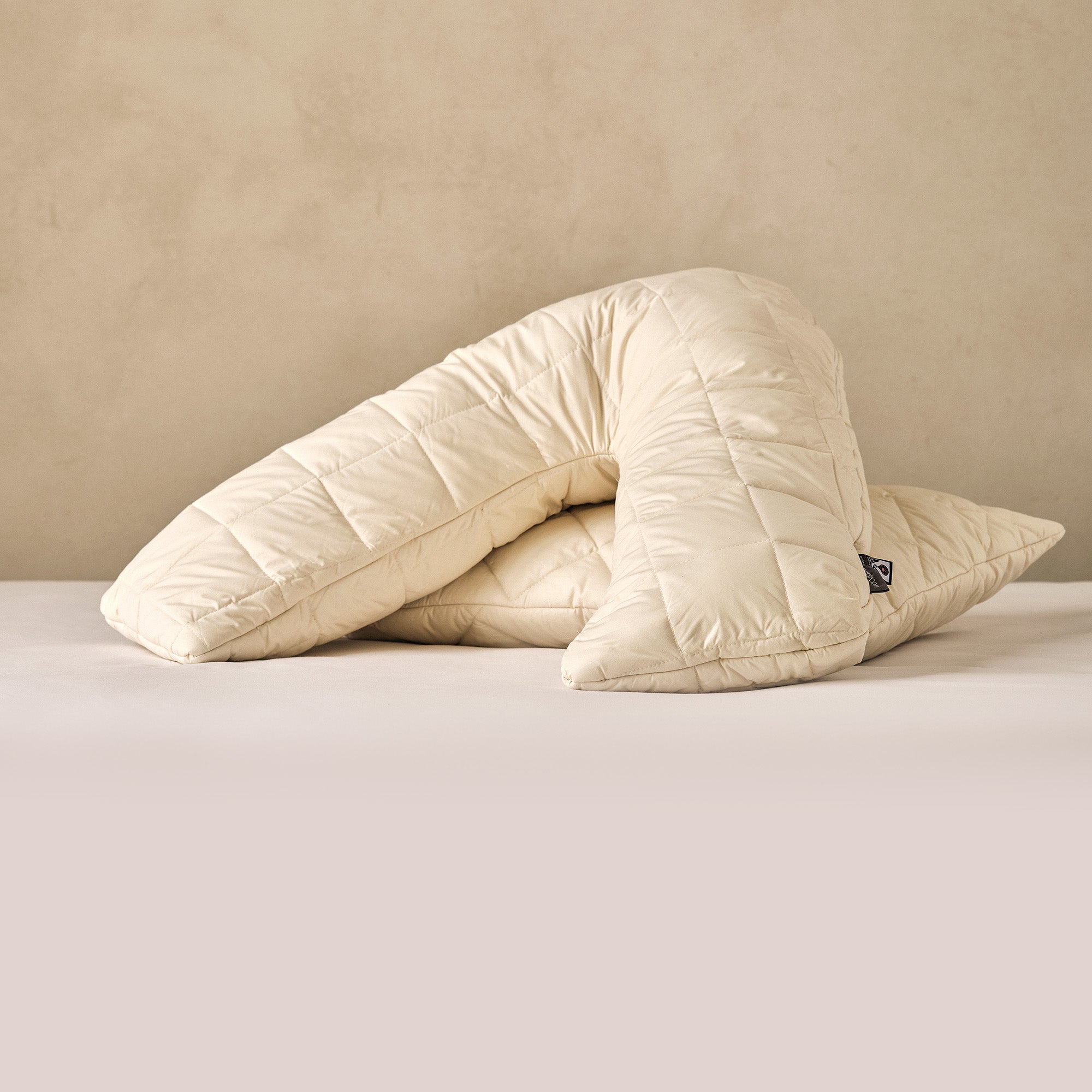
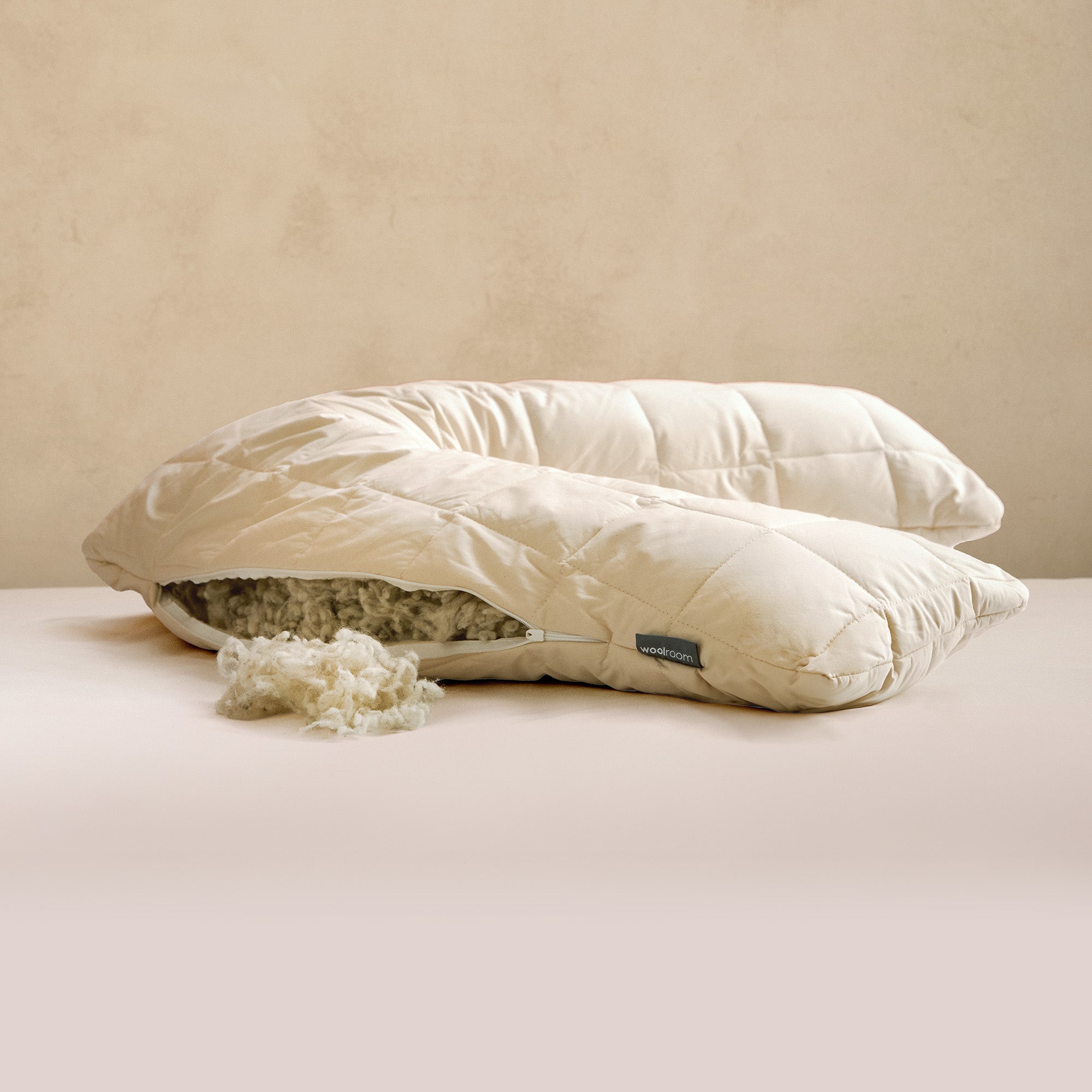
Oreiller en laine lavable de luxe en forme de V
Prix habituel £95.19Prix promotionnel £95.19 Prix habituelPrix unitaire par(£135.99)MOST POPULAR -
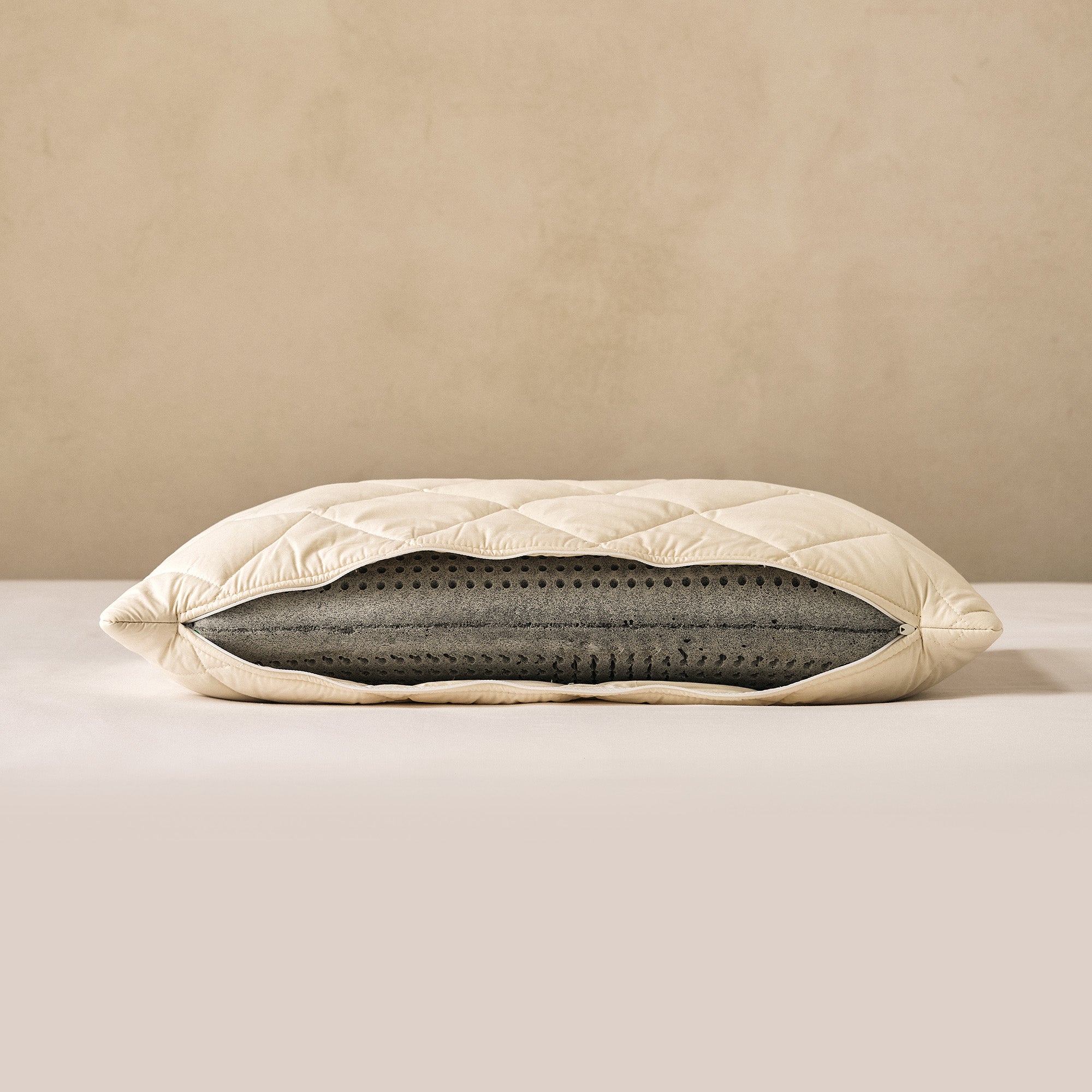
Oreiller en latex naturel et laine lavable
Prix habituel £63.83Prix promotionnel £63.83 Prix habituelPrix unitaire par(£91.19)PERFECT FOR BACK SLEEPERSMULTIBUY OFFER - SAVE 35% ON RRP WHEN YOU BUY 2 OR MORE -
Laine biologique supplémentaire pour oreillers lavables
Prix habituel £19.59Prix promotionnel £19.59 Prix habituelPrix unitaire par(£27.99) -
Laine supplémentaire pour oreillers lavables
Prix habituel £16.79Prix promotionnel £16.79 Prix habituelPrix unitaire par(£23.99) -
Couette en laine classique - Chaude
Prix habituel £78.39Prix promotionnel £78.39 Prix habituelPrix unitaire par(£111.99) -
Couette en laine classique - Moyenne
Prix habituel £67.19Prix promotionnel £67.19 Prix habituelPrix unitaire par(£95.99) -
Carte Cadeau Woolroom
Prix habituel £10.00Prix promotionnel £10.00 Prix habituelPrix unitaire par() -
Couette en laine classique - Légère
Prix habituel £55.99Prix promotionnel £55.99 Prix habituelPrix unitaire par(£79.99)MOST POPULAR -
Oreiller en laine lavable en latex naturel - Standard
Prix habituel £63.83Prix promotionnel £63.83 Prix habituelPrix unitaire par(£91.19)PERFECT FOR SIDE SLEEPERSMULTIBUY OFFER - SAVE 35% ON RRP WHEN YOU BUY 2 OR MORE -
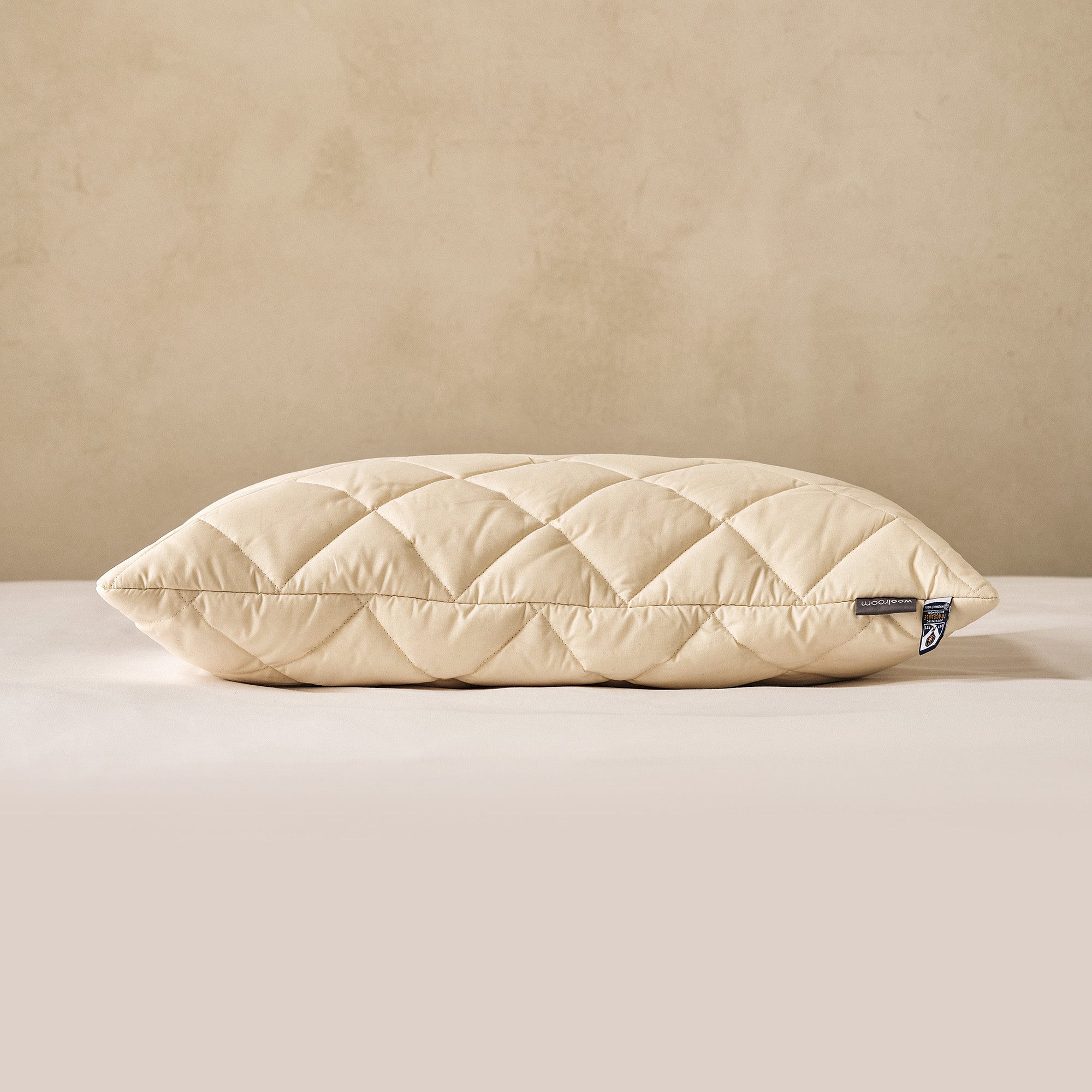
Oreiller en laine classique
Prix habituel £39.19Prix promotionnel £39.19 Prix habituelPrix unitaire par(£55.99)MULTIBUY OFFER - SAVE 35% ON RRP WHEN YOU BUY 2 OR MORE -
Protège-oreiller matelassé lavable en laine
Prix habituel £33.59Prix promotionnel £33.59 Prix habituelPrix unitaire par(£47.99) -
Housse de coussin matelassée lavable en laine bio - Zippée
Prix habituel £48.15Prix promotionnel £48.15 Prix habituelPrix unitaire par(£68.79) -
Housse extérieure matelassée en laine lavable de luxe - zippée
Prix habituel £31.91Prix promotionnel £31.91 Prix habituelPrix unitaire par(£45.59) -
Oreiller de corps en laine lavable
Prix habituel £151.19Prix promotionnel £151.19 Prix habituelPrix unitaire par(£215.99) -
Couette en laine lavable de luxe - Légère
Prix habituel £89.59Prix promotionnel £89.59 Prix habituelPrix unitaire par(£127.99) -
Couette en laine lavable de luxe - Moyenne
Prix habituel £100.79Prix promotionnel £100.79 Prix habituelPrix unitaire par(£143.99)MOST POPULAR -
Couette en laine lavable de luxe - Chaude
Prix habituel £120.39Prix promotionnel £120.39 Prix habituelPrix unitaire par(£171.99) -
Couette en laine lavable de luxe 3 en 1 - Toutes saisons
Prix habituel £184.79Prix promotionnel £184.79 Prix habituelPrix unitaire par(£263.99)TRENDING -
Protège-matelas en laine lavable de luxe
Prix habituel £72.79Prix promotionnel £72.79 Prix habituelPrix unitaire par(£103.99)MOST POPULAR -
Protège-matelas en laine lavable de luxe - Jupe extra-profonde
Prix habituel £83.99Prix promotionnel £83.99 Prix habituelPrix unitaire par(£119.99)MOST POPULAR -
Protège-matelas en laine imperméable et lavable de luxe
Prix habituel £106.39Prix promotionnel £106.39 Prix habituelPrix unitaire par(£151.99)SPILL PROTECTION -
Surmatelas en laine de luxe
Prix habituel £123.19Prix promotionnel £123.19 Prix habituelPrix unitaire par(£175.99)MOST POPULAR4 - 5CM DEPTH -
Oreiller lavable en laine biologique - Standard
Prix habituel £83.99Prix promotionnel £83.99 Prix habituelPrix unitaire par(£119.99)ADJUSTABLEMULTIBUY OFFER - SAVE 35% ON RRP WHEN YOU BUY 2 OR MORE -
Oreiller lavable en laine biologique en forme de V
Prix habituel £123.19Prix promotionnel £123.19 Prix habituelPrix unitaire par(£175.99) -
Couette lavable en laine biologique - Légère
Prix habituel £111.99Prix promotionnel £111.99 Prix habituelPrix unitaire par(£159.99) -
Couette lavable en laine biologique - Moyenne
Prix habituel £134.39Prix promotionnel £134.39 Prix habituelPrix unitaire par(£191.99)MOST POPULAR -
Couette lavable en laine biologique - Chaude
Prix habituel £156.79Prix promotionnel £156.79 Prix habituelPrix unitaire par(£223.99) -
Couette 3 en 1 lavable en laine biologique - Toutes saisons
Prix habituel £268.79Prix promotionnel £268.79 Prix habituelPrix unitaire par(£383.99) -
Protège-matelas lavable en laine biologique
Prix habituel £128.79Prix promotionnel £128.79 Prix habituelPrix unitaire par(£183.99)LUXURY ORGANIC -
Surmatelas en laine biologique
Prix habituel £167.99Prix promotionnel £167.99 Prix habituelPrix unitaire par(£239.99)5 - 7CM DEPTHORGANIC















What is the broader impact of sleep disruption on daily
life?
Such a huge lack of sleep doesn’t just leave you tired the next day, but also puts additional strain on everything from holding an important meeting at work to being a good parent and partner.
Demonstrating just how far this impact stretches, when asked which areas of life were impacted by poor sleep, concentration and memory came out on top for respondents (71%) followed by mental health and low mood (58%) and weight gain (53%).
7 in 10 say poor sleep is hurting their concentration and memory
Areas of life impacted by poor sleep during perimenopause and menopause
Concentration & memory
Mental health & low mood
Weight gain
Physical health & immune system
Work performance
Social life & relationships
Source: YouGov survey of 2,082 UK women aged 47+ whose sleep is disrupted by perimenopausal/menopausal symptoms. Respondents could choose more than one answer. "Other", "Don't know" and "Prefer not to say" not shown.
Such a huge lack of sleep doesn’t just leave you tired the next day, but also puts additional strain on everything from holding an important meeting at work to being a good parent and partner.
Mariella Frostrup
Broadcaster, journalist, co-founder of The Women In Work Summit and chair of Menopause Mandate
Read Mariella’s full quote
“The huge array of symptoms that come with perimenopause and menopause have a knock-on impact on almost every aspect of your life. Such a huge lack of sleep doesn’t just leave you tired the next day, but also puts additional strain on everything from holding an important meeting at work to being a good parent and partner.
Colloquially, we might refer to poor concentration and memory as brain fog. This is a symptom of menopause that tends to be less talked about than the ubiquitous hot flush, but is no less impactful, and something I'm no stranger to myself. During my time as a menopause campaigner, I’ve heard of this from countless women – from forgetting someone's name to struggling to do their job, it can make us feel like we’re going crazy and leave us constantly looking for solutions.”


What are the main causes of sleep disruption during
menopause?
Hot flushes and night sweats are arguably the most widely known symptom of menopause, but they are ubiquitous for a reason. 30% of women surveyed cited them as the biggest menopause-related sleep disruptor, with two in three (65%) saying they experience the symptom at least once a week.
Leaving women constantly on the hunt for solutions, when asked about how to combat this, management techniques included opening a window (42%), using a fan (33%) and getting up to cool down (24%). By far the most used method, however, is to remove bedding or layers, used by three quarters of women who lose sleep to night sweats (75%).
Night sweats
The symptom keeping women awake most, and how they’re coping
30%
say night sweats disrupt their sleep more than any other symptom
Symptom disrupting sleep the most
6 in 10
experience night sweats at least twice a week
How often night sweats or temperature changes happen
- .Every night24%
- .4–6 nights a week14%
- .2–3 nights a week22%
- .Once a week6%
- .Less often23%
- .Never9%
- .Don’t know / prefer not to say3%
3 in 4
remove bedding or layers to cope with night sweats
How women manage night sweats or temperature changes
Source: YouGov survey of UK women aged 47+ whose sleep is disrupted by perimenopausal/menopausal symptoms (base 2,082; management of night sweats, base 1,898 who experience them). Excludes mood changes, smaller responses, don’t know and prefer not to say where not stated. Multiple answers allowed for management. Figures rounded.
Why is wool bedding the ultimate solution to night
sweats?
With such a huge percentage of women resorting to throwing off their duvet in the middle of the night, could their choice of bedding be escalating the problem?
Interestingly, synthetic bedding fibres or feather and/or down were being used by 57% of respondents, with 54% having never tried natural materials, and only 4% having made the switch to wool filled bedding. This is where our mission comes in.
Unlike natural fibres, synthetic options trap heat and moisture which leaves you waking up feeling clammy throughout the night – only exacerbating the problem women are already facing.
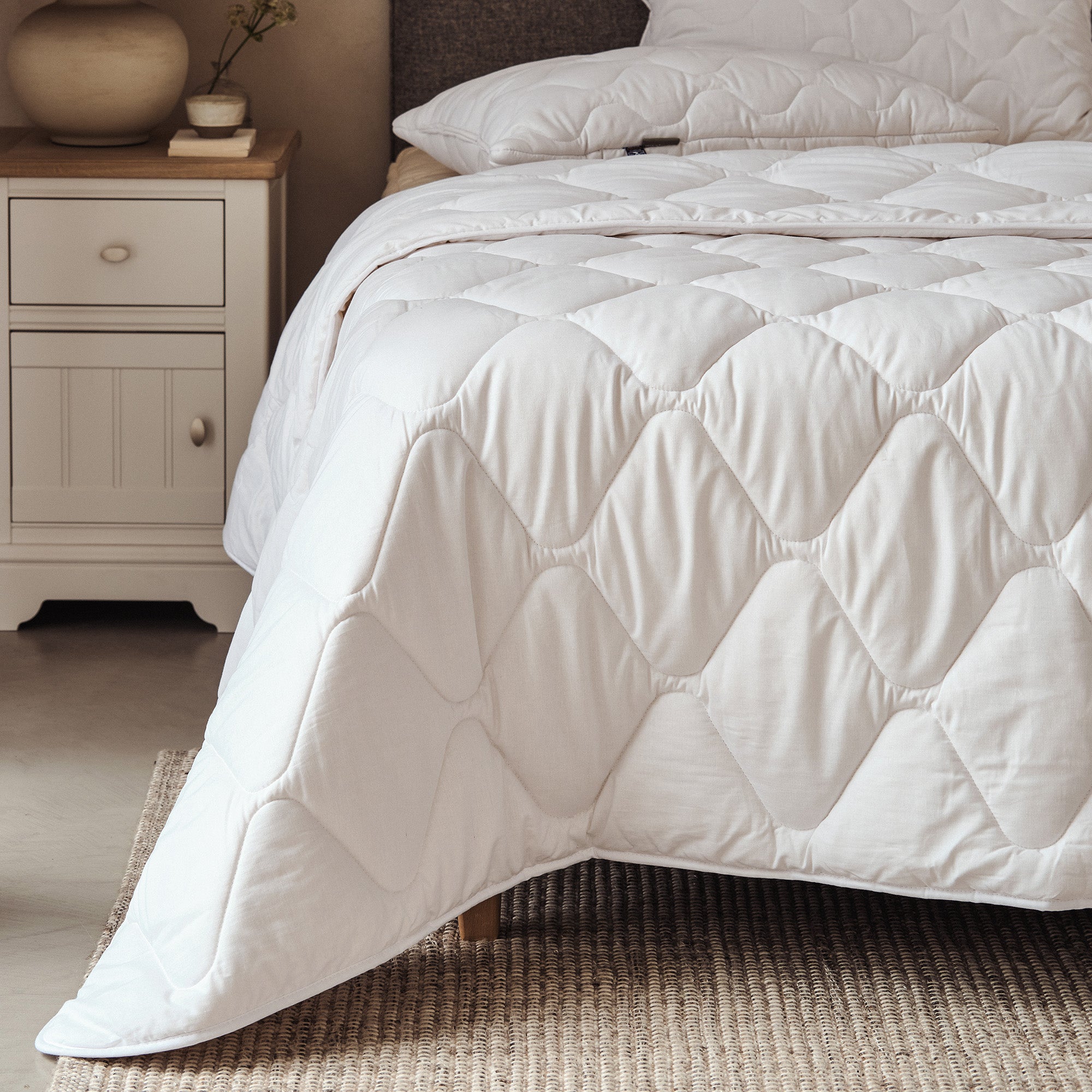
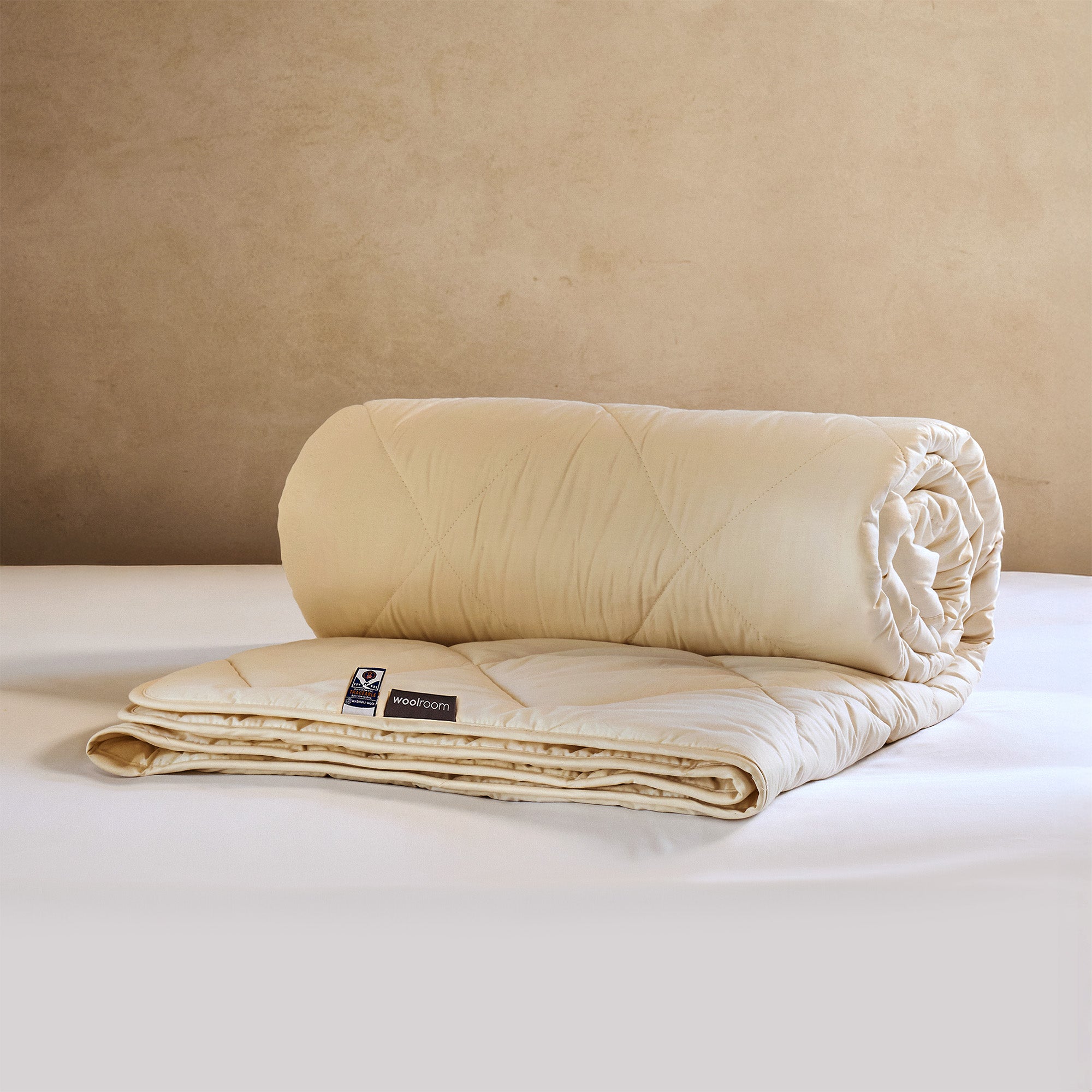
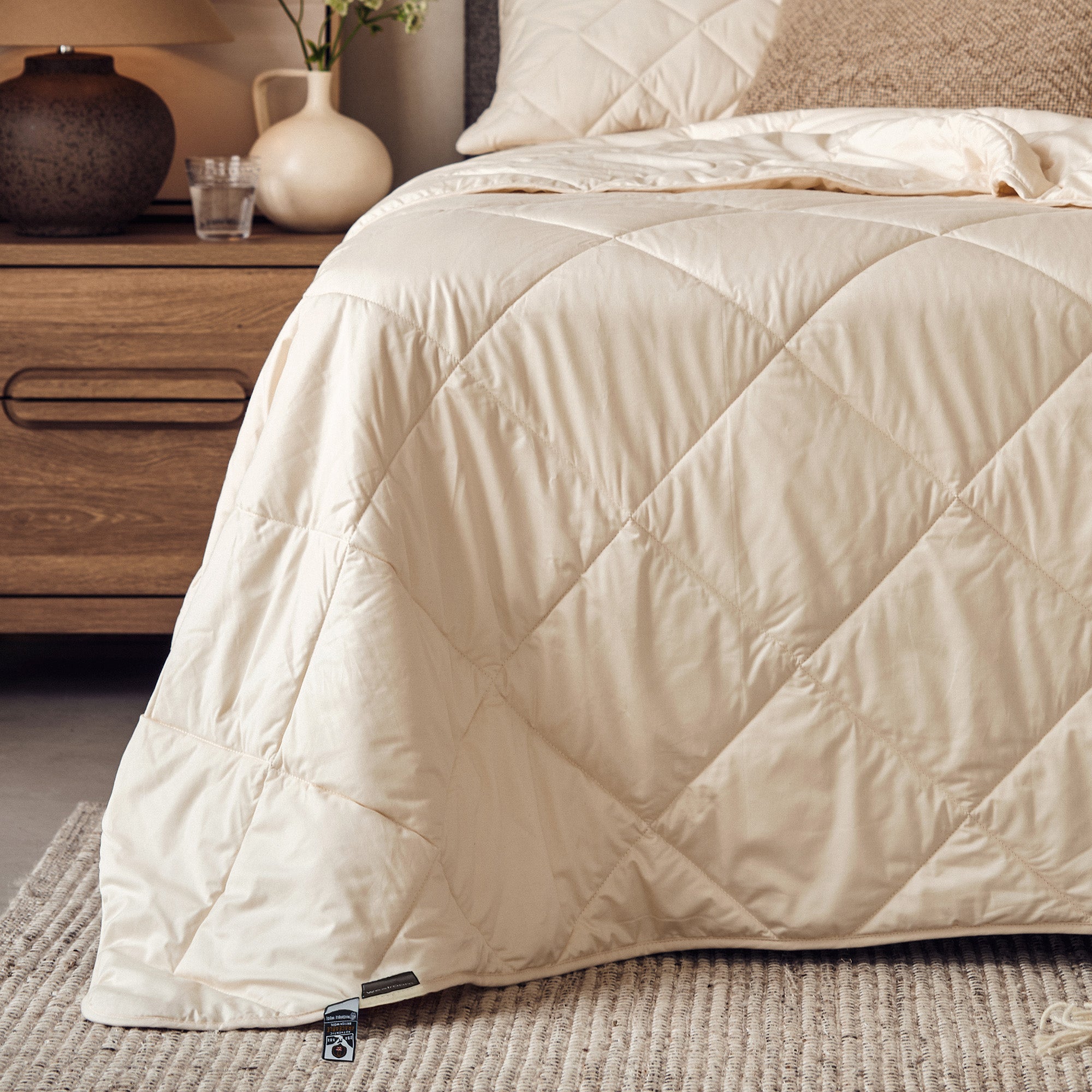
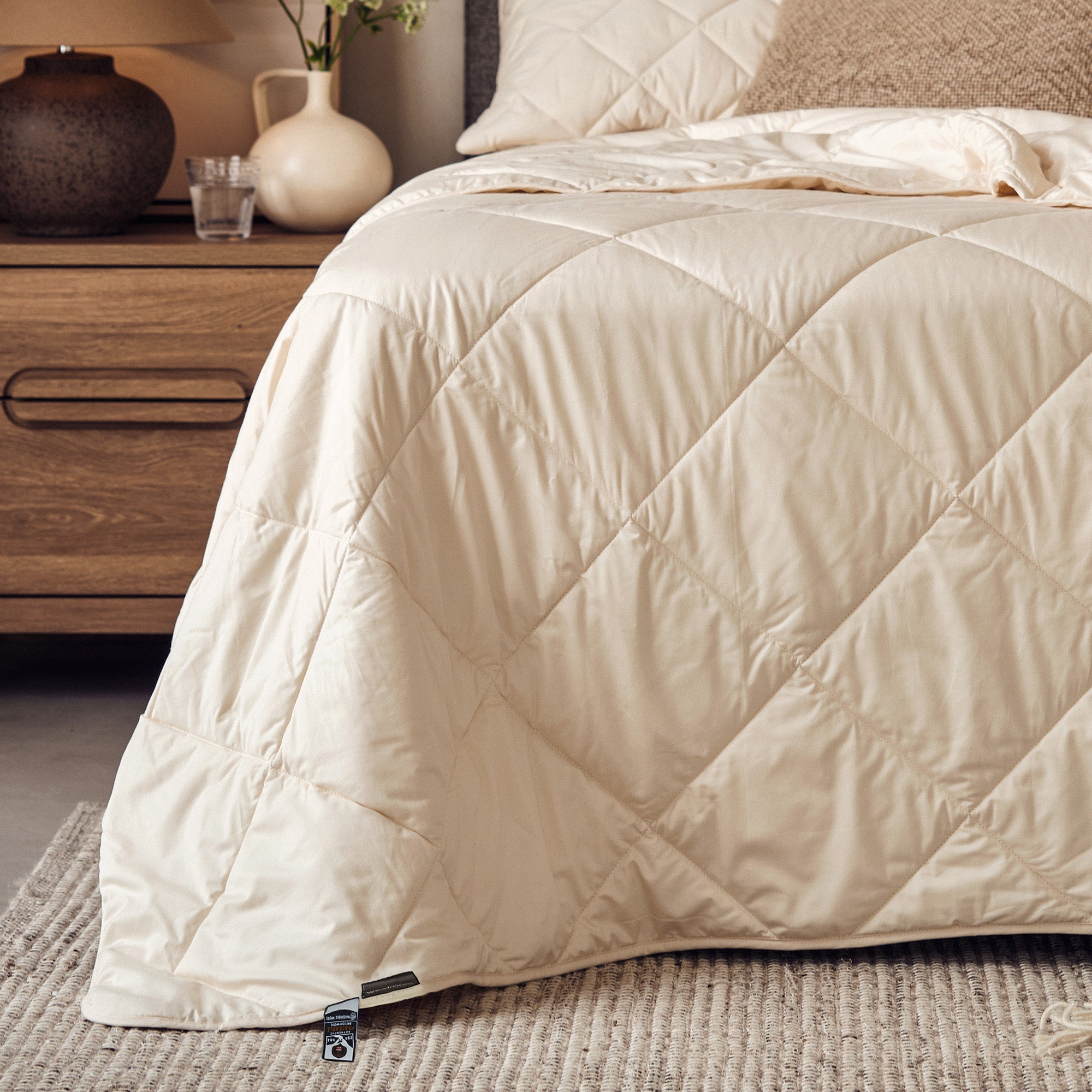
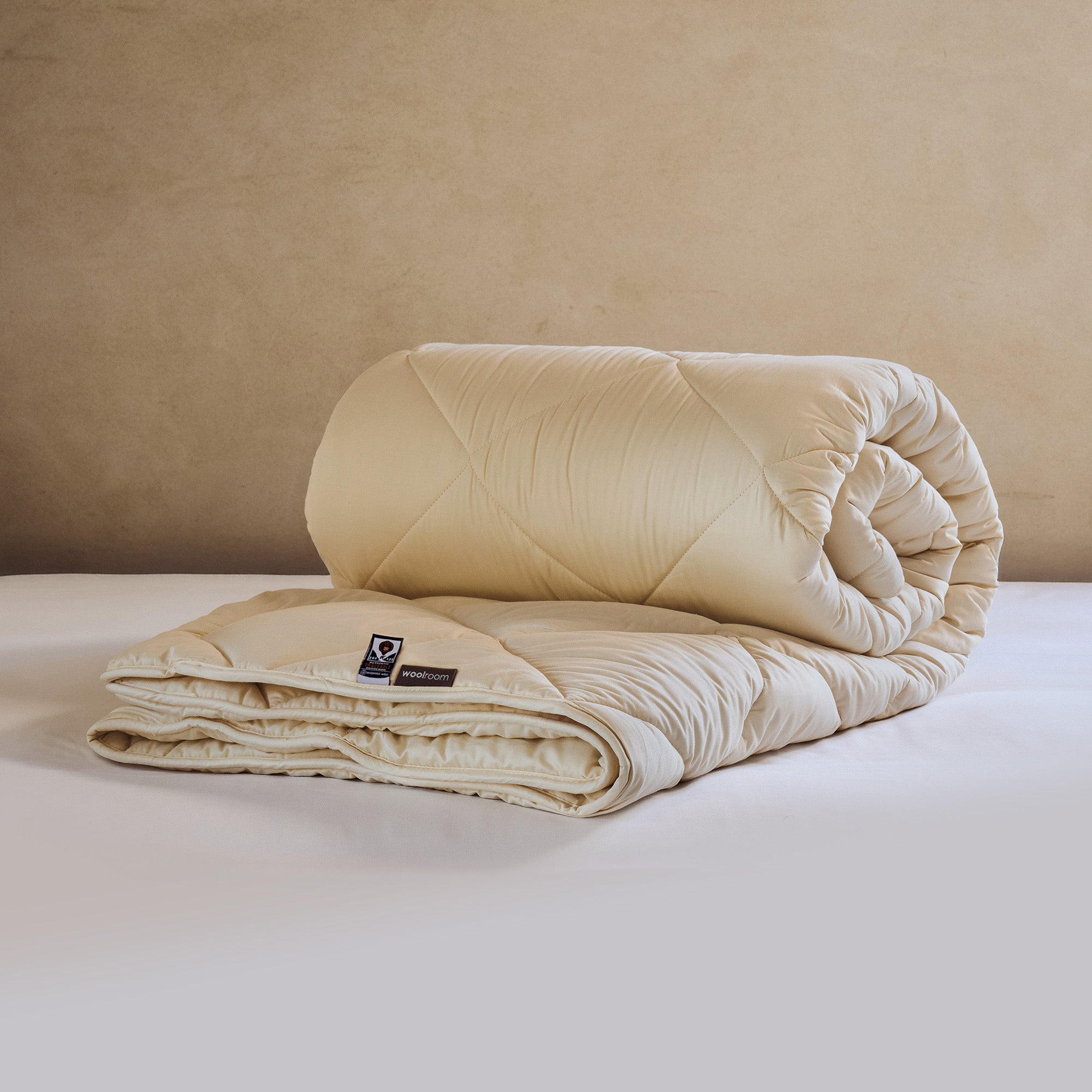
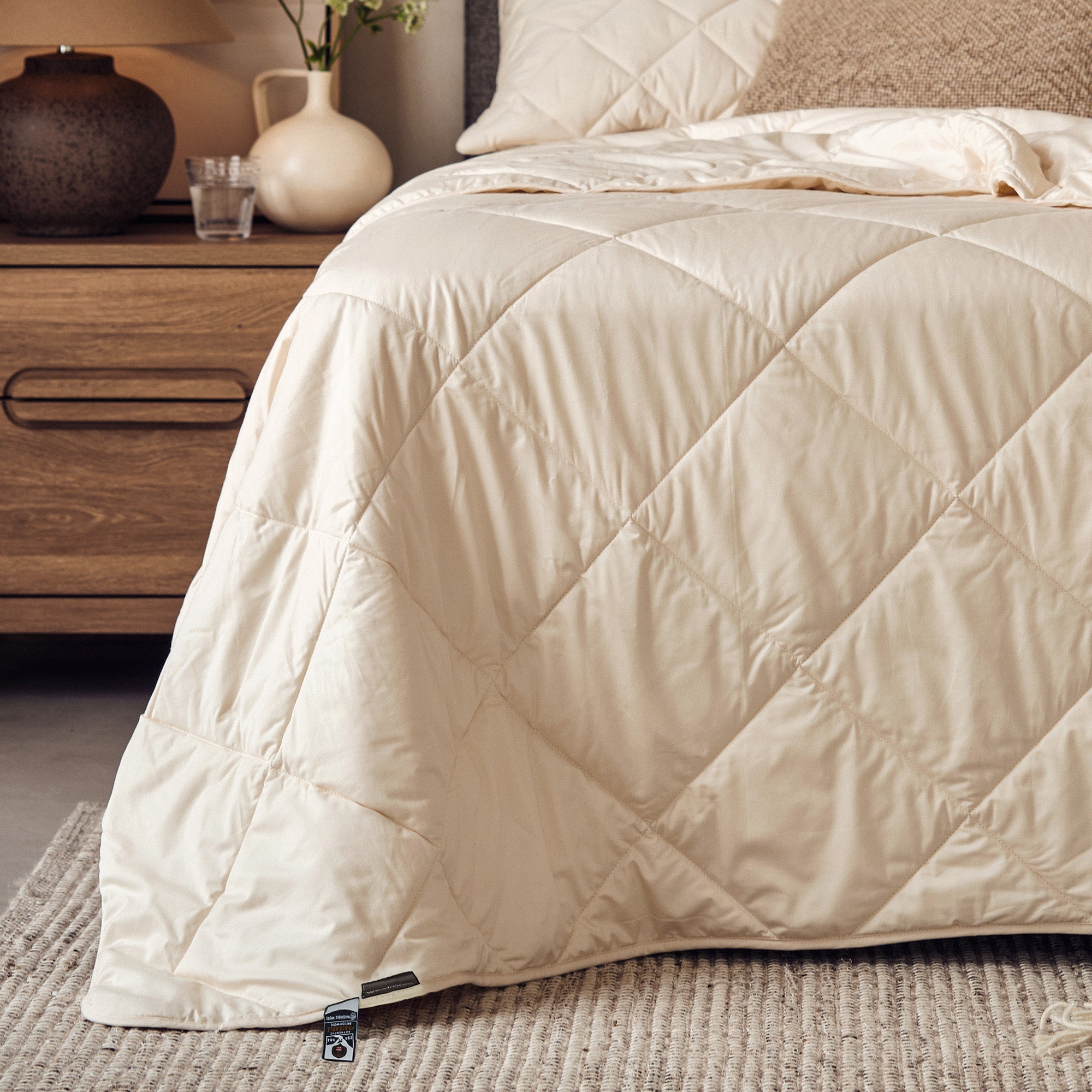
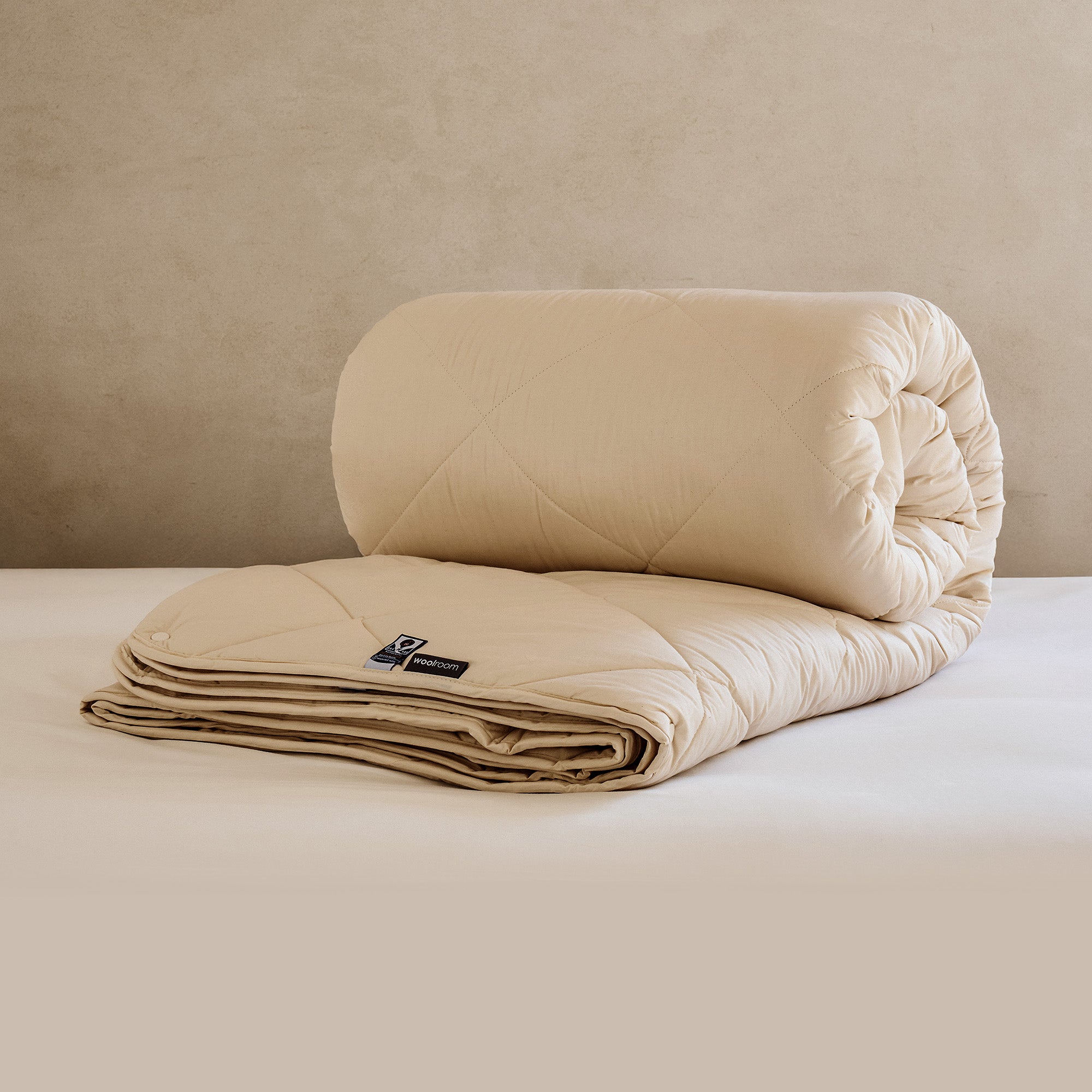
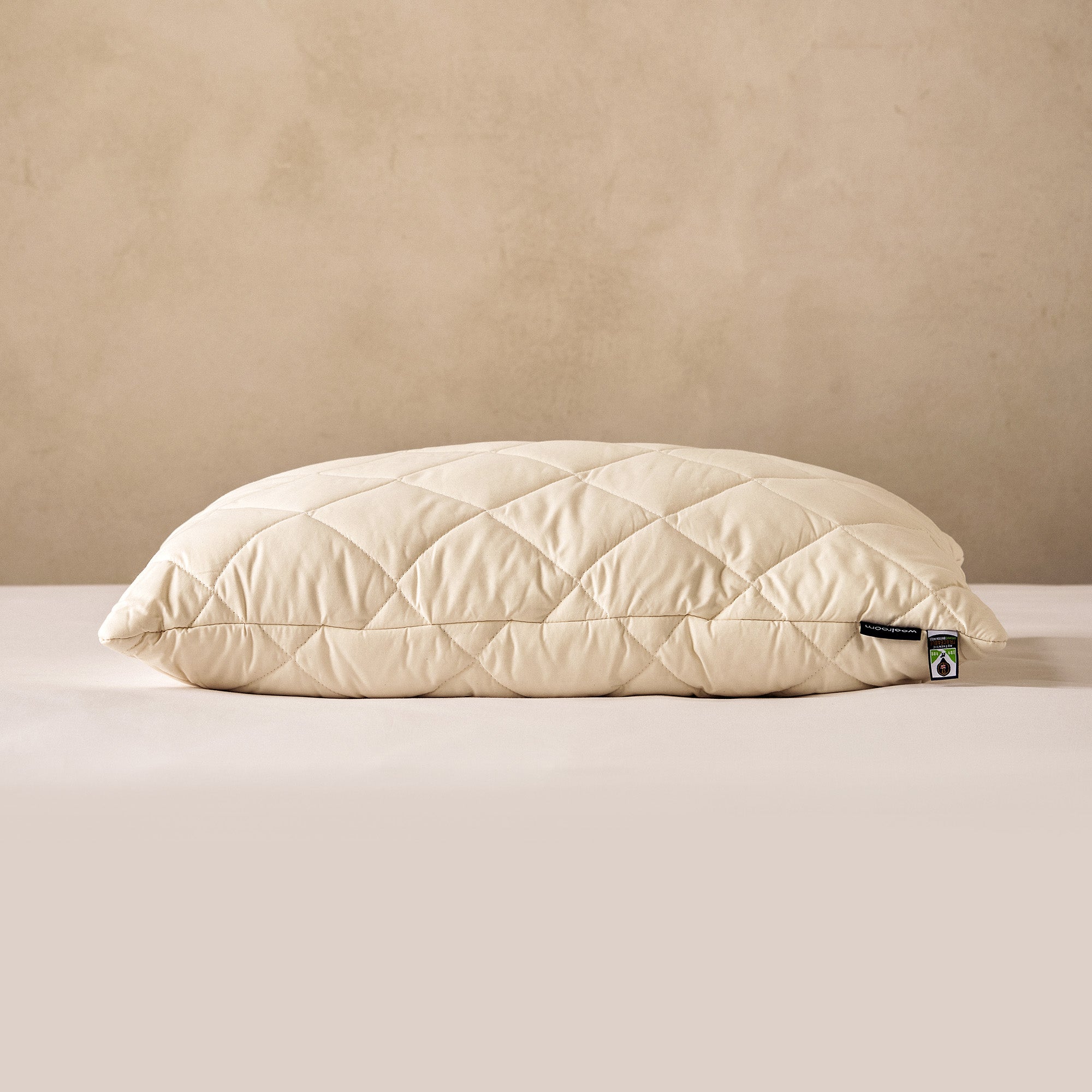
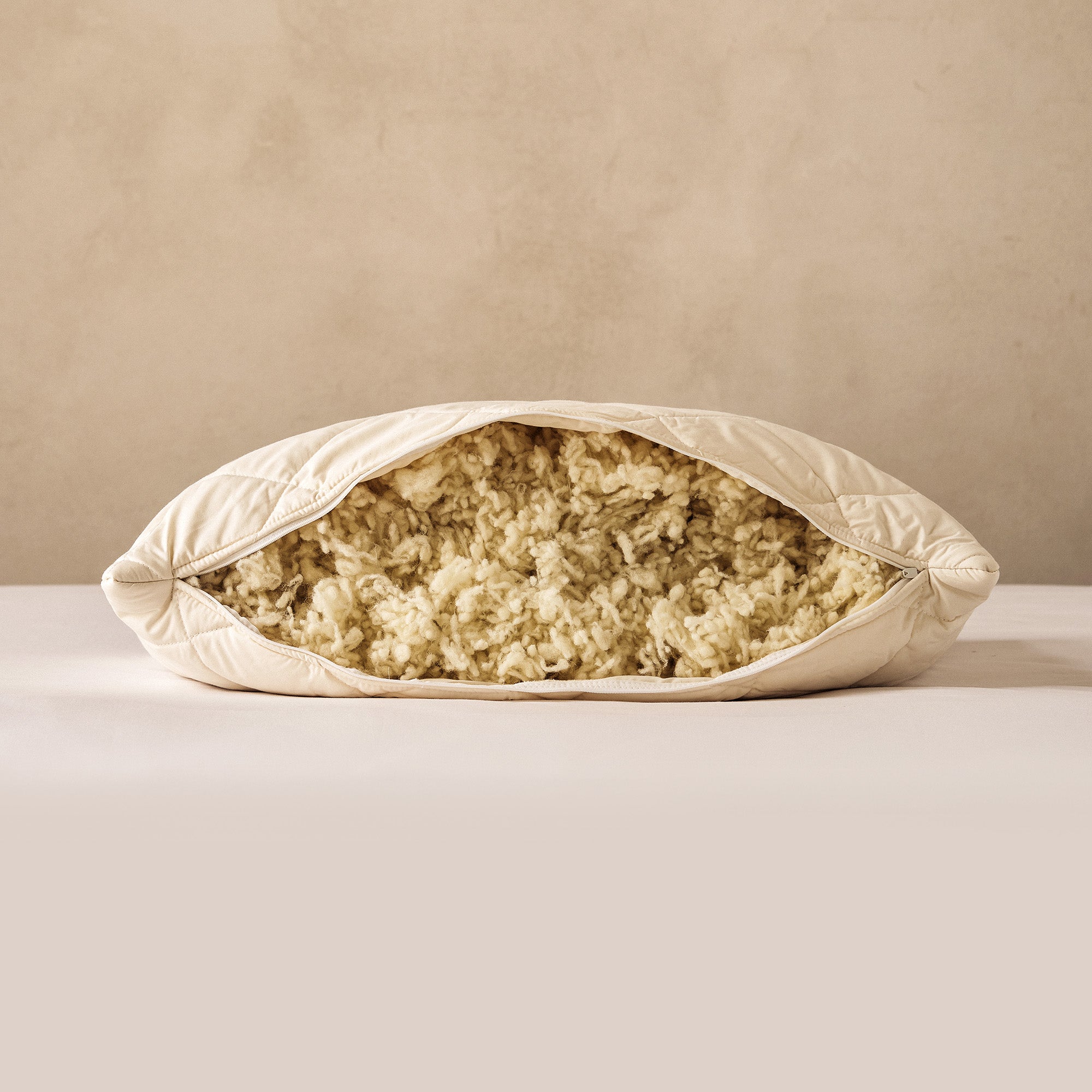
Woolroom bedding, on the other hand, uses 100% natural British wool with powerful temperature regulating and moisture managing abilities. This is thanks to the air pockets within its fibres which allow heat and moisture to be transported away from the body more efficiently.
These properties make it the perfect fibre for anyone experiencing temperature changes during sleep – allowing a deeper, more restorative sleep that customers have described as lifechanging.
Don't just take our word for it. The 2026 study by Bangor University and British Wool revealed that wool is the ultimate fibre for temperature regulation and moisture management while we sleep.
Why wool?
Wool duvets move moisture
120%
faster than synthetic
153%
faster than feather and down
49%
faster than down
Source: Bangor University x British Wool x International Wool and Textile Organisation study, 2026.


Our best selling mtick product
Couette en laine lavable de luxe 3 en 1 - Toutes saisons
-
Natural ingredients
Made with responsibly sourced materials.
-
Free delivery
On all orders over £50.
-
2-year guarantee
We stand behind everything we make.
The importance of education
The survey results highlight just how much work remains to be done to improve that confidence and understanding of menopause and its impact on sleep. A significant 73% of respondents said there is currently not enough understanding on the topic, underlining the need for greater awareness, education and support.
Showing how committed we are to tackling this issue, we were recently awarded GenM’s menopause friendly certification – the MTick® – having met strict evidence-based criteria and proved alignment with GenM’s goal of empowering women on their journey to search, source and shop for menopause solutions with greater confidence.
Shop the MTick range
We revealed the results of the survey at a panel discussion in October, featuring broadcaster and campaigner Mariella Frostrup, GenM’s CEO Heather Jackson, Woolroom managing director Chris Tattersall, and Cartwright marketing agency founder Liz Cartwright.
