Key Takeaways
- Down and feather bedding can be plush and warm, but it’s high maintenance and can lead to overheating.
- Synthetic bedding is affordable and easy to care for, but it lacks breathability and durability. Plus, it raises serious environmental concerns.
- Wool is the most balanced bedding fiber, thanks to its natural breathability, temperature regulation, moisture control, and durability.
It’s easy to focus solely on softness when we consider bedding, but performance factors like breathability, temperature regulation, moisture management, and long-term durability paint a more accurate picture of how different fibers perform. When you evaluate bedding with that in mind, it quickly becomes clear that one fiber stands out. Wool is a natural multitasker, with none of the drawbacks of down and feather or synthetic materials. But for the sake of argument, let’s compare down, wool, and synthetic bedding side by side to see which fiber type is best for sleep.
What is Down and Feather Bedding?
Down and feather are some of the most traditional and ubiquitous natural fills. They’re frequently lumped in together, but they actually describe two different things.
- Down is the fine, fluffy clusters located beneath the tough outer feathers in ducks and geese. Down has a filament structure that works to trap air really efficiently, which is why down is so insulating yet lightweight. That airy structure also contributes to down’s lofty softness and light weight.
- Feathers also come from ducks and geese, but they’re much more supportive than down. Since they have quills, they aren’t as lofty.
Down and feather are often combined to create a fill that’s soft and airy with some structure. In bedding, down and feather fills can be found in comforters, pillows, and mattress toppers.
What is Wool Bedding?
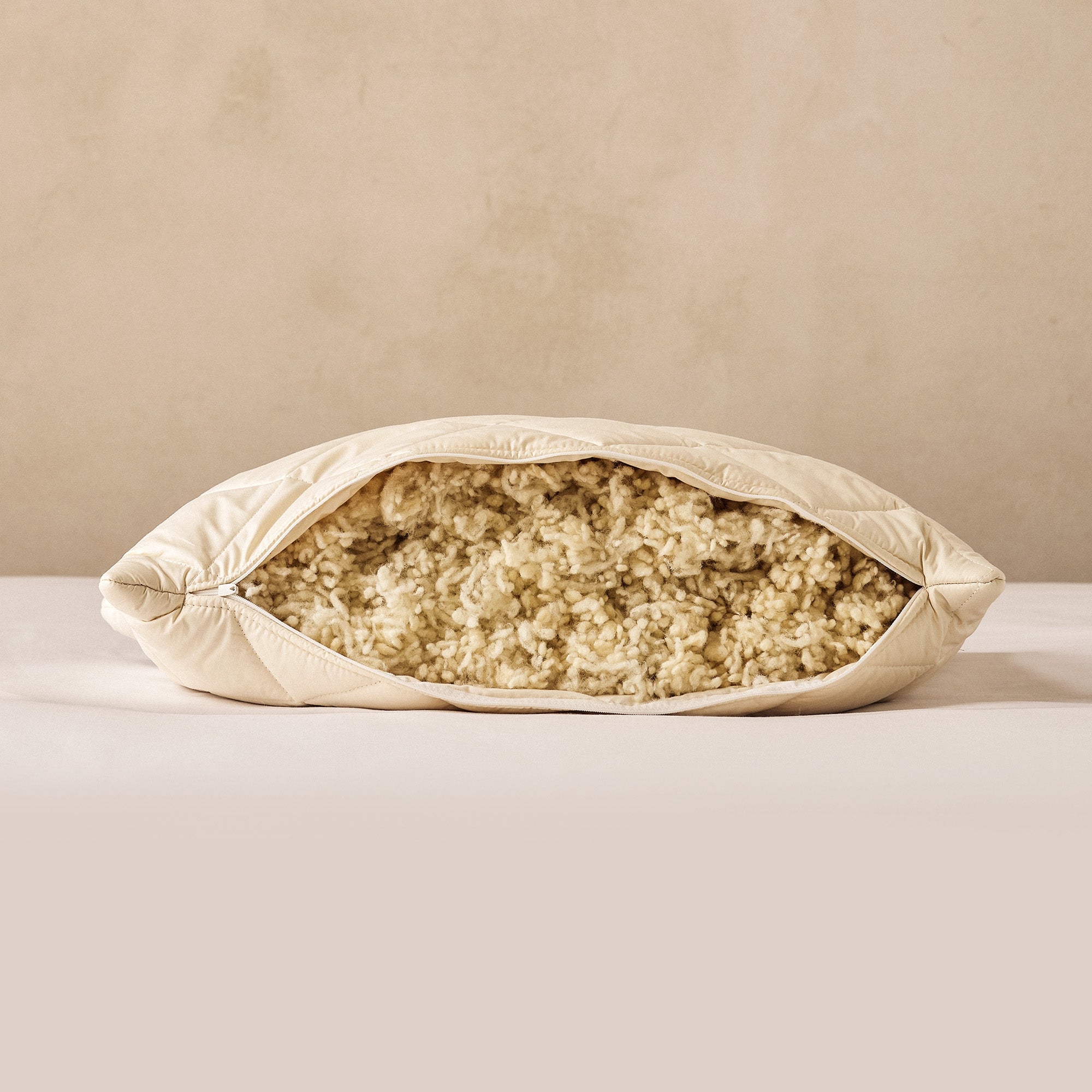
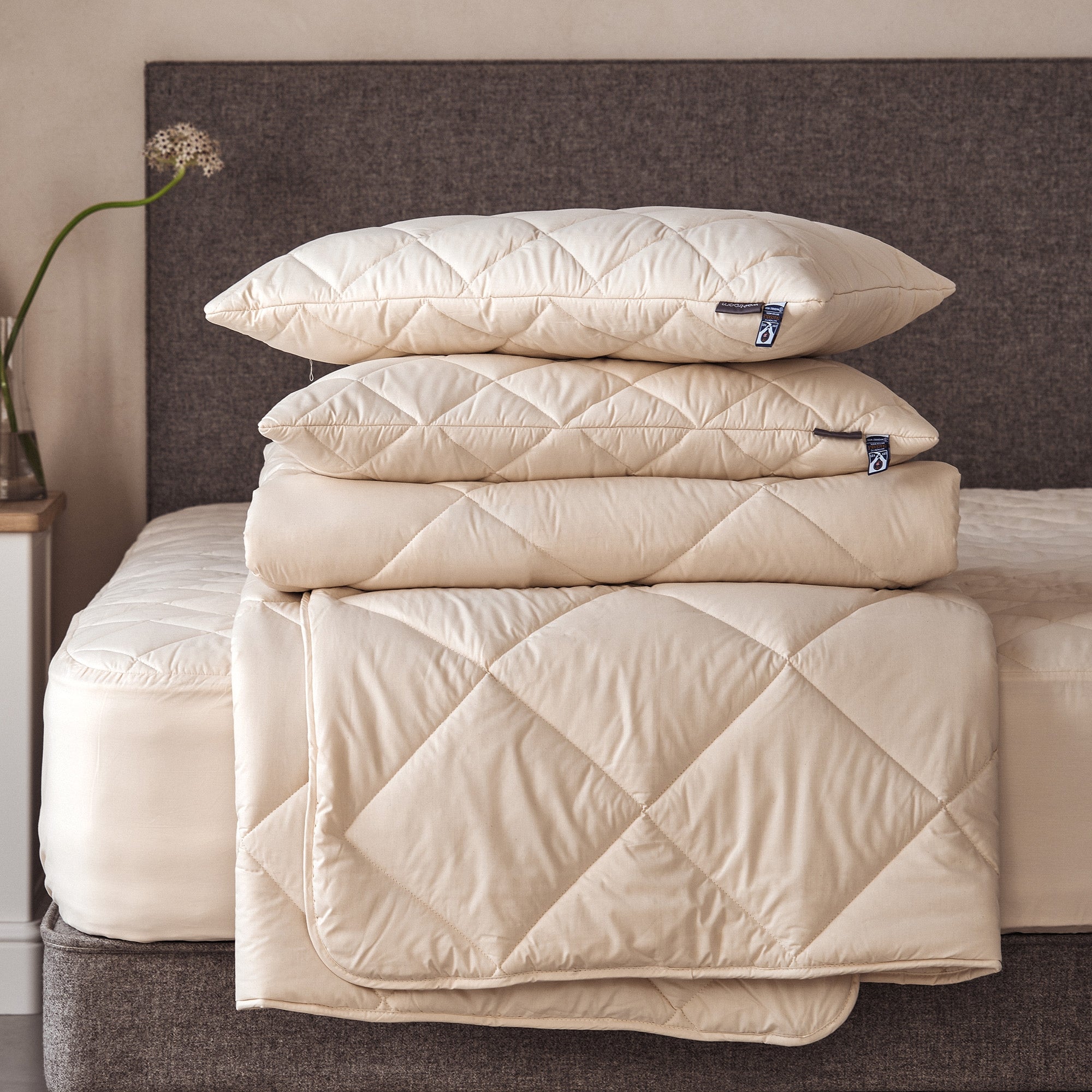
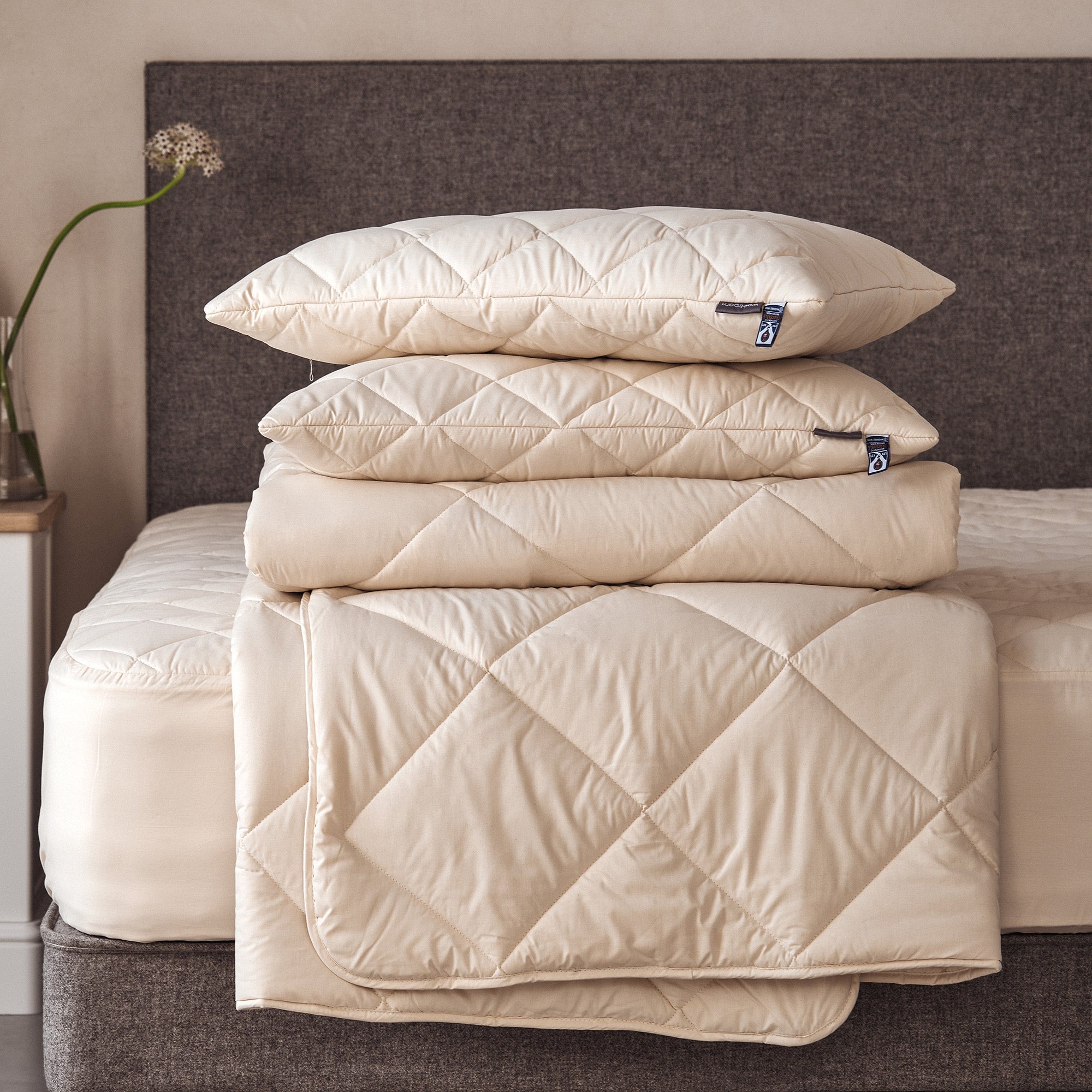
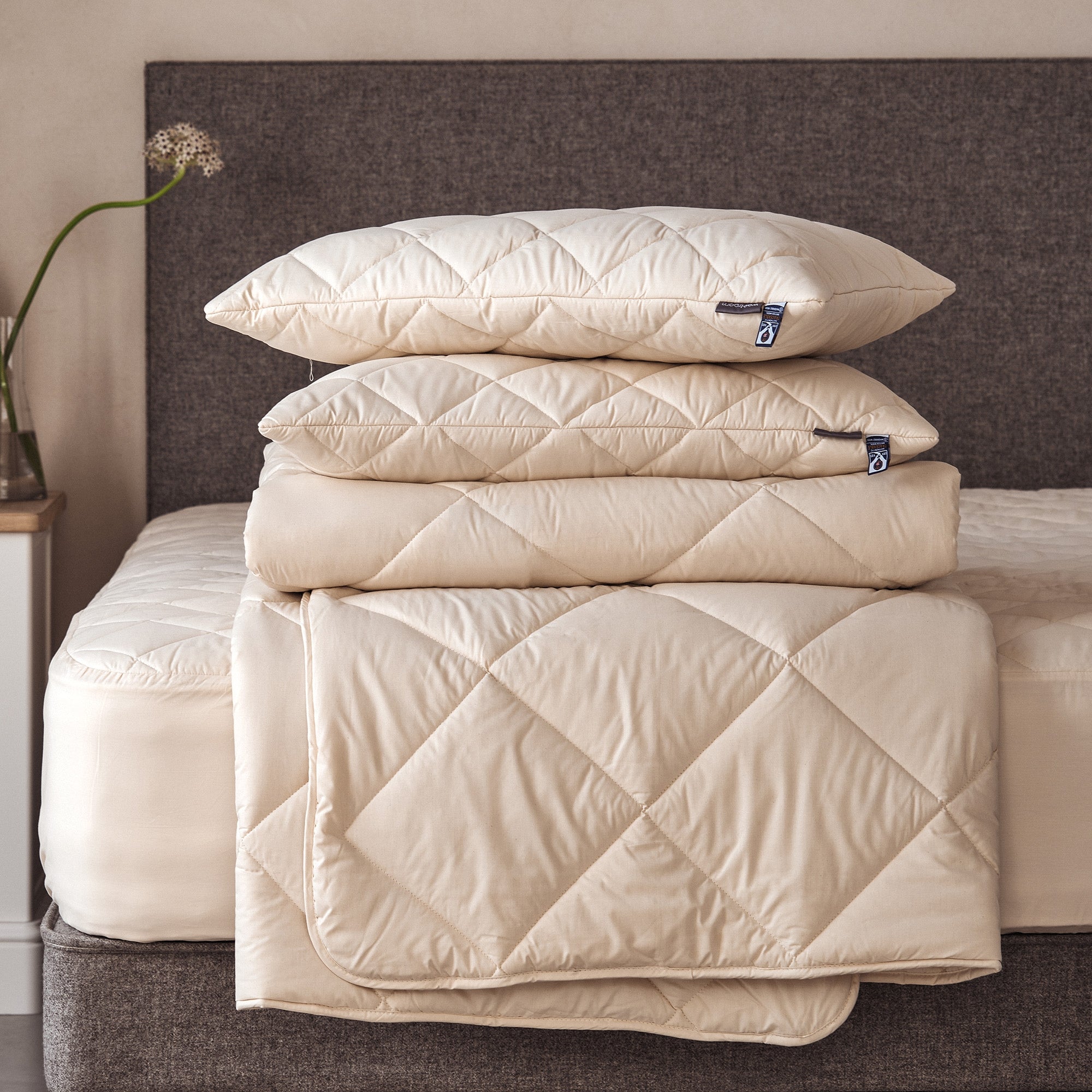
Wool has been used in bedding for centuries (literally!), so just call it the original sleep fiber. Most commonly derived from sheep but also sourced from alpacas and other animals, wool has a unique crimped shape that adds resilience, breathability, and the ability to hold onto heat without becoming overly warm. That’s what makes wool bedding so supportive, responsive, and durable. Plus, wool fibers can absorb up to 30% of their weight in moisture without feeling heavy or damp. In bedding, wool wicks away moisture and then releases it into the air in a passive evaporation process that keeps you and your bedding dry and comfortable. It’s a major differentiator that other natural bedding fibers and synthetics alike can’t match.
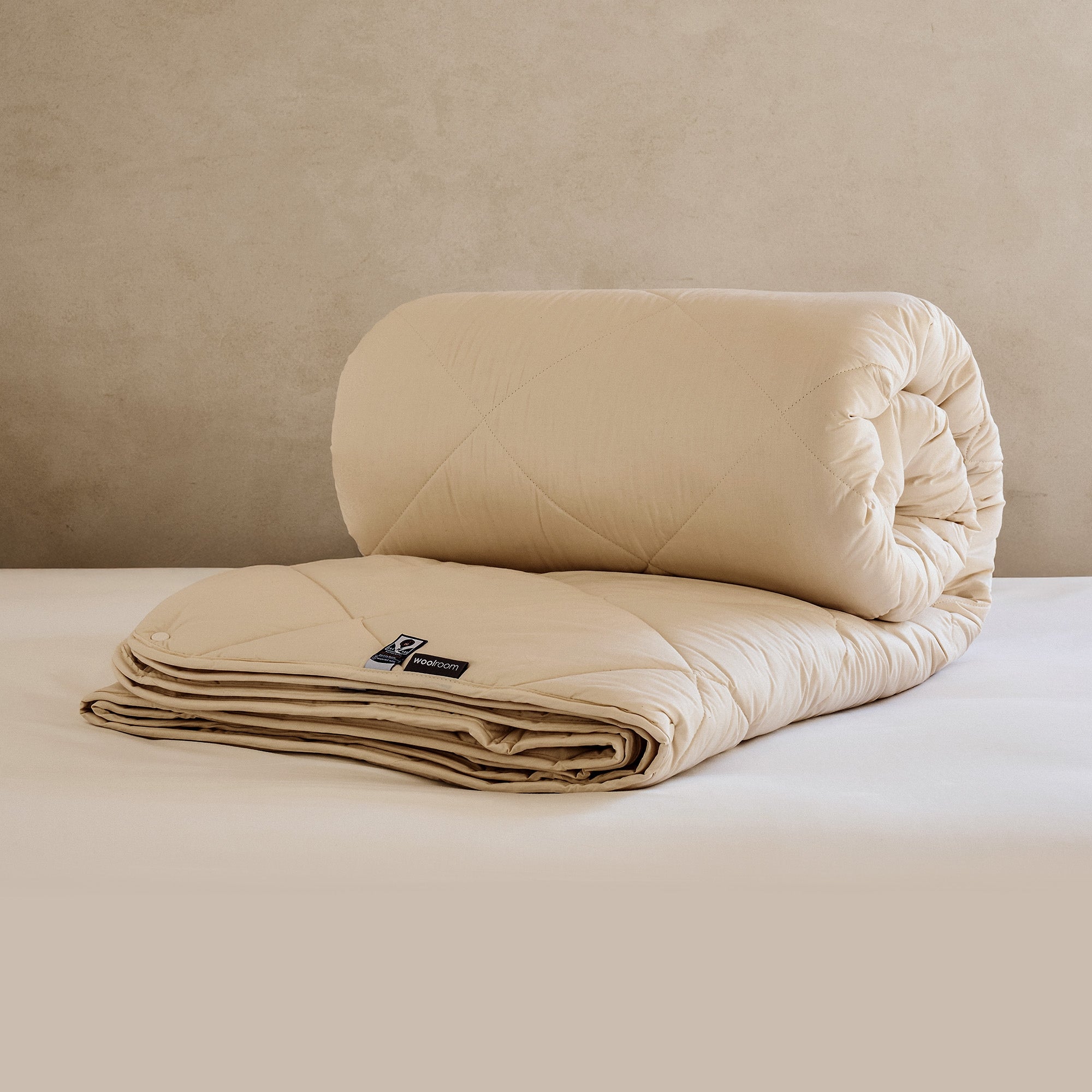
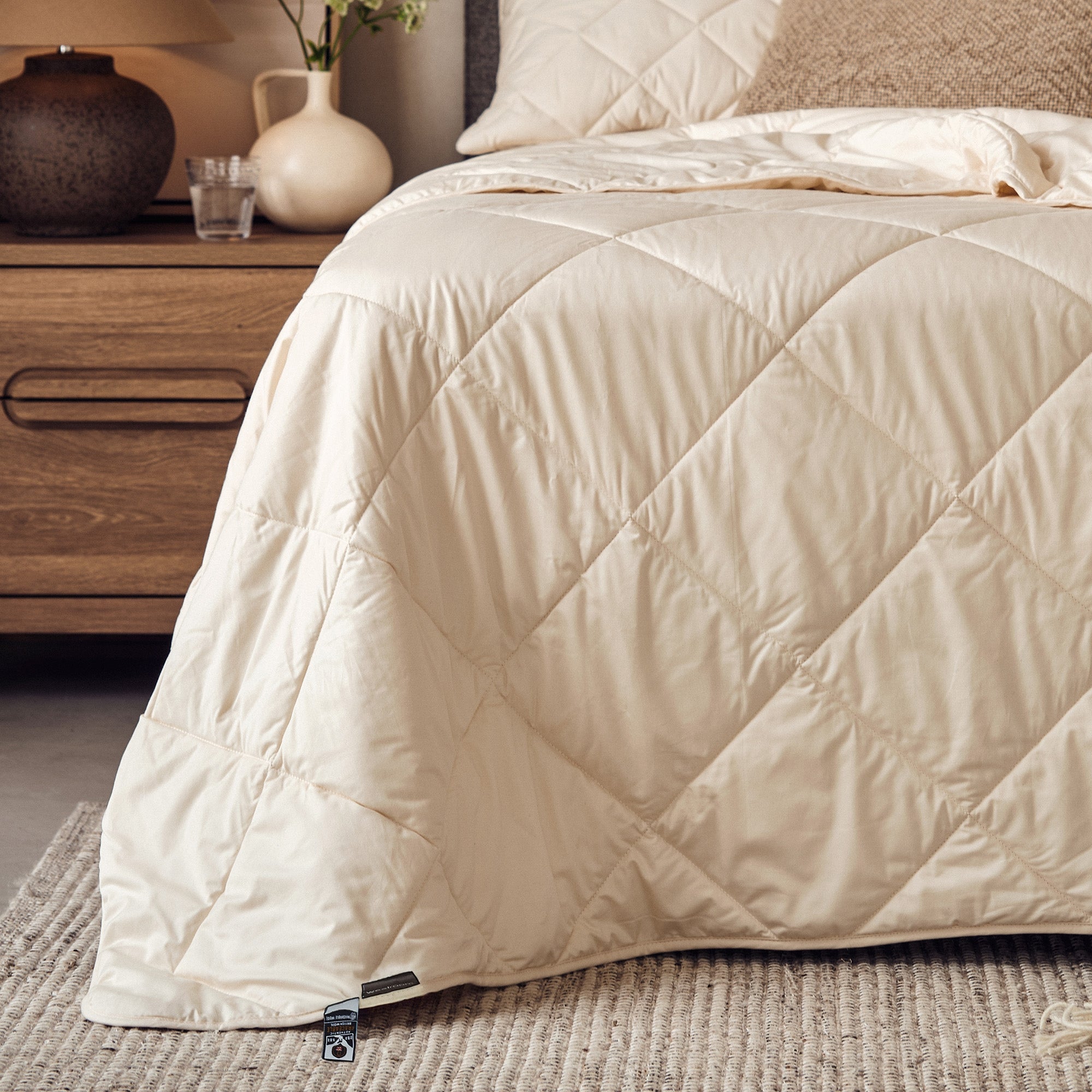
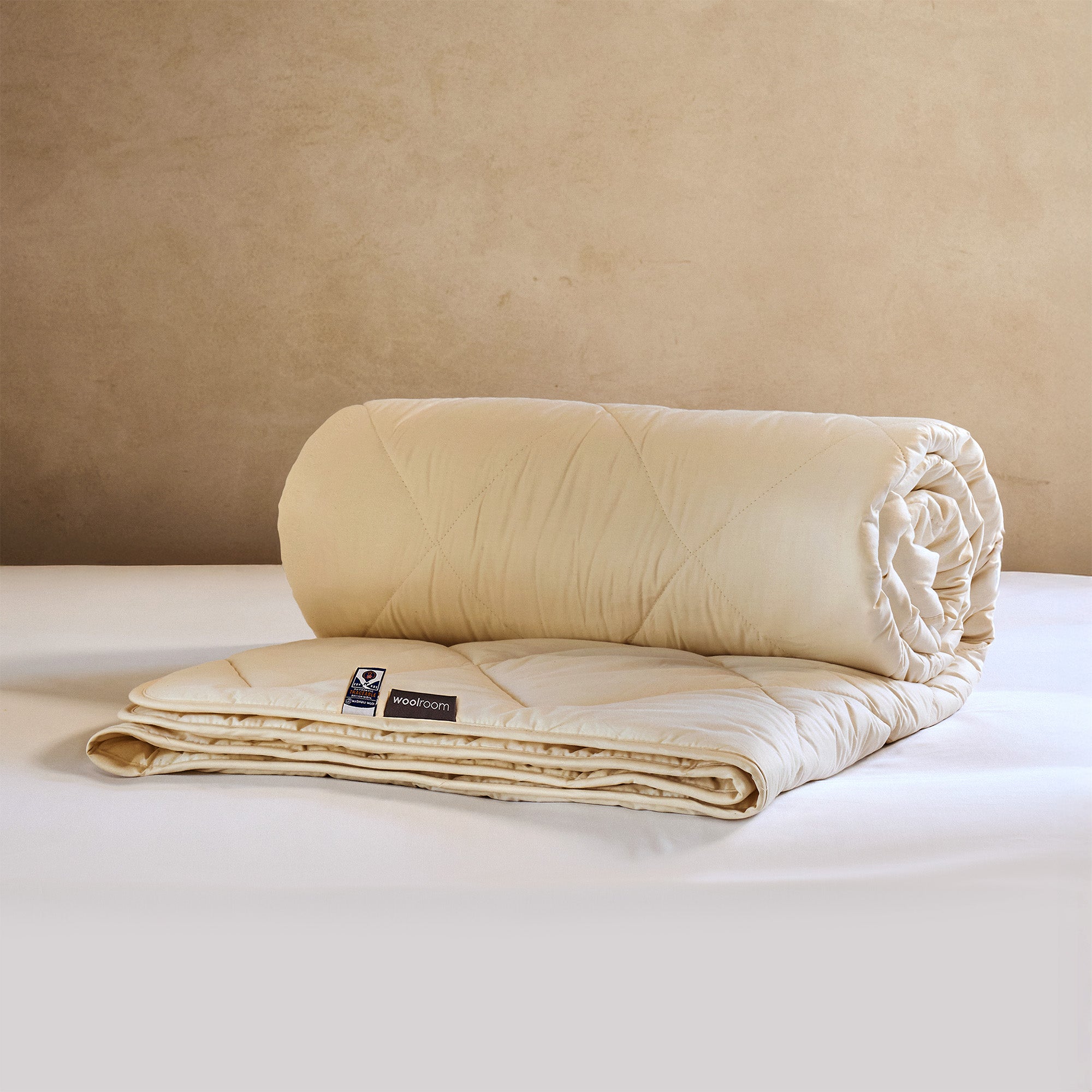
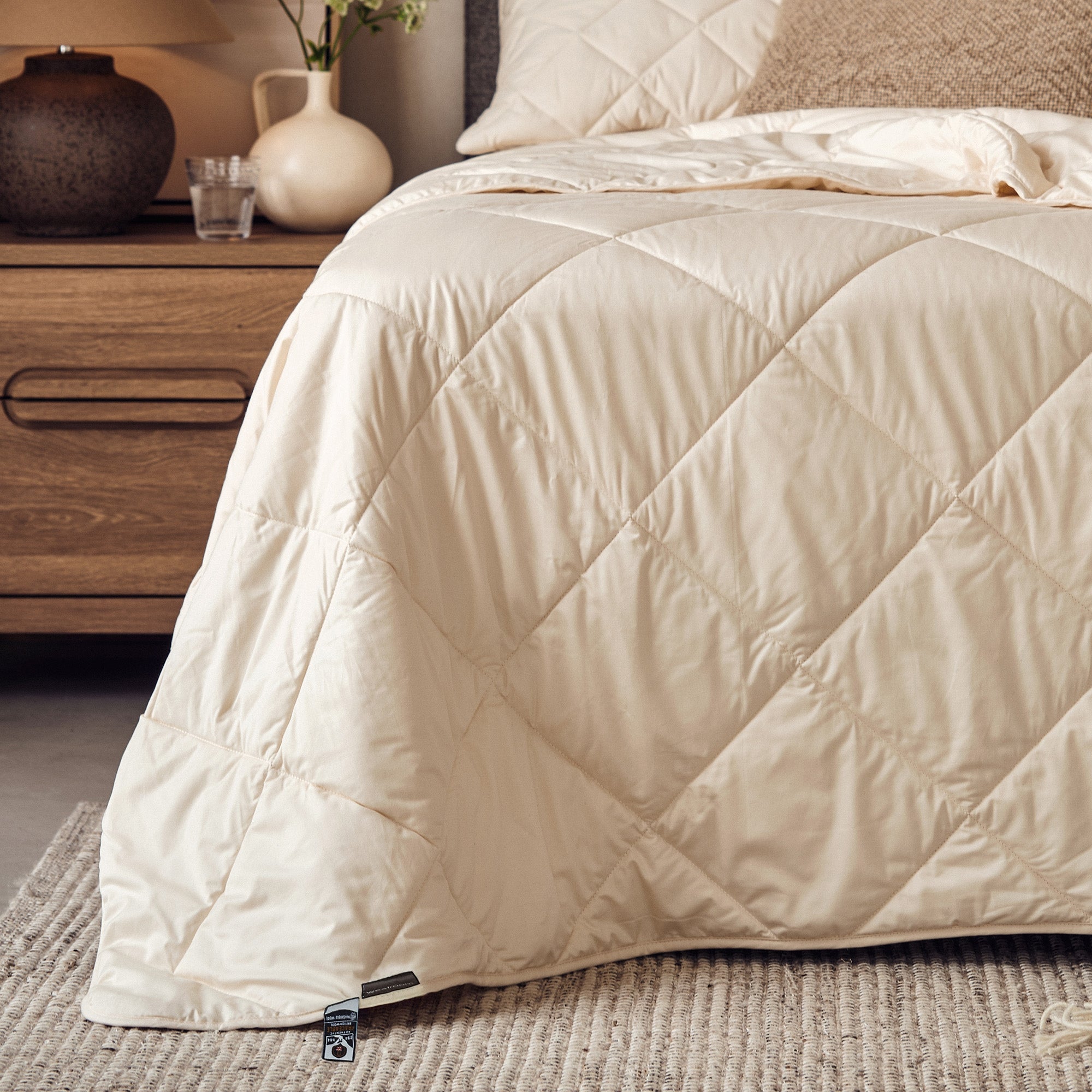
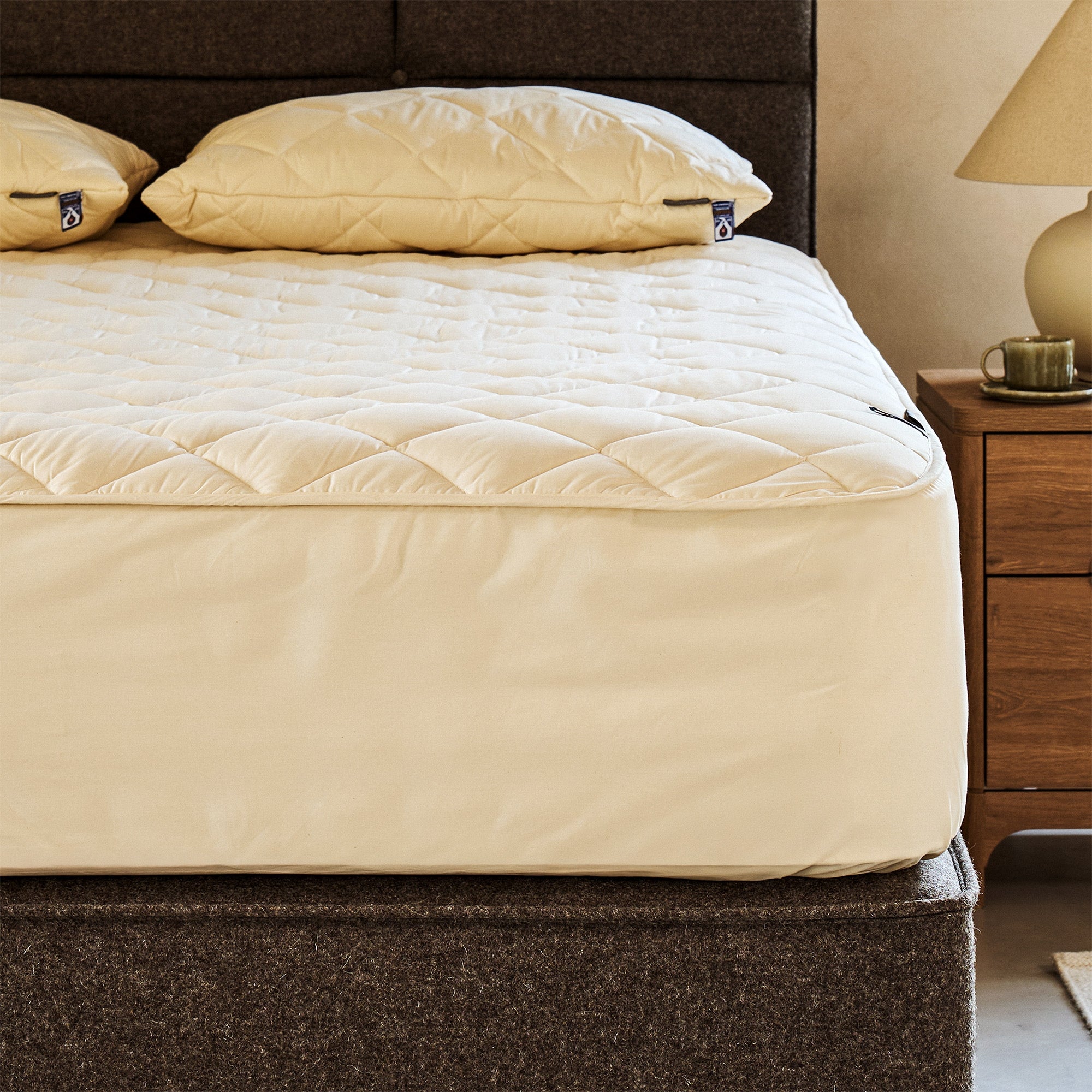
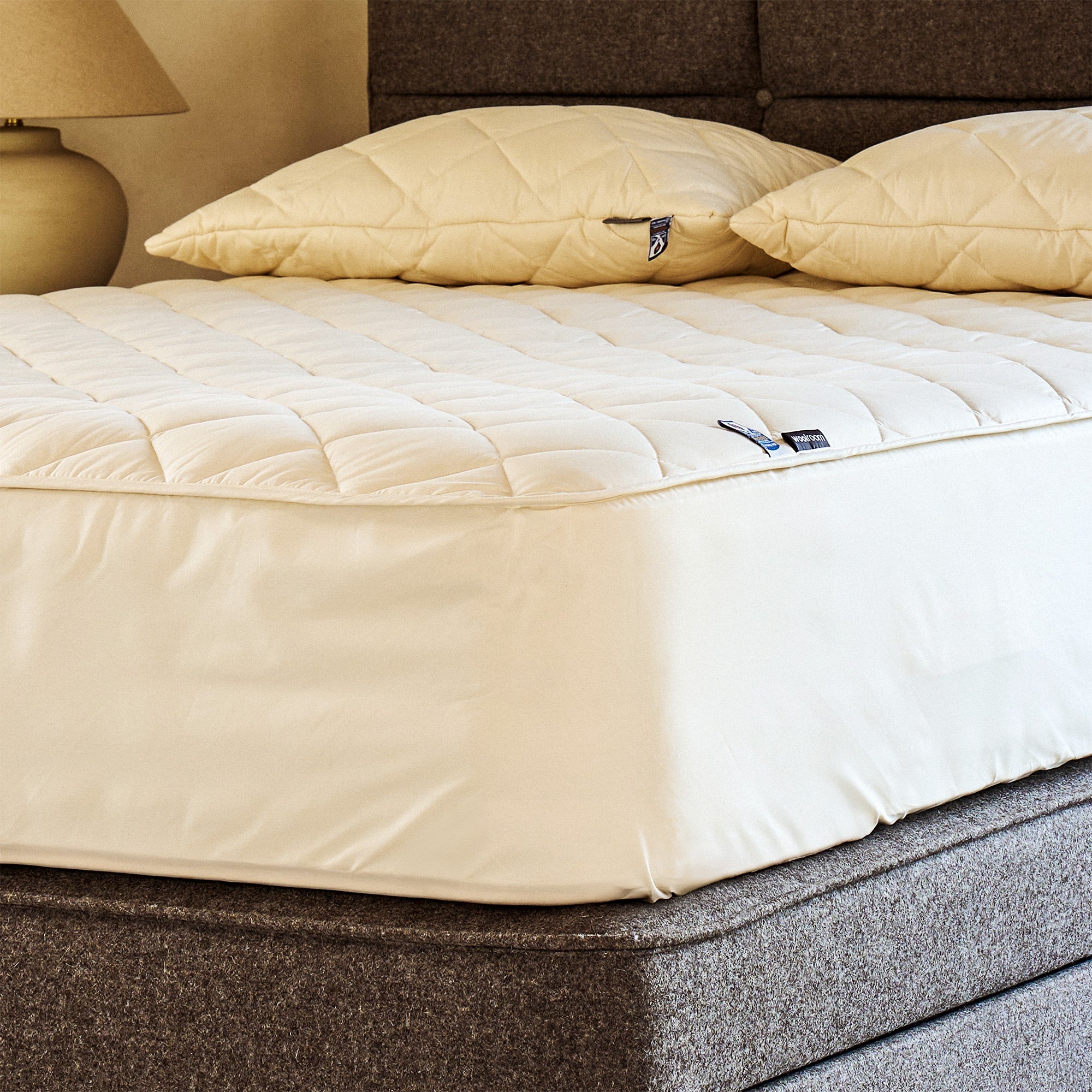
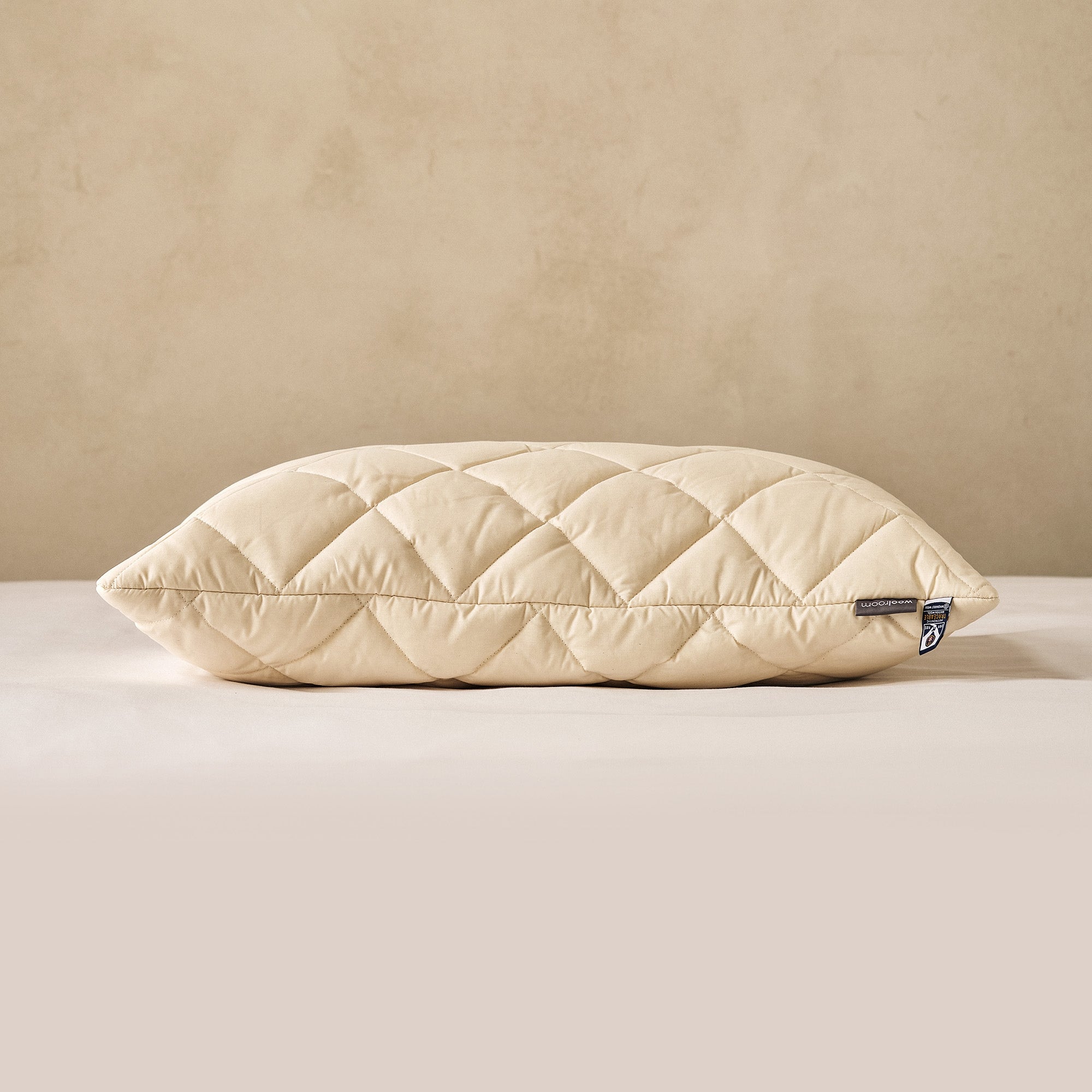
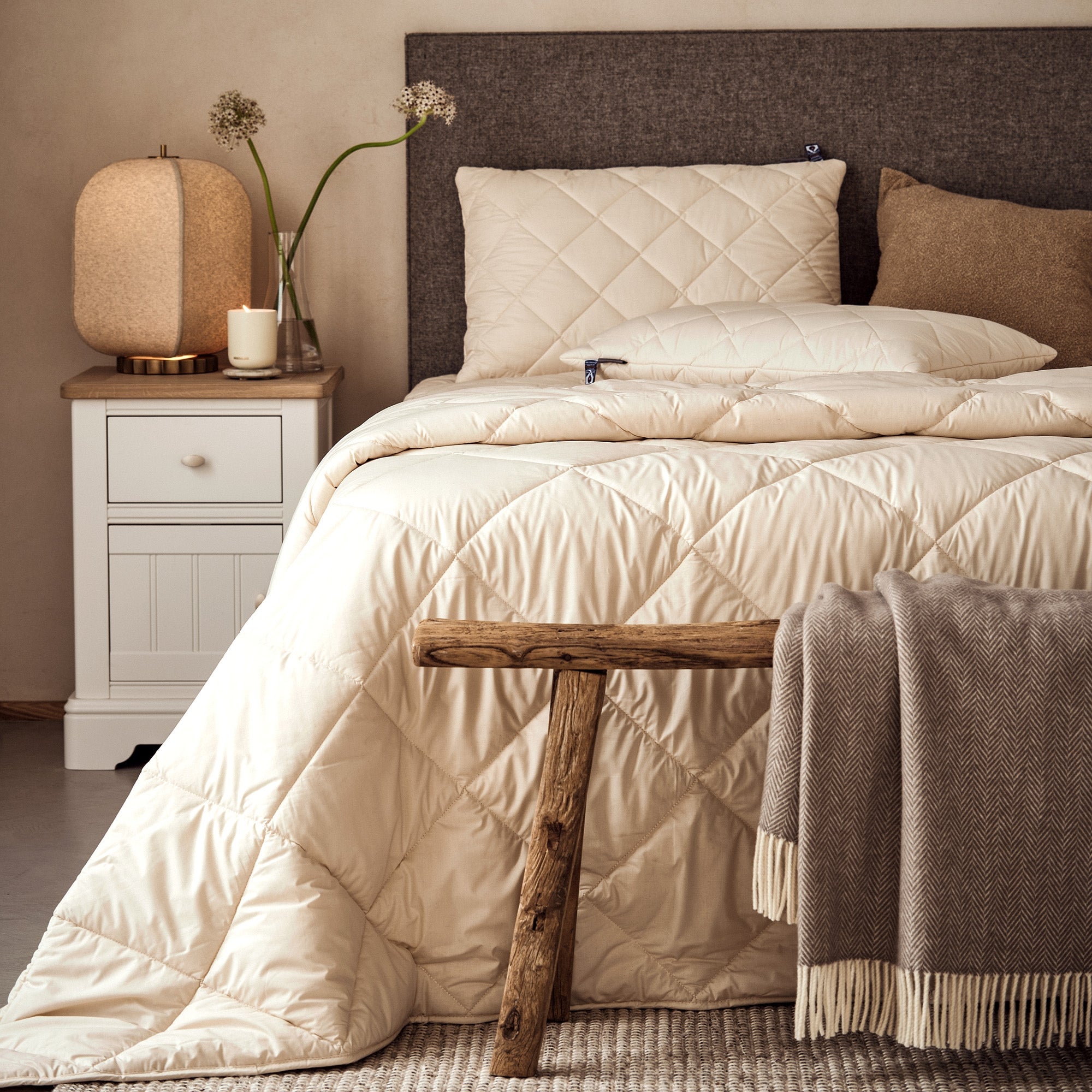
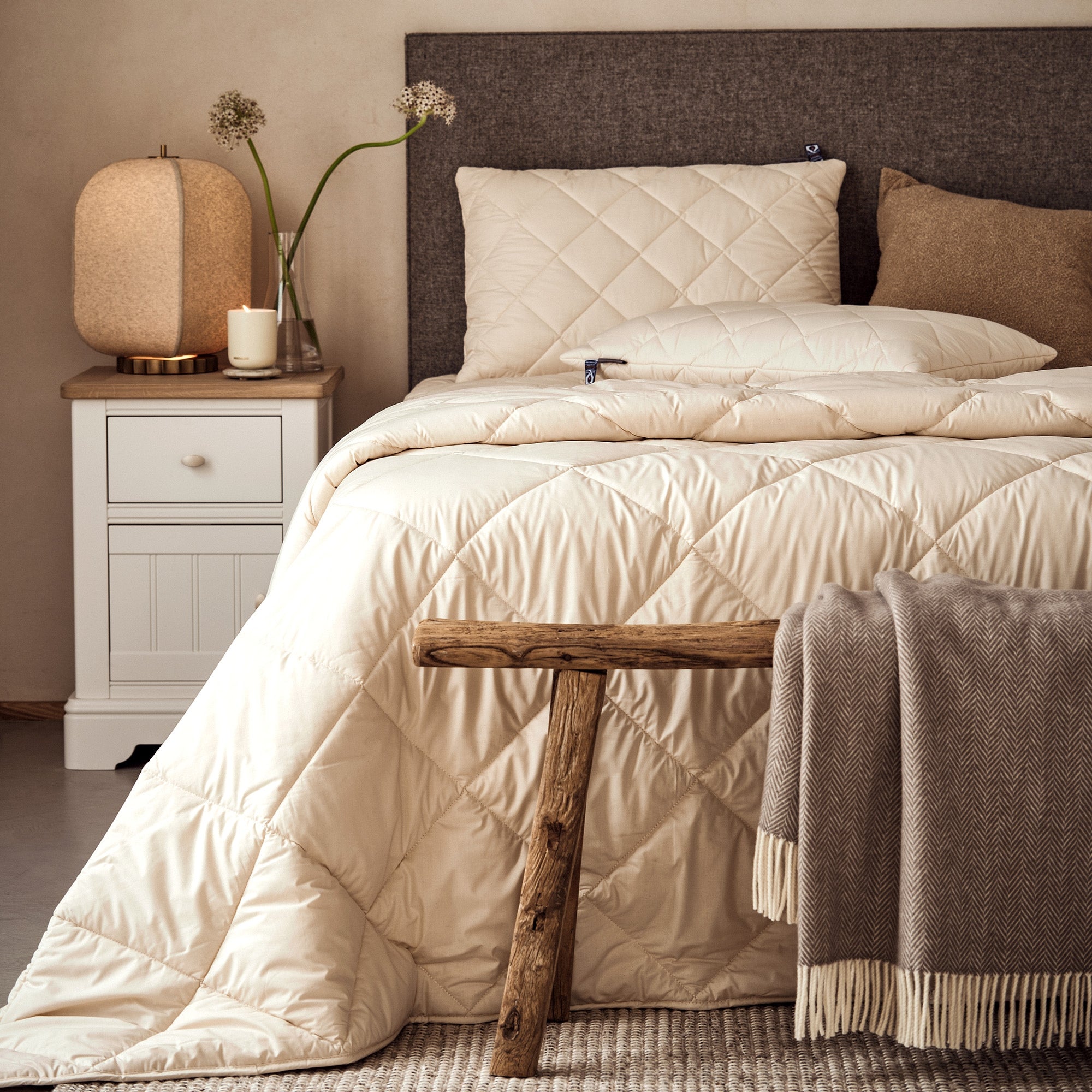
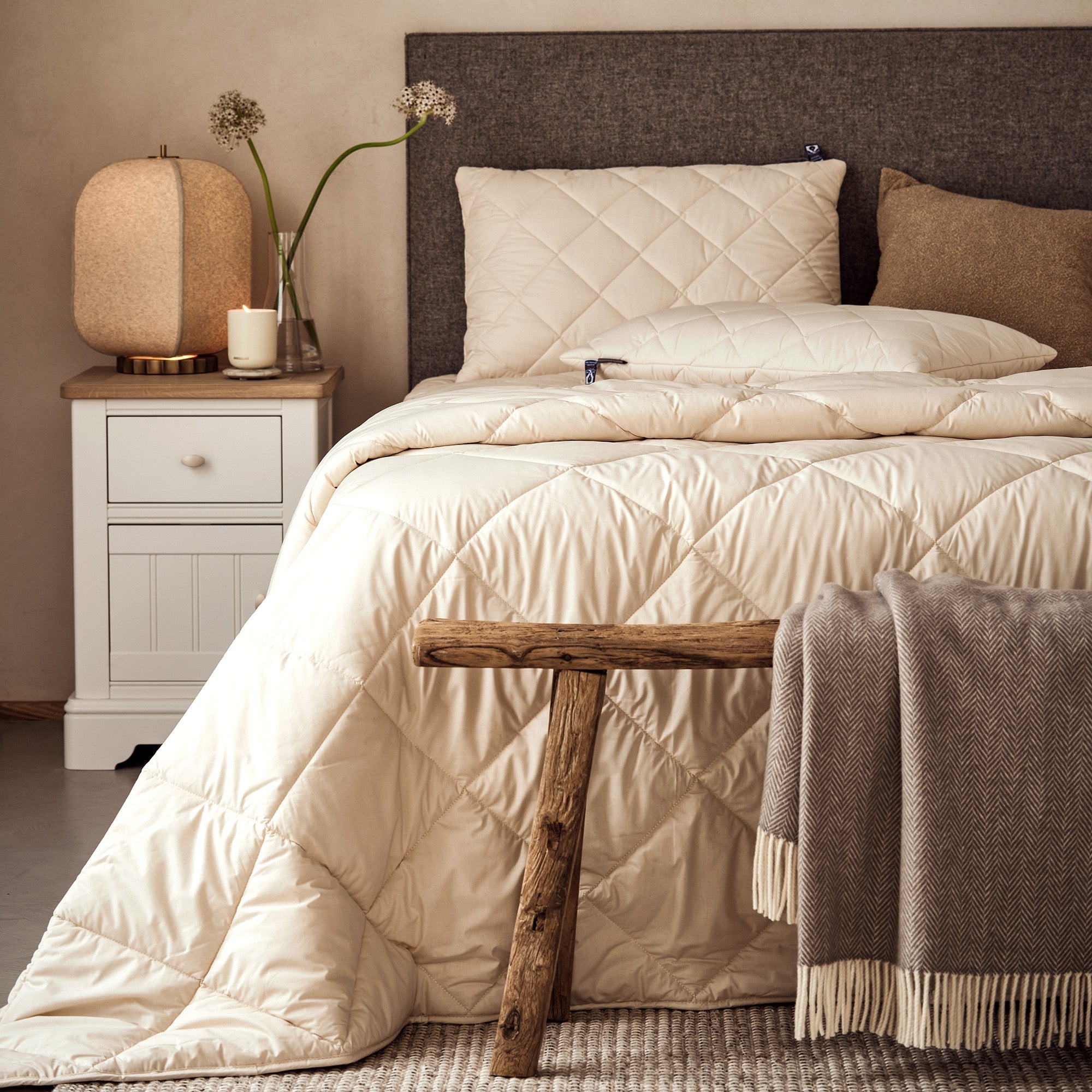
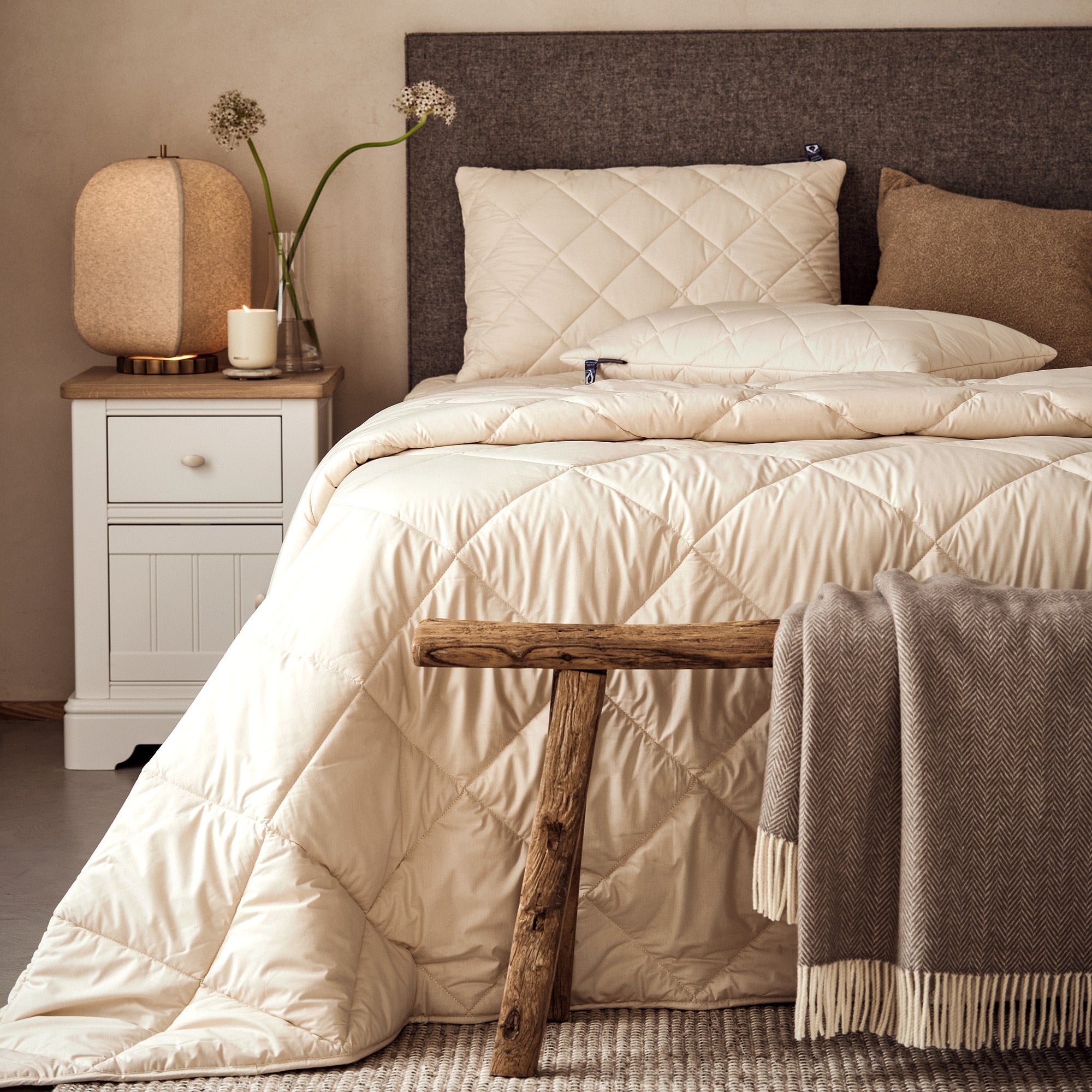
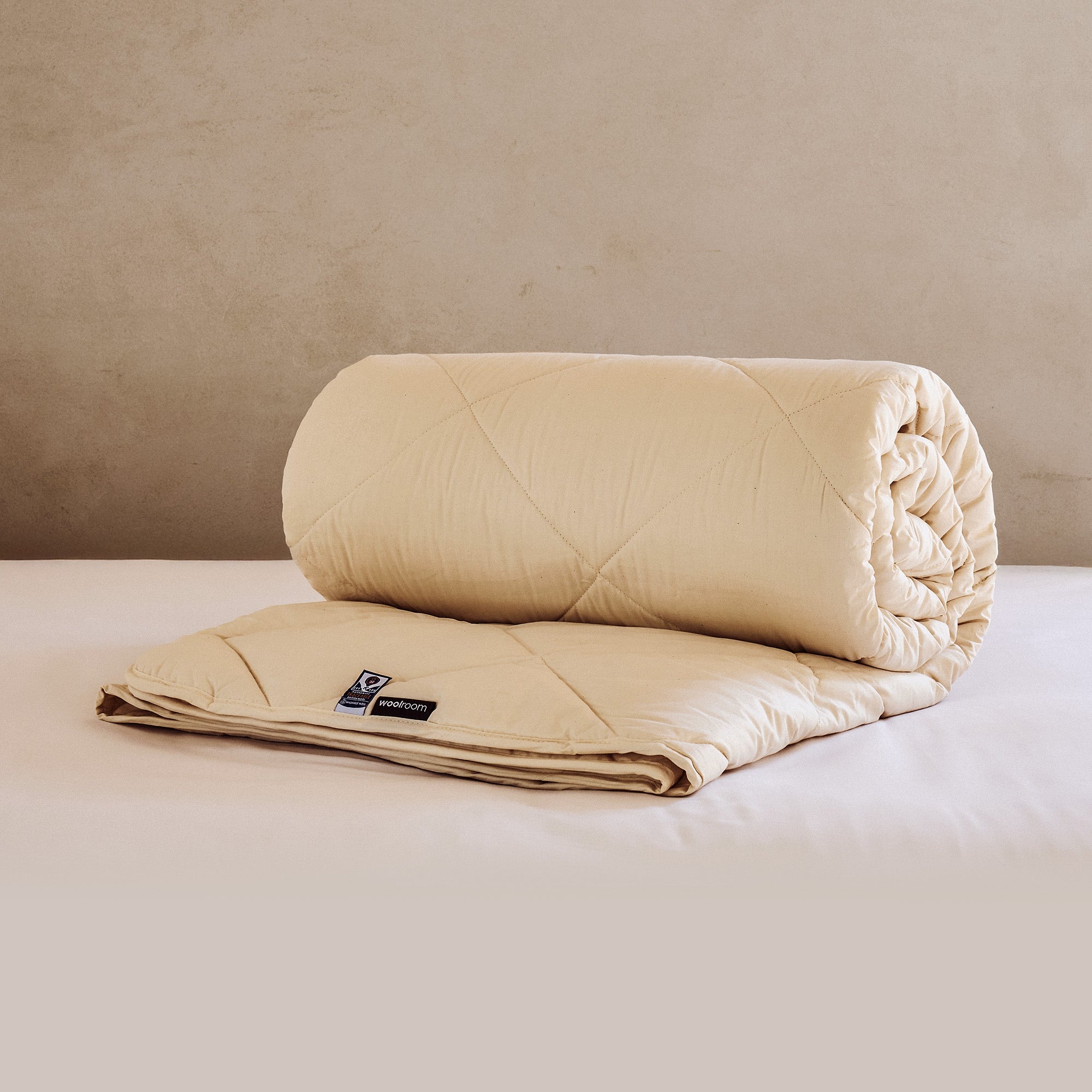
Like down and feather, wool is used in a wide range of sleep products, including pillows, comforters, and mattress toppers, protectors, and pads. Because it’s a natural fire retardant, wool is also used in natural and organic mattresses in lieu of chemical fire retardants. Its springy shape means it also works exceptionally well in comfort layers as well.

What are Synthetic Bedding Fibers?
Synthetic bedding fibers are petroleum based and man-made—think polyester and microfiber. They’re designed to mimic the softness and loft of natural fibers, so they’re usually lightweight, inexpensive, and pretty easy to maintain. Synthetics tend to be considered a practical choice, but they have very real drawbacks when they’re compared to natural fibers, especially when it comes to breathability and longevity.
Polyester is the most common synthetic fill — this is what you find in down alternative bedding pieces, like pillows and comforters. It’s affordable and widely available. Microfiber is a smoother, softer form of polyester typically used in linens. Gel-infused and specialty fibers are engineered for sleep benefits like cooling, so they’re common in mattress covers, pillows, and comforters. On the downside, synthetics in bedding are known for clumping and flattening, trapping heat and moisture, and contributing to pretty serious environmental concerns like microplastic shedding.
Down & Feather vs. Wool vs. Synthetic
Bedding materials all have their strengths and weaknesses, and understanding how they perform can help you zero in on the best option for you.
Comfort and Feel
- Down and feather bedding has that lofty airiness that really feels luxurious. But down clusters are fragile, so flattening is to be expected. Not only does that compromise aesthetics, it also has an effect on heat retention. Down and feather blends also mean quills poking through the fabric and escaping.
- Wool strikes a great balance of structure and softness. It doesn’t flatten the way down does, and it can deliver a lightweight yet pleasing sense of heft that just feels cozy.
- Synthetic bedding might mimic softness, but it doesn’t feel quite as natural against the skin. Synthetic fill also tends to feel more uniform than the dynamic loft of natural fibers.
Temperature Regulation and Breathability
- Down and feather bedding offers excellent insulating properties, so it works well in cold climates. The problem is that down works a little too well in its ability to trap heat. And since it lacks any ability to wick moisture, that often leads to overheating. When down gets damp, it simply holds onto the moisture. That leads to clumping and affects down’s ability to retain warmth. And because it takes a really long time to dry down, it becomes susceptible to mold and mildew.
- Wool is a natural thermoregulator, meaning it adapts to both you and the environment to maintain an ideal microclimate. That’s because of its impressive moisture management and breathability, which prevents overheating. Instead, wool really does keep sleepers cool in the warmer months and warm in the colder months.
- Synthetic bedding doesn’t breathe well at all, so it often contributes to overheating and sweating. While chemically treated or infused fills promise cooling ability, they usually can’t match the breathability and moisture control of natural alternatives like wool — especially not over the long term.
Allergy and Sensitivity Considerations
- Down and feather fills are washed and treated to reduce allergens, but because they contribute to warm, moist environments, they can be a magnet for irritants and allergens like dust mites. That can trigger sensitivities in some people.
- Wool bedding isn’t hospitable to dust mites, mold, mildew, and other contaminants. It’s hypoallergenic even when it’s untreated, so it’s a great choice for people who are prone to allergies.
- Synthetic bedding can be marketed as hypoallergenic, but that benefit often comes courtesy of chemical finishes. Plus, polyester bedding is prone to off-gassing, which exposes you to all kinds of potentially irritating chemicals.
Durability and Longevity
- Down and feather bedding can perform well for years, but it needs regular fluffing and it absolutely must be protected from moisture. Without appropriate care, down bedding will clump or lose its loft and insulating properties. Some down bedding is machine washable, but dry cleaning is often recommended.
- Wool is incredibly durable and resilient, and it’s all thanks to its unique structure. That springy shape resists compression better than down or synthetics and contributes to impressive longevity with little to no upkeep. Plus, since it maintains a drier environment, wool doesn’t hold on to odors. Here at Woolroom, we’re very proud to offer washable wool bedding for even greater ease of care.
- Synthetic bedding is the least durable of all. Polyester fibers flatten fast, which means a much shorter lifespan. Conventional machine washing can lead to clumping and matting as well.
Sustainability and Ethical Factors
- Down and feather bedding can raise serious questions about animal welfare, so it’s really important to look for certifications like the Responsible Down Standard (RDS) to ensure ethical sourcing.
- Wool is naturally renewable, biodegradable, and sustainable. When wool bedding comes from Woolroom, it’s also ethically sourced and fully traceable. Our Wool ID® program shows you the British farms from which we source our wool. We only partner with farms that operate in accordance with the five freedoms outlined in the Animal Welfare Act of 2006, so you can sleep easy knowing your wool comes from happy, healthy animals.
- Synthetic bedding can’t claim any sustainable benefits. It’s petroleum based and non-renewable, and its production process exacts a heavy environmental toll. Synthetic materials shed microplastic during their service life and ultimately wind up in landfills.
Which Bedding Fiber Is Right for You?
Choosing the best bedding fiber really comes down to personal sleep needs and values. Down and feather bedding is popular for its cloud-like feel and warmth, but the trade-offs include allergy risks, higher maintenance, ethical sourcing concerns, and longevity. Synthetic bedding is economical in the short-term, but it’s not durable and there are environmental considerations. Wool is truly the most well-rounded, versatile option, offering temperature regulation, moisture management, and breathability. It’s naturally resilient and durable, and it has a lengthy list of sustainability credentials to boot.
At Woolroom, we improve on wool’s innate properties by ensuring that all of our natural wool bedding products are thoughtfully and responsibly crafted. From 100% traceable British wool to our lengthy list of certifications, our goal is simple: better sleep, naturally.

Frequently Asked Questions
What is the best bedding for better sleep?
The best bedding for better sleep balances comfort, breathability, and durability, and you’ll find that combination in wool. It’s naturally temperature regulating, effectively wicks moisture, breathable, and incredibly durable. Plus, when you get your wool bedding at Woolroom, you can rest easy knowing it’s ethical and fully traceable.
Is wool or down better for hot sleepers?
Wool is the better choice for hot sleepers. Down traps heat and holds onto moisture, so it’s notorious for causing overheating. Wool actively wicks moisture and allows for airflow, which keeps sleepers dry and comfortable.
What material is better to sleep on?
Natural fibers are almost always a better option than synthetics for comfortable sleep. Wool is the most balanced fiber for bedding like pillows, toppers, and comforters because it naturally regulates temperature, wicks moisture, and promotes airflow. It’s also incredibly durable, so it significantly outlasts materials like down and synthetics.
What is the best fiber for comforters?
Wool is the best fiber for comforters. It insulates without overheating and effectively wicks moisture, so it maintains a stable, comfortable microclimate all year long. Wool fibers are resilient and durable, so they maintain their loft without clumping for a longer service life.