Key Takeaways
-
Wool and down are popular bedding options, and choosing between the two comes down to understanding their differences.
-
Wool is temperature regulating and moisture wicking, which makes it ideal for year-round comfort and hot sleepers. Plus, it’s naturally hypoallergenic.
-
Down has a high warmth-to-weight insulation that’s great for cold climates and sleepers who get chilly at night. But it traps heat, so it can lead to overheating.
If you’re in the market for new bedding staples, like pillows, comforters, and mattress toppers, you’re going to have to make some decisions about materials. Down and wool are both popular options, and rightfully famous for their comfort and warmth. But which is better? Understanding more about these materials, and especially their pros and cons, can steer you toward the best bedding for you and your family. In the wool-versus-down showdown, here’s what to understand about their differences.
Understanding Wool and Down as Bedding Materials
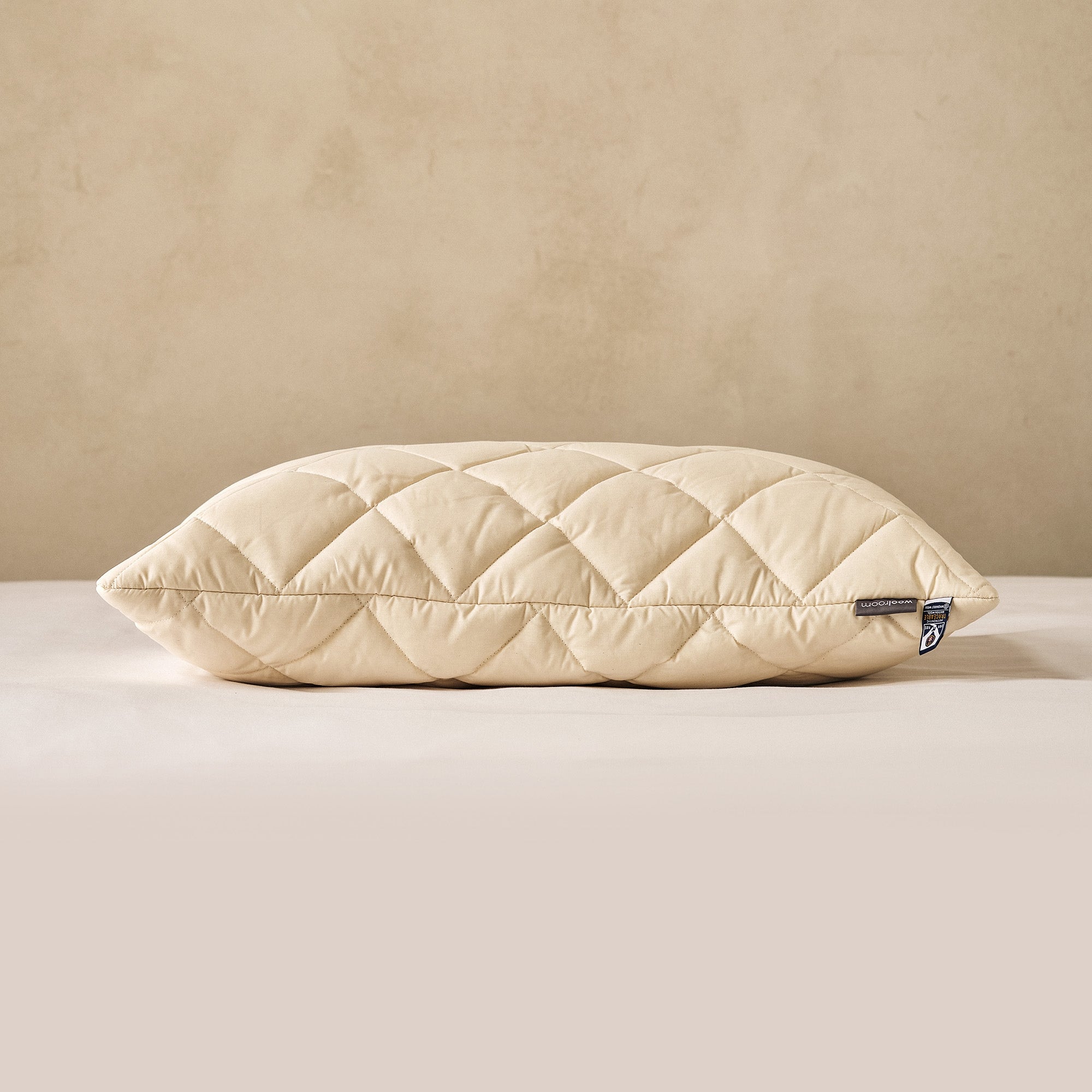
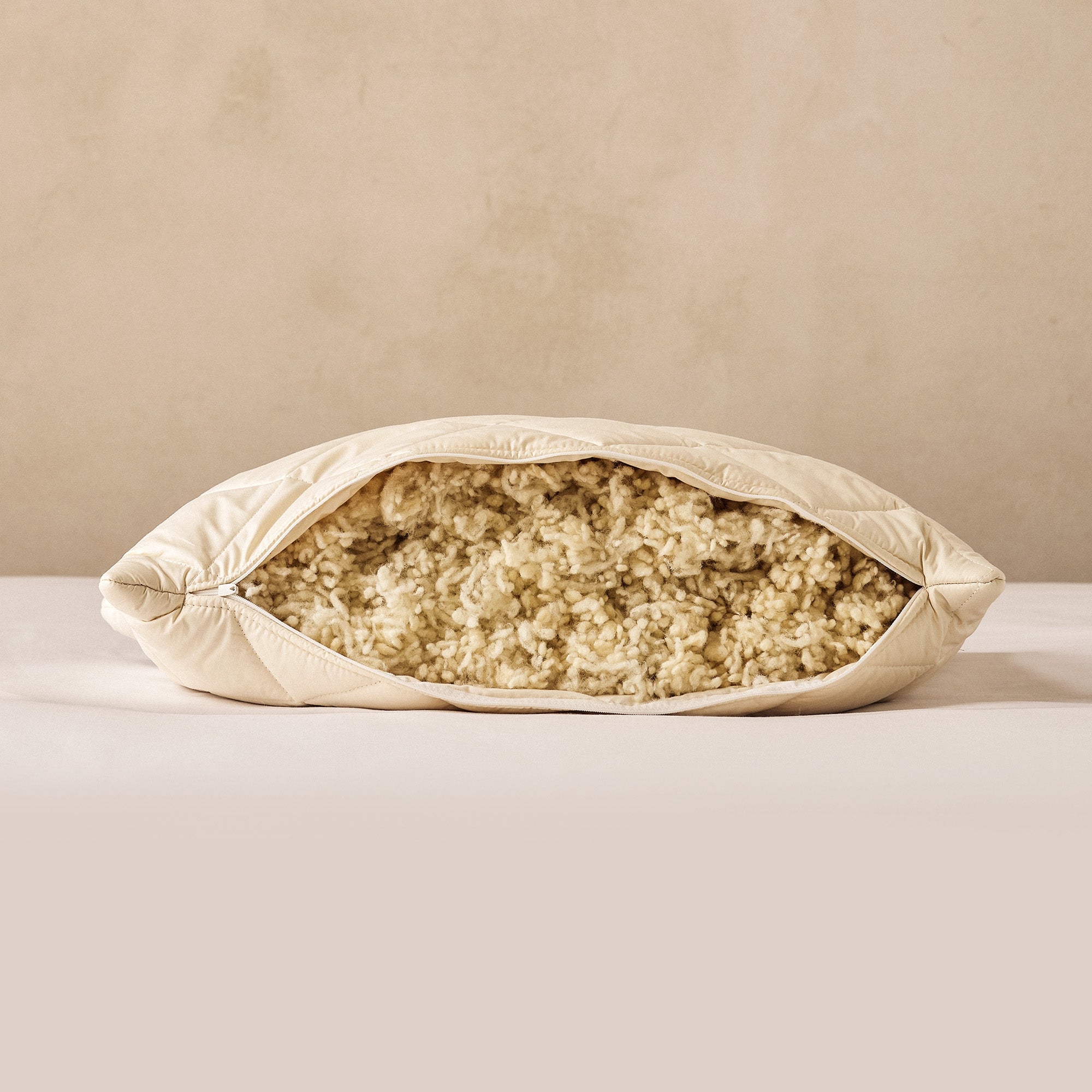
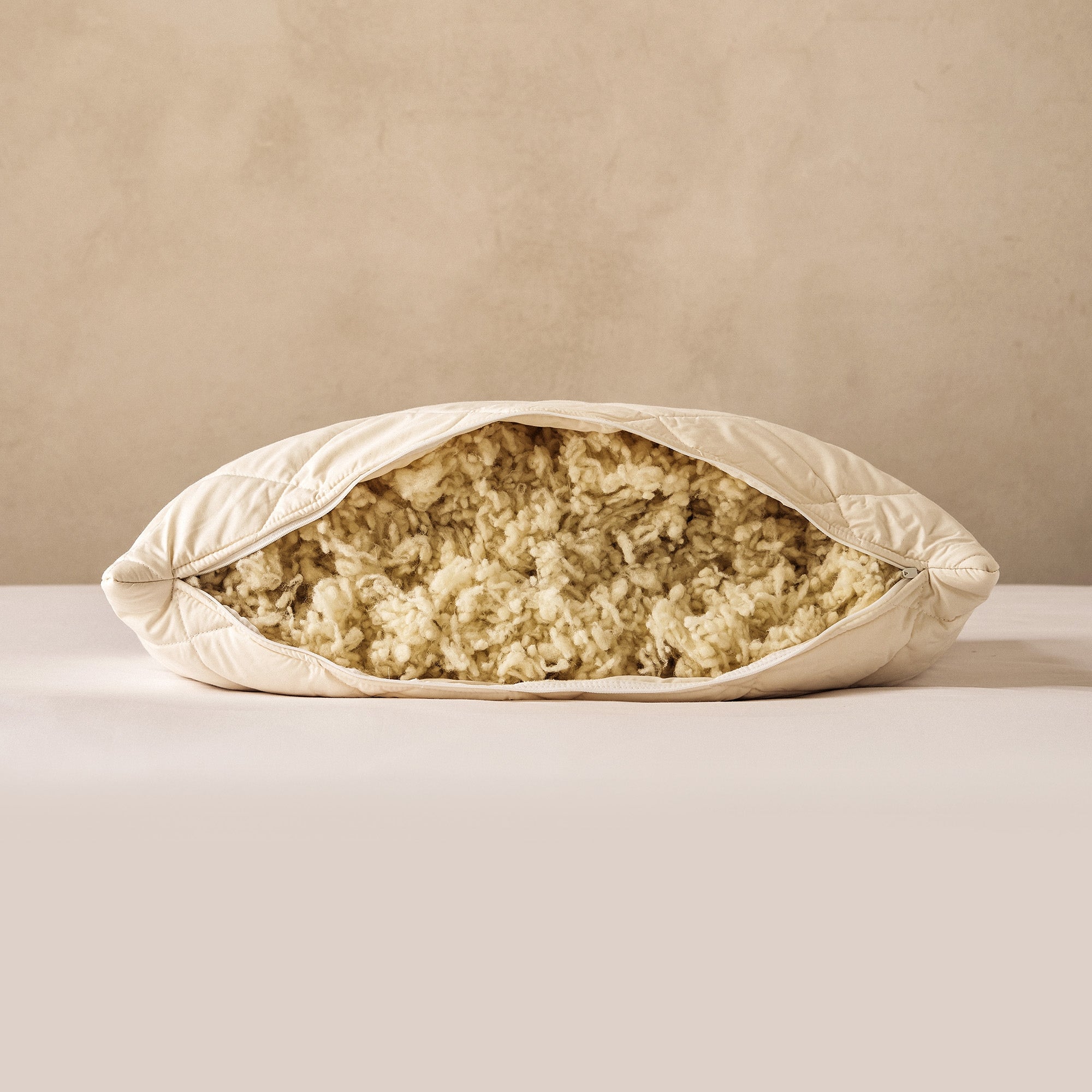
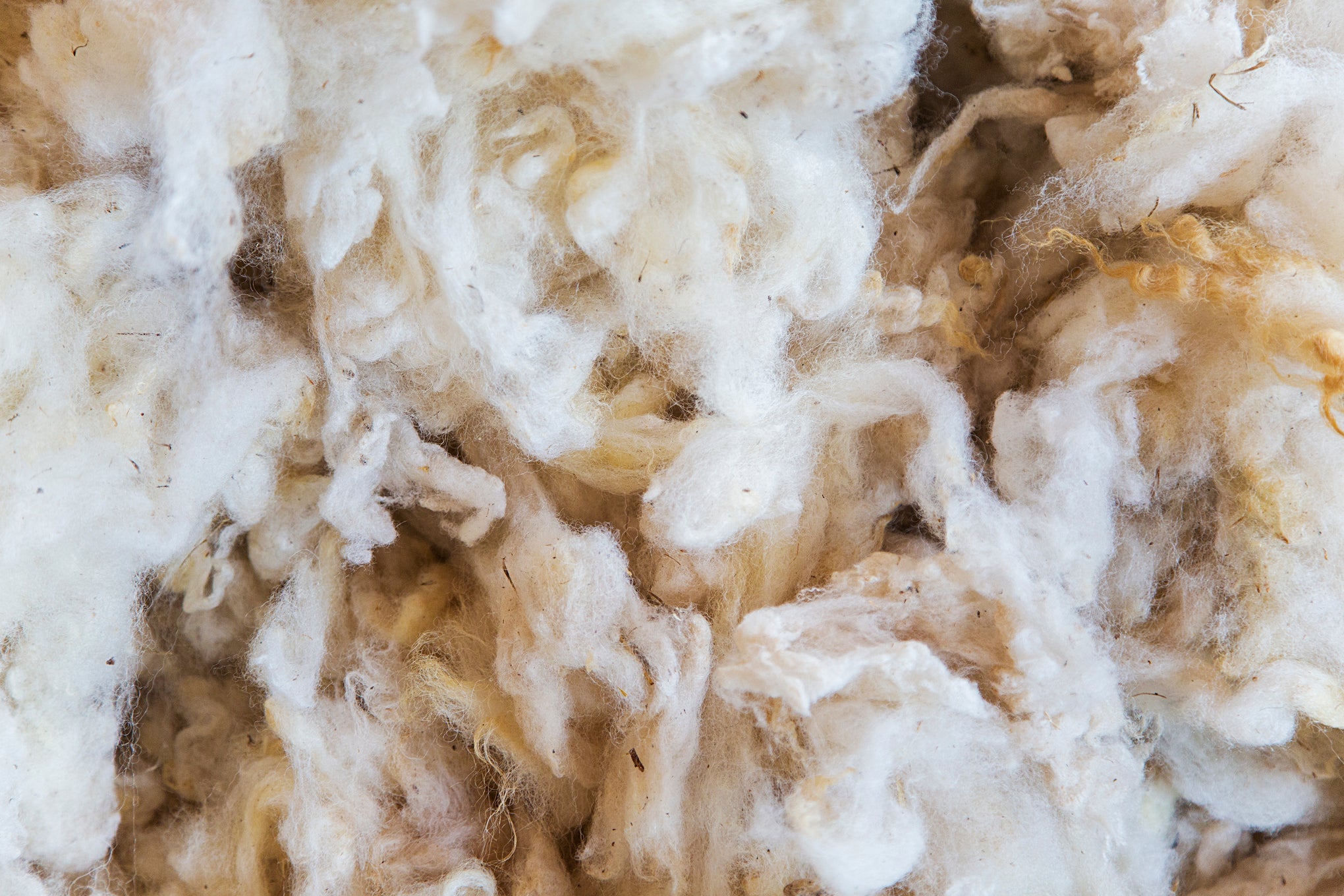
Wool is a natural fiber primarily harvested from sheep (though alpacas make similar fibers). The fiber has a coiled structure, like a tiny spring, that imparts remarkable resilience and makes it both temperature regulating and moisture wicking. The spiral shape creates miniscule air pockets between individual wool fibers, which insulate for cozy warmth. But these pockets also promote airflow, which prevents overheating and keeps moisture from collecting. Wool fibers can actually absorb up to 30% of their own body weight, drawing that moisture into their cores to be naturally evaporated. That’s the magic that keeps sleepers dry and comfortable all year round.
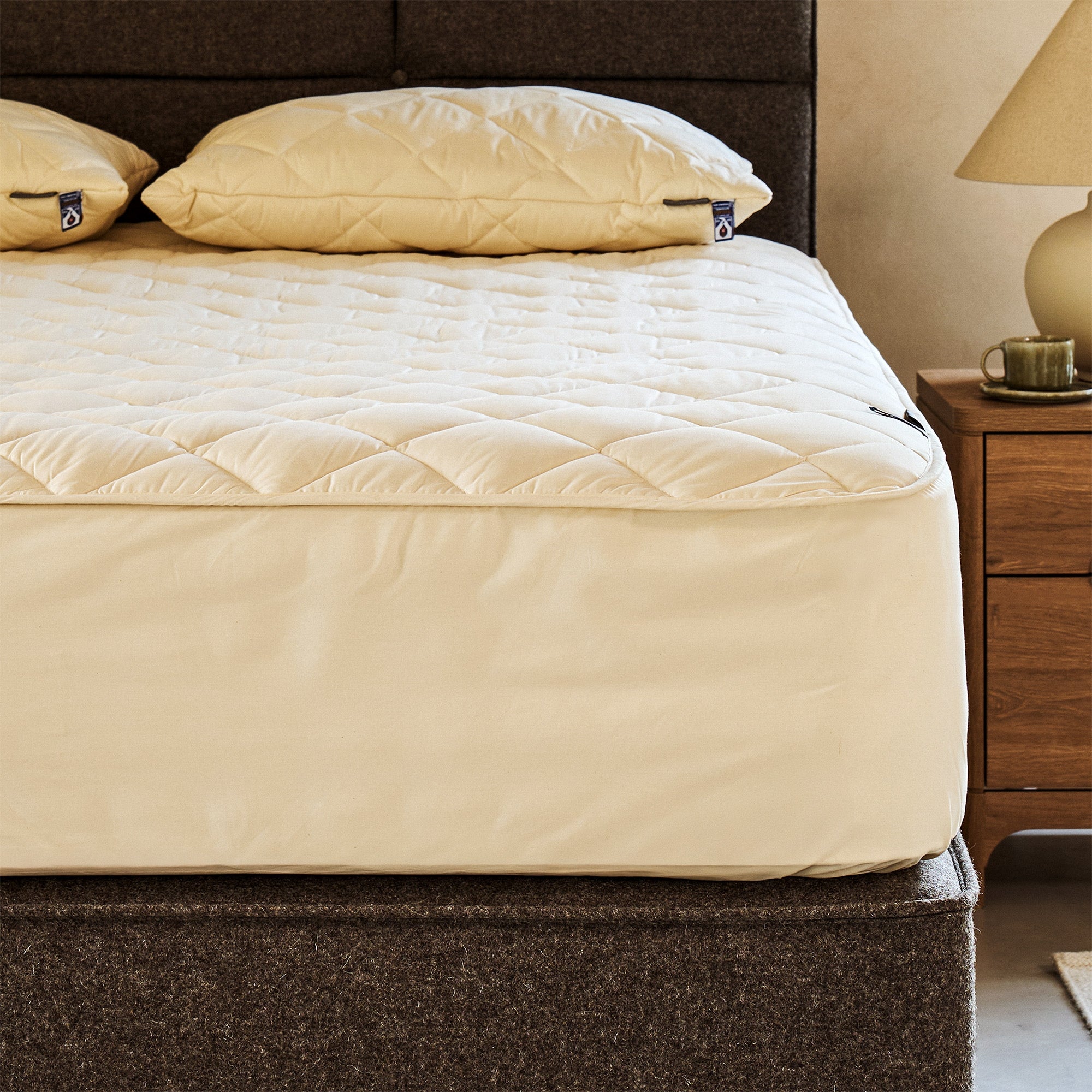
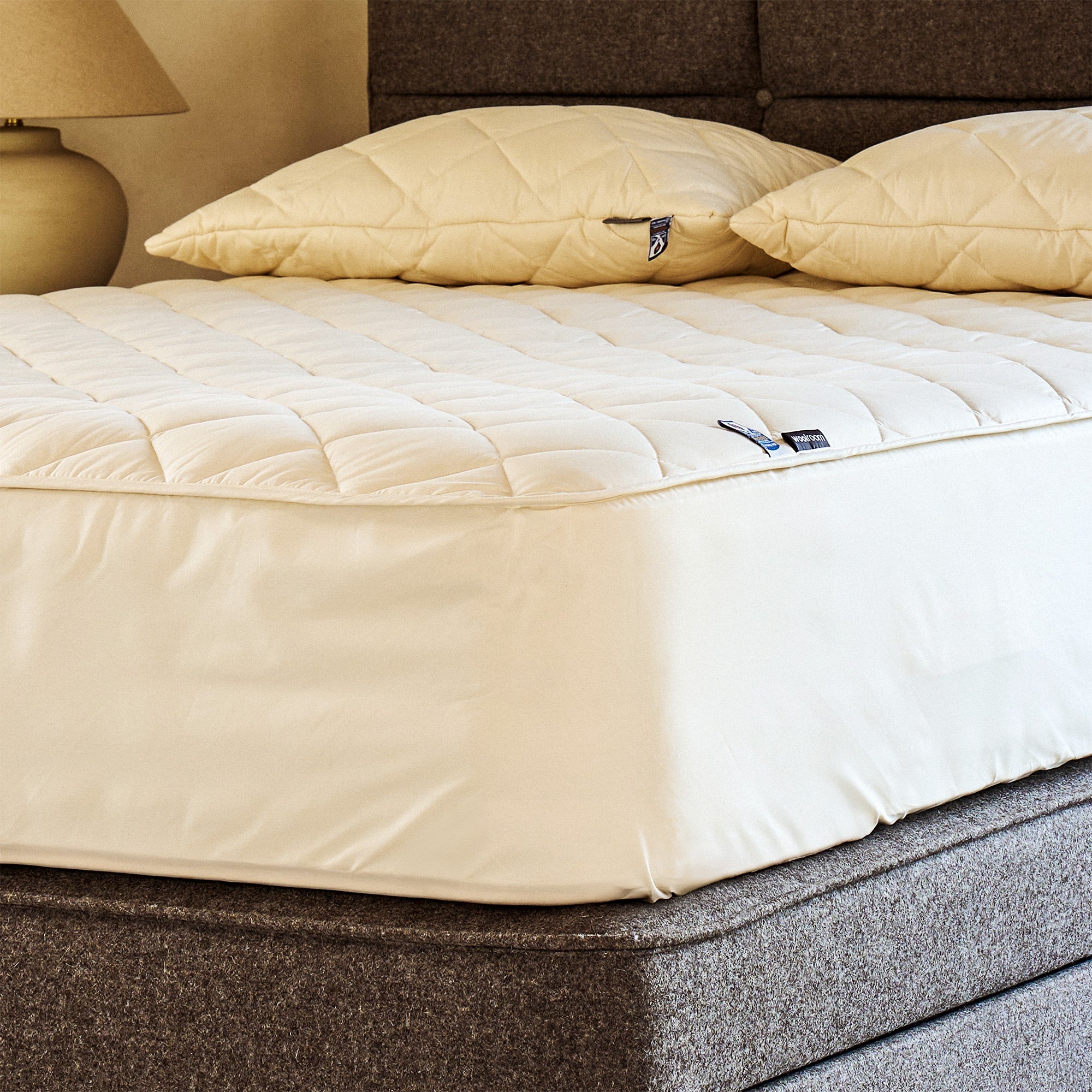
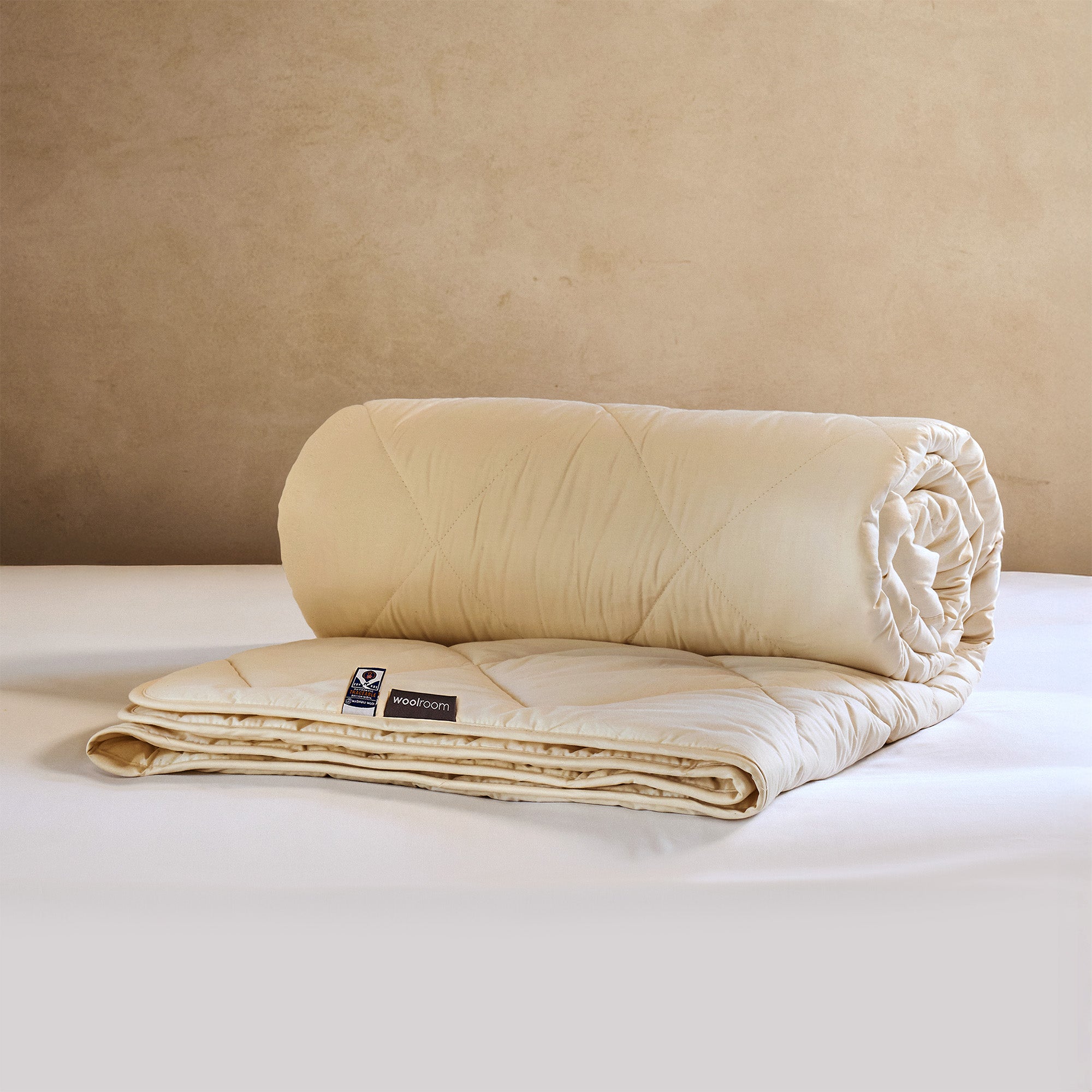
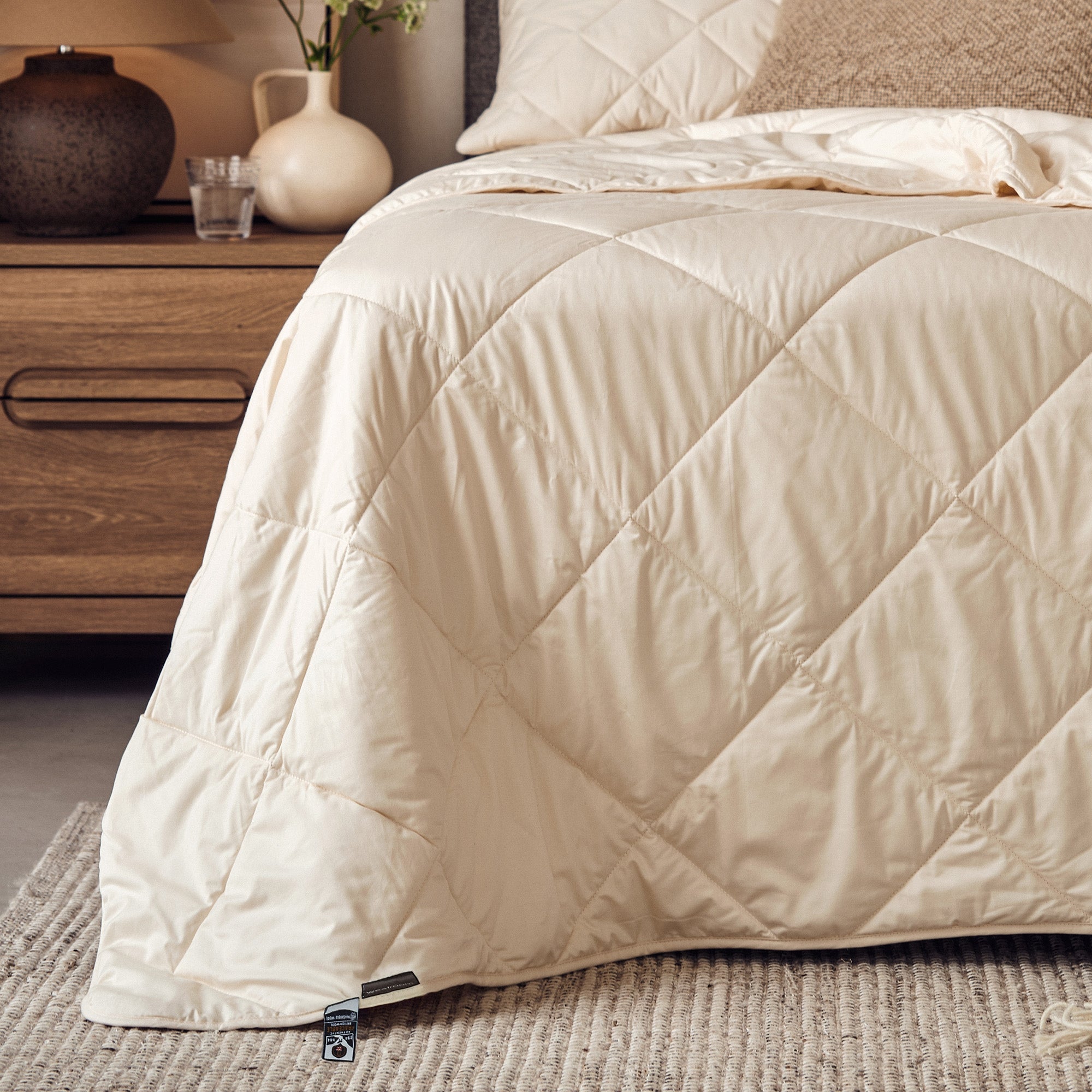
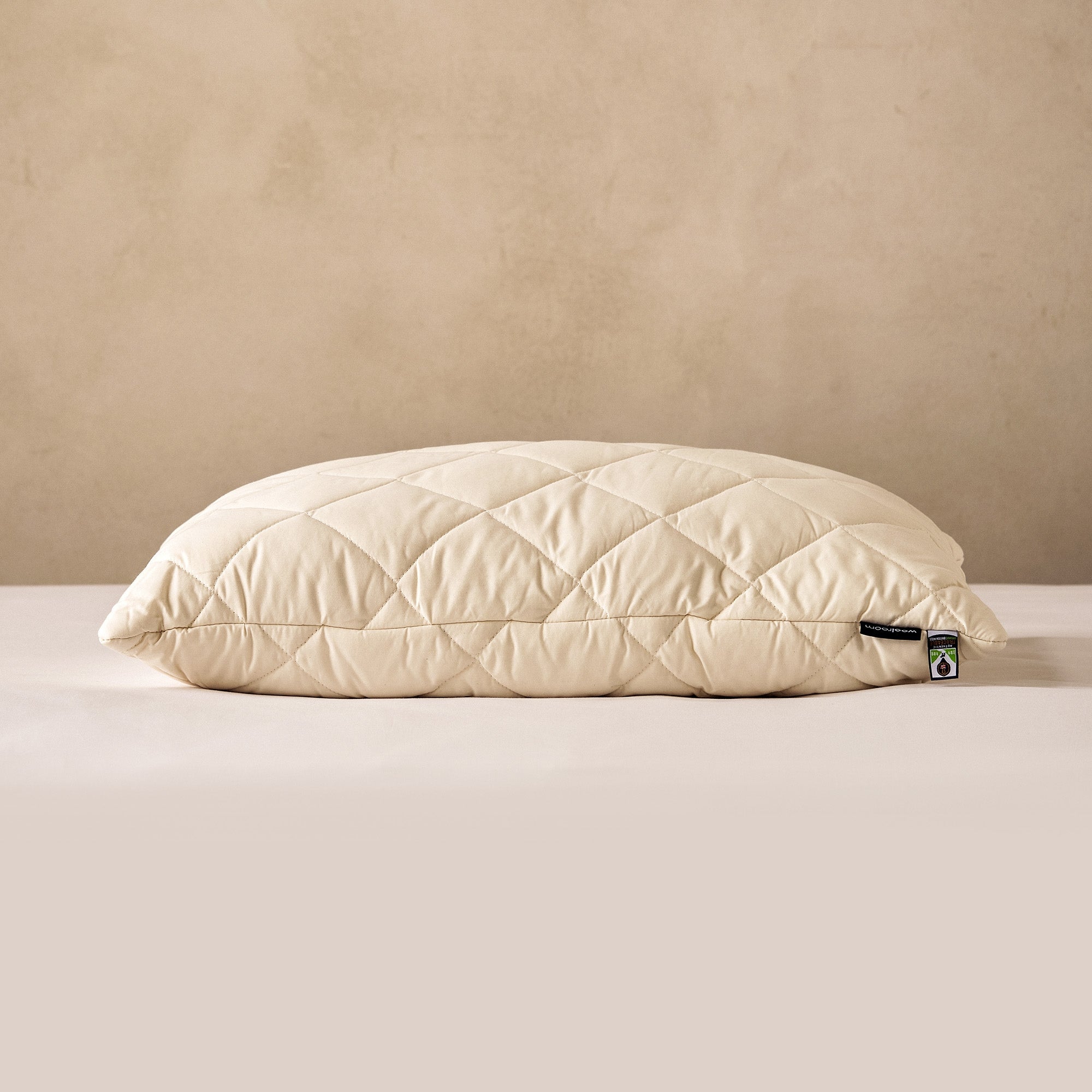
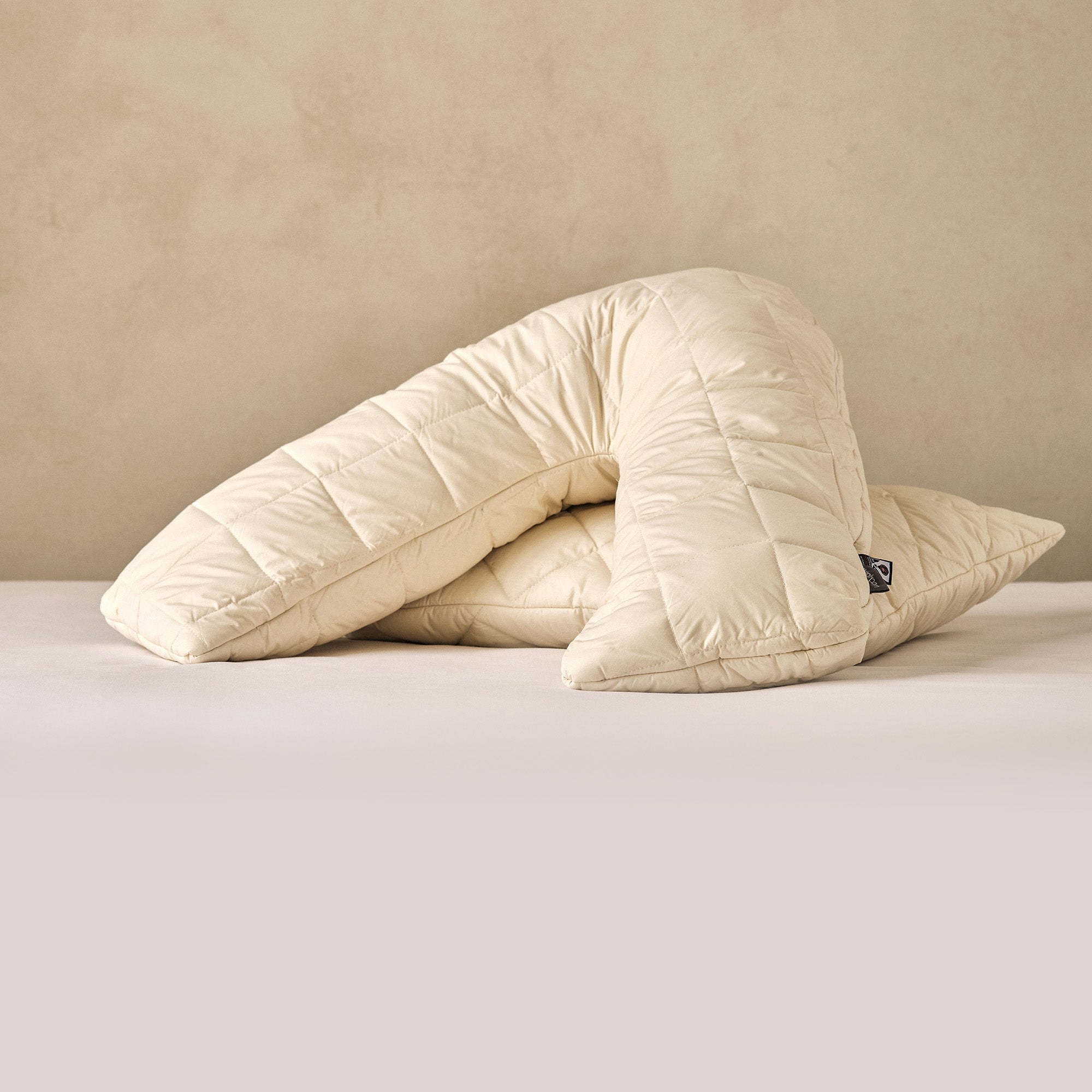
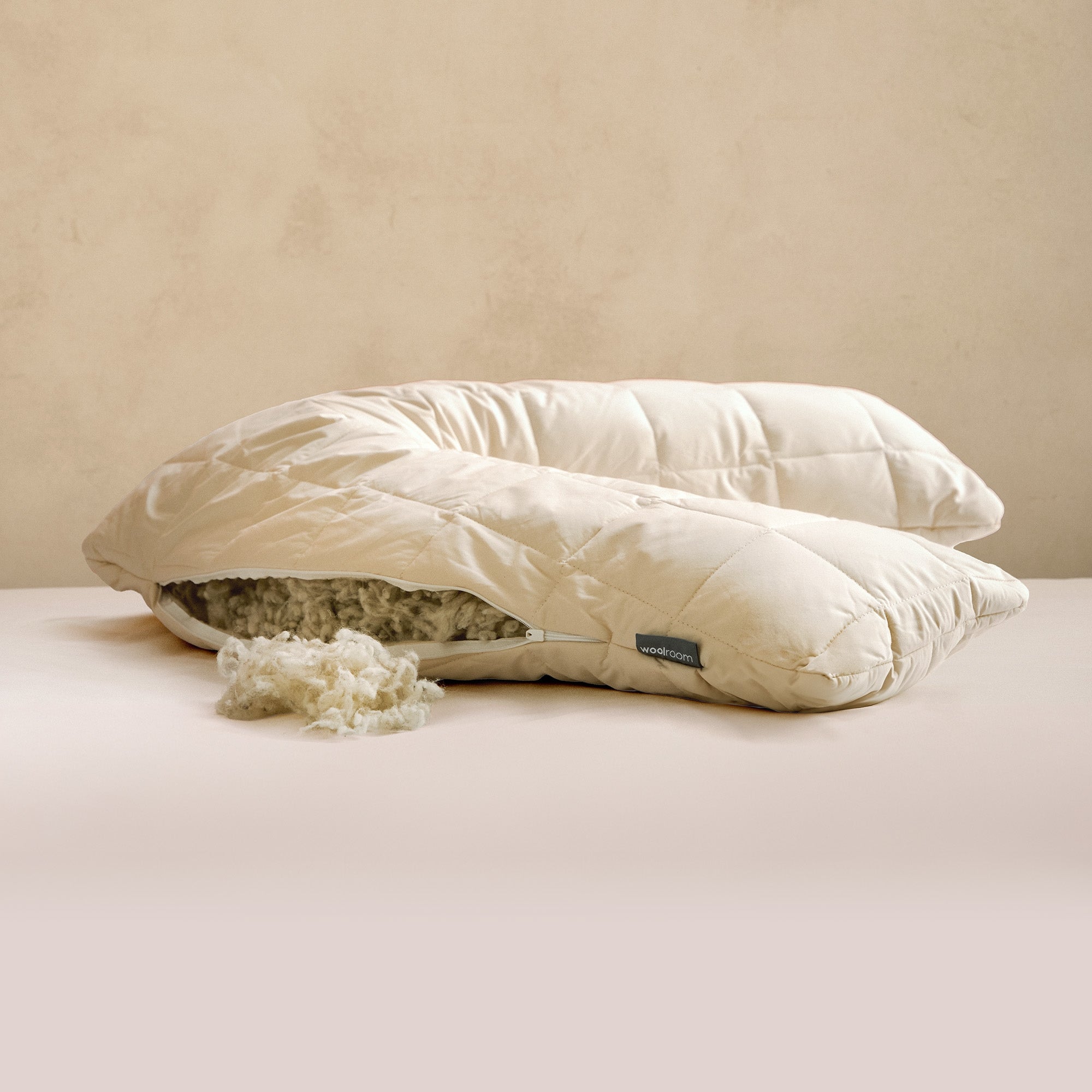
These properties are what make wool perfectly suited to bedding, like comforters, pillows, and mattress pads and toppers. It’s also used in mattresses as a comfort layer, adding responsiveness spring and gentle loft. And because it’s a natural fire retardant, it’s often used in lieu of chemical fire treatments in natural mattresses. As a whole, wool bedding is a particularly good choice for hot sleepers, who benefit from its natural temperature control and moisture management.
Down describes the soft, fluffy layer of feathers found beneath the tougher exterior feathers in birds, like ducks and geese. Down clusters don’t have quills, so they’re especially soft and insulating. In fact, insulation is a hallmark of down. It’s not like a regular feather—it’s composed of three-dimensional clusters of very fine, fluffy filaments that radiate outward. That creates tiny air pockets that can trap body heat, creating a thermal barrier to keep you warm. Down gives bedding an ultra lofty, lightweight warmth, often described as “cloud like” or “airy,” which makes it a popular material for bedding and outdoor gear. On the other hand, down doesn’t promote airflow or wick moisture, so it’s not typically the best choice for hot sleepers. Like wool, down is often used in pillows, comforters, and mattress toppers, especially in colder climates.
Wool vs Down
It’s helpful to compare wool and down side by side to highlight how these materials perform.
Warmth and insulation
While both materials excel in this category, they do so differently. We’ve already mentioned that down does an excellent job of trapping heat. Depending on where you live and whether or not you struggle with overheating, that can be good or bad.
Wool is also wonderfully insulating, but instead of simply trapping heat, it actually regulates temperature by allowing excess heat to escape and wicking moisture. That’s what makes wool a year-round option and especially beneficial if you live somewhere with fluctuating temperature or humidity.
Breathability and moisture-wicking
Down may be described as airy, but it’s not especially breathable. Down clusters allow for some airflow, but they tend to trap air—that’s how down retains heat. The lack of breathability, paired with poor moisture control, can create a stuffy experience in humid climates or if you’re prone to night sweats. Unlike wool, down absorbs moisture but then retains it. It leads to clumping, a loss of loft, and less insulating power. Plus, damp down becomes heavy and uncomfortable.
Wool, on the other hand, is actually designed to handle moisture. The fibers promote airflow and “breathe” by absorbing and then releasing moisture—a pretty ideal scenario if you tend to overheat at night. That’s why wool bedding products minimize overheating and clamminess.
Allergen and considerations
Traditional down can be an allergen, especially for sensitive individuals. That’s often related to residual dust and dander from the birds, along with the material’s innate moisture retention. Because it holds onto moisture, it’s much more susceptible to allergens and irritants, like dust mites and mold. Even “washed” down products, which are often marketed as hypoallergenic, may not be sufficient for those with severe allergies or sensitivities.
Wool is different. The same properties that make it conducive to good sleep—its breathability and moisture management—create an inhospitable environment for allergens like dust mites, mold, and mildew. That contributes to a cleaner sleep space with fewer irritants. For people looking to reduce their exposure to potential irritants, wool is a great choice.
Durability and maintenance
High-quality down bedding can last for years, but down clusters are delicate. As time passes, they’re prone to breaking down, losing loft, and clumping—especially when they’re exposed to moisture or compressed for extended periods. Some down bedding products can be machine washed, but they’ll need to be thoroughly dried to prevent clumping and mildew. They should also be shaken and fluffed regularly to maintain their loft.
Wool is actually known for its long-term durability. The wool fiber does an impressive job of maintaining its structure and loft, springing back into shape after compression, so clumping and flattening aren’t issues. Plus, its natural properties keep it fresh without much maintenance. Woolroom’s collection of washable wool bedding makes it even easier to keep your wool bedding clean.
Ethical and environmental considerations
Because down is harvested from birds, it’s important to choose down bedding products that are ethically sourced, which is evident in certifications like Responsible Down Standard (RDS) and Downmark. These ensure both traceability and humane treatment of the birds. Down is both natural and biodegradable, but it’s not always sustainable or ethical, so looking for these certifications should be a priority.
Wool is likewise natural, biodegradable, and renewable—sheep regrow their fleece annually. Sourced responsibly, wool production can be low impact. But the key is finding natural wool bedding from companies that put ethical animal husbandry practices first. At Woolroom, we take great pride in our Wool ID Traceable Wool Program. It means full transparency throughout the entire supply chain—from sheep to sleep! We’re proud to partner with British farms that share our philosophy that the very best wool comes from the healthiest, happiest animals. Plus, our wool bedding products have certifications that indicate the highest level of quality, safety, and reliability, from Oeko-Tex to British Wool approval.
Choosing Between Wool and Down
So, which is better for your sleep needs? Down tends to be a good fit for people who consistently sleep cold, prefer lightweight warmth and a touch of luxury, and don’t have sensitivities to common allergens (or feathers). Wool works better if you sleep hot or have night sweats, need or want hypoallergenic bedding, or live in a climate with fluctuating temperatures. While still lightweight, it lacks the airiness of down, so it’s a good fit if you like slightly heavier, more substantial bedding. From an environmental and sustainability perspective, wool tends to be the better choice as well—as long as it comes from somewhere like Woolroom.
The Bottom Line on Wool vs Down
Both wool and down bring natural comfort and warmth to your sleep environment, but they serve different needs. The right choice really comes down to personal sleep preferences, where you live, and whether or not allergies are a concern. Being really clear about the strengths and limitations of both materials can help you make a choice that leads to better, more comfortable sleep.
Frequently asked questions
What is better, down or wool?
It depends on what matters most to you. Down offers lightweight warmth for cold sleepers, but wool regulates temperature better. Plus, it offers superior moisture control and it’s allergy friendly.
What’s warmer, wool or down?
Down is probably a little warmer, because it’s so good at trapping heat. But that can lead to overheating. Down doesn’t wick moisture well, which can contribute to clamminess.
Is wool cooler than down?
Yes, wool is cooler than down because it regulates temperature and wicks moisture. That means you won’t overheat.
Is wool heavier than down?
Yes, wool is a heavier, more substantial material than down.